Newsletter — June 11, 2026 | | |
POLICY
ECONOMY
ON THE LOCAL FRONT
POLTICAL NEWS
RETAIL THEFT & PUBLIC SAFETY
IN THE NEWS
TRENDS
| | |
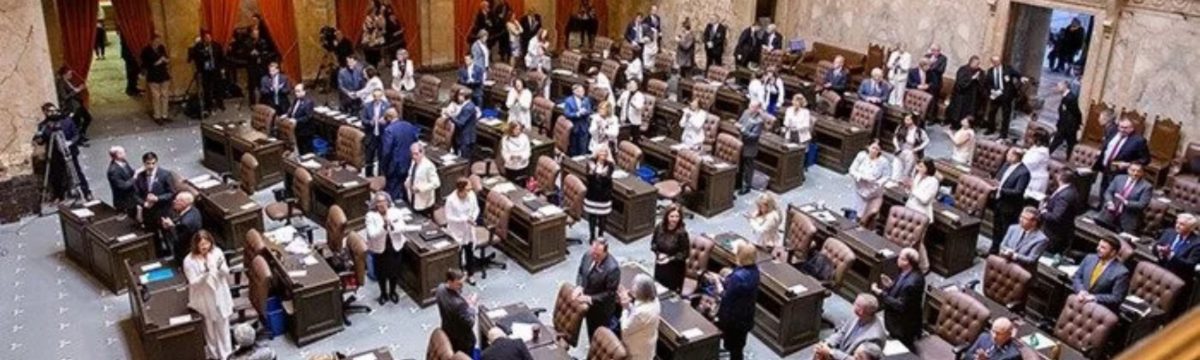
Washington Retail Association needs YOU to connect with your lawmakers
The legislative session may be over, but advocacy does not stop when lawmakers leave Olympia. In many ways, the interim is one of the most important times for Washington Retail Association (WR) members to get involved. This is the time to build relationships, share your story, and help lawmakers better understand how policy decisions affect retailers, employees, customers, and communities across the state.
Your Experience Matters
Retailers bring a perspective that lawmakers need to hear. You understand what it takes to run a business, manage costs, support employees, serve customers, and keep doors open in a challenging economic environment. That real-world experience matters, especially as lawmakers continue discussing issues like public safety, labor costs, consumer affordability, taxes, regulations, and the broader cost of doing business.
Small Actions Can Make a Big Difference
Grassroots advocacy does not have to be complicated or time-consuming. Getting involved can be as simple as:
- Meeting with lawmakers in your district
- Hosting a store tour
- Responding to an action alert
- Sharing examples from your business
- Participating in a WR policy workgroup
- Attending a legislative or community event
- Contacting lawmakers about key policy issues
Even a small amount of time can make a meaningful difference. A conversation with a legislator, a quick email, or a firsthand example from your business can help connect policy ideas to their real-world impact.
WR Will Help You Every Step of the Way
WR makes it easy to participate. We help with scheduling, coordination, preparation, and follow-up so members can engage in a way that is manageable and worthwhile. Whether you are a business owner, operator, manager, team member, or industry partner, there is a role for you in this work.
Retail is too important to be left out of the conversation. If lawmakers are making decisions that affect retailers, they should be hearing directly from retailers.
Help Tell Retail’s Story
To learn more about WR’s grassroots efforts or how to participate, please contact WR Director of Policy & Government Affairs Crystal Leatherman at cleatherman@washingtonretail.org or 360-884-0771.
| | Image: Office of Governor Bob Ferguson | | |
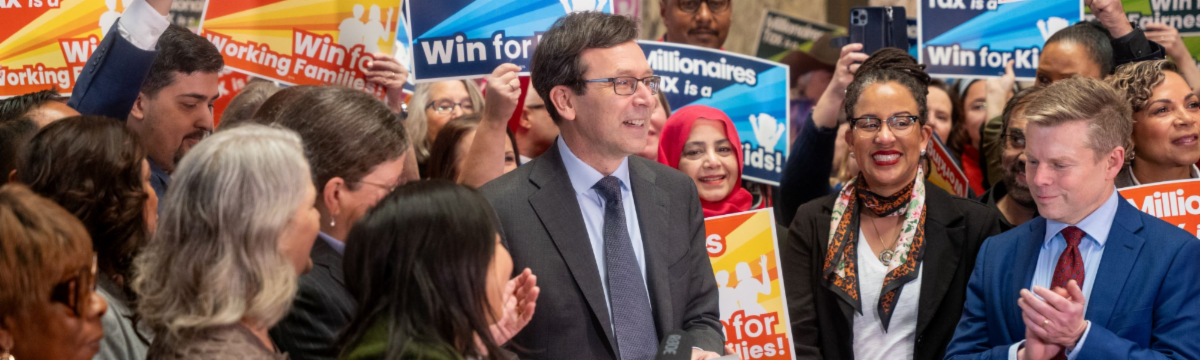
OFM sounds alarm on 2027-29 budget shortfalls, Ferguson says no new taxes, and how we got here
Lynwood Times
By Mario Lotmore
June 7, 2026
OLYMPIA — The Office of Financial Management has warned state agencies that Washington faces “significant budget shortfalls” in the 2027-29 biennium, calling it likely the “most challenging budget any of us has yet faced” and directing a sharp break from routine spending practices.
“A ‘business as usual’ approach will not meet the need of this moment – and OFM will be working with each of you to reimagine what it looks like to continue providing essential services to the public while also addressing the budget shortfall,” wrote K.D. Chapman-See, Director of Office of Financial Management. “We recognize reductions necessary to address this shortfall will come on top of billions in reductions adopted in the last 16 months, making these further savings additionally challenging without significant impacts to services the state provides.”
In a letter sent to agency directors on June 5, OFM Director Chapman-See described a fiscal outlook in which costs for core services are rising far faster than available revenue. Inflation, population growth, federal funding cuts, economic uncertainty and court-mandated spending are all squeezing the state’s operating and transportation budgets, the letter states.
“To be direct, there will be significant budget shortfalls next biennium in both operating and transportation budgets,” Chapman-See wrote. “I want to be clear that we do not yet know precisely how significant the shortfalls will be.”
Chapman-See’s warning arrives just over two months after the Legislature closed a roughly $2.3 billion gap in the current 2025-27 biennium budget with a supplemental budget that raised the two-year operating total to $80.2 billion in near general fund-outlook dollars—the highest total operating budget so far in state history. That adjustment followed an original enacted budget of $77.9 billion passed in March 2025.
According to Chapman-See, inflation has climbed 39 percent over the past decade, meaning a service that cost $100 in 2016 now costs $139; and the state’s population has grown 14.2 percent, or more than 1 million people, between 2015 and 2025. Both trends, she wrote, have driven up demand for K-12 education, Medicaid, corrections and other services while simultaneously increasing the state’s own costs for utilities, construction, fuel and materials.
“This year’s revenue forecasts will likely not provide sufficient support for the maintenance of current programs, let alone any expansions, despite recent tax code changes,” the letter states.
| | |
Wealth migration reshapes King County tax base
King County continued to experience net outmigration of income between tax years 2022 and 2023, according to Internal Revenue Service data. About 68,606 tax filers moved out while 67,282 moved in, resulting in a net loss of roughly $2.19 billion in adjusted gross income.
Most residents relocating stayed within the region. About 17 percent moved to Snohomish County and 15 percent to Pierce County, often citing lower housing costs. Median home prices in King County reached about $859,000, compared with $750,000 in Snohomish County and $580,000 in Pierce County.
Across Washington, the state recorded a net loss of 8,291 tax filers and about $547.8 million in adjusted gross income during the same period.
Economists note that employment shifts after pandemic expansion and rising housing costs have influenced mobility patterns. The state’s new 9.9 percent tax on income above $1 million, scheduled to take effect in 2028, has also raised questions about future migration trends.
| | |
Import cargo volume expected to rise briefly before easing into fall
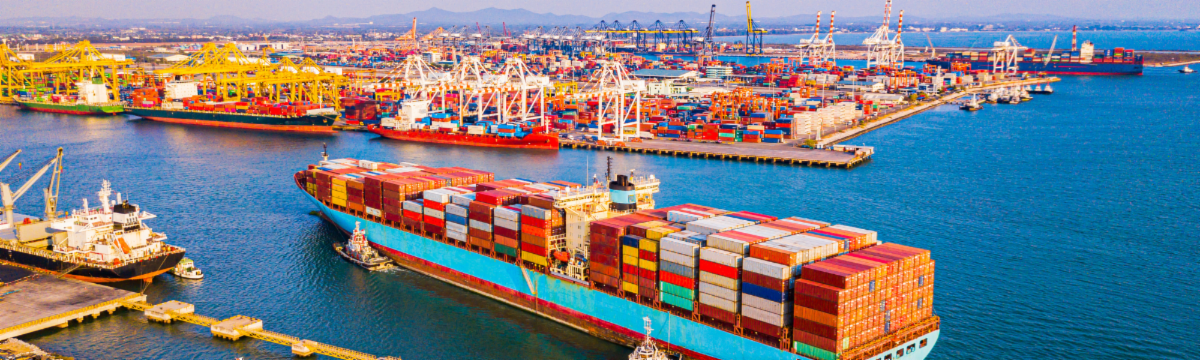
Import volumes at major U.S. container ports are projected to increase year over year in June before trending lower through the remainder of summer and into fall, according to the Global Port Tracker report from the National Retail Federation and Hackett Associates. The short-term increase is largely attributed to retailers moving goods earlier than usual to manage potential cost pressures from tariffs and fuel price changes.
U.S. ports handled 2.05 million Twenty Foot Equivalent Units in April, down 5.1% from March and down 7.3% year over year. While May data is still pending, June is forecast at 2.25 million TEU, up 14.3% year over year, followed by July at 2.19 million TEU, down 8.4%, August at 2.12 million TEU, down 8.6%, and September at 2.06 million TEU, down 2.2%.
Analysts note that early seasonal imports and comparisons to unusually low volumes last year are shaping near-term gains, while inflation, global conflict impacts, and policy uncertainty continue to weigh on demand. Despite the June and July increases, overall import activity is expected to soften later in the year as consumer and business uncertainty persists.
For Washington Retail Association members, the outlook signals continued volatility in supply chain timing rather than sustained growth in import volumes.
| | |
Seattle prepares for World Cup safety operations
Local, state, and federal agencies are coordinating extensive public safety planning for FIFA World Cup matches at Lumen Field, with an estimated 750,000 visitors expected in Seattle over the tournament period. Hundreds of officers per day will support crowd management, transit operations, and emergency response, working alongside fire departments, transit agencies, and federal partners, including the FBI, Secret Service, and Coast Guard under a unified command structure.
Public safety funding for host cities totals about $625,000,000, with Washington agencies receiving approximately $30,000,000. Seattle Police Department was awarded $8,500,000 for overtime staffing, and the King County Sheriff’s Office received $5,300,000, supplemented by state funding. Officials noted that existing patrol staffing will not be reduced during the event.
Transportation planning centers on a transit-only approach, with no public parking available near stadium venues and increased reliance on light rail and bus service. Law enforcement presence will expand across transit stations and fan zones, particularly in Pioneer Square, SODO, and Stadium areas.
Security enhancements include activation of newly installed security cameras throughout the stadium district around Lumen Field, monitored through real-time operations centers, along with aerial drones and coordinated surveillance tools to support crowd safety and incident response.
| | |
Washington judicial scorecard overview
The Full Court Press judicial scorecard provides a statewide snapshot of Washington’s judicial candidates, summarizing publicly available information on qualifications, professional conduct, and performance-related indicators intended to support voter awareness in judicial elections. The report compiles evaluations across multiple courts and highlights comparative data to help readers better understand the background and track record of individuals seeking or serving in judicial roles. It is designed as a nonpartisan resource to increase transparency and encourage informed participation in the judicial selection process.
The full report can be viewed here
| | |
Labor bill sparks debate over collective bargaining process
The U.S. House of Representatives is considering the Faster Labor Contracts Act (FLCA), Faster Labor Contracts Act (FLCA), legislation that would set timelines for negotiating first contracts after workers vote to unionize. Under the proposal, employers and unions would have 120 days to reach an agreement. If a contract is not finalized within that period, the process would move to binding arbitration, where a federal panel could establish contract terms.
Supporters of the bill argue that it would help newly organized workers reach a first contract more quickly and reduce prolonged bargaining periods. Critics, including the Washington Retail Association, which signed onto a multi-industry opposition letter, argue the proposal would significantly alter the balance of the collective bargaining process by shifting key decisions to outside arbitrators.
Opponents raise concerns that arbitration outcomes could determine wages, benefits, scheduling, and other workplace conditions without final approval from employees or direct negotiation between the parties. They also note that removing ratification votes may limit workers’ ability to weigh in on agreements reached on their behalf.
The discussion reflects broader policy questions about how to balance timely labor negotiations while preserving traditional bargaining rights and processes. As the legislation moves through Congress, its potential effects on employers, employees, and labor relations remain central to the ongoing debate.
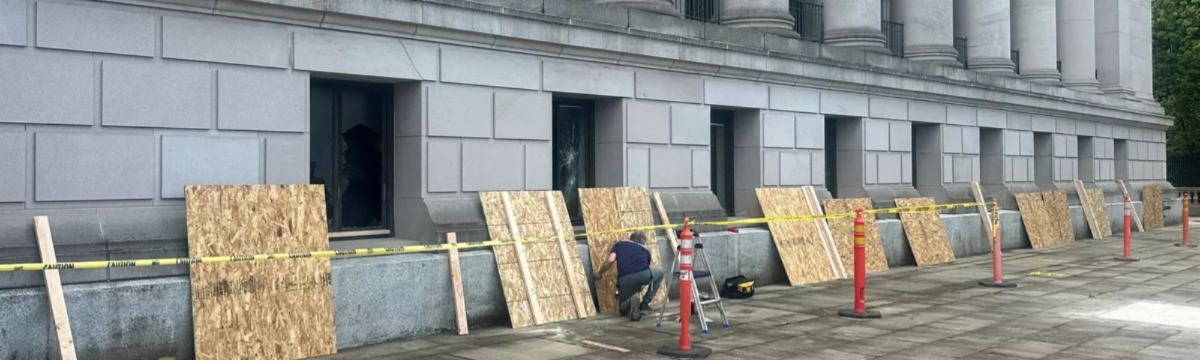
| | Crews are seen boarding up broken windows at the State Capitol in Olympia following a vandalism incident on Thursday. (Mitchell Roland/THE SPOKESMAN-REVIEW) | |
Vandalism at State Capitol causes damage and renewed security response
Early on the morning of June 4, 2026, the Washington state Capitol in Olympia was vandalized, causing an estimated $100,000 in damage, according to state officials.
Washington State Patrol said a 21-year-old suspect was detained after allegedly throwing rocks at first-floor windows and fleeing, leading officers on a pursuit that ended with a crash near the Capitol campus. He faces multiple charges, including driving under the influence, assault in the second degree, malicious mischief in the first degree, eluding, and obstructing officers.
Officials said 13 windows and two doors were damaged, but no entry occurred. Protective security film installed earlier this year prevented interior access following a prior break-in last fall that caused between $623,000 and $914,000 in damages.
| | |
Seattle retail theft operation results in 13 arrests
The Seattle Police Department conducted a retail theft enforcement operation on May 29 at a Walgreens location in Seattle's Capitol Hill neighborhood, resulting in 13 arrests related to alleged theft offenses and outstanding warrants.
According to police, officers worked alongside store loss prevention personnel to identify suspected shoplifting activity. The operation led to the recovery of approximately $600 in merchandise.
Retail theft enforcement efforts have become increasingly common as retailers and law enforcement agencies continue to address concerns about theft, organized retail crime, and repeat offenders. These operations often involve undercover officers, surveillance, coordination with store security teams, and trespass orders for individuals suspected of violating store policies.
The arrests reported at the Capitol Hill Walgreens are similar to outcomes from recent retail theft operations conducted elsewhere in Seattle. Law enforcement officials say the goal of these efforts is to reduce theft-related losses, improve safety for employees and customers, and deter repeat criminal activity.
The operation comes as retailers across the region continue to face challenges associated with retail theft while balancing customer service, employee safety, and loss prevention efforts.
| | Image: Tigard Police Department | |
Oregon investigation recovers stolen merchandise linked to regional retail theft
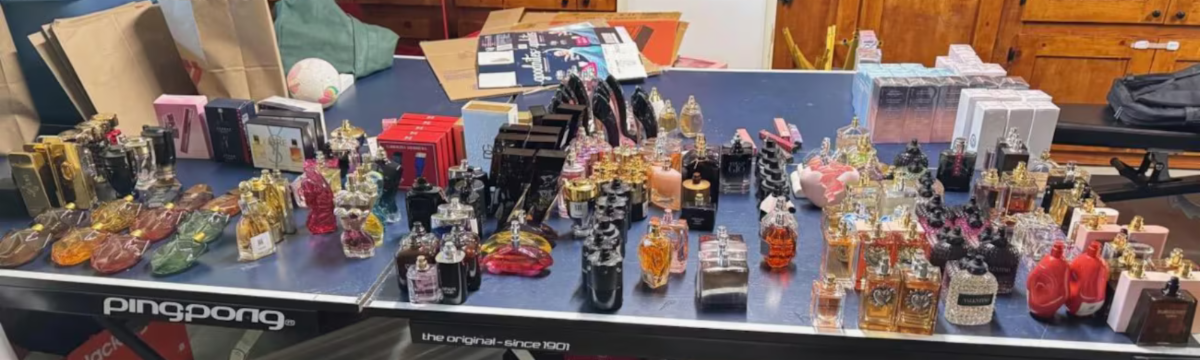
An organized retail theft investigation led to the arrest of three individuals and the recovery of approximately $36,000 in stolen merchandise believed to have been taken from retailers in the Seattle area.
According to authorities, the investigation began after an Ulta Beauty organized retail theft investigator reported that suspects connected to multiple theft incidents in the Seattle region were believed to be in Washington County, Oregon. Law enforcement agencies used aerial surveillance to locate the suspects' vehicle and detain the individuals.
A search of the vehicle resulted in the recovery of fragrances and other retail merchandise that investigators believe had been stolen from area stores. The three suspects were arrested on theft-related charges, and one individual was also taken into custody on an outstanding warrant connected to a separate theft case.
The case highlights ongoing collaboration between retailers and law enforcement agencies to address organized retail crime. Officials noted that partnerships supported by local resources and grant funding have strengthened efforts to investigate theft rings, recover stolen goods, and improve safety for businesses, employees, and customers.
The Washington Retail Association continues to monitor developments related to organized retail crime and efforts aimed at reducing retail theft across the region.
| | |
Washington Retail Association joins statewide business policy panel at 2026 WCCE Annual Conference
The Washington Retail Association (WR) was pleased to join chamber leaders from across the state at the 2026 Washington Chamber of Commerce Executives Annual Conference in Wenatchee.
WR has long been a supporter of WCCE and was proud to sponsor this year’s conference dinner and reception. The conference is always a valuable opportunity to connect with chamber partners who are on the front lines of supporting local employers in their communities every day.
Chambers play a critical role in helping businesses navigate policy changes, economic uncertainty, workforce challenges, and the growing cost of doing business. WR was glad to support that work and be part of the conversation.
As part of the conference program, Crystal Leatherman, WR’s Director of Policy and Government Affairs, joined Max Martin with the Association of Washington Business and Andrea Reay with the Washington Hospitality Association for a campfire-style policy discussion on the 2026 legislative session and what employers should expect heading into 2027.
With Washington still facing serious budget pressure, the panel talked through how lawmakers may continue looking for new revenue, which proposals are likely to return, and how those decisions could affect businesses across the state. The panel discussed policies and issue areas that are expected to remain on the radar heading into the 2027 session, including a potential Medicaid reimbursement tax, increased technology and AI regulation, and additional environmental policy proposals. Each of these areas could carry significant cost, compliance, or operational impacts for employers, including retailers.
The panel also discussed quieter revenue strategies that may not make headlines but still matter, such as higher licensing and permit fees or the repeal of longstanding tax exemptions. These policies can be easy to overlook individually, but taken together, they add another layer of cost and complexity for employers already managing tight margins.
For WR, conversations like this are an important part of making sure the retail and broader business community stays connected to the policy decisions being made in Olympia. When chambers, trade associations, and local business leaders are sharing information and working together, employers are better prepared to respond to proposals that affect their operations, employees, customers, and communities.
WR thanks WCCE for the invitation and for bringing together such a strong group of local business leaders. We look forward to continuing our partnership with chambers across Washington as policy conversations continue ahead of the 2027 legislative session.
| | |
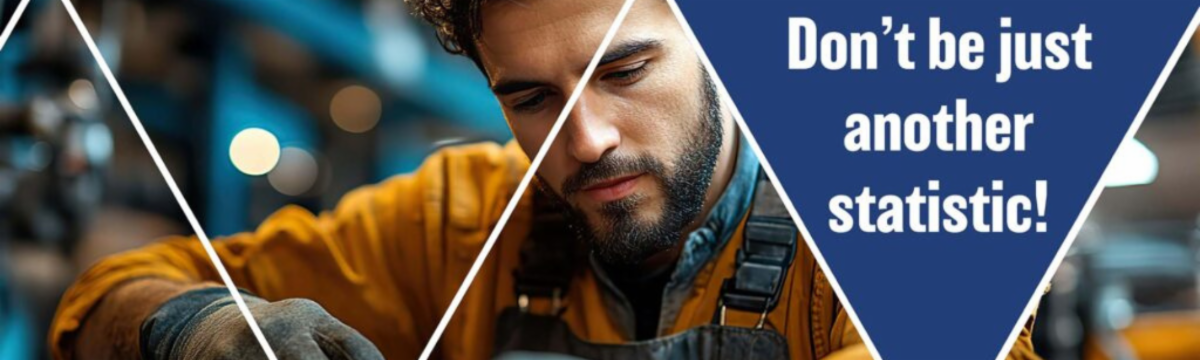
Free ergonomics training resource for Washington employers
Back injuries remain one of the most common and costly workplace injuries across many industries, including retail, warehousing, distribution, and automotive operations. Whether stocking shelves, unloading deliveries, moving inventory, or assisting customers, retail employees frequently perform tasks that place stress on the back, shoulders, and joints. Proper lifting techniques and ergonomic awareness can help reduce injuries, improve employee well-being, and lower workers' compensation costs.
Washington employers now have access to a free online training resource through ErgoApp, a mobile-friendly ergonomics training platform developed by the University of Washington with a grant from L&I’s Safety and Health Investment Projects (SHIP) Grant Program.
This free mobile app provides short, self-paced training modules for anyone to practice good lifting postures anytime and anywhere.
Employers can use it as part of an employer's ongoing safety program, new employee onboarding, refresher training, or injury prevention efforts. Because the modules are mobile-friendly, workers can access the content from a phone, tablet, or computer at their convenience.
The Washington Retail Association was pleased to partner in promoting this SHIP-funded resource to help employers strengthen workplace safety and reduce preventable injuries. Helping employees recognize ergonomic risks before injuries occur benefits everyone. Fewer injuries can lead to improved productivity, reduced claims costs, and a safer workplace culture.
To learn more and access the free training resources, visit WaWorkSafe.org and explore the ErgoApp training modules today.
| | |
Free online workplace safety certificates
For many employers, the first job is where workers learn skills that last a lifetime. Yet younger and less experienced workers are also more likely to be injured on the job. Investing in safety training early helps employees build confidence, develop practical workplace skills, and establish safe work habits that benefit them throughout their careers.
SAFEME online training platform offers free workplace safety training through two certificate programs: SAFEME Essentials and SAFEME Automotive.
The SAFEME Essentials certificate covers 12 foundational workplace safety topics, including accident prevention, personal protective equipment, slips, trips, and falls, proper lifting, ladder safety, utility and box knives, material handling, fire safety, distracted driving, forklift safety, and workplace violence.
For automotive businesses, the SAFEME Automotive certificate provides training on 12 industry-specific topics, including chemical safety, eye wash stations, car wash safety, electrical safety, power tools, tire handling, welding and cutting operations, lockout/tagout procedures, automotive lifting, and parking lot hazards.
Each certificate can be completed online at the employee's own pace and provides a job-skill credential that workers can add to a resume. The training is available in English and Spanish and is designed to support onboarding, refresher training, and ongoing safety education.
To learn more and access free training, visit WRASafeMe.org.
| | |
Retail asset protection evolving into enterprise risk strategy
Retail asset protection is shifting from a narrow focus on shrink and theft toward a broader enterprise risk management approach that connects employee safety, operational resilience, and brand protection. Industry leaders note that today’s risk landscape is increasingly interconnected, with threats influenced by geopolitical tensions, civil unrest, activist activity, cybercrime, and supply chain disruption.
Traditional loss prevention metrics often fail to capture the full scope of exposure. A more comprehensive “total retail loss” approach considers financial crime, fraud, operational inefficiencies, digital threats, and reputational harm alongside store shrink. This broader view positions loss prevention and asset protection professionals as cross-functional leaders with visibility across physical and digital channels.
The National Retail Federation Loss Prevention Advisory Council is encouraging organizations to elevate these roles into strategic advisors within enterprise risk discussions. This includes involving them earlier in decisions such as market expansion, sourcing, and operational planning to improve risk awareness and resilience.
| |
Washington Retail Association diversity statement
Washington Retail Association is committed to the principles of justice, equity, diversity, and inclusion. We strive to create a safe, welcoming environment in which these principles can thrive.
We value all people regardless of race, ethnicity, gender, religion, age, identity, sexual orientation, nationality, or disability, and that is the foundation of our commitment to those we serve.
| | |
Jan Himebaugh, President & CEO — 360.200.6450 — Email
Crystal Leatherman, Dir of Policy & Government Affairs — 360.200-6453 — Email
| | | | |