|
Inside the Copenhagen Neurological Emergencies Course
Director Q & A Session
| | |
|
Joshua Goldstein, MD, PhD | |
Q: What makes this course different from other courses out there? | |
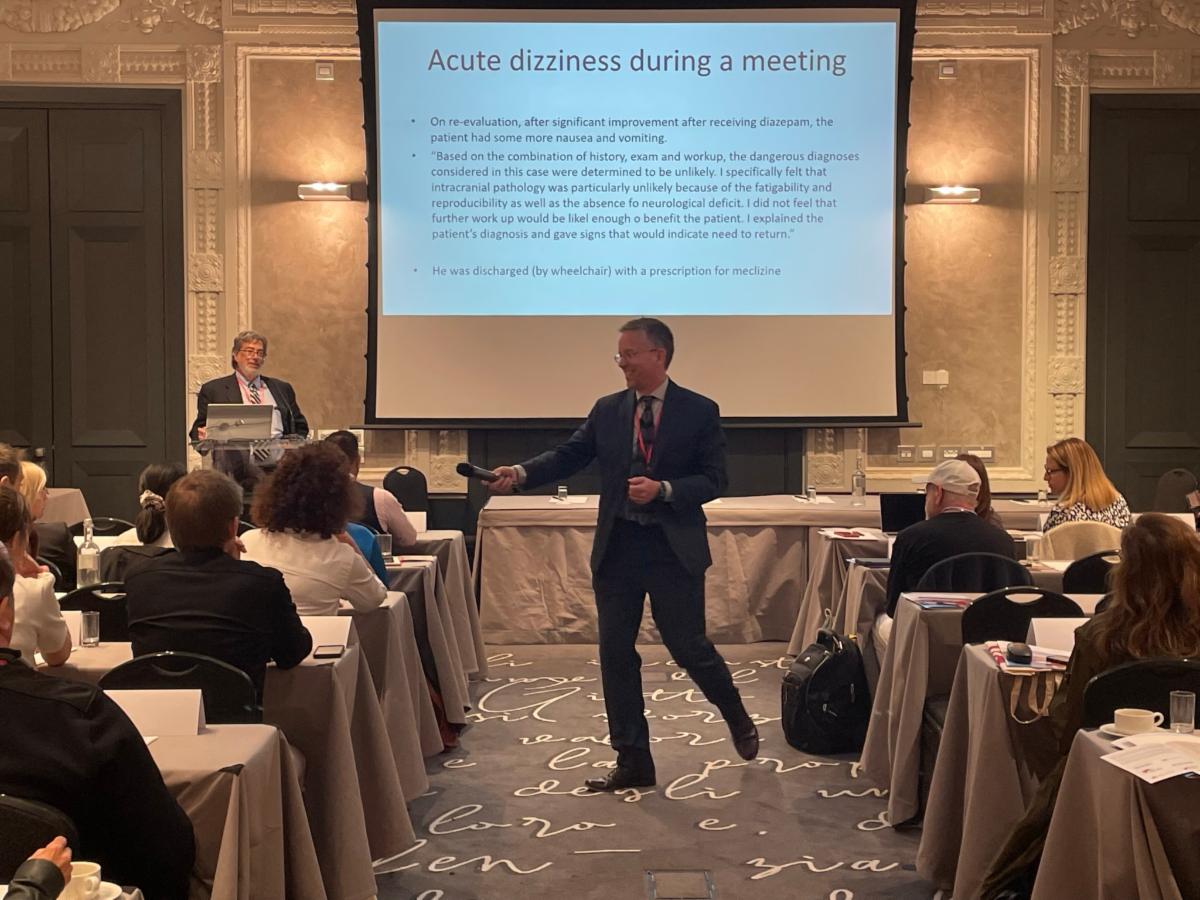
There are other courses that focus on strokes, or specific neurological diseases, and how to manage them AFTER they are diagnosed. Our course is unique, however, in addressing how to work up the initial symptoms to determine whether someone is having an emergency in the first place. Neurologic signs and symptoms are some of the most common, high risk, and complex in medicine. Those who work in emergency medicine, neurology, primary care, intensive care, and hospital-based medicine, are often faced with complaints such as headache, dizziness, and back pain. What are the current evidence based approaches to evaluate these? How do we best diagnose an emergency, and then how do we best treat it? In this course, we will offer highly practical approaches to the initial evaluation and management of common complaints, as well as high risk diseases.
Furthermore, because this course often attracts clinicians from different specialties, there is a healthy interchange of ideas and perspectives that does not occur in courses that are only attended by individuals from a single specialty.
| |
Q: Is this course only useful for emergency physicians? | |
Not at all! This course is ideal for physicians, nurses, and advanced practice providers. Our attendees are often emergency physicians, neurologists, internists, primary care doctors, hospitalists, and intensivists. Nurses and other clinicians who see patients with neurologic complaints and diseases attend as well. Course participants from past iterations have worked in emergency departments, stroke units, neurology clinics, primary care clinics, urgent care centers, and anywhere that patients can present with a neurologic complaint.
| |
Q: What kinds of take home tools or skills will participants be getting? | Participants will be getting a wide range of hands-on, highly practical tools and algorithms that they can put into practice today. How to evaluate patients with dizziness? When should I order a head CT or MRI, and how to know which one? Participants will learn algorithms for headache, back pain, dizziness, and seizure. They will learn how to use bedside ultrasound to evaluate for elevated intracranial pressure or to perform a lumbar puncture. They will learn how best to provide the first hours of treatment for stroke, intracerebral hemorrhage, traumatic brain injury, seizure, and CNS infections. | |
Q: Is there anything I need to do to prepare for the course, if I decide to attend? | |
No, but we encourage all participants to bring their tough cases or questions about neurologic diagnosis and management. We will have many esteemed experts at this conference and encourage all to engage in valuable knowledge exchange. | |
|
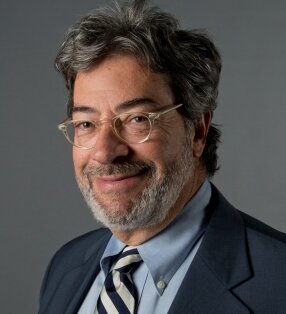
Dr. Edlow is a Professor of Medicine and Emergency Medicine at Harvard Medical School. He lectures nationally and internationally on topics such as stroke, TIA, subarachnoid hemorrhage, and various causes of weakness and dizziness. He is an internationally renowned expert on neurological emergencies, and is currently the chairman of SAEM’s GRACE-3 Clinical Guideline on Acute Dizziness. He has published over 250 articles, editorials, research studies and book chapters in peer-reviewed journals including Lancet, New England Journal of Medicine, and JAMA. For the past 15 years, Dr. Edlow has contributed to the international development of emergency medicine in a variety of countries, participating in educational, quality assessment, and emergency care systems consulting projects. Practicing medicine since 1981, he is board-certified in both emergency medicine and internal medicine.
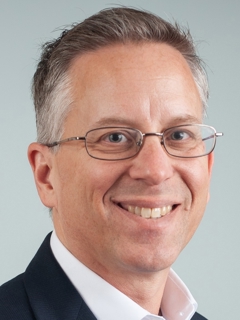
Dr. Goldstein has dedicated his career to multidisciplinary work integrating neurology, neurocritical care, and emergency medicine. A Fellow of the American College of Emergency Physicians, the American Academy of Emergency Medicine, the Neurocritical Care Society, and the American Heart Association, he is heavily involved in stroke quality of care at the national level and has published in most of the major emergency medicine and neurology journals. He has served on the AHA Get-With-The Guidelines Stroke Workgroup, the Program Committee for the International Stroke Conference, and various AHA writing groups including the national guidelines for hemorrhagic stroke. He currently runs an extramurally funded clinical research program studying the acute clinical care of neurologic emergencies. You can find his program at https://neurologicemergencies.com/
| | | | |