Inside the Plasticity Program: How Eye Assessment Works

During the 5-day Plasticity Program, oculomotor assessment and oculomotor rehabilitation are woven throughout the week — not added as an afterthought, but integrated as a core component of the neurological evaluation and treatment protocol.


Day 1

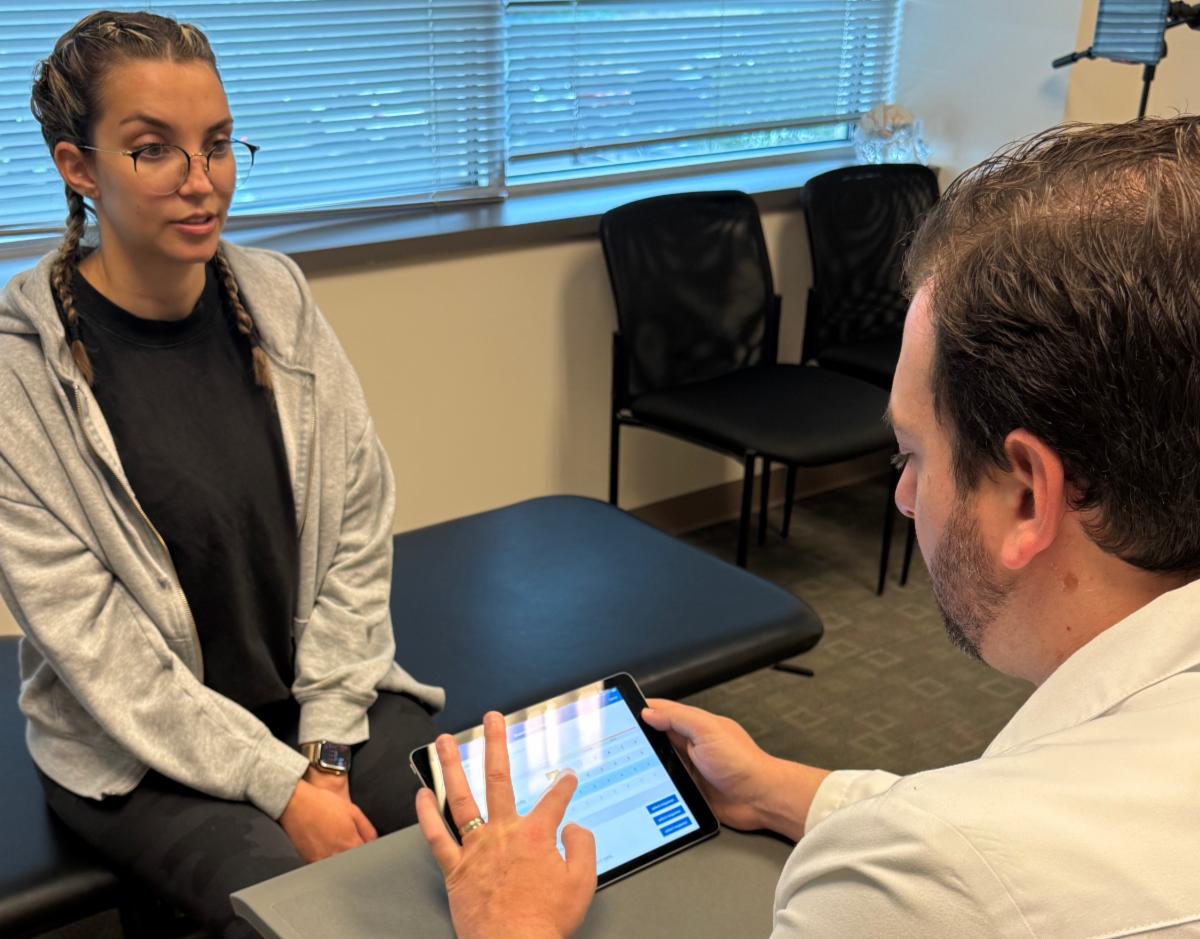
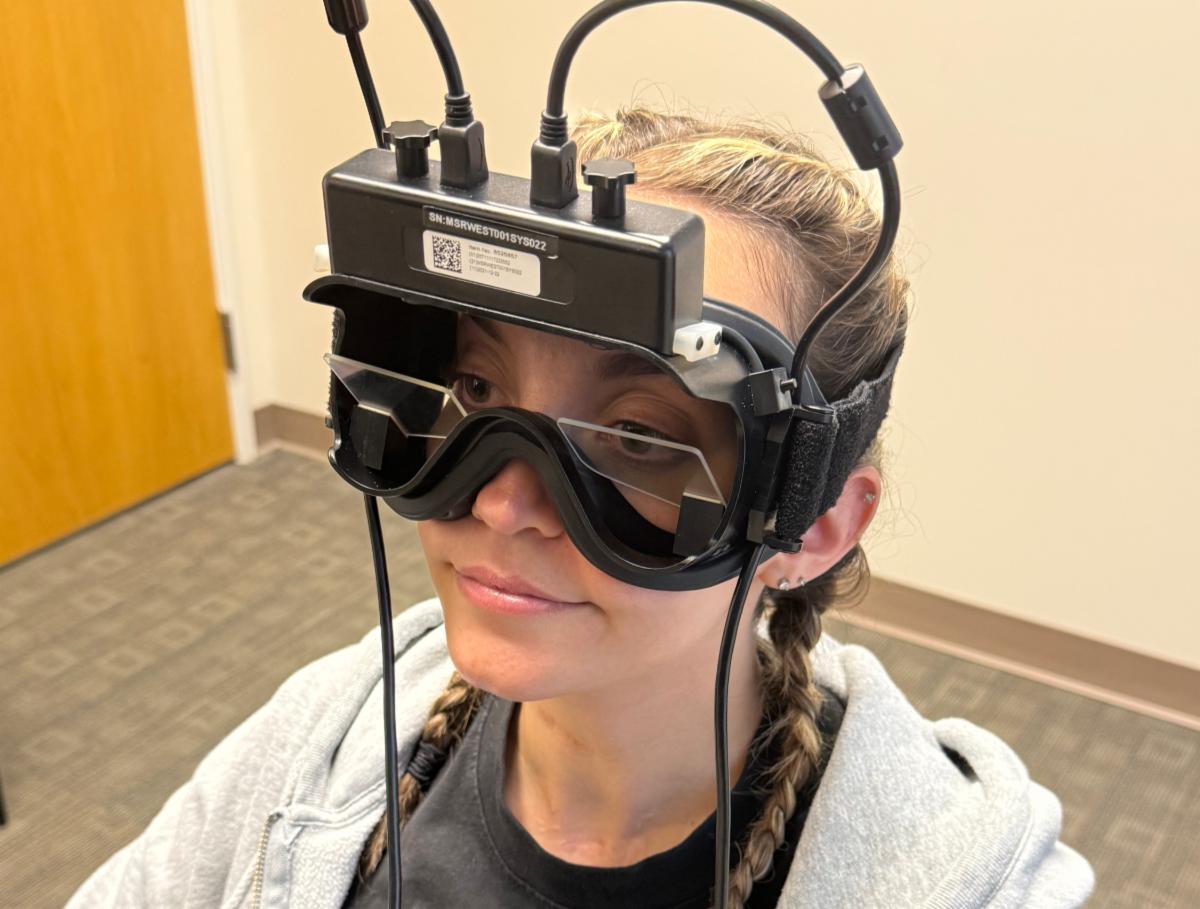
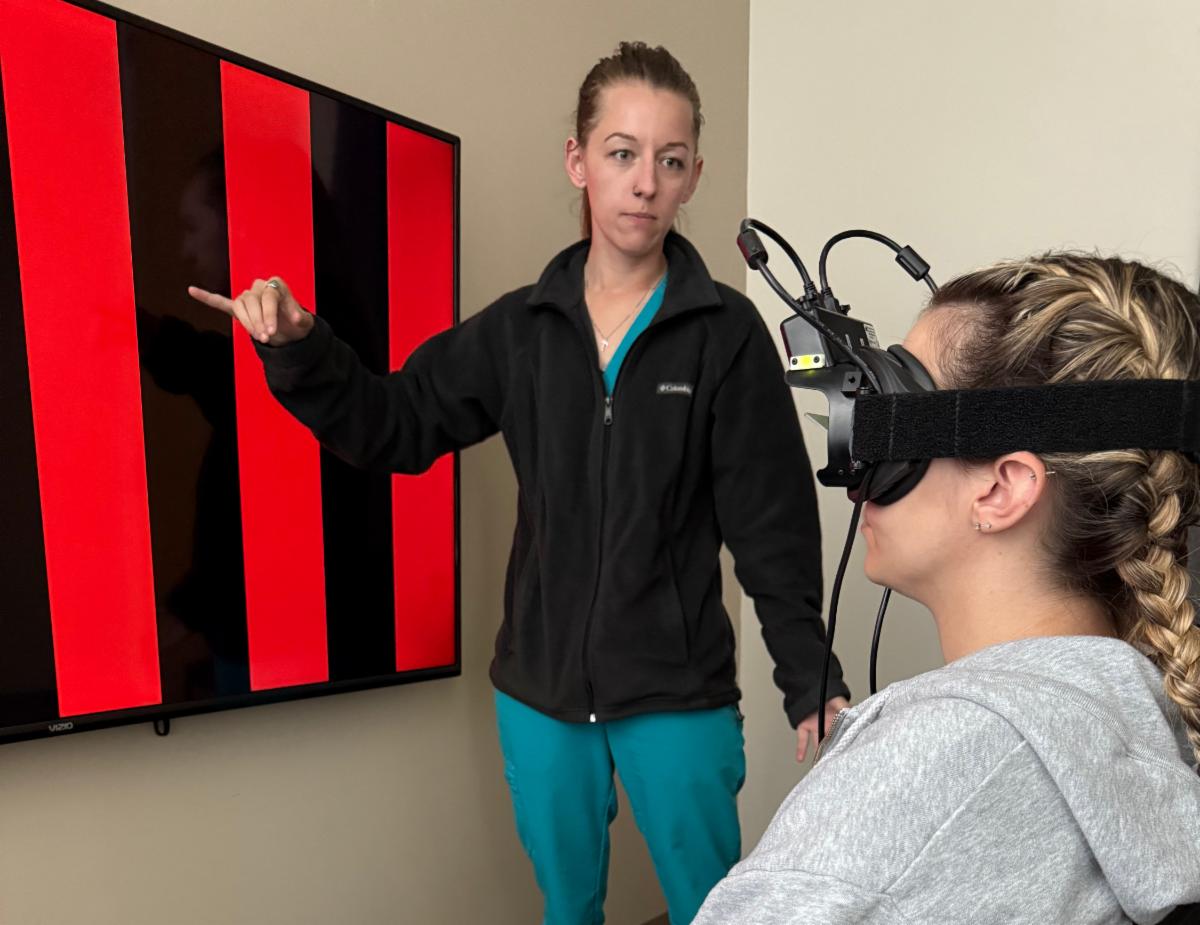
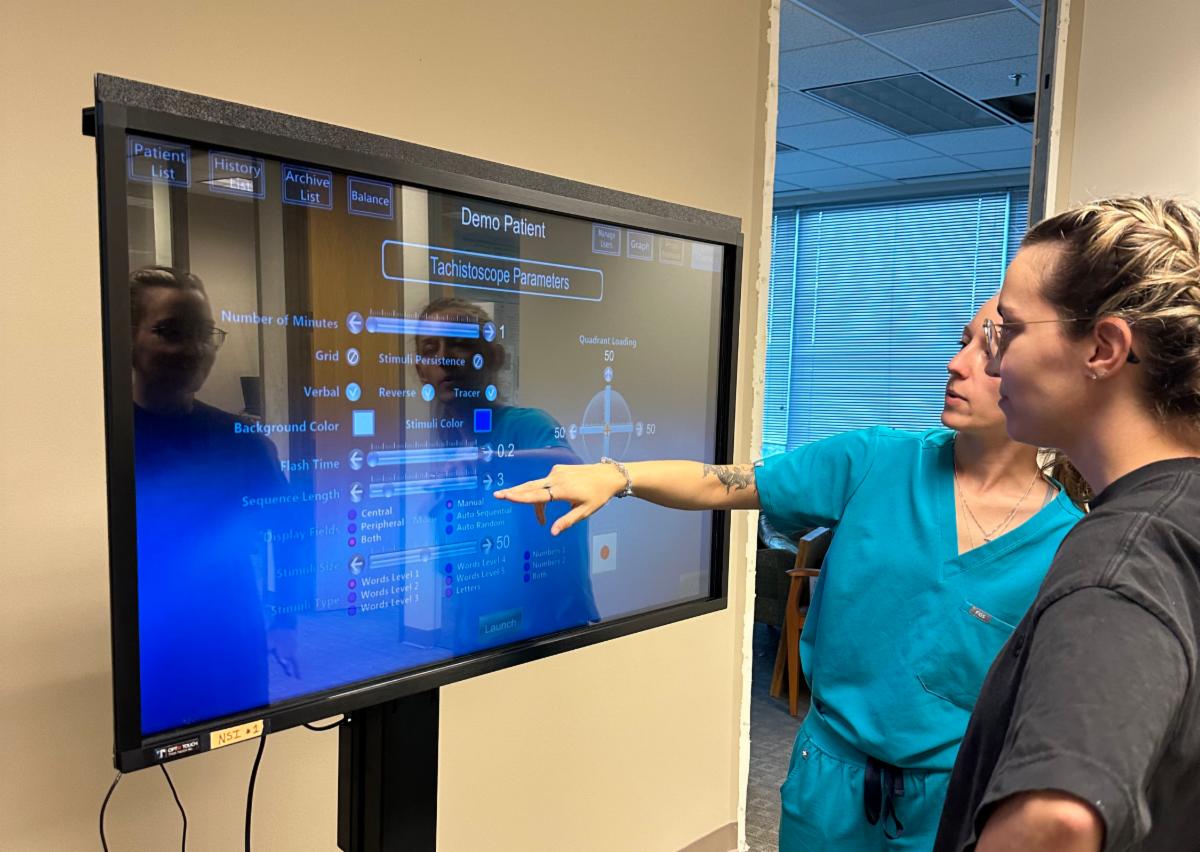
Comprehensive baseline oculomotor evaluation. We assess saccades, smooth pursuit, fixation stability, vergence, and vestibulo-ocular reflex — each of which maps onto specific neural pathways. The pattern of findings guides the entire week's treatment plan.


Days 2–4

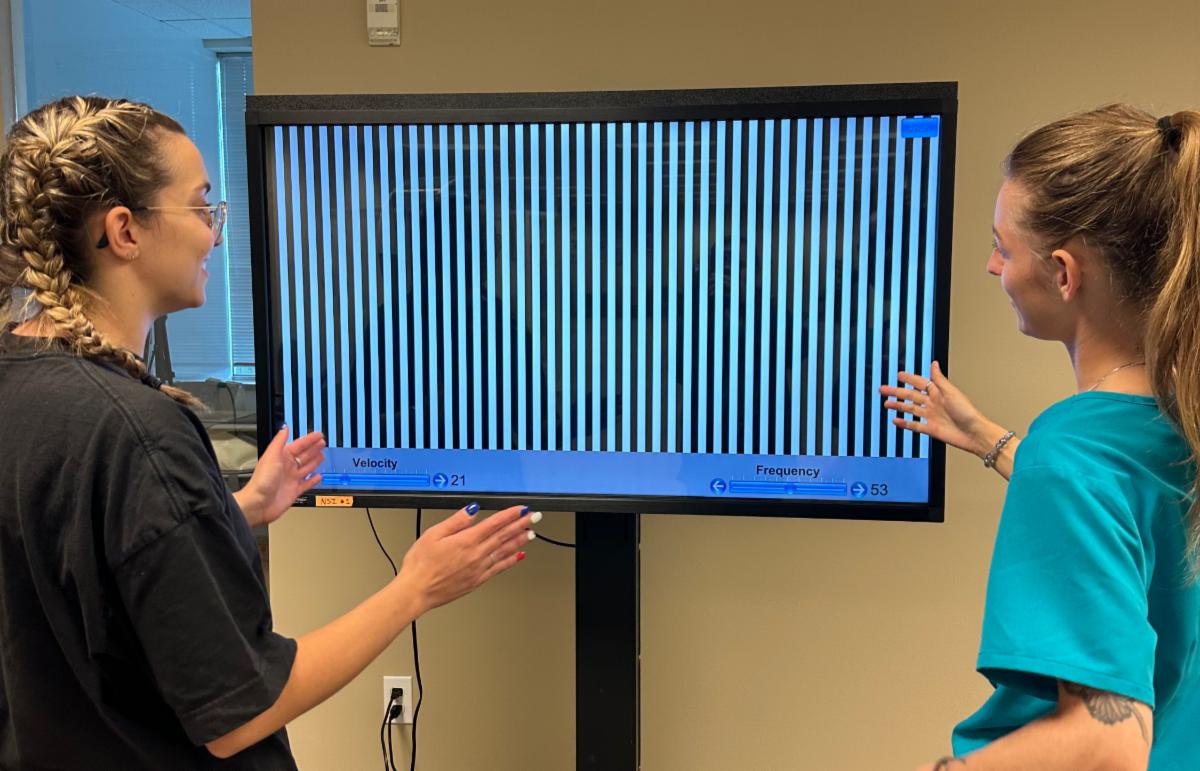
Individualized oculomotor rehabilitation, combined with other neurological treatment modalities, targeting the specific dysfunctions identified on Day 1. We monitor how the eyes — and the neural systems they represent — respond in real time, and we adjust accordingly.


Day 5

Post-program reassessment. We re-run the evaluation from Day 1 and compare the results. Most patients see measurable improvement in their objective scores. This is not subjective. The data shows what has changed.

A Note on What "Chronic" Actually Means

One of the most damaging beliefs we encounter is the idea that because a condition has gone on for a long time, the window for recovery has closed. That chronic means permanent.


It does not.


The research on neuroplasticity — the brain's capacity to reorganize and form new connections — consistently shows that the brain retains this capacity across the lifespan. What chronic neurological dysfunction reflects is not a brain that cannot change. It reflects a brain that has not yet received the right stimulus, in the right sequence, at the right intensity, to change.


The eye movements that were sluggish, inconsistent, or dysregulated when you arrived at our clinic on Day 1 can be different by Day 5. And different eye movements mean different brain activity — measurably, objectively, demonstrably.

Common Symptoms Treated


  • Persistent headaches or migraines
  • Brain fog and difficulty concentrating
  • Dizziness, vertigo, and balance issues
  • Fatigue and sleep disruption
  • Anxiety and mood changes
  • Light and noise sensitivity
  • Visual disturbances
  • Exercise intolerance

What Most Prior Treatments Miss


  • Identifying which specific brain systems are dysregulated
  • Measuring neurological function objectively
  • Targeting the root dysfunction — not just symptoms
  • Coordinating multiple rehabilitation modalities simultaneously
  • Adjusting the approach in real time based on your data
  • Providing an intensive, immersive format that produces lasting change

What Makes This Program Different

The Plasticity Program is not another medication, another specialist appointment, or another generic therapy. It is a structured, data-driven, intensive rehabilitation model built on a principle most traditional care misses entirely:

"Chronic does not mean permanent."

The brain has the capacity to change, adapt, and recover — at any age, and often far beyond what patients have been told is possible.

Curious whether the Plasticity Program is right for you?


The first step is a short candidacy assessment — no cost, no obligation. Our team will review your history, discuss what we see, and tell you honestly whether we believe this program is likely to help.

PLASTICITY BRAIN CENTERS TREAT & IMPROVE:
-Vertigo -Concussion - Hypoxic Injuries - Stroke - Autism - ADHD & Dyslexia
-Cognitive Challenges - Parkinson’s Disease - Improved Brain Function - Headache & Migraine -Dysautonomia - Long Haul Covid -Dizziness 
We know that each person is unique and we tailor our treatments accordingly. Book your personal 15-minute phone consultation today!
Let's talk today to see if we can help.
Are you or a loved one prepared to embark on a transformative journey towards better brain health? Reach out to Katie via email at katie@plasticitycenters.com or give us a call at 855-955-9727. Discover firsthand the positive transformation that awaits you at Plasticity Centers!