ISSUE 371 | August 20, 2026 | | |
|
The Institute is an economic research and applied research and consulting group that provides customized client solutions and strategies to facilitate decision making and planning that enhances growth, impact, and sustainability for organizations.
| |
From Around the Region and the State
Economic and Policy News
| | North Philly Development Set to Bring 129 Subsidized Rentals | |
A new $68 million affordable housing development in North Philadelphia will bring 129 subsidized apartment units to the area as part of the final phase of the long-term redevelopment of the former Norris Homes public housing site.
The six-story project, led by Jonathan Rose Companies in partnership with the Philadelphia Housing Authority, will provide apartments for households earning 20 to 60 percent of the area median income, with residents paying no more than 30 percent of their income toward rent.
In addition to the apartment building, the site will include 15 affordable townhomes, recreational amenities, and ultimately expand the neighborhood’s housing inventory to 446 rental and homeownership units, triple the number that previously existed at Norris Homes.
Click here to read the full article
| |  | Philly Stake Microgrants Return After 10-Year Hiatus | |
After a 10-year hiatus, Philly Stake is returning as a community fundraising event where attendees hear pitches for local creative and civic projects, then vote on which initiatives will receive microgrants funded by ticket sales.
The volunteer-led program previously raised $21,500 for 24 projects between 2010 and 2016, supporting grassroots efforts ranging from arts initiatives to community events.
Organizers hope the revived annual gathering will continue fostering community engagement and small-scale innovation, with this year’s event featuring projects focused on food access, neurodiversity, environmental awareness, youth wellness, and cultural traditions.
Click here to read the full article
| | | Philly Garden Offers Community and Relief | |
SpotlightPA highlights Philadelphia-based Tioga-Hope Park and Garden as a model for how green spaces can help neighborhoods adapt to rising temperatures, reduce health risks, and improve air quality as climate change intensifies.
Trees, gardens, and restored vacant lots can cool urban “heat islands,” particularly in historically underserved neighborhoods that face higher heat vulnerability and fewer environmental resources.
Beyond environmental benefits, the garden serves as an important social gathering place that strengthens community connections, supports public health, and demonstrates how green infrastructure can build both climate resilience and neighborhood well-being.
Click here to read the full article
| |
From Around the Nation and the Globe
Economic and Policy News
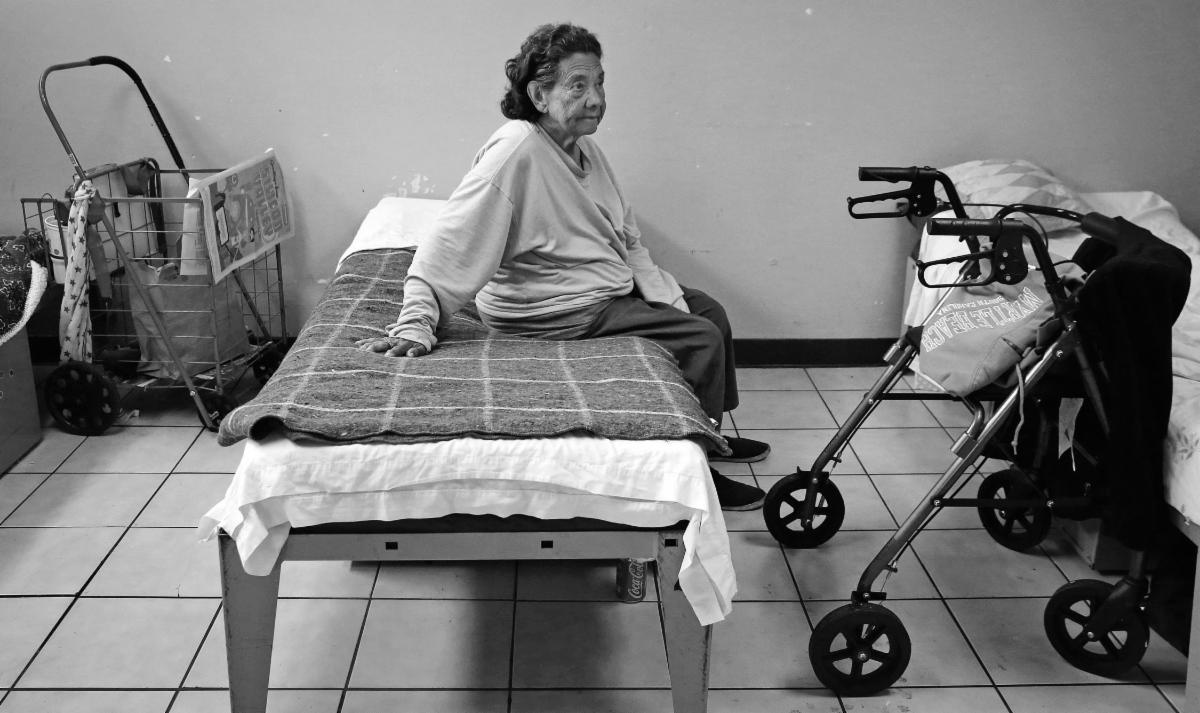
| | These Midwest Cities Are Finding Success Addressing Housing Encampments | |
Several Midwestern cities, including Tulsa, Indianapolis, and Cleveland, are reporting success with a Direct-to-Housing approach that rapidly connects people living in homeless encampments to housing, services, and case management rather than relying on enforcement alone.
The model has led to measurable reductions in unsheltered homelessness, including a 31 percent decline in Tulsa and a more than 17 percent decline in Indianapolis, while helping hundreds of people obtain stable housing.
This strategy emphasizes coordinated partnerships among governments, nonprofits, healthcare providers, and landlords, demonstrating that targeted, housing-focused interventions can reduce homelessness and prevent encampments from reforming.
Click here to read the full article
| | | Poll Shows Young US Adults are Increasingly Wary of AI | |
A recent report from the Pew Research Center found that concern about artificial intelligence continues to rise in young adults, with 52 percent of Americans now saying they are more concerned than excited about AI, increasing from 37 percent in 2021.
For the first time, a majority of adults under 30 (55 percent) report being more concerned than excited about AI, reflecting growing skepticism of long-term benefits among younger generations, with 71 percent of Americans, including 73 percent of adults under 30, believing AI will lead to fewer jobs in the United States over the next two decades.
This report breaks down findings on primary concerns about AI amidst younger populations.
Click here to read the full article
| | | Health Outcomes in Rural America: A Prevention-to-Crisis View | |
A Brookings analysis finds that rural health challenges are driven by a combination of factors, including limited access to care, transportation barriers, housing quality, food insecurity, poverty, educational attainment, and social isolation, rather than healthcare access alone.
Rural communities experience higher rates of chronic disease, mental health challenges, substance use disorders, and lower life expectancy, with these health disparities further compounded by provider shortages, hospital closures, and weakened social infrastructure.
This report explains how poor health and economic disadvantage reinforce one another, making community-based, trust-centered approaches that integrate healthcare, workforce development, transportation, and social support critical for improving both health outcomes and economic vitality in rural America.
Click here to read the full article
| |
OUR PARTNERS
Research Institutions
| |
PUBLICATION SUPPORT
Relaying Relevant News & Research to Local Stakeholders
| | | | |