ISSUE 376 | September 24, 2026 | | |
|
The Institute is an economic research and applied research and consulting group that provides customized client solutions and strategies to facilitate decision making and planning that enhances growth, impact, and sustainability for organizations.
| |
From Around the Region and the State
Economic and Policy News
| | Clarks Summit State Hospital, Indiana University of PA Enter Clinical Training Agreement | |
Clarks Summit State Hospital and Indiana University of Pennsylvania’s new College of Osteopathic Medicine (IUPCOM) have signed a clinical training agreement that will allow third- and fourth-year medical students to complete psychiatric training rotations at the hospital.
State officials and medical educators say the partnership supports IUPCOM’s mission to train students in rural and underserved communities, since physicians who train in rural areas are more likely to practice there after graduation.
The college, which opens in fall 2027, hopes the experience will strengthen the region’s psychiatric and behavioral health workforce while giving future doctors hands-on experience caring for patients with mental health needs.
Click here to read the full article
| |  | Philly Studies Role of Telehealth in Expanding Opioid Addiction Treatment Access | |
A recent CDC study found that access to buprenorphine, a medication used to treat opioid use disorder, has expanded significantly since 2019, with more pharmacies stocking the drug and more emergency departments initiating treatment in both urban and rural areas.
Philadelphia addiction medicine experts are welcoming the trend but noted that rural hospitals still fall behind urban hospitals in connecting patients to ongoing treatment, often because of limited local recovery and follow-up care options.
Experts at Penn Medicine argue that telehealth programs can help close these remaining gaps by connecting patients to prescriptions, treatment providers, and recovery support services regardless of where they live, creating a stronger statewide addiction-treatment safety net.
Click here to read the full article
| | | Vot-ER Wants Voters to Connect Health Care, Civic Engagement | |
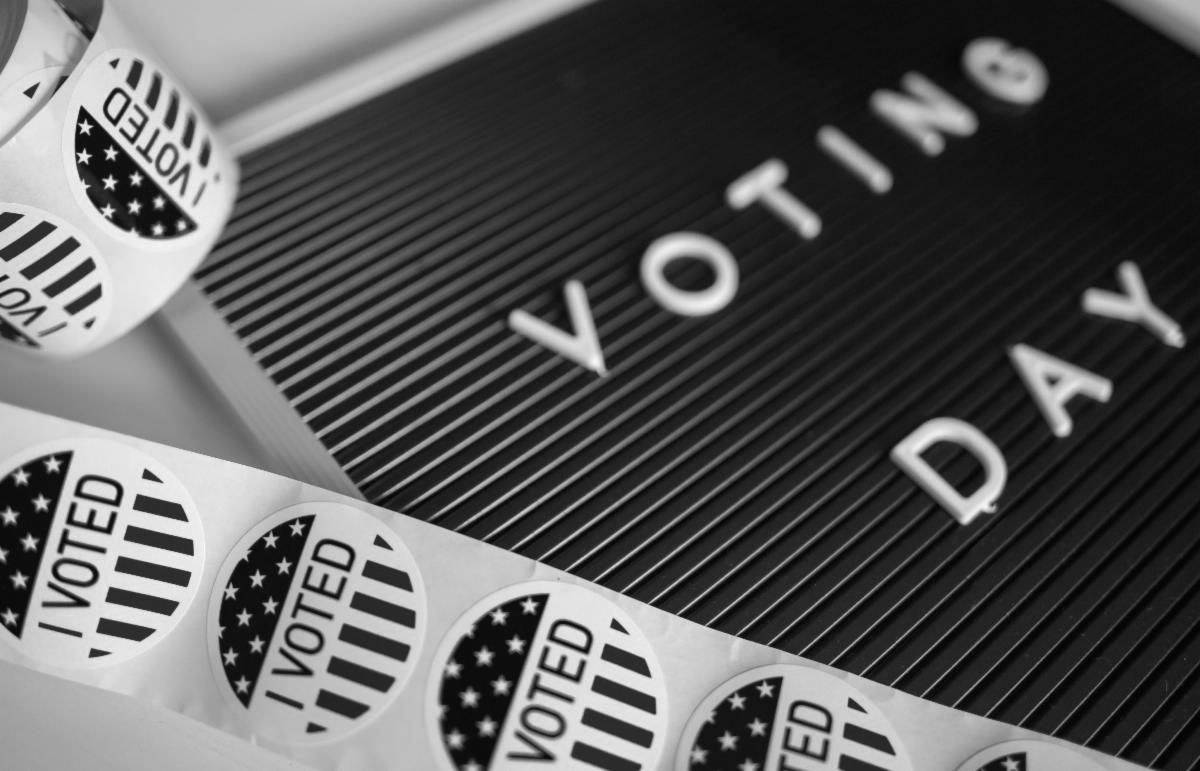
Vot-ER, a nonpartisan organization that promotes voter registration through health care settings, brought its outreach efforts to Philadelphia’s Point Breeze neighborhood to help residents connect civic participation with issues that affect their health and well-being.
Supporters of the initiative argue that health care policies directly shape access to insurance, treatment, and public health services, yet many young people do not immediately recognize the connection between their voting decisions and their health care experiences.
By equipping medical providers with voter registration tools and election information, Vot-ER hopes to increase civic engagement, reduce barriers to voting, and encourage more young people to participate in shaping policies that influence health outcomes in their communities.
Click here to read the full article
| |
From Around the Nation and the Globe
Economic and Policy News
| | Renters Increasingly Struggle to Pay for Housing | |
According to The Urban Institute, a new analysis of national survey data from 2019 to 2025 found that housing affordability challenges are worsening, particularly for renters, as rising housing and utility costs consume a larger share of household income.
In 2025, 20 percent of working-age renters reported being unable to pay their full rent or paying late, an increase from 16.5 percent in 2024 and the highest level recorded since the survey began tracking the measure, with middle-income renters experienced the sharpest increase in payment difficulties.
The study also found that about one in five renters struggled to pay heating and electricity bills, while many older renters reported affordability challenges as well, highlighting growing financial pressures that could increase risks of housing instability and homelessness.
Click here to read the full article
| | | How Federal Park Grants Help Reshape American Cities | |
Federal investments through the Outdoor Recreation Legacy Partnership (ORLP) program are helping cities transform parks into economic development assets by creating jobs, increasing property values, attracting businesses, supporting tourism, and reducing infrastructure costs.
Since its creation in 2014, ORLP has invested more than $470 million in over 150 projects nationwide, leveraging additional state, local, and private funding and generating billions of dollars in economic output.
This article highlights examples from cities including Anchorage, Dubuque, Green Bay, Raleigh, and Rock Hill, where ORLP-funded park projects have supported workforce development, neighborhood revitalization, brownfield redevelopment, increased municipal revenue, and regional tourism growth.
Click here to read the full article
| | | Why Community Engagement is Vital to Learning Ecosystems | |
Community engagement is an essential component of successful learning ecosystems, with organizations such as health providers, libraries, businesses, community centers, faith institutions, and government agencies helping support children's academic, social, and emotional development both inside and outside of school.
Brookings researchers identify three common models for coordinating these partnerships: a single school serving as the hub, a district or network of schools serving as the connector, or a community-based organization acting as an intermediary that brings schools and local partners together around shared educational goals.
Drawing on examples from Pennsylvania, Guatemala, Uruguay, and elsewhere, this article explores how strong community partnerships create more cohesive learning ecosystems that better prepare children and families to navigate challenges, access opportunities, and thrive over the long term.
Click here to read the full article
| |
OUR PARTNERS
Research Institutions
| |
PUBLICATION SUPPORT
Relaying Relevant News & Research to Local Stakeholders
| | | | |