ISSUE 380 | October 22, 2026


The Institute is an economic research and applied research and consulting group that provides customized client solutions and strategies to facilitate decision making and planning that enhances growth, impact, and sustainability for organizations.


From Around the Region and the State
Economic and Policy News

Philadelphia Clinic Reports Progress in Mental Health Care 

Jefferson Health’s David Farber ASPIRE Center is seeing promising results from its comprehensive suicide-prevention model, with patients who completed care experiencing a 79 percent reduction in suicide-attempt risk and an 84 percent reduction in psychiatric hospitalizations compared with the year before treatment.


The center combines individualized, evidence-based therapies such as dialectical behavior therapy with family involvement, case management, and practical supports addressing challenges including housing, food, transportation, and childcare.


Beyond treating patients, ASPIRE takes a broader public-health approach by training behavioral health providers, physicians, and other clinicians in suicide-risk assessment and prevention while providing educational resources to the community. 


Click here to read the full article

University of Pittsburgh Report Suggests Ways to Improve Rural Teacher Retention

A University of Pittsburgh at Bradford report on rural teacher retention in Pennsylvania found that teachers are leaving rural schools because of factors including low pay, limited resources, lack of recognition, geographic isolation, and a weak sense of community belonging.


Based on a survey of 90 teachers in rural northwestern Pennsylvania school districts, researchers warned that high teacher turnover can negatively affect schools, vulnerable populations, and the economies of rural communities.


The researchers recommend that districts and policymakers strengthen teacher retention by investing in school facilities and instructional resources, offering incentive and mentoring programs, and helping new teachers build stronger connections within their communities.


Click here to read the full article

Gov. Shapiro Unveils PA’s First Ever Strategic Plan for Agriculture

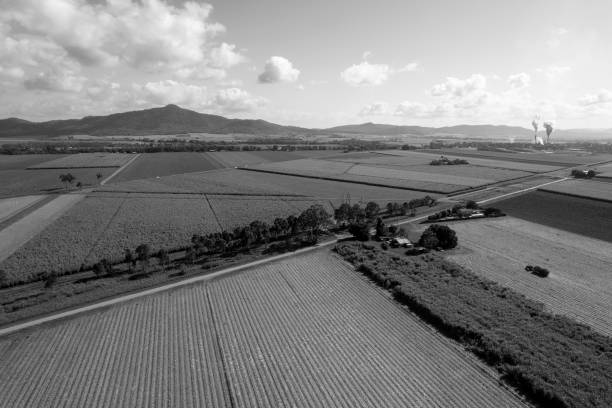
Governor Shapiro’s Pennsylvania Strategic Plan for Agriculture establishes the Commonwealth’s first 10-year roadmap for strengthening an agriculture industry that supports 600,000 jobs and generates more than $153.2 billion in annual economic output.


The plan focuses on four major industry needs: improving access to capital, increasing efficiency and profitability, advancing modernization and innovation, and strengthening public engagement.


The Shapiro Administration says the strategy is intended to help farmers and agricultural producers remain profitable and globally competitive while addressing challenges such as high costs, federal trade policies, and limited reliable high-speed internet access.


 Click here to read the full article

From Around the Nation and the Globe
Economic and Policy News
 

Enhancing the Safety Net for Elderly and Disabled Adults

While Social Security and other safety-net programs have substantially reduced poverty and financial hardship, many programs have become outdated, do not automatically adjust for economic conditions such as inflation, and face growing pressure from an aging population.


There are several policy options that researchers estimate could reduce elderly poverty to 2.2 percent while also significantly improving incomes for near-poor older adults and families that include a person with a disability.


The proposed reforms focus primarily on strengthening Supplemental Security Income (SSI), the Supplemental Nutrition Assistance Program (SNAP), and Medicare to provide a more effective safety net for older and disabled Americans.


Click here to read the full article

Cut Demand or Cut Supply? Rethinking Climate Policy

Some researchers argue that effective climate policy should combine demand-side measures, such as pricing emissions, with supply-side measures, such as pricing fossil fuel extraction, to reduce the risk that emissions simply shift to other countries.

Advocates caution that narrowly blocking pipelines or export terminals may have limited impact because producers can use alternative transportation methods, as illustrated by findings that most oil carried by the Dakota Access Pipeline would have moved by rail if the pipeline had been blocked.


Brookings Research explores how targeted policies supporting clean-energy innovation and infrastructure can have broader global benefits.


Click here to read the full article

New Skilled Trades Dashboard Highlights Mismatches Across States

A new Skilled Trades Dashboard from the Alliance for America’s Skilled Trades is designed to help policymakers identify where the demand for skilled workers does not align with the available workforce and training opportunities.


The dashboard compares conditions across states and scores individual trades according to which are experiencing the greatest or least workforce pressure, showing that these mismatches are not limited to the nation’s fastest-growing states.


SSTI highlights the growing connection between skilled trades and innovation, as artificial intelligence and other technological advances increasingly bring the two areas together in technology-based economic development policy discussions.


Click here to read the full article

OUR PARTNERS
Research Institutions
PUBLICATION SUPPORT
Relaying Relevant News & Research to Local Stakeholders