26 Sept 2025

The Aftermath:

Three Tales of Post-Disaster Resilience

PLACE

Insurance Innovations Reward Communities Reducing Climate Risk

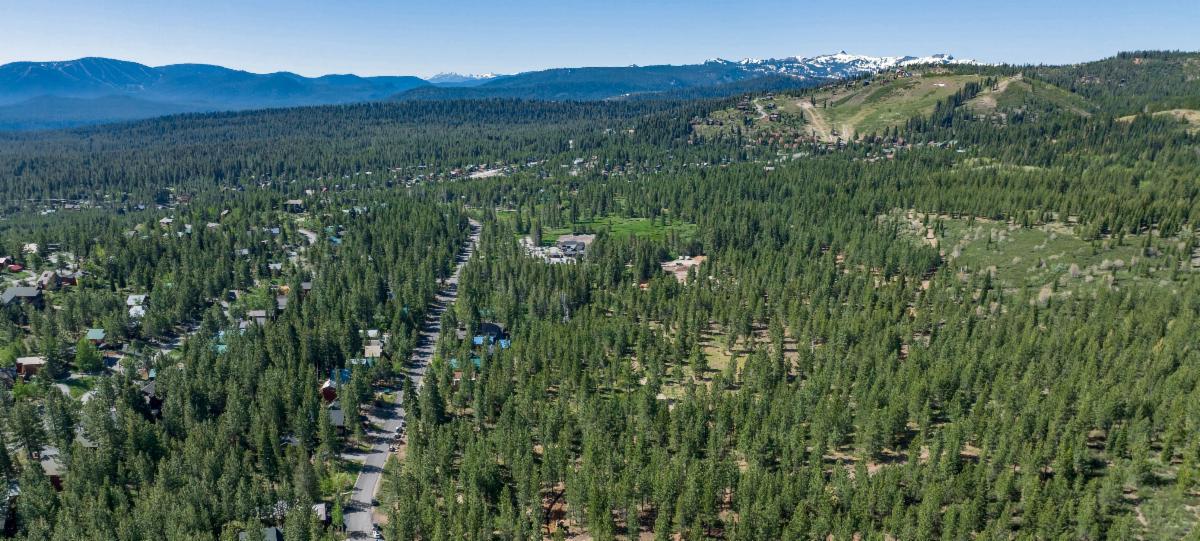
As climate change continues to accelerate, it’s becoming clear that disaster insurance in the US can’t keep up. Providers are starting to move out of wildfire-prone regions in California and floodplains along the East Coast, leaving homeowners in a bind when disaster strikes. But some organizations are reimagining what insurance could be. Rather than focusing on individual homes or possessions, these programs take the severity of the disaster into account — as well as community efforts to mitigate risk. Now, one California town has adopted the first community wildfire insurance policy that rewards nature-based solutions in its premium, opening the door for a potential new era in climate insurance. Other programs are starting to think along similar lines, including a Florida town looking to pilot an insurance exchange program with a California partner and a New York City plan that pays low-income neighborhoods when floodwaters rise too high. Photo: Brandon Huttenlocher


Keep Reading

PEOPLE

One Man's Five-Fire Learning Curve

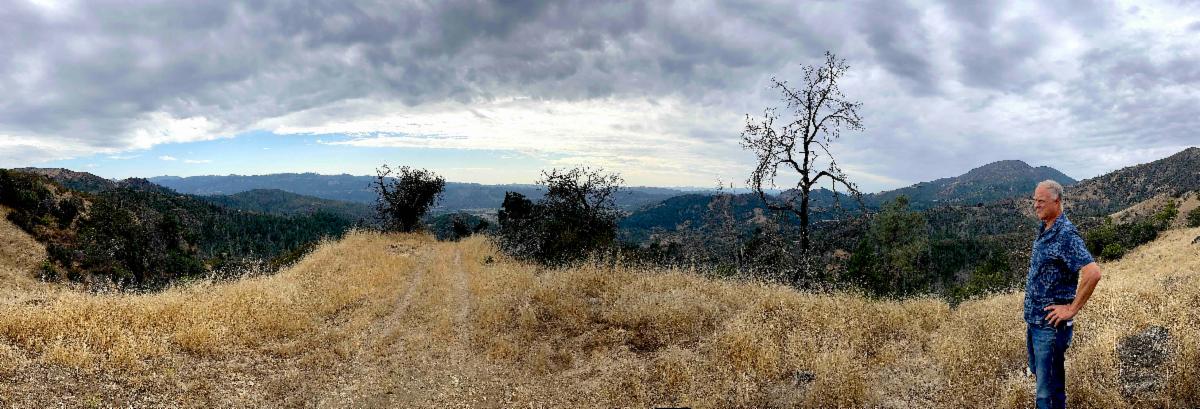
Steve Rasmussen lives far enough into the wilderness around the Napa Valley that his phone bristles with apps. Apps that track everything from the weather to helicopter flight paths to fire flare ups. Why? Because since he and his wife bought the 796-acre vineyard and woodland property in 2015, he's been through five fires. Rasmussen's property, called Palisades Canyon, escaped the 2017 wine country infernos but wasn't so lucky three years later when 90% of his acreage burned. In the last eight years, as PG&E and CAL FIRE have repeatedly staged operations via his property, he’s learned a lot about how they operate and how to both work with them and hold them accountable. Photo: Afsoon Razavi


Keep Reading

SCIENCE

Reforesting in a Fiery, Warming World

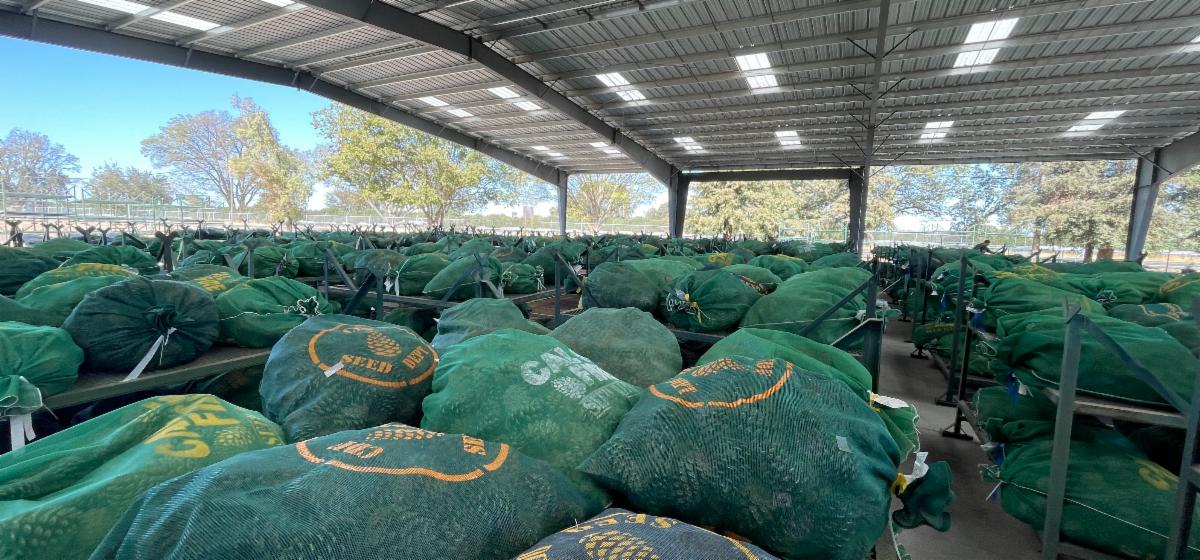
While many bird species are responding to global warming by gradually shifting their ranges northward to cooler and higher elevations, trees don’t have that luxury. “We humans need to step in and assist,” says CAL FIRE statewide reforestation coordinator Topher Byrd who directs a UC Davis tree seedbank and seedling nursery. CAL FIRE has been collecting native tree seeds from California forests since the 1970s, and more than 23 tons are now stored in a large walk-in freezer at the nursery. For decades, reforestation managers chose seed to grow seedlings for replanting by matching the target forest area with the same or a similar seed zone. But relying solely on these zones, without considering climate change, risks introducing trees that are maladapted to the place where they’re replanted. Photo: Moran Center


Keep Reading

Vrinda Manglik

EXTREMES-IN-3D


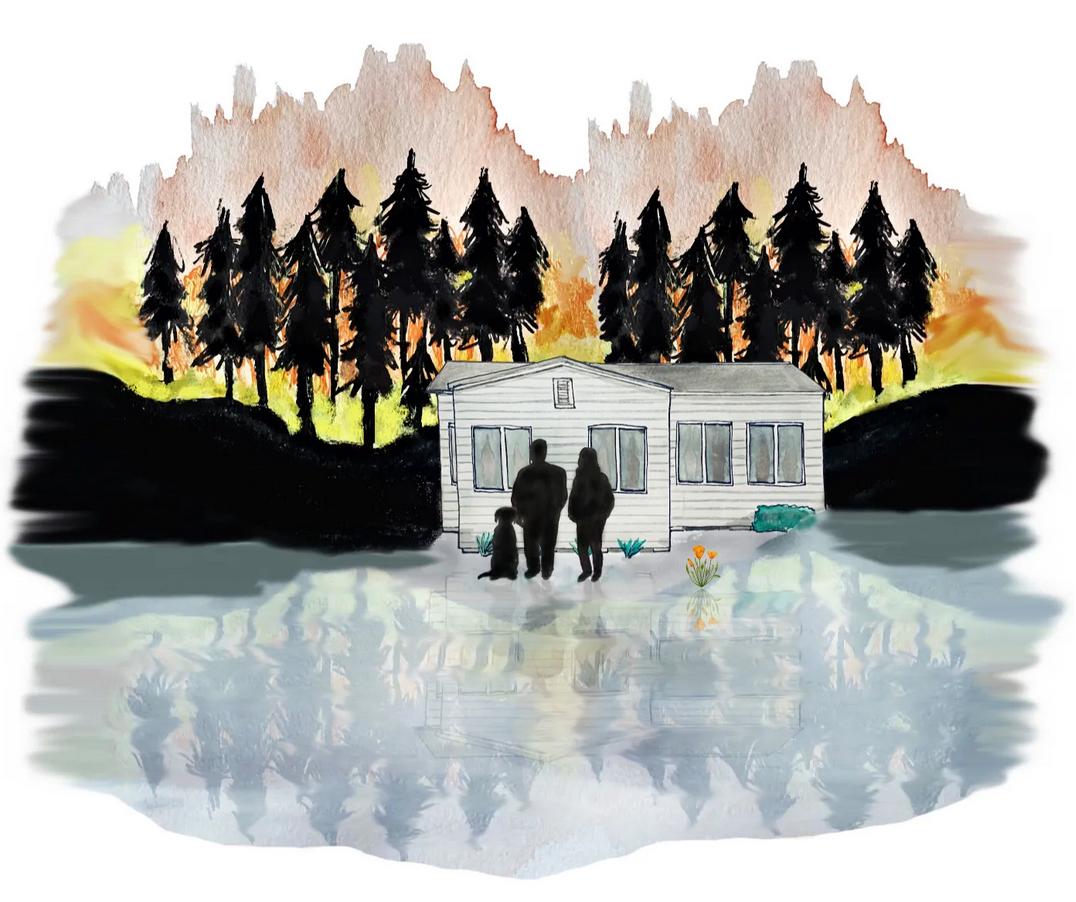
In California, what were once extremes —firestorms, atmospheric river events, widespread flooding — are now more regular occurrences. KneeDeep Times’ Extremes-In-3D series is capturing this shift, telling the stories of Californians living on the frontlines of hazardous weather and environmental conditions.


This September, we add three new stories (above).


Series Funding: CO2 Foundation


Art: Vrinda Manglik

FOLLOW UP

How Two Rivers Could Rescue Sinking Beaches and Marshes


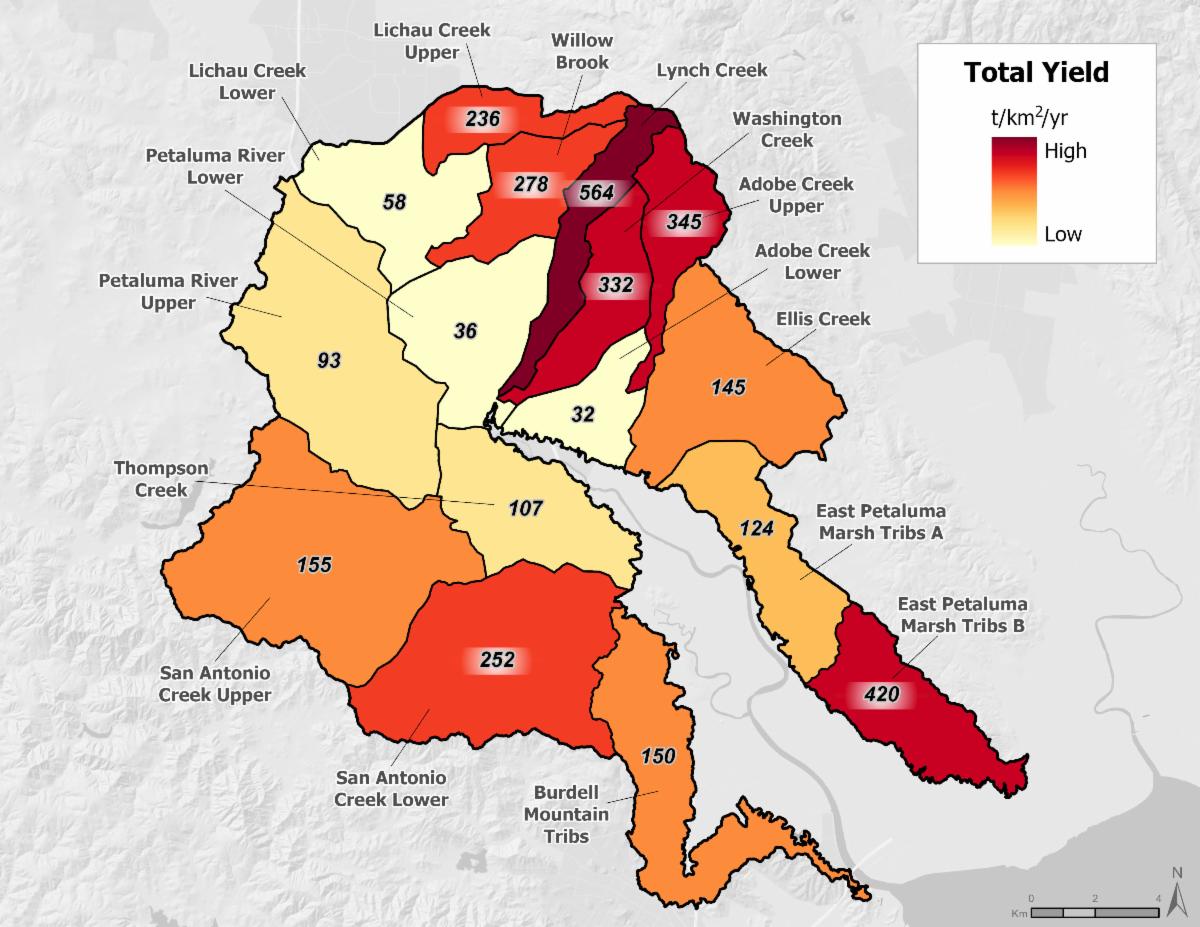
Researchers at the USGS and SF Estuary Institute are studying how to best manage sediment transfer to bolster wetlands, mudflats, and beaches vulnerable to sea level rise and storm surge. Their studies focus on the San Lorenzo and Petaluma Rivers. This story is a follow up to our January 2024 Extremes-in-3D story Beach Loss Looms. Map: SFEI


Keep Reading

C H A T T E R

To share your announcement, fill out this form or contact editor.

Sharing your Announcements

  • Alameda Sea Level Rise Fair
  • Bay Delta Bioregional Regeneration Unconference
  • Environmental Educator Regional Meetup in San Francisco
  • Join Acterra’s Young Professionals Group
  • Join New Shoreline Academy in Contra Costa
  • Berkeley Bird Festival at Brower Center
  • Science Storytelling with San Francisco Estuary Institute
  • Book a Climate Science Field Trip in San Mateo
  • State of the Estuary Conference


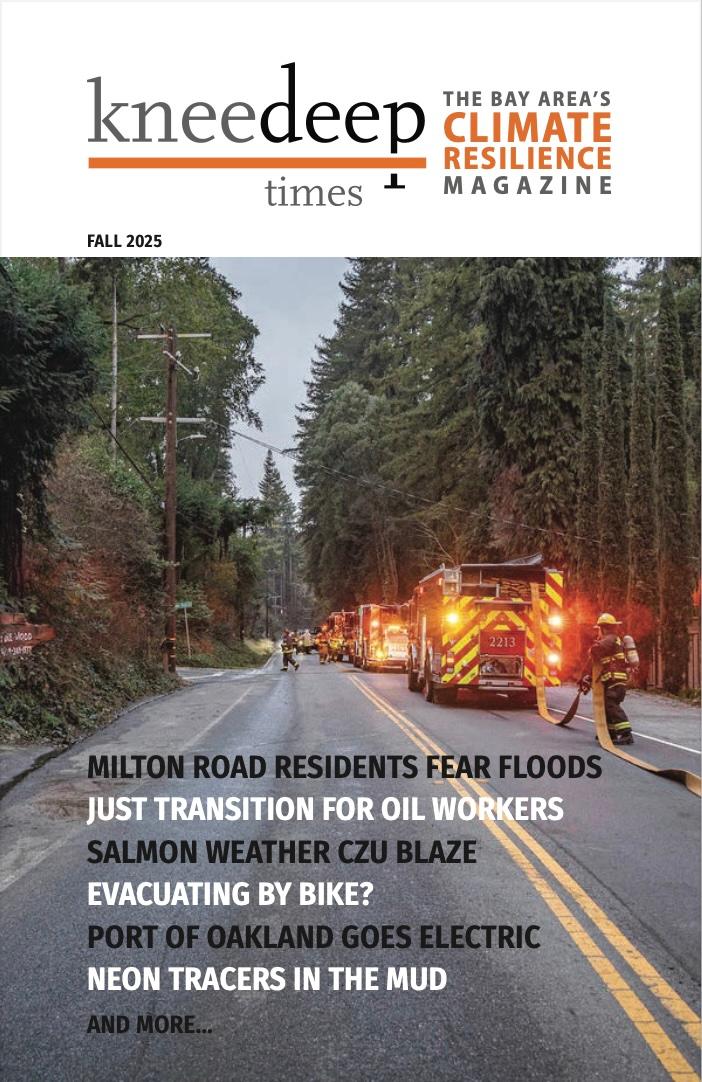
  • Tired of Screen Scrolling? Receive our paper zine four times a year (fall issue just released!). The fee helps fund all our free online stories. Subscribe Zines.


  • Spread the Zine. Place our new fall issue in your local free library, then send us a picture. Just email us with "Zines for my library" in the subject line and we'll send you some copies for distribution. editor@kneedeeptimes.org


Follow us on your favorite platforms,

and share KneeDeep Times with friends!

Facebook  Instagram  LinkedIn

 Bluesky!

KneeDeep Times shares stories from the frontlines of climate change resilience and adaptation action.

All stories are available for republication free of charge. See our guidelines.


Views expressed are independent of all funders and collaborators.


Managing Editor: Ariel Rubissow Okamoto

Assistant Editor: Duncan Agnew

Community Editor: Rose Garrett

Research & Social Media Editor: Isabella Eclipse

Art Director: Afsoon Razavi


Send us your story ideas and subscribe us to your newsletter lists.

news-team@kneedeeptimes.org