|
Dear Colleagues,
This week, we are pleased to share the first of three latest issues of Integrative Zoology. Please click the links below on the title to access the individual manuscripts. Open Access are marked IN RED
Special subsections (Issue 19.4 - Jul 2024)
- Gut Microbiota
- Animal Behavior
- Animal-Plant Interactions
Special Subsection - Gut Microbiota
Maya L. MAURER, José F. GOYCO-BLAS, Kevin D. KOHL
| |
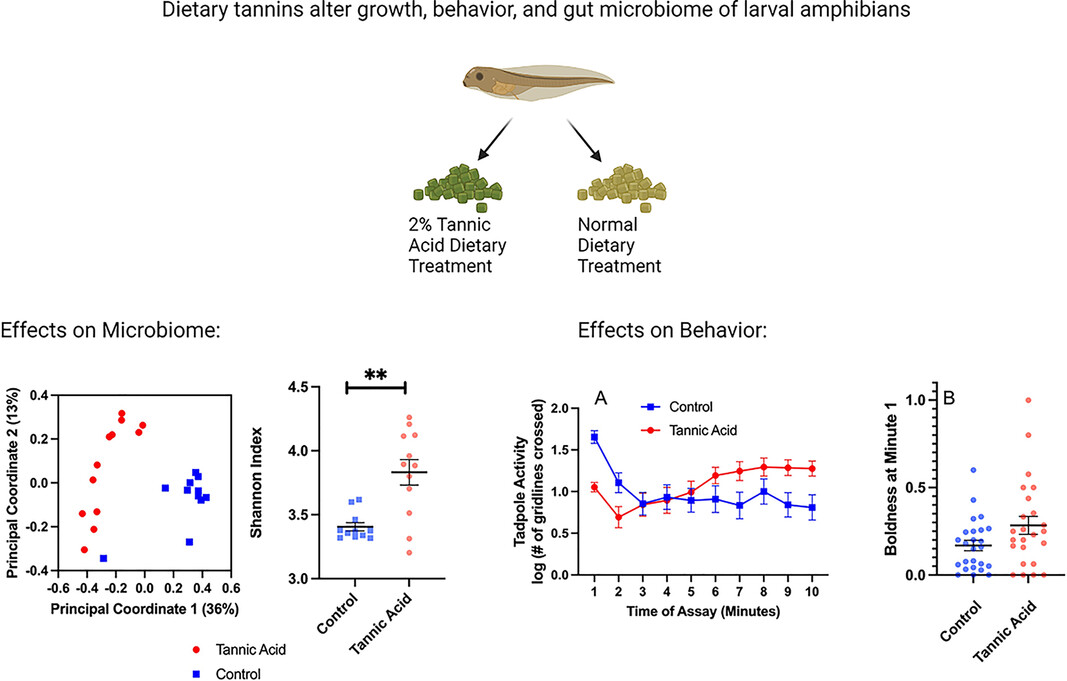
Graphical Abstract Dietary tannins sculpted the gut microbiome, with an increase in the measurement of Shannon entropy, and negatively affected growth. Dietary tannins also affected the boldness and exploration of the amphibians in a behavioral assay. | |
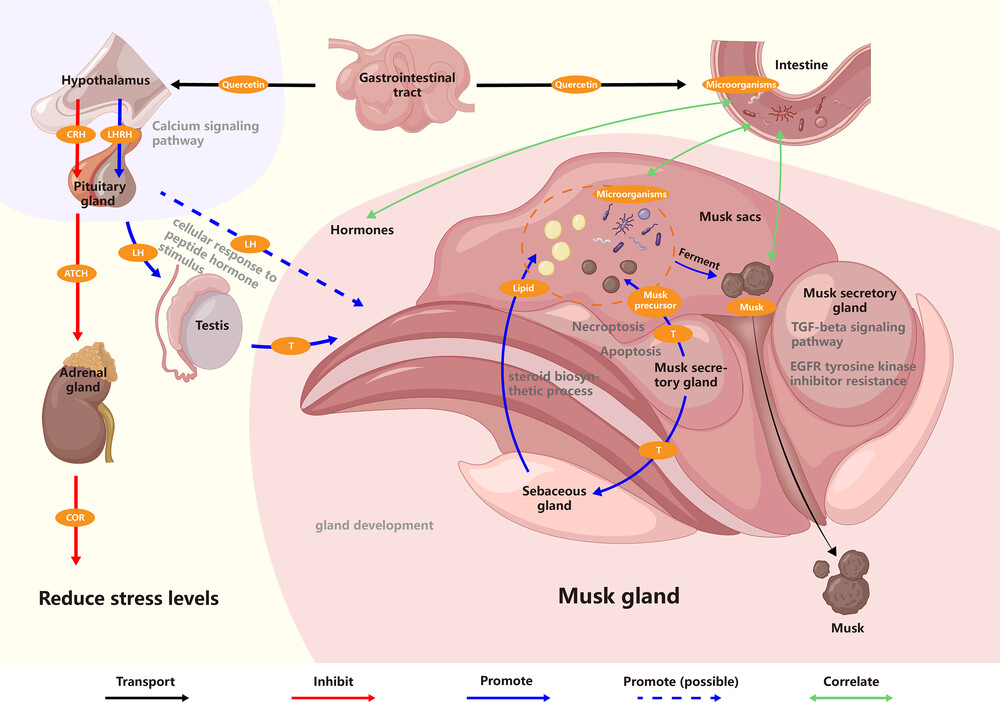
Graphical Abstract: Quercetin promotes testosterone (T) secretion of forest musk deer, promotes the secretion of musk precursor, regulates the structure of intestinal microorganisms and musk microorganisms of and promotes the formation of mature musk. In addition, quercetin can also reduce the pressure on forest musk deer during the secretion of musk by inhibiting the secretion of cortisol. | |
Hanwen CAO, Yongpeng SHI, Ji WANG, Zhanyu NIU, Li WEI, Huabing TIAN, Feifei YU, Lan GAO
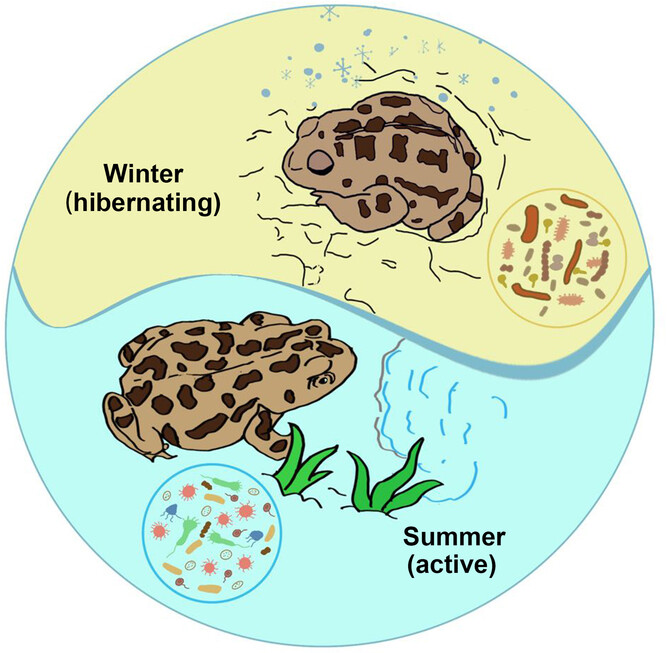
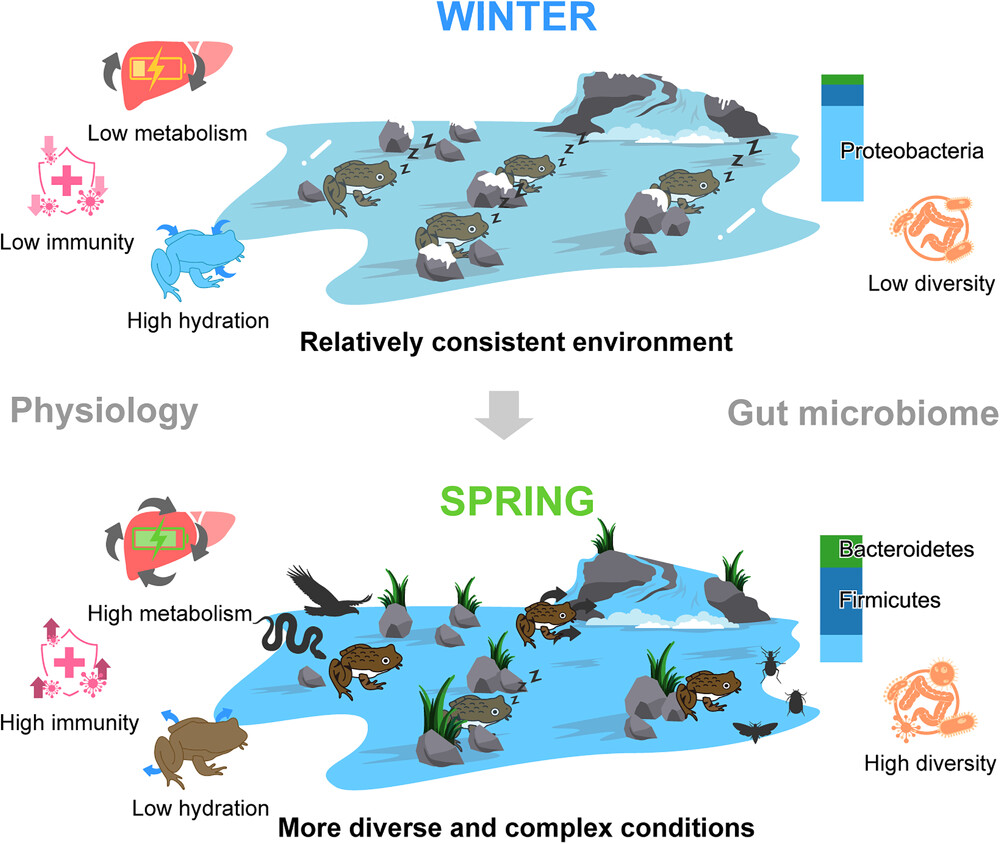
| Graphical Abstract: The intestinal microbiota of Strauchbufo raddei adaptively changed during hibernation | Graphical Abstract: The gut microbiota and physiology help to understand the hibernation process. In particular, the diversity and composition of the gut bacterial community, and individual variation of host physiology, may help frogs adapt to unpredictable environments through metabolic availability after hibernation. | |
Jidong ZHAO, Tuo FENG, Xiaolei AN, Xiaoning CHEN, Ning HAN, Jing WANG, Gang CHANG, Xiang HOU
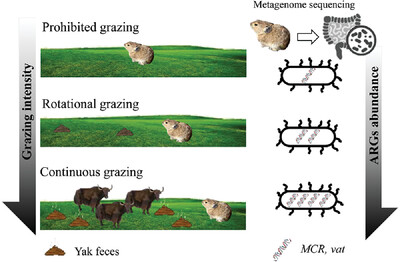
| Graphical Abstract: Antibiotic residues from veterinary medicines have increased the dissemination of antibiotic resistance genes (ARGs), leading to the enrichment of ARGs in wildlife. We found livestock grazing significantly altered the gut microbiota and resistome profile of plateau pika, with the enrichment of colistin (MCR) and streptogramin (vat) resistance genes. Our results hint that plateau pika is a potential reservoir of new antibiotic resistance genes. |
Yunwei LU, Liang ZHANG, Xu LIU, Yue LAN, Lixia WU, Jiao WANG, Kongju WU, Chaojie YANG, Ruiqing LV, Dejiao YI, Guifu ZHUO, Yan LI, Fujun SHEN, Rong HOU, Bisong YUE, Zhenxin FAN
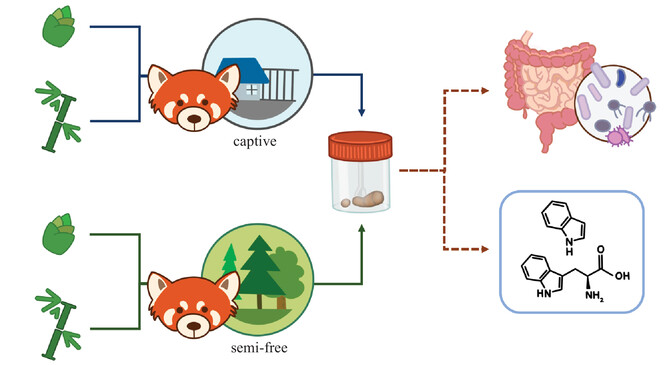
| Graphical Abstract: Analyzing fecal samples by metabolomic approach, 16S rRNA, and metagenomic sequencing, we determined that diet and captive environment play key roles in shaping the gut microbiota of captive red pandas. Our study suggests that red pandas fed on bamboo shoots had higher risk of intestinal diseases but tryptophan metabolites can help to maintain health. Moreover, semi-free environment brings higher microbial diversity and more active microbial metabolism to the gut of captive red pandas. |
Special Subsection - Animal Behavior
Brain size mediates the choice of breeding strategy in the red-backed shrike
Joanna T. BIALAS, Łukasz DYLEWSKI, Marcin TOBOLKA
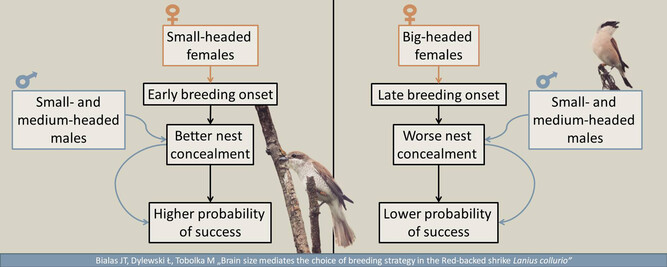
| Graphical Abstract: We found that the breeding onset in red-backed shrike Lanius collurio was related to the female head size, with large-headed females laying eggs later. The probability of breeding success increased with increased nest concealment, but not in large-headed males. Results suggest that large-headed females may take more time to choose a nesting site, which may delay the onset of breeding, and large-headed males may benefit from, or at least be able to compensate for poor nest concealment. |
Weichao WANG, Jingru GE, Yaohua ZHANG, Jianxu ZHANG
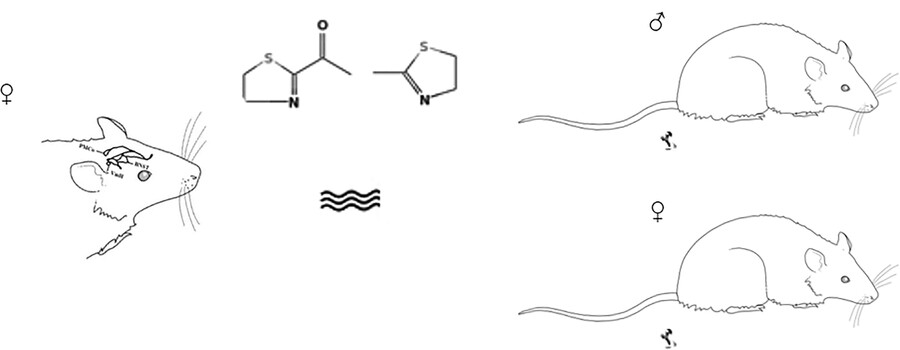
| Graphical Abstract: Male scent had stronger effects on the olfactory system of females than female scent. |
Wenyu ZOU, Pan WU, Xinyi WEI, Daying ZHOU, Yingchun DENG, Yunke JIANG, Bo LUO, Wenqin LIU, Jiaxin HUO, Shichen PENG, Jiang FENG
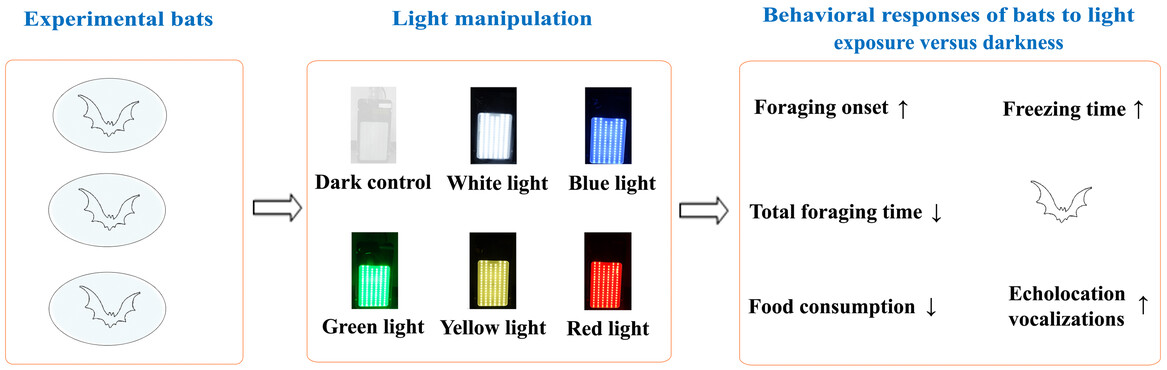
| Graphical Abstract: We used Asian parti-colored bats as a model to explore the impacts of artificial light on foraging behavior. We found that bats reduced their foraging activity under white, blue, green, yellow, and red light. The peak wavelength of light was tightly linked to foraging activity, freezing time, and echolocation vocalizations of bats. This study expands our knowledge of the behavioral responses of bats to artificial light with different spectral compositions. |
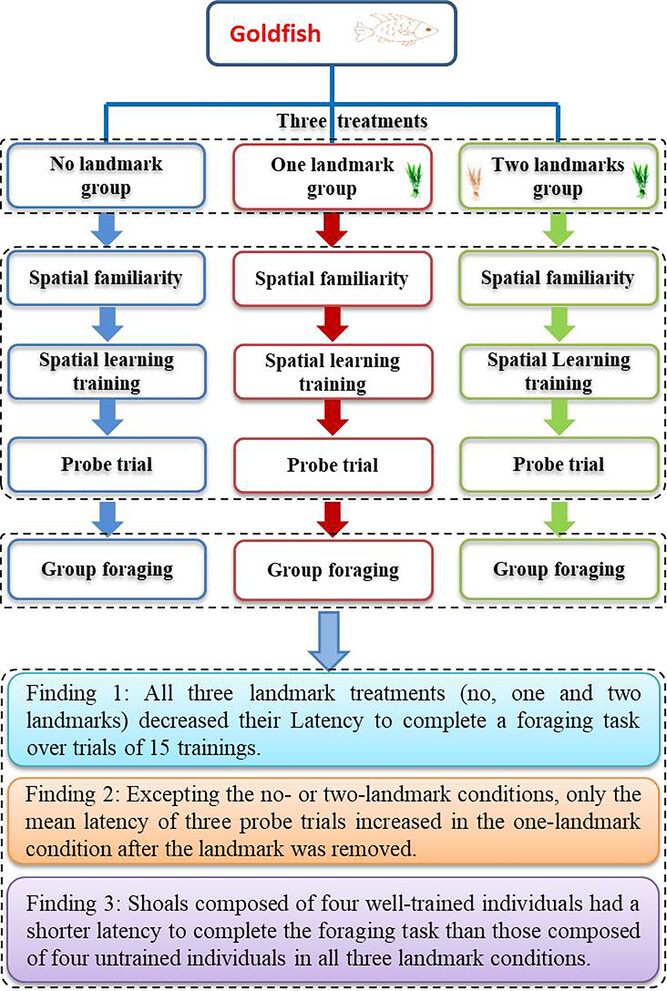
Individuals with spatial learning training experience increase group foraging efficiency in goldfish irrespective of landmark conditions
Wuxin LI, Changxuan YU, Shijian FU, Shaun S. KILLEN, Lingqing ZENG
|
Special subsection: Plant-animal interactions
|
Nan WU, Yao WANG, Jie WANG, Yaqian ZHANG, Baoshuang HU, Jinyu GUO, Zhenfei ZHENG, Youbing ZHOU
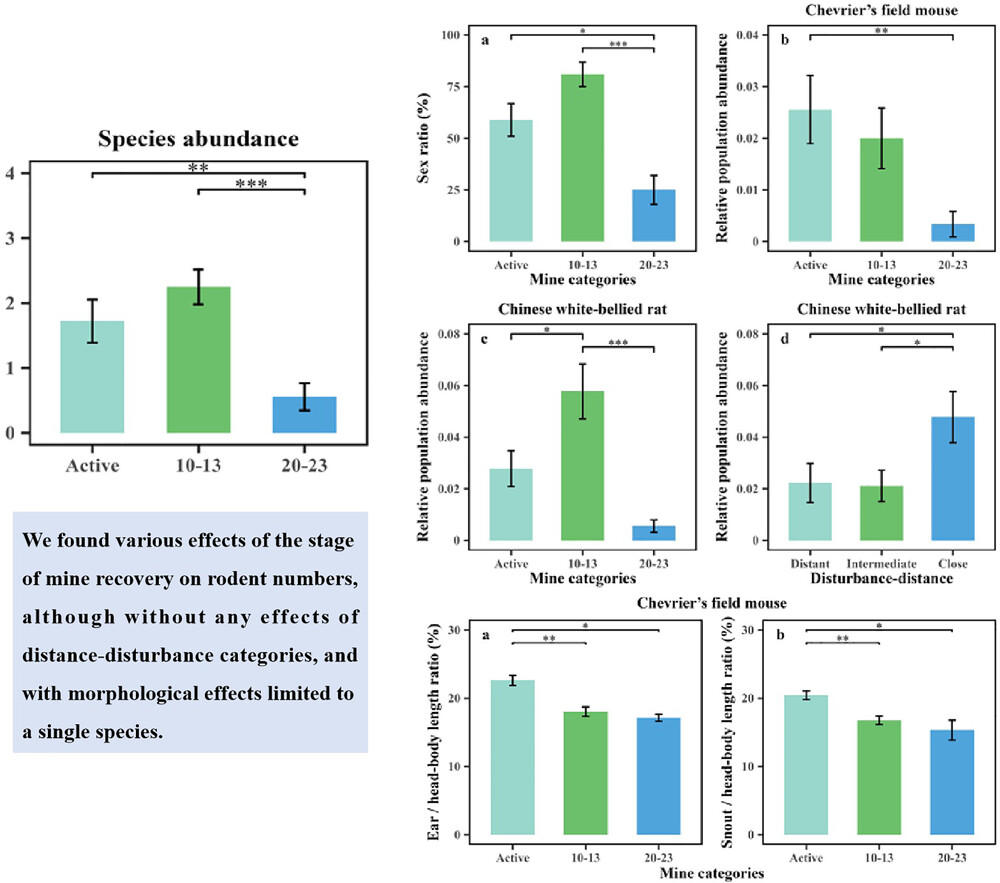
| Graphical Abstract: We examine the response of spatiotemporal dynamics within the community of small rodents as they respond to the natural recovery of open-pit marble mining sites at the community, population, and individual levels. We found various effects of the stage of mine recovery on rodent numbers, although without any effects of distance-disturbance categories and with morphological effects limited to a single species. |
Huanhuan GUAN, Shangyun ZHANG, Nan YANG, Yifei HUANGPU, Bin LAN, Karl J. NIKAS, Xinwei WU, Shucun SUN
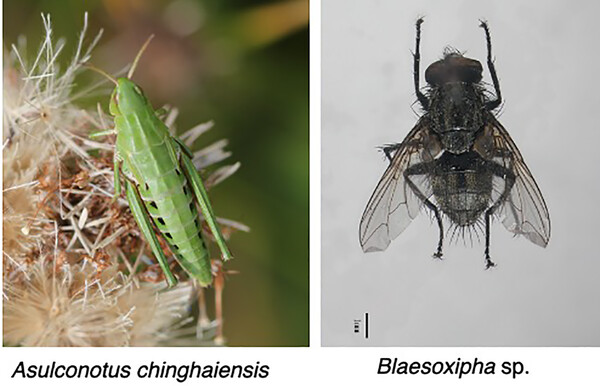
| Graphical Abstract: Here, we show that the plant species composition and diet C/N contents differed significantly between the unparasitized and parasitized grasshoppers, and that the abundance of N-rich legumes was lower but that of high C/N grasses was higher in the diet of parasitized females and males compared to the unparasitized ones. This suggests that parasites can alter the dietary preference of hosts. | |
dd
Zheng WANG, Wei TAI, Xuan ZHANG, Shouguo LIU, Yixing NIU, Wenwen CHEN, Ning LI
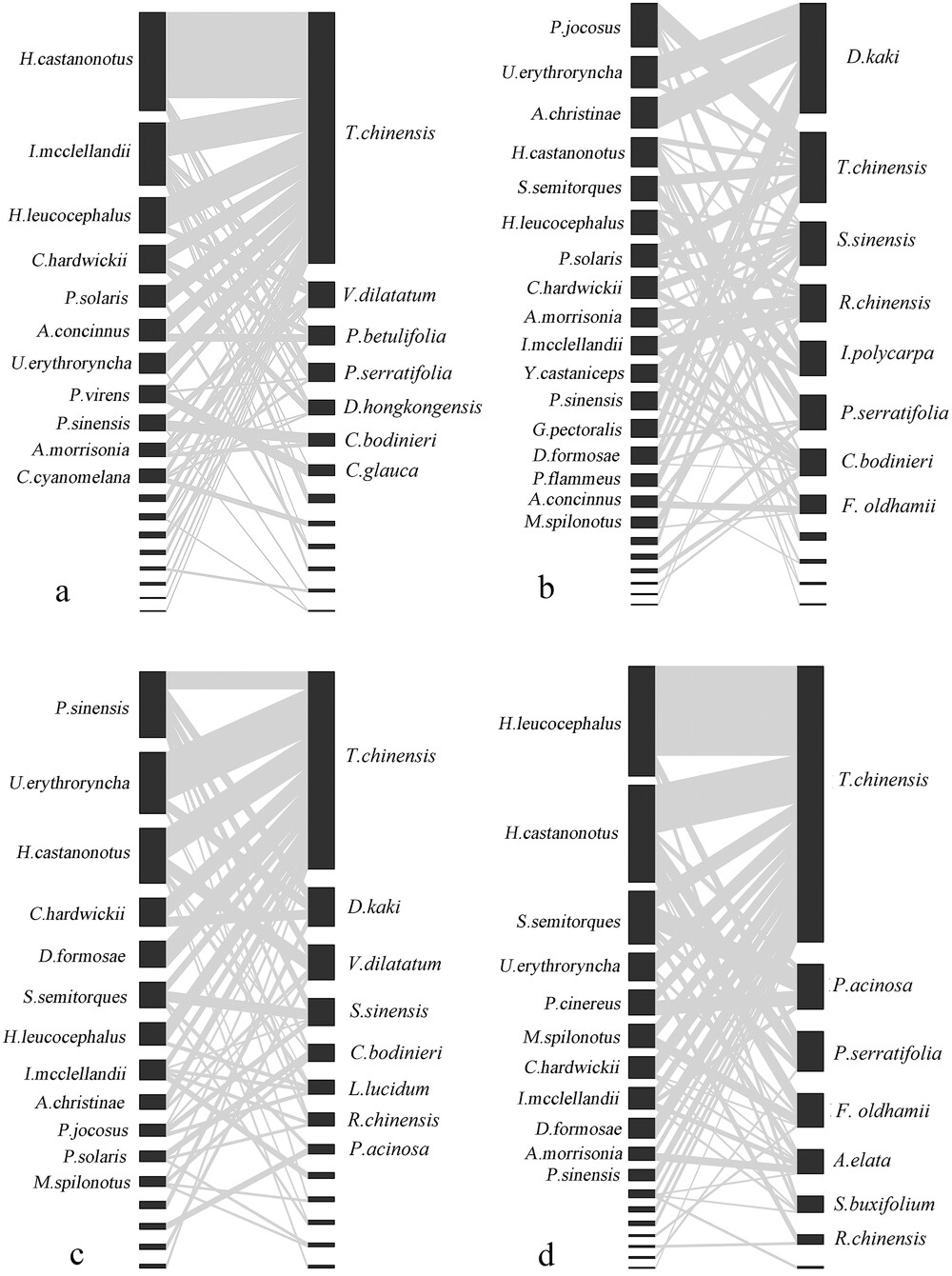
| Graphical Abstract: Bipartite graph of fruit–bird interaction networks in the protected forest (a), natural forest (b), village (c) and bamboo forest (d) in the southern part of Meihuashan National Nature Reserve, Fujian province, southeast China from 2021 to 2022. |
Multiple interaction networks reveal that Lepidoptera larvae and adults prefer various host plants for diet and pollination
cc
Xiangping WANG, Xiao FU, Miaomiao SHI, Chunquan XUE, Jiazhi YANG, Zhongtao ZHAO, Shijin LI, Tieyao TUd
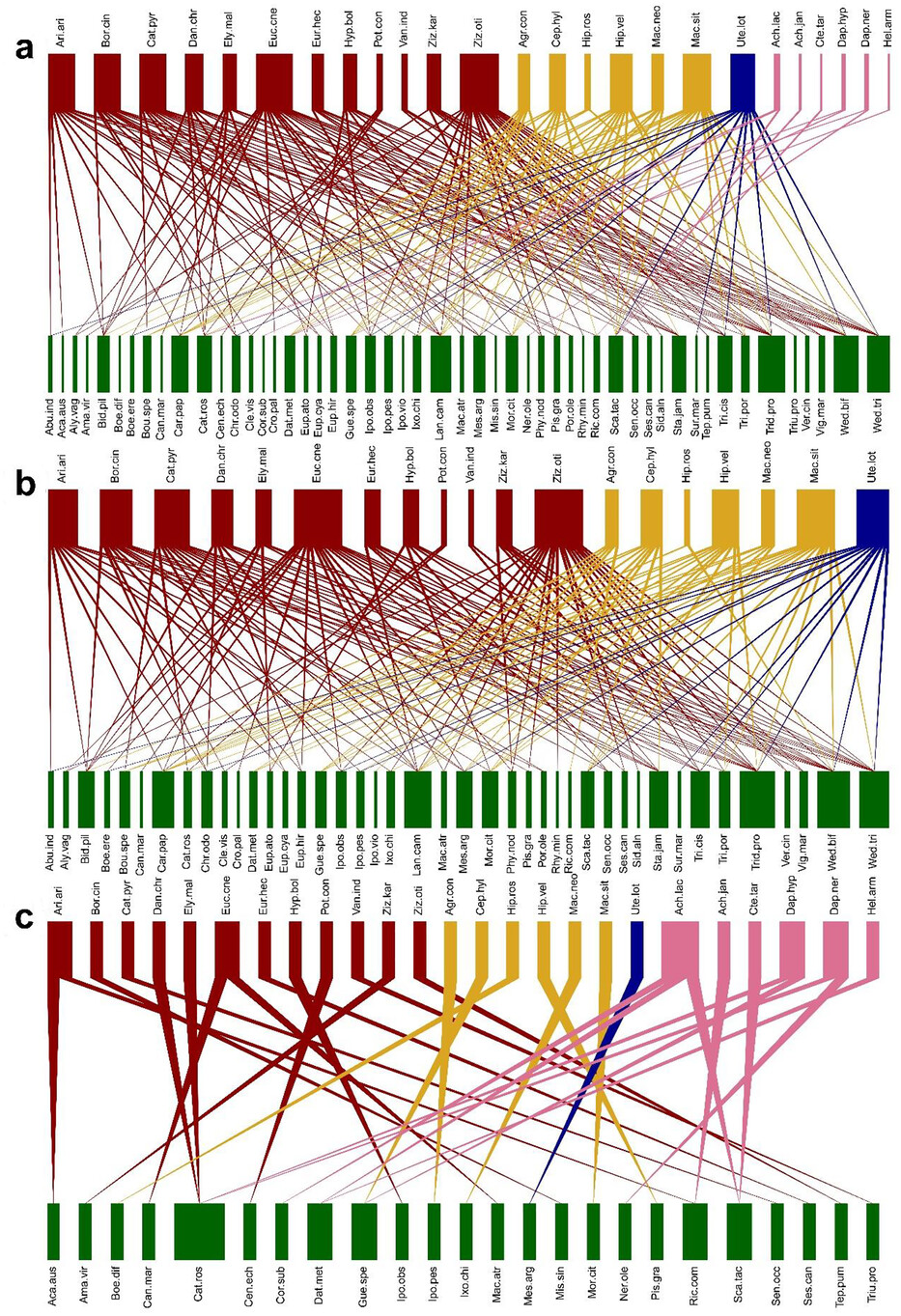
| Graphical Abstract: The plant-Lepidoptera pollination network and herbivory network share significant proportions of Lepidoptera but small proportions of plant assemblages. The pollination network had higher nestedness and connectance than the herbivore network. Three qualitative plant–Lepidoptera interaction networks in the Yongxing Island community: (a) the whole network (WN), (b) pollination network (PN), (c) herbivore network (HN). In each network, the boxes represent Lepidoptera species (top row) and plant species (bottom row, green), and connecting lines represent links between plant and Lepidoptera species. | |
Georgette Paola ANCAJIMA, Maicon ALICRIN DA SILVA, Paulo Eduardo DE OLIVEIRA, Marcelo DUARTE
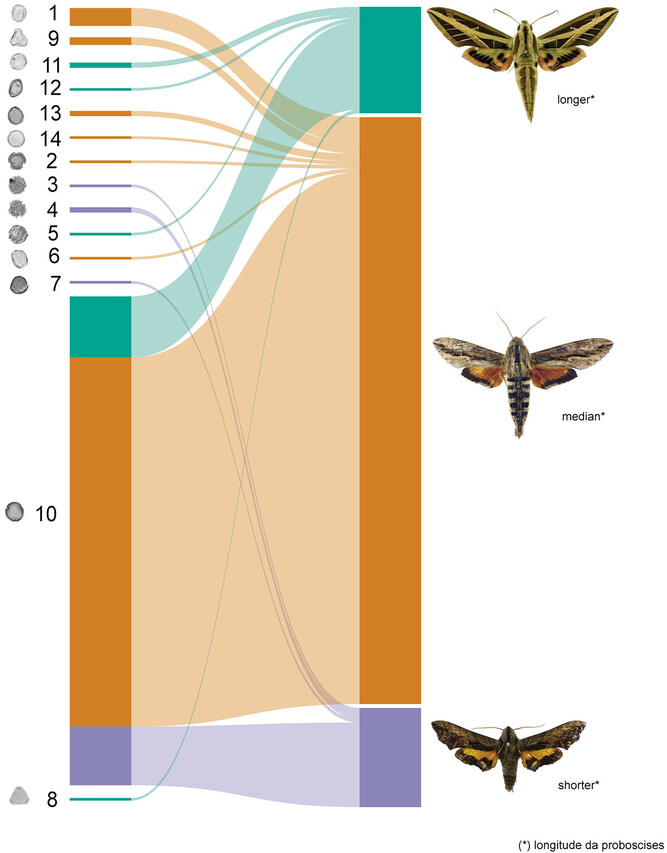
| Graphical Abstract: We recorded 14 pollen types belonging to 12 families of angiosperms. Pera (Peraceae) pollen type was found in all genera and was the most abundant. Our results suggest low specificity in the choice of flowers; thus, Sphingids with either short or long proboscises visited flowers of the same species. | |
Bin LI, Fengjie LIU, Xin HE, Xiaolong LIU, Min LU
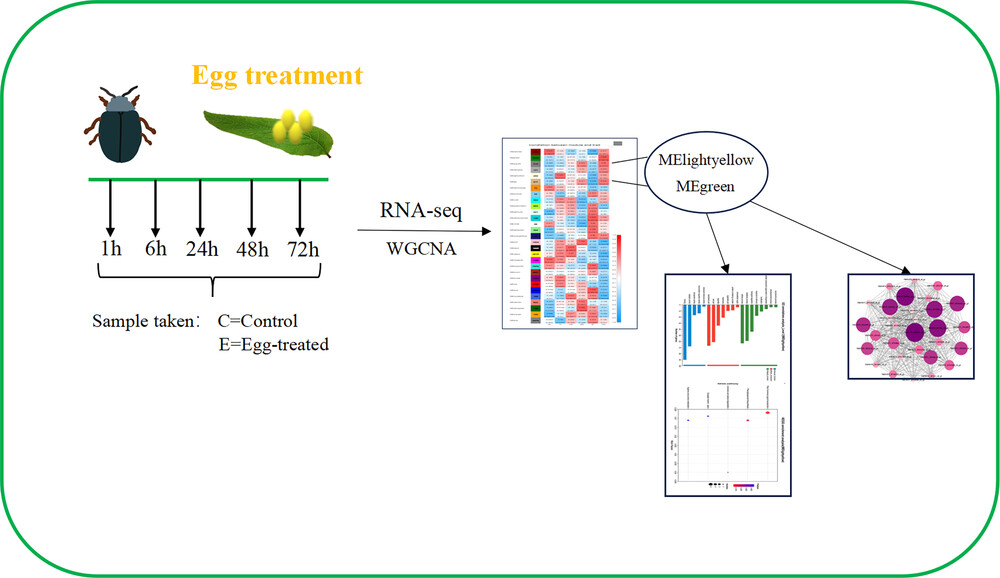
| |
Please visit the official website of the International Society of Zoological Sciences for more information on membership and activities:
Official website of ISZS:
http://www.globalzoology.org.cn/
Sincerely,
The Secretariat, ISZS
Editorial Office, Integrative Zoology
-------------------------------------------------------------
For more information on how to become an ISZS member or any other questions, please contact the Secretariat at iszs@ioz.ac.cn
| | | | |