|
Dear Colleagues,
As promised this week, here is the second of the three latest issues of Integrative Zoology: a special issue on Evolution Research by Integrative Aspects. Please click the links below on the title to access the individual manuscripts. Open Access articles are marked IN RED
Kantima THONGJUED, Karina GARCIA, Delia SCOTT, David J. GONTHIER, Julian R. DUPUIS
| |
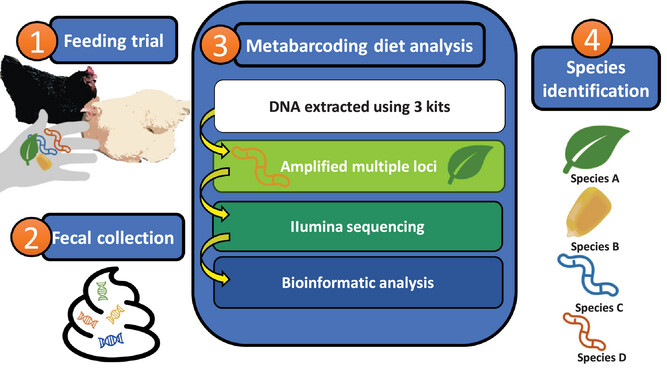
Graphical Abstract: An optimized protocol can significantly affect the accuracy of DNA metabarcoding diet analysis. In this study, we conducted a feeding trial experiment by feeding known food items to chickens and collected their excreta for eight hours after feeding. The efficacy of DNA extraction kits and primer sets were assessed. The results indicated that extraction kits using bead-based homogenization positively affected the recovery proportion of fecal DNA. For insect DNA detection, two cytochrome oxidase subunit I (COI) primer sets significantly outperformed the third. For plant DNA detection, both recovery proportion and taxonomic resolution from amplifying internal transcribed spacer 2 (ITS2) were significantly higher than those from rbcL and trnL. These results display the potential variability that can be inherently present in DNA-based diet analyses and highlight the utility of experimental feeding trials in validating such approaches, particularly for omnivores with diverse diets. | |
|
OPEN ACCESS
Michel SCHMIDT, Ines MARTIN, Roland R. MELZER
| |
|
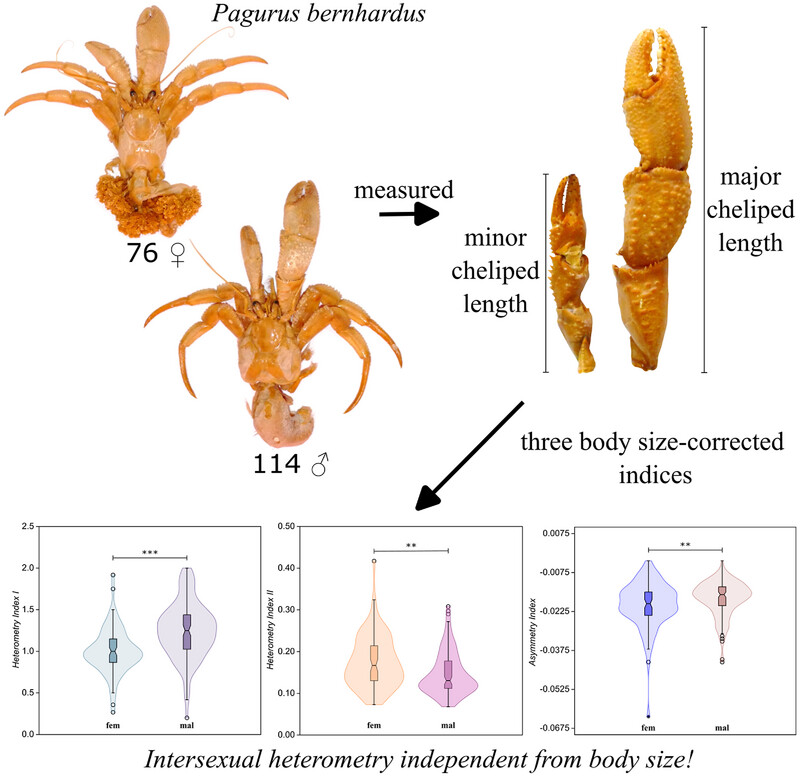
Graphical Abstract: We analyzed 190 specimens of the common European hermit crab species Pagurus bernhardus to look for the heterometry between the sexes regardless of the body size. We calculated three different indices and found all to be significantly different between males and females, indicating that males have bigger major and minor chelipeds than females, even if they would be similar-sized.
| |
|
Jingchen CHEN, Yiyu CHEN, Wenqiao TANG, Haotian LEI, Jinquan YANG, Xiaojing SONG
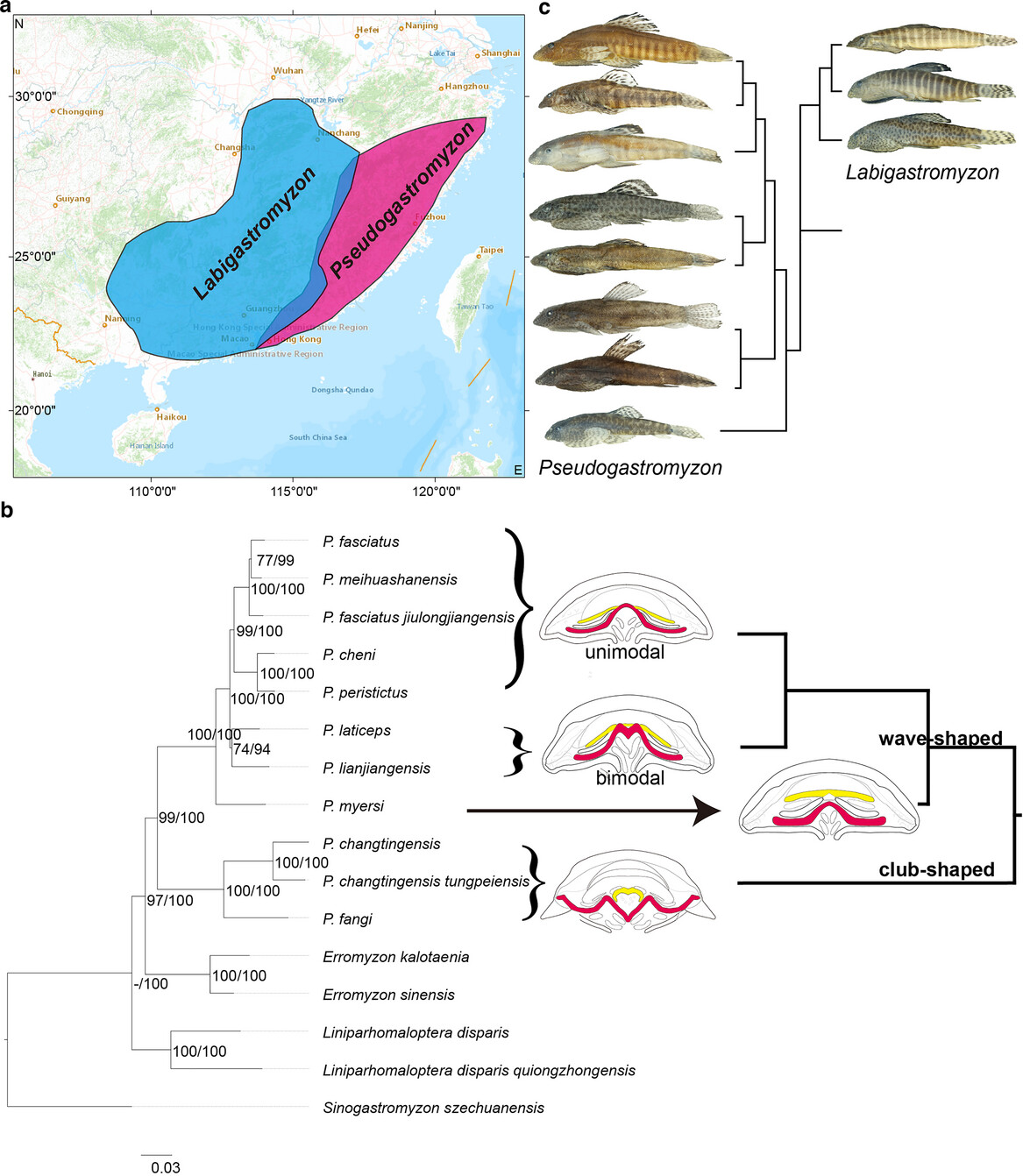
| Graphical Abstract: This research elucidates the marked geographical delineation between Pseudogastromyzon and Labigastromyzon genera, with a limited overlapping region. The evolution of labial structures from elementary to intricate morphologies aligns with mitochondrial genome phylogenetics. Notably, the labial adhesive apparatus in Pseudogastromyzon exhibits unimodal and bimodal morphotypes, enhancing the accuracy and efficiency of species identification within this genus. |
OPEN ACCESS
Paraskevi Niki LAMPRI, Canella RADEA, Aristeidis PARMAKELIS
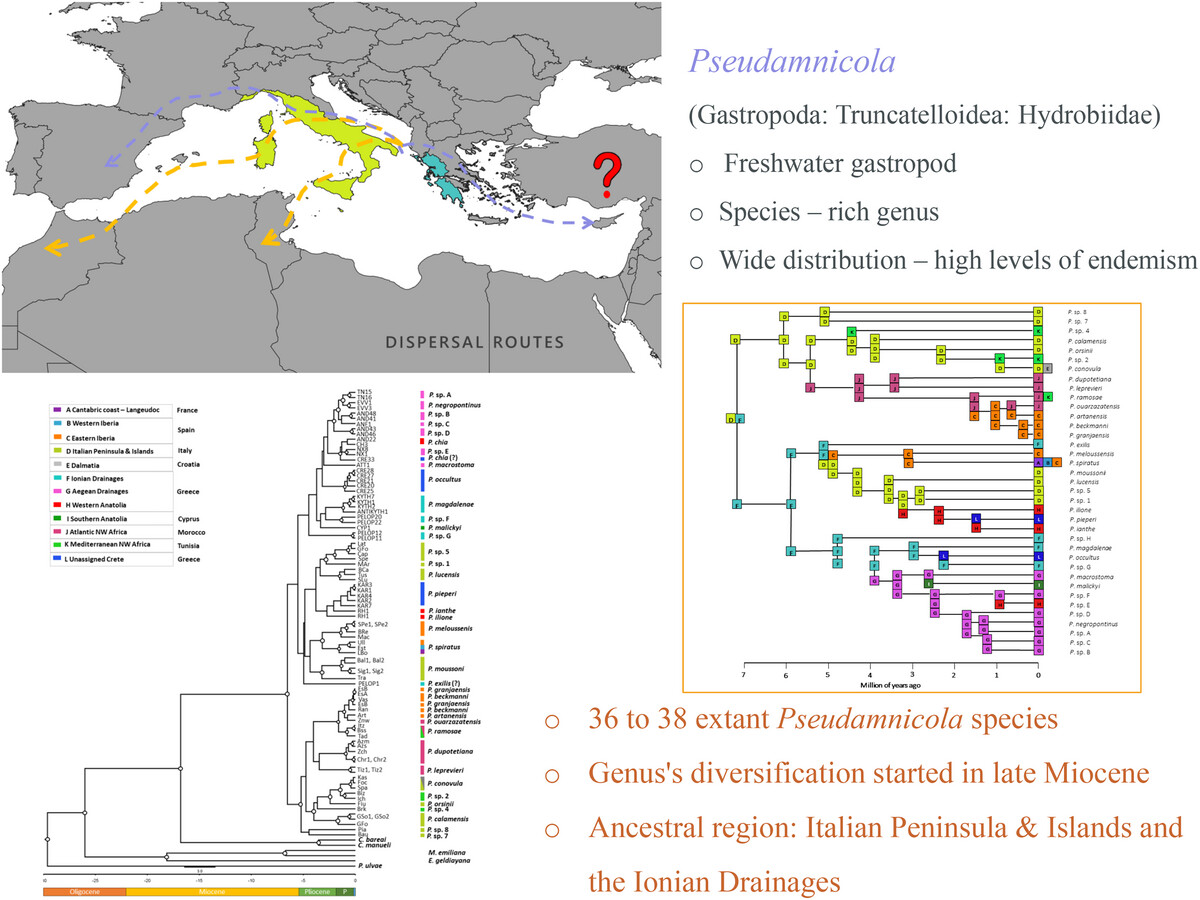
| Graphical Abstract: The phylogeny of the genus Pseudamnicola across its Mediterranean range was investigated as well as the underlying evolutionary processes and their association with the main paleogeographical events of the Mediterranean. | |
Tao PAN, Caiwen ZHANG, Pablo OROZCO TERWENGEL, Hui WANG, Ling DING, Liuyang YANG, Chaochao HU, Wengang LI, Wenliang ZHOU, Xiaobing WU, Baowei ZHANG
| Graphical Abstract: We determined stable isotope values of hairs from QIN and SC pandas and sympatric species. The QIN pandas had a larger isotopic trophic niche width than that of SC pandas, and both populations possessed a unique trophic position in the ecosystem. | |
Giovanni FORCINA, Miguel CLAVERO, Marie MEISTER, Christina BARILARO, Monica GUERRINI, Filippo BARBANERA
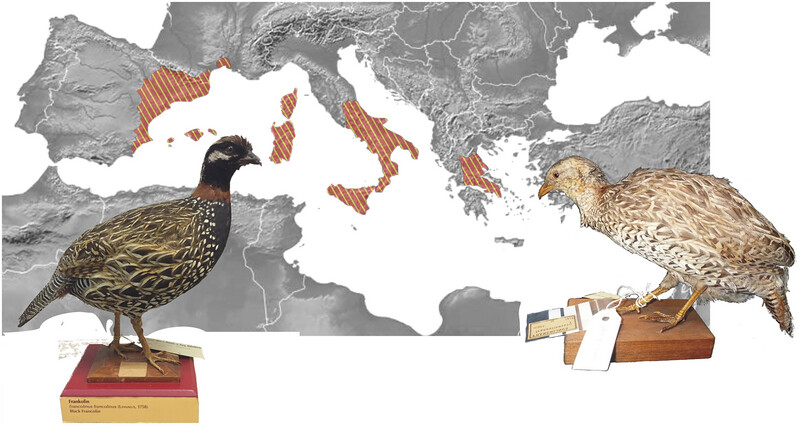
| Graphical Abstract: The alleged nativeness of the black francolin to Europe and Africa was ultimately disproved. Black francolin from Greece and Algeria pertain to previously identified genetic groups from either the Near East or the Indian subcontinent. The Crown of Aragon played a major role in the circum-Mediterranean expansion of the black francolin through its Near and Middle Eastern emporia. The trade in black francolins from the Indian subcontinent must have occurred mostly by land through the Silk Road. | |
Jieqiong KANG, Long GU, Boxiong GUO, Wenqi RONG, Shixia XU, Guang YANG, Wenhua REN
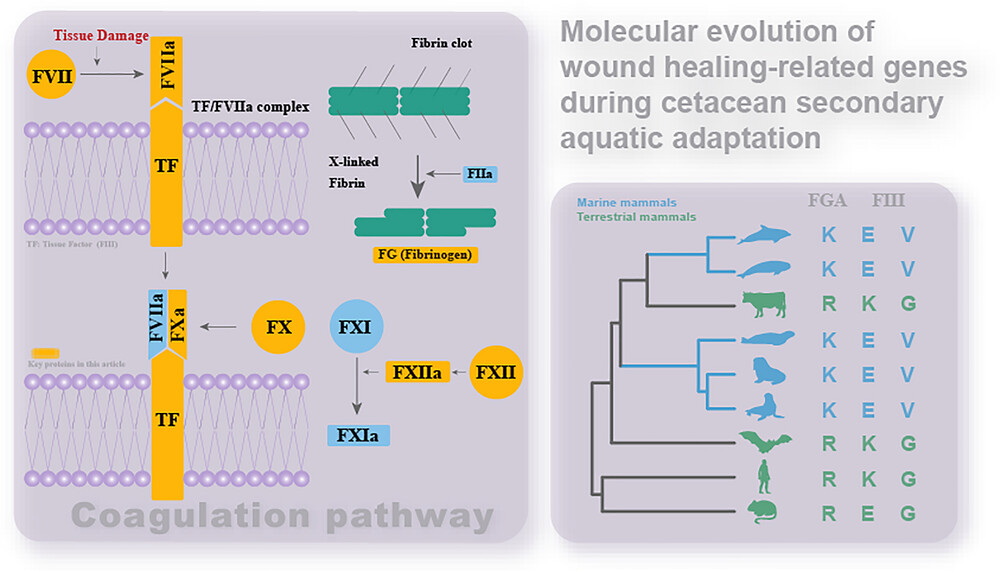
| Graphical Abstract: Evolution of wound healing-related genes during cetacean secondary aquatic adaptation. The positive selection and convergent amino acid substitutions on coagulation and other wound healing-related genes contribute to the strong wound-healing ability of cetaceans. All silhouettes are reproduced from FLATICON (https://www.flaticon.com/). |
Juan Diego PINOTTI, María Laura MARTIN, Marina Beatriz CHIAPPERO, Verónica ANDREO, Raúl Enrique GONZÁLEZ-ITTIG
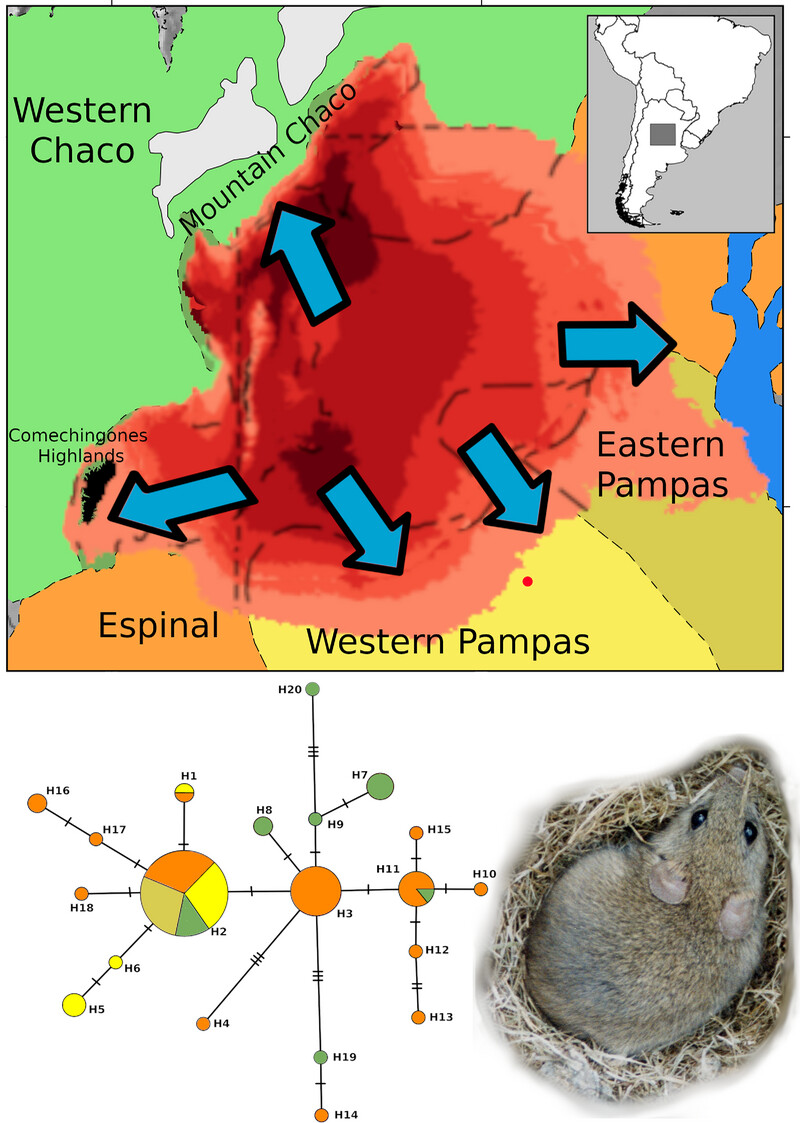
| Graphical Abstract: We combined a phylogeographic approach with ecological niche modeling to understand the evolutionary history of Calomys venustus, a rodent of South America. Our results suggest that the Espinal was the area of origin of this species, which expanded demographically and spatially during the Last Glacial period. A close relationship was found between the Espinal and the Mountain Chaco. | |
Chuang ZHOU, Xiaofeng ZHENG, Lei WANG, Bisong YUE, Chao DU, Xu LIU
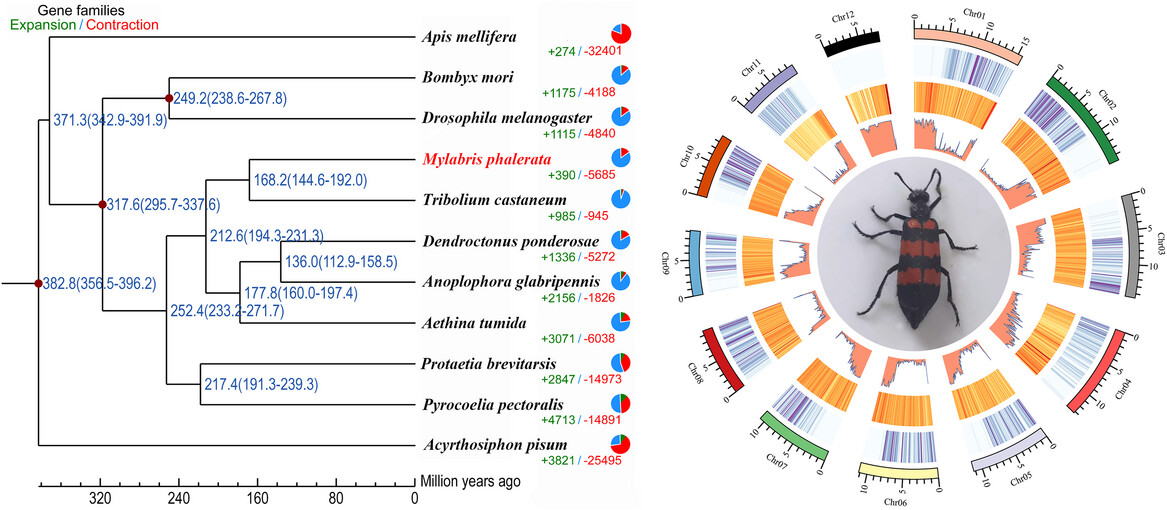
| Graphical Abstract: The blister beetles (Coleoptera: Meloidae) could produce a natural defensive toxin of cantharidin, which has been used for various cancer treatments and other diseases. The first chromosome-level genome assembly and transcriptome sequencing can help understand the cantharidin production of the blister beetles. | |
Aleksandra A. YATSUK, Tatiana A. TRISELEVA, Emilia P. NARCHUK, Aleksandr V. MATYUKHIN, Andrey F. SAFONKIN
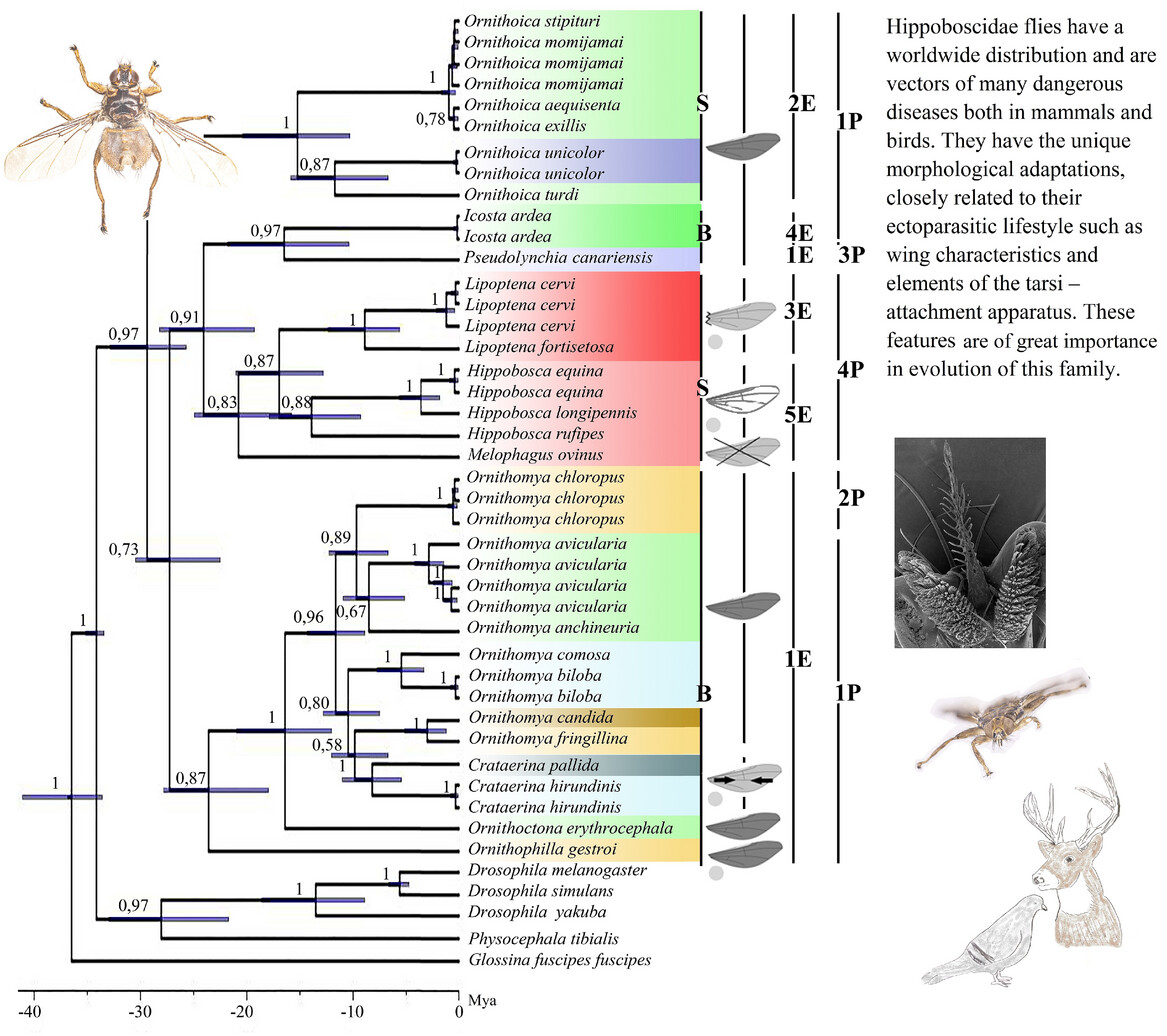
|
OPEN ACCESS
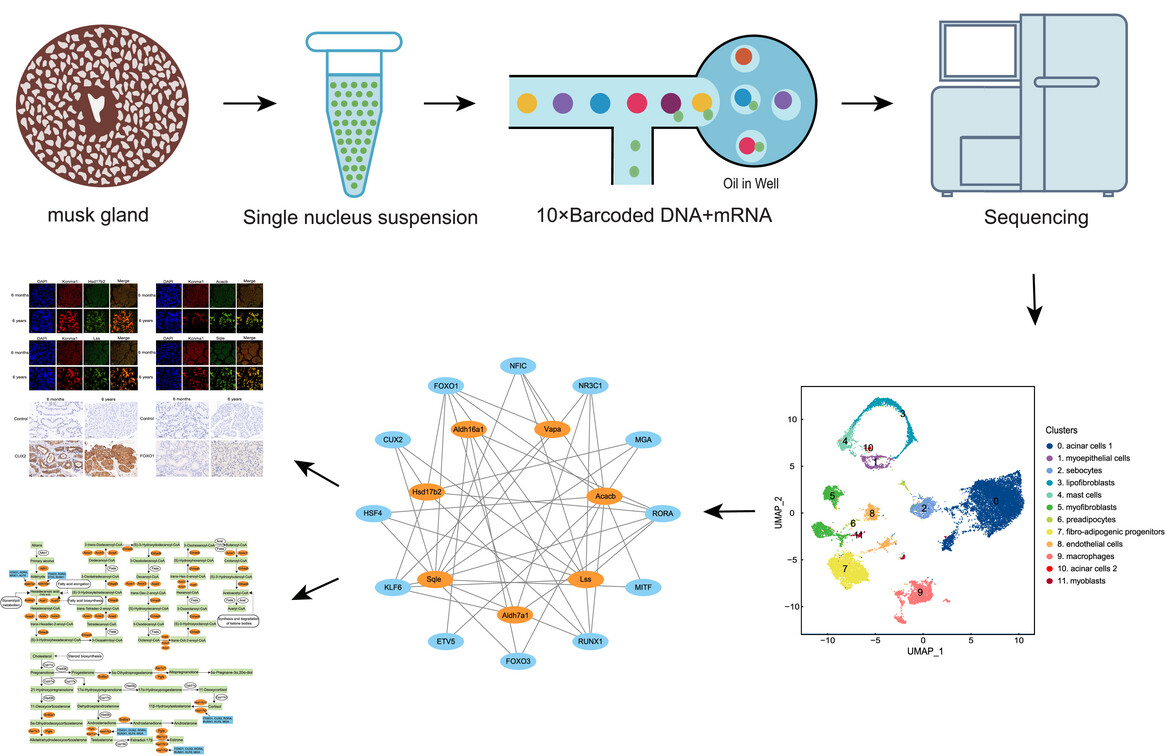
Single-nucleus transcriptomics and chromatin accessibility analysis of musk gland development in Chinese forest musk deer
Chenmiao LIU, Tingting HONG, Chengcheng ZHAO, Tao XUE, Shuhui WANG, Zhanjun REN
| Graphical Abstract: Herein, using single cell multiome ATAC + gene expression coupled with several bioinformatic analyses, a dynamic transcriptional cell atlas of musk gland development was revealed, and key genes and transcription factors affecting its development were determined. |
OPEN ACCESS
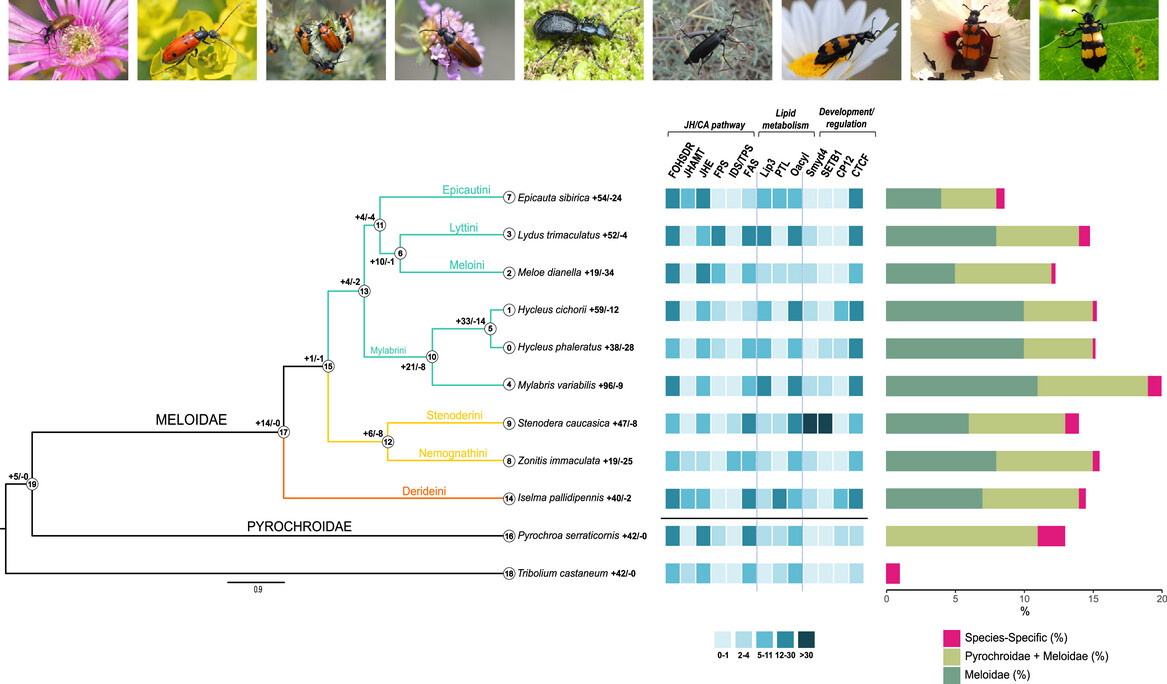
Alessandra RICCIERI, Lucrezia SPAGONI, Ming LI, Paolo FRANCHINI, Marianna N. ROSSI, Emiliano FRATINI, Manuela CERVELLI, Marco A. BOLOGNA, Emiliano MANCINI
| Graphical Abstract: The comparison among newly assembled genomes of five species from the three subfamilies of Meloidae and others already available for blister beetles and canthariphilous species provides new insights into cantharidin biosynthesis and hypermetamorphosis, two crucial aspects of Meloidae biology. |
Letters to the Editor
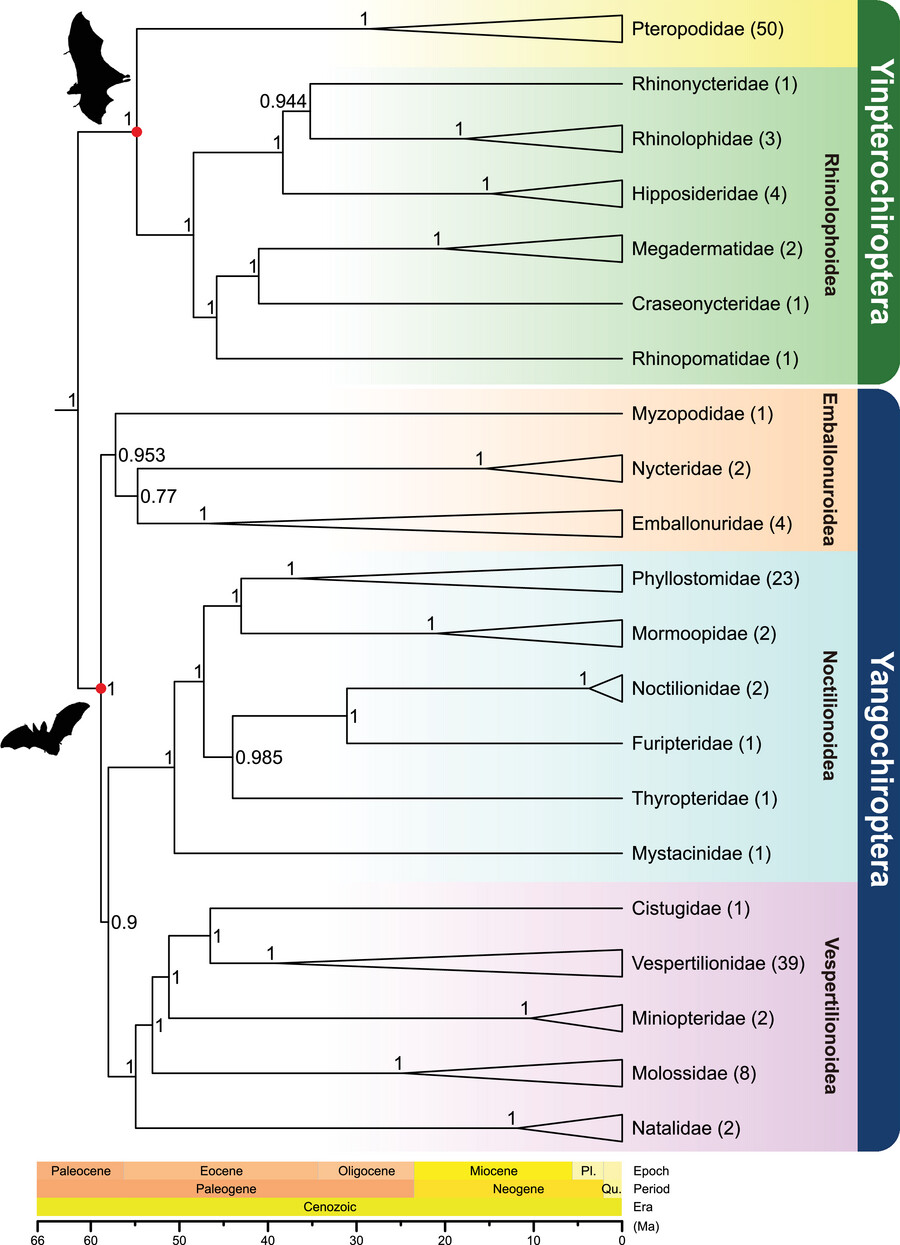
Xiangyu HAO, Qin LU, Huabin ZHAO
| Graphical Abstract: A robust molecular phylogeny of all 21 bat families was recovered. | |
OPEN ACCESS
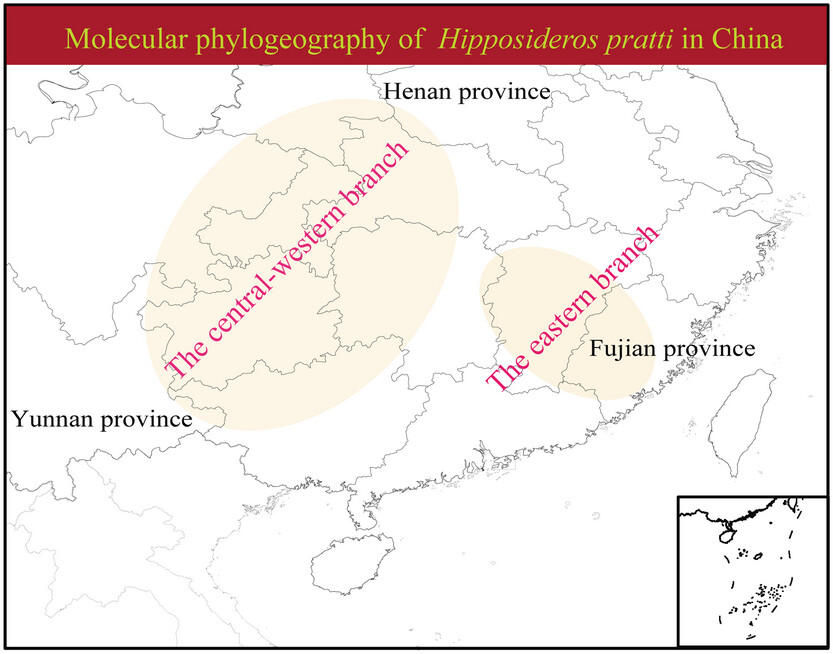
Wei LIU, Jinhe WANG, Yan HAO, Xinhang SONG, Yaping YANG, Jing LI, Jingying HE, Yanzhen BU, Hongxing NIU
| Graphical Abstract: Hipposideros pratti has low genetic diversity and was divided into two clades, the central-western clade and the eastern clade. We did not detect a clear east-to-west dispersal route along the longitudinal direction, and we found that the eastern clade spread outward from one population to another, while the central-western clade spread gradually. The glacial–interglacial period of the Quaternary influenced the migration and dispersal of H. pratti. H. pratti did not experience a significant population increase in the past, and the average population trajectory was decreasing. Given the convenient ecosystem services provided by bats, the preservation of bat populations is particularly critical. Nonetheless, we have discovered that the majority of H. pratti’s distributional sites were not discovered in this study. Based on our results, it is important to apply in situ conservation measures for effective protection as soon as possible. | |
Shengnan WANG, Yue SHEN, Zhaocun LIN, Yuquan MIAO, Chengqi WANG, Wenya ZHANG, Yingmei ZHANG
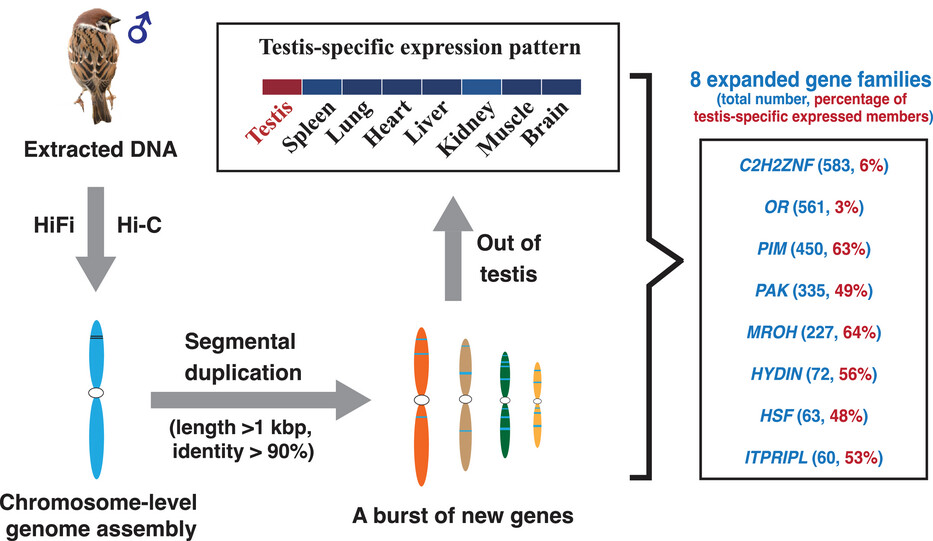
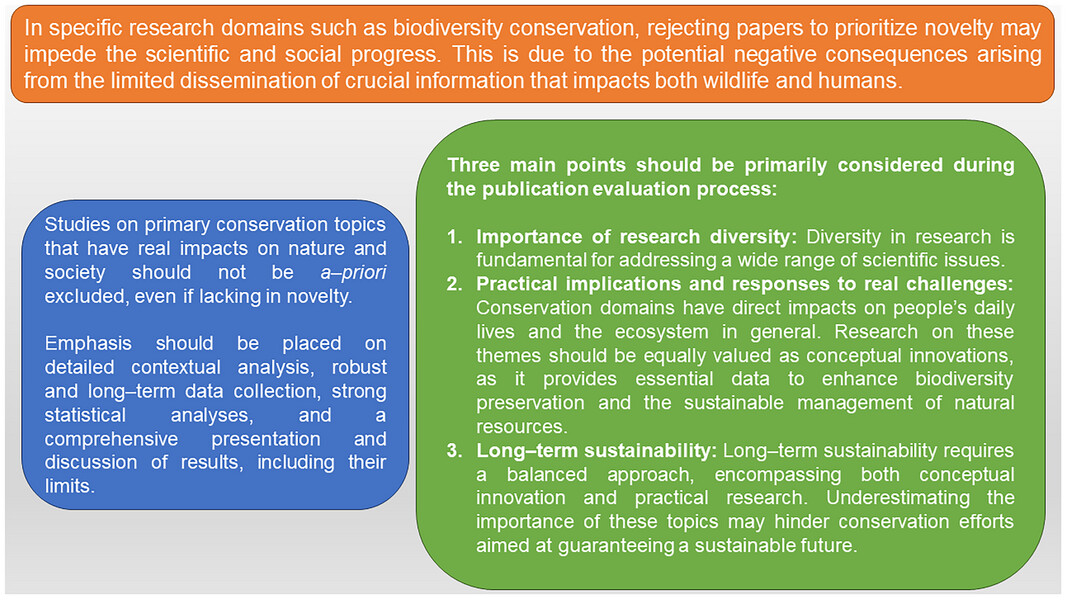
| Graphical Abstract: Based on a chromosome-level genome assembly, a burst of new genes with different structures but a similar testis-specific expression pattern was detected in tree sparrow. | Graphical Abstract: In significant conservation domains, rejecting papers to prioritize novelty, may impede scientific and social progress as these studies carry crucial policy and practical implications. The research's rigor (rather than novelty) should be the primary criterion for evaluating the works’ robustness and suitability for publication. Innovation is essential, but science requires a balanced approach, encompassing both conceptual innovation and practical research. |
Commentary
Xiaohan SANG, Shichang ZHANG
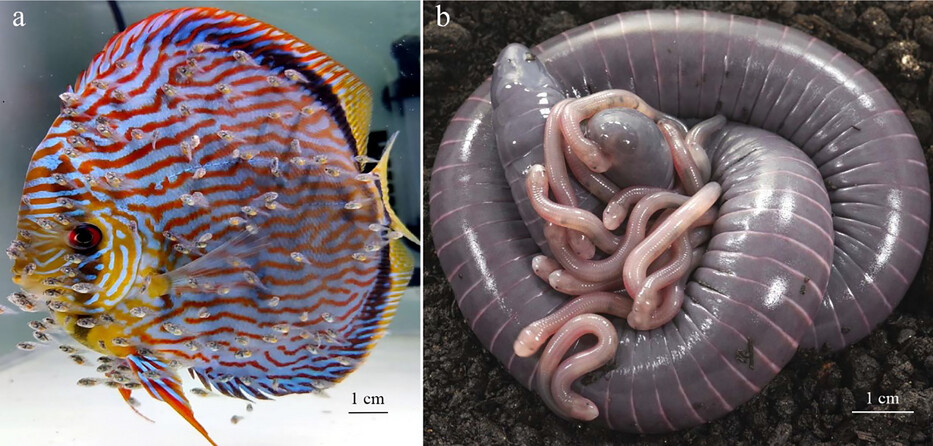
| Graphical Abstract: Two examples of vertebrates that feed young with mucus. Left: A female cichlid fish Symphysodon aequifasciatus; Right: A female caecilian Siphonops annulatus. | |
Please visit the official website of the International Society of Zoological Sciences for more information on membership and activities:
Official website of ISZS:
http://www.globalzoology.org.cn/
Sincerely,
The Secretariat, ISZS
Editorial Office, Integrative Zoology
-------------------------------------------------------------
For more information on how to become an ISZS member or any other questions, please contact the Secretariat at iszs@ioz.ac.cn
| | | | |