|
Dear Colleagues,
Wrapping up 2024, the final issue (November issue) of Volume 19 for Integrative Zoology is now available online! Please click the links below on the title to access the individual manuscripts. Open Access articles (n = 4) are marked IN RED.
In the meantime, feel free to browse our Early View articles (n = 86) published in advance of issue publication in Volume 20 in 2025.
Special Subsection: Physiological Ecology
OPEN ACCESS
José MARTÍN, Gonzalo RODRÍGUEZ-RUIZ, Álvaro NAVARRO-CASTILLA, Isabel BARJA, Pilar LÓPEZ
| |
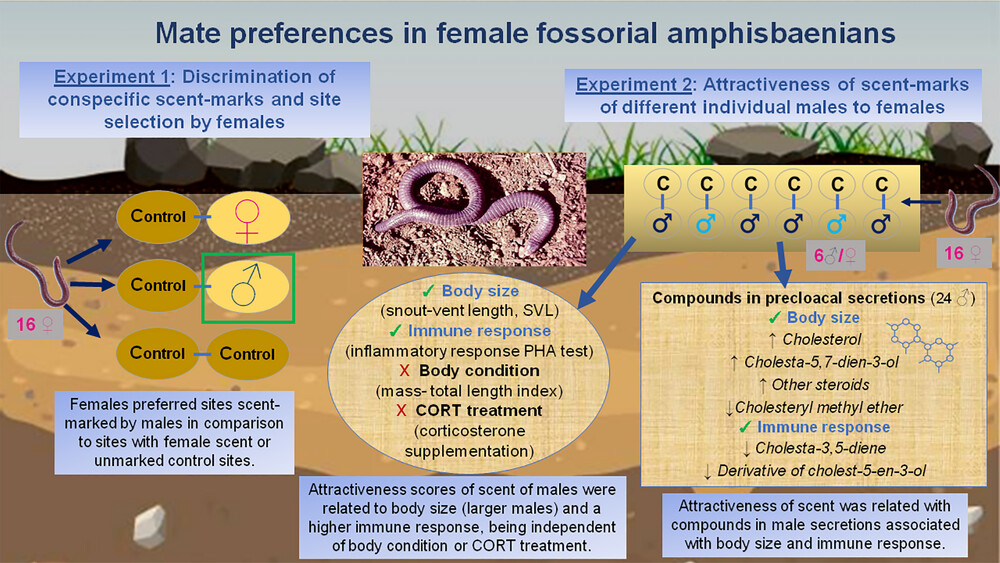
Graphical Abstract: The underground environment may restrict the use of sexual signals in mate choice. However, chemical sexual secretions of male amphisbaenians are related to different male traits (size and health). These relationships may allow females to select sites scent-marked by males of presumable high quality, thus increasing their probability of mating with these males. | |
|
Xingzhi HAN, Baojun SUN, Qiong ZHANG, Liwei TENG, Fushun ZHANG, Zhensheng LIU
| |
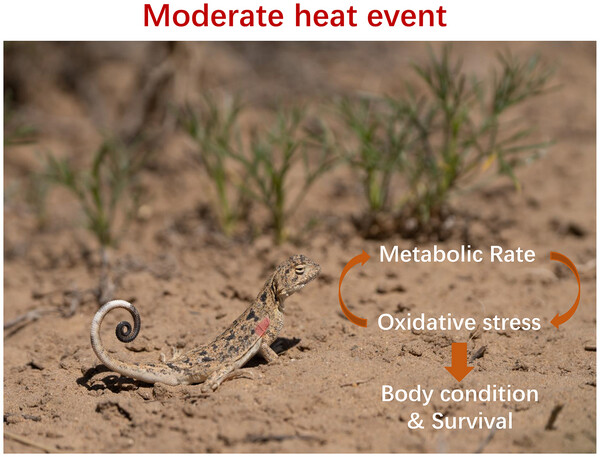
Graphical Abstract: An arid lizard Phrynocephalus przewalskii can adjust the metabolic rate and oxidative stress in response to moderate heat events and thus maintain its fitness. | |
OPEN ACCESS
Shahar DUBINER, Shai MEIRI, Eran LEVIN
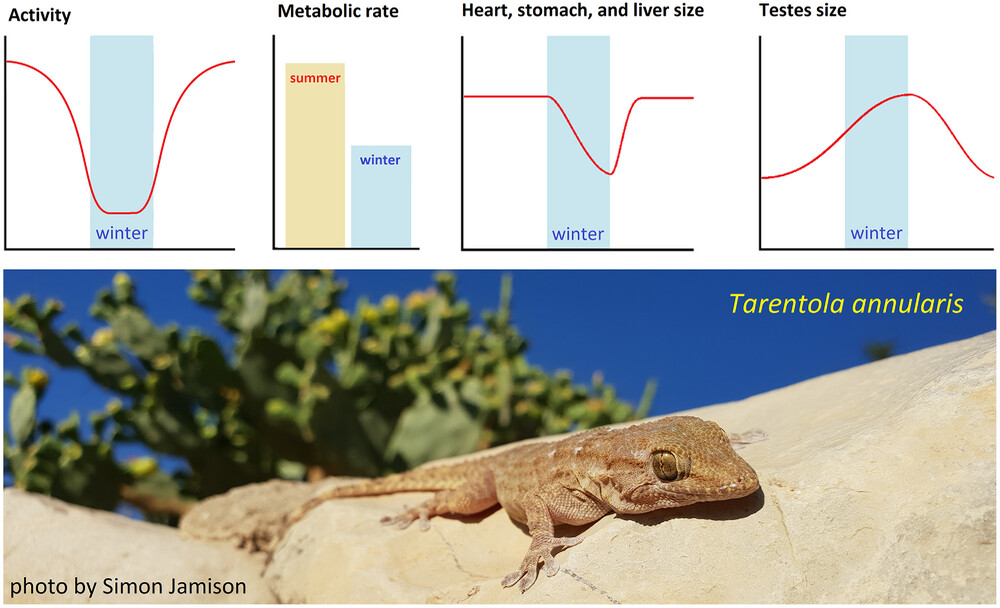
| Graphical Abstract: The invasive desert gecko of Tarentola annularis is inactive throughout winter and thus has no energetic intake. During that period, metabolic rates are reduced to almost half, which might be explained by the size of energetically costly organs (heart, stomach, liver) which shrink by 25–69%. However, the testes double in size in winter, enabling reproduction upon return to activity. | |
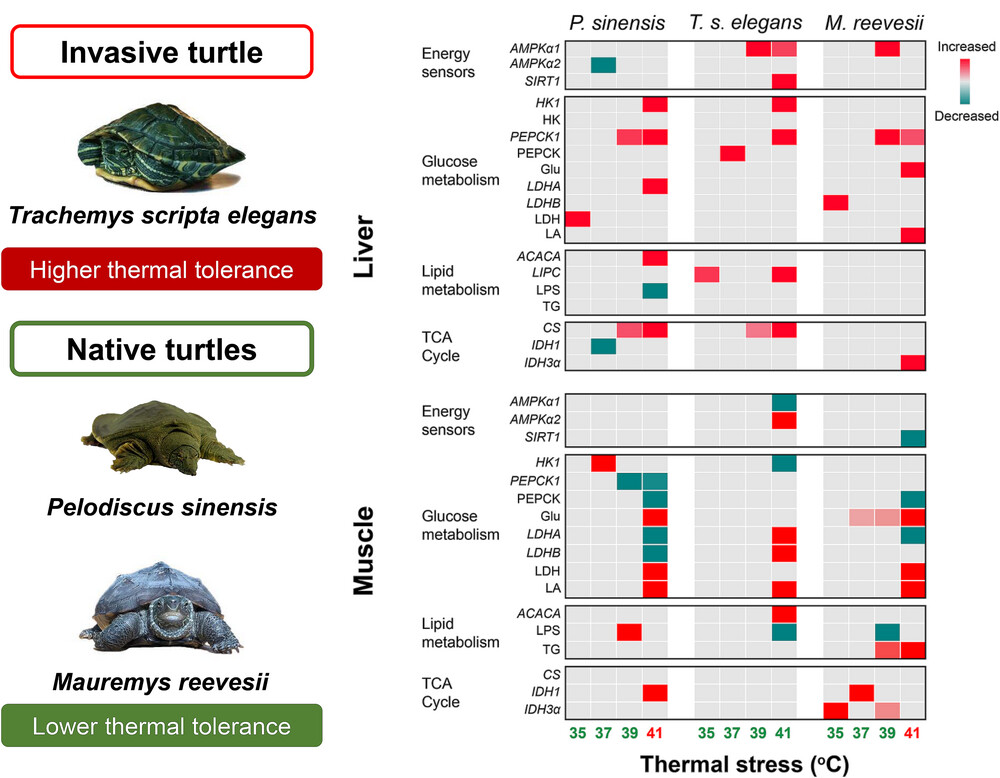
Shufen JIANG, Changyi ZHANG, Xiao PAN, Kenneth B. STOREY, Wenyi ZHANG
| Graphical Abstract: The present study compared metabolic responses to thermal stress in a globally invasive turtle Trachemys scripta elegans and two native turtles Pelodiscus sinensis and Mauremys reevesii. Results showed different metabolic responses between the invader and native turtles, especially in energy sensors and anaerobic metabolism, under extremely hot conditions. Our study suggested the potential role of physiological differences in mediating the interaction between climate change and biological invasion. | |
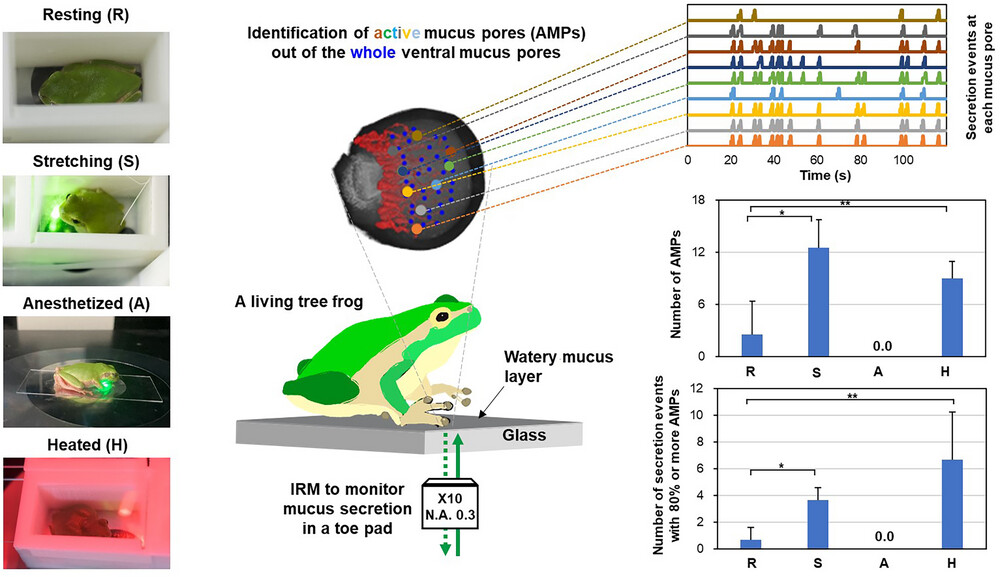
Jae-Uk SEOL, Jung Su PARK, Jae-Hong LIM, Hyeon Su HWANG, Eun-Bin KIM, Seob-Gu KIM, Jae-Il PARK, Ha-Cheol SUNG, Joon Heon KIM, Eung-Sam KIM
| Graphical Abstract: The mucus secretion patterns in the ventral toe pad surface of living tree frogs under different situations were real-time monitored via interference reflection microscopy. The number of active mucus pores and secretion events were tailored in response to situation needs. | |
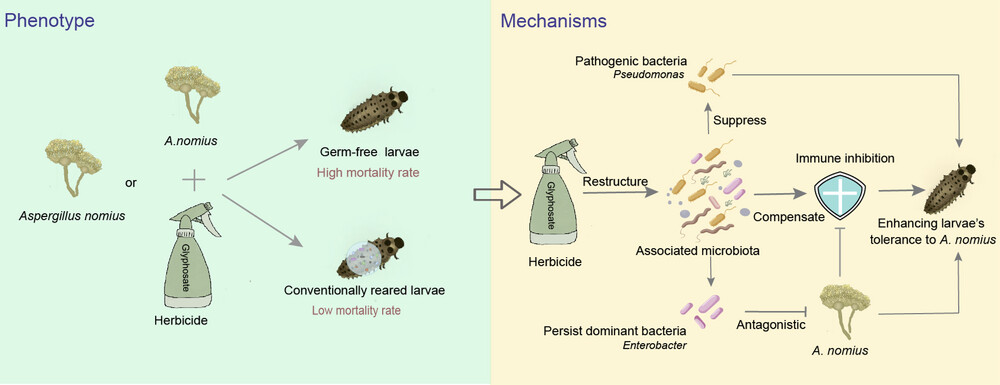
Yuxin ZHANG, Handan XU, Chengjie TU, Runhua HAN, Jing LUO, Letian XU
| Graphical Abstract: This study primarily showcases the protective role of associated bacteria in the leaf beetle Plagiodera versicolora against Aspergillus nomius infections. Further analysis of the associated microbiota revealed significant alteration in abundance and composition due to glyphosate treatment. The dominant bacterium, post A. nomius infection or following a combination of glyphosate treatment, exhibited strong suppressive effects on fungal growth. Additionally, glyphosate markedly inhibited the pathogenic associated bacterium Pseudomonas though it inhibited P. versicolora’s immunity, ultimately enhancing the beetle's tolerance to A. nomius. | |
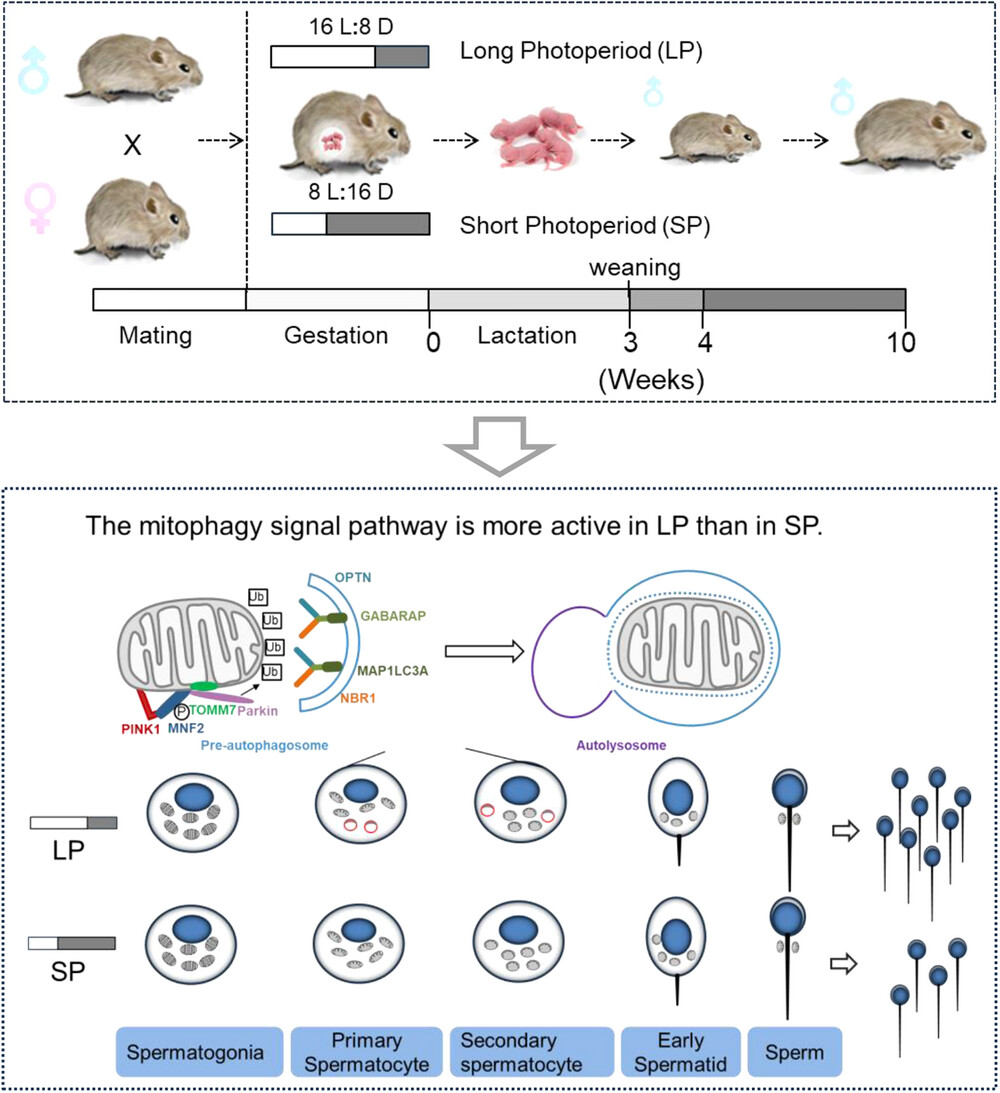
Lijuan ZHAO, Chunxiao CHEN, Lewen WANG, Yan LIU, Fanglei GONG, Jingou WANG, Hong SUN, Dawei WANG, Zhenlong WANG
| Graphical Abstract: Mitophagy participates in the photoperiodic regulation of spermatogenesis in Brandt's voles, promoting spermatogenesis in long photoperiods. Our results provide insights into the role of photoperiod in seasonal reproduction in wild animals. |
OPEN SUBMISSION - Original Articles
OPEN ACCESS
Claudia ALLEGRINI, Carmi KORINE, Boris R. KRASNOV
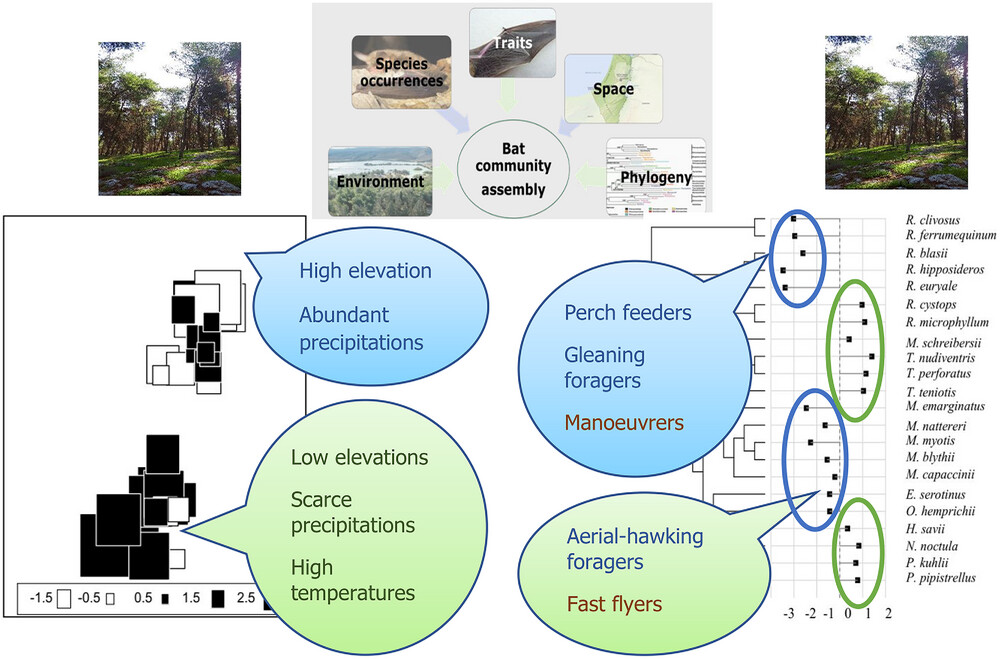
| Graphical Abstract: Bat communities along a natural gradient of temperature and precipitation in pine forests were studied. Bat communities showed phylogenetic and trait clustering. These communities are shaped by climate conditions and forest vegetation composition. The field and the modeling approach can be extended to other taxa and environments to predict species responses to disturbance and environmental changes. | |
Baijie JIN, Xiangjun LI, Qingling ZHANG, Wen ZHOU, Yingyu LIU, Zimei DONG, Guangwen CHEN, Dezeng LIU
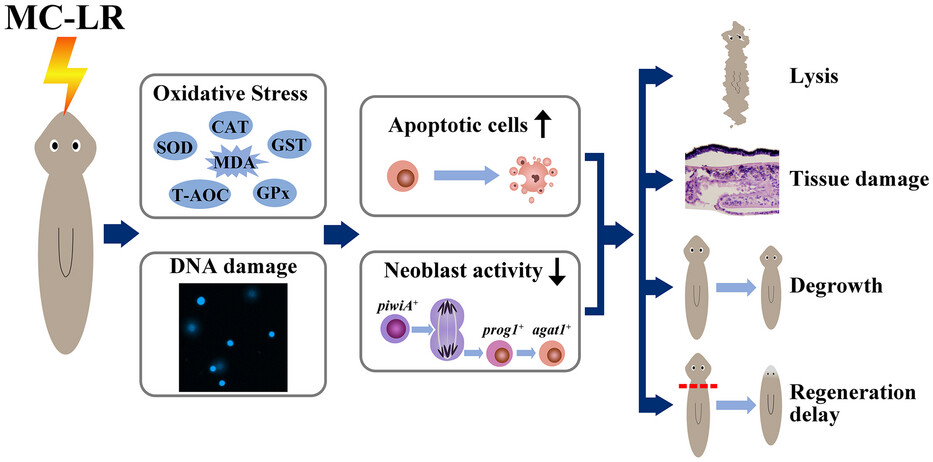
| Graphical Abstract: Microcystin-leucine arginine (MC-LR) exposure caused lysis, degrowth, and regeneration delay in planarians. MC-LR exposure led to oxidative stress and DNA damage in planarians. MC-LR exposure inhibited neoblast proliferation and differentiation and promoted apoptosis in planarians. |
Wanxin LEI, Wei WEI, Dan PU, Shibu QUBI, Hong ZHOU, Mingsheng HONG, Junfeng TANG, Han HAN
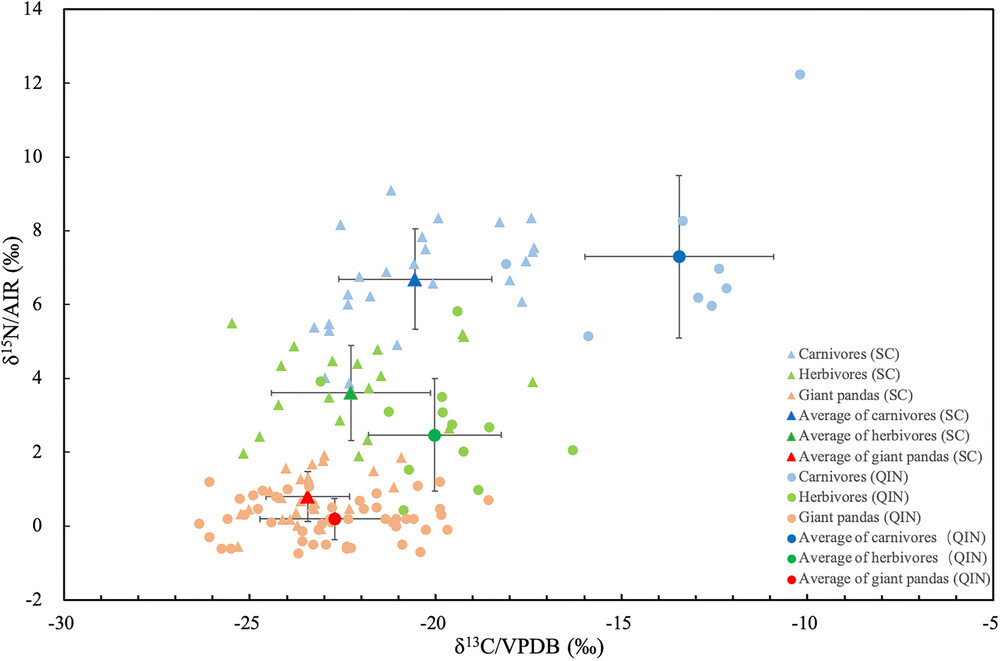
| Graphical Abstract: We determined stable isotope values of hairs from Qinling (QIN) and Sichuan (SC) pandas and sympatric species. The QIN pandas had a larger isotopic trophic niche width than that of SC pandas, and both populations possessed a unique trophic position in the ecosystem. | |
Boris R. KRASNOV, Georgy I. SHENBROT, Irina S. KHOKHLOVA, M. Fernanda LÓPEZ BERRIZBEITIA, Sonja MATTHEE, Juliana P. SANCHEZ, Luther VAN DER MESCHT
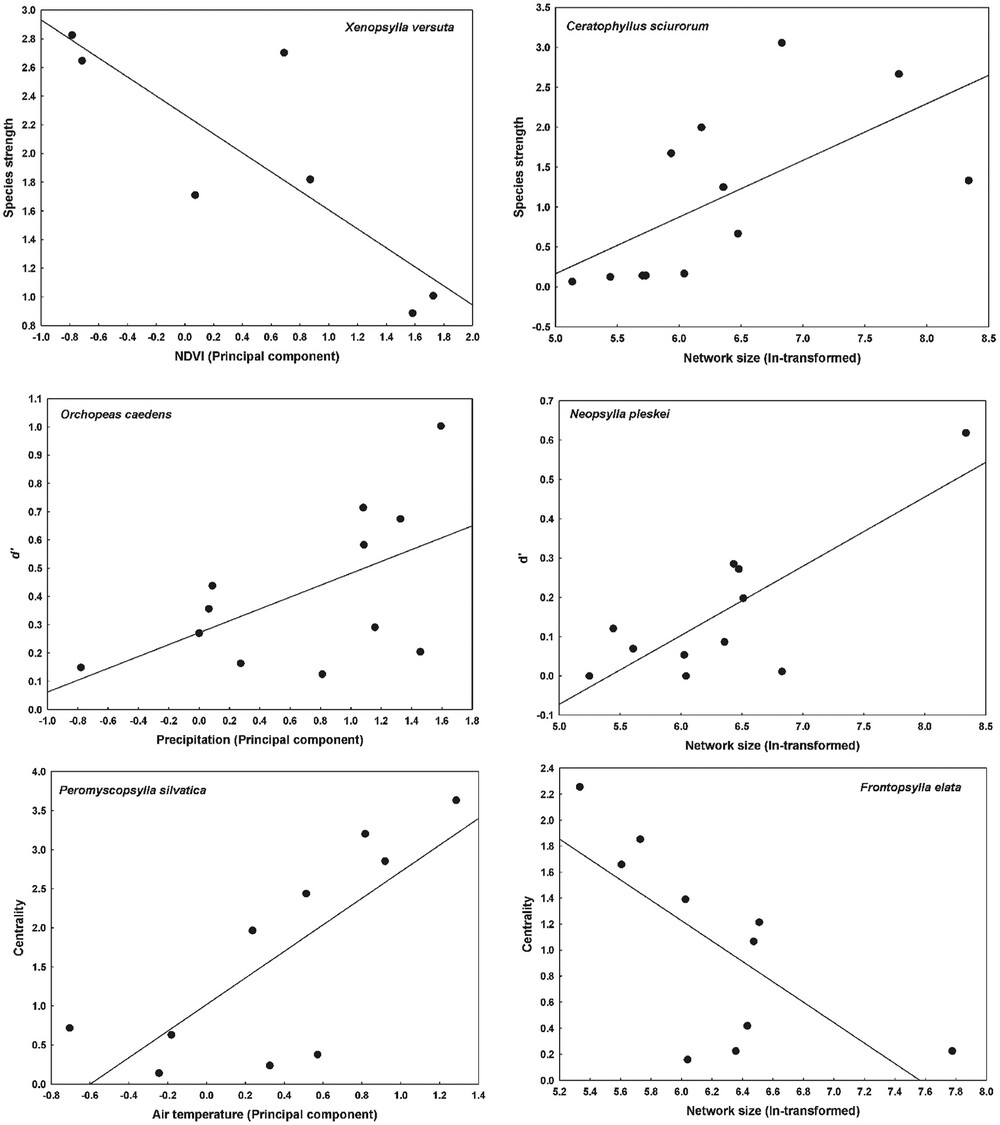
| Graphical Abstract: In flea–mammal networks, species positions, but not species roles, were repeatable within a flea or host species but varied along environmental and/or network size gradients. However, the species roles of both fleas and hosts were mostly invariant across the networks from different regions. | |
Pengbo LIU, Guichang LI, Ning ZHAO, Qiyong LIU, Xiaobo LIU, Xiuping SONG, Xinfei SHI, Xinchang LUN, Lu ZHANG, Jun WANG, Liang LU
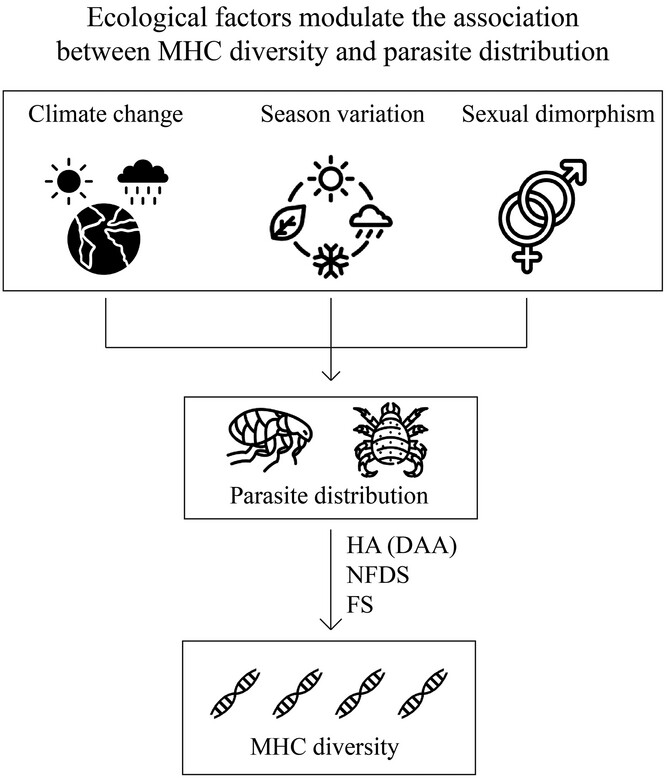
| Graphical Abstract: Climate heterogeneity, season variation, and sexual dimorphism modulate the association between MHC II diversity and parasite variation in striped hamsters. | |
Chuang ZHOU, Xiaofeng ZHENG, Kexin PENG, Kaize FENG, Bisong YUE, Yongjie WU
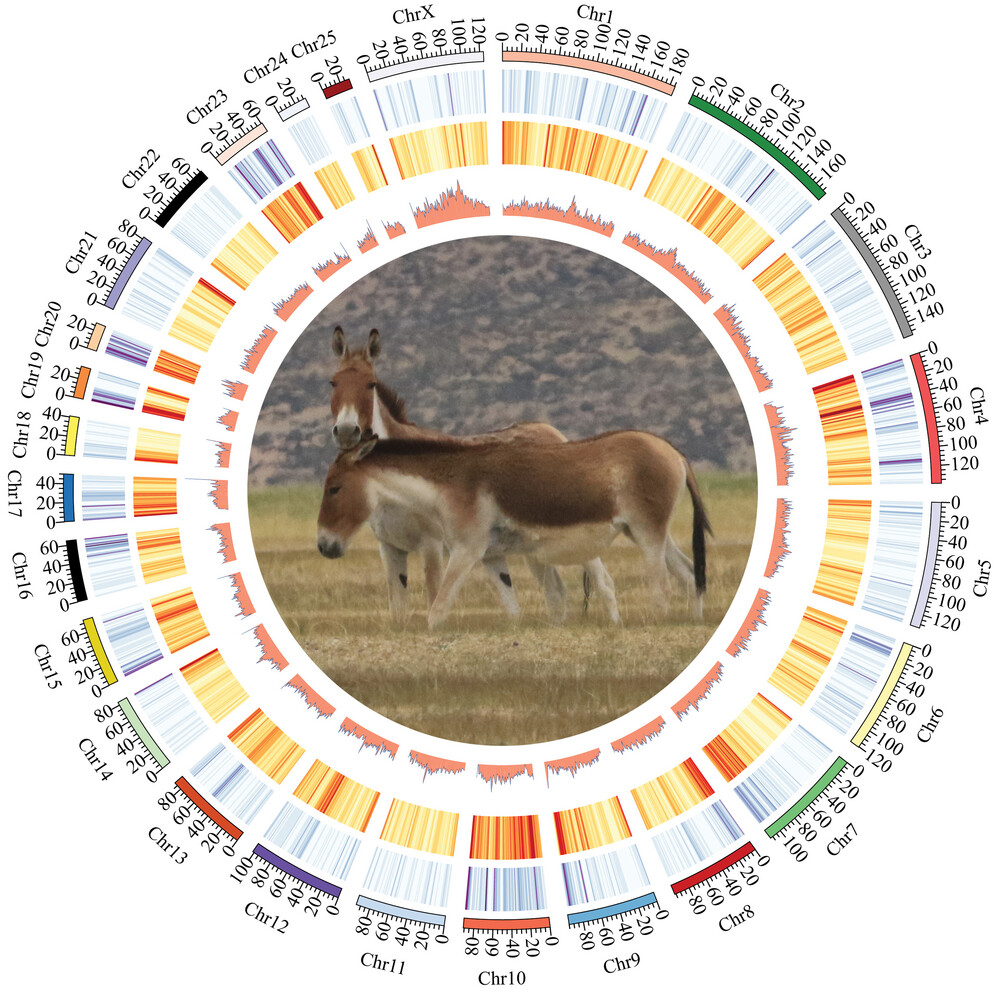
| Graphical Abstract: The chromosome-level genome with 26 chromosomes (25 + X) was obtained for the kiang. The genetic mechanisms of high-altitude adaptation of the kiang were investigated. |
OPEN ACCESS
Ashley M. DUNGAN, Jessica L. THOMAS
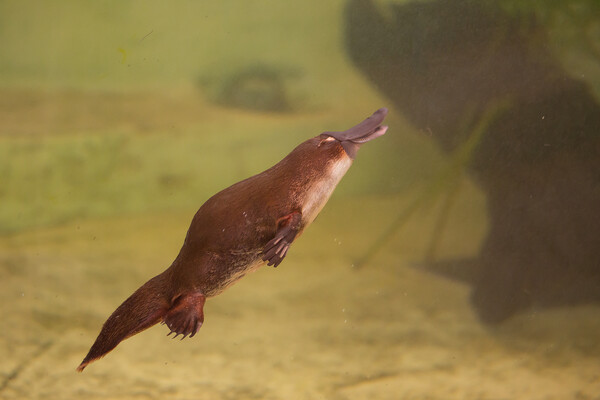
| Graphical Abstract: Captivity alters the bacterial community structure of the platypus, with the abundance of four taxa significantly reduced in captive platypus compared to their wild counterpart. |
Commentaries
Jing WEI, Yuxin ZHANG, Letian XU
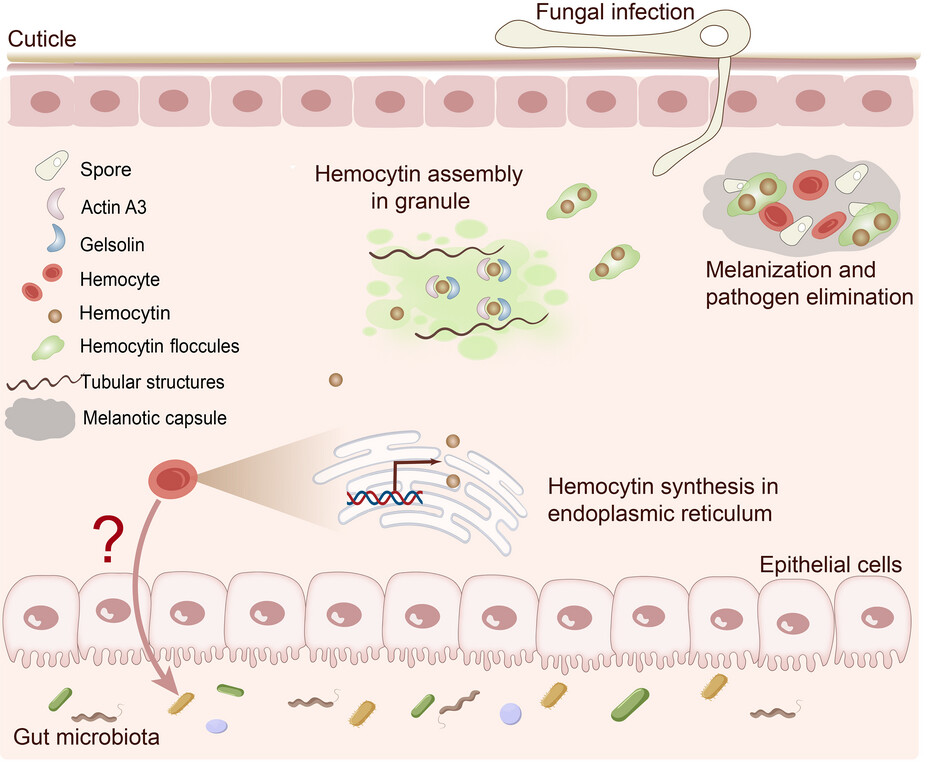
| Graphical Abstract: Overview of Hemocytin-Mediated Cellular Encapsulation and Melanization Responses in Insects Against Fungal Pathogens. | |
Xiaoling LIANG, Weimin KUANG
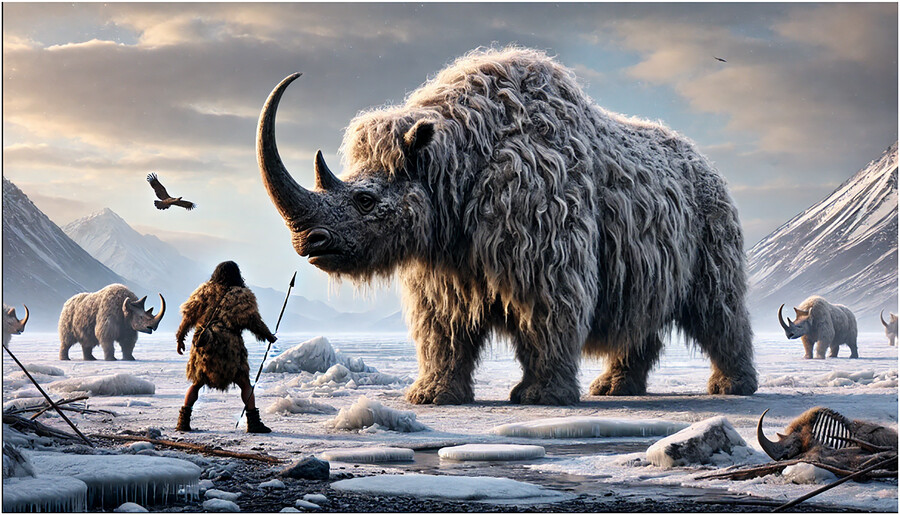
| Graphical Abstract: Climate oscillations and prehistoric human activity during the Middle-Late Pleistocene profoundly affected the population fluctuations and extinctions of megafauna, especially the extinct woolly rhinoceros. Fordham et al. (2024) recently proposed new solutions based on fossil records, paleoclimates, and prehistoric human activities data to reconstruct an explicit process-driven model, resulting in high-resolution population dynamics of the woolly rhinoceros. This study revealed the mechanisms of the woolly rhinoceros extinction: climate-driven habitat fragmentation combined with low but persistent levels of human hunting weakened metapopulation processes, leading to their extinction. | |
Jiameng LI, Yinzi YE, Weiguo DU, Shilong YANG
| |
Please visit the official website of the International Society of Zoological Sciences for more information on membership and activities:
Official website of ISZS:
http://www.globalzoology.org.cn/
Sincerely,
The Secretariat, ISZS
Editorial Office, Integrative Zoology
-------------------------------------------------------------
For more information on how to become an ISZS member or any other questions, please contact the Secretariat at iszs@ioz.ac.cn
| | | | |