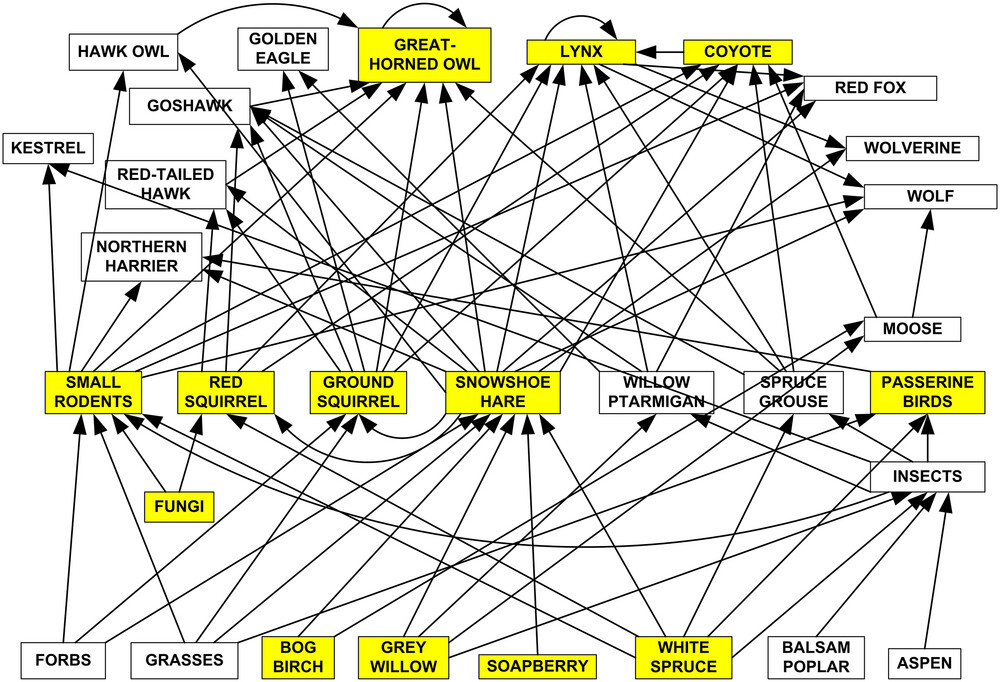
Graphical Abstract: Population and community ecology are the foundation elements of the ecological sciences. After a centenary of progress in these developing sciences, we review the strong and weak points and how to progress with nine key recommendations for future research. | |
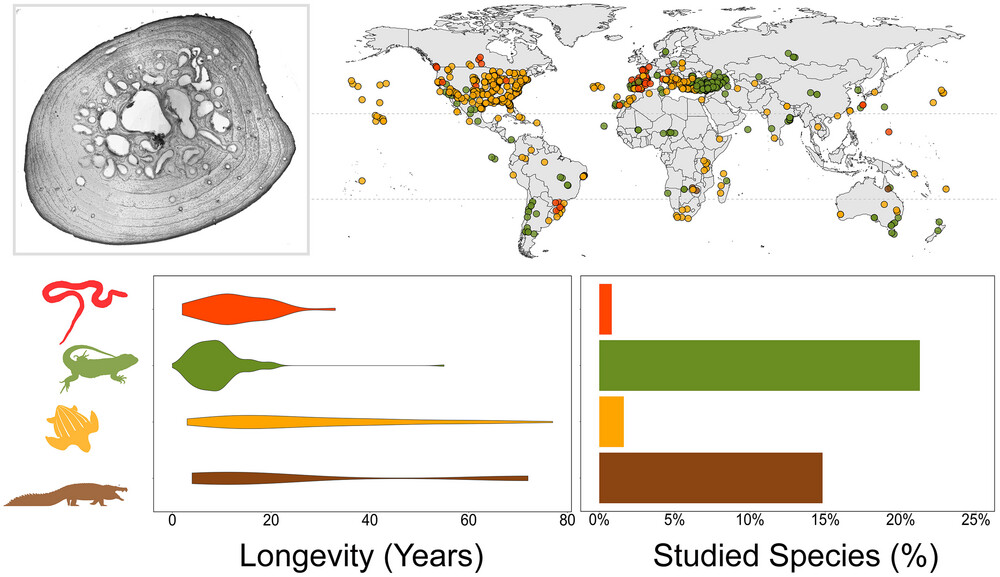
Graphical Abstract: Age and growth-related data are basic biological parameters, essential in population ecology, evolution, and conservation biology. We compiled the published data on reptiles, which covers 236 species in 41 families. We synthetized the results of disparate sclerochronological studies, identified patterns of research and biases, and directions for future research. | |
|
Cryptic diversity begets challenges and opportunities in biodiversity research
Rui CHENG, Arong LUO, Michael ORR, Deyan GE, Zhong'e HOU, Yanhua QU, Baocheng GUO, Feng ZHANG, Zhongli SHA, Zhe ZHAO, Mingqiang WANG, Xiaoyu SHI, Hongxiang HAN, Qingsong ZHOU, Yuanning LI, Xingyue LIU, Chen SHAO, Aibing ZHANG, Xin ZHOU, Chaodong ZHU
Pages: 33-49 | First Published: 23 January 2024
|
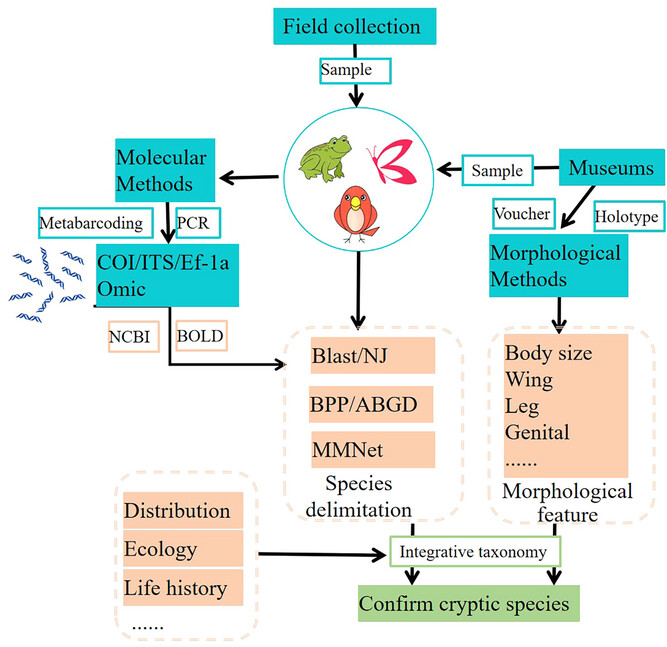
Graphical Abstract: This paper introduces what is cryptic species, how they evolve, and methods by which they may be discovered and studied, and provides theoretical and methodological guidance for the study of hidden species.
|
Original Articles
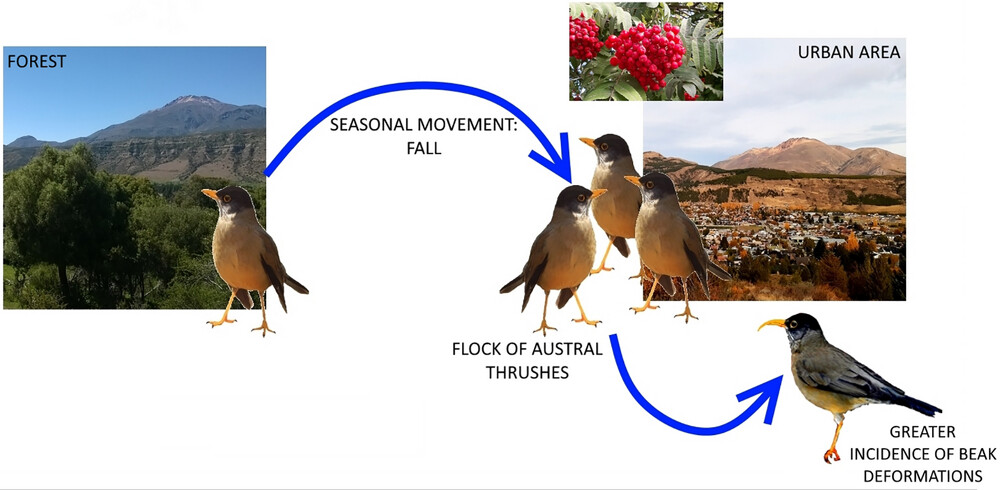
Incidence of beak deformities in austral thrushes (Turdus falcklandii) increases with urbanization and flocking behavior
Cristian Andres GOROSITO, Alex Edward JAHN, Victor Rodolfo CUETO
Pages: 50-59 | First Published: 13 December 2023
| Graphical Abstract: Beak deformation is apparently caused by a viral infection; thus, its incidence may be expected to increase with the flocking of frugivorous birds in urban areas, due to attraction to fruit resources. We found that austral thrushes moved from rural to urban areas during fall, resulting in an increase in the abundance of birds with deformed beaks. Our results support the hypothesis of a viral origin of this disease in thrushes and show that urban areas may constitute an ecological trap for this species | |
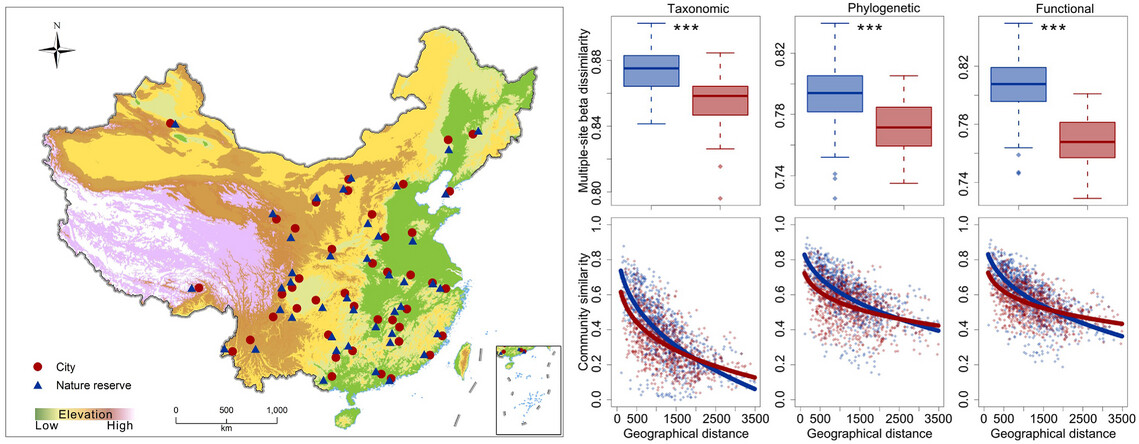
Urbanization drives biotic homogenization of the avian community in China
Jiewen DENG, Younan ZHU, Yuelong LUO, Yongjing ZHONG, Jiahao TU, Jiehua YU, Jiekun HE
Pages: 60-72 | First Published: 20 February 2024
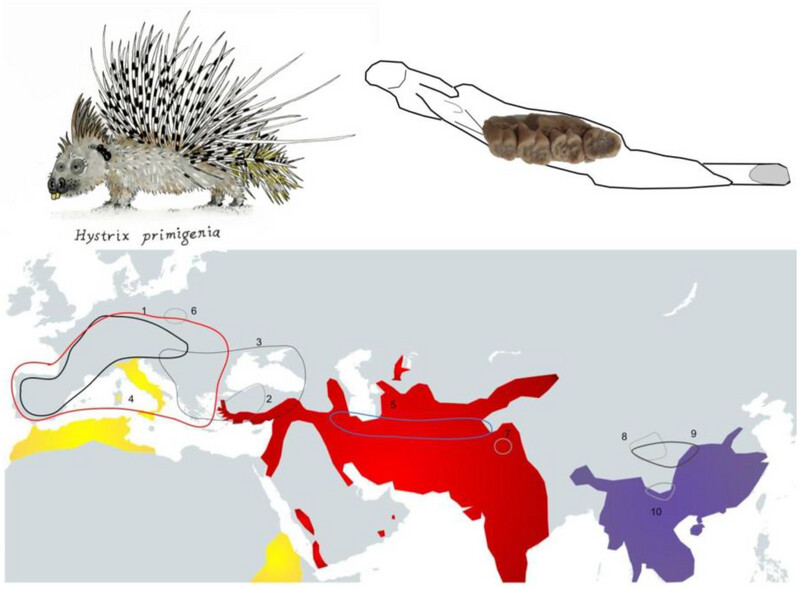
| Graphical Abstract: Comparing the β-diversity between natural and urban communities of birds in China, this study provides empirical evidence from taxonomic, phylogenetic, and functional perspectives that urbanization has driven the national-scale biotic homogenization of avian biodiversity. The explanatory power of predictors in compositional dissimilarities decreased after urbanization, implying a potential risk of uncertainty in model predictions under further climate change and anthropogenic disturbances. | Graphical Abstract: Our paleobiogeographical analysis reveals the absence of Hystrix depereti in Late Miocene Türkiye, parallel with the broader dispersal range of Hystrix primigenia in Eurasia. Examining H. primigenia and H. depereti findings in Eurasia, our study refines Late Miocene Hystrix discoveries in Turkey to two species: H. primigenia and H. kayae, with rare remains found at Kemiklitepe, Uşak, Türkiye, consisting of a hemimandible with a complete series of lower teeth, discovered by researchers from the Ege University Natural History Museum in the 1990s. | |
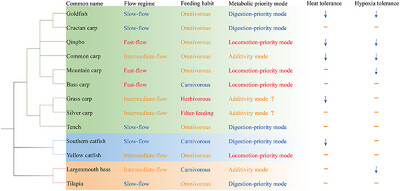
Constraints of digestion on swimming performance and stress tolerance vary with habitat in freshwater fish species
Yongfei ZHANG, Yulian LUO, Keren HUANG, Qianying LIU, Cheng FU, Xu PANG, Shijian FU
Pages: 88-107 | First Published: 30 January 2024
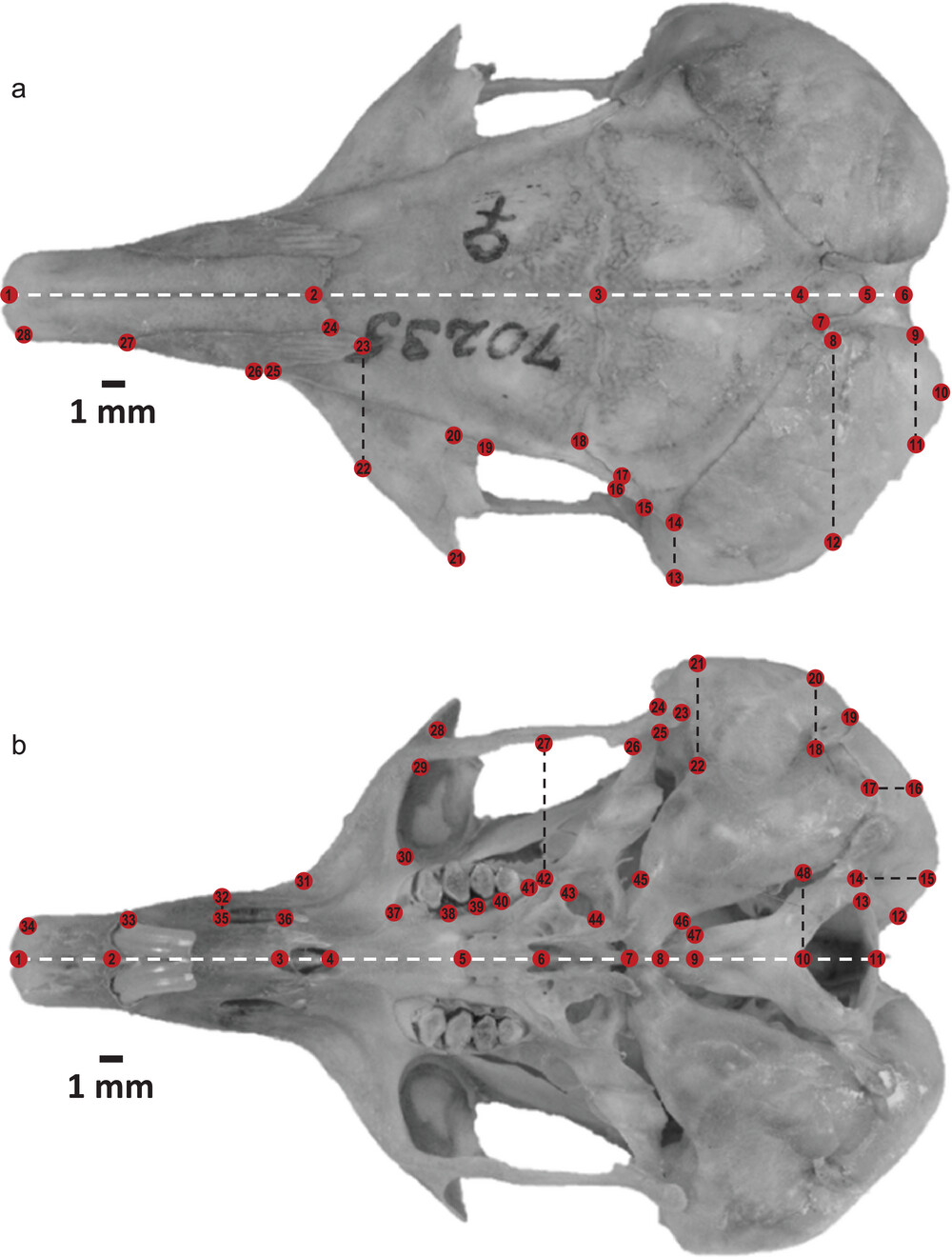
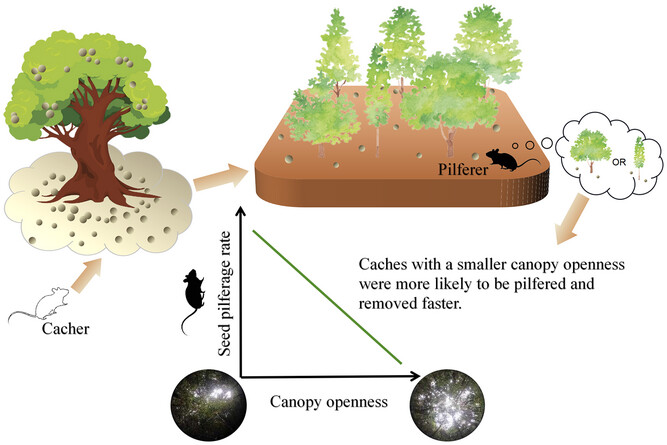
| Graphical Abstract: Whether the residual aerobic scope decreases while digesting and is related to bodily functions are context-dependent and species-specific. There was no common pattern in postprandial changes in the different physiological functions, but digestion generally showed a stronger effect on bodily function in fish species from slow-flow habitats. A precise prediction of how the freshwater fish population responds to global climate change needs to incorporate the data of postprandial fishes. | Graphical Abstract: This study found that variation in scaled cranial shape as detected by geometric morphometric methods had some utility in Dipodomys species discrimination and classification (with relatively high classification accuracy, even when geography was not considered), with the auditory bulla being the most variable cranial region. | Graphical Abstract: Our study highlights that subtle variation in forest canopy openness, even in a closed primary forest, has significant effects on cache pilferage by rodents. Caches with lower canopy openness were more likely to be pilfered and removed faster, which may influence the following seed germination and forest regeneration processes. Seedling species composition may further be altered because the canopy effects on cache pilferage are species-specific. | |
“Isolation by Gentes with Asymmetric Migration” shapes the genetic structure of the common cuckoo in China
Ning WANG, Chengbin SHAN, Dan CHEN, Yunbiao HU, Yuehua SUN, Ying WANG, Bin LIANG, Wei LIANG
Pages: 144-159 | First Published: 13 June 2024
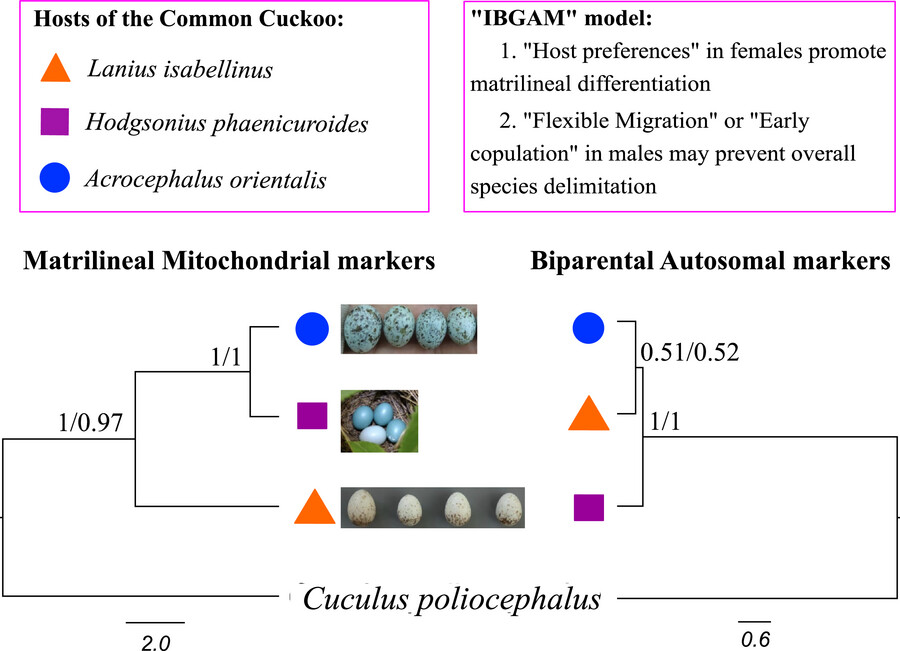
| Graphical Abstract: In the common cuckoo system in China, the matrilineal mitochondrial genes divided different cuckoo gentes into different clades, whereas the biparental autosomal markers showed all gentes intermixing together with asymmetric gene flow. “Host preferences” in females should explain maternal line differentiation, whereas the maintenance of cuckoo species relies on random mating from males, who may exhibit more flexible migration patterns or engage in early copulation with females. “Isolation by Gentes with Asymmetric Migration” appears to fit the diversifying system of the common cuckoo in China. | |
Anthropogenic forests simplify seed‐ but not pollen‐dispersal networks
Luis P. DA SILVA, António Pereira COUTINHO, Jaime A. RAMOS, Ruben H. HELENO
Pages: 160-170 | First Published: 16 July 2024
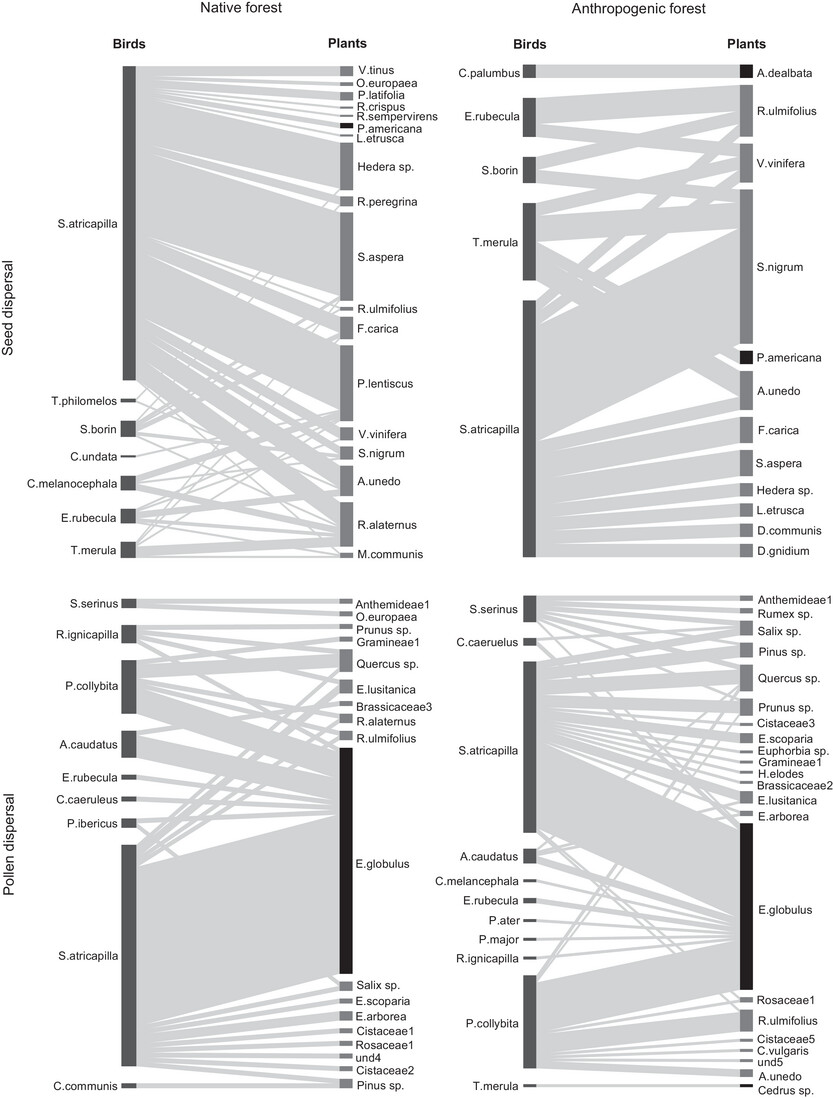
| Graphical Abstract: We assessed bird abundance, richness, and their role in seed and pollen transport in a native and anthropogenic forest, in Europe. Our results revealed a decrease in bird abundance within the anthropogenic forests. We found a smaller, more simplified, and random seed dispersal network in the anthropogenic forest when compared to the natural forest. Nevertheless, the pollen dispersal network exhibited similarities, as opportunistic and neutral processes dominated in both forest types. | |
Seed size and dispersal mode select mast seeding in perennial plants
Fei YU, Mingming ZHANG, Yueqin YANG, Yang WANG, Xianfeng YI
Pages: 171-185 | First Published: 24 July 2024
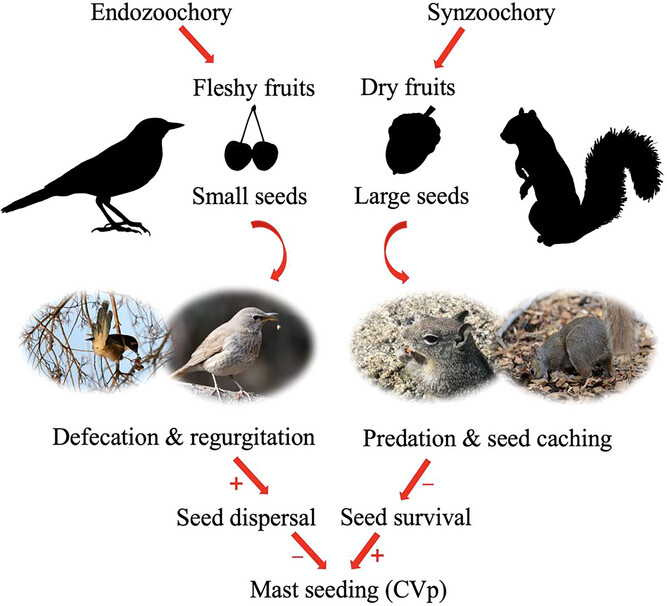
| Graphical Abstract: The graphical representation of the theoretical framework was tested in this study. We expected a larger seed size in synzoochorous compared to endozoochorous species as the larger seed size should promote dispersal in synzoochorous, while a smaller seed size in endozoochorous species. Moreover, effective seed dispersal by synzoochorous dispersers often requires their satiation, while satiation of frugivores in endozoochory is disadvantageous; this should select for higher (synzoochory) and lower (endozoochory) interannual variation in seed production. |
Letters to the Editor
Combination of facial and nose features of Amur tigers to determine age
Caiping ZHAO, Wenrui DAI, Qiang LIU, Dongqi LIU, Nathan James ROBERTS, Zhaoli LIU, Ming GONG, Hongkun QIU, Changhai LIU, Dan LIU, Guangkai MA, Guangshun JIANG
Pages: 186-198 | First Published: 21 March 2024
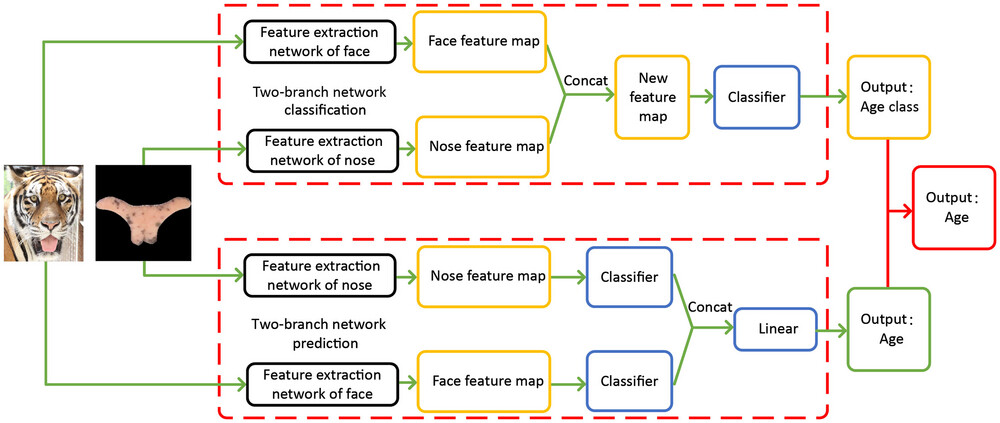
| Graphical Abstract: We found that the area of black round or irregular-shaped spots on the tiger's nose increased with age, indicating a positive relationship between age and nose features. We used the deep learning model to train the facial and nose image features to identify the age of Amur tigers, using a combination of classification and prediction methods to achieve age determination with an accuracy of 87.81%. | |
Group effects of desert rodent communities on plant seed dispersal
Linlin LI, Xin LI, Yongling JIN, Haoting ZHANG, Fan BU, Rong ZHANG, Xiaodong WU, Shuai YUAN, Heping FU
Pages: 199-207 | First Published: 09 September 2024
| |
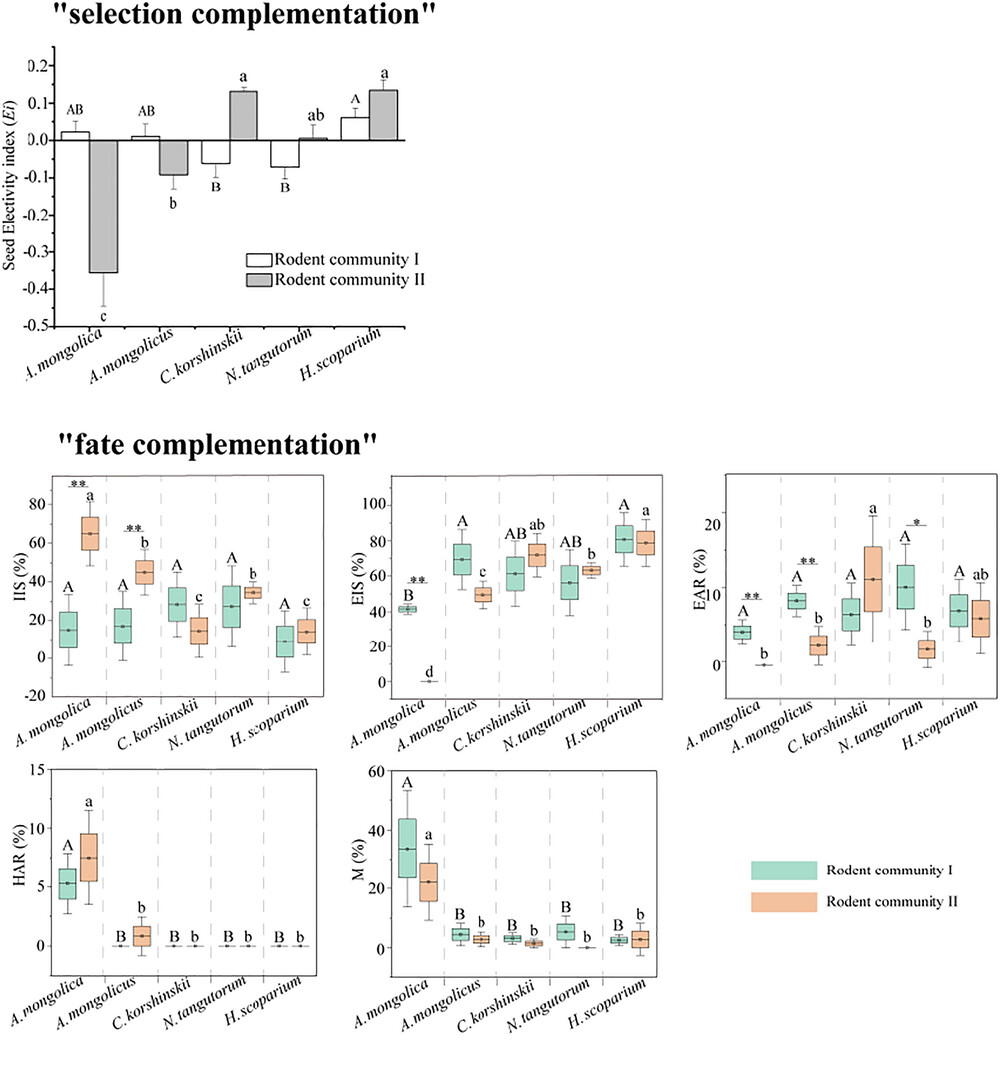
Desert rodent communities spread plant seeds through the group effect of “selection complementation” and “fate complementation,” which promotes the recovery of plant populations and the reconstruction of plant communities in desert areas.
|
Commentaries
Adaptation strategies of insects to their environment by collecting and utilizing external microorganisms
Yulu LOU, Guangmin WANG, Wei ZHANG, Letian XU
Pages: 208-212 | First Published: 24 July 2024
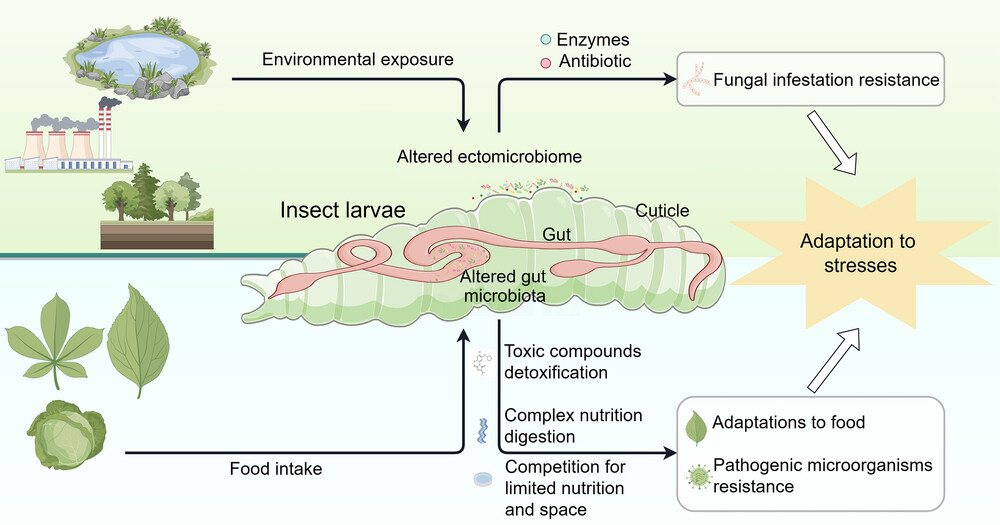
| Graphical Abstract: Insects adjust their adaptive capacity to biotic and abiotic stresses by collecting and utilizing microorganisms from the environment and diet. | |
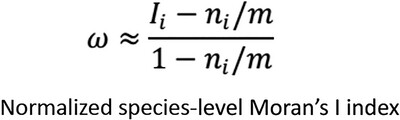
Interpreting the additive components of multi‐species distributional aggregation
Zeguang GUO, Xiaoqin SHI, Ziyan LIAO, Feng XIE, Youhua CHEN
Pages: 213-214 | First Published: 28 August 2024
| Graphical Abstract: Normalized Moran's I index is an indispensable component in maintaining multi-species distributional aggregation at local scales. | |
ESSAY
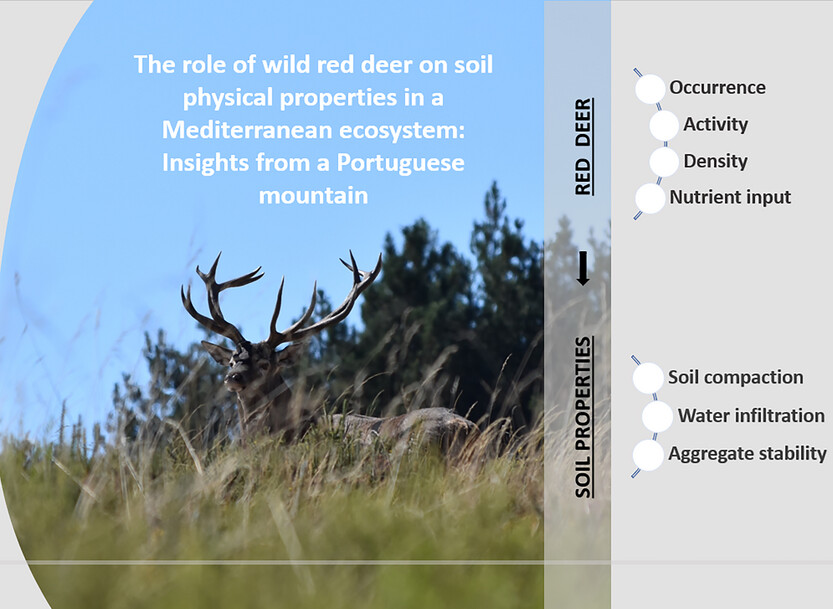
The role of wild red deer on soil physical properties in a Mediterranean ecosystem: insights from a Portuguese mountain
Fernanda GARCIA, António ALVES DA SILVA, José Paulo SOUSA, Joana ALVES
Pages: 215-222 | First Published: 11 September 2024
| Graphical Abstract: In this study, we aimed to assess the role of wild red deer, along with other ungulates such as roe deer and wild boar, in the soil's properties, namely soil penetration resistance and depth, hydraulic conductivity, and the proportion of soil stable aggregates. Results showed that, at the density level found in our study area, red deer have a neutral effect at the soil level, not causing significant soil compaction or significantly influencing measured soil functions. | |
Please visit the official website of the International Society of Zoological Sciences for more information on membership and activities:
Official website of ISZS:
http://www.globalzoology.org.cn/
Sincerely,
The Secretariat, ISZS
Editorial Office, Integrative Zoology
-------------------------------------------------------------
For more information on how to become an ISZS member or any other questions, please contact the Secretariat at iszs@ioz.ac.cn
| | | | |