|
Dear Colleagues,
The latest issue of Integrative Zoology is available ONLINE. Please see the links below to access the issue and individual manuscripts.
Issue 18.3 May 2023
Special subsection: Parasitology
INTRODUCTION TO SUB-SECTION
Open Access
Xabier CABODEVILLA, Benjamín Juan GÓMEZ-MOLINER, Naiara ABAD, María José MADEIRA
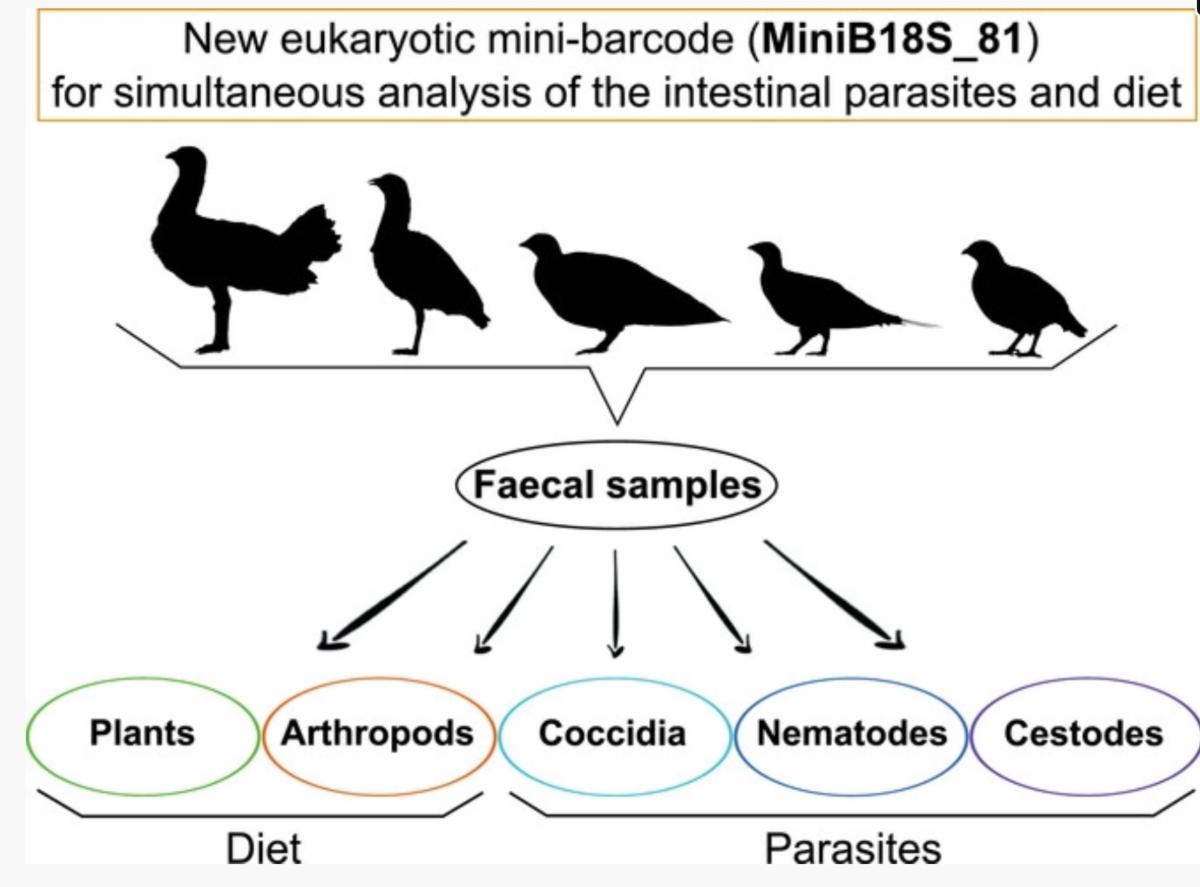
We design a eukaryotic mini-barcode (MiniB18S_81), which provides high taxonomic resolution of the most relevant diet and parasite phyla, Arthropoda, Nematoda, Platyhelminthes, and Apicomplexa, at the order level. An excellent tool to simultaneously provide detailed information regarding the diet and parasites of birds, essential for conservation and management.
Open Access
Boris R. KRASNOV, Elena N. SURKOVA, Georgy I. SHENBROT, Irina S. KHOKHLOVA
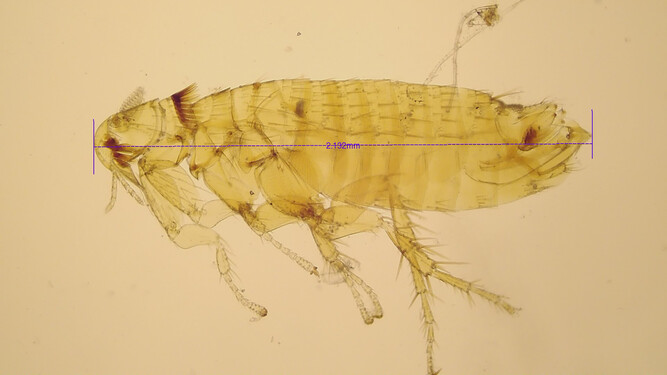
Male but not female fleas demonstrated latitudinal gradient in body size. Appendage length was not associated with latitude. The degree of sexual size dimorphism decreased with a decrease in latitude.
Open Access
Janina BETHGE, Jean Claude RAZAFIMAMPIANDRA, Arne WULFF, Kathrin H. DAUSMANN
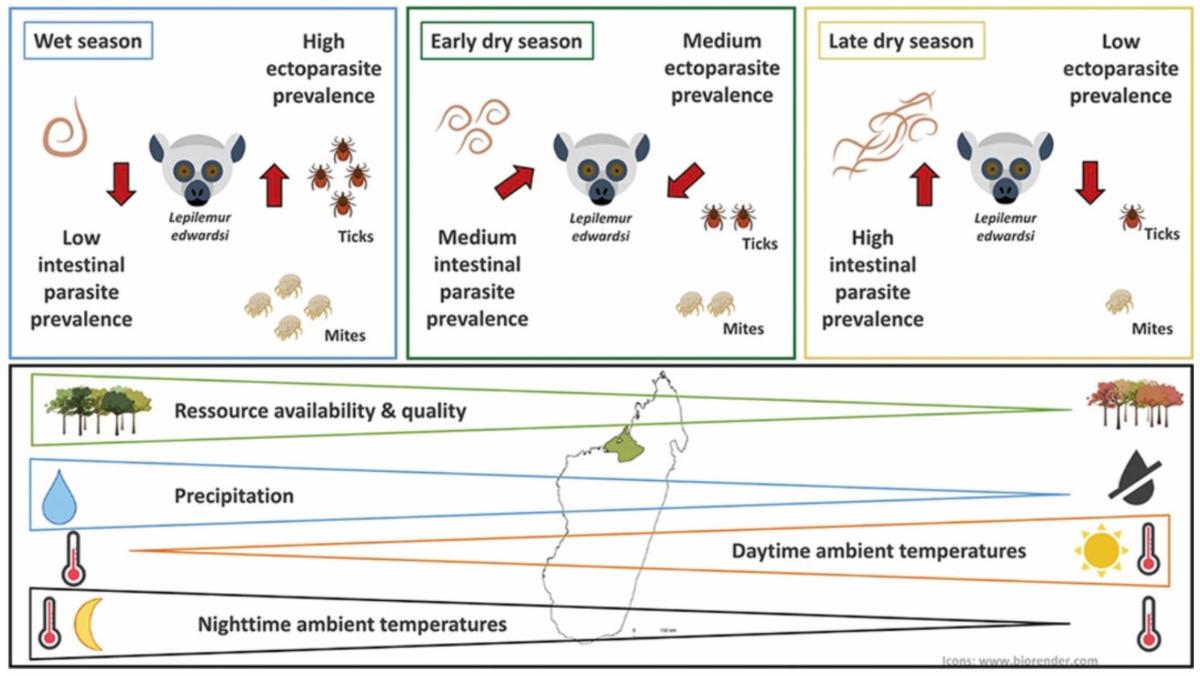
The folivorous Malagasy primate Lepilemur edwardsi living in the dry deciduous forests of western Madagascar shows a seasonal increase of intestinal parasite prevalence from the wet to the dry season.
Open Access
Ivan BALÁŽ, Michał BOGDZIEWICZ, Sylwia DZIEMIAN-ZWOLAK, Carlotta LO PRESTI, Aleksandra WRÓBEL, Milena ZDUNIAK, Rafał ZWOLAK
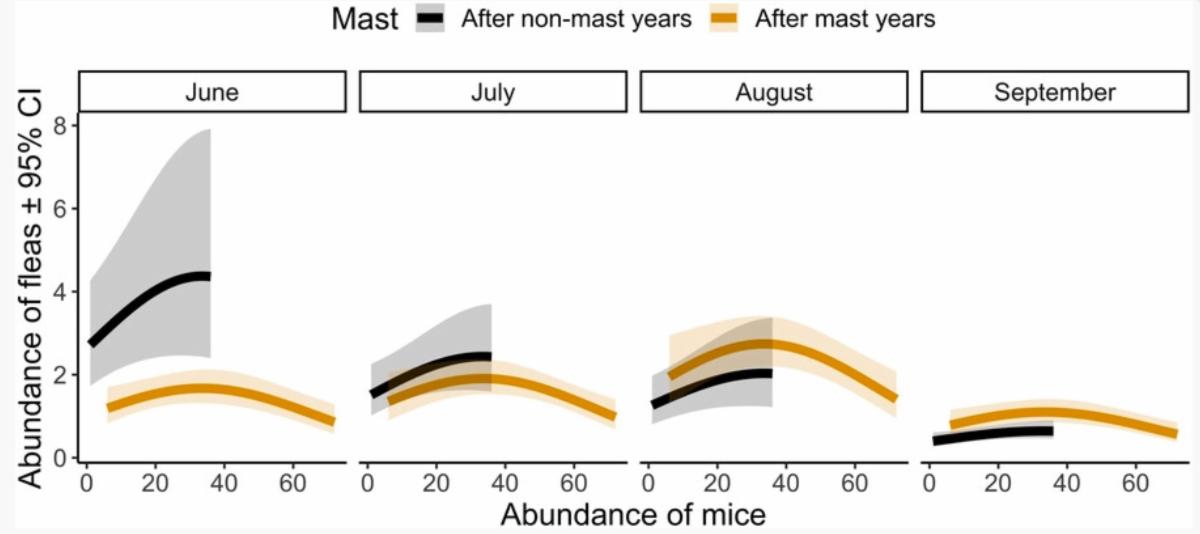
We tested how flea burden changes when their rodent hosts increase in response to massive seed production during so-called “mast years.”
Special subsection: Genetics and Molecular Biology
Ying CHEN, Yakuan SUN, Mei HUA, Kun SHI, David DUDGEON
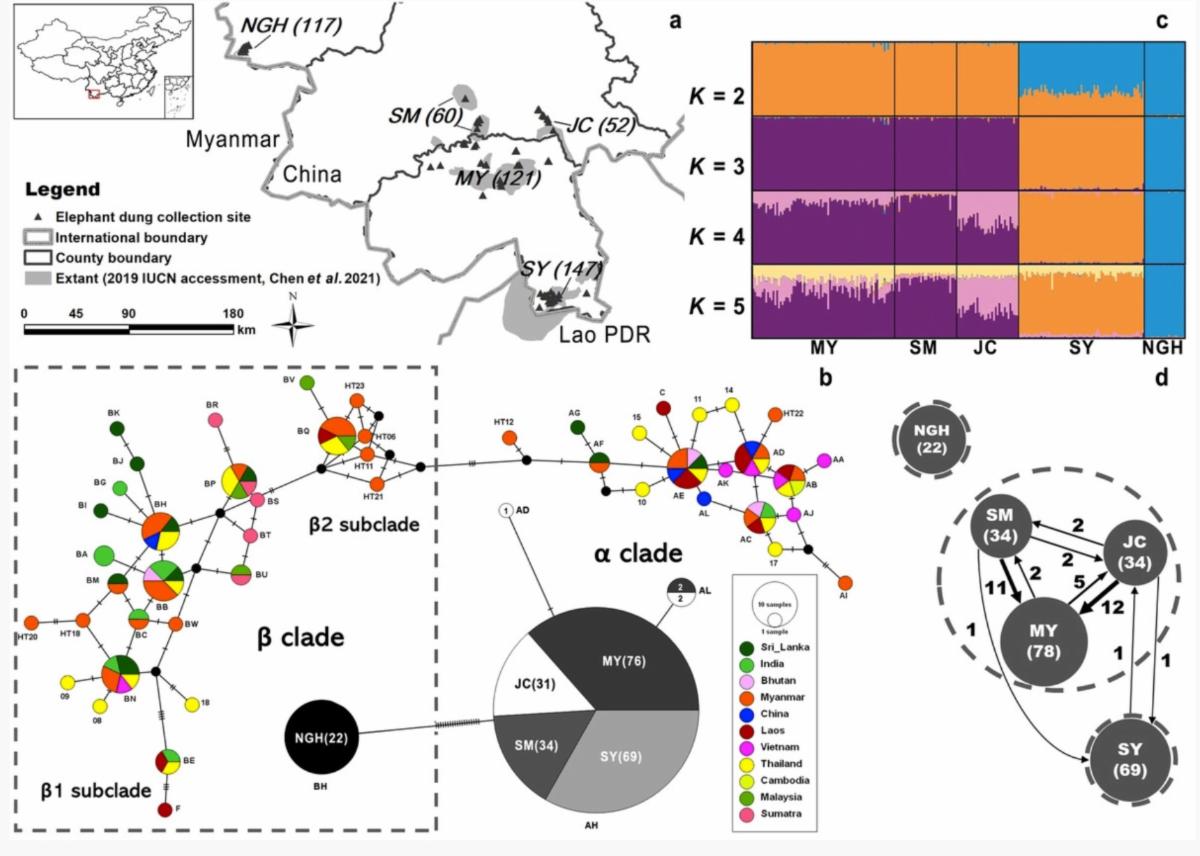
This study demonstrates that a combination of mitochondrial and microsatellite markers based on DNA from non-invasive samples yields robust results that could be applicable to species of conservation concern. The work is focused on the genetics, distribution, and management of Asian elephants in China. The results provide important new information for understanding and managing the species in this context.
Nikolay A. SHCHIPANOV, Artem V. ARTAMONOV, Sergey V. TITOV, Svetlana V. PAVLOVA
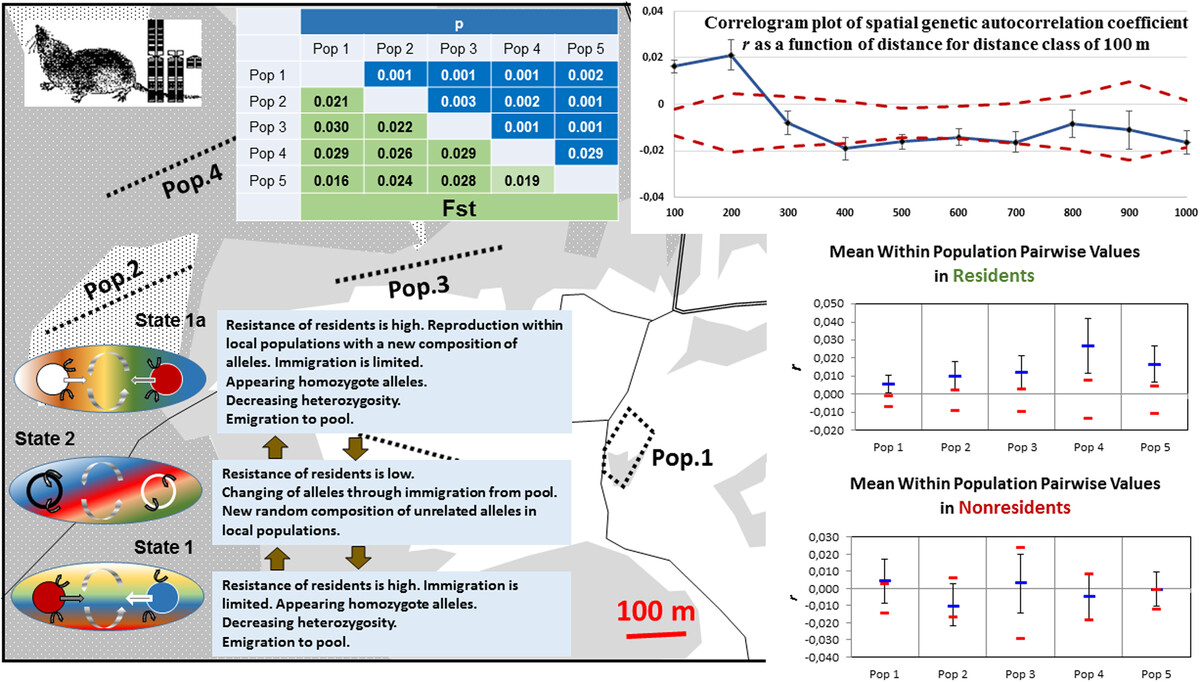
Fluctuations in the relative abundance of resident and nonresident shrews create situations with different rates of immigration and changing of alleles. Considering population system in the common shrew as a number of local populations with periodic renewing from common pool—cocktail of alleles, one may expect random genetic differentiation of local populations. We found that the FST values were not correlated with geographic distances and, at the smallest distances, were comparable with that between populations of different chromosomal races of this species.
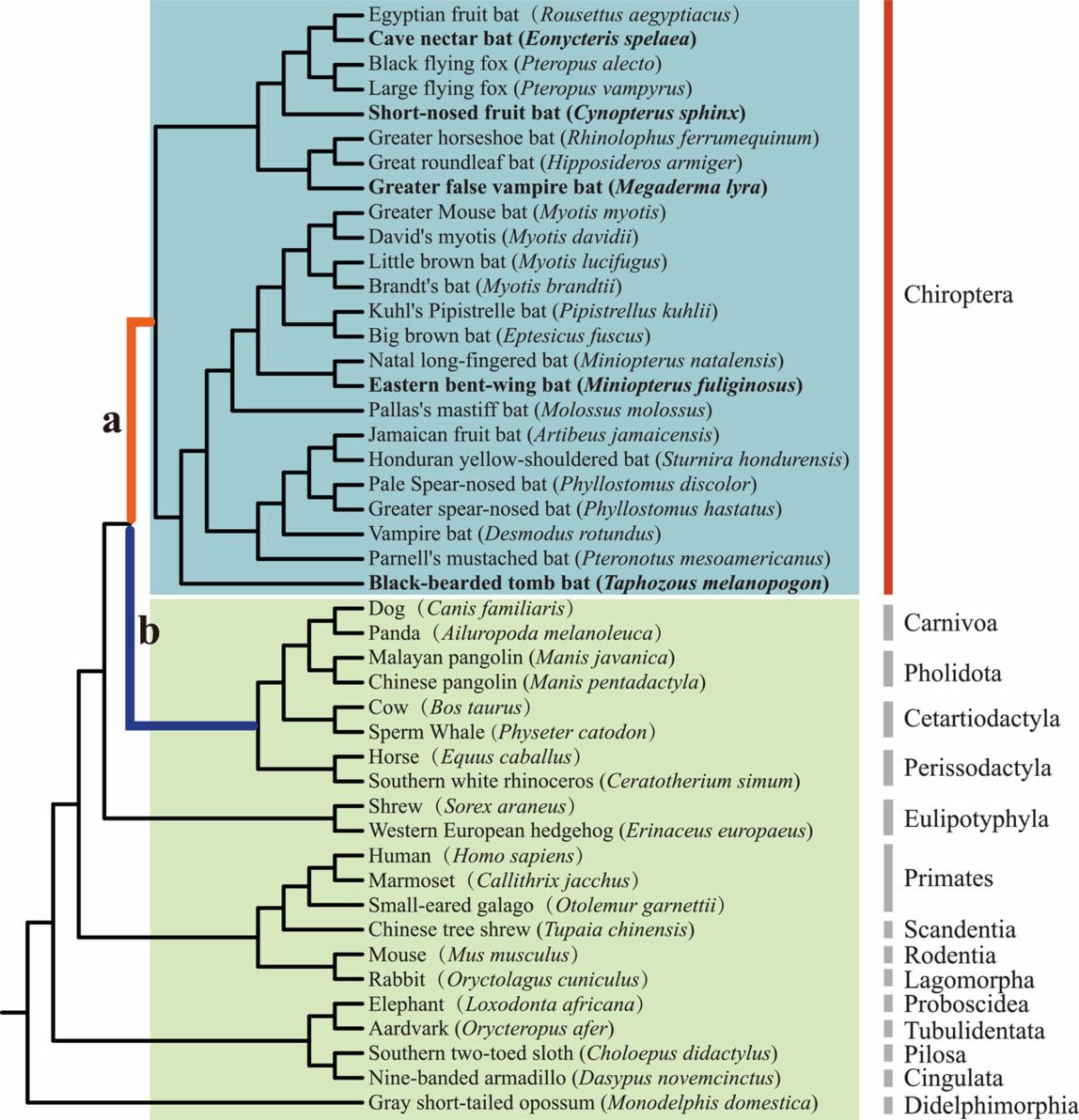
Jinwei WU, Libiao ZHANG, Chao SHEN, Simon Yung Wa SIN, Caoqi LEI, Huabin ZHAO
The bat tree showing bat species examined in this study.
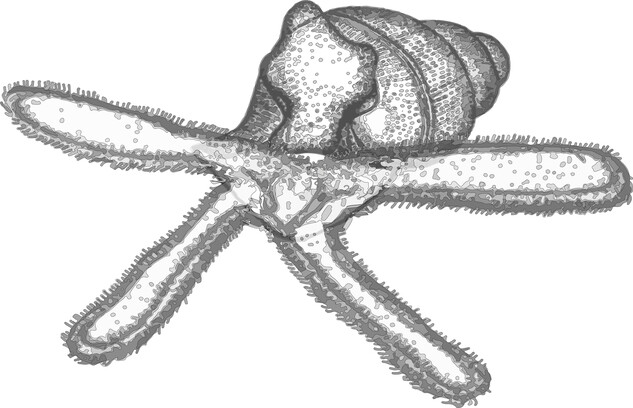
Pu SHI, Hao SONG, Jie FENG, Meijie YANG, Zhenglin YU, Zhi HU, Cong ZHOU, Haizhou LI, Tao ZHANG
Rapana venosa is an economically important shellfish in China, but its low natural metamorphosis rate limits its population growth. In this study, by analyzing the transcriptome of R. venosa during metamorphosis, we found that CYP450s, H/ACA, V-type proton ATPase, insulin, zinc metalloproteinase and conotoxin may be associated with metamorphosis.
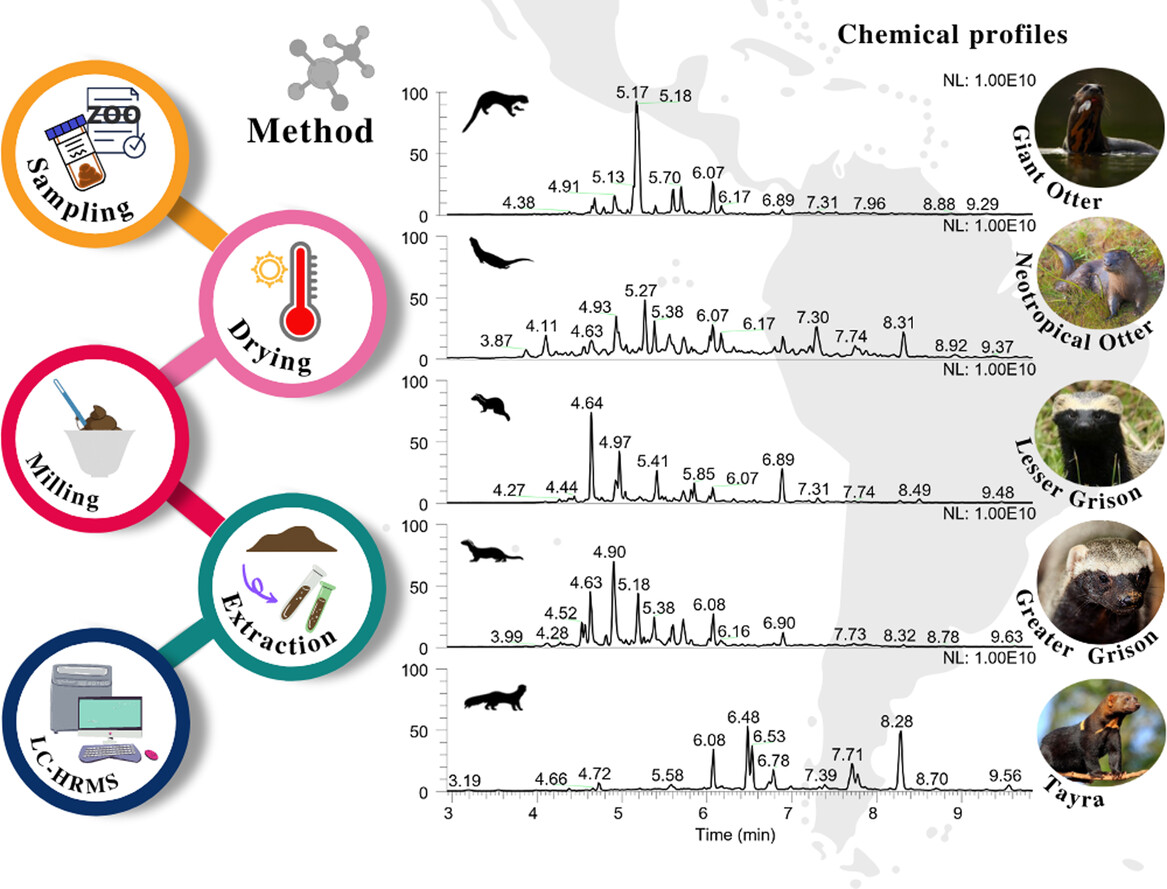
Lana Resende de ALMEIDA, Marina Amaral ALVES, Ana Maria Obino MASTELLA, Rafael GARRETT, Maria João Ramos PEREIRA
From fecal samples of Neotropical mustelids species, chemical profiles were obtained using liquid chromatography coupled to high-resolution mass spectrometry (LC-HRMS) along with a metabolomic approach. A high metabolome diversity and several compounds were found for the first time in Neotropical mustelids. Metabolomic profiles showed a potential for taxonomic discrimination of Neotropical mustelids.
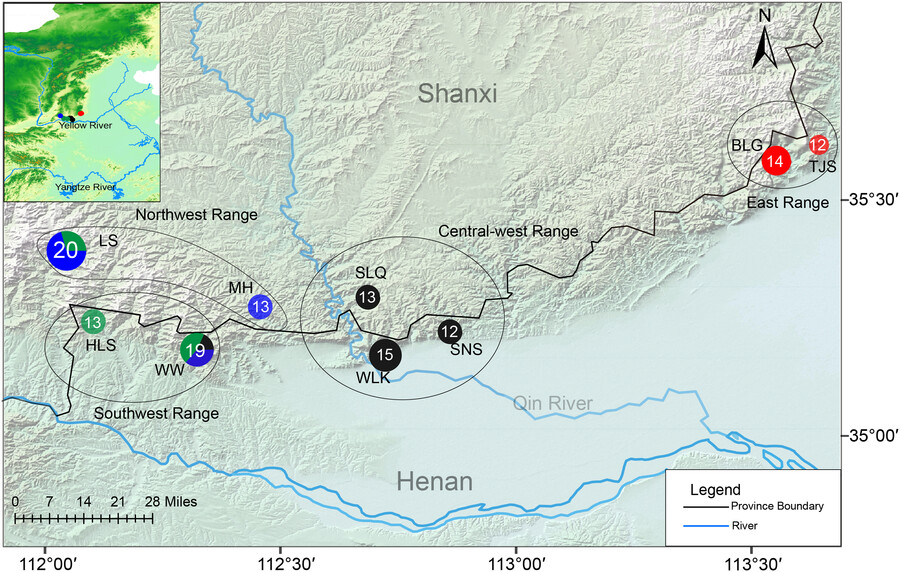
Yanyan ZHOU, Jundong TIAN, Jiqi LU
Our study provides a genetic pattern of the Taihangshan macaque in southern Mt. Taihangshan area. All individuals from the western areas (Northwest, Southwest and Central-west) clustered together (THS-west clade). Individuals from the far East range formed a THS-east haplogroup and individuals from the THS-west clade formed 3 haplogroups, namely, west-A, west-B, and west-C. Notably, these 3 haplogroups are mainly distributed in Northwest, Central-west, and Southwest areas, respectively.
Lin TIAN, Xixuan LI, Yaqi YING, Lewen WANG, Yanting QIAO, Dawei WANG, Ying SONG, Ning LI, Xiaohui LIU
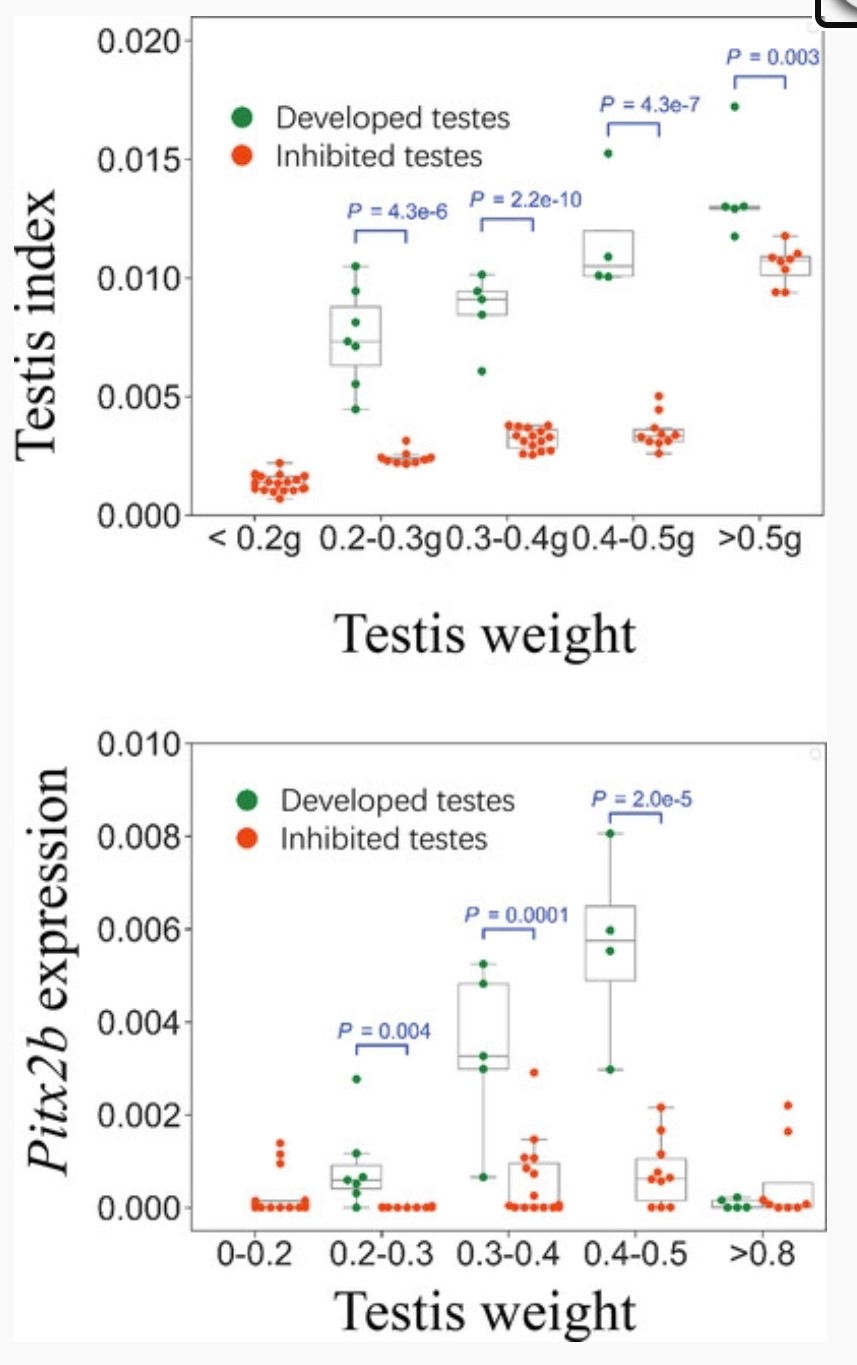
PITX2 protein is expressed in spermatogenic cells after the pachytene stage. Pitx2b expression plays a role in testis development at the active meiotic stage. The regulation of Pitx2b mRNA expression and translation are 2 separate processes.
Yi ZHENG, Yingmin ZHOU, Yijie HUANG, Haoqi WANG, Haixiang GUO, Bao YUAN, Jiabao ZHANG
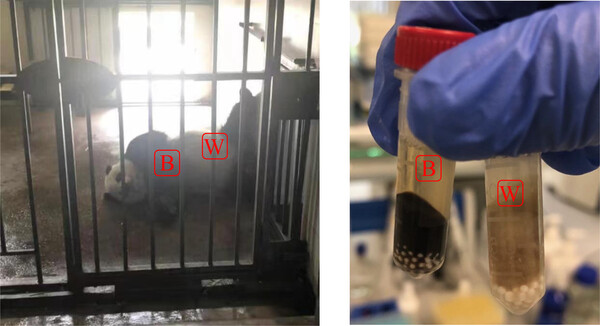
The aim of this study was to identify which genes and pathways are involved in determining the differences in panda hair color. We used the RNA-seq technique to identify genes that are differentially expressed in different-colored hair follicles of giant pandas, and we performed functional enrichment analysis of these DEGs.
Long JIN, Yuchi ZHENG, Xiaofeng LUAN, Wenbo LIAO
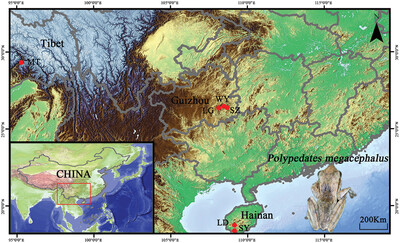
All individuals were collected by hand during the breeding seasons between 2014 and 2015 in the south-western and southern China. The genetic diversity differed significantly among populations, and the insular populations had higher genetic diversity than the mainland populations. A higher degree of the IBD was indicated when controlling for the isolation between Hainan and mainland populations caused by the Qiongzhou Strait, suggesting that the form of the Qiongzhou Strait plays a key role in shaping the genetic diversity and population differentiation.
Natalia Yu. FEOKTISTOVA, Ilya G. MESCHERSKY, Georgy I. SHENBROT, Andrey Yu. PUZACHENKO, Sergey I. MESCHERSKY, Pavel L. BOGOMOLOV, Alexey V. SUROV
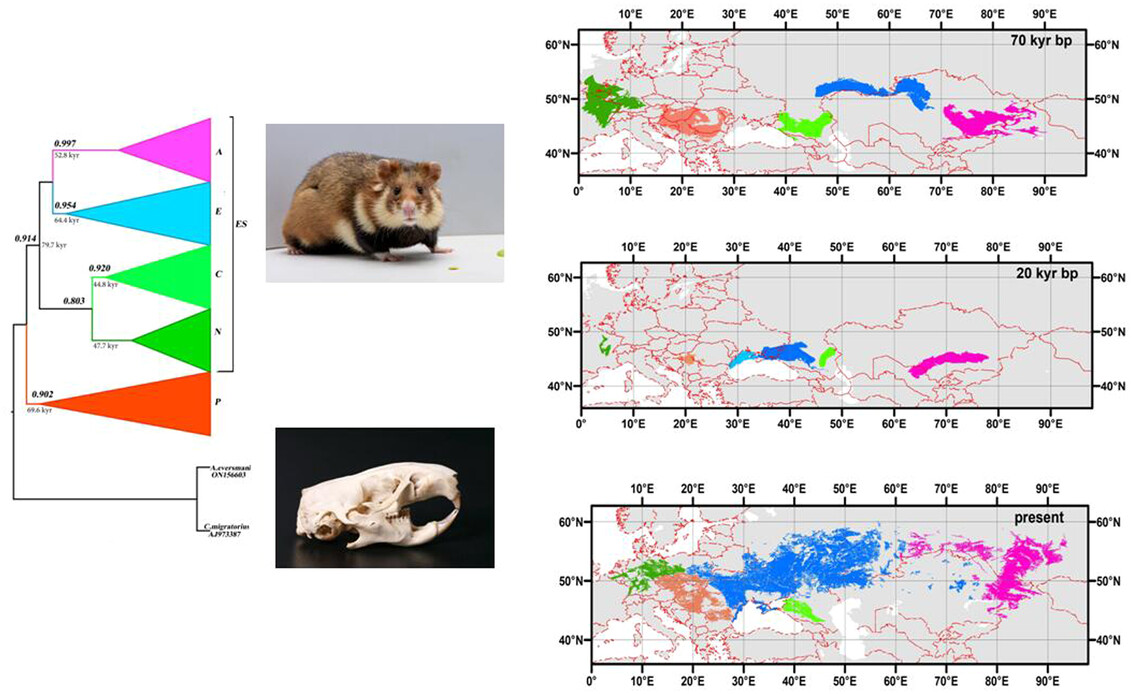
The phylogeographic structure of Cricetus cricetus is described across the whole range of the species for the first time. The modern phylogenetic structure was formed 70–45 kyr BP. The most favorable conditions for the species are those of interglacial periods rather than of the periods of glaciations. Earlier an opposite hypothesis was suggested. Thus, the present period is generally favorable for the species' existence. The observed decrease in its abundance and fragmentation of its range in natural habitats are clear evidence of the leading role of anthropogenic factors in this process.
|