|
Dear Colleagues,
In case you missed it, our last 2023 issue of Integrative Zoology is available ONLINE. Please see the links below to access the issue and individual manuscripts.
Issue 18.6 November 2023
Special subsection: Animal Diseases
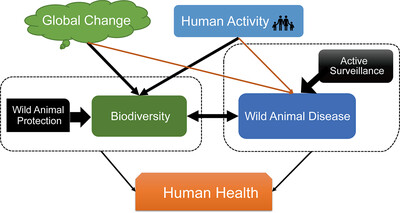
Effect of epidemic diseases on wild animal conservation
Bin HU, Shuyi HAN, Hongxuan HE
This review is a synthesis of the impact of epidemic diseases on wild animal protection, and discusses the relationship between diseases and biodiversity.
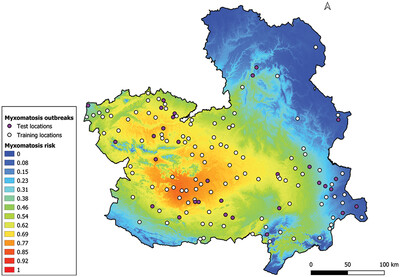
Factors affecting populations of the endemic Iberian hare (Lepus granatensis) after the first myxomatosis outbreaks in Central Spain
Carlos LÁZARO, José Luis GUZMÁN, Fabián CASAS, Carlos SÁNCHEZ-GARCÍA
After outbreaks of myxomatosis were detected in Iberian hares in Central Spain, our study shows that densities were not affected by the dominant habitat and myxomatosis occurrence. Hares were more abundant in grounds at higher altitude and where targeted management was conducted. High-risk areas for myxomatosis occurrence could be identified and used as surveillance points to increase the detectability of this disease.
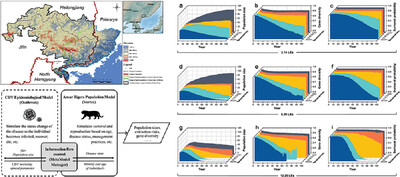
Addressing the impact of canine distemper spreading on an isolated tiger population in northeast Asia
Dawei WANG, James L. D. SMITH, Francesco ACCATINO, Jianping GE, Tianming WANG
For the first time, we use a population viability analysis (PVA) metamodel incorporating canine distemper virus (CDV) epidemiology to provide a comprehensive assessment of factors threatening the small Amur tiger population along the China–Russia border, in which, demography, genetics, and disease are modeled synergistically. Using the PVA metamodel, we explored the benefits of different conservation actions for the small population. Our findings highlight the critical need for integrated conservation strategies that consider biodiversity, population connectivity, landscape planning, CDV control, and international cooperation while also meeting human development goals.
OPEN ACCESS
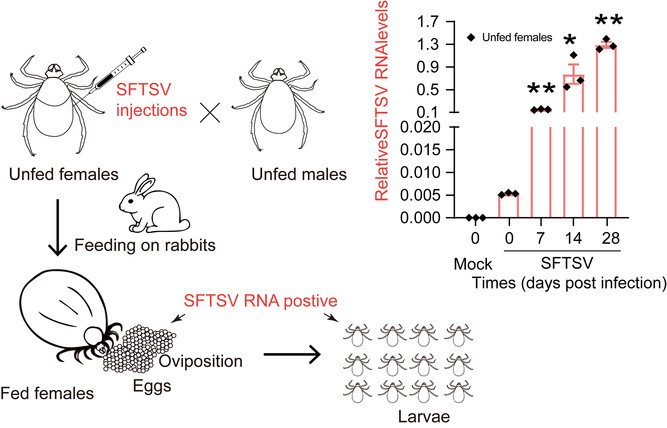
Infection and transovarial transmission of severe fever with thrombocytopenia syndrome virus in Rhipicephalus sanguineus in Hainan Island, China
Chuanfei YUAN, Yajun LU, Jinqian LI, Chen CHEN, Yanhong WANG, Aihua ZHENG, Zhen ZOU, Qianfeng XIA
Severe fever with thrombocytopenia syndrome virus (SFTSV) RNA level increased in female ticks after injection with SFTSV. Furthermore, SFTSV RNA was detected in the eggs and larvae that originated from the virus-infected female ticks.
Special subsection: Gut Microbiota
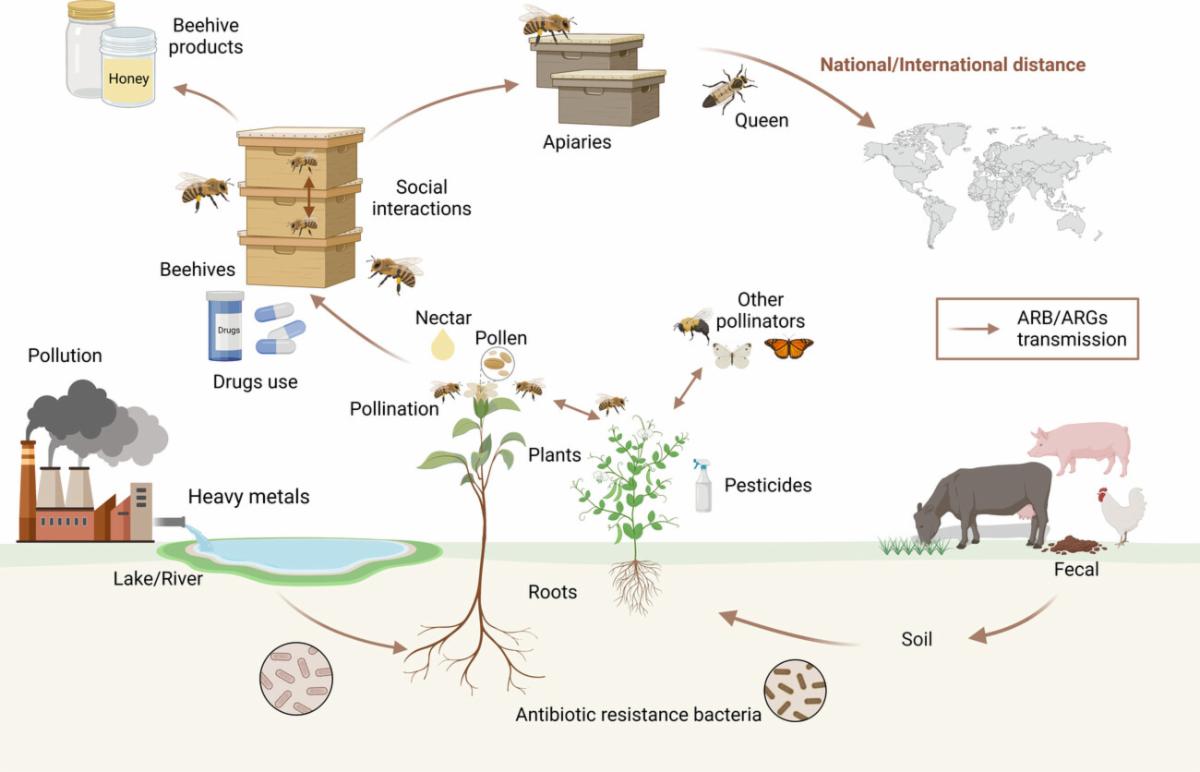
The honeybee gut resistome and its role in antibiotic resistance dissemination
Huihui SUN, Hu LI, Xue ZHANG, Yan LIU, Hao CHEN, Li ZHENG, Yifan ZHAI, Hao ZHENG
The potential transmission routes of antibiotic-resistant bacteria and associated antibiotic resistance genes mediated by honeybees and speculative factors affecting the horizontal gene transfer.
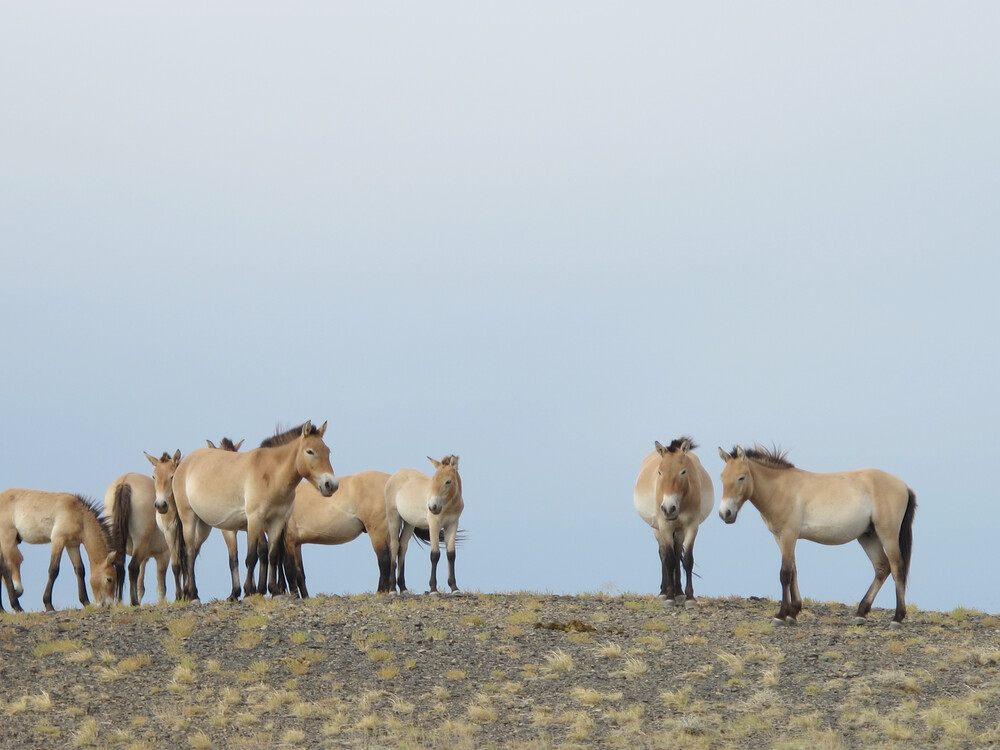
Gut microbial community structure and function of Przewalski's horses varied across reintroduced sites in China
Xiaoxing BIAN, Xuchang LIANG, Byron Liping TANG, Liping YAN, Huiping JIA, Yu XIONG, Xinping MA, Hongjun CHU, Zhicheng SUN, Liang WANG, Mubalake SHALITANATI, Kai LI, Defu HU, Dong ZHANG
This study has revealed differences in the composition and function of the gut microbiome of Przewalski's horses from different reintroduced sites, providing the necessary baseline information on horse microbiomes during multi-site reintroduction.
OPEN ACCESS
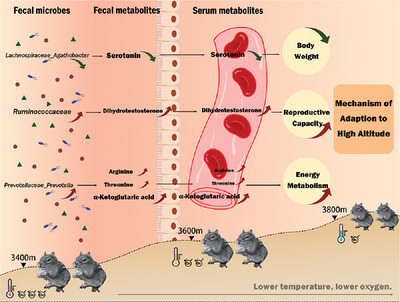
Altitude-dependent metabolite biomarkers reveal the mechanism of plateau pika adaptation to high altitudes
Xi CHEN, Zaiwei WANG, Junhu SU, Huan LI, Jinbo XIONG, Keyi FU, Zilong WANG, Xuefeng YUAN, Ziyue SHI, Xiumei MIAO, Mei YANG, Yunfeng YANG, Zunji SHI
We identify five biomarkers of serum metabolites indicative of the altitudes. Biomarkers are related to body weight, reproduction, and energy metabolism. Adaptive mechanism is clarified by combining metabolomics and microbiome.
OPEN ACCESS
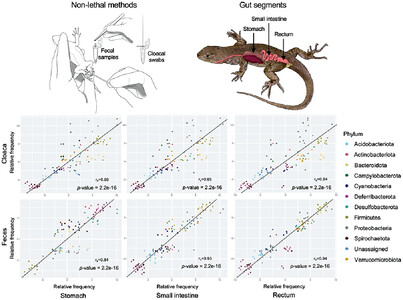
Comparative analysis of two nonlethal methods for the study of the gut bacterial communities in wild lizards
Mauricio HERNÁNDEZ, Sergio ANCONA, Stephanie HEREIRA-PACHECO, Aníbal H. DÍAZ DE LA VEGA-PÉREZ, Yendi E. NAVARRO-NOYA
We compared the accuracy of two nonlethal methods for characterizing the gut microbiota of free-ranging spiny lizards. The bacterial community composition in the three different gut segments were correlated to those retrieved from the fecal and cloacal samples (Spearman's rank correlations >0.85). Hence, we conclude that both fecal samples and cloacal swabs are reliable nonlethal methods to characterize the gut microbiota of lizards.
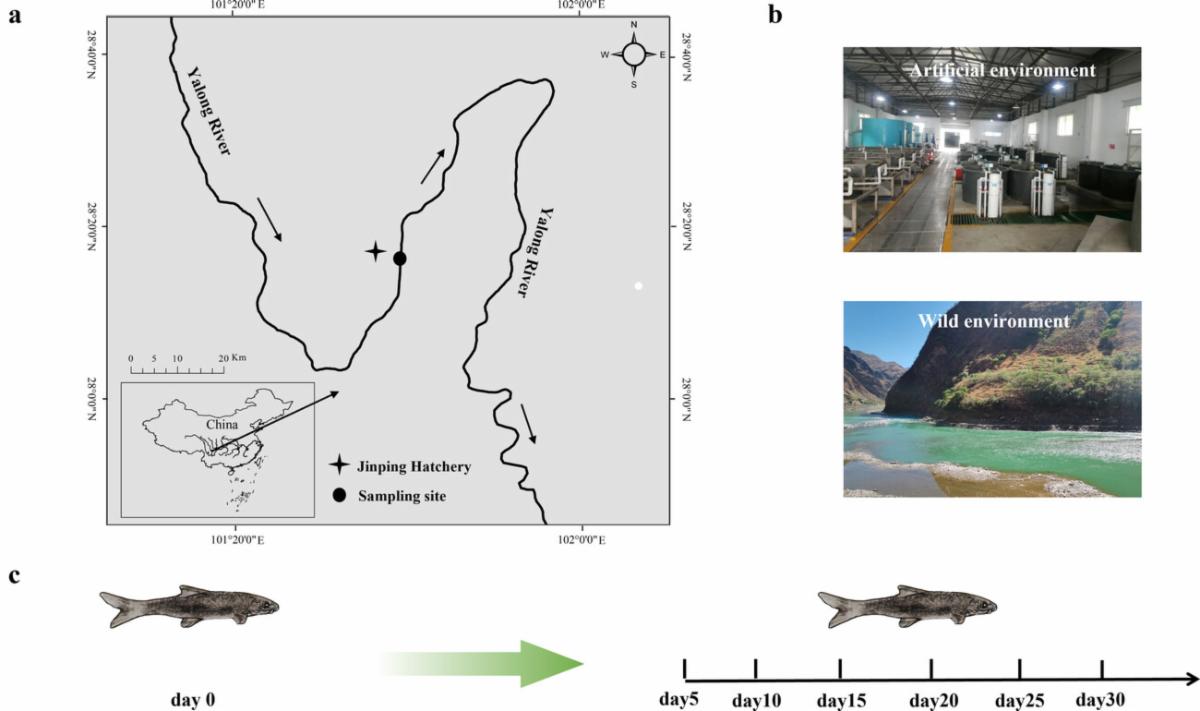
Deterministic processes dominate microbial community assembly in artificially bred Schizothorax wangchiachii juveniles after being released into wild
Liangliang XU, Baowen ZHANG, Fenglin LIU, Zesong WANG, Wenxue GAO, Weixiong GAN, Hanxi CHEN, Zhaobin SONG
Schizothorax wangchiachii (SW) is an endemic fish in the upper Yangtze River and one of the most important species for the artificial breeding and release program implemented in the Yalong River drainage in China. It is unclear how artificially bred SW adapts to the changeable wild environment post-release, after being in a controlled and very different artificial environment.
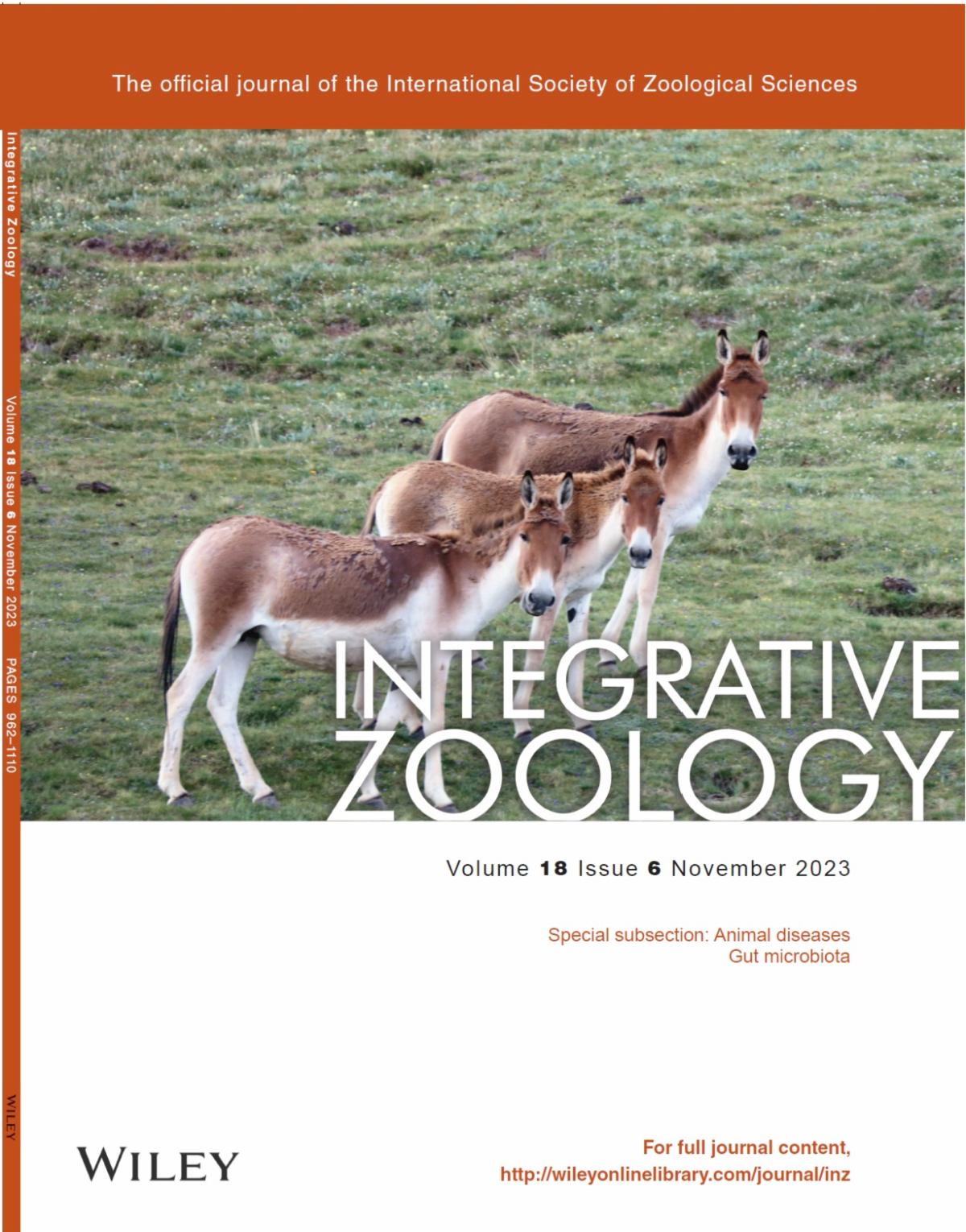
COVER ARTICLE (OPEN ACCESS)
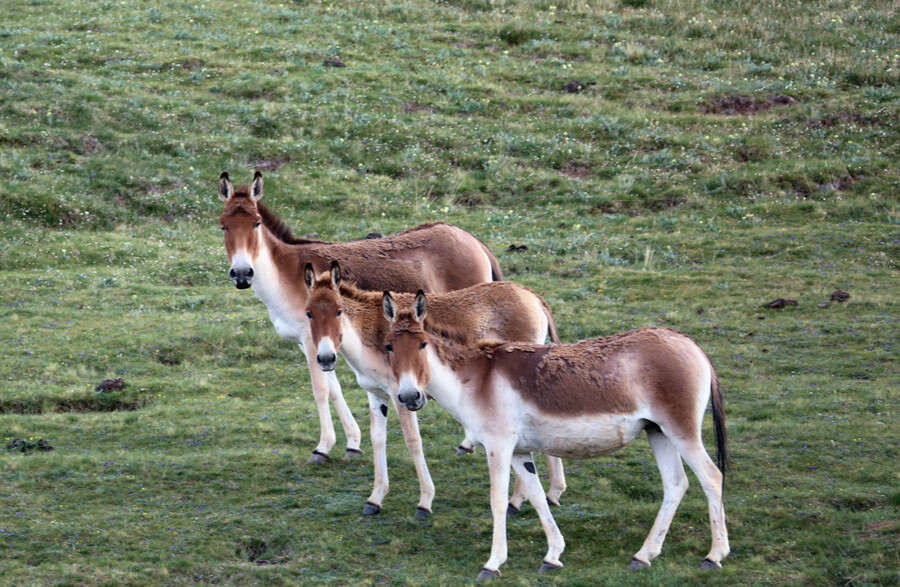
Effects of ex situ conservation on diversity and function of the gut microbiota of the Tibetan wild ass (Equus kiang)
Hongmei GAO, Feng JIANG, Jingjie ZHANG, Xiangwen CHI, Pengfei SONG, Bin LI, Zhenyuan CAI, Tongzuo ZHANG
The Tibetan wild ass is the only wild Perissodactyla herbivore in the Qinghai-Tibet Plateau.
Commentaries
The importance of brain size for the evolution of nest complexity in birds
Canchao YANG, Yan CAI
Unveiling human impacts on pollinators and pollination in the urbanization era
Si-Chong CHEN, Zhi-An HU, Can DAI
|