|
Dear Colleagues,
We are pleased to share our most read articles (by downloads) in 2023 for Integrative Zoology. Please click the links below on the title for FREE OPEN ACCESS to the individual manuscripts. Congratulations to our authors!
Most read articles in 2023 (some are just published or yet to be published in an issue)!
Review Article for Current Special Issue (Issue 19.1, Jan 2024) Rodent Biology and Management
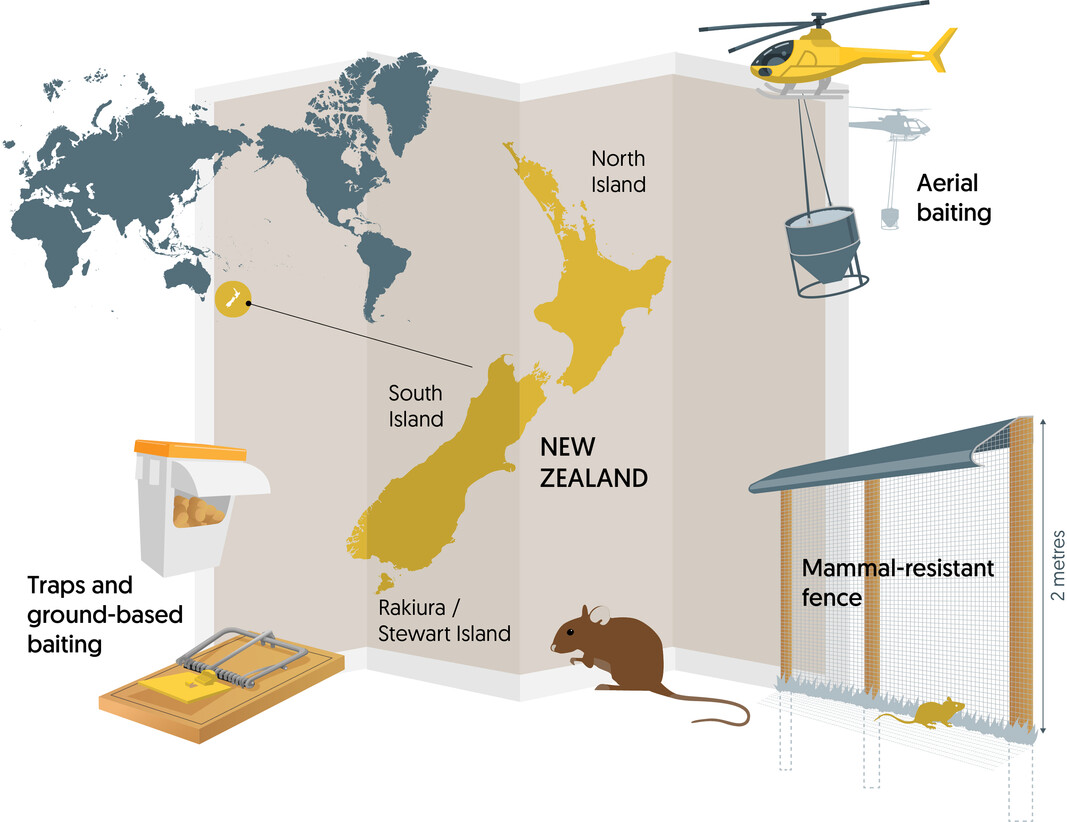
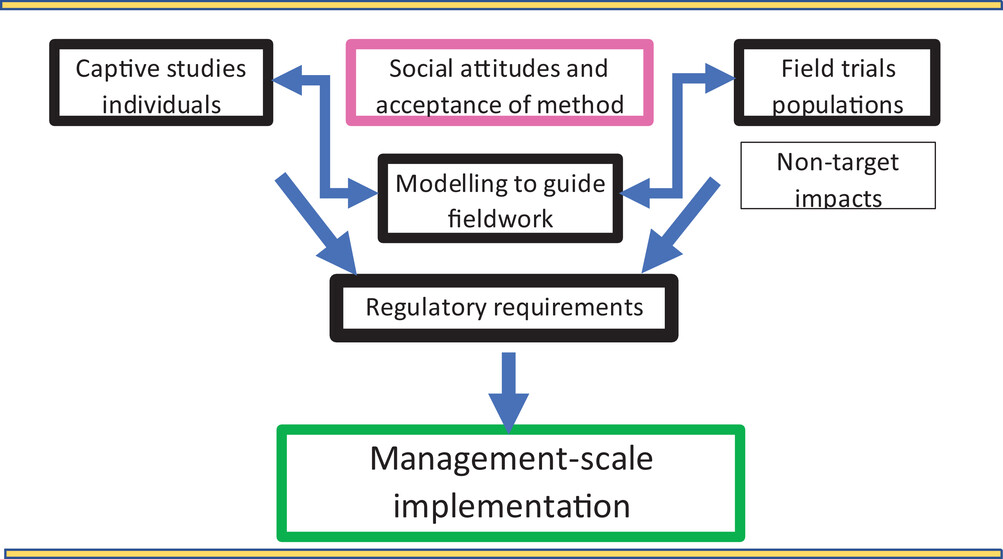
Rodent management in Aotearoa New Zealand: approaches and challenges to landscape‐scale control
John G. INNES, Grant NORBURY, Araceli SAMANIEGO, Susan WALKER, Deborah J. WILSON
We show how New Zealanders are pioneering new ways to control black rats, brown rats, and house mice at very large scales (10s of 1000s of ha) for ecological restoration. Rodents have been eradicated on many smaller islands, while on the two largest islands aerial distribution of 1080 toxin achieves very low residual densities, and mammal-resistant fences stop most reinvasions in some places. We describe an influential new vision to eradicate black, brown, and Pacific rats from the entire country by 2050.
| |
Issue 18.3 (May 2023)
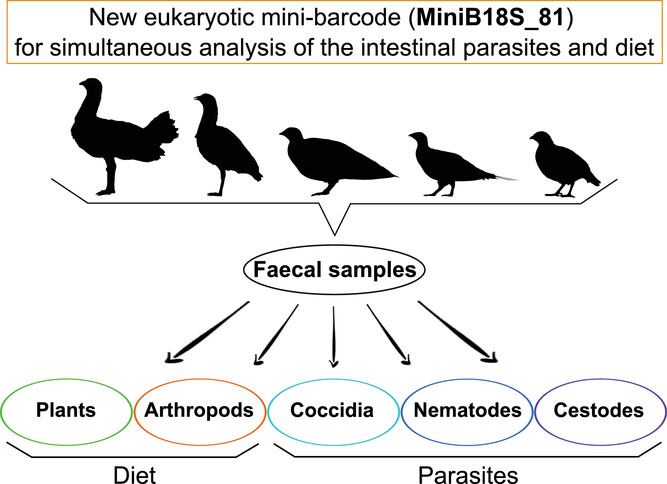
Xabier CABODEVILLA, Benjamín Juan GÓMEZ-MOLINER, Naiara ABAD, María José MADEIRA
We design a eukaryotic mini-barcode (MiniB18S_81), which provides high taxonomic resolution of the most relevant diet and parasite phyla, Arthropoda, Nematoda, Platyhelminthes, and Apicomplexa, at the order level. An excellent tool to simultaneously provide detailed information regarding the diet and parasites of birds, essential for conservation and management.
|  |
EARLY VIEW
Jingchen CHEN, Yiyu CHEN, Wenqiao TANG, Haotian LEI, Jinquan YANG, Xiaojing SONG
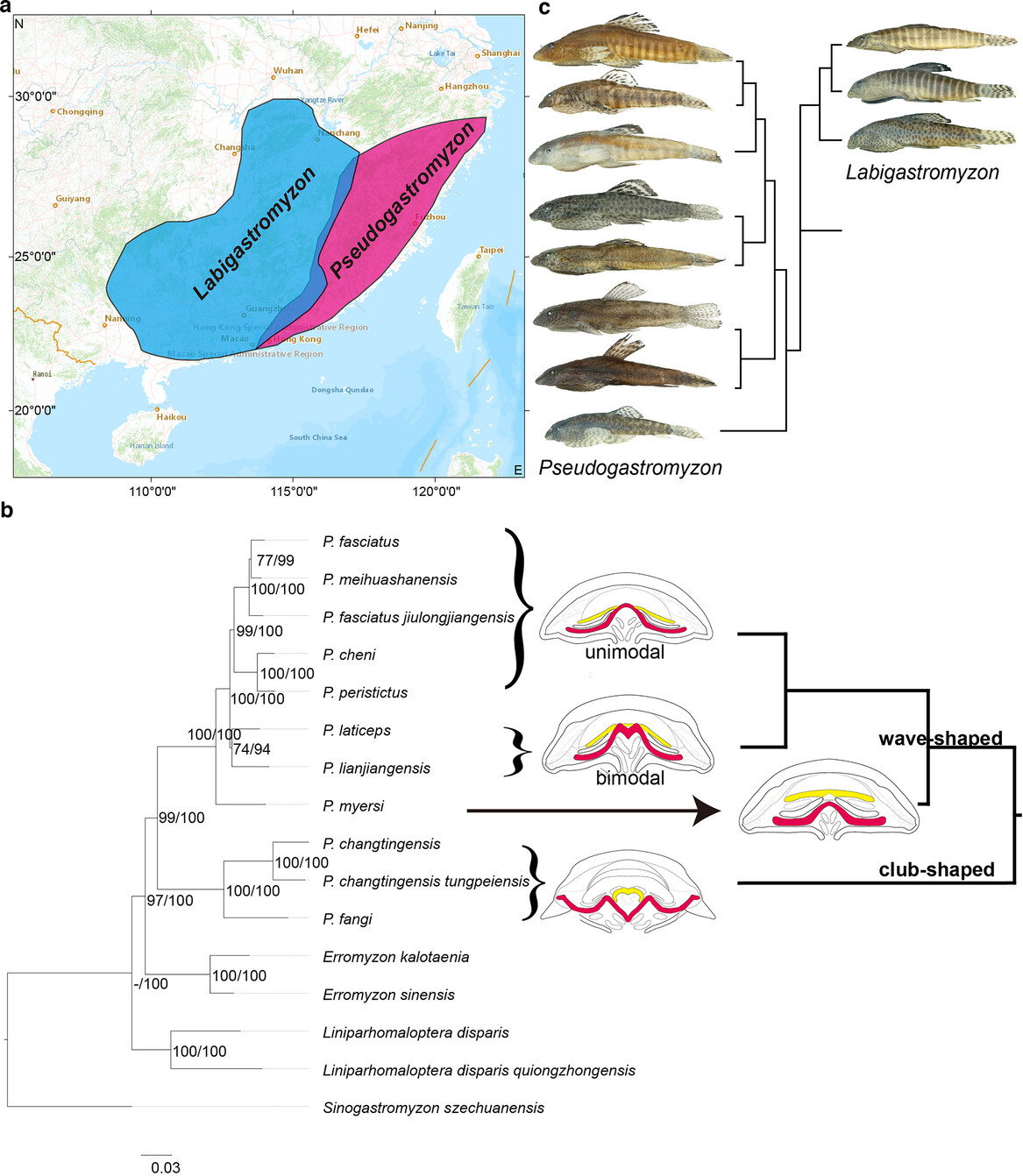
This research elucidates the marked geographical delineation between Pseudogastromyzon and Labigastromyzon genera, with a limited overlapping region. The evolution of labial structures from elementary to intricate morphologies aligns with mitochondrial genome phylogenetics. Notably, the labial adhesive apparatus in Pseudogastromyzon exhibits unimodal and bimodal morphotypes, enhancing the accuracy and efficiency of species identification within this genus.
|  |
Issue 18.1 (Jan 2023)
Séverine L. D. TOUSSAINT, Jasper PONSTEIN, Mathieu THOURY, Rémi MÉTIVIER, Daniela C. KALTHOFF, Benoît HABERMEYER, Roger GUILARD, Steffen BOCK, Peter MORTENSEN, Sverre SANDBERG, Pierre GUERIAU, Eli AMSON
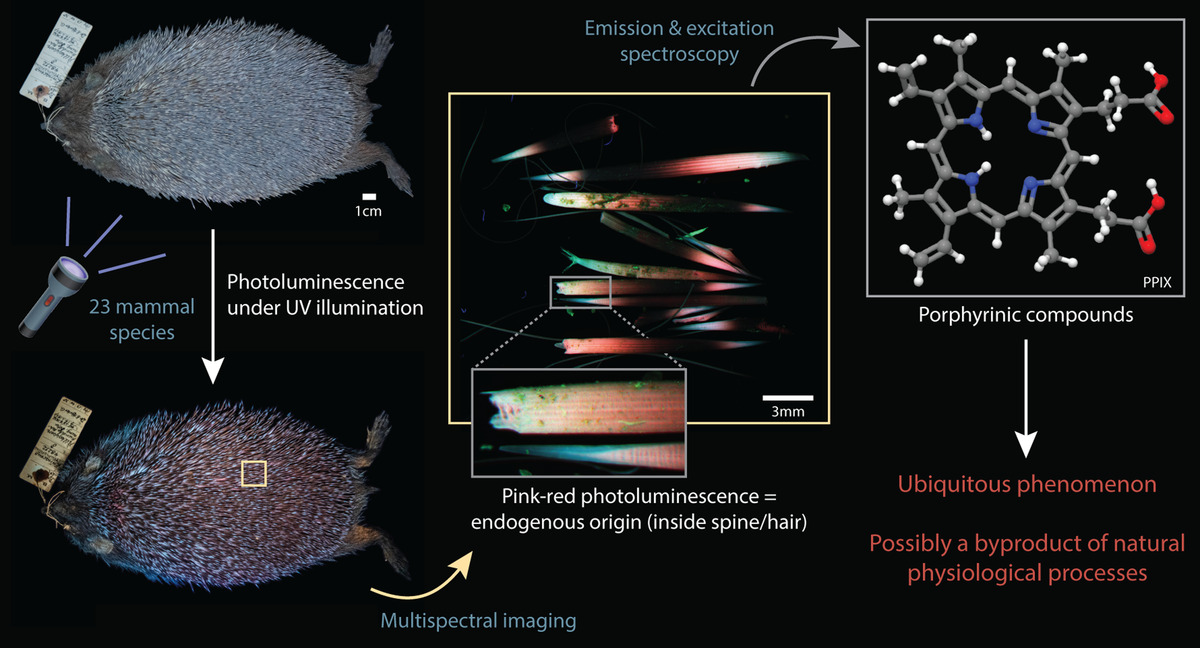
We investigated the UV-induced photoluminescence of the fur of 23 species of monotremes, marsupial, and placental mammals. We used emission and excitation spectroscopy as well as multispectral imaging to detect, characterize, and map the chemical compounds responsible for the reddish photoluminescence. We found that this phenomenon is caused by ubiquitous free-base porphyrins located inside the hair and spines, and may simply be a byproduct of widespread physiological processes.
|  |
Review Article (Early View)
Zheguang LIN, Siyi SHEN, Kang WANG, Ting JI
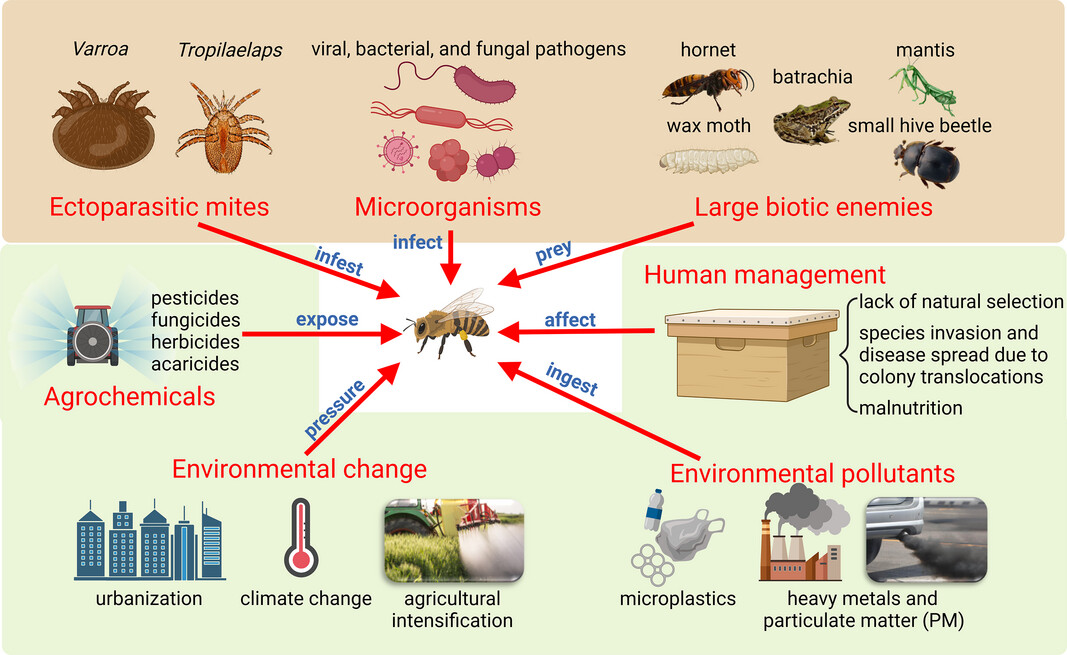
The globally distributed honeybees are subject to various interacting biotic (brown background) and abiotic (green background) stressors, during foraging and nesting, taking into consideration the sensitivity, large foraging area, dense network among related nestmates, and social behaviors.
|
Issue 17.3 (May 2022)
Chao FAN, Liangzhi ZHANG, Shangang JIA, Xianjiang TANG, Haibo FU, Wenjing LI, Chuanfa LIU, He ZHANG, Qi CHENG, Yanming ZHANG
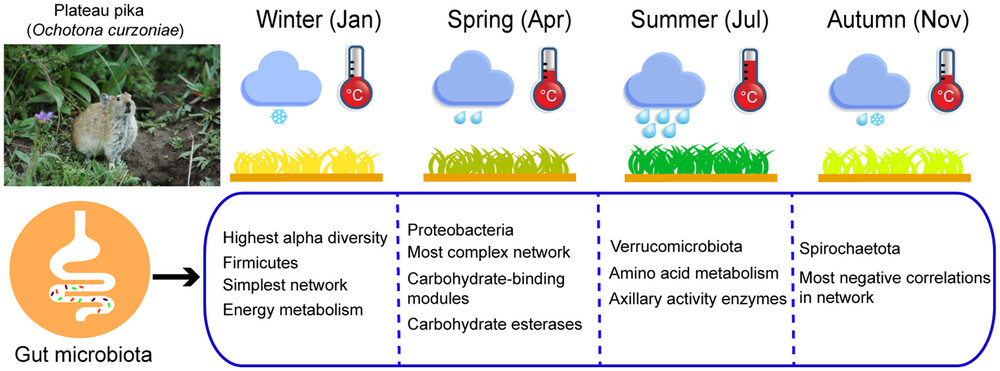
The composition and functional profiles of gut microbiota in plateau pikas changed among seasons. Environmental factors (especially diet) had significant effect on it. This study provides new evidence of how external factors affect the intestinal environment of small mammals.
|  |
Issue 18.4 (July 2023)
Qingqing HE, Shasha YAN, Paul A. GARBER, Baoping REN, Xvming QI, Jiang ZHOU
Our study provides a genetic pattern of the Taihangshan macaque in southern Mt. Taihangshan area. All individuals from the western areas (Northwest, Southwest, and Central-west) clustered together (THS-west clade). Individuals from the far East range formed a THS-east haplogroup, and individuals from the THS-west clade formed 3 haplogroups, namely, west-A, west-B, and west-C. Notably, these 3 haplogroups are mainly distributed in Northwest, Central-west, and Southwest areas, respectively.
|
Issue 18.4 (July 2023)
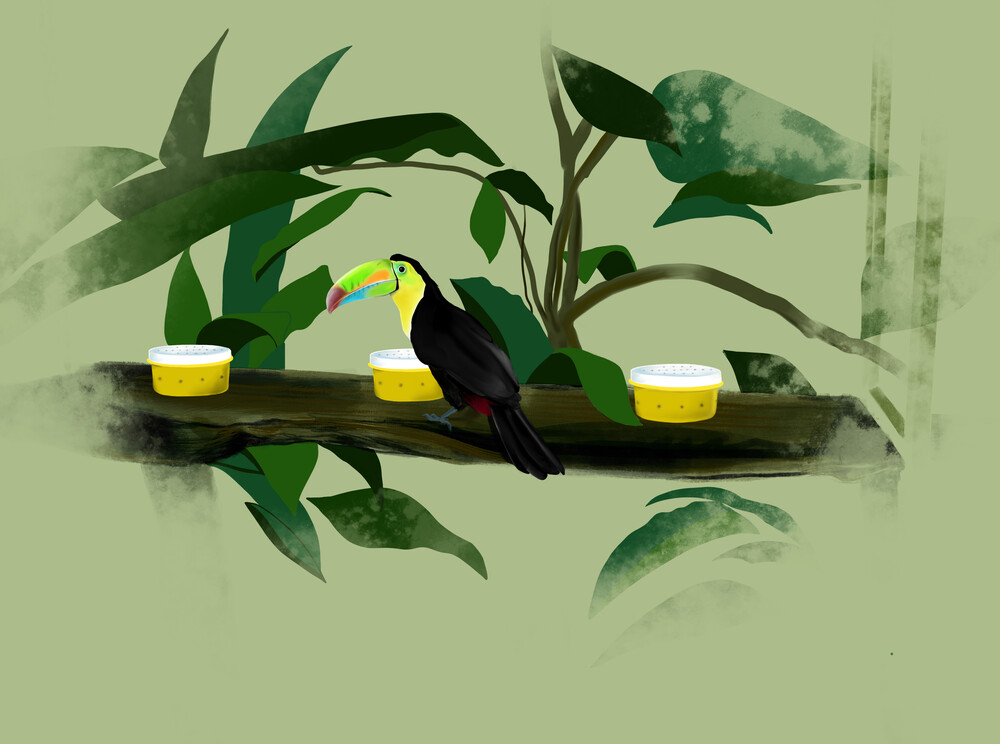
We found that scarlet macaws, keel-billed toucans, and yellow-throated toucans can rely on olfactory cues to locate food sources.
|
Review Article for Current Special Issue (Issue 19.1, Jan 2024) Rodent Biology and Management
We found that scarlet macaws, keel-billed toucans, and yellow-throated toucans can rely on olfactory cues to locate food sources.
| |
Please visit the official website of the International Society of Zoological Sciences for more information on membership and activities:
Official website of ISZS:
http://www.globalzoology.org.cn/
Sincerely,
The Secretariat, ISZS
Editorial Office, Integrative Zoology
-------------------------------------------------------------
For more information on how to become an ISZS member or any other questions, please contact the Secretariat at iszs@ioz.ac.cn
| | | | |