View as Webpage

University of Maryland Fearlessly Forward
UMIACS Interface a monthly newsletter highlighting interdisciplinary research and innovation at the University of Maryland Institute for Advanced Computer Studies
November-December 2025

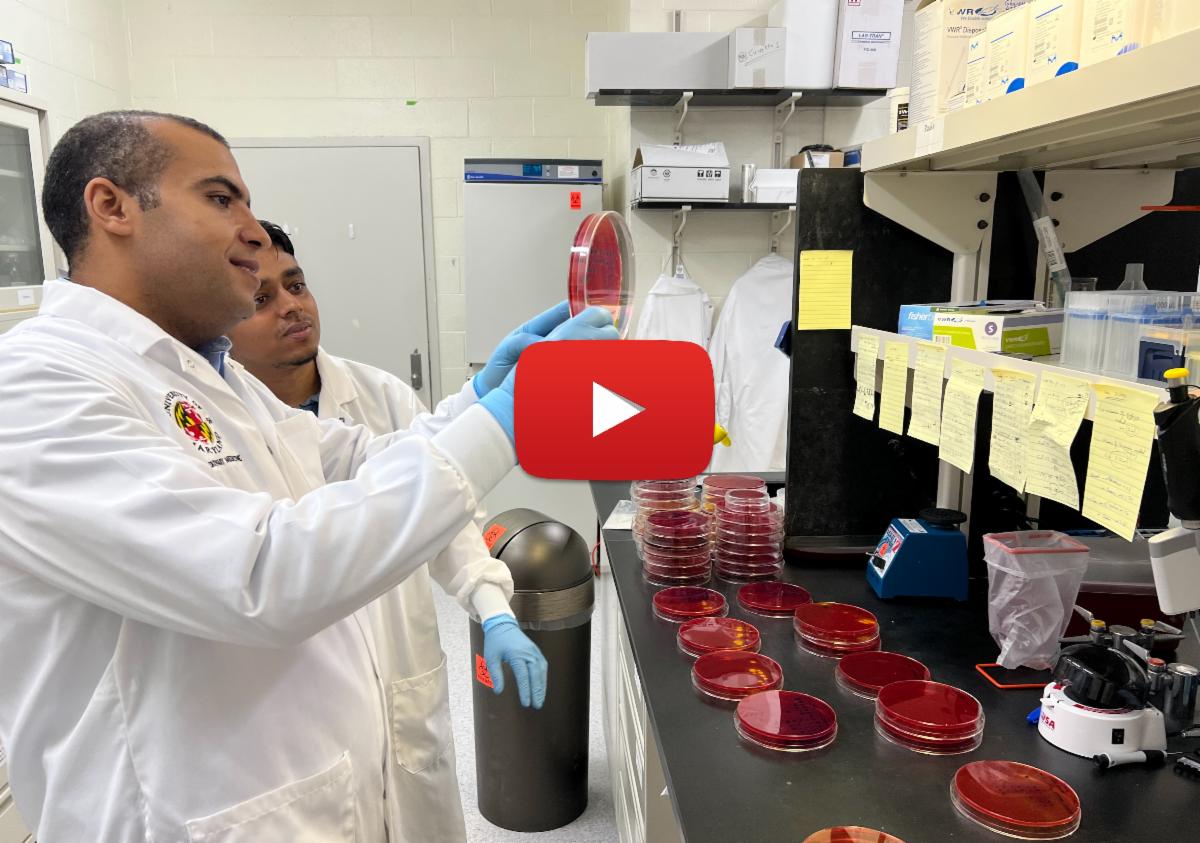
Advancing Microbiome Sciences at UMD

The University of Maryland Center of Excellence in Microbiome Sciences supports a vibrant community of faculty and students engaged in research, education and outreach focused on the microbiome and its impact on human, environmental, agricultural and animal health.

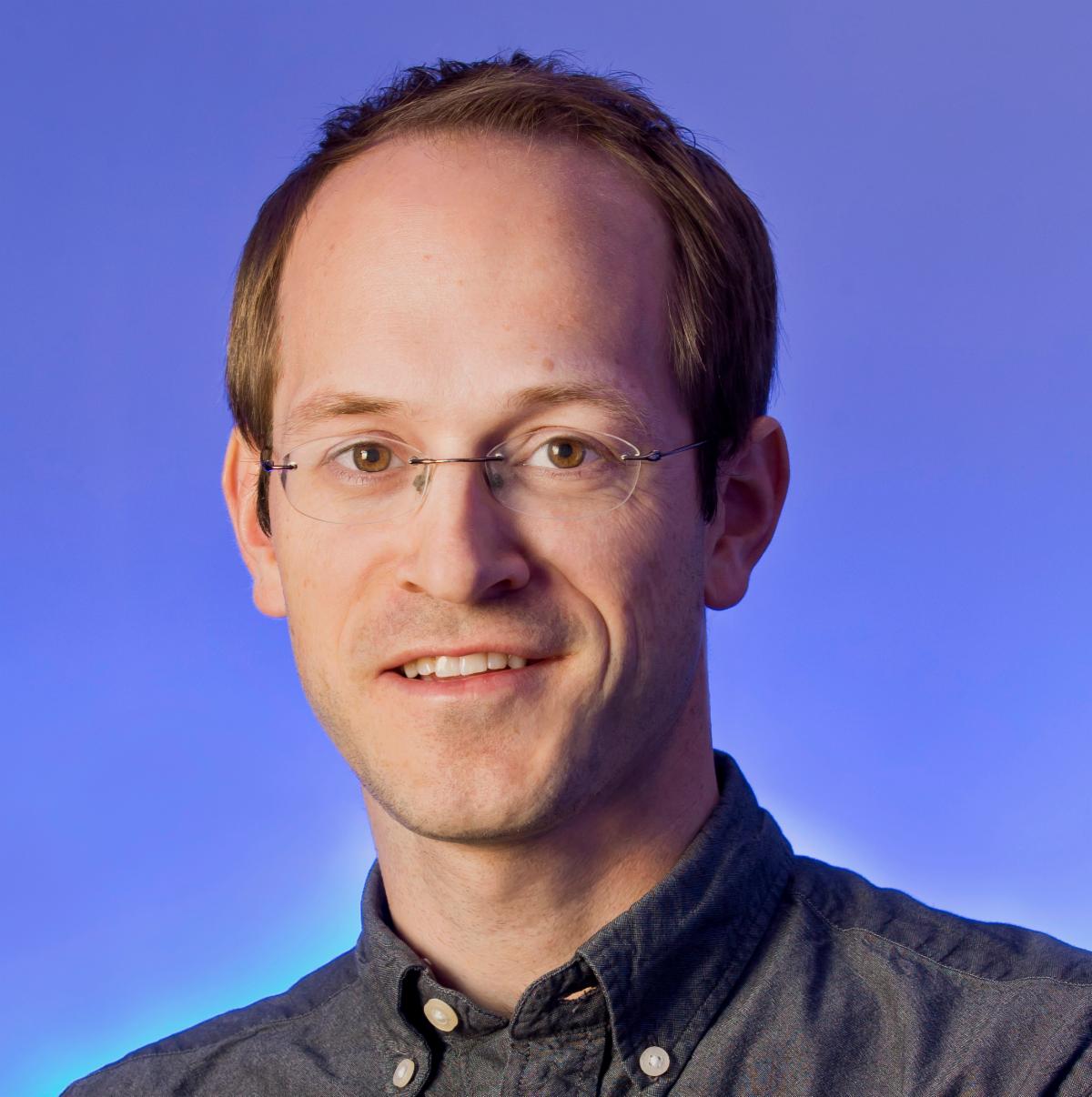
Andrew Childs headshot

Director's Message

The end of the year offers a chance to briefly reflect on our success and prepare for new opportunities ahead.


Read More

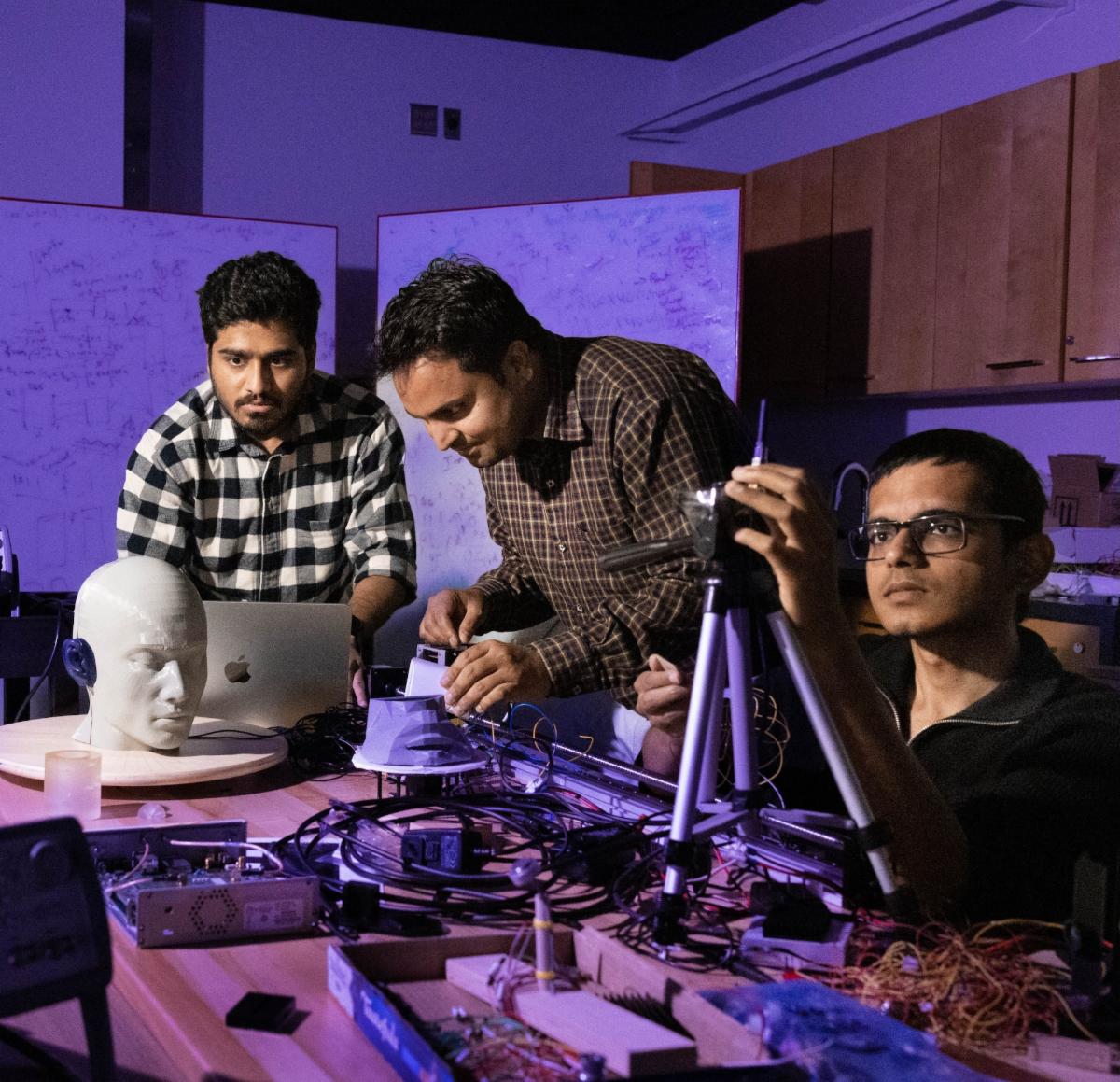
Three graduate students work in Nirupam Roy's lab.

New AI Tool Fights Back Against Speech Eavesdropping

Nirupam Roy and his students are developing VoiceSecure, an AI system that masks biometric cues in speech to protect privacy while keeping conversations clear.


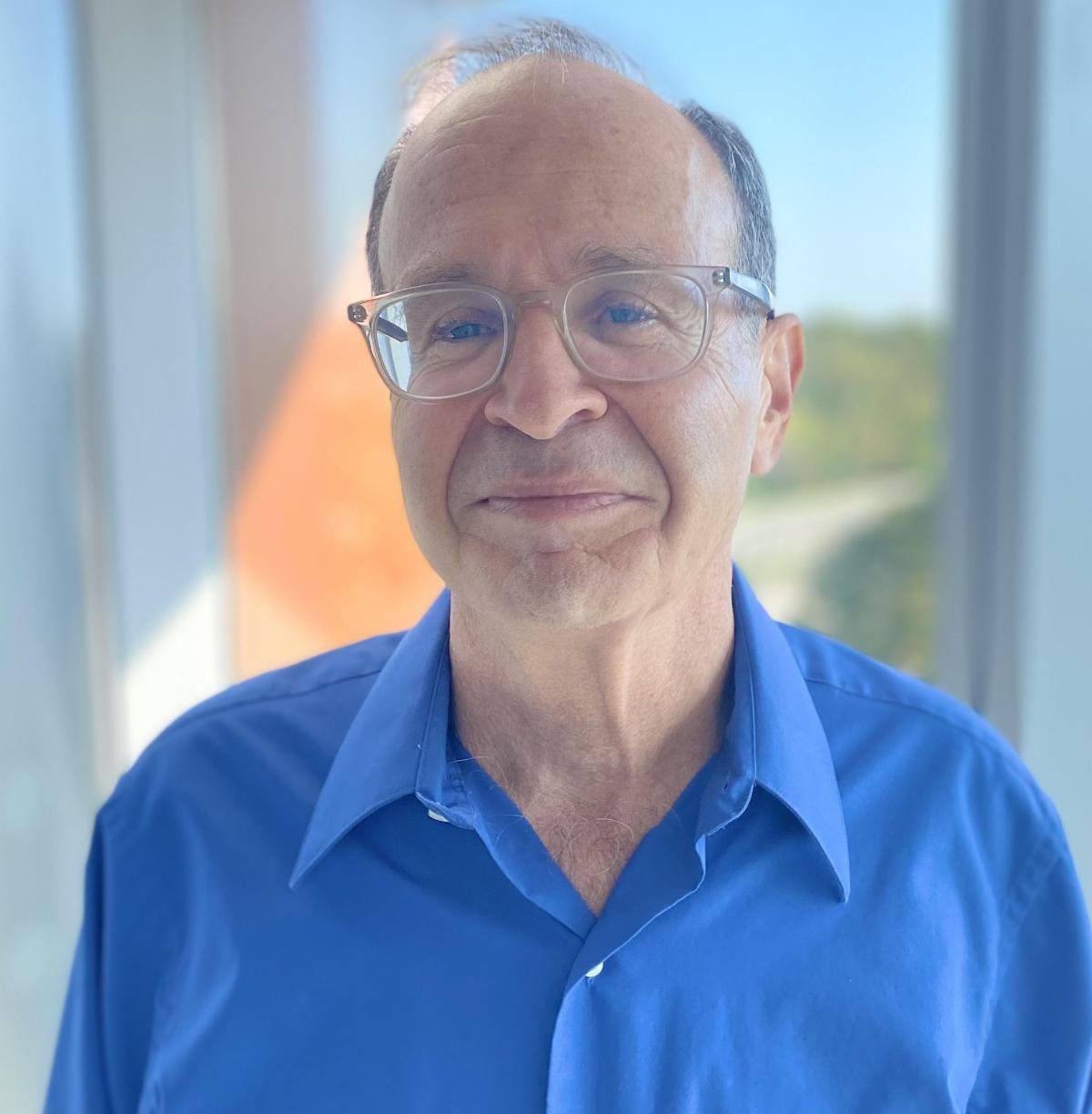
Uzi Vishkin headshot

Vishkin Receives 2026 IEEE Computer Society Charles Babbage Award

He is being honored for his influential work on parallel random-access machine theory and work-efficient parallel algorithms.

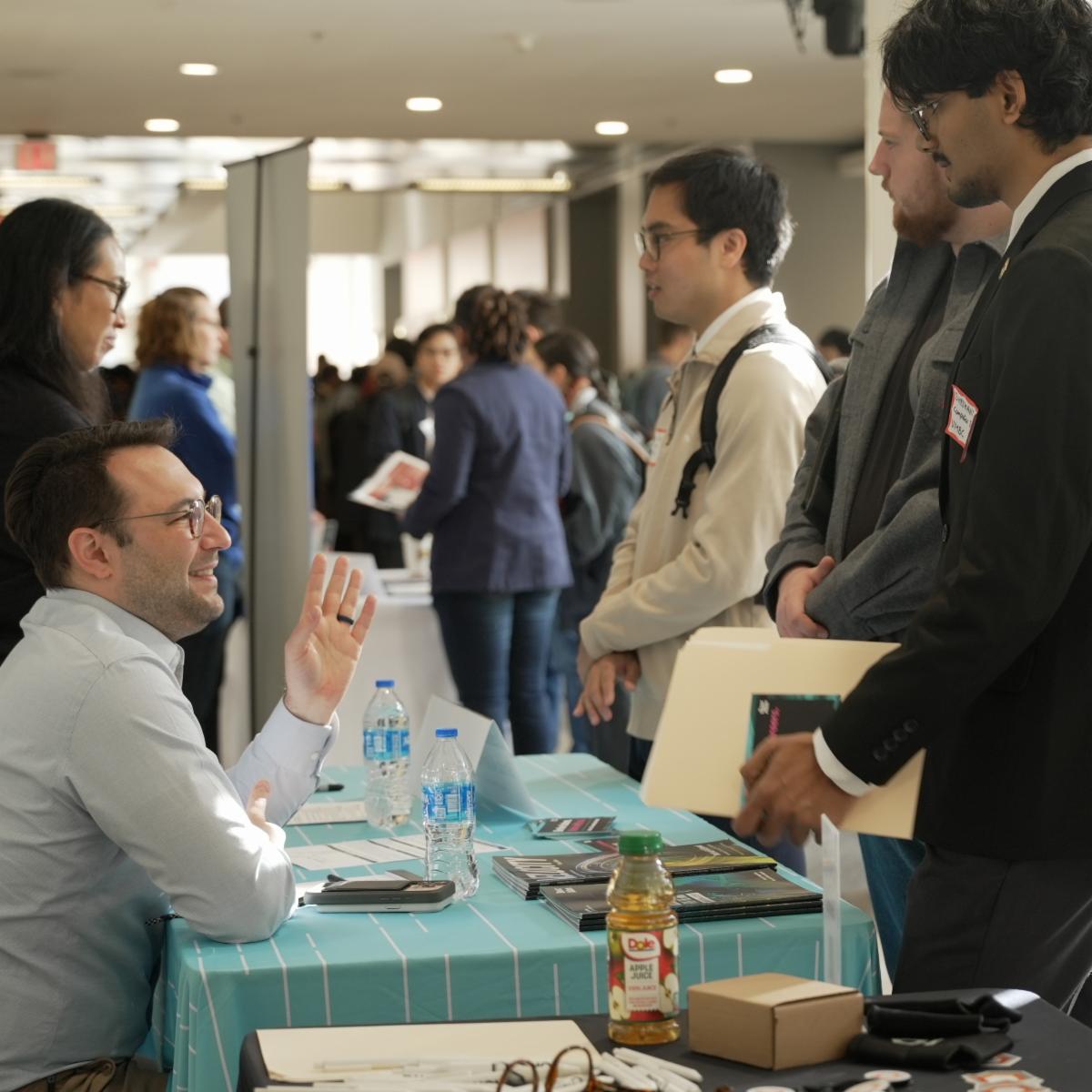
Quantum Leap Career Nexus Aims to Boost Quantum. Workforce

Hosted by RQS, the event brought together hundreds of students, postdocs, and employers for a full day of networking, roundtable discussions, career panels, lab tours, and more.

robot AI assistant hovers above a smartphone asking "Hi how can I help you?"

Building AI That Keeps Users Safe Across Cultures and Crises

Jordan Boyd-Graber and Vanessa Frias-Martinez are working to make AI systems more safe, reliable and culturally aware. Their papers are two of 19 presented at EMNLP 2025 by researchers in the CLIP Lab.

Jan Plane and alum Brendan Iribe

Champion of “Computing for All” Honored with a Named Space at UMD

A $2.85 million gift from Brendan Iribe honors Computer Science Principal Lecturer Emerita Jandelyn Plane, naming a student lounge after her and establishing an endowed fund for student support at UMD.

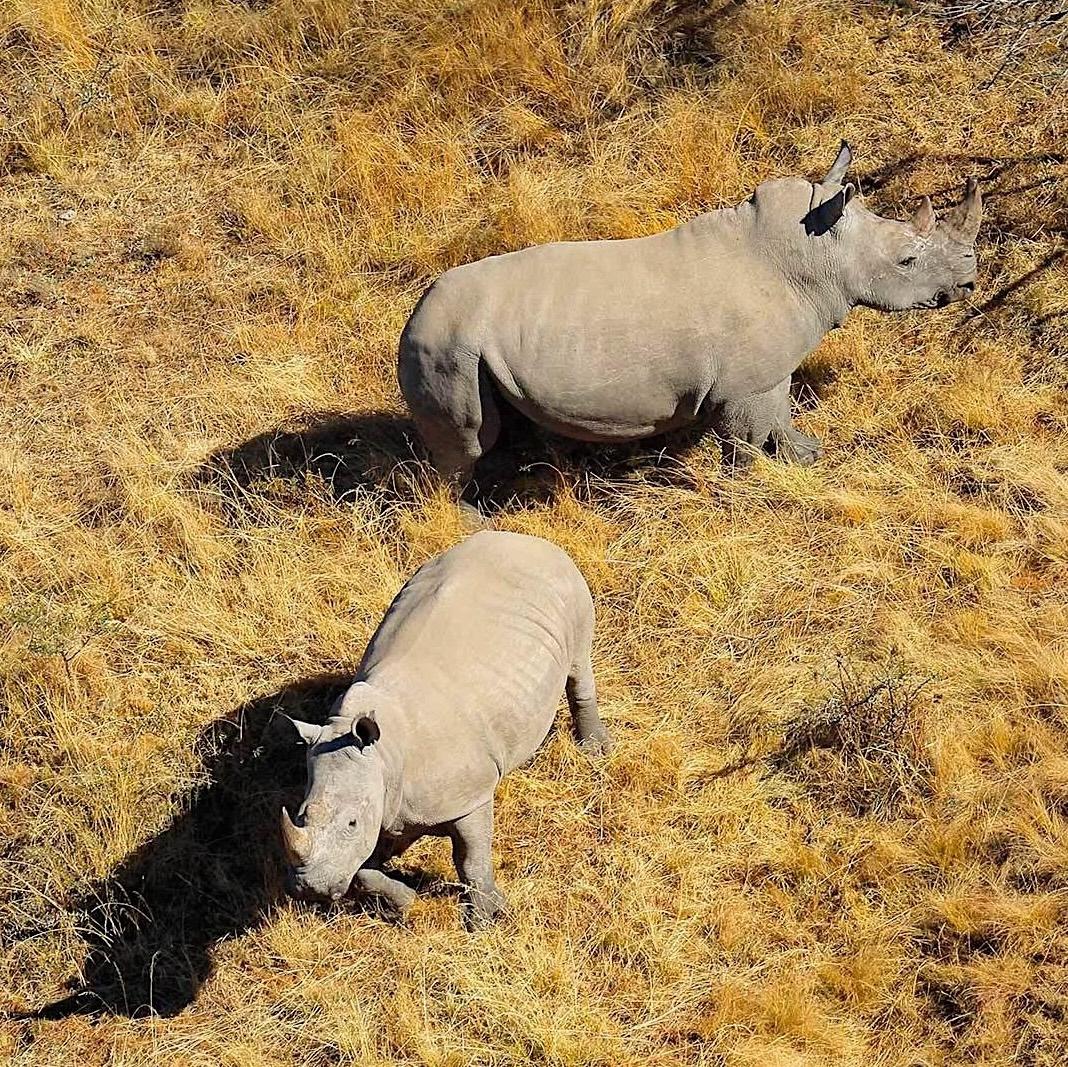
aerial view of two rhinos

Protecting Endangered Rhinos From Poaching with AI Tech

A multi-institutional team—including UMD Professor Yiannis Aloimonos and students Aadi Palnitkar and Arjun Suresh—contributed to the development of a rhino-detection system that pairs satellite data with AI to boost conservation efforts.

Furong Huang headshot

Furong Huang Awarded Open Philanthropy Grant to Study Evasive AI Behavior

She received $1 million to support her research, which will develop tests and safeguards to show when language models only seem safe versus when they truly follow rules.

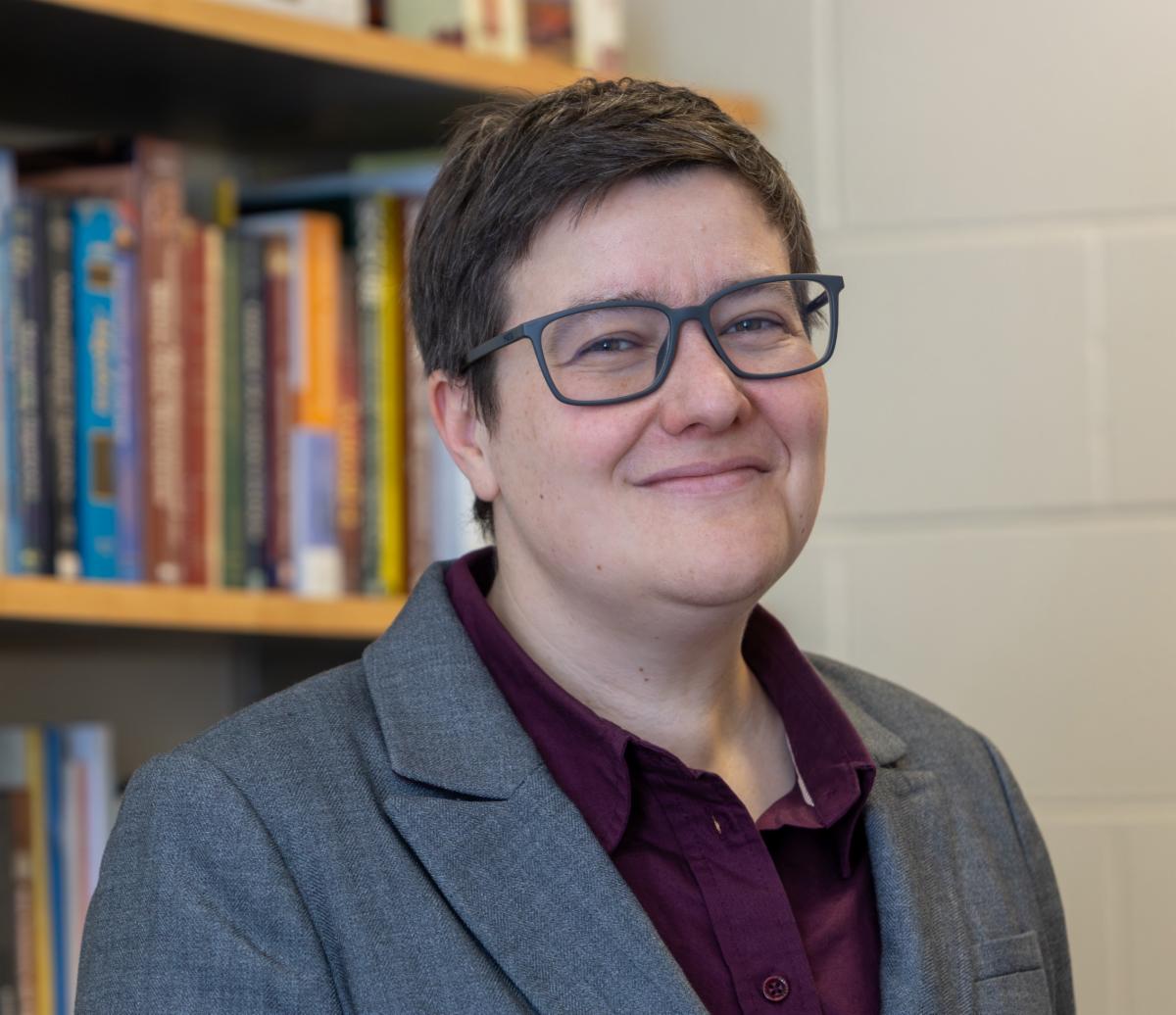
Sorelle Friedler headshot

Former Ph.D. Student Advised by Dave Mount Featured in ACM News

Sorelle Friedler, now a professor at Haverford College, reflected on her work in AI algorithms and her new role as chair of the ACM U.S. Technology Policy Committee.

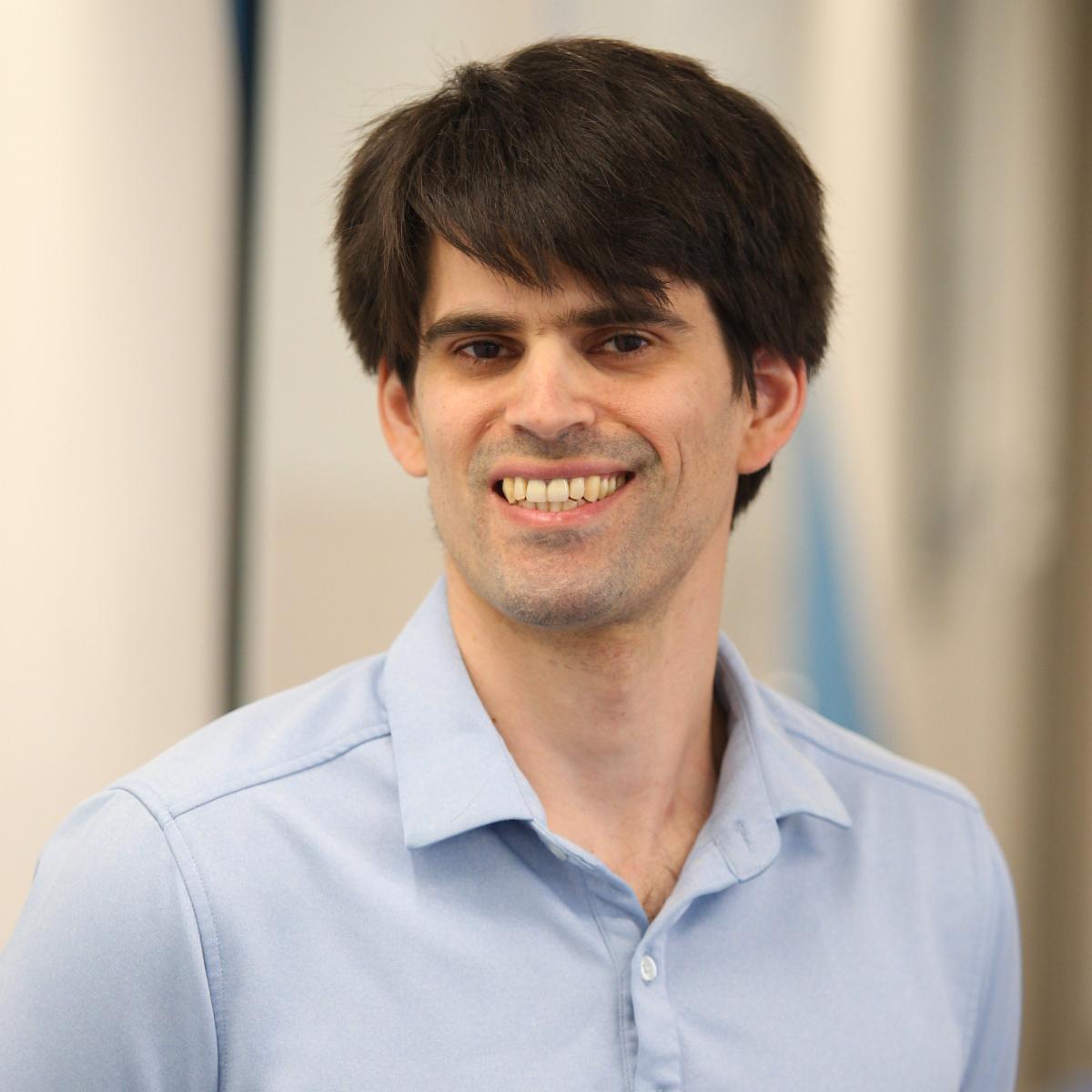
Michael Gullans headshot

Developing a Fault Tolerant Quantum Computer

Michael Gullans co-authored a Nature paper demonstrating a “fault tolerant” system using 448 atomic quantum bits that detects and corrects errors, advancing fault-tolerant computing.

Digitally generated image of headphones in shades of blue, pink, green, and purple.

UMD Team Advances AI Audio Systems with New Training Data and Benchmarks

Ramani Duraiswami is part of the team building Audio Flamingo 3, an open-source model that significantly advances AI’s ability to understand and process audio across speech, sound and music.


Bundled plastic waste is piled together against a wall.

Harnessing AI to Develop Stronger and More Sustainable Plastics

Sanghamitra Dutta is co-leading a $2 million NSF project that leverages AI to accelerate the discovery of environmentally friendly, biodegradable polymers.

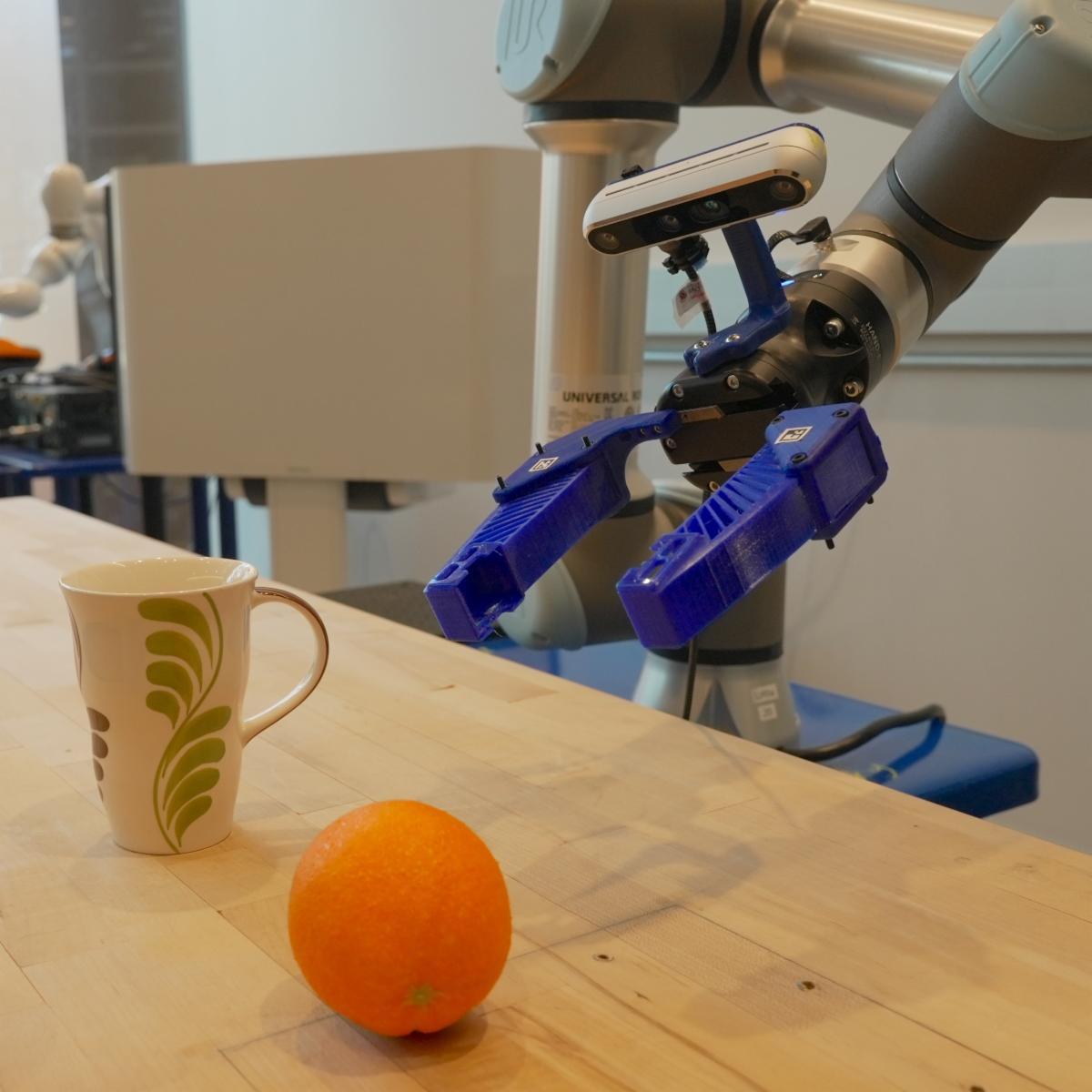
A robotic arm hovers above a mug and an orange on a table.

Robots That Measure Without Rulers

Led by postdoc Levi Burner, researchers in the Perception & Robotics Group are developing biologically inspired robotic sensing that lets robots learn from their own actions, enabling navigation and manipulation without pre-programmed measurements.

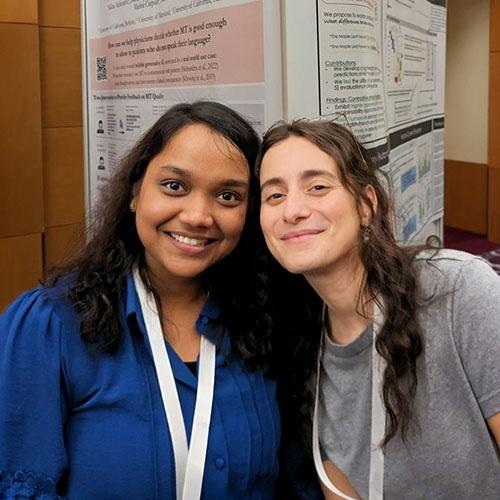
Sweta Agrawal and Eleftheria Briakou are pictured.

CLIP Alumni Harness AI to Transform Translation at Google

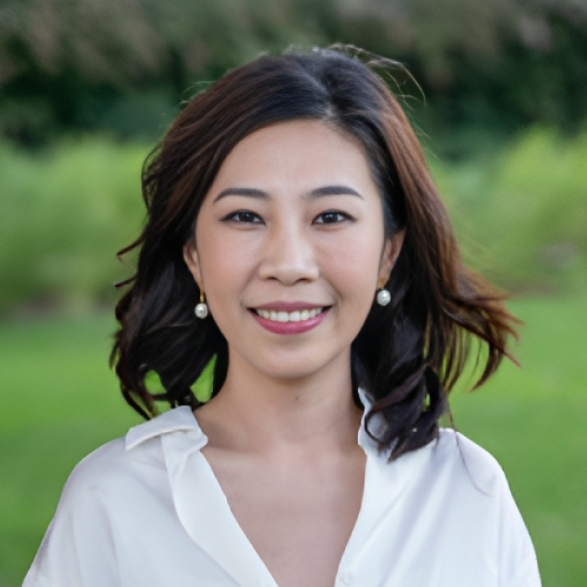
Sweta Agrawal and Eleftheria Briakou who received their Ph.D.s from UMD, are now at Google applying their research in machine translation and AI to improve real-time multilingual communication.

Darby Steinman headshot

Tiny Microbes, Big Impact on Women’s Health

Darby Steinman, a student fellow at the UMD Center of Excellence in Microbiome Sciences, is uncovering how vaginal microbes communicate with reproductive tissues.

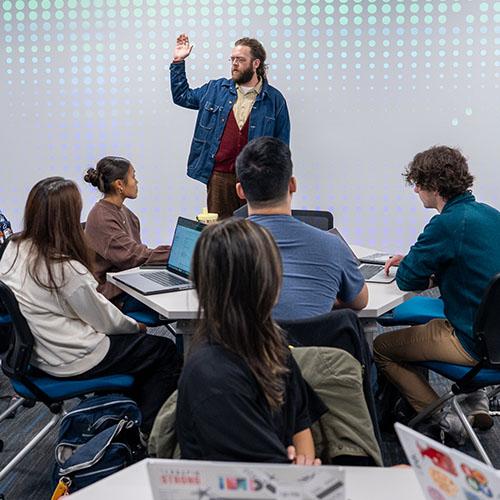
Finding Inspiration at the Intersection of Art and Technology

Matthew Nolan, a musician, artist and game designer, joins UMD’s Immersive Media Design program as a lecturer, bringing two decades of experience to its interdisciplinary senior capstone course.

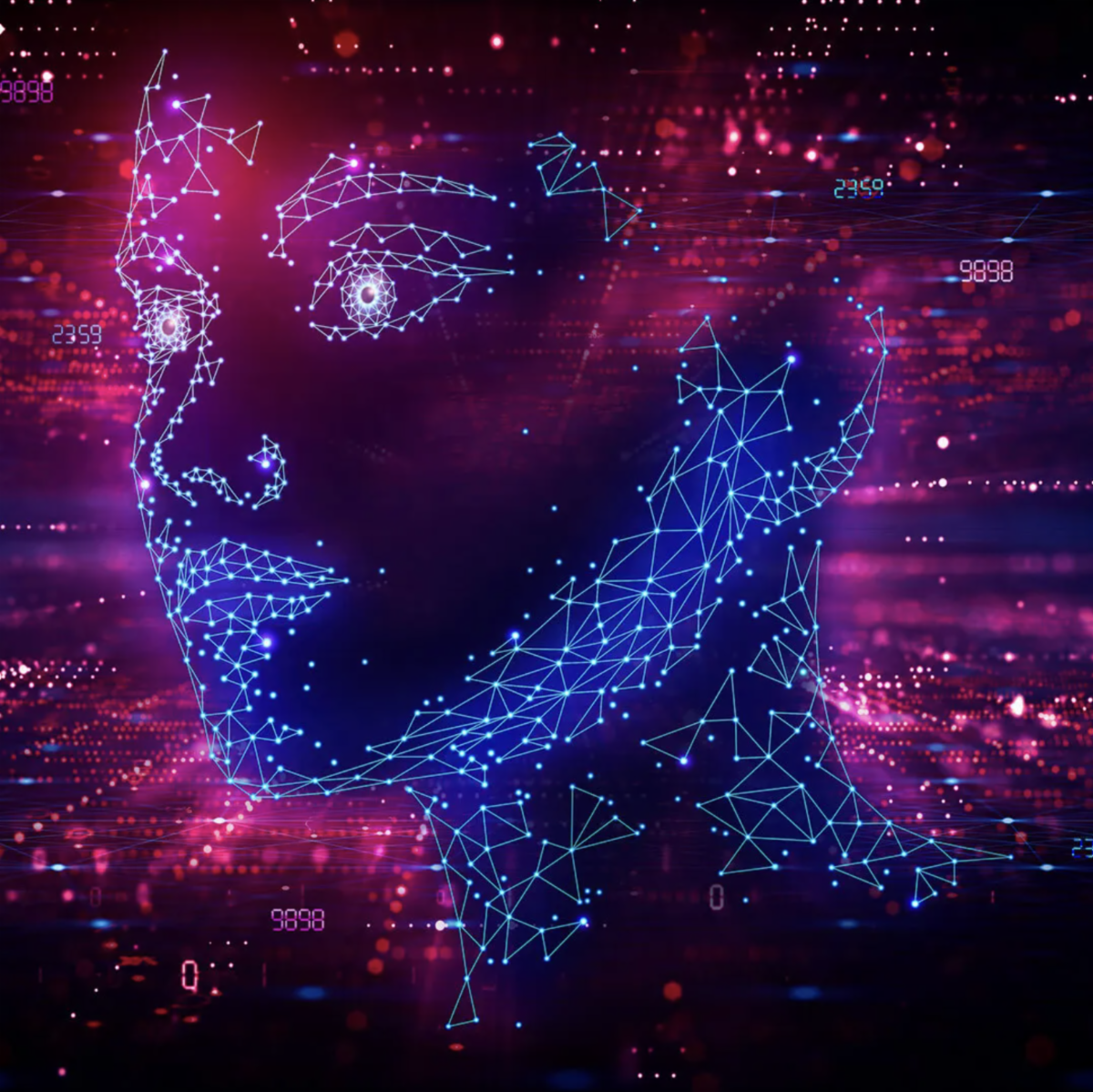
Blue and pink lines form a stylized human face against a dark background.

Study: Future AI Needs Stronger Safeguards

A new analysis co-led by Furong Huang warns that today’s AI “guardrails” may not be enough to stop more powerful future systems from dangerous behavior.

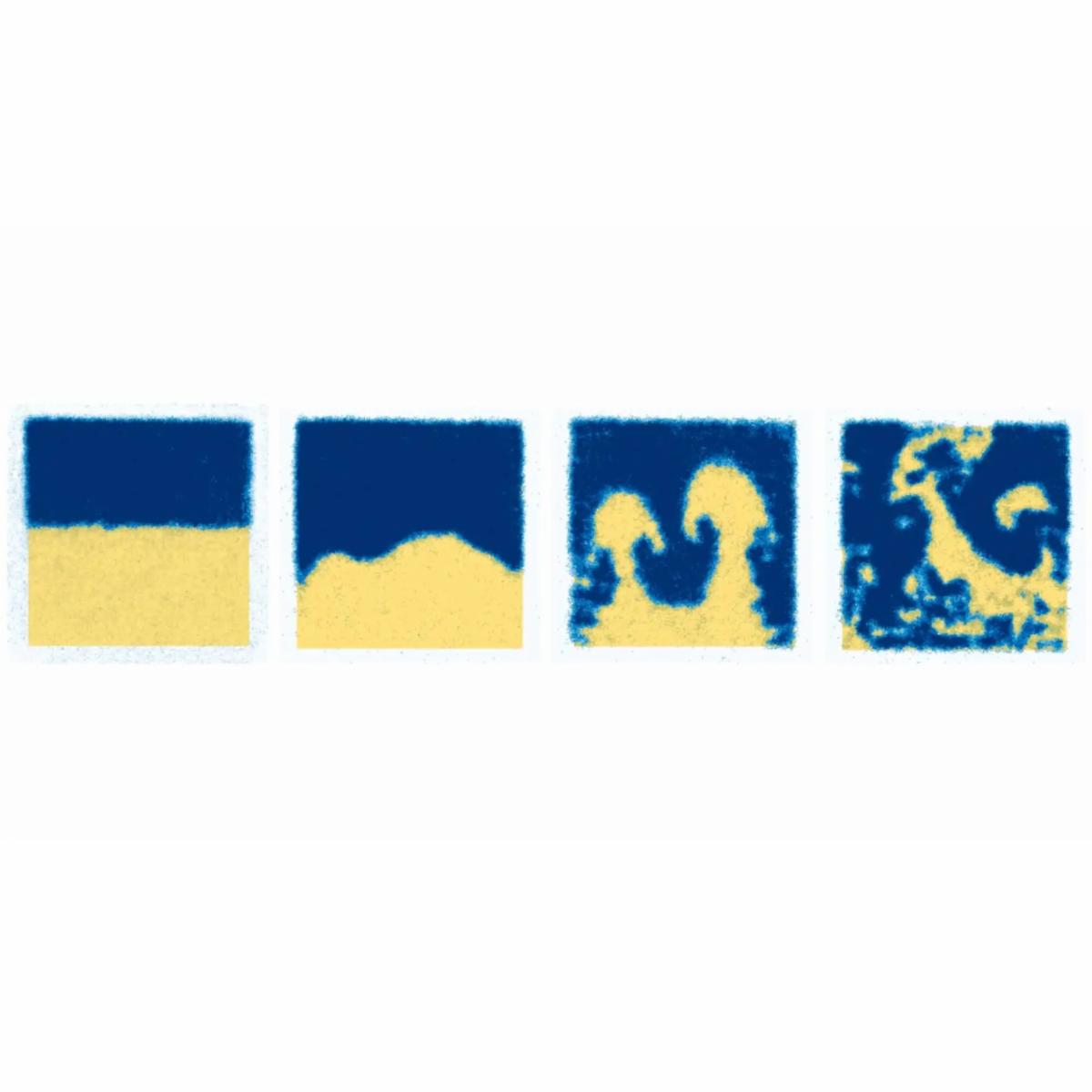
Four squares showing blue and yellow areas represent two different superfluids, which each react differently to magnetic fields.

When Superfluids Collide, Physicists Find a Mix of Old and New

RQS researchers Ian Spielman, Gretchen Campbell and Yanda Geng discovered that mixing two Bose-Einstein condensates produced fluid-like patterns while revealing hidden quantum behaviors.

University of Maryland Institute for Advanced Computer Studies logo
Facebook  X  LinkedIn  YouTube

Read previous issues of UMIACS Interface.

Contact newsletter@umiacs.umd.edu to submit a story idea.