View as Webpage

University of Maryland Fearlessly Forward
UMIACS Interface a monthly newsletter highlighting interdisciplinary research and innovation at the University of Maryland Institute for Advanced Computer Studies
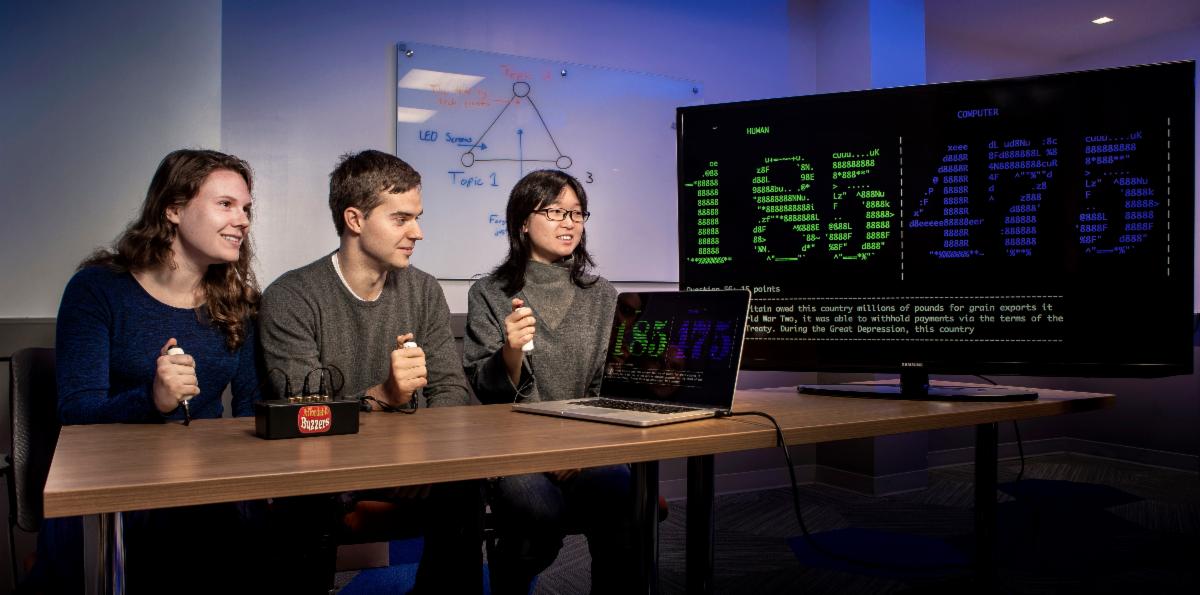
three graduate students playing trivia with computer

Humans and AI Join Forces

UMIACS faculty member Jordan Boyd-Graber is working with students in the CLIP Lab to redesign an AI-powered quizbowl competition. Their goal is to better understand how humans and machines can work together and build trust in shared decision-making tasks.

Andrew Childs headshot

Director's Message

The University of Maryland is currently engaged in a major marketing campaign that highlights AI innovation on our campus.


Read More

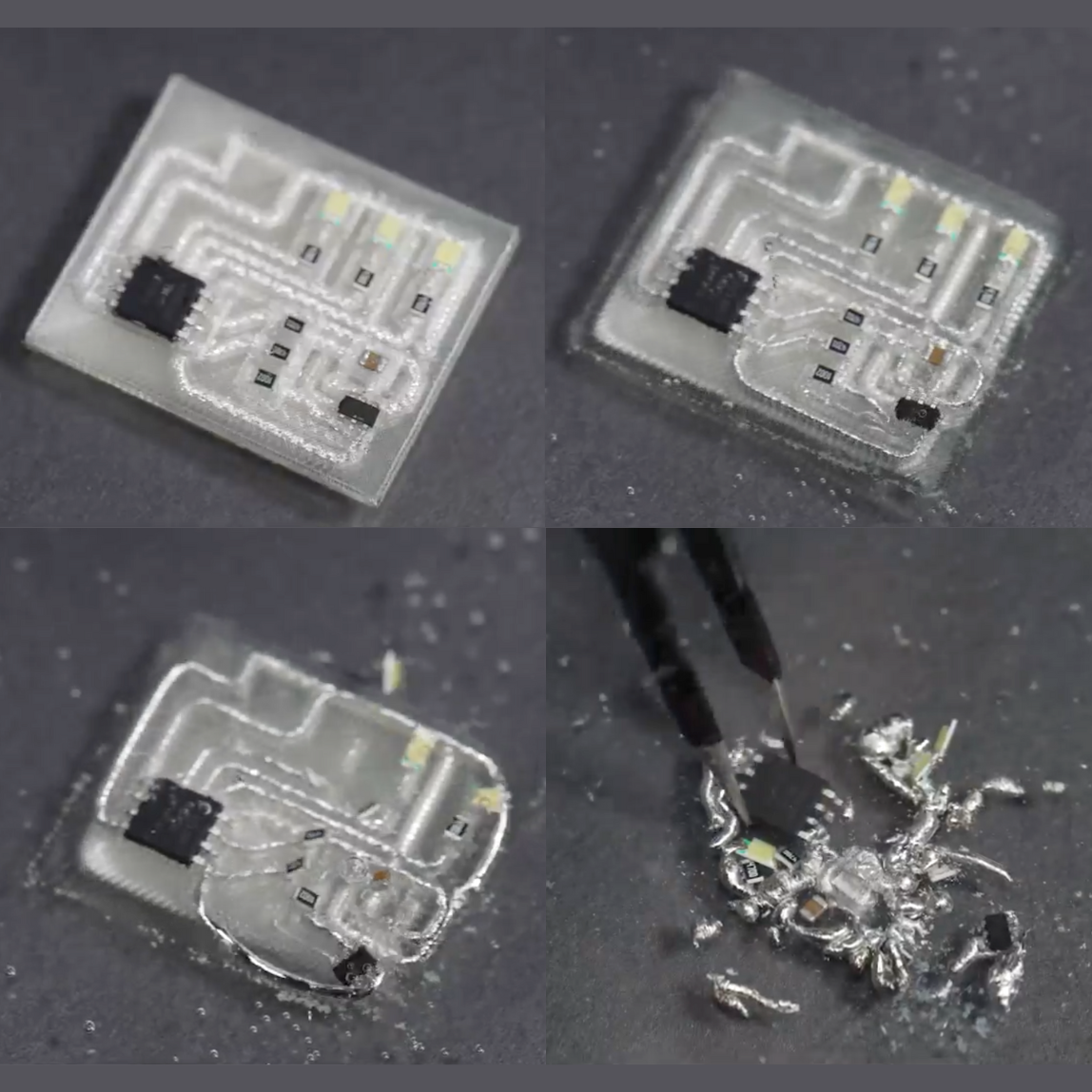
time lapse of dissolving circuit board

UMD Team Develops Novel Method to Recycle 3D Printed Circuit Boards

Researchers in the Small Artifacts Lab are developing a circuit board that dissolves in water, offering a low-cost solution for e-waste.

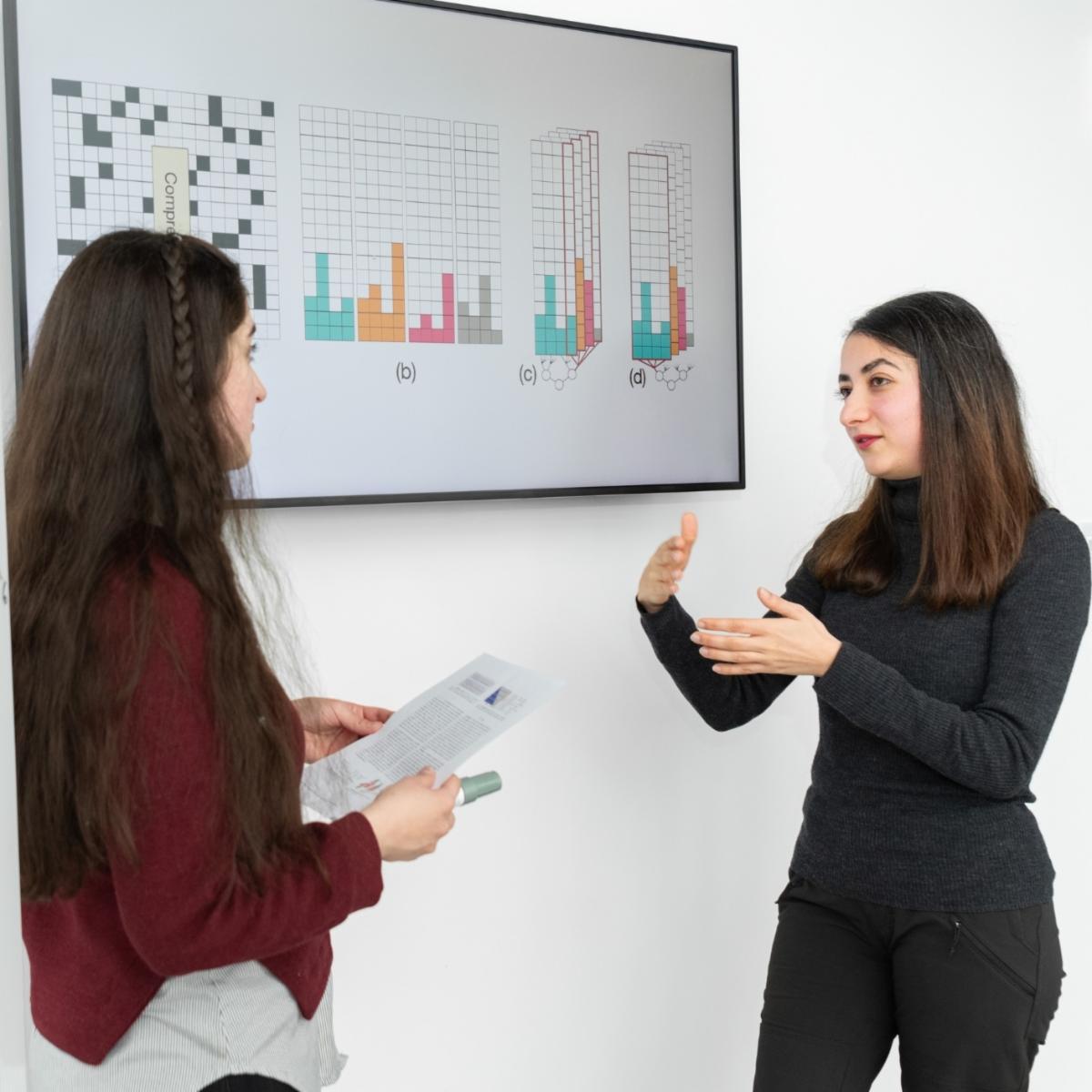
Bahar Asgari and Helya Hosseini discuss their research

UMD Group Shares Sparsity Expertise at Upcoming Microarchitecture Symposium

Bahar Asgari and her students are advancing sparsity research to boost computing efficiency, presenting their work at the IEEE/ACM MICRO symposium in South Korea.

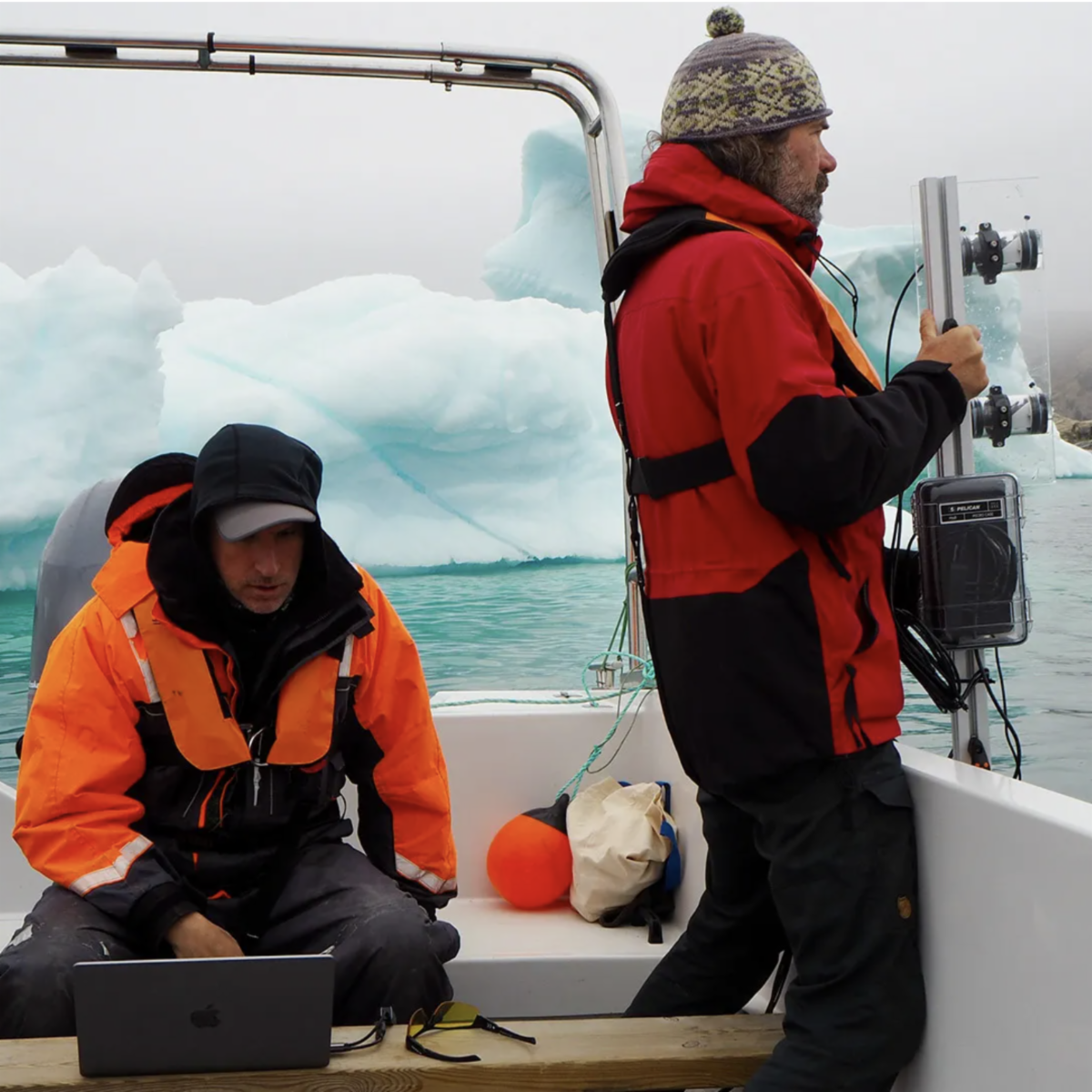
researchers capturing arctic sea ice levels

AI-Generated Iceberg Models Could Help Sailors Navigate Arctic Waters

IMD’s Cy Keener creates digital artwork on melting sea ice using a camera built by Chris Metzler that can capture images behind thick barriers, and then use AI to render 3D models.

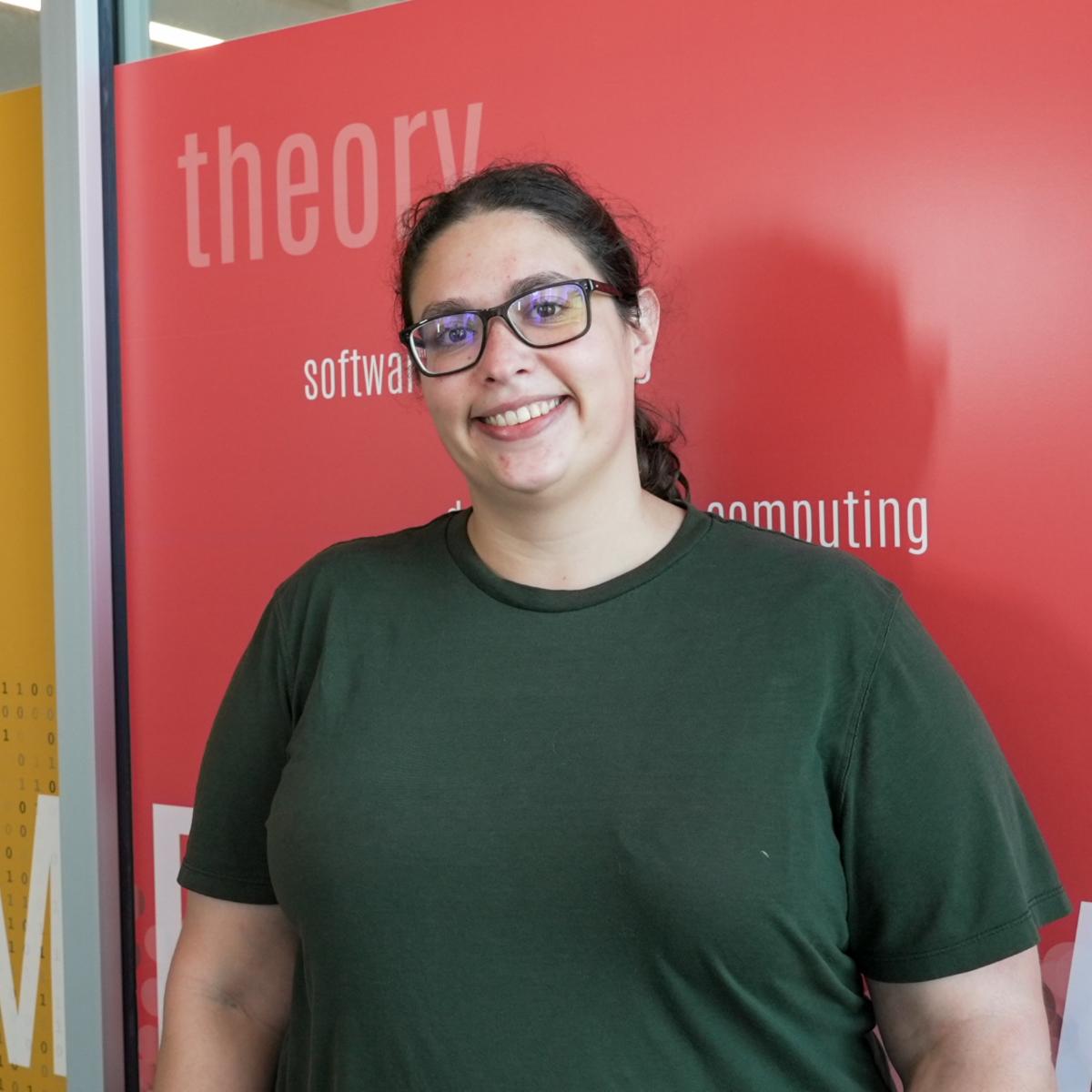
Julia Mendelsohn at UMIACS

Sociolinguist and Natural Language Processing Expert Joins UMIACS

Julia Mendelsohn—the newest member of the CLIP Lab—is combining language, politics, and computer science to better understand implicit language used in political discourse.

 
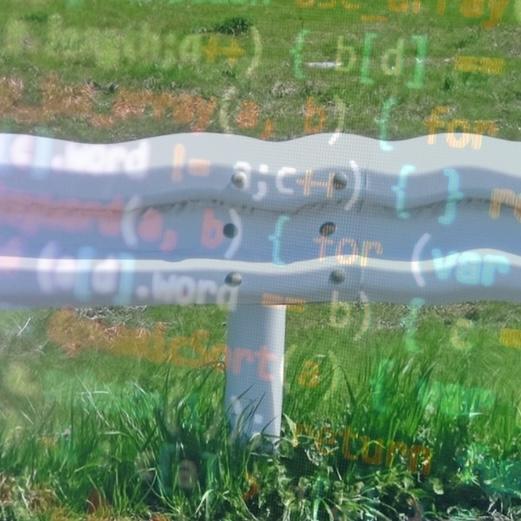
flexible guardrail overlaid with code

UMD and Capital One Team Up to Reinvent AI Guardrails

The researchers are developing a flexible AI system that applies dynamic, user-defined policies that can make AI safer and more adaptable.

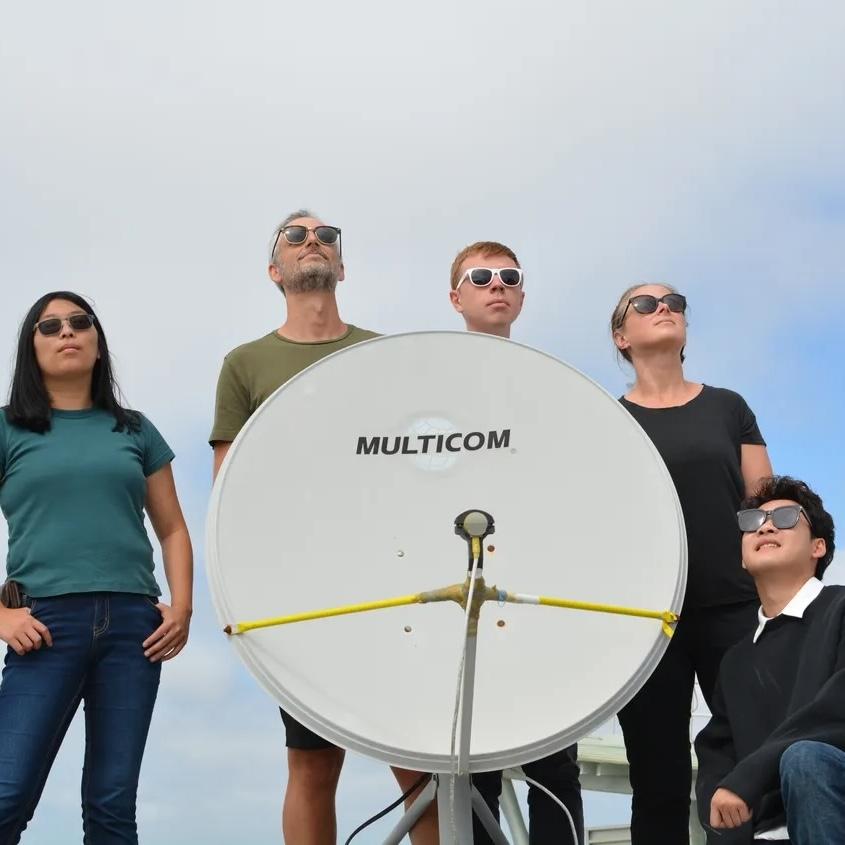
research team surrounding satellite dish

Study Reveals How an $800 Satellite Dish Captured Sensitive Communications

Dave Levin and Ph.D. student Annie Dai, working with UC San Diego researchers, exposed a major global security flaw after intercepting unencrypted satellite data.

illustration of AI bot

To Make Better AI, Stop Tackling Problems ‘Whack-a-Mole’-Style, UMD Researcher Says

Philip Resnik is studying why large language models absorb bias from their training data and is exploring new ways to design AI systems that better distinguish factual meaning from harmful stereotypes.

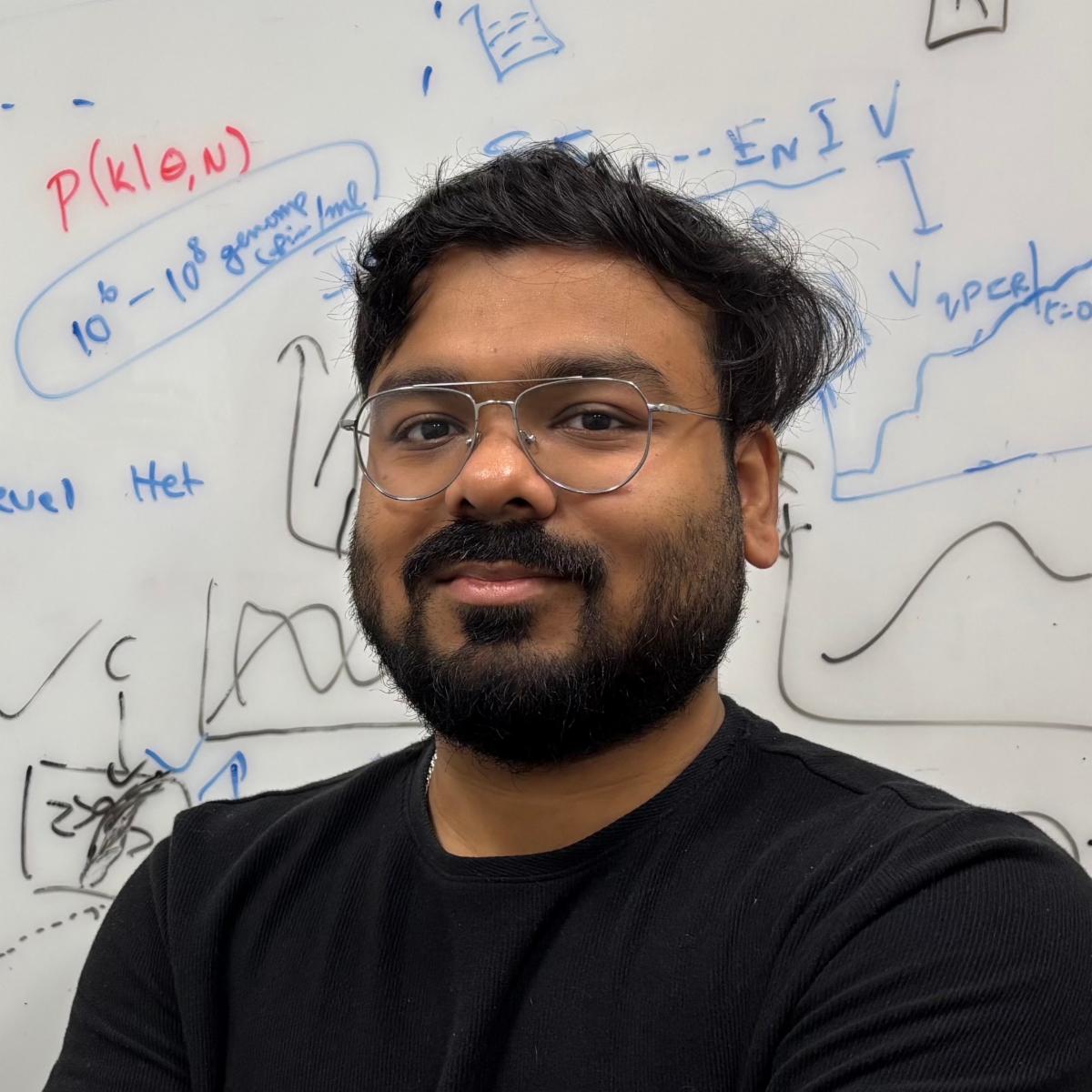
Raunuk Dey headshot

When Physics and Math Go Viral

Raunak Dey, a student fellow in the UMD Center of Excellence in Microbiome Sciences, is using mathematical models to study how viruses interact in microbial communities.

AI agent with thought bubble

Zhang Receives Award from Open Philanthropy to Enhance Safety in Generative-AI Agents

The research combines principles from reinforcement learning and game theory to better understand and enhance Generative AI-Agents’ safety.

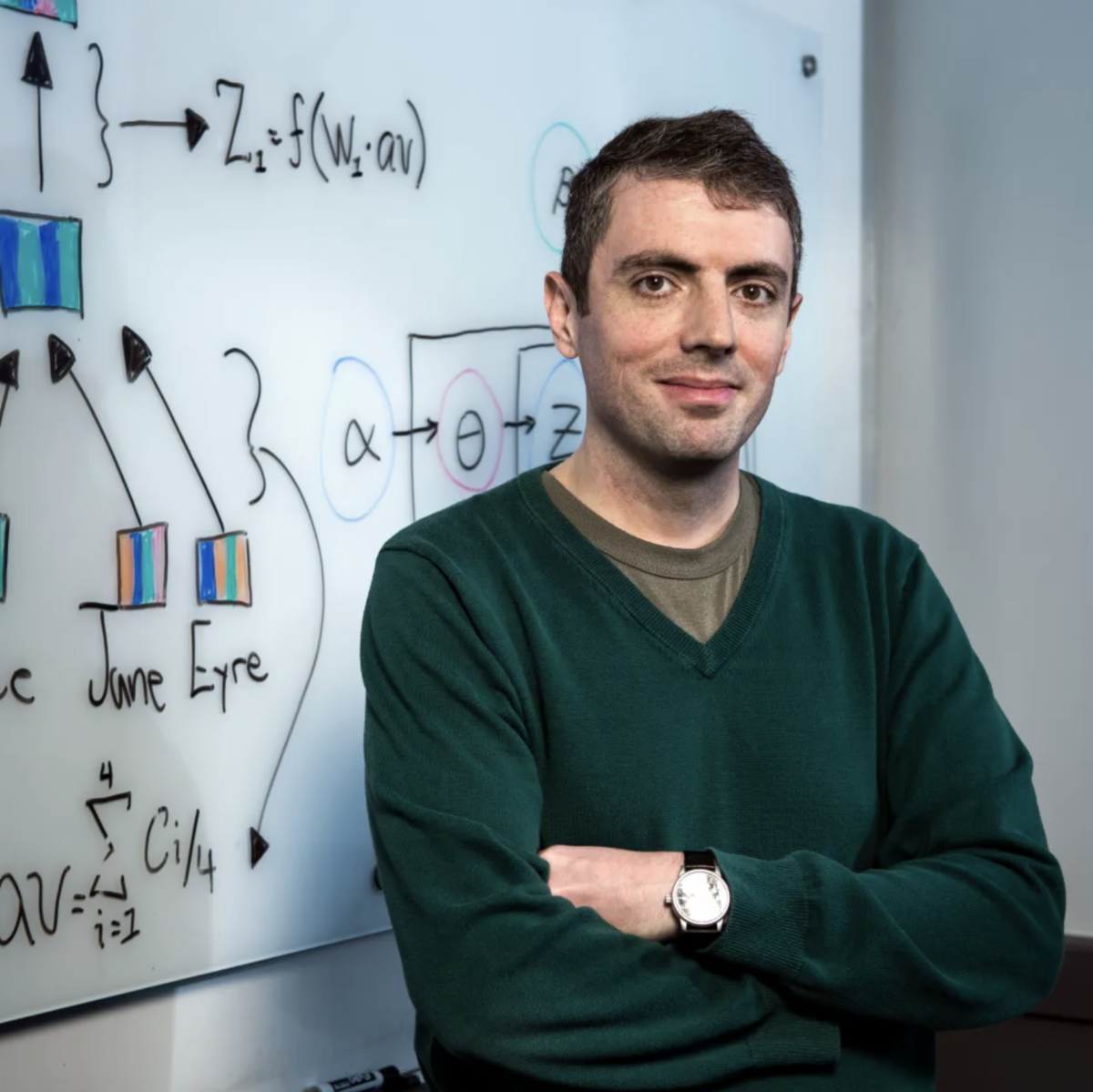
Jordan Boyd Graber in front of whiteboard with equations

AI Already Beat Jeopardy’s Ken Jennings, Are Any of Us Safe?

Jordan Boyd-Graber was interviewed by The Baltimore Sun on the rise of AI. He doubts AI will surpass human intelligence soon, saying he’s more concerned about its misuse and spread of misinformation.


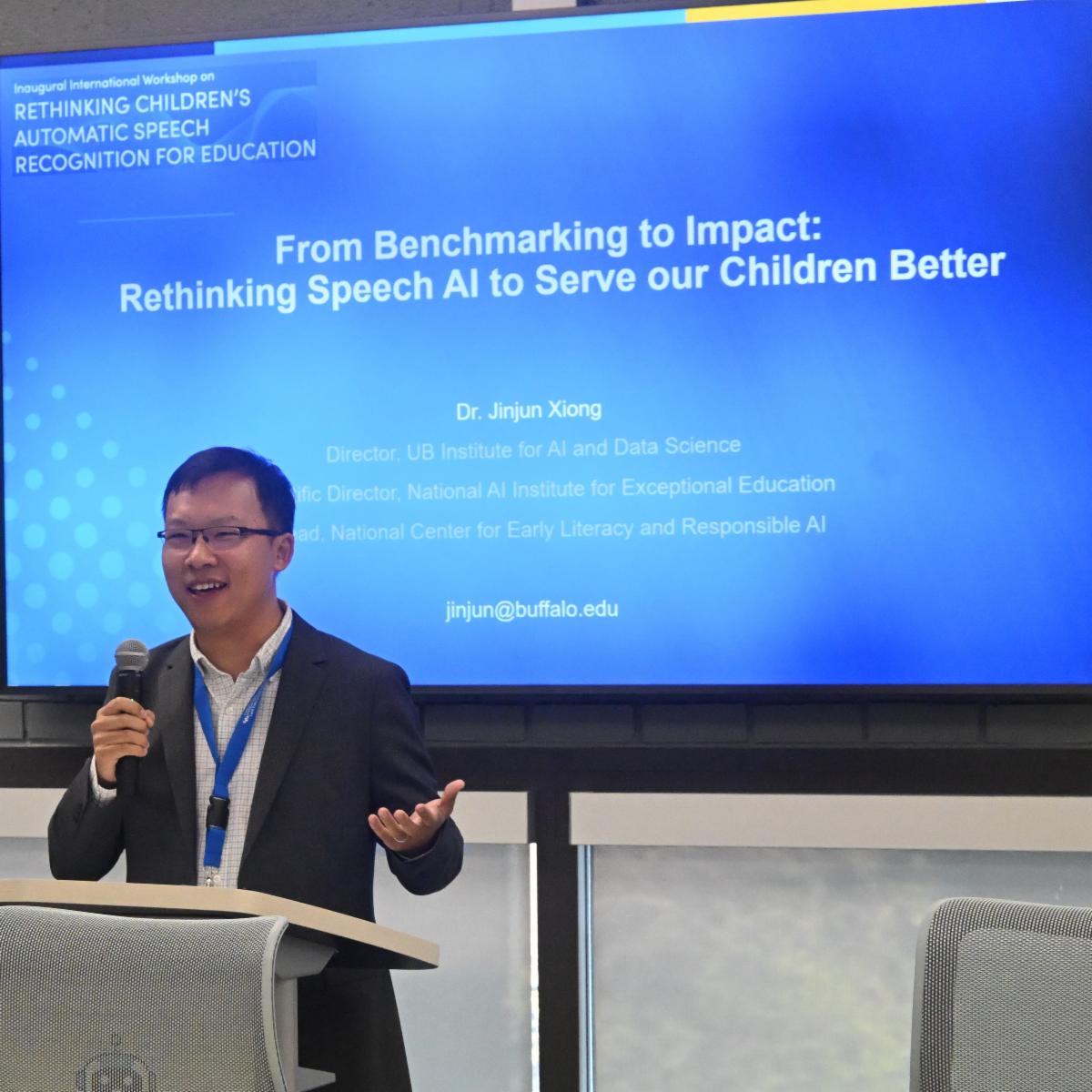
Jing Liu presenting at workshop

UMD Faculty Member Co-Hosts Workshop to Advance Automated Speech Recognition Systems Used for Education

Jing Liu co-hosted an international workshop addressing data shortages in children’s speech recognition, bringing experts together to guide the development of fair, accurate AI systems for education.

Hal Daume with YouTube play icon

Broadening Participation in AI

Hal Daumé III highlights the importance of including a broader range of expertise in AI research and development and describes TRAILS’ efforts to tackle this issue.

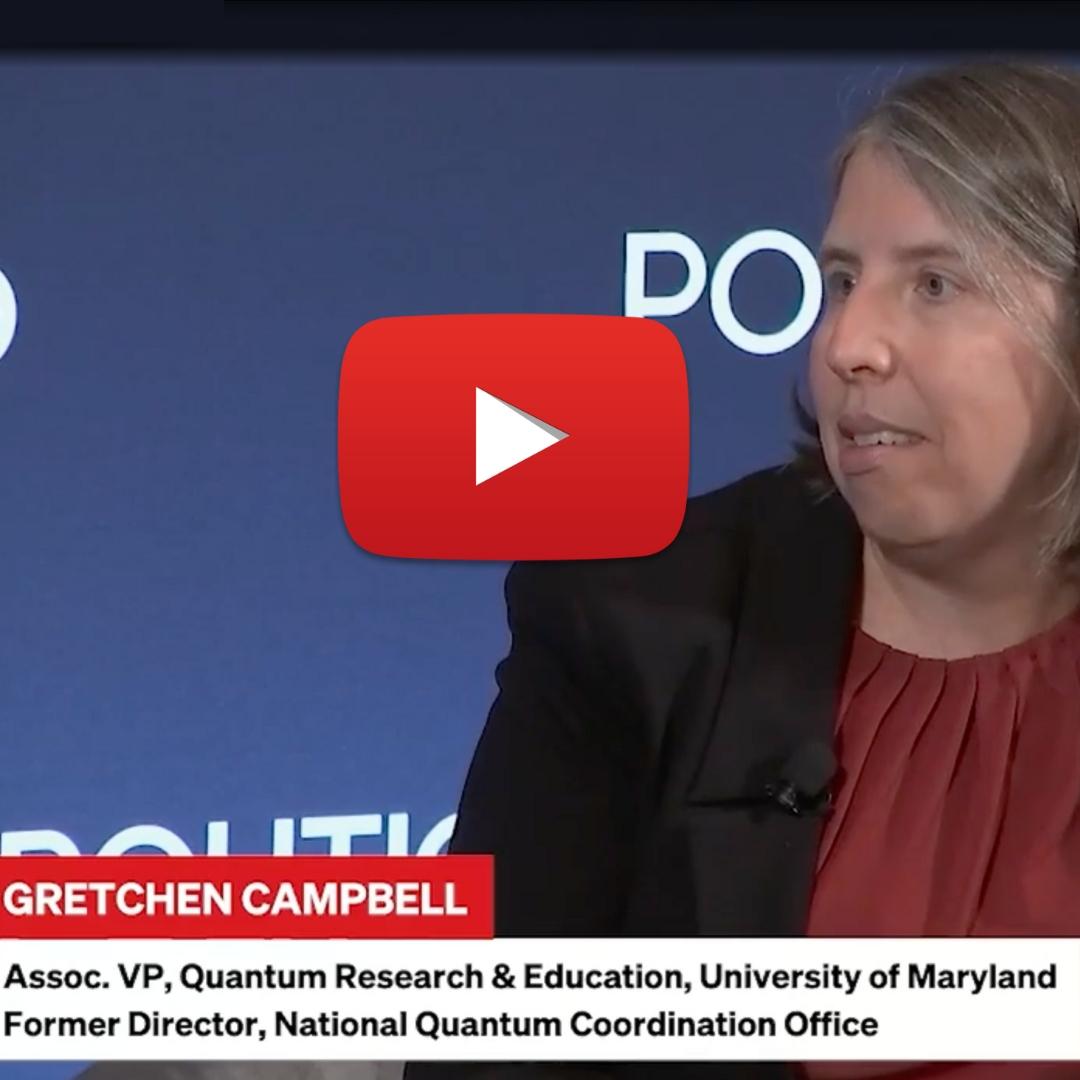
Grethecn Campbell in the news Video

Gretchen Campbell Participates in Politico Panel on Quantum Cybersecurity

The RQS Senior Investigator and Associate Vice President for Quantum Research and Education at UMD discussed post-quantum cryptography standards and the importance of growing the quantum workforce. 

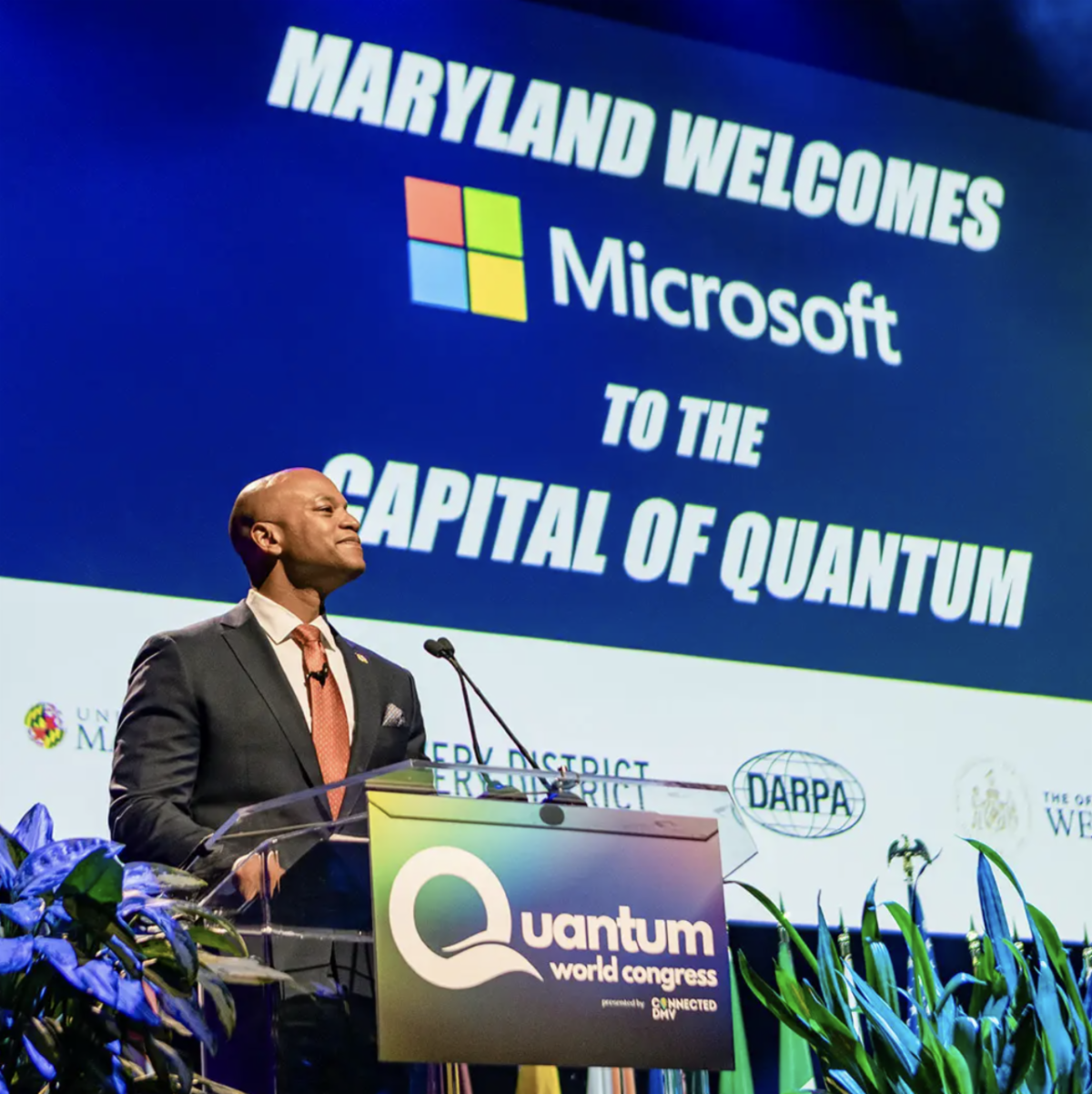
Wes Moore stands at a podium that says Maryland Welcomes Microsoft to the Capital of Quantum

UMD to Host Microsoft Quantum Research Center in Discovery District

The University of Maryland will host a new Microsoft quantum lab, advancing collaborative research and reinforcing Maryland’s position as a leader in quantum science and innovation.

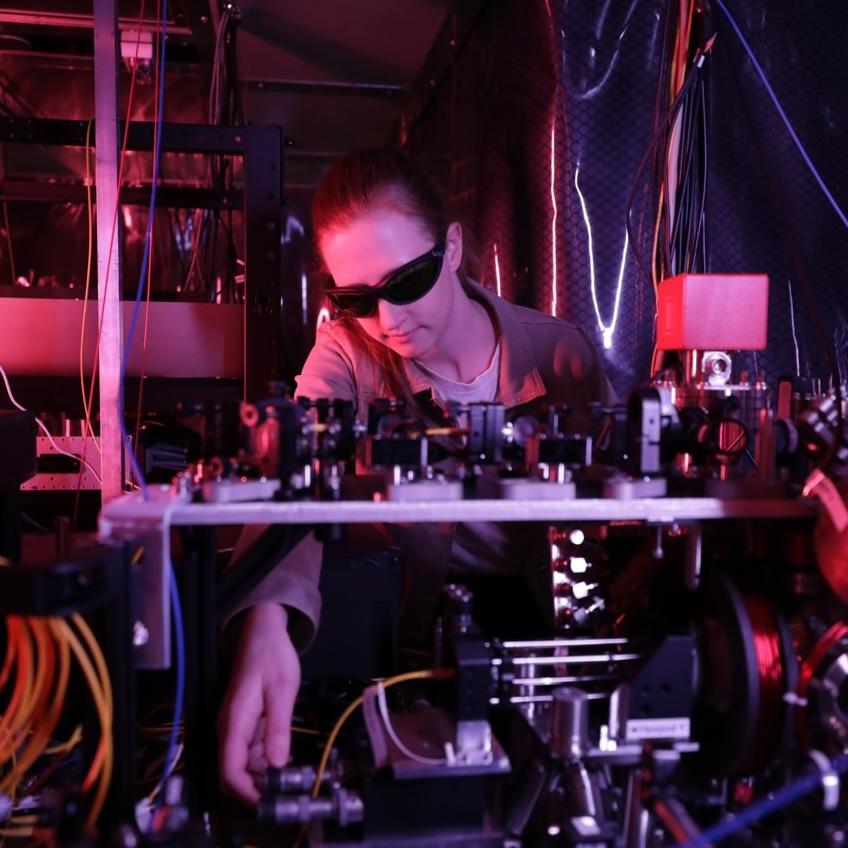
quantum researcher working in lab

Scaling Up: Building a 96-Qubit Quantum Computer by 2027

RQS Senior Investigator Crystal Noel is leading a $2.66 million NSF project to build a 96-qubit trapped-ion quantum computer, advancing the power and scale of quantum systems.

Fiji ant

New Study Shows Island Ant Communities in Sharp Decline

Recently published in the journal Science, Evan Economo’s novel approach to studying ant populations revealed signs of decline in 79% of species found in Fiji.

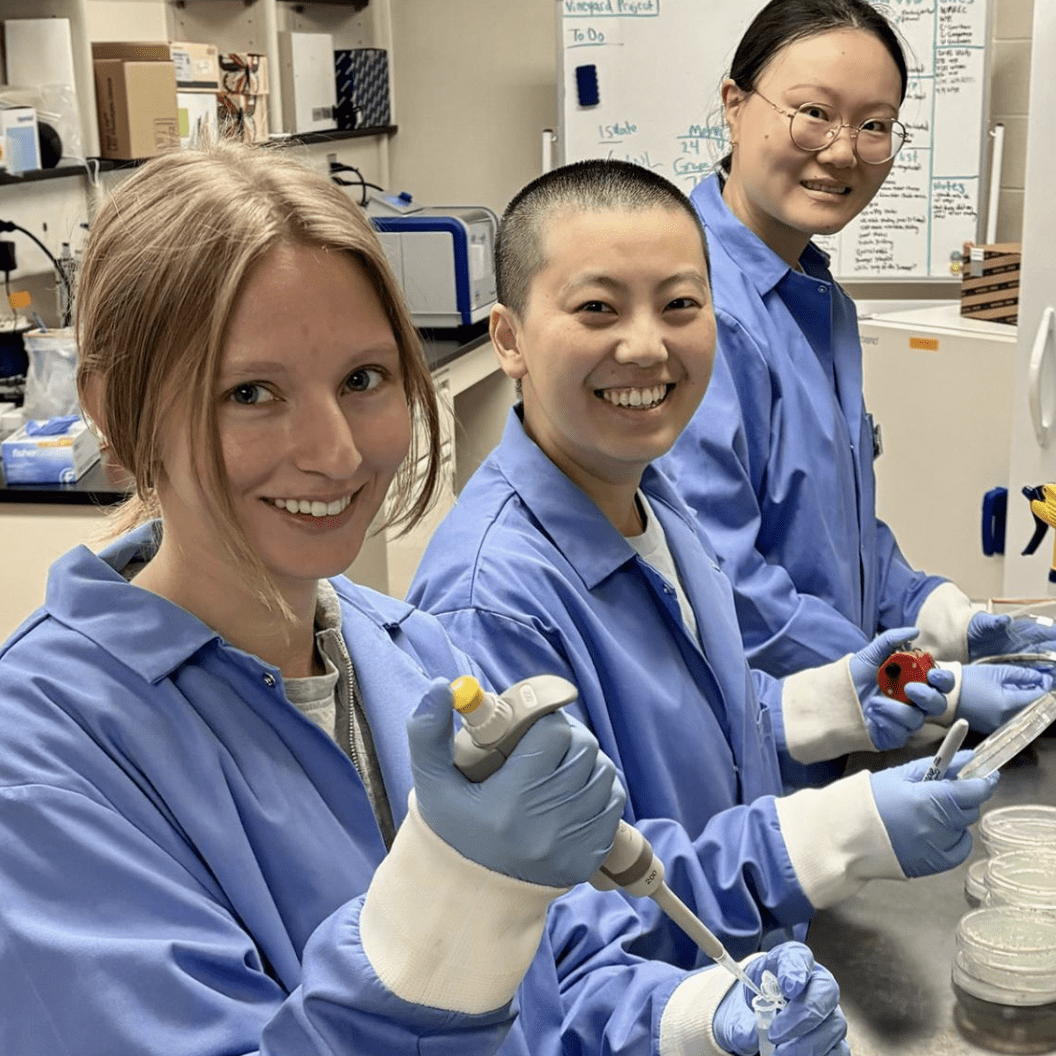
graduate students in blue lab coats with pipepettes

Monitoring Urban Agriculture to Keep Antimicrobial Resistance in Check

Ryan Blaustein is studying multi-drug-resistant genes in urban farm soils that could transfer to pathogens, underscoring the need to monitor food safety in urban agriculture.

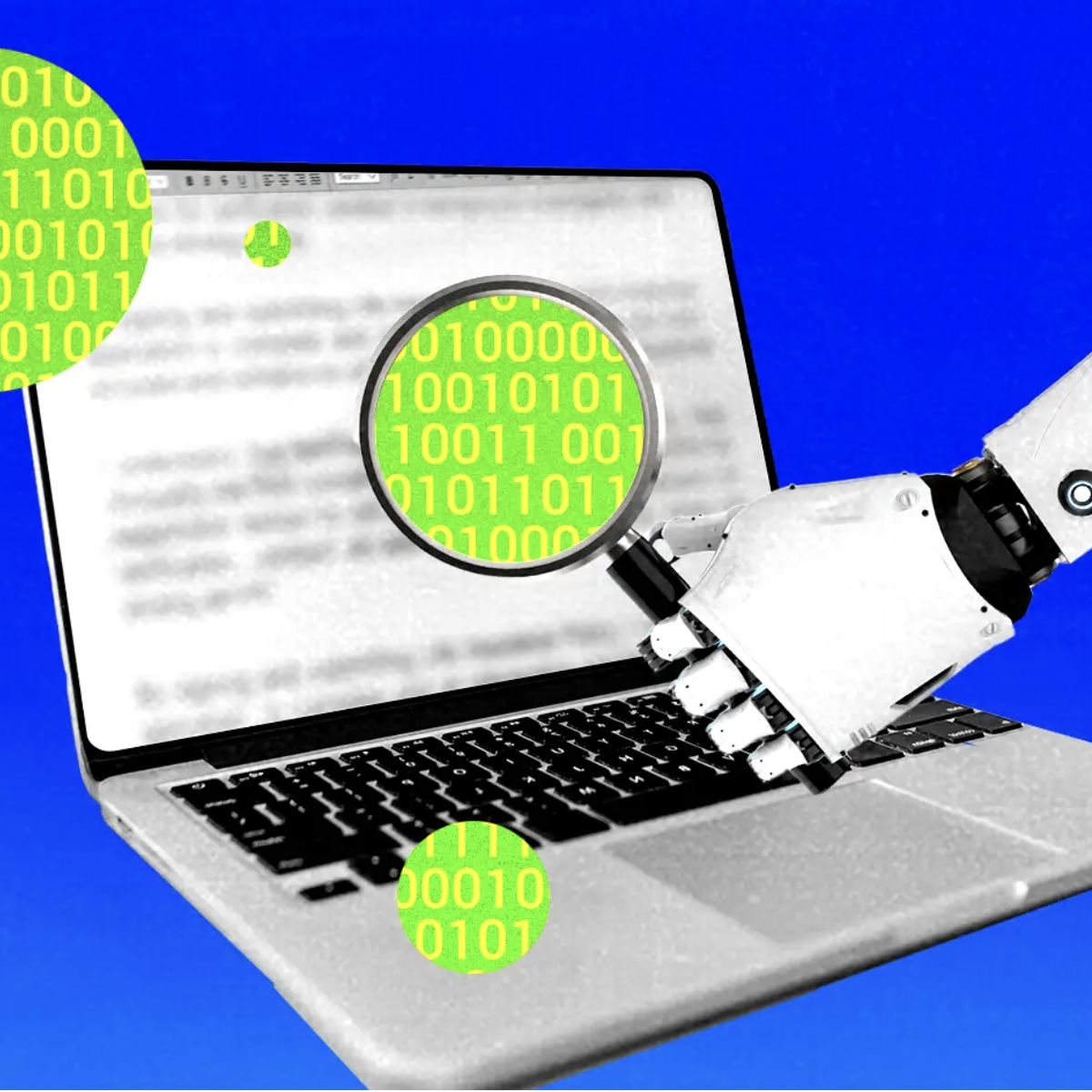
A robotic hand holds up a magnifying glass to the screen of a laptop

The Best AI Detectors of 2025—and Why You Should Use Them with Caution

Soheil Feizi told Business Insider that AI detectors are unreliable and biased, and he advises judging work by quality rather than trying to detect AI use.

University of Maryland Institute for Advanced Computer Studies logo
Facebook  X  LinkedIn  YouTube

Read previous issues of UMIACS Interface.

Contact newsletter@umiacs.umd.edu to submit a story idea.