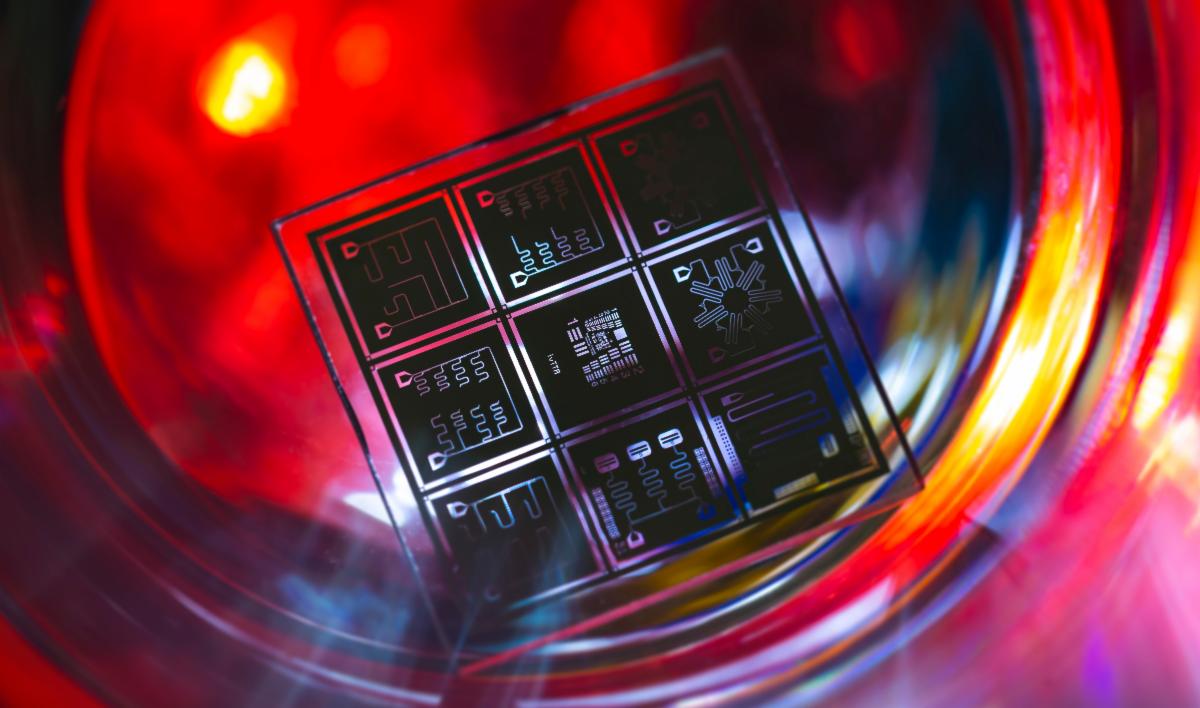
A five-year award expected to total $37.5 million will launch a new phase of research, education and outreach at the multi-institutional NSF Quantum Leap Challenge Institute for Robust Quantum Simulation, which is managed by UMIACS.
Director's Message
As I begin my tenure as director of UMIACS, I look forward to building on the institute’s strengths while expanding its connections across campus and beyond.
Yiannis Aloimonos tells CGTN America how bees’ navigation and flight mechanics are inspiring smarter, camera-stabilized autonomous drones for crop pollination, search-and-rescue missions and other real-world uses.
Maria Molina, Chris Metzler, Abhinav Bhatele and Haizhao Yang are developing generative AI tools to deliver rapid, street-level forecasts of floods and drought through a DOE-funded initiative.
Philip Resnik, Mihai Pop and Joshua Weitz showcased UMIACS' expertise in AI, computational biology and microbiome research through keynote and leadership roles at major international conferences.
Supported by a J.P. Morgan research award, graduate student Yvonne Zhou developed a cloud framework that cuts AI processing delays up to 15-fold while protecting organizations’ sensitive data from privacy leaks.
Five multidisciplinary projects received seed grants to advance AI literacy, autonomous drone safety, local governance, and public trust in AI systems.
Haizhao Yang is developing a cloud platform that instantly converts spoken descriptions into mathematical optimization models for applications such as emergency evacuations.
Nicole Yunger Halpern co-authored a study identifying the unique property that prevents conventional computers from easily copying special quantum states.
Gabe Kaptchuk co-authored research showing that combining targeted online advertising with performance metrics inevitably exposes sensitive information about users.
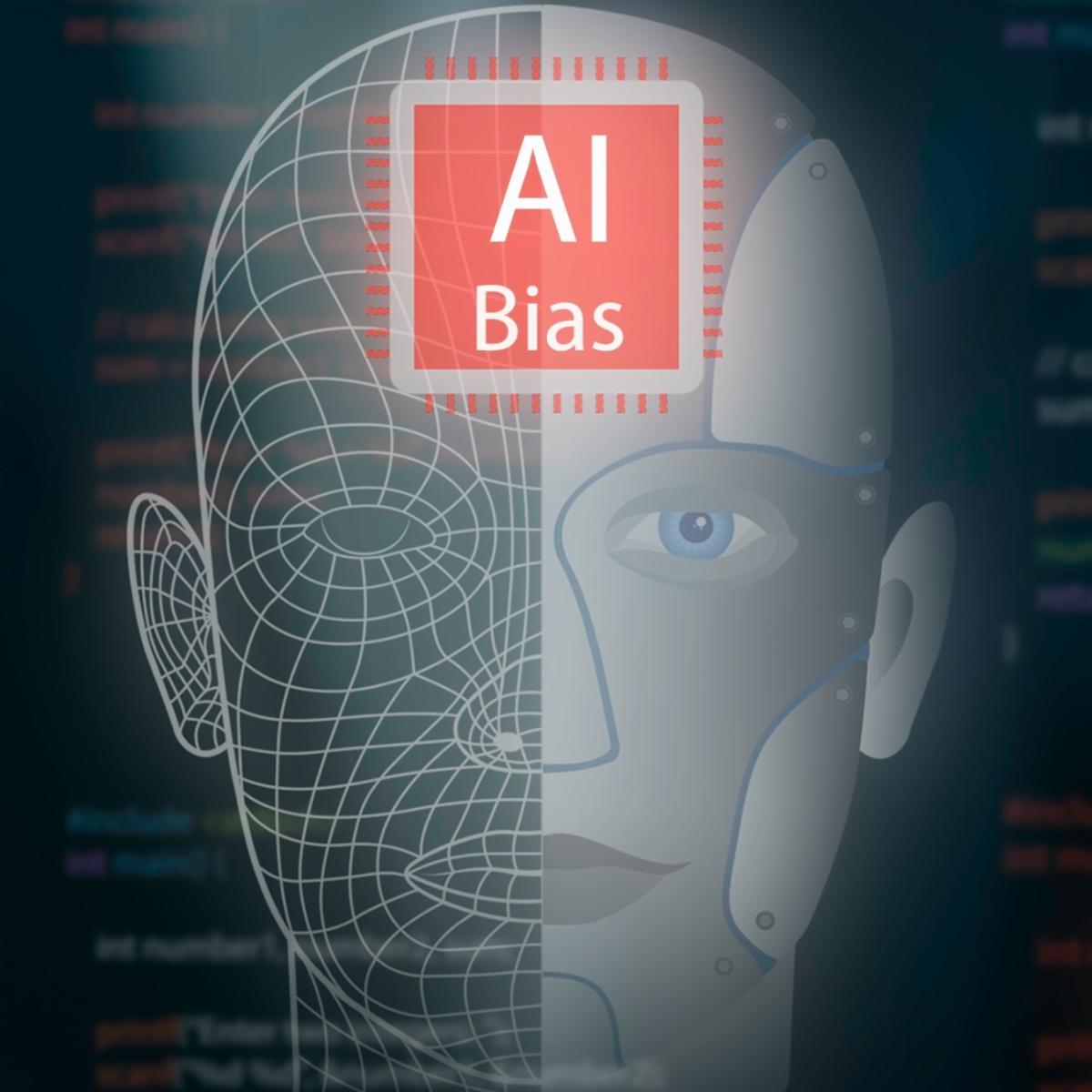
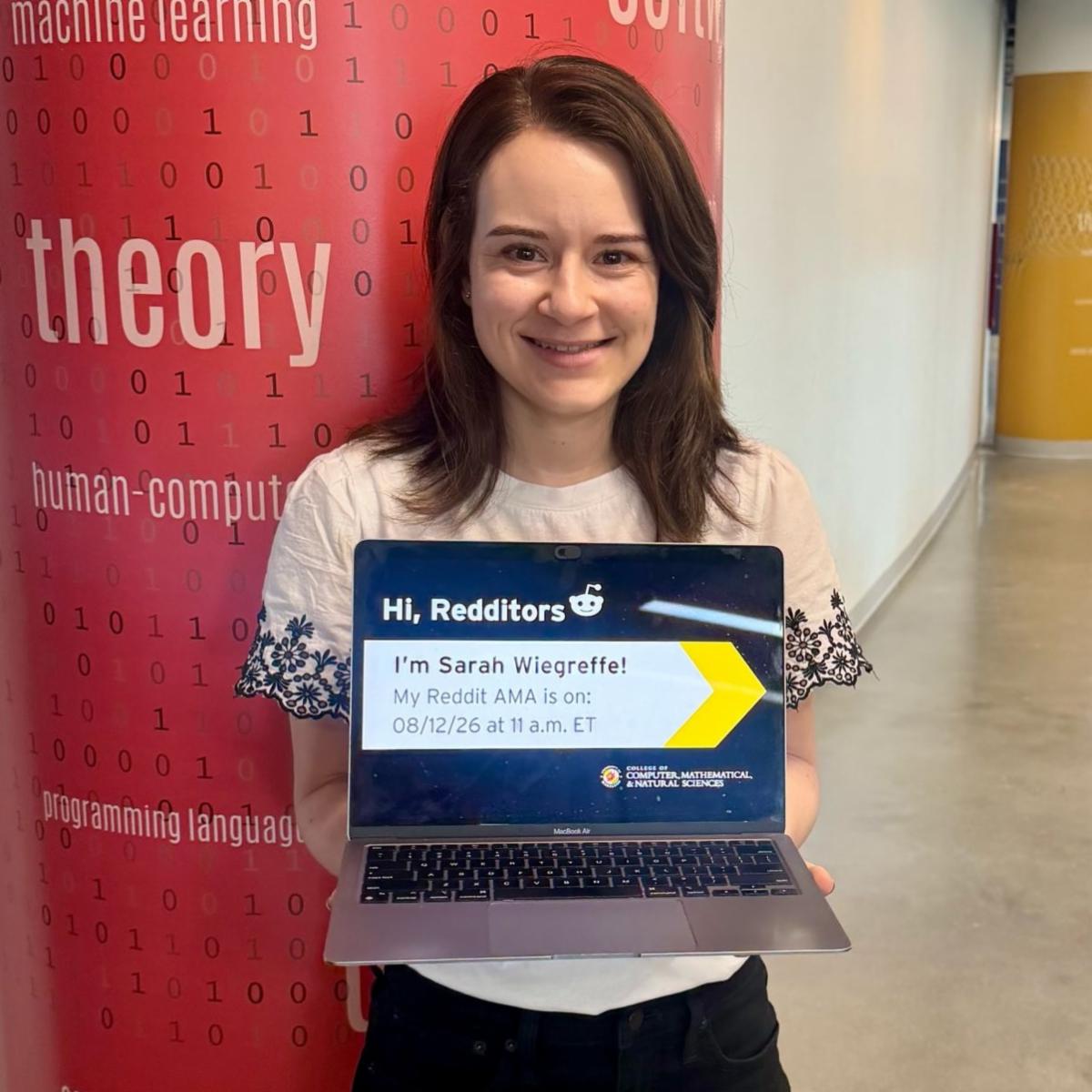
Supported by an AIM seed grant, Naomi Feldman, Rachel Rudinger and Sarah Wiegreffe will investigate how cognitive biases take root in AI and develop tools to prevent biased decisions.
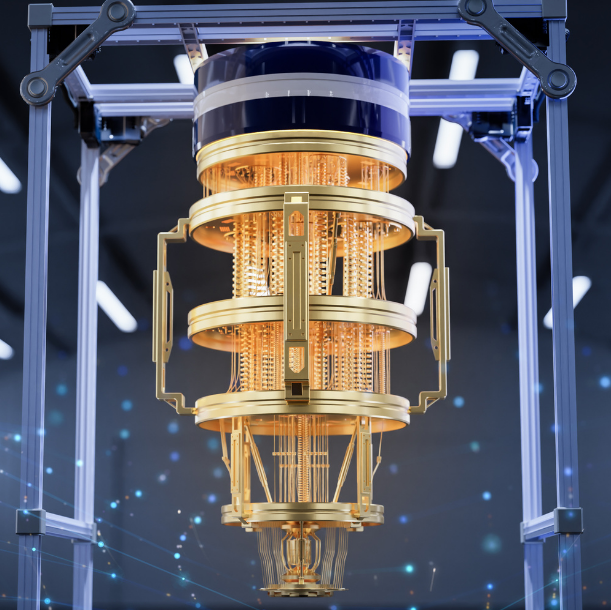
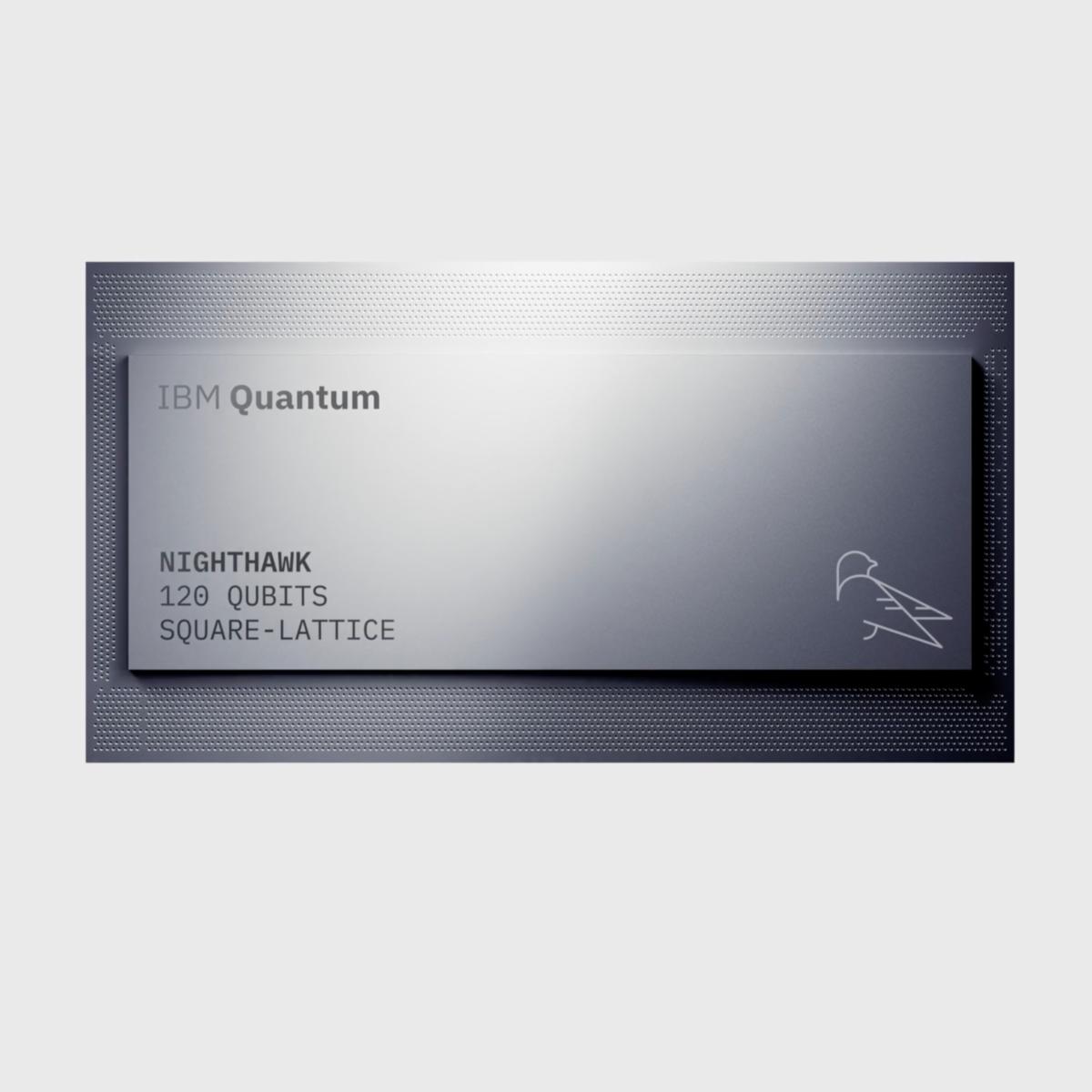
A new agreement gives UMD researchers, educators and students access to IBM’s advanced superconducting quantum processors for research and classroom instruction.
Graduate student Connor Baumler led a study finding that AI-assisted writing retains the technology’s stylistic fingerprints even after extensive human editing.
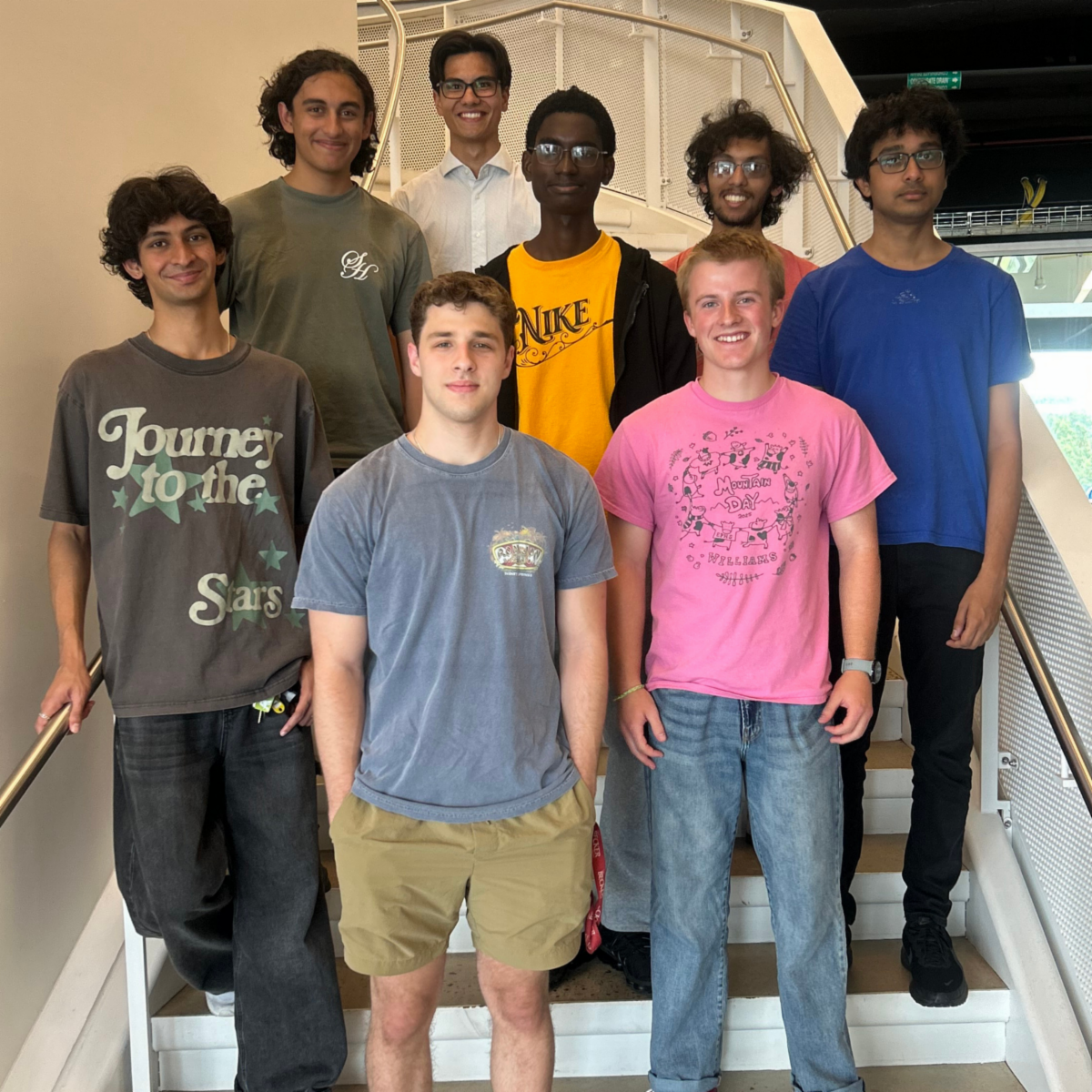
Eight visiting undergraduates gained hands-on experience in quantum physics through projects spanning quantum field theory, superconductor behavior and laser-controlled electrons.
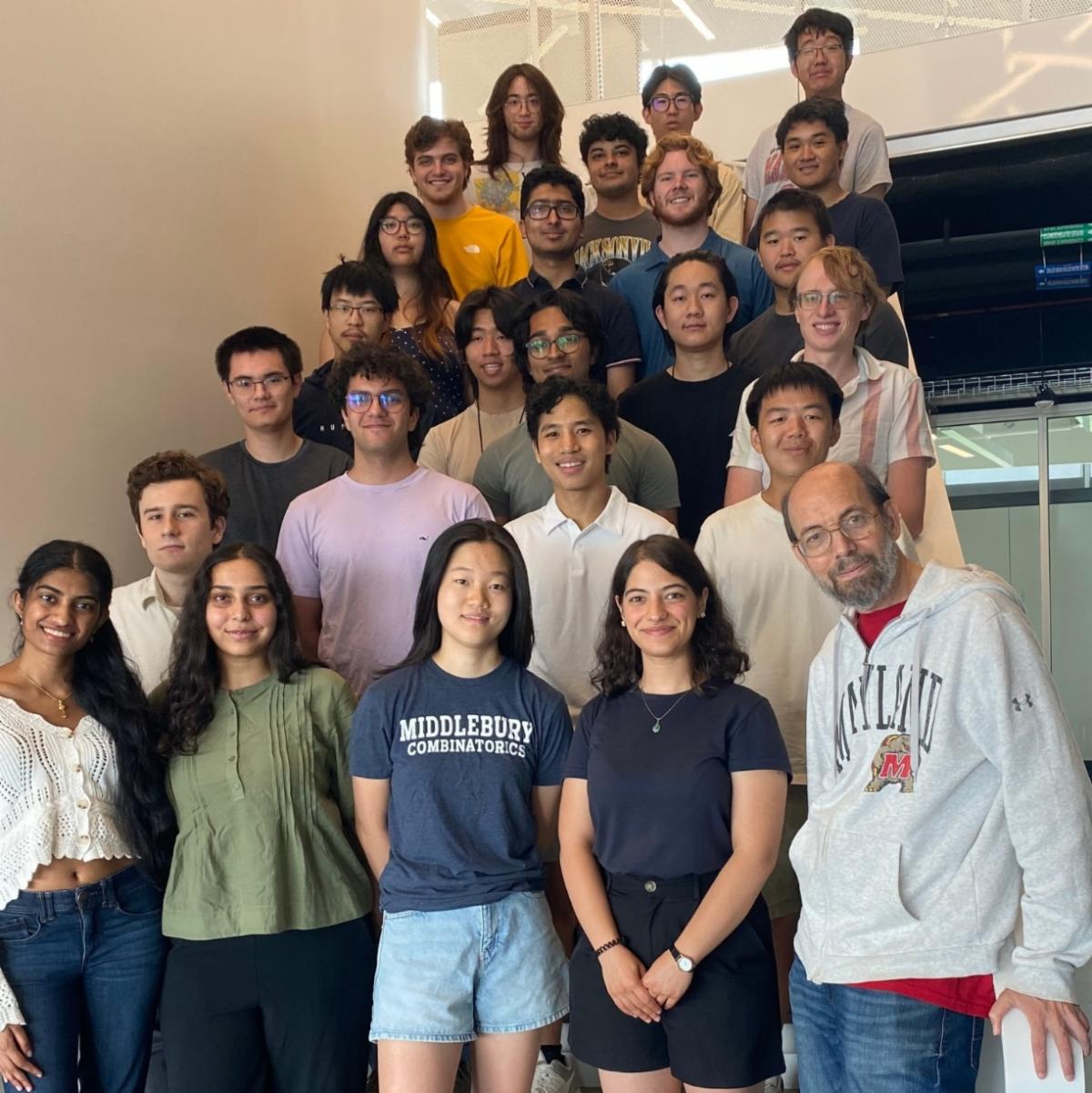
Twenty-seven undergraduates spent 10 weeks at UMD applying computational and mathematical algorithms to challenges in computational biology, AI and parallel computing.
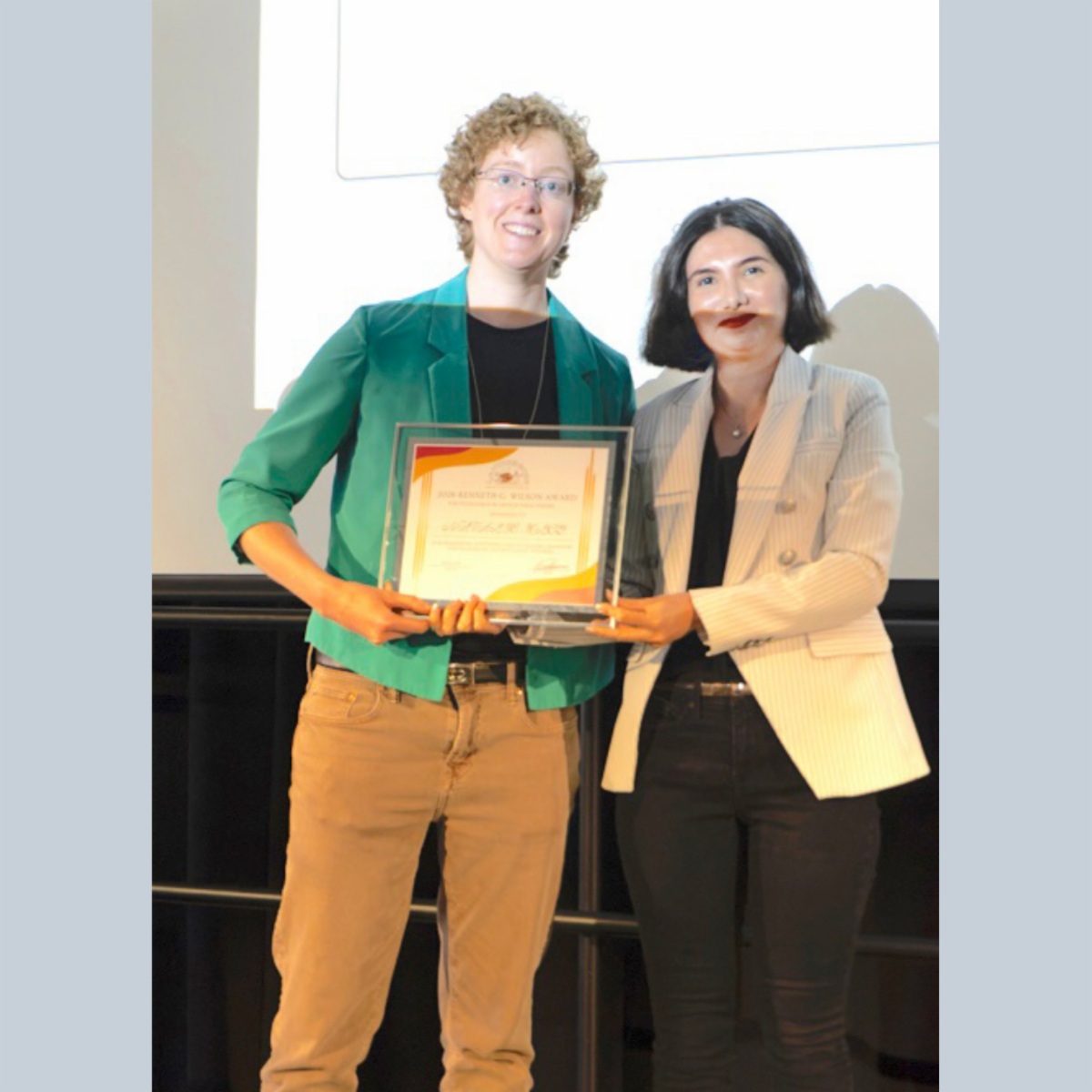
Natalie Klco was honored for advancing digital quantum simulations of lattice gauge theories to tackle problems beyond traditional supercomputers’ reach.
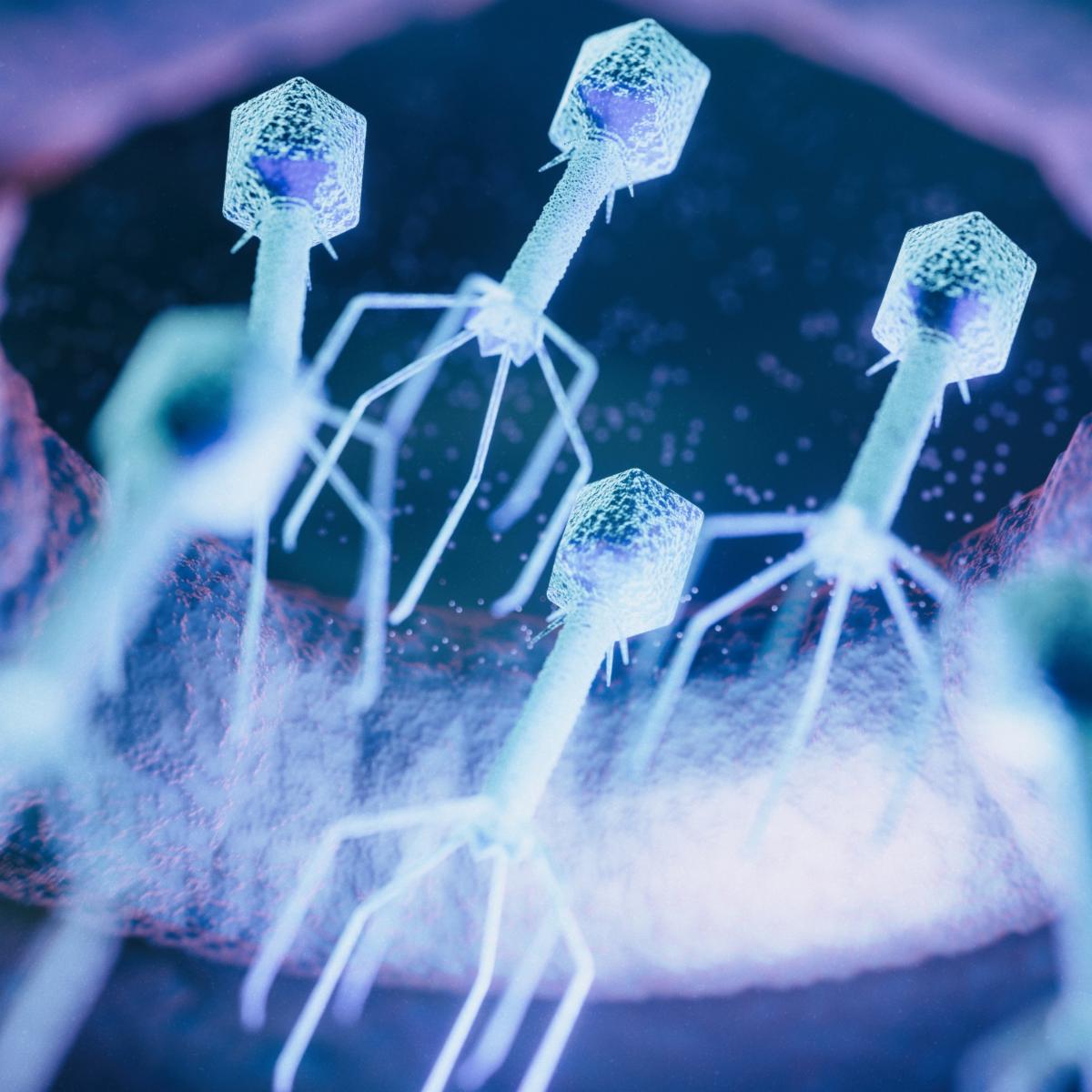
Joshua Weitz and an international team created a single-cell mathematical model that predicts viral infection dynamics, resolving an 80-year-old biological mystery.
University of Maryland Institute for Advanced Computer Studies | Brendan Iribe Center for Computer Science and Engineering 8125 Paint Branch Dr | College Park, MD 20742 US