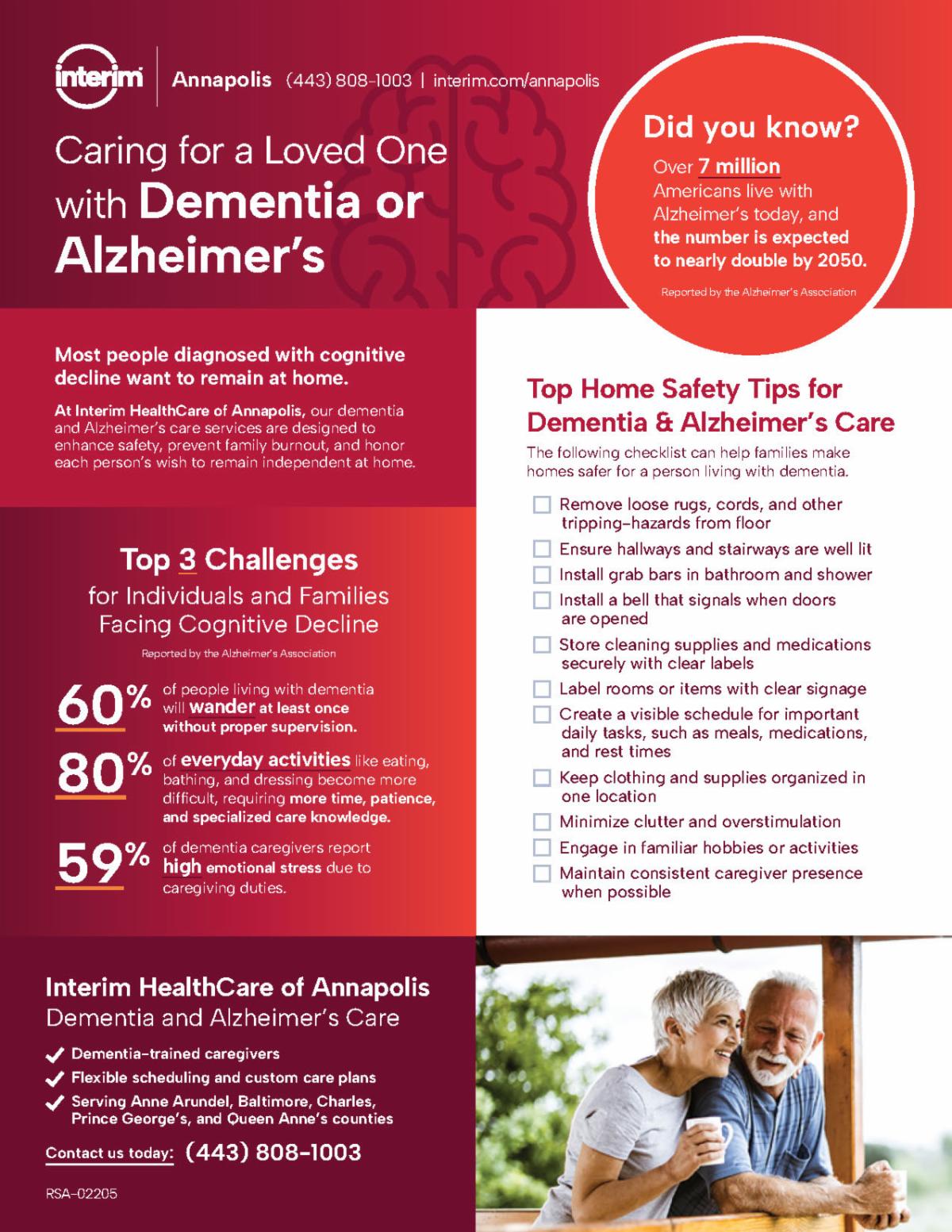
Losing independence following a dementia diagnosis is a fear many individuals have. But having the right support can actually help preserve independence for longer.
1. Support looks different at every stage.
In the early stages of a dementia diagnosis such as Alzheimer's, support might look like gentle reminders and companionship. As symptoms progress, support may mean more hands-on help with daily routines. Care should adjust with your loved one's needs. It's not a one-size-fits-all approach.
2. Small routines matter more than big changes.
Familiar routines, consistent caregivers, and a calm environment help to reduce confusion and preserve a sense of normalcy. We build routines into every care plan , especially for those facing cognitive decline.
3. Dignity comes from how care is given.
Our caregivers are trained to offer support in a way that respects choice and autonomy, letting your loved one do what they can, and stepping in only where it's truly needed.
|