|
Greetings!
As the world marks the International Day for Biological Diversity under the theme “Acting locally for global impact,” this edition looks at forests as a test of implementation. Global goals on climate and nature will be judged less by declarations than by whether incentives, finance and governance change outcomes in forest landscapes.
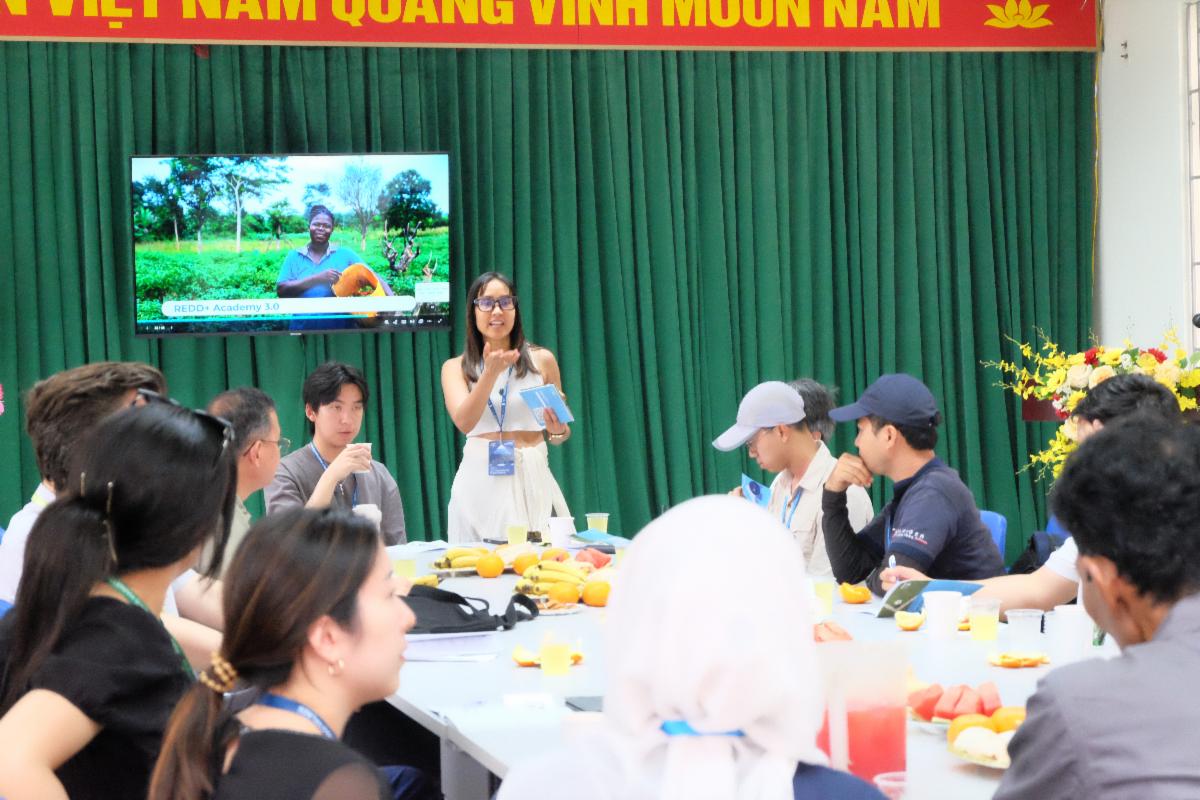
That question ran through recent discussions, from the United Nations Forum on Forests and the Global REDD+ Summit in Nairobi to the Ecosperity Summit in Singapore. In Hanoi, for example, UN-REDD convened government officials, practitioners, SMEs, investors and facilitators from Asia, Africa and beyond to examine how forests can attract investment as productive landscapes, with viable markets and long-term incentives for sustainable management.
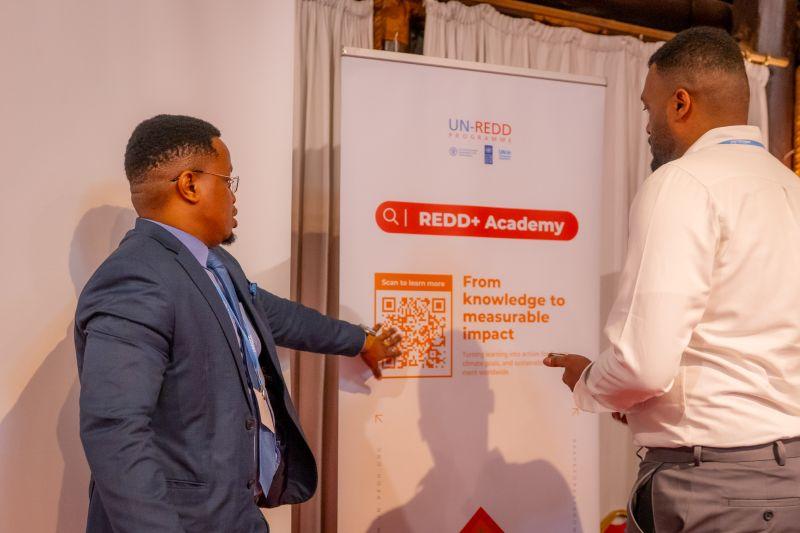
Through these engagements, UN-REDD continues to support knowledge exchange, country collaboration and practical approaches to REDD+ implementation. The Programme also highlighted the REDD+ Academy as a platform for technical learning and peer exchange, while showcasing country experiences from across the regions.
On Biodiversity Day, this edition highlights how the success of forest conservation depends not only on national policies and international finance, but on the choices, incentives and stewardship taking shape in forest landscapes every day.
For more REDD+ news, see the links below.
| | |
IN THIS ISSUE
FEATURE
MORE STORIES
VIDEOS
FOREST PARTNER
PUBLICATIONS
JOBS
| | |
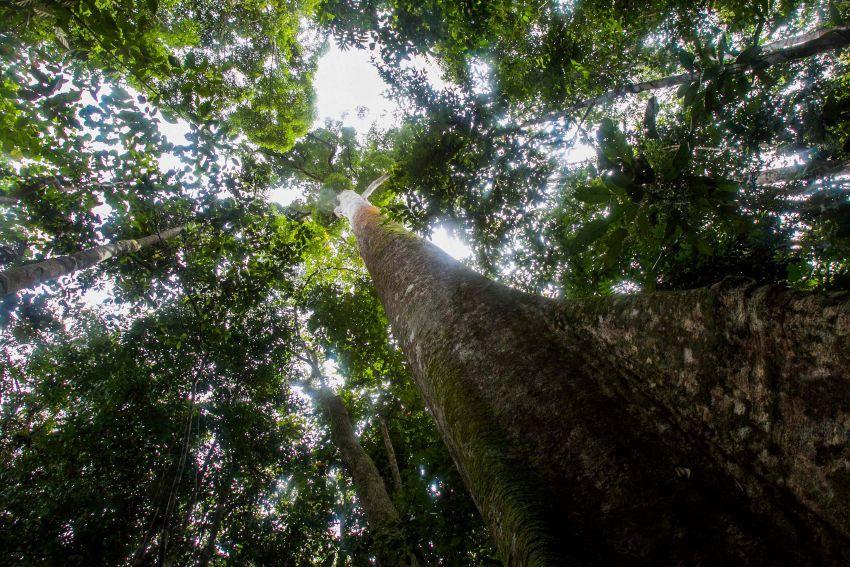
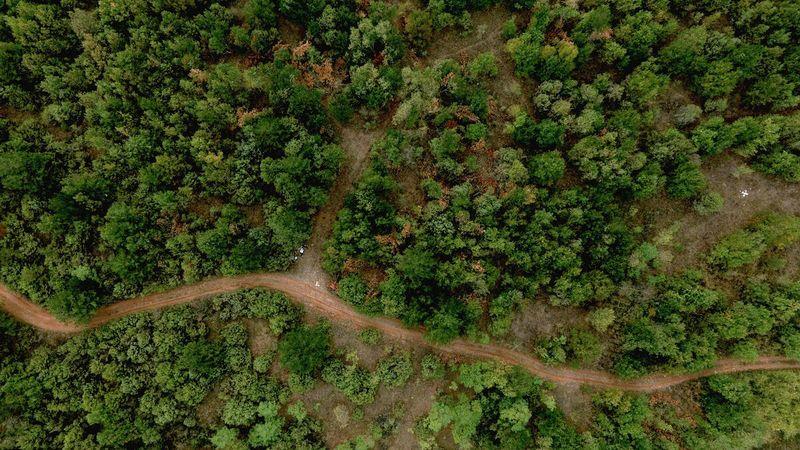
Forests are under growing pressure. Every year, millions of hectares of tree cover disappear, taking with them biodiversity, water cycles, climate stability, and the livelihoods of Indigenous Peoples and local communities.
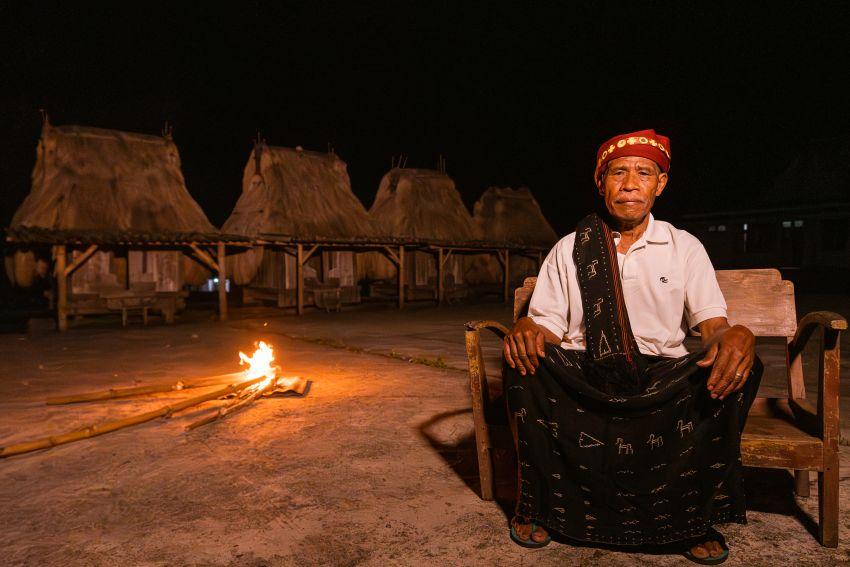
On the International Day for Biological Diversity, this loss reminds us that forests are more than carbon stores. They are living ecosystems where species survive, watersheds are protected, food systems are sustained, and cultures and local economies thrive.
| | |
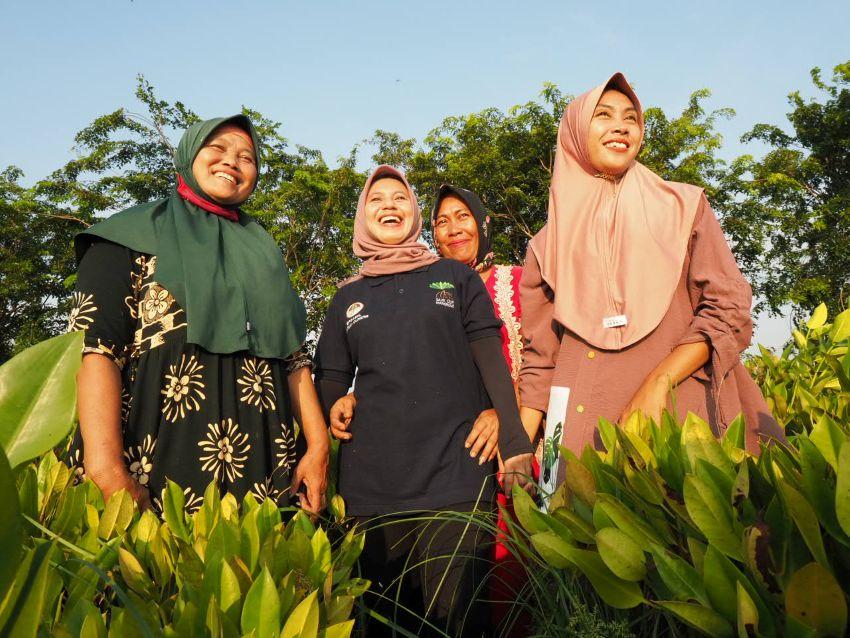
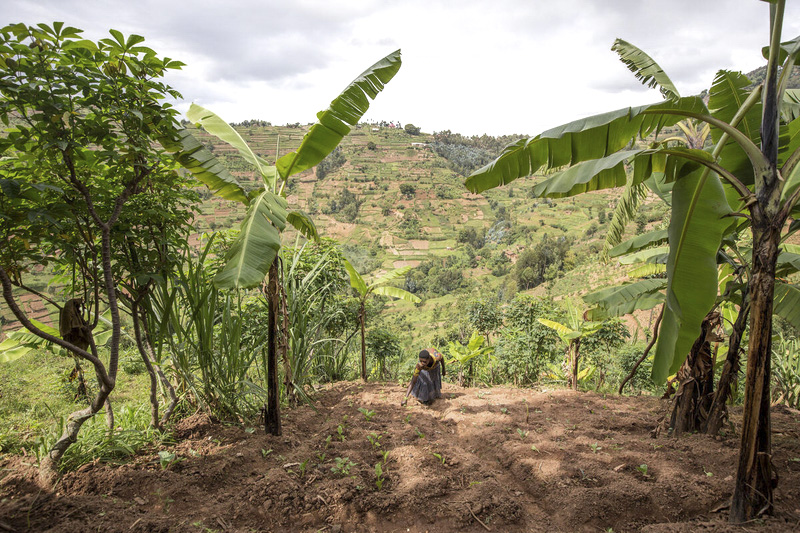
New REDD+ learning journal highlights the power of social inclusion and gender equality
Placing social inclusion and gender equality at the centre of REDD+ helps ensure that forest-based climate action delivers more than emission reductions.
It strengthens rights, builds local ownership, and reinforces the long-term integrity and sustainability of REDD+ results. By valuing the knowledge, leadership and participation of forest-dependent communities, REDD+ can help create more resilient forests and a healthier future for all.
Read more
| | |
From principles to practice: ASEAN and UN-REDD launch new guidance on nature-based solutions in the forestry sector
Across ASEAN, forests are increasingly recognised not only as vital ecosystems and sources of livelihoods for local communities, but also as essential to addressing climate change, biodiversity loss, and rural poverty.
As countries strengthen sustainable forest management and climate resilience efforts, new ASEAN Guidelines and Toolkit on Nature-based Solutions and Ecosystem-based Approaches in the forestry sector are providing practical support to help translate these approaches into action.
Read more
| | |
Capital is ready but forest economies still lack investable markets
Between 31 March and 1 April, UN-REDD convened over 60 participants in Hanoi, Viet Nam, including government officials, practitioners, SMEs, investors, and facilitators from Asia, Africa, and other regions.
The discussions explored an increasingly central question in climate and development policy: how to finance forests not only as protected areas, but as productive economic systems with viable market demand.
Read more
| | |
Advancing Indigenous Peoples’ leadership in climate finance: lessons from UNDP’s GCF forest portfolio
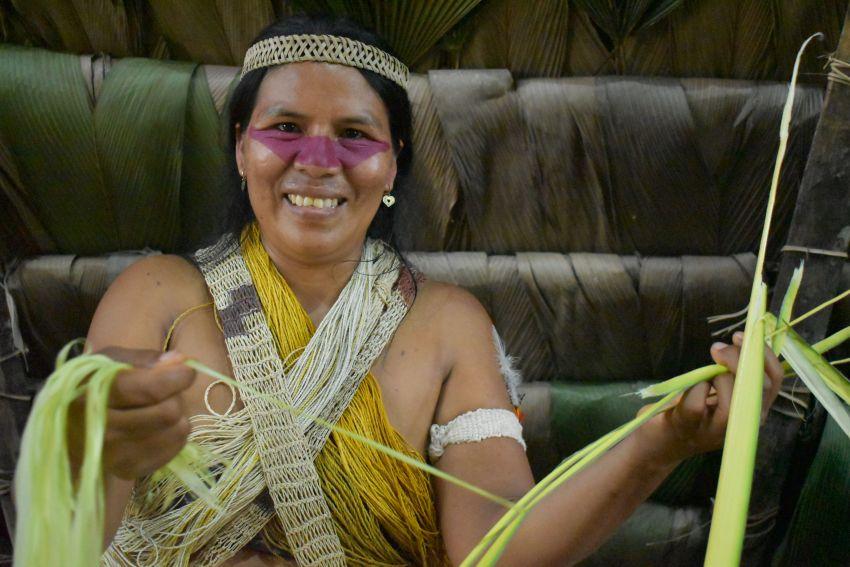
Indigenous Peoples are among the world’s most effective forest stewards, yet climate finance often fails to reach them or adequately support their rights and self-determination.
A new UNDP information note, Climate Finance & Indigenous Peoples: Lessons from the UNDP-GCF portfolio in the forest & land sector, draws lessons from six GCF-supported national programmes to demonstrate how more inclusive and effective climate finance approaches can be achieved.
Read more
| | |
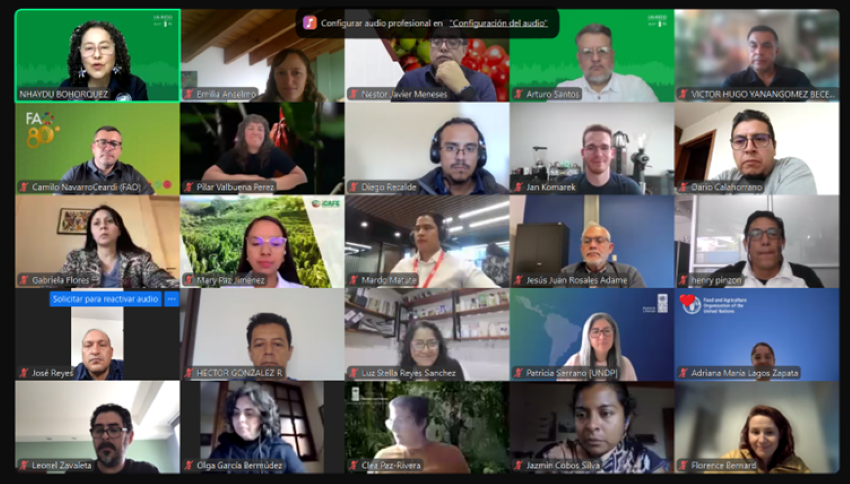
What is required to strengthen governance systems in support of forest carbon markets in Latin America?
As it is known, forest carbon market governance in Latin America is undergoing rapid consolidation, driven by climate urgency and the region’s strategic forest ecosystems.
With vast biodiversity, extensive tropical forests with high carbon sequestration capacity, and growing international demand for Nature‑Based Solutions, the region has become a central actor in both voluntary and compliance carbon markets.
Read more (English, Spanish)
| | |
It's not all academic: the REDD+ knowledge and impact showcase
As the world moves closer to the 2030 forest and climate targets, REDD+ countries are no longer at the beginning of their learning journey.
Over more than a decade, they have built institutions, strengthened forest monitoring systems, developed national policies, and tested a wide range of implementation approaches. The question now, as repeatedly echoed during the UN-REDD Kenya reception held on the margins of the Global REDD+ Summit in Nairobi, is how this accumulated experience can be systematically translated into impact at scale.
Read more
| | |
Indonesia moves to strengthen nesting framework as forest carbon markets enter new phase
Indonesia is advancing efforts to strengthen one of the most critical aspects of the emerging forest carbon economy: aligning project-level carbon activities with national climate accounting systems.
Known as “nesting,” this issue is becoming increasingly central to the credibility and scalability of jurisdictional REDD+ and forest carbon markets globally, particularly for Indonesia, home to some of the world’s largest tropical forests, peatlands and mangrove ecosystems.
Read more
| | |
Enhanced reporting on forest public expenditure: Outcome of the pilot activity in Latin America
As governments face growing economic, social, and environmental demands, finance ministries are increasingly in need of more robust information tools to design public policies aligned with two fundamental financial principles of state management: efficiency and effectiveness in the use of public resources.
Just as there has been a trend toward improving the quality and granularity of information on climate change, there has been a need to quantify other categories of public spending, such as spending on gender, science and technology, and, more recently, forestry, among others.
Read more
| | |
From farm to consumer: Regional dialogue to strengthen sustainable and deforestation-free cocoa value chains
On 27 March 2026, the UN-REDD Programme convened the regional workshop From Farm to Consumer: Articulation for Resilient, Sustainable and Forest-Friendly Agri-food Value Chains, with a focus on the cocoa sector in Latin America and the Caribbean.
The webinar brought together producers, associations, private sector actors, governments, and international partners to discuss challenges and opportunities across the cocoa value chain, and to identify pathways to strengthen resilience, sustainability, and competitiveness in a changing global context. It forms part of a broader series of webinars held across the LAC region.
Read more (Webinar 1, Webinar 2)
| | |
From vision to action: countries explore pathways to national implementation of the Addis Action Roadmap
The Addis Action Roadmap for Sustainable Forests and Agriculture (From vision to action: Roadmap for sustainable forests and agriculture in Africa) was adopted earlier this year by representatives of 10 African countries, with its official publication launched last month. Together, these countries cover 7% of the world's forests and 43% of Africa's forests (FAO, 2025).
This is not the conclusion of a process; rather, this is a milestone representing the beginning of a country-led process for its implementation.
Read more
| | |
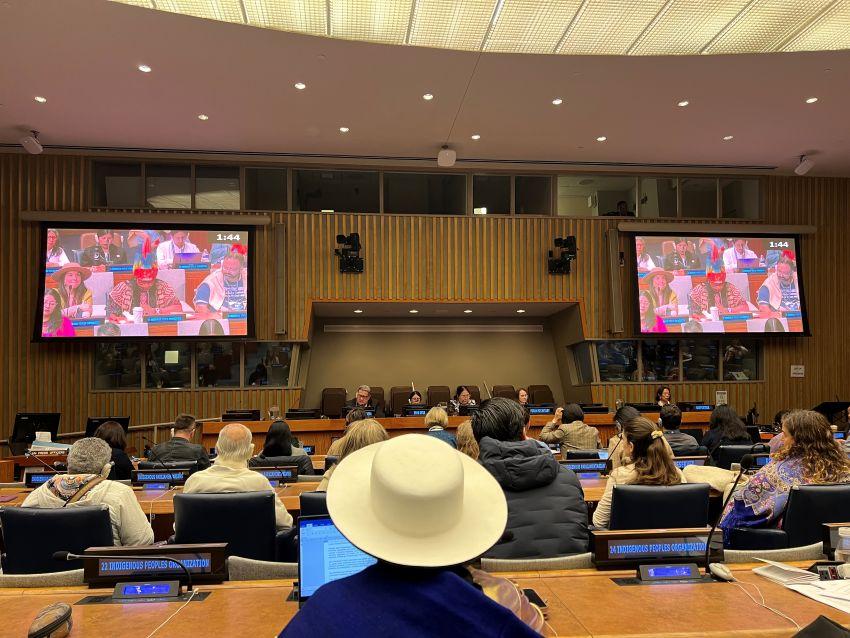
Centering Indigenous leadership in climate and forest solutions: Lessons from UNPFII 2026
At the 2026 session of the United Nations Permanent Forum on Indigenous Issues (UNPFII), held under the theme “Ensuring Indigenous Peoples’ health, including in the context of conflict,” a central message emerged: the health of Indigenous Peoples is inseparable from the health of their lands, territories, and ecosystems. These are not parallel crises, but a single, interconnected reality that requires integrated, rights-based solutions.
Throughout the Forum, Indigenous leaders consistently emphasized the deep interconnection between health, nature, land, spirituality, and people.
Read more
| | |
Understanding the impacts of social forestry in Lao PDR
Social forestry (SF) has been expanding across Southeast Asia for more than four decades. Between 2010 and 2024, the area under SF increased from 6.7 million to over 15.3 million hectares. This expansion has gone hand in hand with the strengthening of legal frameworks aimed at securing rights and enhancing benefits for local tenure holders.
The growth trajectory is expected to continue, with several countries setting ambitious targets. For example, Cambodia aims to reach 2 million hectares of social forestry by 2029 (equivalent to 31.6% of its 2025 forest area), Indonesia targets 12.7 million hectares by 2030 (13.2%), while in Lao PDR the potential is estimated at around 6 million hectares by 2030 (46.0%).
Read more
| | New learning journals launched | | |
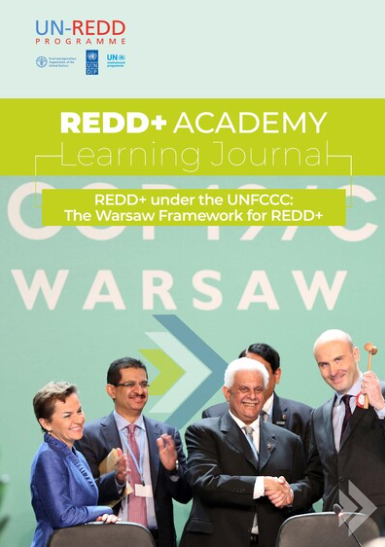
Learning Journal: REDD+ under the UNFCCC - The Warsaw Framework for REDD+
This journal explains the significance of the evolution of REDD+ under the United Nations Framework Convention on Climate Change (UNFCCC), with a focus on the key decisions that laid out the required elements for implementation and access to results-based payments for REDD+ results achieved.
Explore the journal and tools here
| |  | |
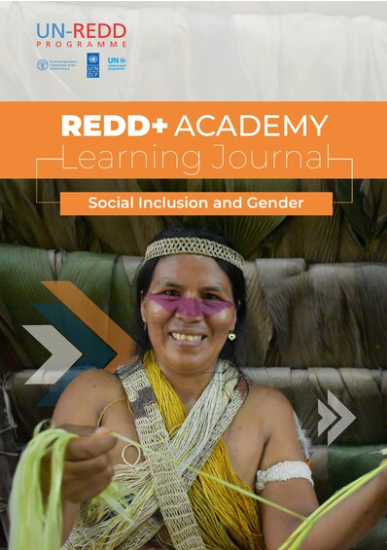
Learning Journal: Social Inclusion and Gender
It highlights the importance of integrating social inclusion and gender considerations into REDD+ policies and actions, demonstrating how equitable participation, social inclusiveness, and gender-responsive approaches strengthen outcomes for forests, communities, and climate goals.
Explore the journal and tools here
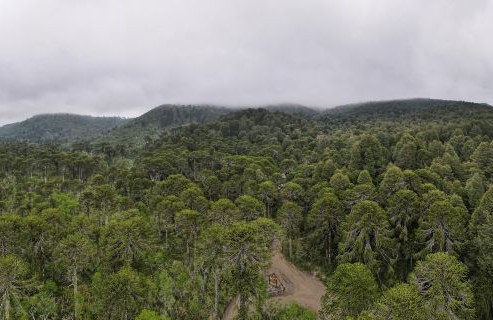
| | | Forest Investments Marketplace held in Hanoi, Viet Nam | | Kume Ziwlliñ Mapu Group, Native Forest Producers Program | | Who Really Saved Nepal’s Forests? | FECOFUN Chair Thakur Bhandari on Community Forestry | | | | |
CONNECT
Stay connected with the UN-REDD Programme
|
| | |
This resource is made possible through support from Denmark, Japan, Luxembourg, Norway, Spain, Switzerland and the European Union.
Content provided by UN-REDD Programme staff, partner countries and guests.
All images used courtesy of license holder or through Creative Commons license.
| | | | |