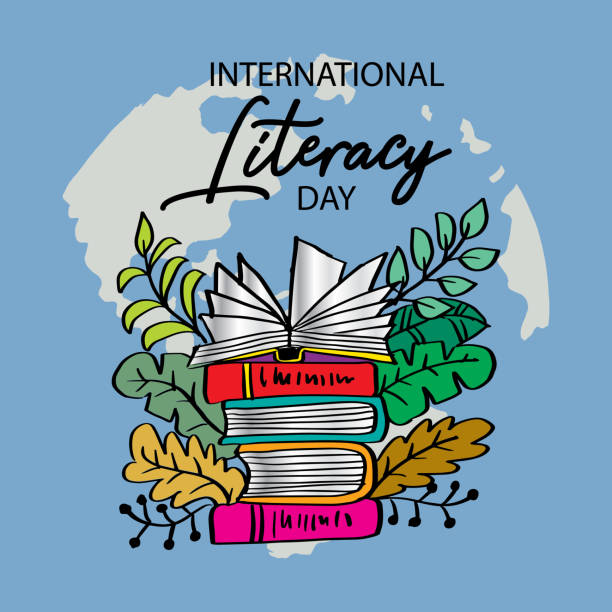
International Literacy Day: Empowering Through Education
Every year on September 8, the world observes International Literacy Day (ILD), a reminder of the transformative power of literacy. Established in 1966 by UNESCO (United Nations Educational, Scientific and Cultural Organization) the day was created to promote awareness of the importance of reading and writing as essential tools for dignity, empowerment, and sustainable development.
The roots of ILD lie in UNESCO’s post–World War II mission to advance global peace and progress through education. At the time, hundreds of millions of adults lacked basic reading and writing skills—a barrier that limited not only personal growth but also economic and social development. By declaring an annual day dedicated to literacy, UNESCO emphasized that education is a human right and a foundation for stronger societies.
Since its first celebration in 1967, International Literacy Day has grown into a global movement. Each year, governments, schools, and organizations mark the day with events ranging from community reading campaigns to international conferences. The focus themes—such as digital literacy, lifelong learning, and literacy for sustainable development—highlight the evolving nature of education in a changing world.
While progress has been made, challenges remain. According to UNESCO, over 750 million adults worldwide still lack basic literacy skills, two-thirds of them women. For children, inequities in access to schooling, resources, and technology continue to deepen the literacy gap. International Literacy Day serves both as a celebration of achievements and a call to action to ensure no one is left behind.
The takeaway is clear: literacy is more than the ability to read and write—it is the key to opportunity. It empowers individuals to participate fully in society, secure meaningful work, and shape their futures. By honoring International Literacy Day, we reaffirm a shared commitment to making literacy a universal reality.
|