Intertidal Experiential Education

For most teachers, it's hard to not view educational activities through the eyes of the traditional classroom leader: Is the lesson plan being executed? Are the students properly engaged (doing what they were instructed to do)? And how will I grade them on their work?


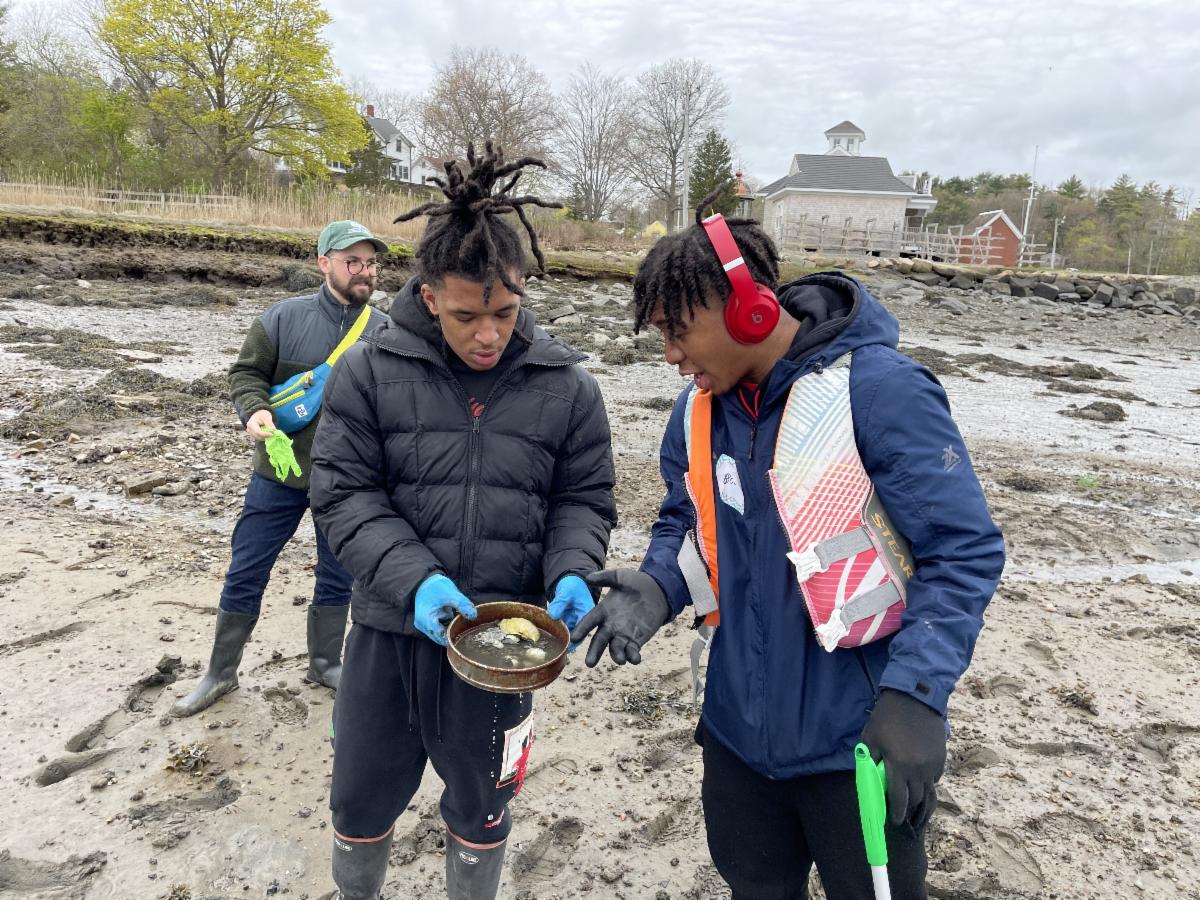
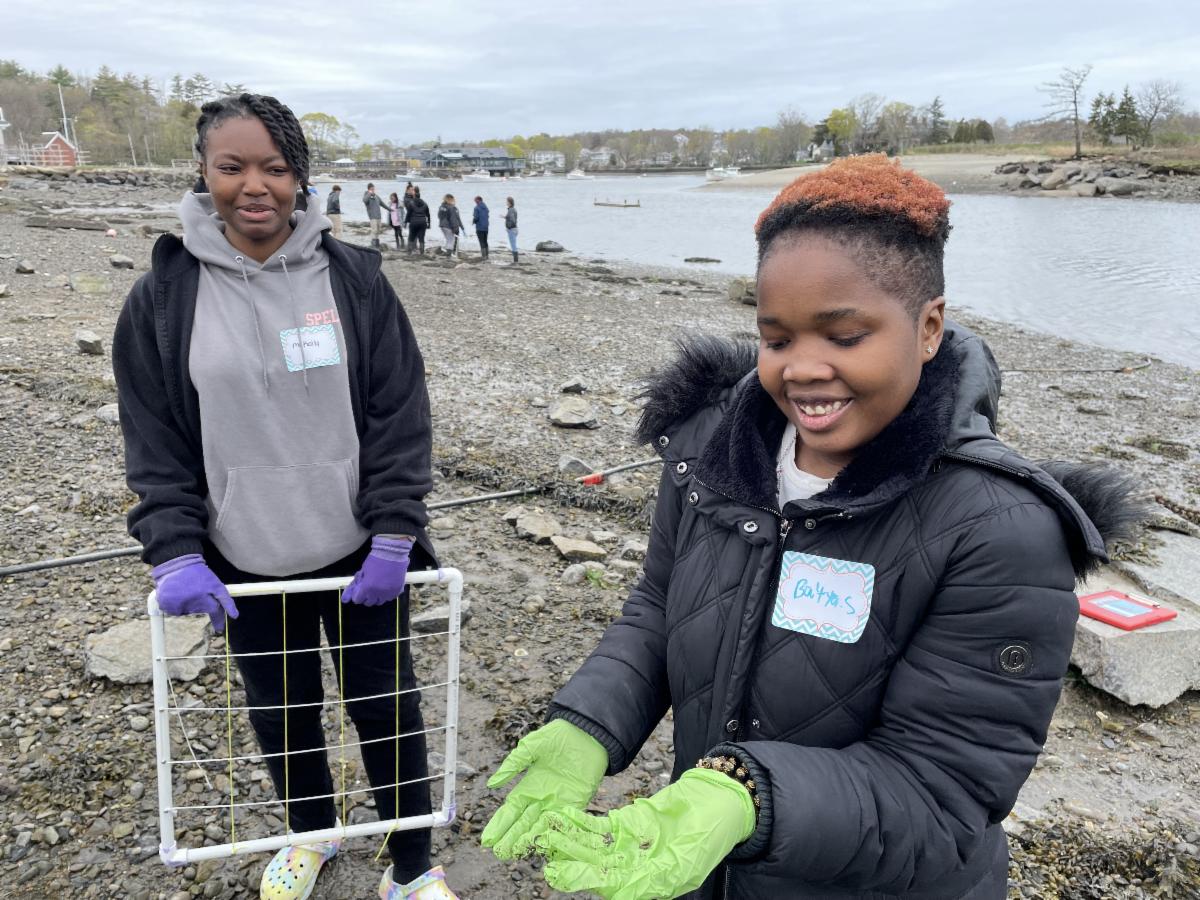
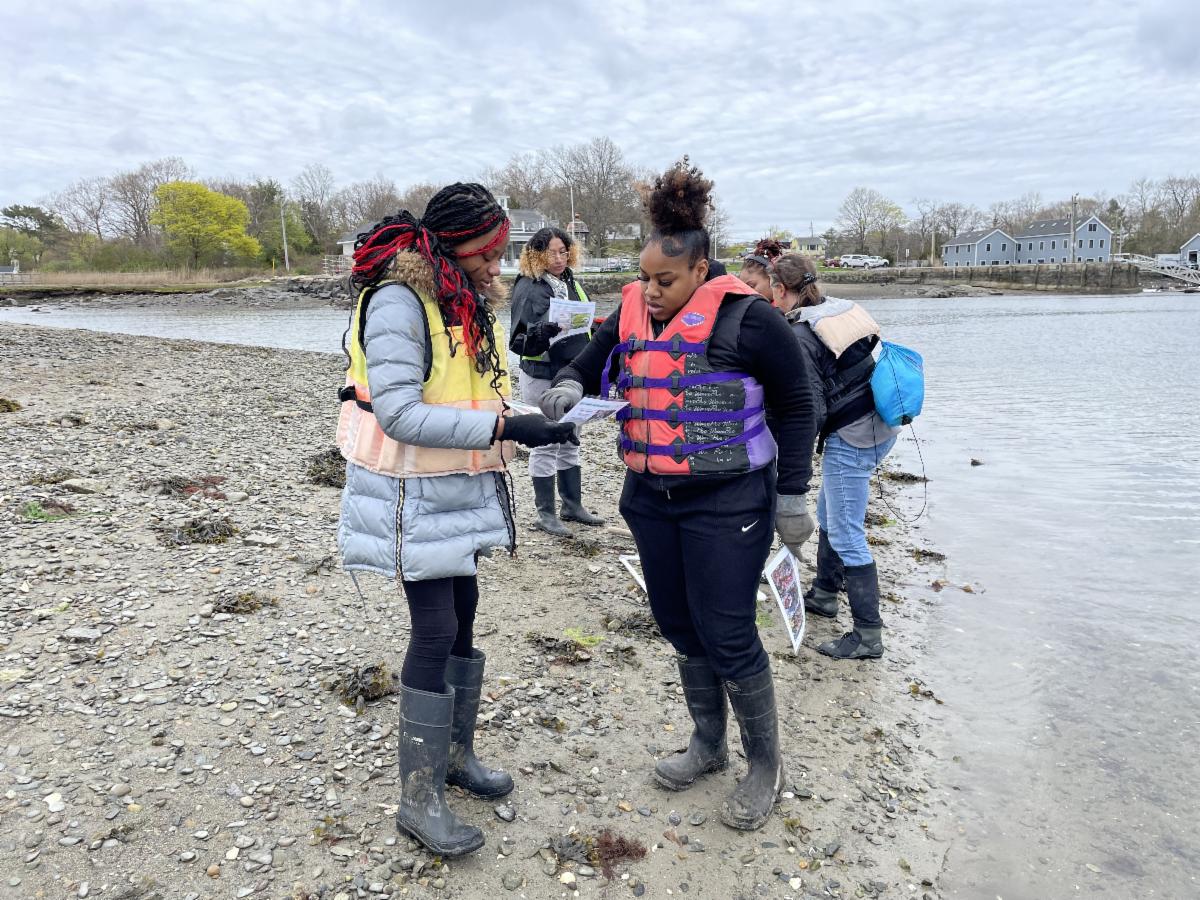
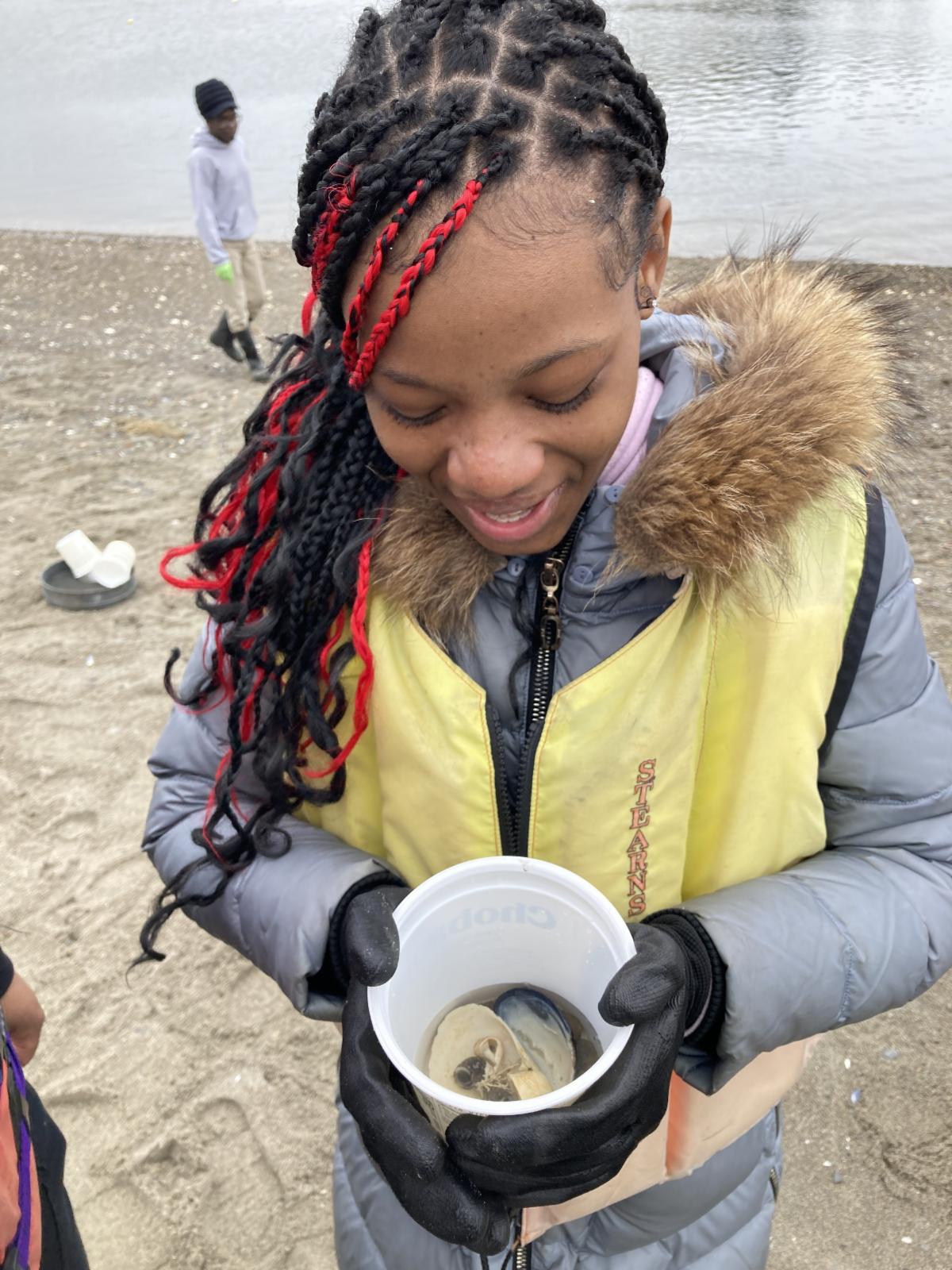
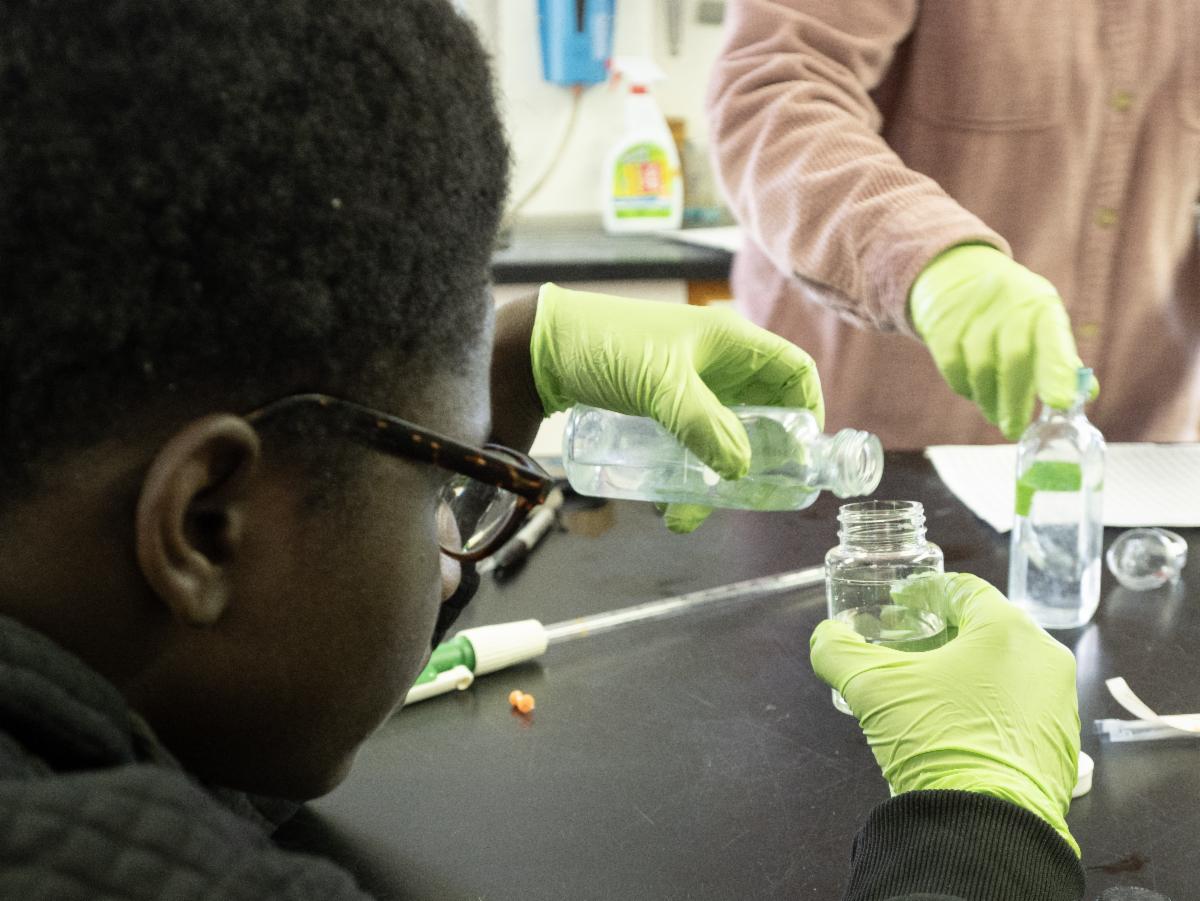
But, experiential educators know that teaching in the outdoor space brings with it a different set of metrics: How does "place" invite observation and exploration? In how many ways are students engaged in and with the space? In what ways are the cautious and deliberate drawn into the learning experience that are comparable to the ways in which the intrepid fully immerse themselves? Are students balancing their explorations and observations in ways that enable them to meet teacher-expectations while exercising agency? In what ways are student voice and choice empowering a deeper connection with the space and place? Have students been equipped with the needed preparation and tools to take full advantage of the learning opportunities that are unique to the place, space, and time (of day or year)? And finally, the place-based educator is less concerned with grading and more interested in reflection, even if that reflection is deeply entwined with math and science proficiencies-- how might I understand what meaning the students are deriving from the experience? Instead of "how will I grade them" questions, evaluation shifts to helping them reflect in ways that enable a deeper understandings of the place where they experienced the activities. "Show me what you learned about ways in which the science community understands and values intertidal ecosystem diversity" differs greatly as a prompt and challenge from the traditional prompt, "you need to know this for the test."

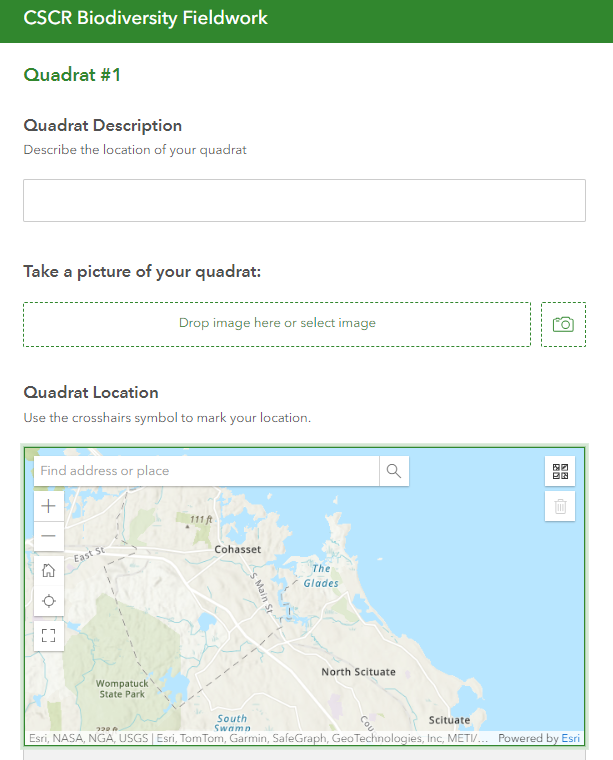
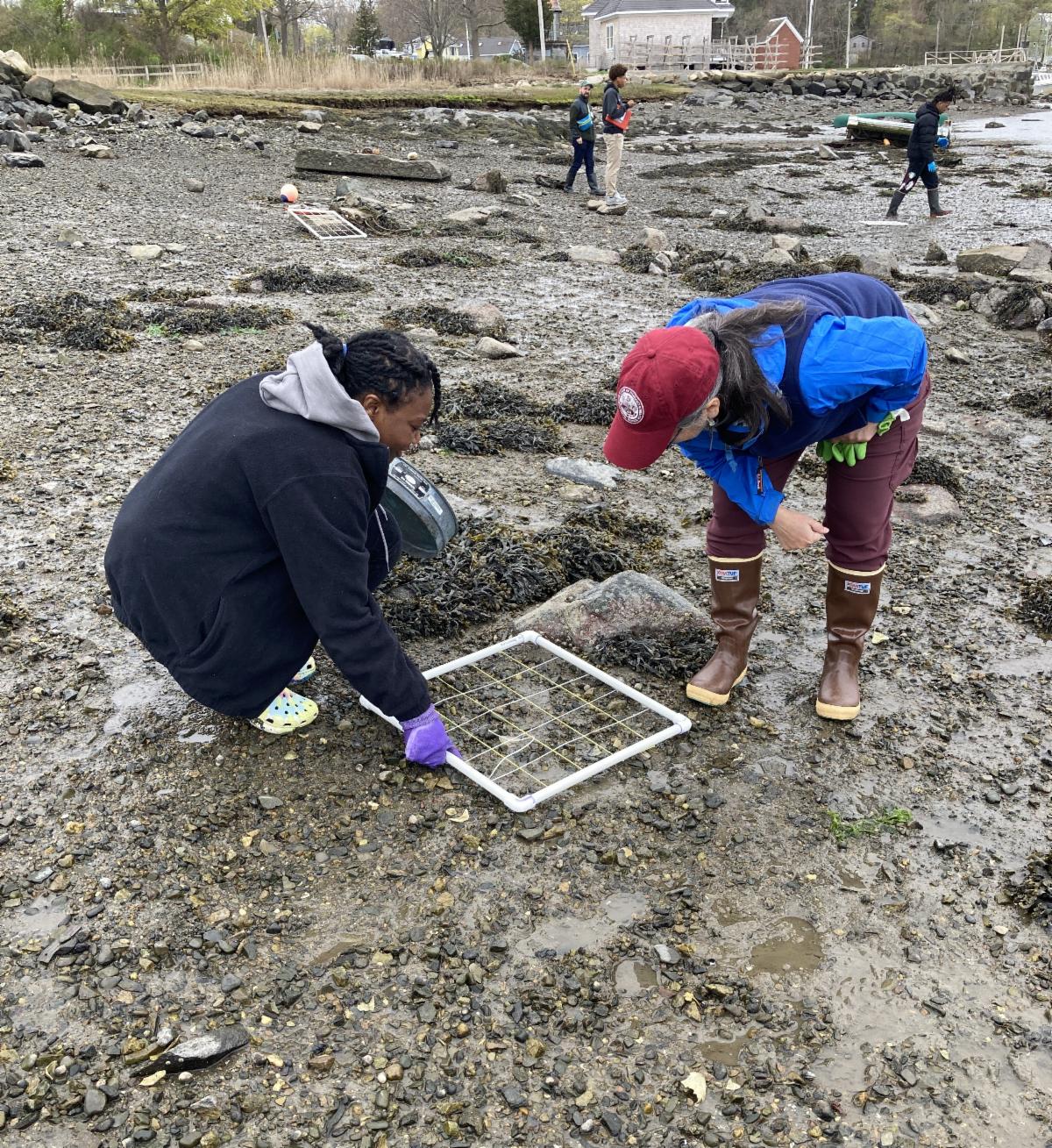
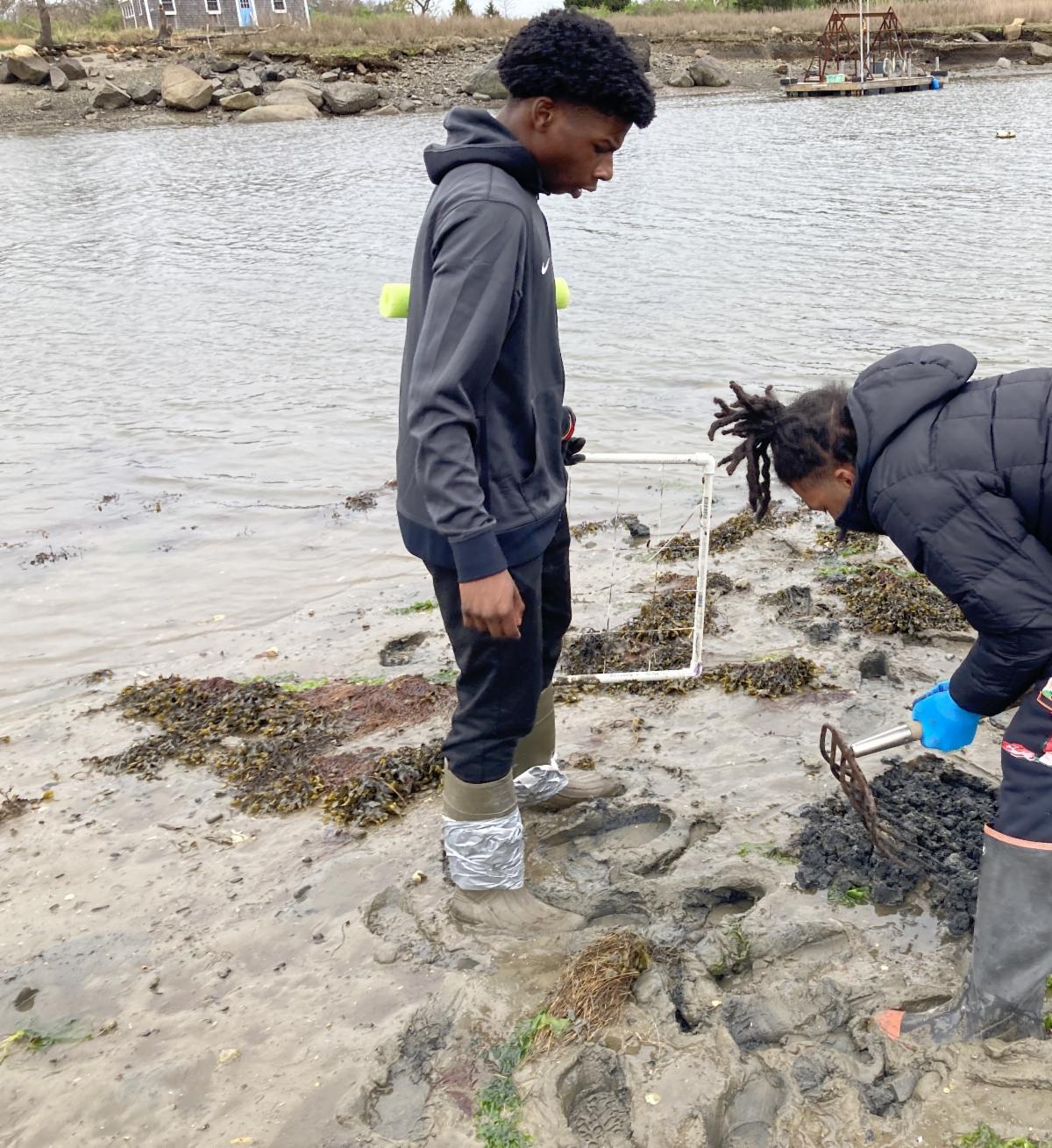
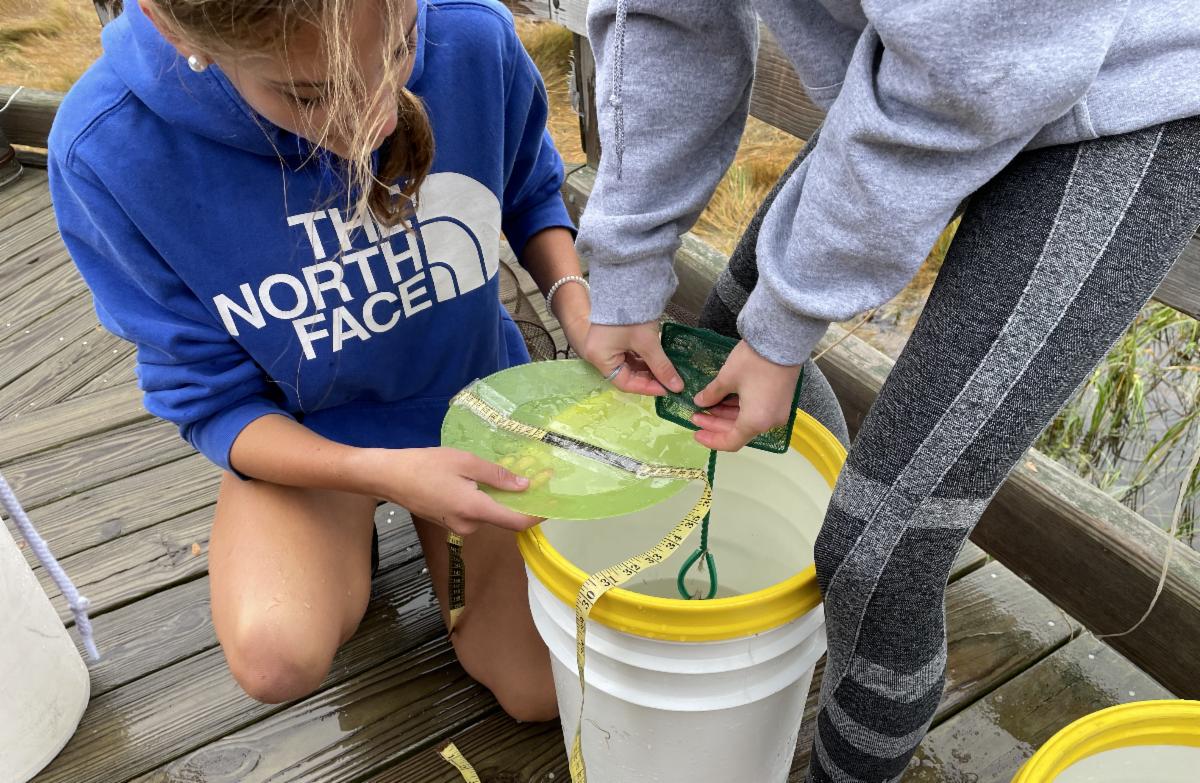
Students used Survey123, an ArcGIS Online tool (made by Esri) that transforms a student phone into a field data collection tool. Using quadrats and field guides, student made observations and collected data about species richness and diversity in the intertidal zone.

Survey123 screenshot.

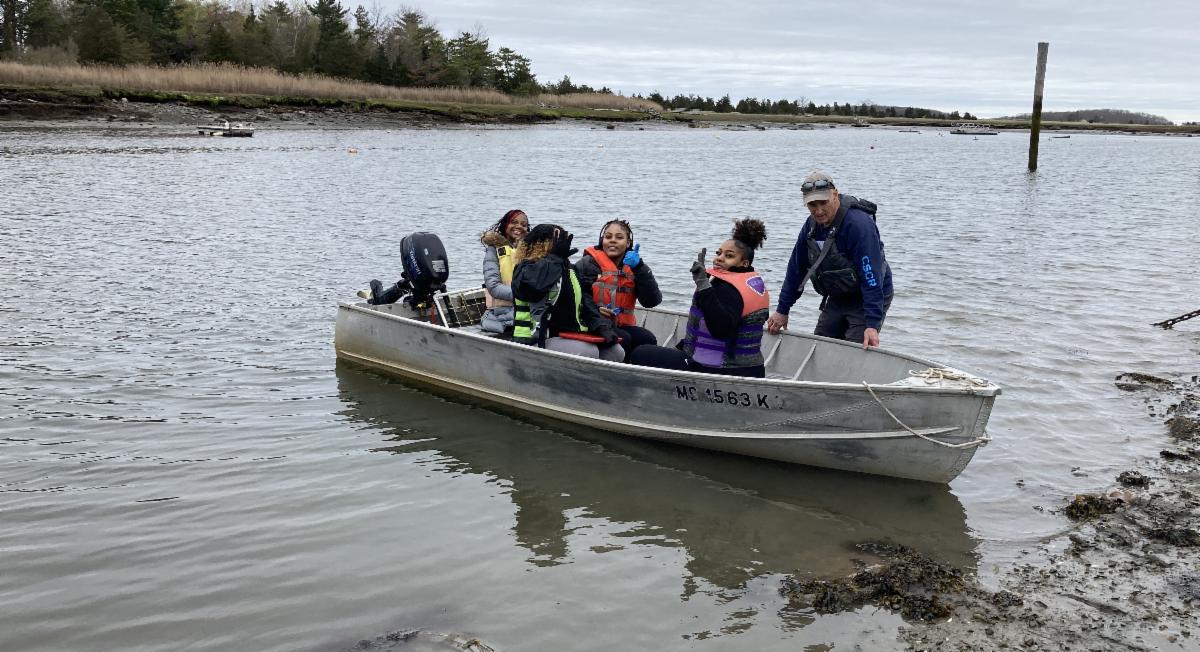
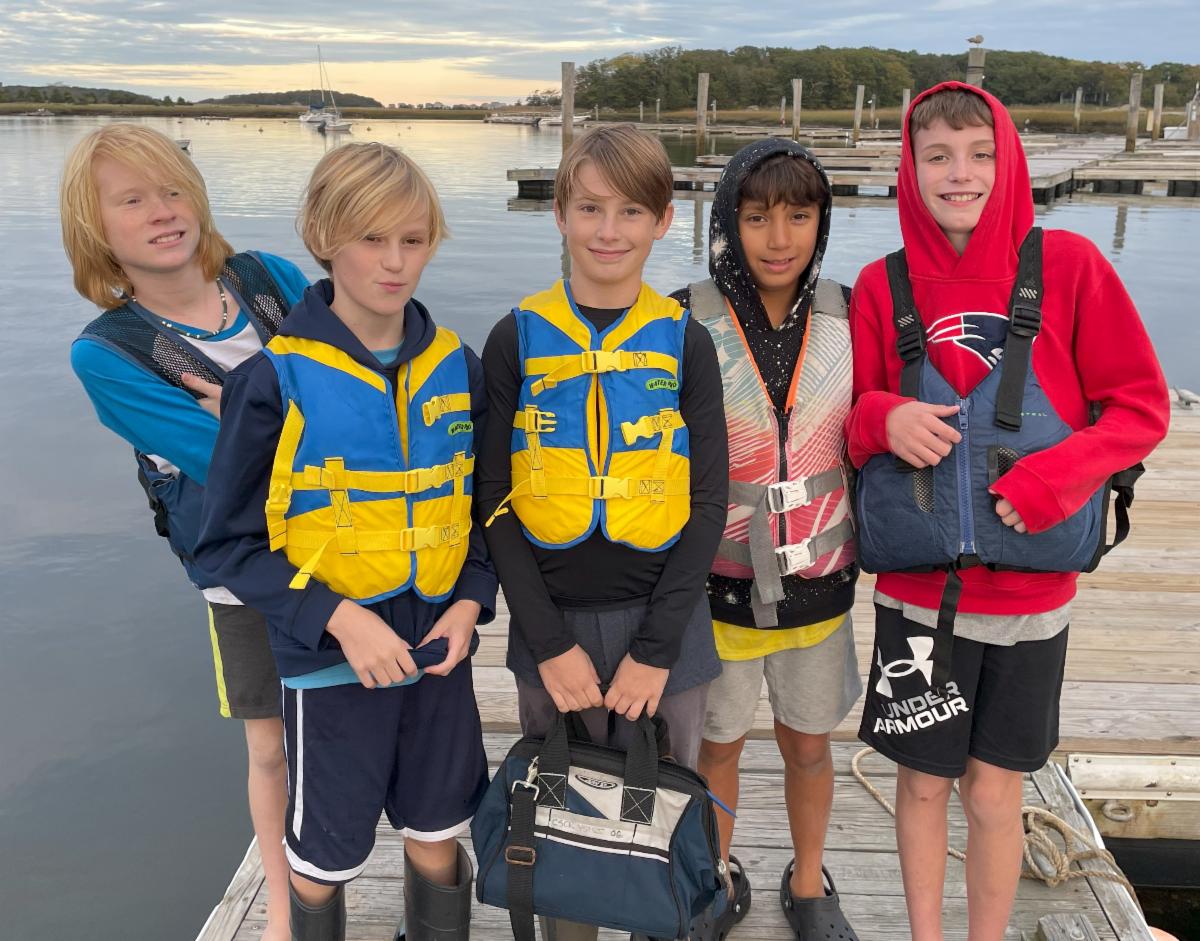
Our work with Codman Academy students and staff is funded, in part, by a NOAA BWET grant. As we wrote in our 2021 application, "the pandemic has taught us that all students everywhere need hands-on, authentic, outdoor experiences that are relevant to the things they care about." Our work with Codman Academy, Cohasset High School, South Shore Charter School, and Bourne, Hanover, Hingham, Hull, Scituate high schools, among others, affirms this claim. Evidence abounds at CSCR that students everywhere need to be regularly and fully immersed in outdoor, project and place-based, experiential, environmental education. This is the process by which we and our partners continually reimagine “how, where, when, what, and why students learn.” Our work, we emphasized in our grant application, is perfectly aligned with NOAA’s program goal, “redefining how we approach outdoor education and stewardship for our K-12 educational population” (BWET FY 2021 Notice of Funding Opportunity, p 18).

We can always use learning standards (and we do) against which we might measure student understanding, but sometimes providing well planned and well supported activities in the outdoor setting is all we need to do to empower the student to experience the joys of learning.

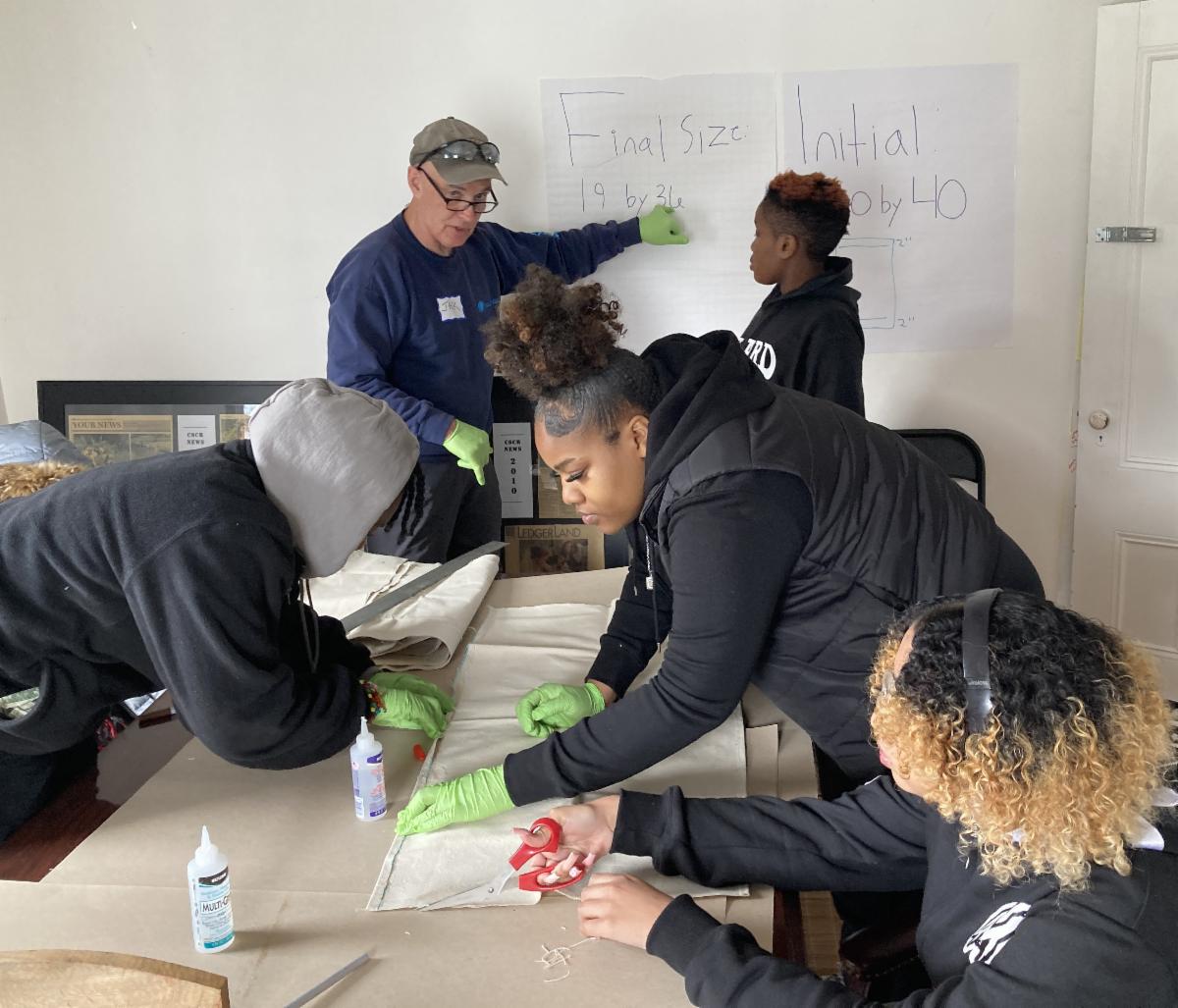
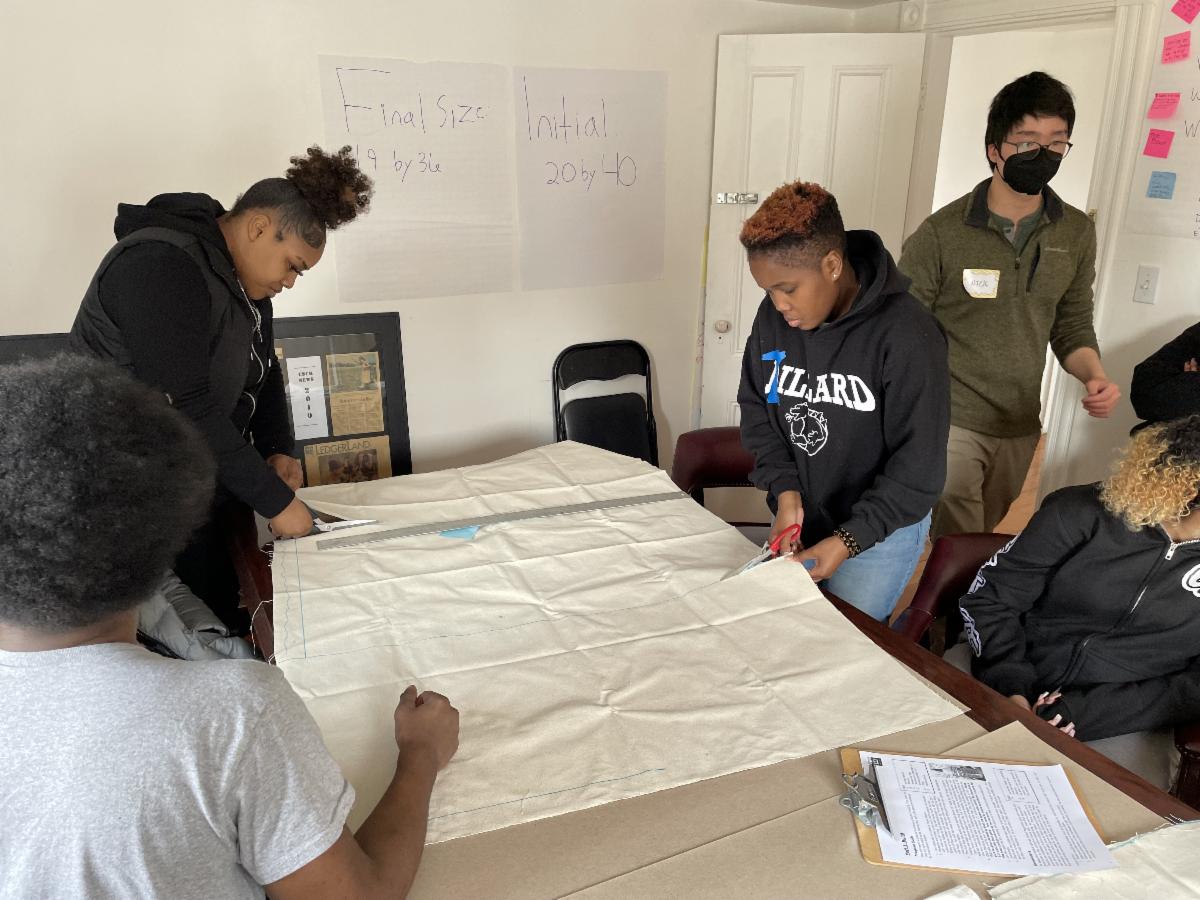
Below: Preparing sails for surface current ocean drifters.

This is how we roll.

Join Us.

Become a member of a

CSCR Varsity Research Team.


Learn More
REGISTER

As shared last week, here's what you can do this summer at CSCR.

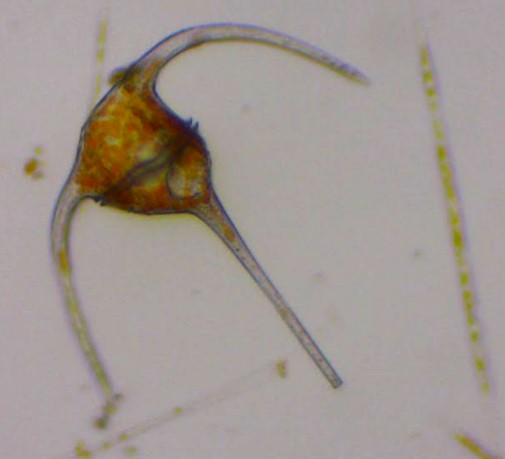
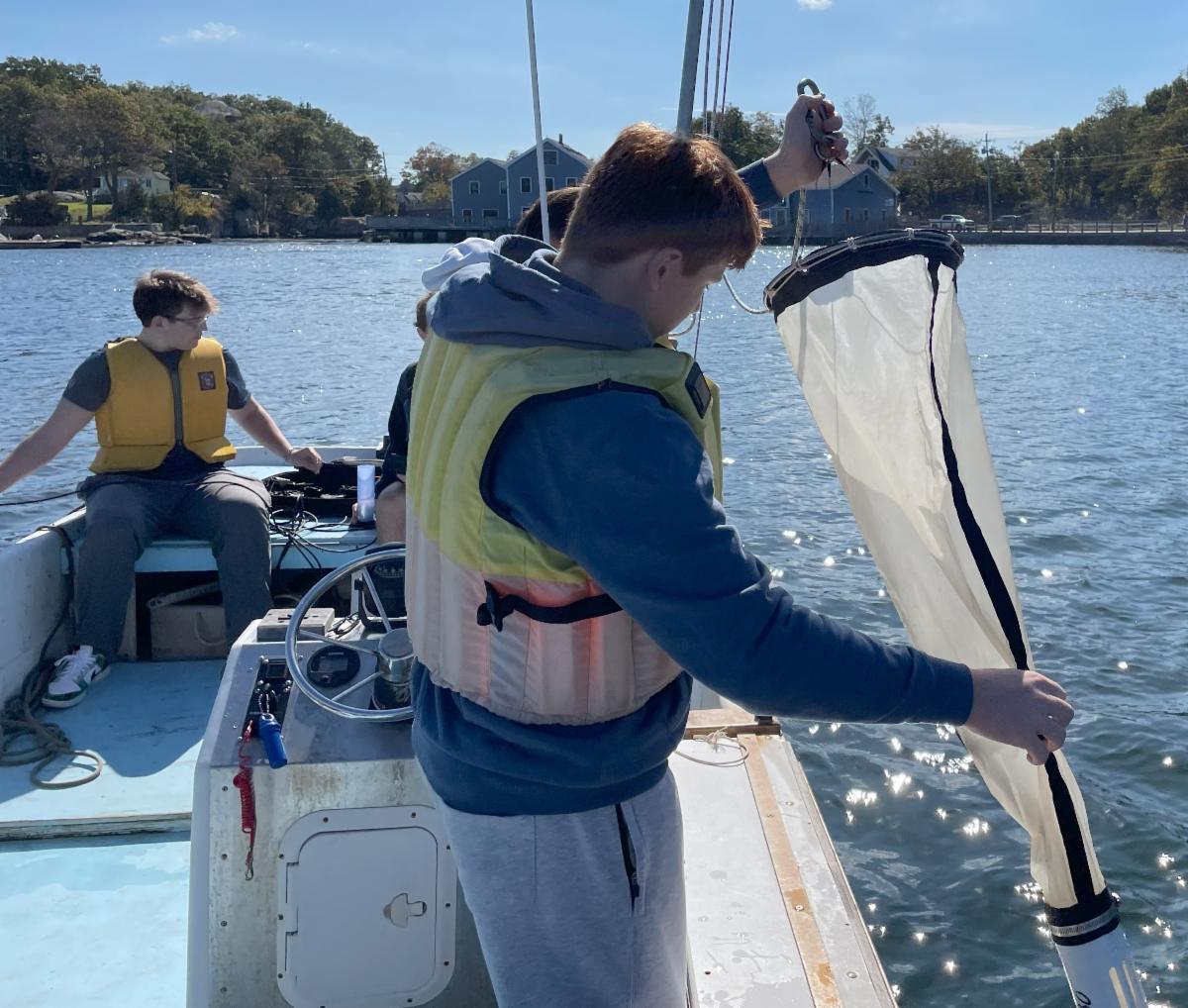
onduct plankton studies...

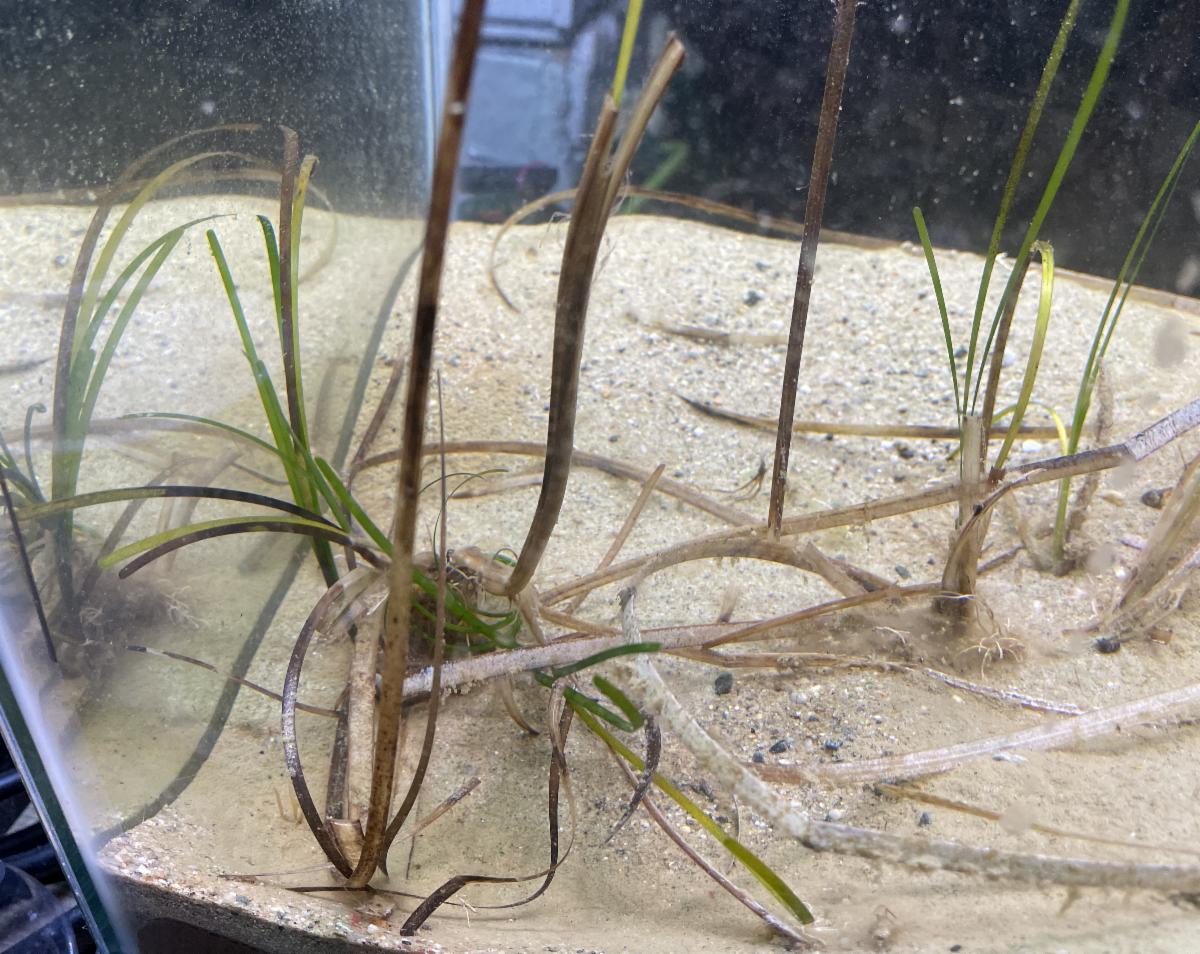
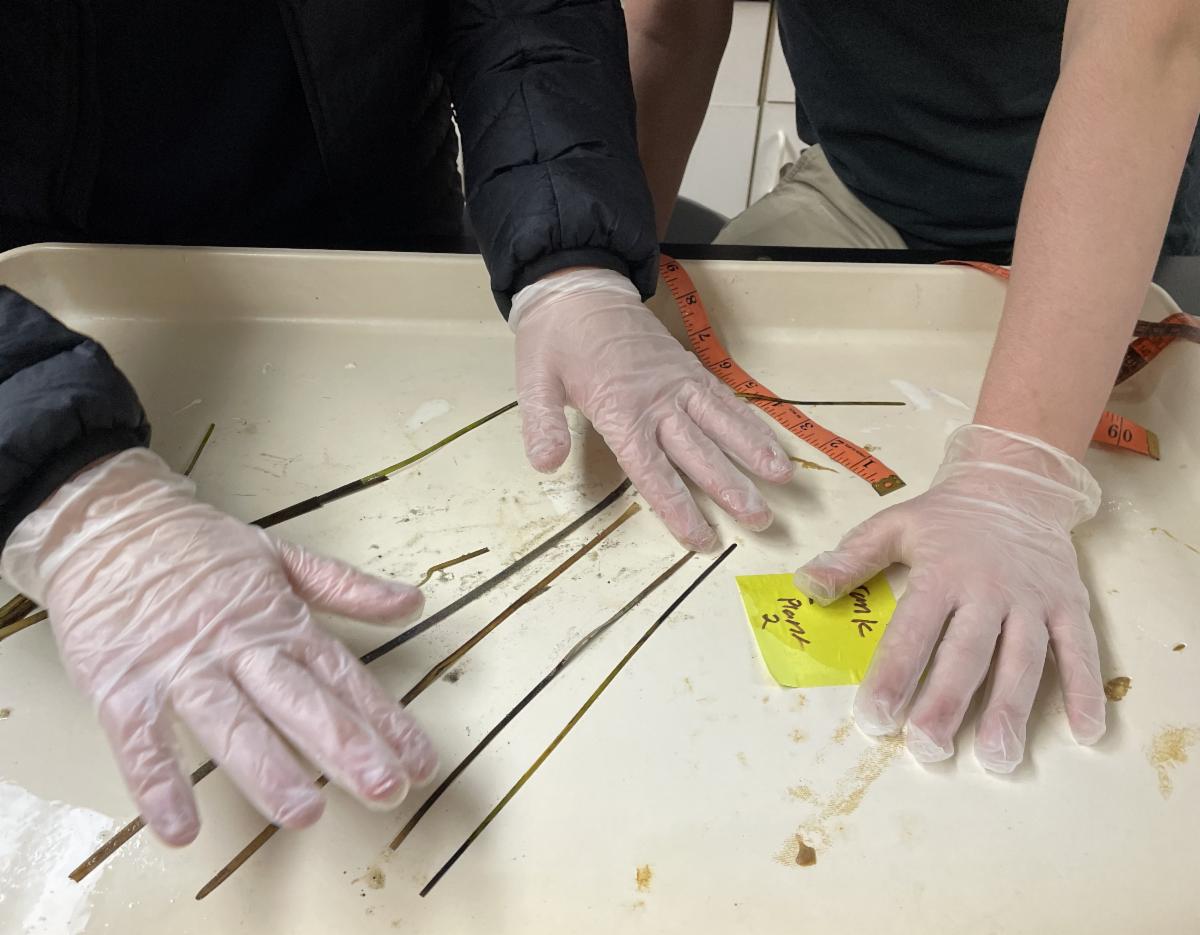
... investigate eel grass habitats

...continue dune grass research.

...perform bacteria monitoring.

Lead water quality analyses.

Collaborate with midddle school expeditions.

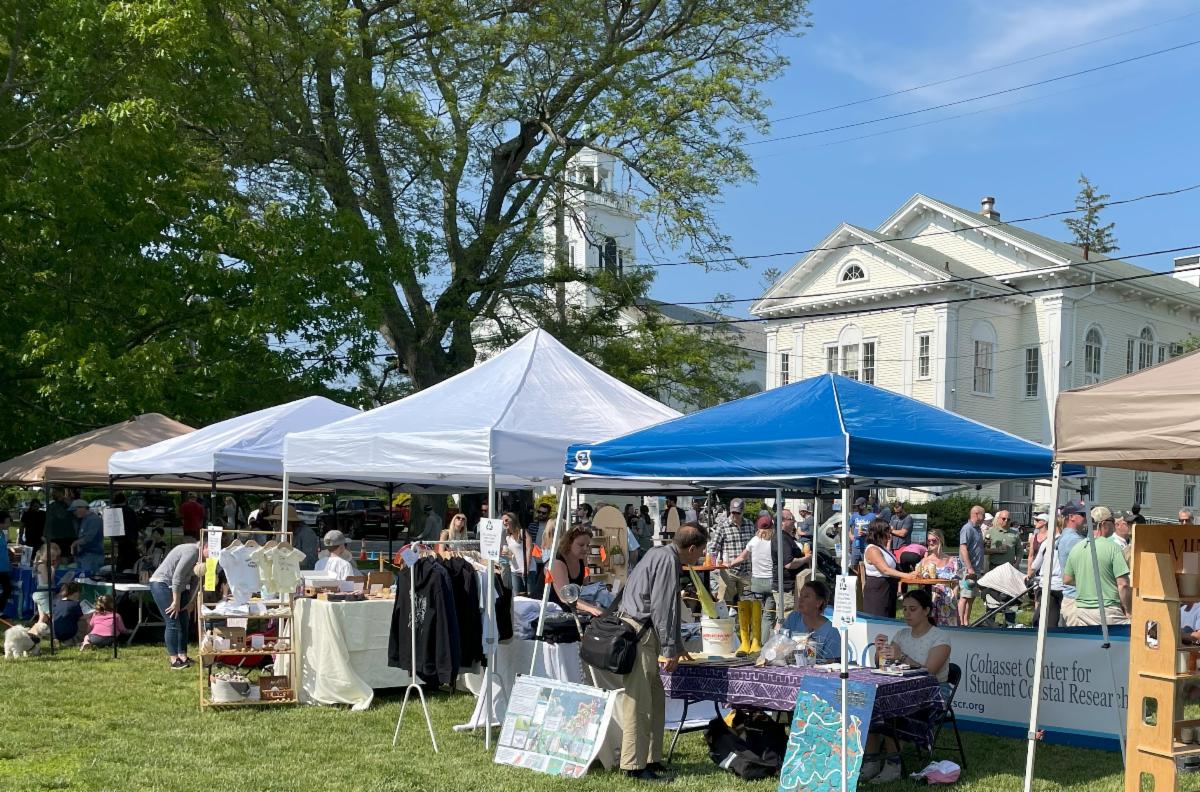
Engage with the community.

Learn to use GIS tools.

And more!

Earn the STREAM to Sanctuary Certificate of Watershed Stewardship from Stellwagen Bank National Marine Sanctuary!

Learn More
REGISTER

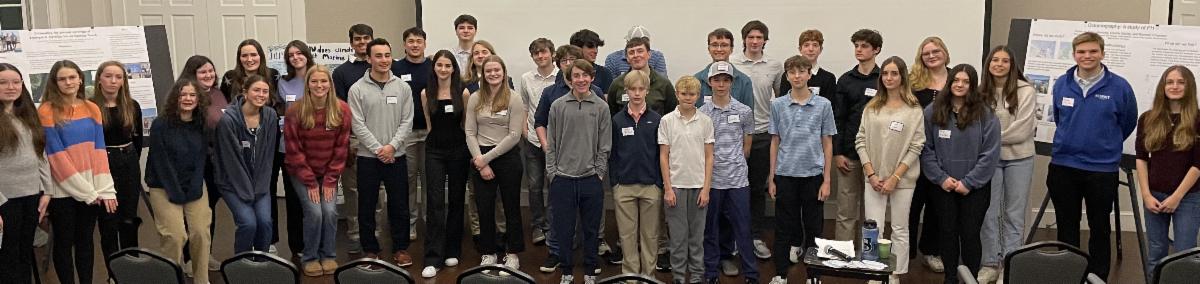
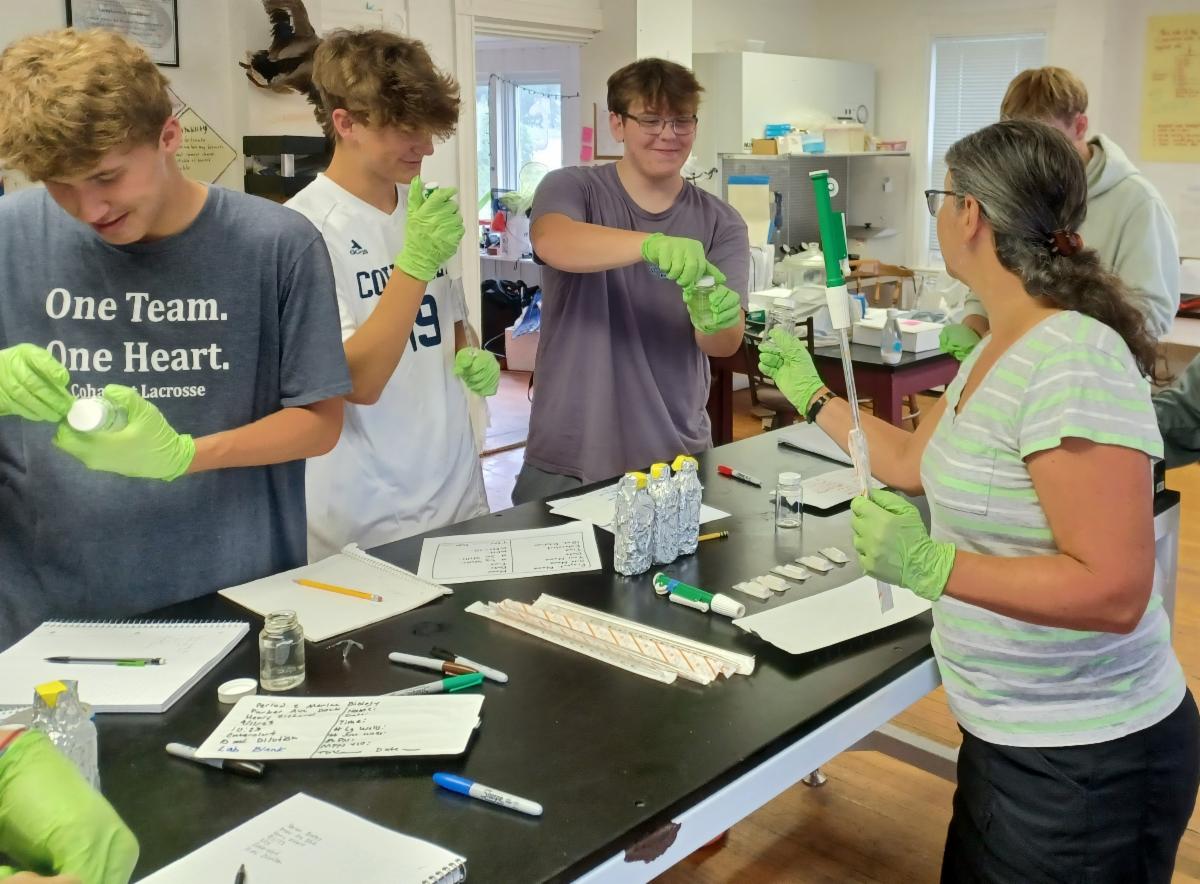
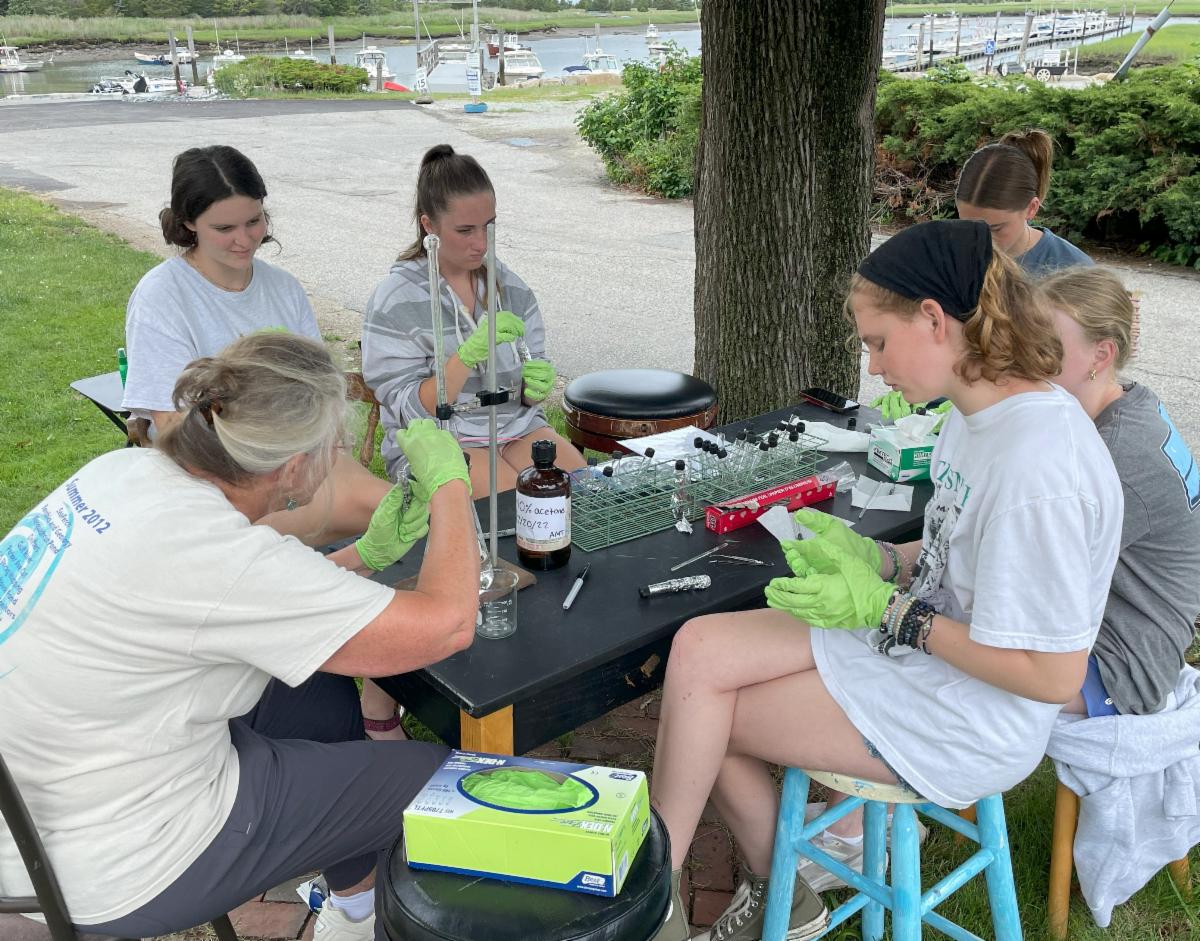
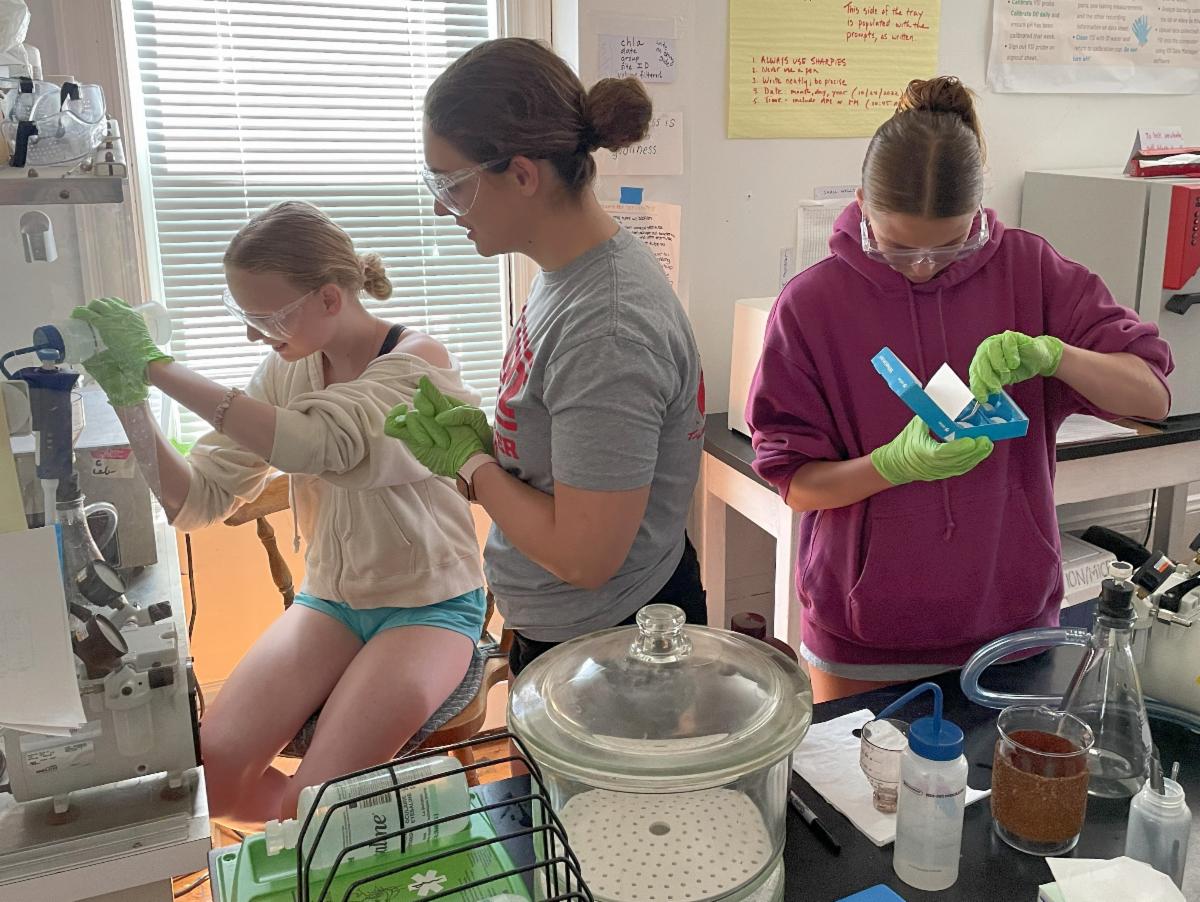
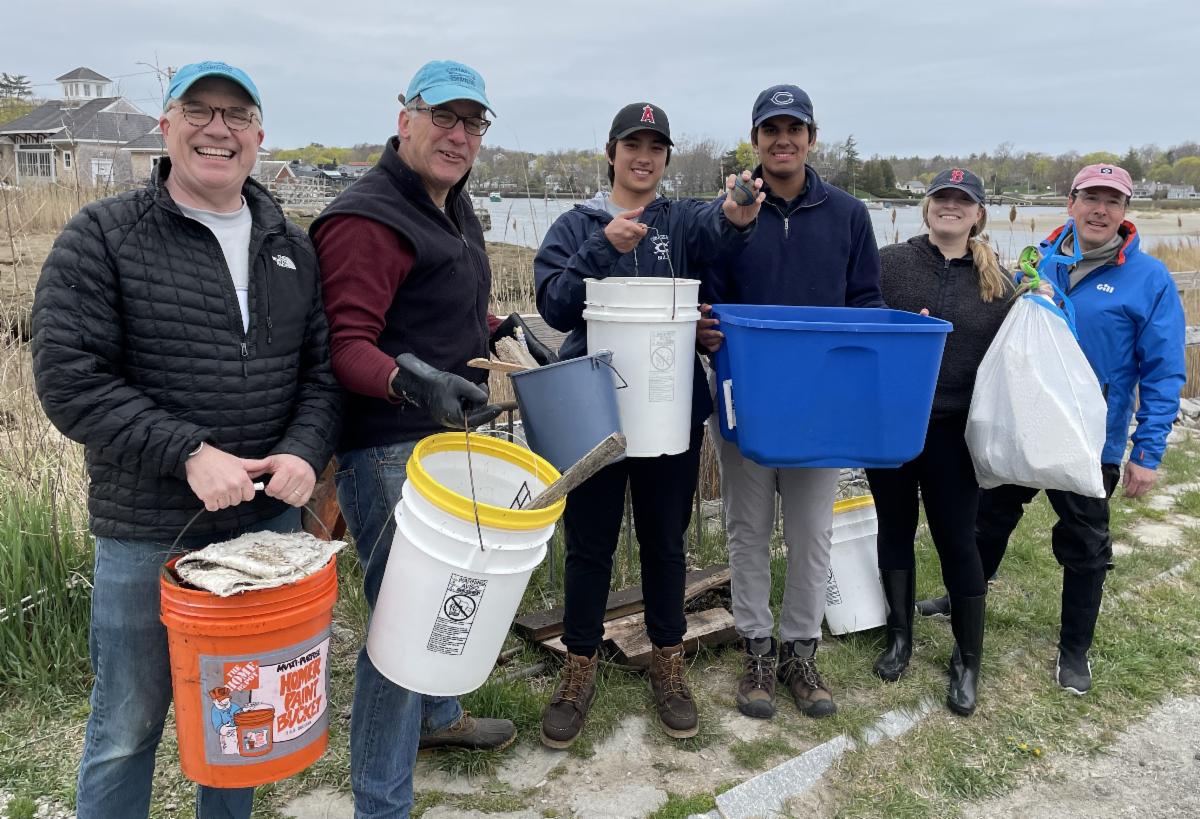
Varsity Research Teams are made up of high school students from area schools, teachers and community educators, and community partners who care about the findings, observations, and reports that students share.


Varsity Research is a collective effort to promote and practice coastal ecosystem stewardship principles and purposes.

TGIS Number 70 April May 2 2024

Intertidal Experiential Education


Cohasset Center
for Student Coastal Research
40 Parker Ave
Cohasset, Massachusetts 02025
(781) 383-0129
 
Facebook  Twitter  Instagram