|
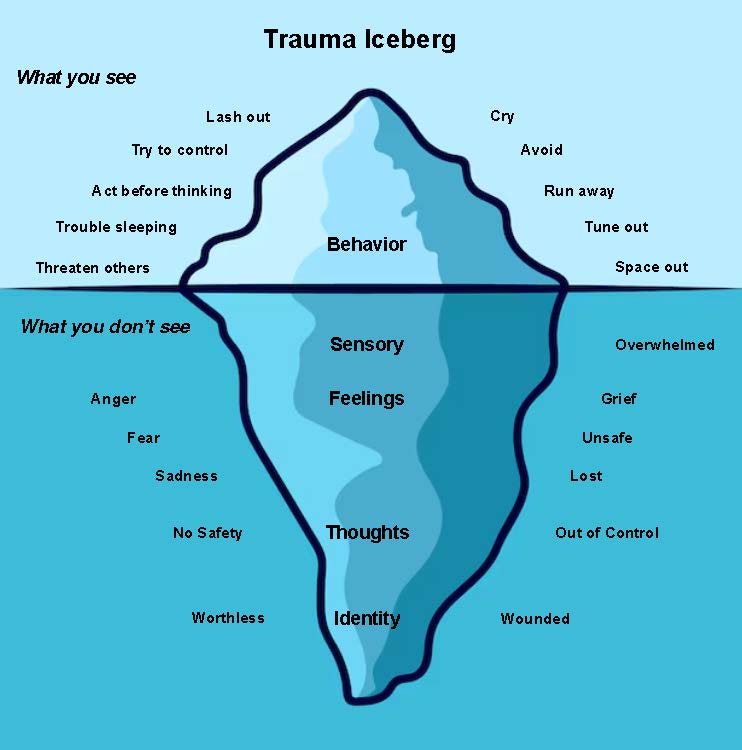
Kids are resilient. We know they experience many stressful things directly and they’re increasingly aware of potentially scary things going on in the world around them. When they witness or experience traumatic events such as death, serious injury, sexual violence, or natural disasters such as the recent LA wildfires, it often triggers an acute stress response that can include irritability, nightmares, avoidance of reminders, dissociation, and depressed mood. These responses can help them survive when trauma is ongoing, but they can get in the way of recovery if they continue when they’re no longer in danger.
Thankfully, for most kids, these symptoms fade in the weeks after a traumatic event. When they last longer than 30 days after the event, they may be experiencing posttraumatic stress disorder (PTSD)1. Symptoms of PTSD can resemble disruptive behavior, depression, or anxiety disorders. Asking all kids who present with behavioral or mental health symptoms about traumatic experiences—along with suicide and safety—can help identify PTSD2. Once it’s been identified, establishing safety and providing education and resources to caregivers are the first steps in recovery.
|