Advancing Impact. Amplifying Identity. Building the Edge.

August 6, 2025

"I'd die to win this game."

– Frank Kingsley Grant (Class of 1895),

Rutgers Football Player, Princeton Game 1891

Rutgers' Edge lies not just in what we do, but how we do it together. We battle. In these past two weeks, we’ve seen leaders fighting to reinstate federal grant funding; a new Athletic Director earning strong reviews for her past successes and a winning introductory press conference; Rutgers University Behavioral Health Care offering targeted mental health support to students and families in school districts across the state; and ScarletWell’s efforts to promote student well-being and health featured in national media. 

Federal volatility continues to reshape the national research landscape. As of mid-July, 73 Rutgers-based federal research awards have been terminated—primarily due to external funding or agency shifts—resulting in an

estimated $26.7 million in projected losses and affecting 180 positions, including faculty, staff, and students across campuses.


Despite these pressures, our response has been swift: 22 awards have already been reinstated, and we are actively pursuing reinstatement, rebudgeting, and research continuity options in collaboration with federal partners and chancellor-led units.


Rutgers' research edge sharpened in FY25, with universitywide proposal submissions rising 3% to 3,547 and their value soaring 29% to $1.192 billion—evidence of our faculty’s bold ambition. Political challenges have not tempered our momentum.

“It’s just about winning. It’s real simple for me. I don’t make it complicated.”

– My reply to a reporter about my vision for Rutgers Athletics [VIDEO]


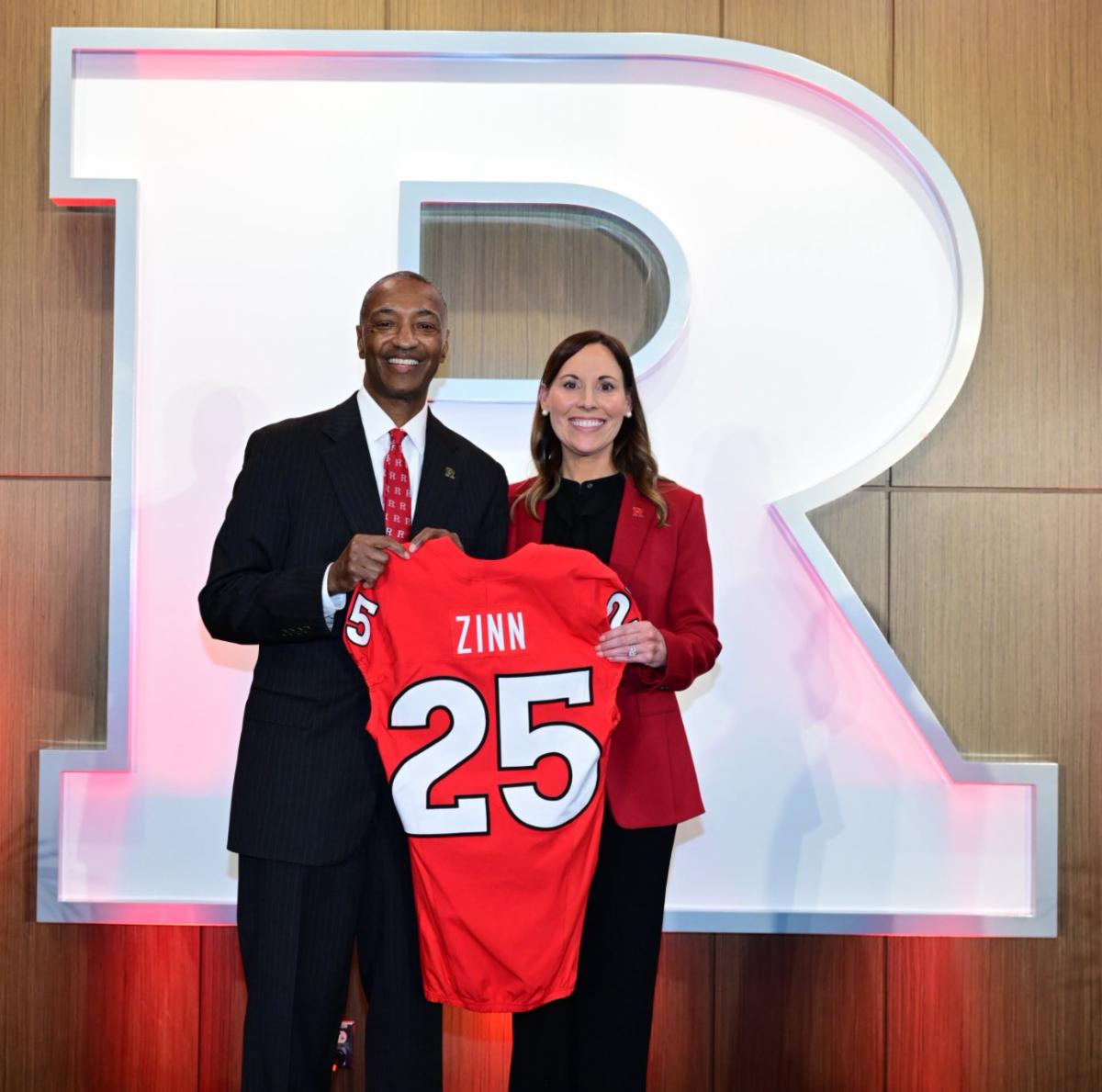
Leading sports journalists, including ESPN’s Paul Finebaum, praised the selection of Keli Zinn as Rutgers’ new Athletic Director. One outlet described her as arguably the most qualified athletic director in Rutgers history. From July 27–31, according to data from our social media tracking software, Zinn’s sentiment score was 98% favorable (30% positive, 68% neutral), and my own was equally strong at 100% favorable (44% positive, 56% neutral). Winning numbers.

Rutgers University Behavioral Health Care maintains partnerships with nearly three dozen school districts to deliver mental health services and serves as the Middlesex County Hub in the state’s mental health prevention effort.

Inside Higher Education offered Rutgers’ ScarletWell program as an example of how universities are responding to the growing mental health and well-being crisis on campuses across the country. They highlighted Scarlet Arts Rx as a new initiative that connects Mason Gross School of the Arts and the Graduate School of Applied and Professional Psychology. The program promotes student well-being through visual and performing arts, reducing stress and anxiety while fostering joy, empathy, and self-confidence through creative engagement.

My goal is, going forward, for the rest of my life to try to take down the barriers that hinder opportunities.”

– Paul Boyd, Rutgers–Camden, Truman Scholar 2024, Philosophy Major


Paul Boyd exemplifies the Rutgers Edge. His response to earlier poor decisions in his life was to pursue academic excellence, driven by a desire to serve and a relentless commitment to social good.

Over the next two weeks, I’ll join Rutgers colleagues in university advancement efforts to secure resources for our capital priorities, including life sciences and cancer research, student success infrastructure, and deferred maintenance.


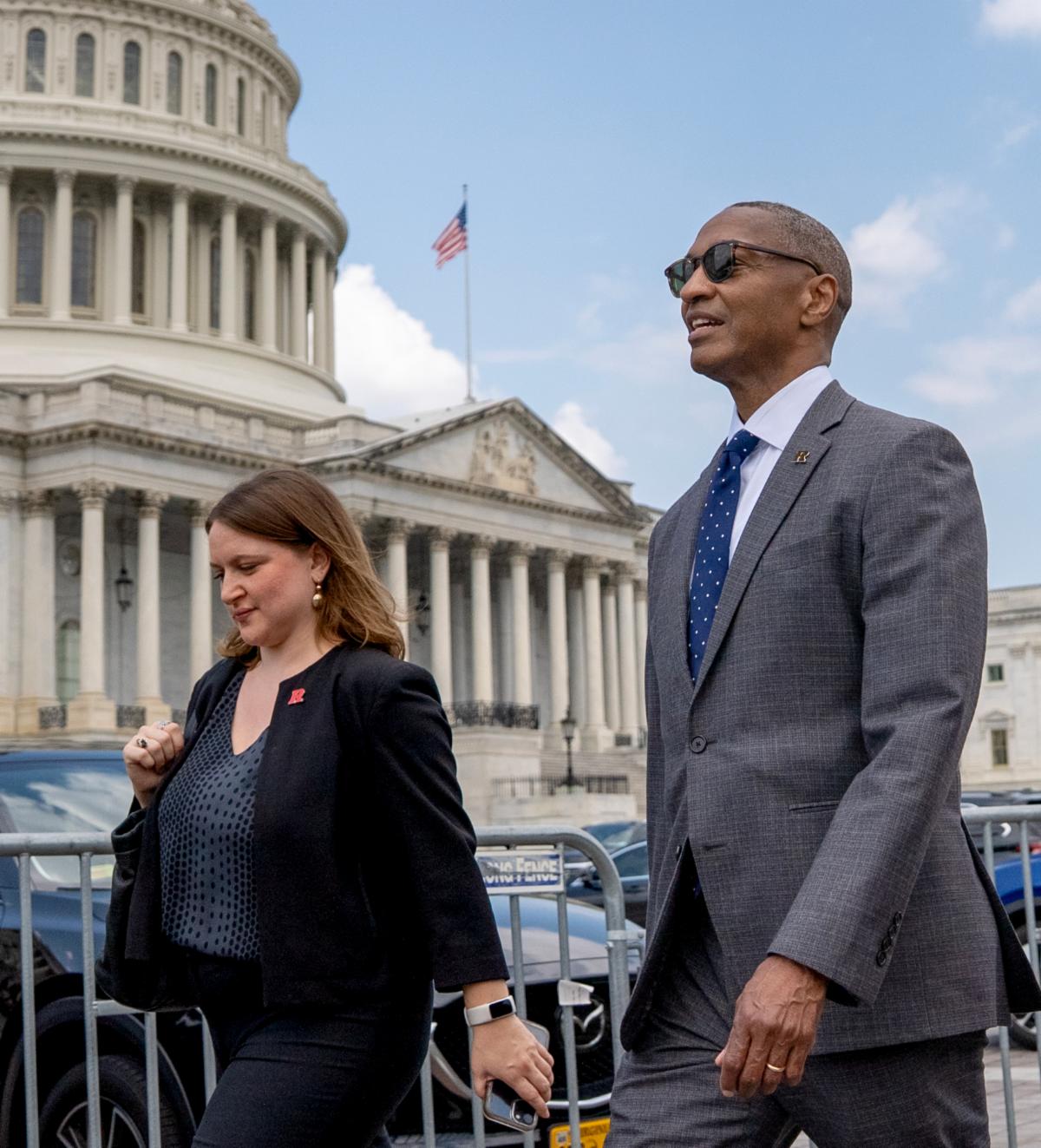
In addition, I will continue my march across the state, building bridges with elected officials and their communities. The Edge is built not just by vision—but by sustained investment.

LinkedIn  Facebook  Instagram  X

Rutgers, The State University of New Jersey | 101 Somerset Street | New Brunswick, NJ 08901 US

Constant Contact