|
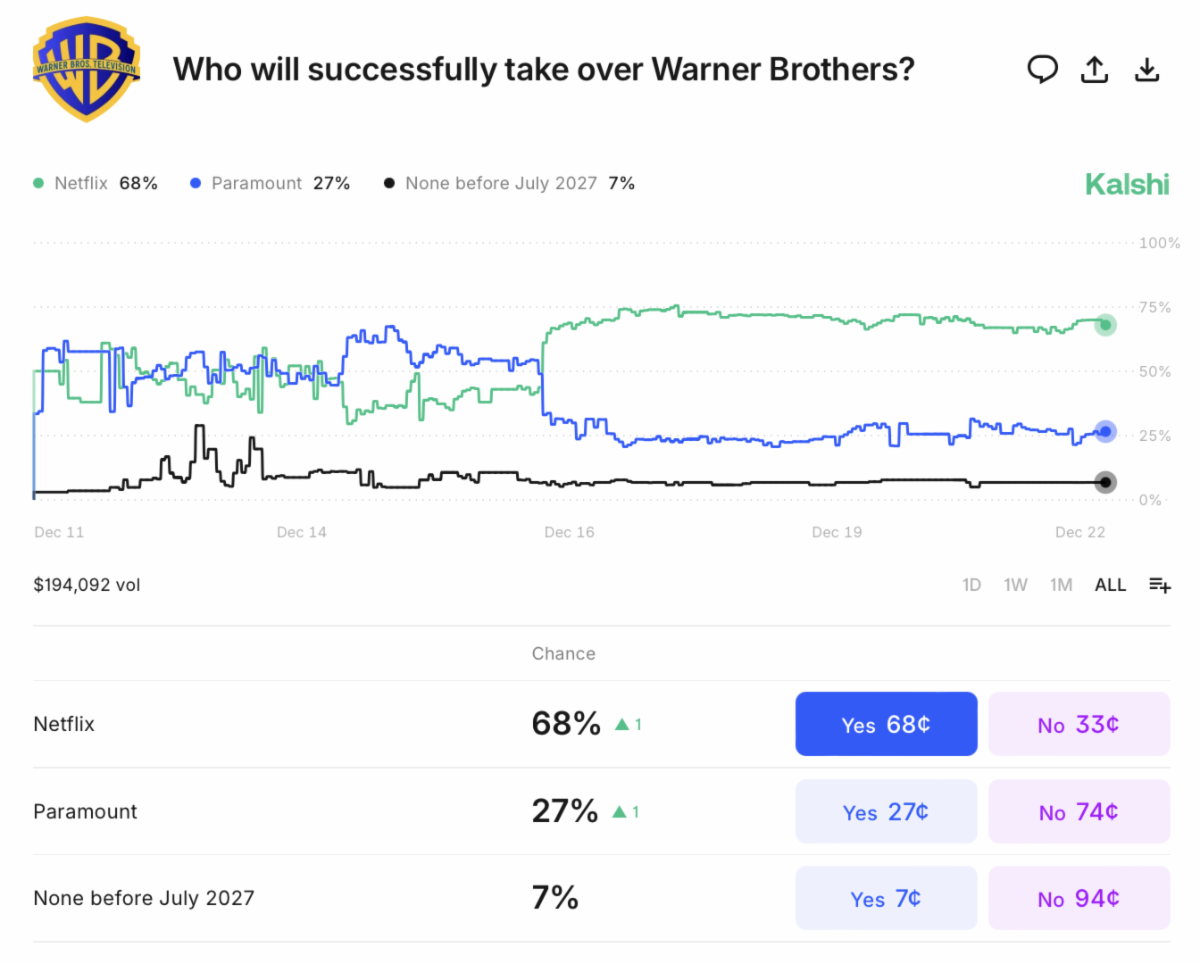
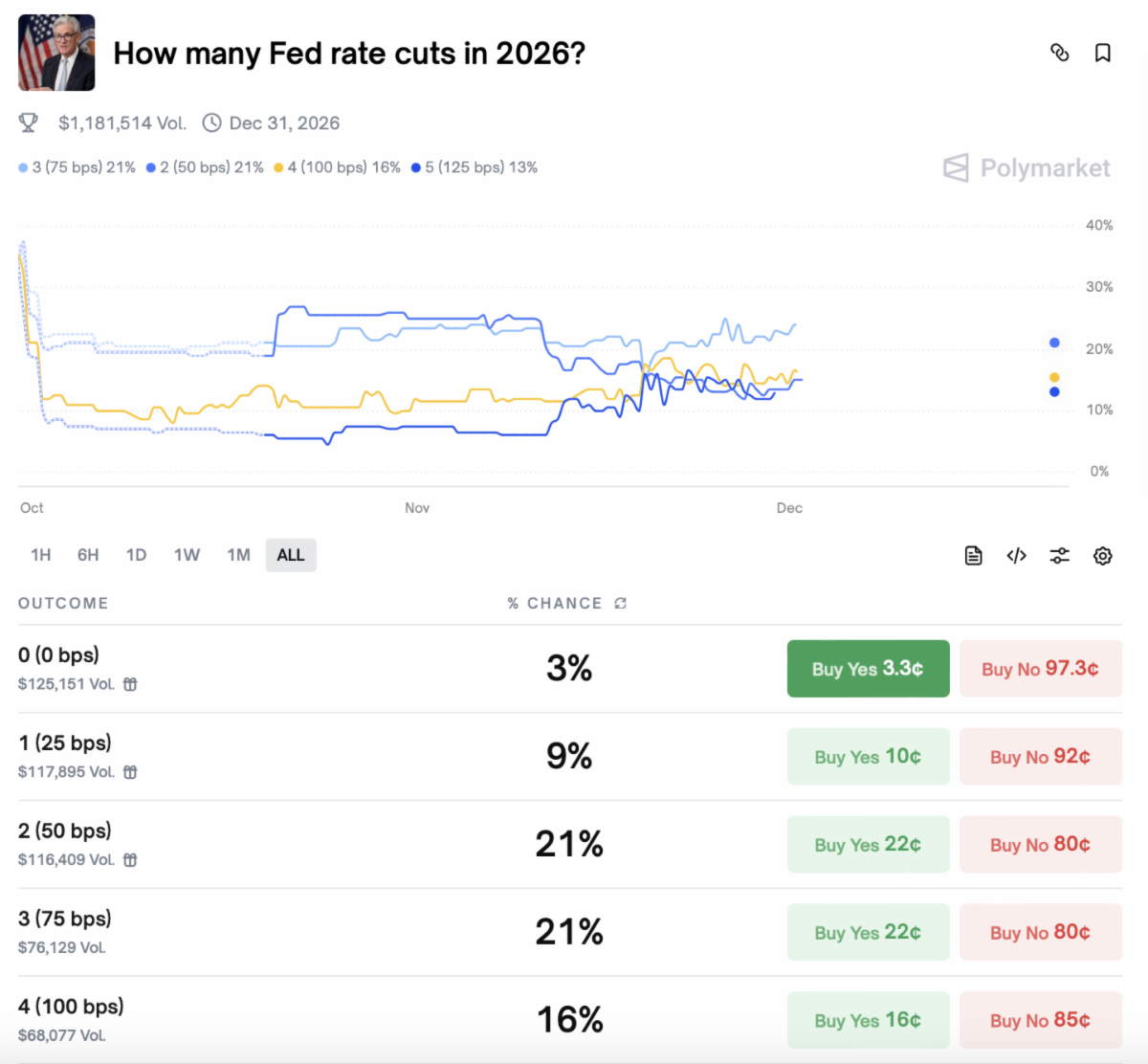
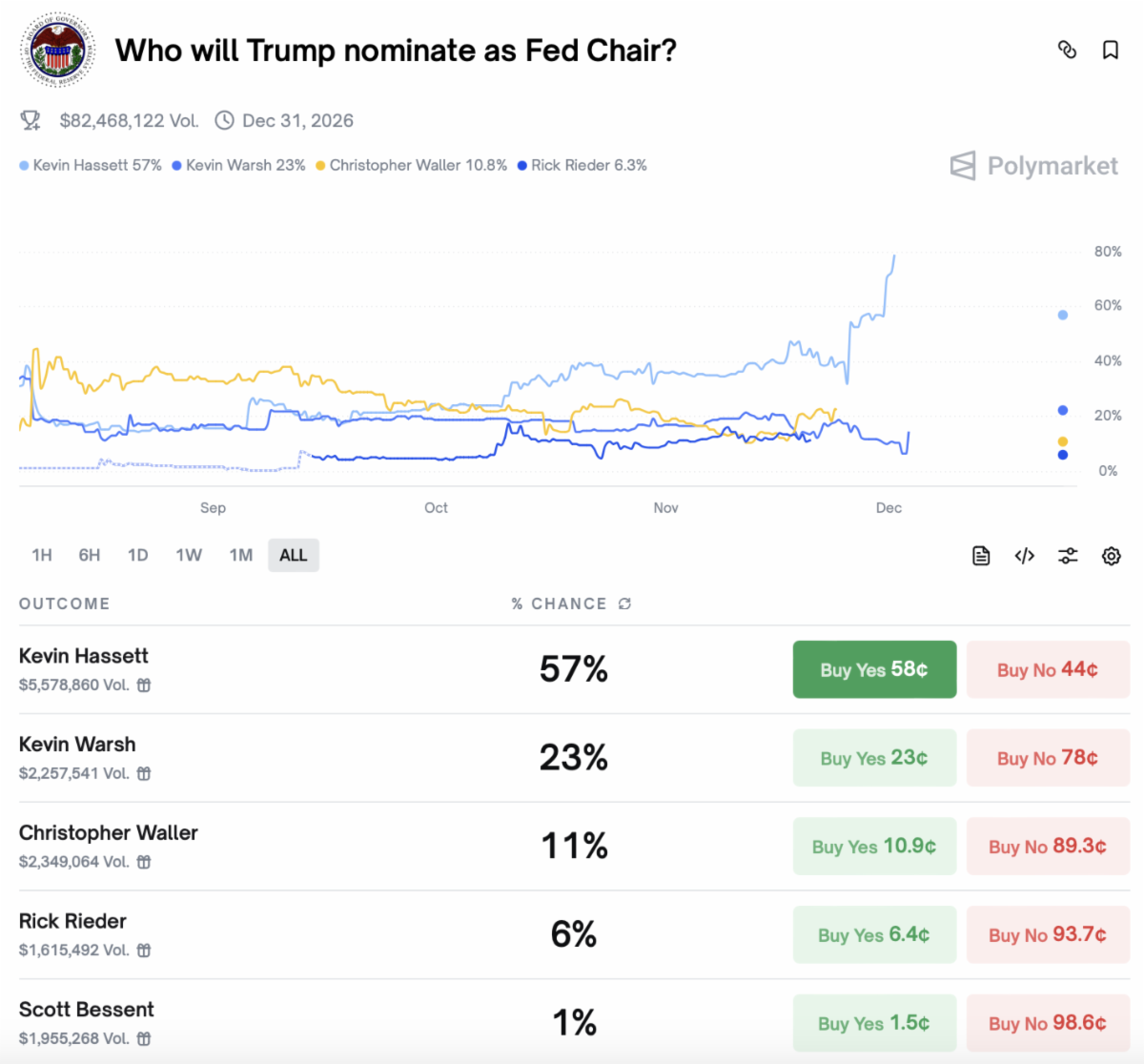
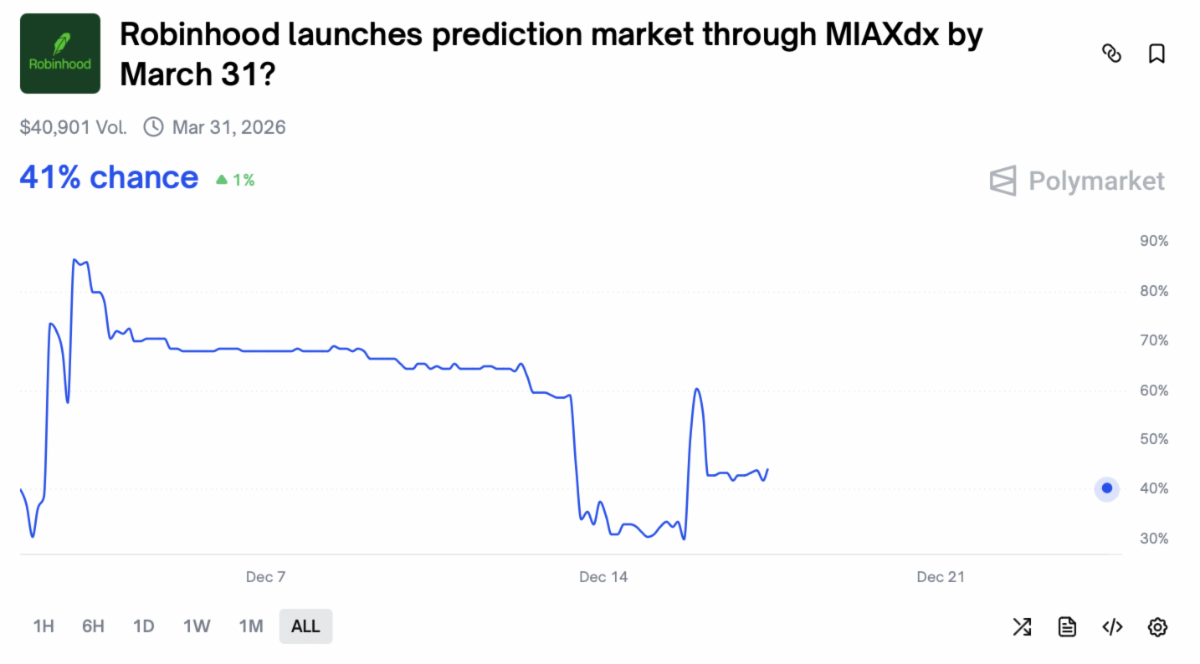
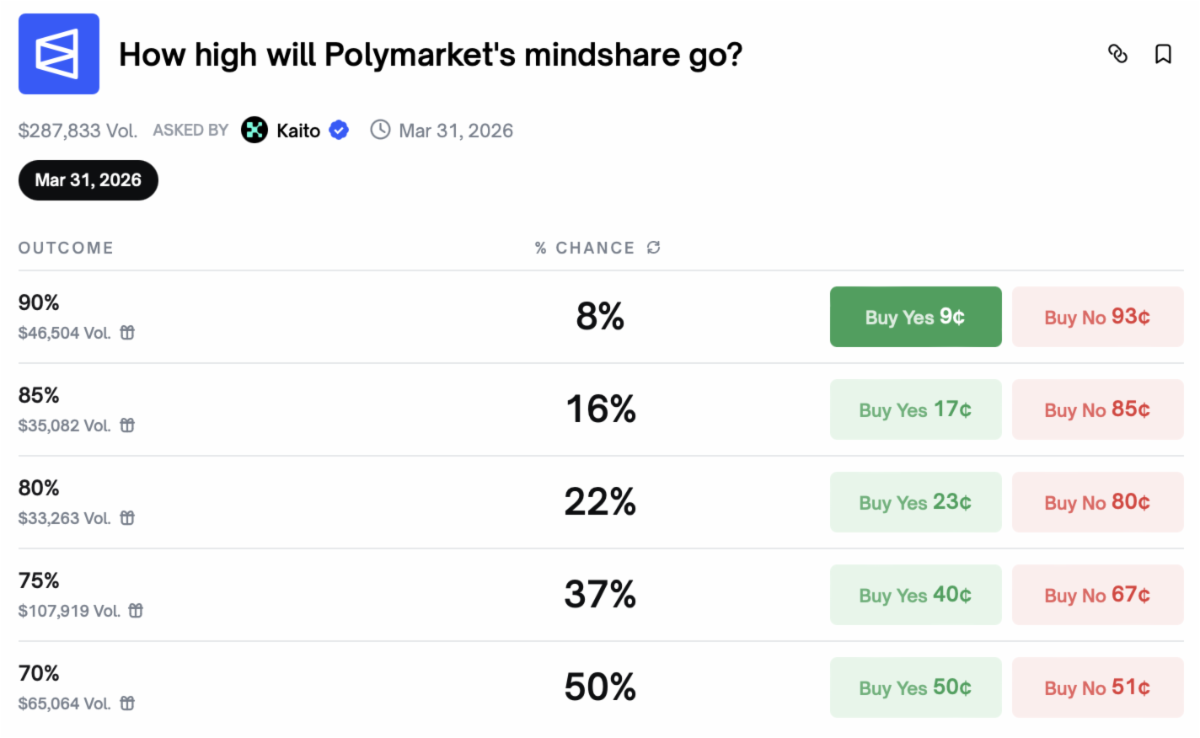
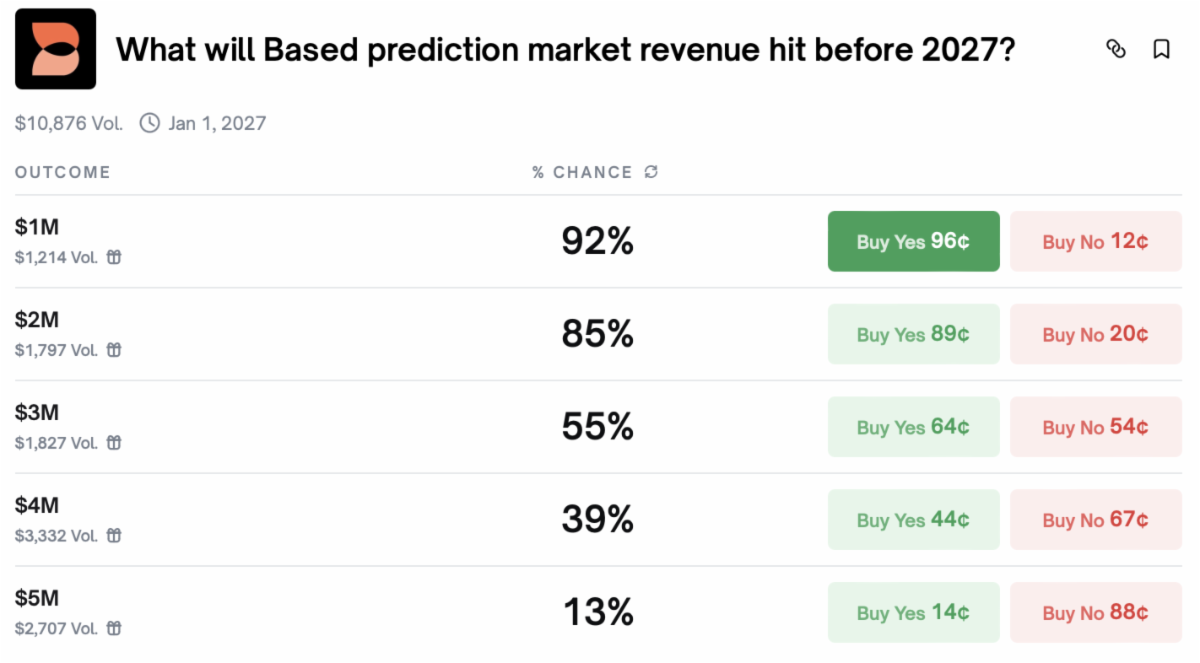
As we turn the page toward a new year, prediction markets are beginning to emerge as a useful complement to traditional financial analysis—offering a real-time, incentive-driven window into how expectations are forming. By allowing participants to trade on the probability of future events—from interest-rate decisions and election outcomes to commodity prices and corporate actions—these markets distill vast amounts of dispersed information into a single, continuously evolving signal. Unlike static forecasts or annual outlooks, prediction markets adapt minute by minute, absorbing new data, shifting sentiment, and changing risk perceptions as they occur.
For investors and business leaders, this evolution has meaningful implications. Expect clearer signals around macro inflection points, earlier indications of consensus shifts, and a more practical framework for decision-making—one that acknowledges uncertainty rather than smoothing it away. As capital markets grow more interconnected and complex, tools that translate uncertainty into actionable probabilities are likely to play a larger role in strategy, risk management, and capital allocation throughout 2026 and beyond.
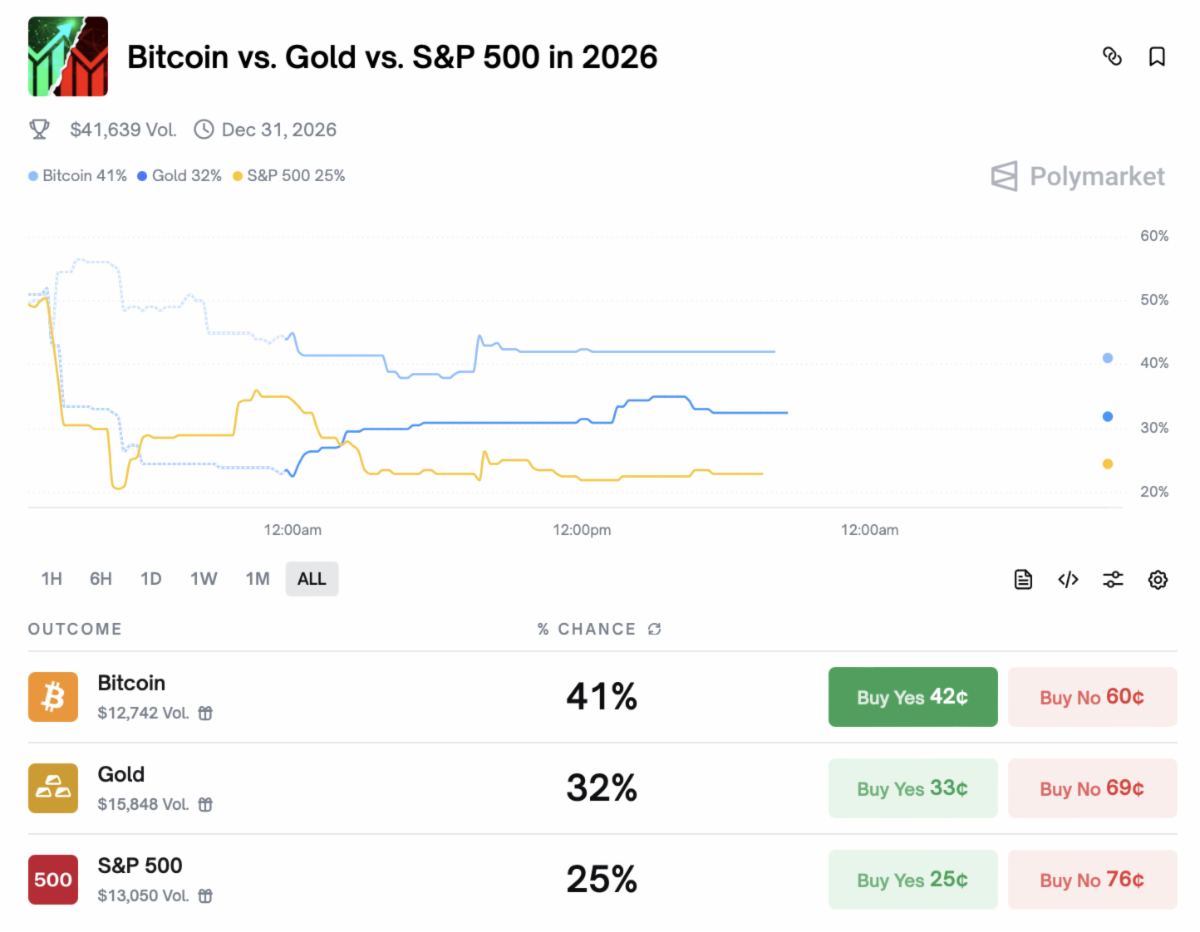
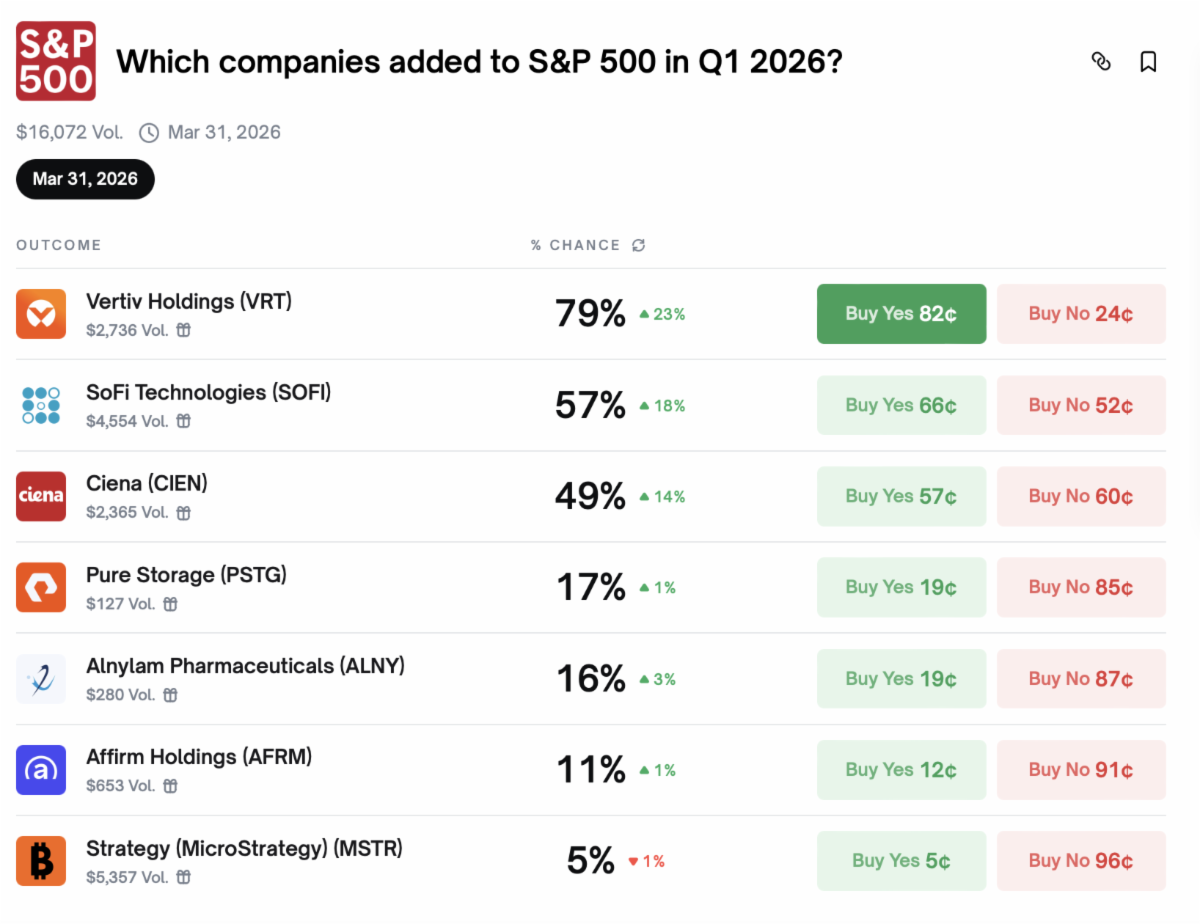
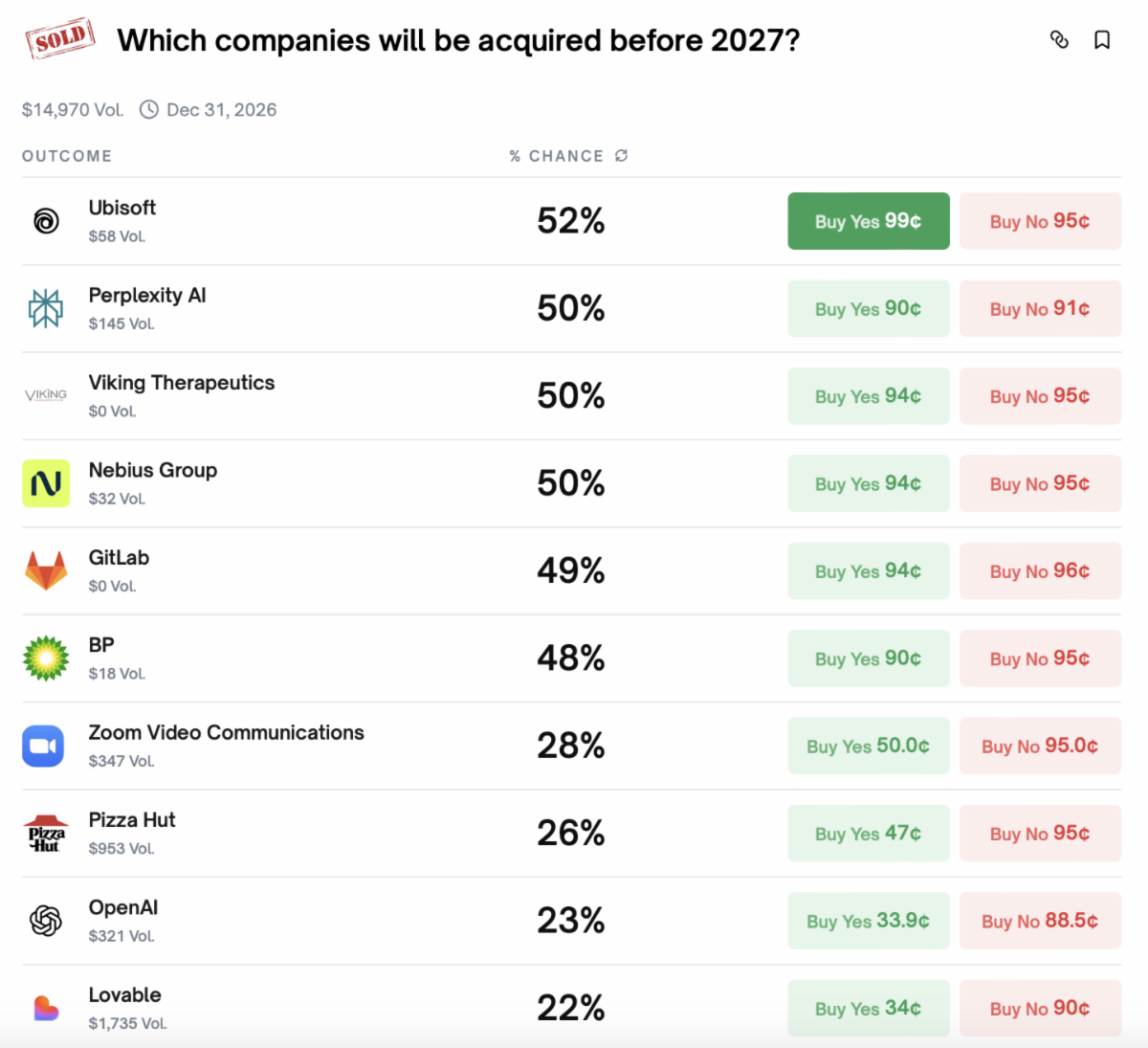
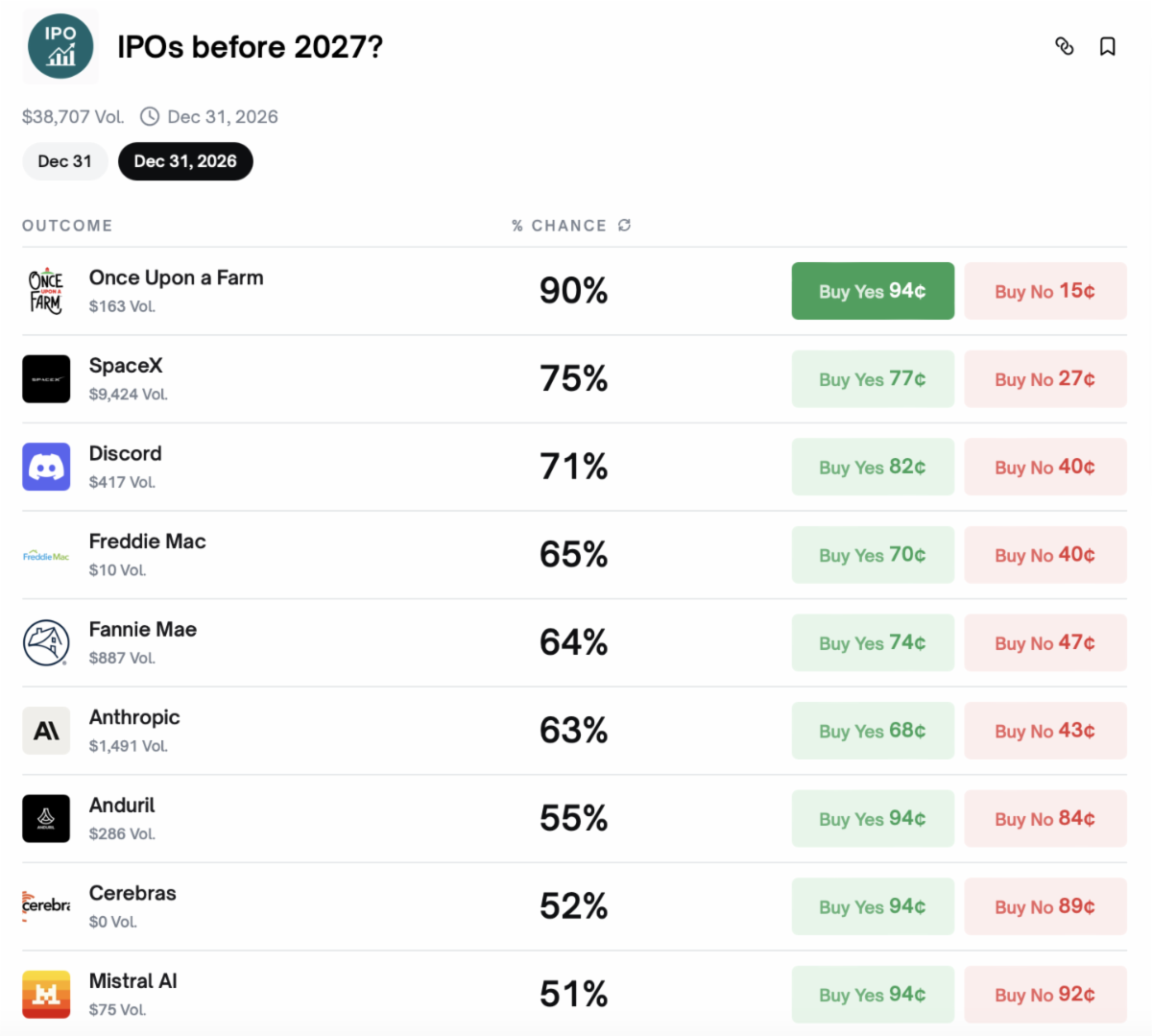
In that spirit, this month’s newsletter incorporates prediction-based insights to help frame potential outcomes for the year ahead. By layering signals from prediction markets alongside traditional financial indicators and qualitative analysis, we aim to offer a forward-looking perspective grounded in real-world probabilities rather than single-point forecasts.
As we close out the year, we’d like to thank our readers for the conversations, questions, and perspectives you’ve shared with us throughout 2025. We wish you a restful holiday season and a healthy, thoughtful, and prosperous 2026.
|