Dear Neighbor,


As we enter the final weeks of the Fiscal Year 2027 budget process, I want to provide you with an update on where things stand and what it means for your wallet.


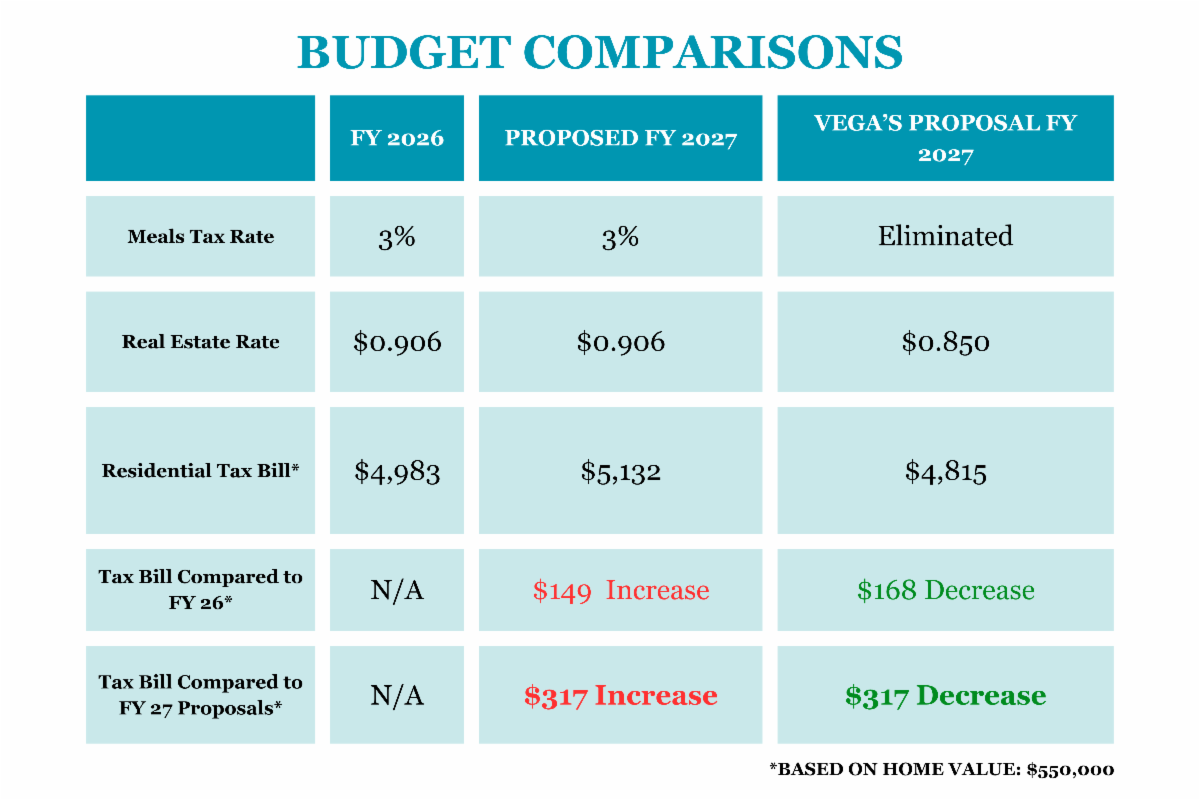
Even without a tax rate increase, rising county assessments (by as much as 5.4% for some homeowners) mean most residents will still see a higher tax bill this year.


It is time for a budget that works for the people, not just the government. Residents and businesses alike have made it clear that lowering the tax rate and living within our means must remain a top priority. We cannot continue asking families to pay more year after year without taking a hard look at our spending.


As I shared in my initial proposal, it was based on estimates and subject to change as more information became available throughout this fluid budget process. The updated numbers below reflect a bipartisan effort to pass a balanced budget without raising your tax bill.


Your input is critical to ensuring this budget reflects our community’s true priorities. With your feedback, we can deliver a plan that supports growth and stability without placing additional strain on hardworking families.


Let’s work together to ensure Prince William County remains a premier place to live, work, and raise a family-without breaking the bank.


For Prince William,


Yesli Vega

yvega@pwcgov.org

(703) 792-4620

Supervisor Vega's Revised Budget Proposal

My Goal:


Actual Tax Relief: Lower the real estate tax rate to $0.85 to deliver meaningful relief for homeowners, while fully eliminating the meals tax to reduce the overall burden on residents and families.


Fair Share: Modernize the Revenue Sharing Agreement (RSA) to a 54.8/45.2 between Schools and the County.


Historic Education Funding: Ensure the Schools receive their largest funding transfer in PWC history, regardless of the split, exceeding $1 Billion.


How We Optimize Budget Efficiency


Modernize the RSA: The current revenue sharing agreement was established in 1998, before the County’s significant growth in commercial revenue. Updating this framework allows the County to better align resources with today’s demands, including infrastructure, transportation, and public safety.


Leverage Data Center Revenue: Data center revenue is projected to reach approximately $549.7 million in FY2027, representing a substantial increase over recent years. This growth provides an opportunity to reduce reliance on residential tax increases.


Reallocate Available Revenue: By aligning revenue with current priorities, the County can offset costs that would otherwise be passed on to residents, including eliminating the meals tax and avoiding increases to other tax rates.


Revenue Impact


For the Homeowner: Residents benefit from reduced pressure on real estate taxes and the elimination of the meals tax, lowering everyday costs.


For the County: Utilizing increased commercial revenue allows the County to fund essential services while limiting the financial burden on residents.

Education

Historic Investment: County school funding now exceeds $1 billion for the first time, reflecting an additional $48 million year-over-year increase.


Funding vs. Enrollment: Over the last five years, total funding has increased by hundreds of millions even as student enrollment declined.


Per-Pupil Spending: Prince William County now spends approximately $20,223 per student, which is above the national average and comparable to local private school tuition.


The Spending Gap: From FY 2020 to FY 2026, local taxpayer funding transferred from the county to our public schools increased by roughly $295.8 million, while school division spending on administrative and support roles grew by about $94.2 million.


Non-Instructional Growth: Over 30% of new funding has been directed toward non-instructional support and administrative functions rather than direct classroom instruction.


Prioritizing Results: Despite record spending, challenges like overcrowding and staff retention remain; future increases must be paired with transparency and measurable student outcomes. While the county provides funding for our schools, it has no legal authority over how these funds are spent once they are transferred to the School Board.


The Bottom Line: To characterize record school funding as a “cut” ignores the facts. Our investment in education continues to grow year after year, and continues to do so with this proposal. The focus should be on outcomes and accountability—not just higher spending. Strong schools and fiscal responsibility are not opposing goals; they go hand in hand.

Budget Survey Results

I want to sincerely thank each of you across the county who took the time to complete my survey. Your input is invaluable, and I remain committed to ensuring the priorities and concerns you’ve shared continue to be heard and reflected in our decisions.

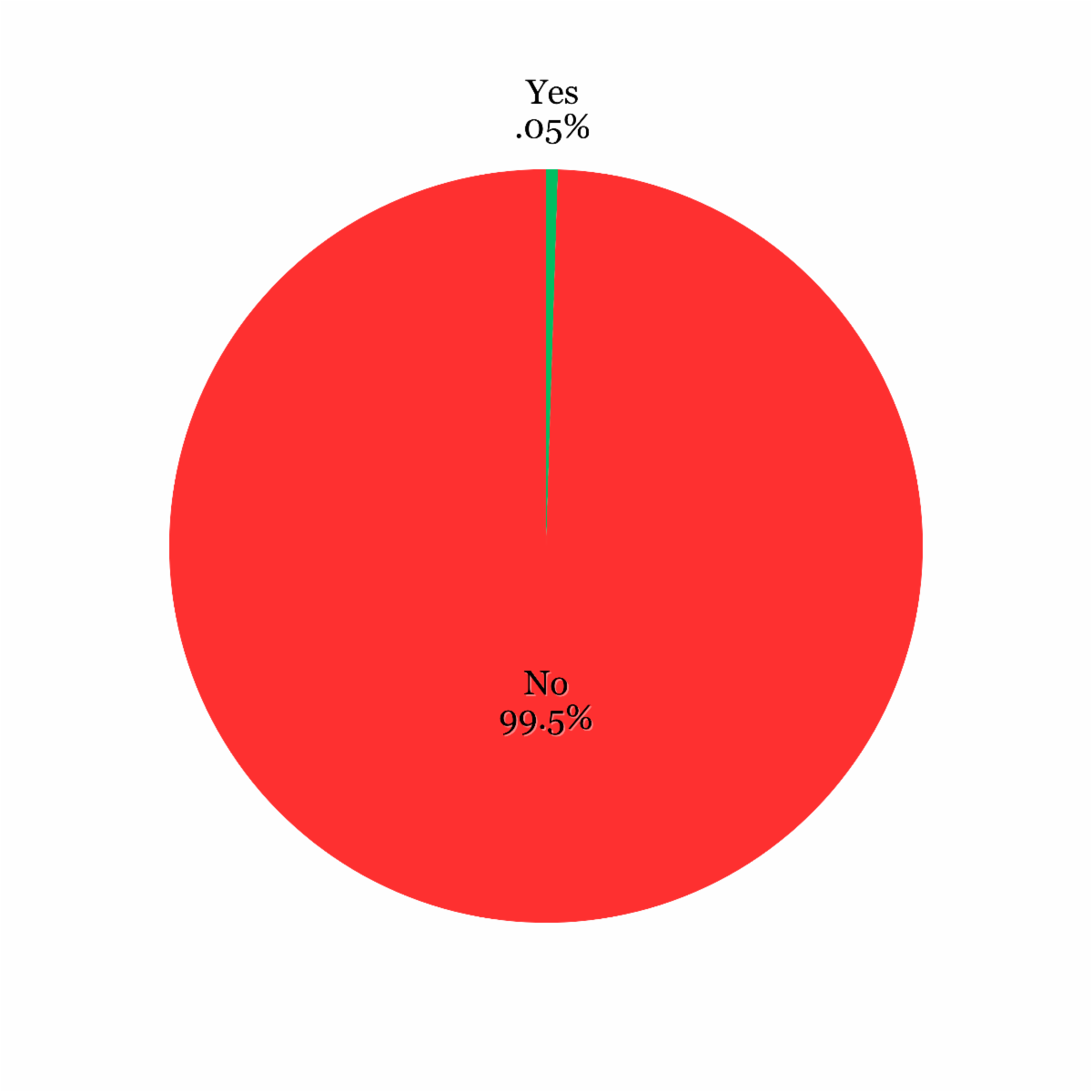
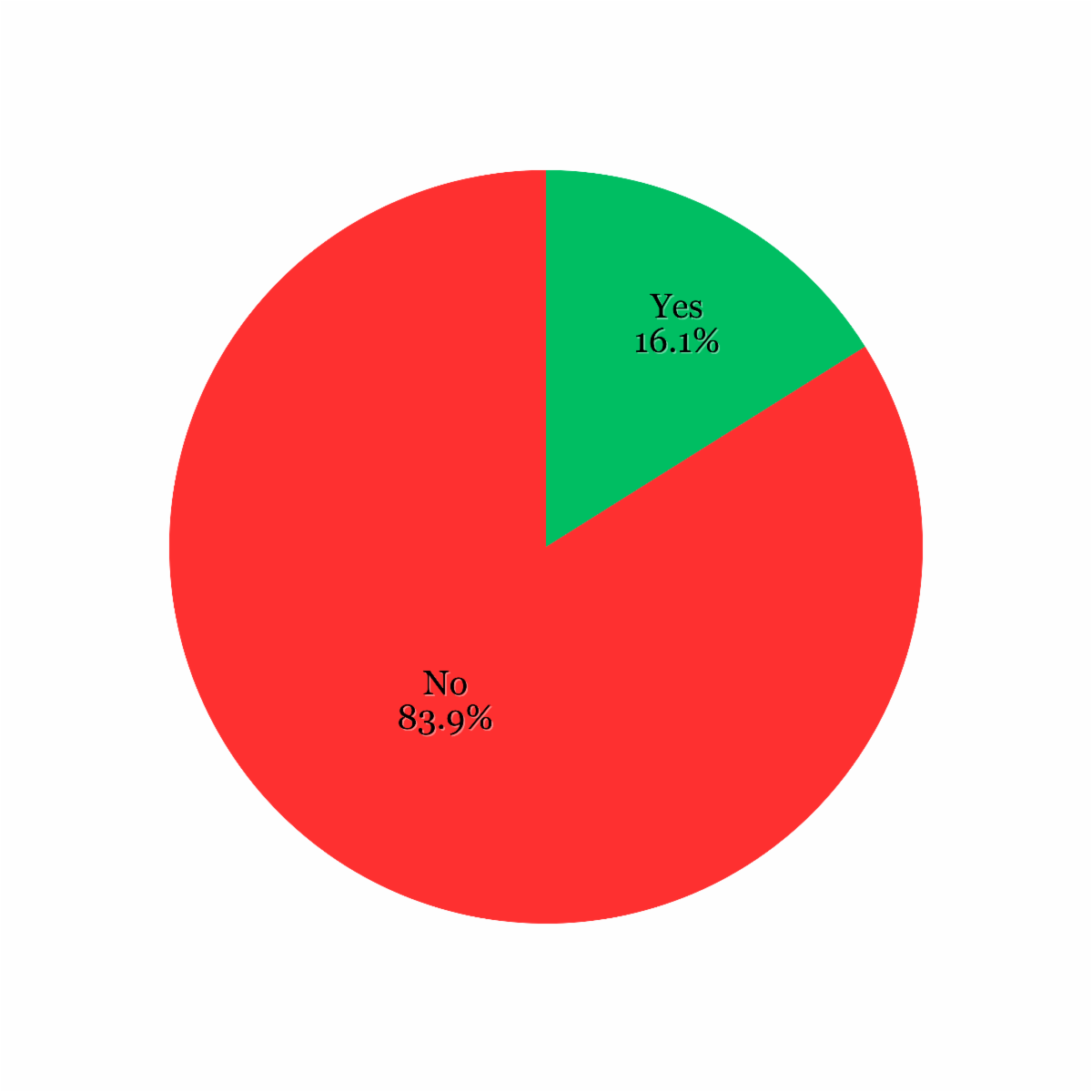
Should your taxes increase?

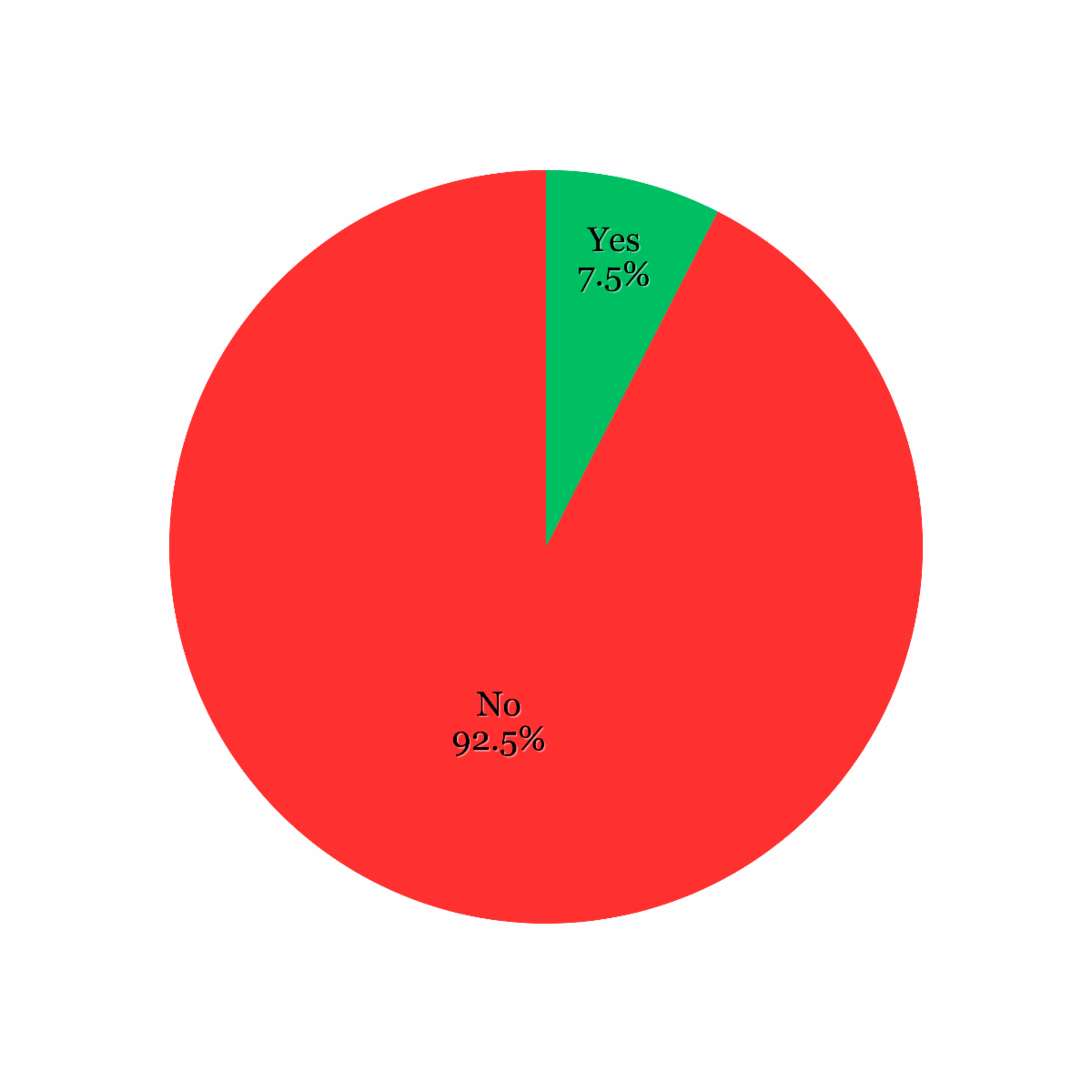
Should we keep the meals tax?

Should Prince William County Schools automatically receive more than half the county budget?