July 1, 2026

Investing in reliability: Project underway to replace Garvey Reservoir's liner and floating cover

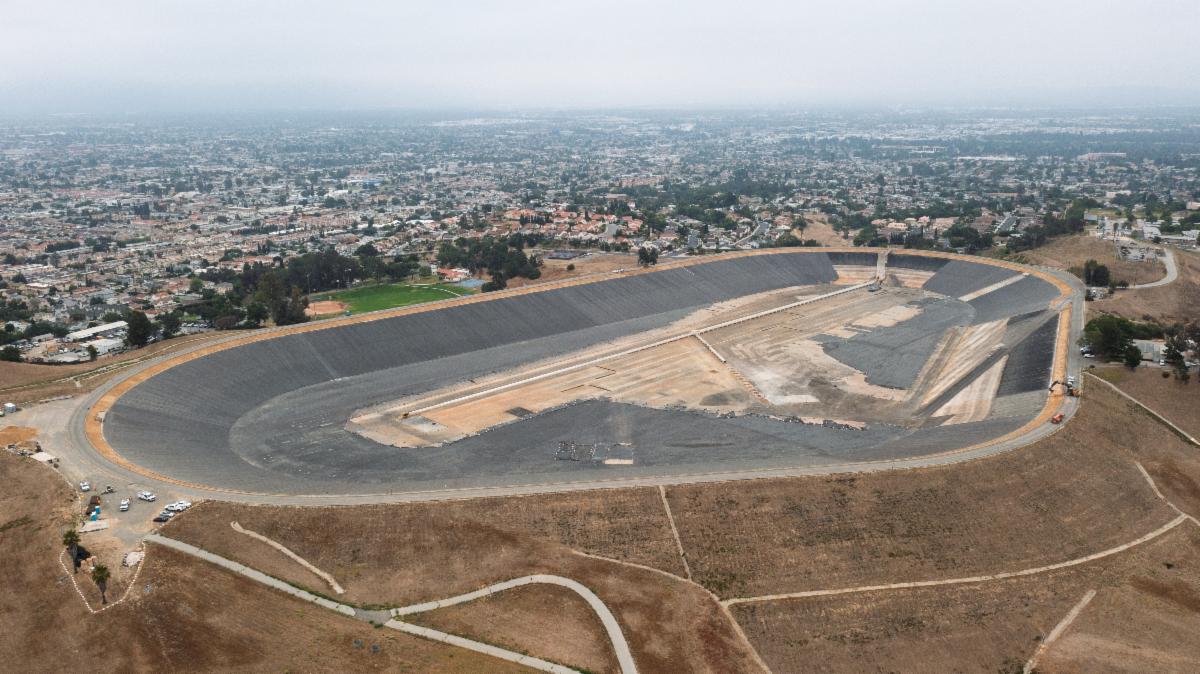
A drone view of Garvey Reservoir, where the old liner and cover are being removed and replaced.

Work is underway to replace the floating cover and bottom liner at Metropolitan’s Garvey Reservoir in Monterey Park − part of a major project to ensure the district’s water delivery infrastructure remains safe and reliable. 


Opened in 1954, Garvey Reservoir helps balance and control water pressure in Metropolitan’s distribution system and can store up to 1,600 acre-feet of treated water.


California law requires that reservoirs holding treated water be covered to protect against contamination. Garvey Reservoir’s liner and cover were installed in 1999 and are at the end of their useful life. The $157 million project will replace the liner and cover, strengthen the reservoir's outlet tower against earthquakes and install new electrical and mechanical equipment.


The Garvey Reservoir Project is part of Metropolitan’s Capital Investment Plan for infrastructure and system reliability. In April, Metropolitan’s Board of Directors approved spending $1.025 billion on CIP projects over the next two years – a 50% increase over the previous biennial budget – so district staff can continue to proactively repair and replace aging infrastructure.

Metropolitan launches incentive for farmers to switch to crops that use less water

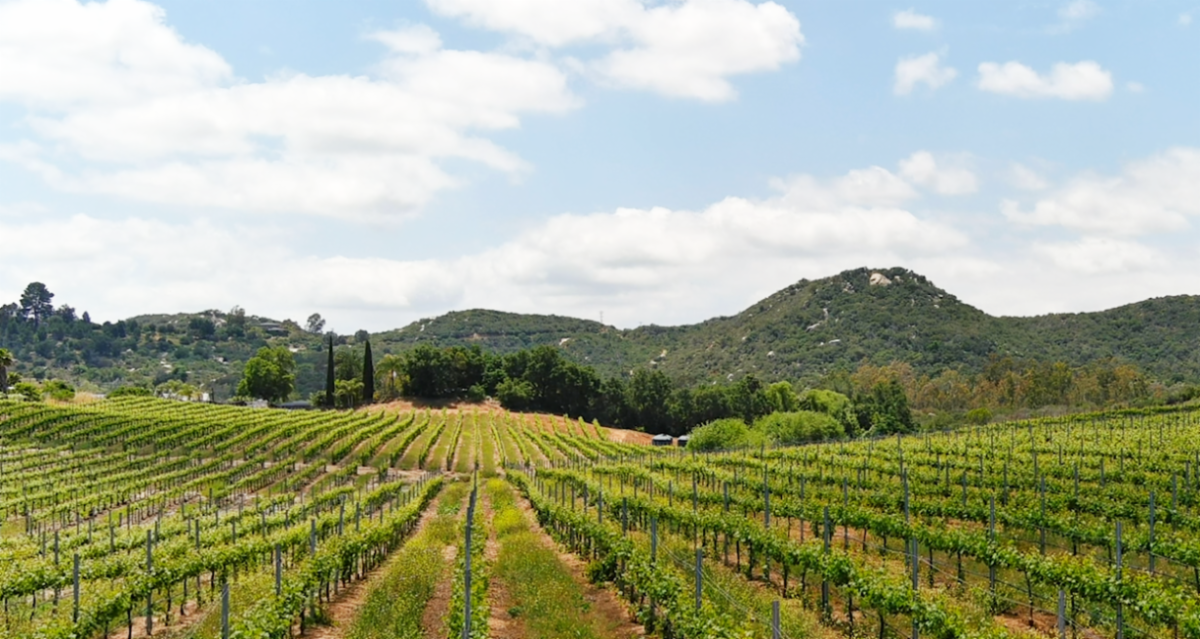
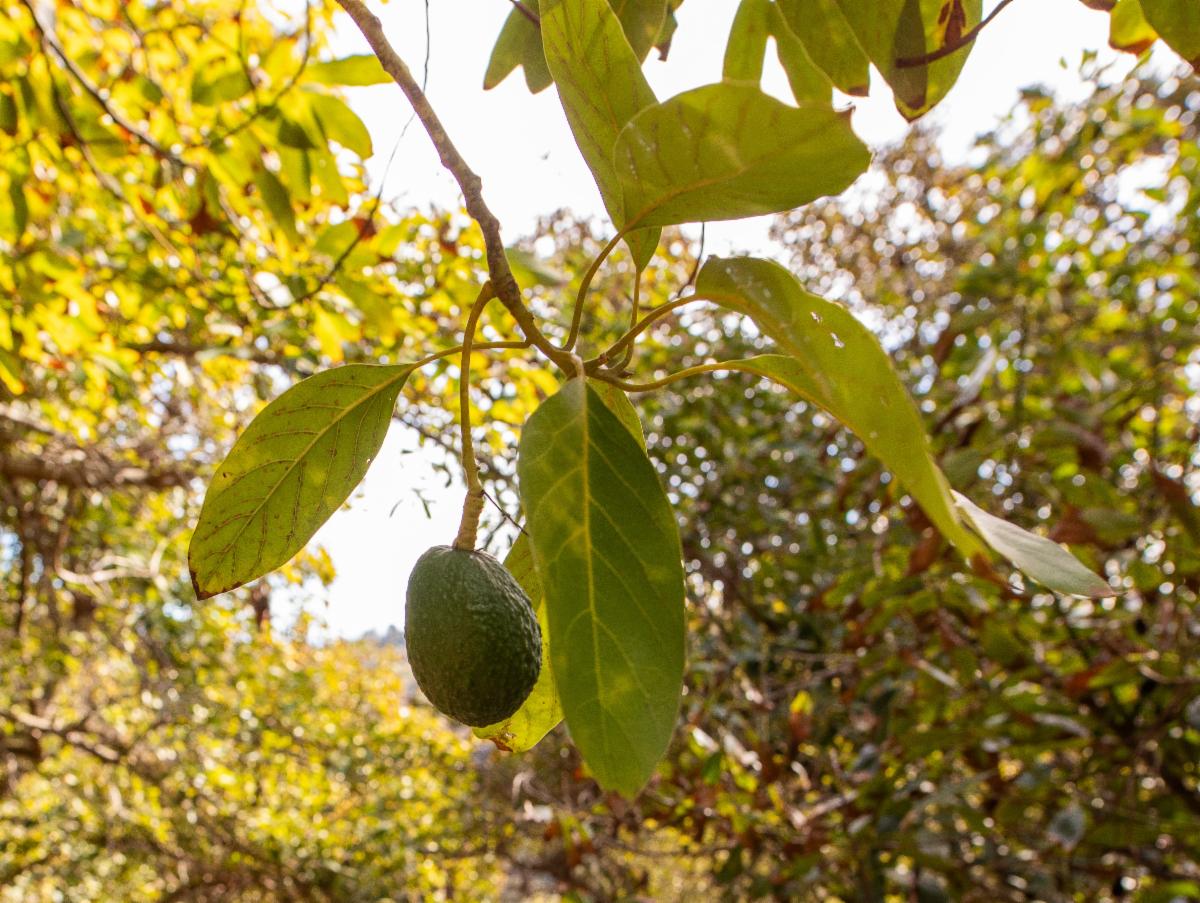
Rancho California Water District's Crop SWAP program has offered incentives for agricultural water users to transition from high water-use crops, such as avocados (pictured below), to crops with lower water requirements, such as wine grapes (pictured above.) Vineyard photo courtesy of Rancho Water.

Agricultural water users in Metropolitan's service area can now apply for financial incentives designed to help them replace high water-use crops with more water-efficient crops.


Examples of possible "crop swaps" include converting from avocados to wine grapes or citrus trees.


The incentives are offered through Metropolitan's Water Savings Incentive Program, a longstanding program that offers cash incentives to non-residential customers who make water efficiency upgrades that may not qualify for the district’s standard rebate programs.

Metropolitan staff recently revised the WSIP to make it easier for farmers to use the program for crop swaps. The incentive is designed to encourage agricultural customers to move away from water-intensive crops and support efficiency, sustainability and resilience within the farming community. 


Read more about WSIP for Agriculture and the application process.

Metropolitan to Senate: Strong federal leadership needed in forging Basin-wide consensus on Colorado River

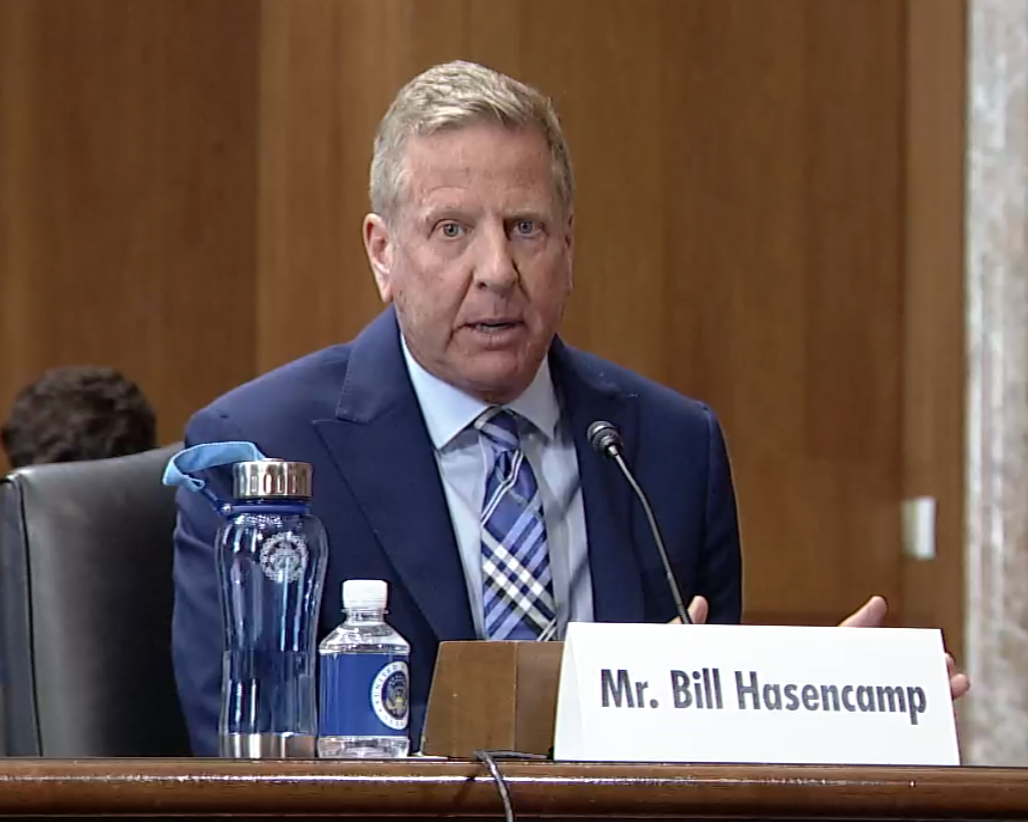
As the federal government prepares to issue its framework for post-2026 operations, Metropolitan's Colorado River Resources Manager Bill Hasencamp told federal lawmakers that a Basin-wide consensus for long-term operations is still possible.


Speaking at a June 10 hearing of the U.S. Senate Committee on Energy and Natural Resources, Hasencamp provided a roadmap of how a long-term agreement can be forged among water users across the Basin.

Read Bill Hasencamp's testimony. Watch it here.

Palo Verde Valley community improvement program awards first grants

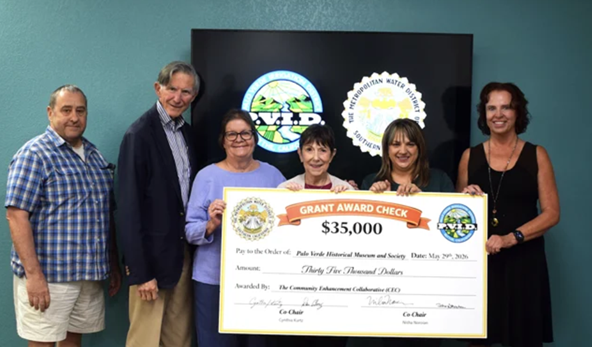
The Palo Verde Historical Museum and Society received a $35,000 grant from the Community Enhancement Collaborative. From left, PVHMS Board Member Brian Alexander, Metropolitan board Director and CEC Member Desi Alvarez, PVHMS President Marilee Harkinson, Metropolitan board Director and CEC Co-Chair Cynthia Kurtz, PVID Trustee and CEC Co-Chair Nisha Noraian, and PVID Trustee and CEC Member Debra Stroschein.

Metropolitan and the Palo Verde Irrigation District awarded more than $315,000 in the first round of grants from the new Community Enhancement Collaborative.


The program was launched last year to support the Palo Verde Valley community as Metropolitan incentivizes local farmers to fallow part of their land to conserve water and help stabilize the Colorado River.


Learn more about the first grant recipients in the press release.

Metropolitan releases annual Drinking Water Quality Report


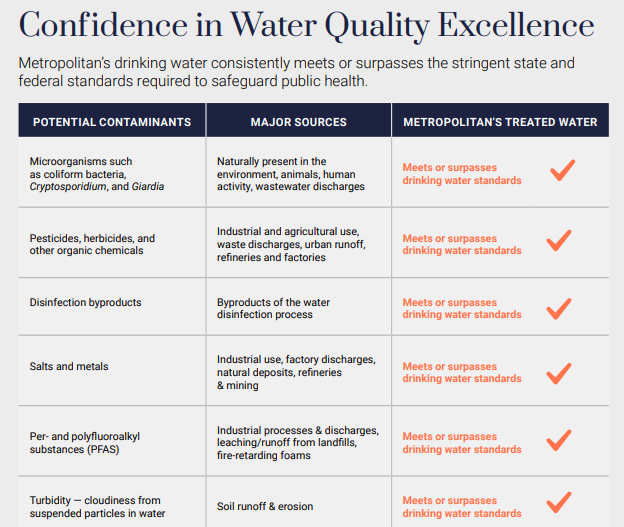
California has some of the most stringent water quality standards in the country, often surpassing federal requirements set by the Environmental Protection Agency. 


Metropolitan monitors our water for hundreds of regulated and non-regulated constituents and tests more than 70,000 samples every year.


Metropolitan’s testing results show consistent compliance with water quality regulations.


Read the report.

New Calleguas director joins Metropolitan Board

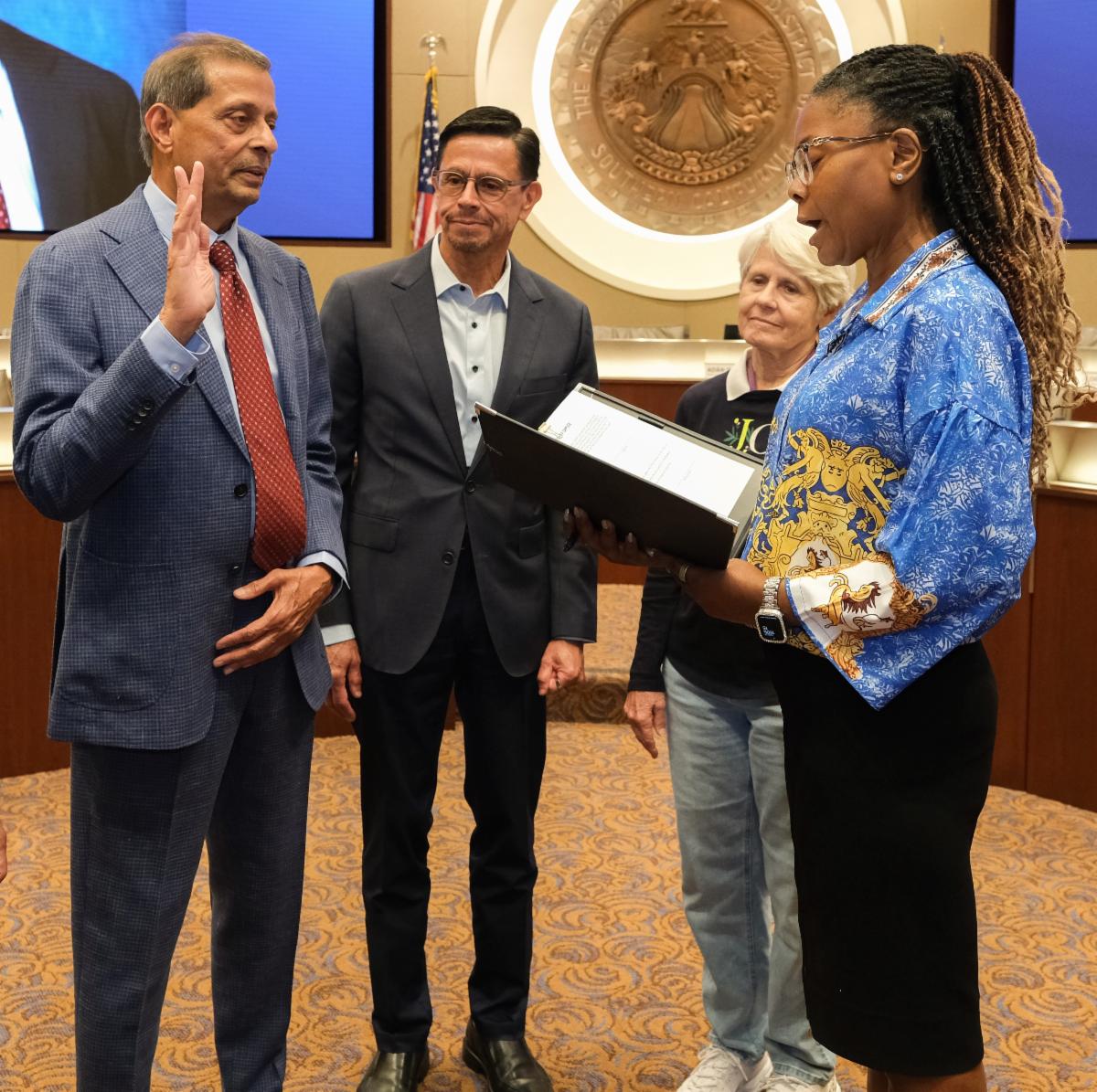
Longtime water industry leader Reddy Pakala was seated on June 23 as Calleguas Municipal Water District’s new representative on Metropolitan's Board of Directors. 


Pakala brings more than three decades of experience in water and wastewater, including serving as the director of Ventura County’s Water and Sanitation Department, where he managed six water systems, one recycled water system and six sewer systems.


Read the press release.


From left, Director Reddy Pakala, Board Chair Adán Ortega, Jr., General Counsel Marcia Scully and Board Executive Secretary Rickita Hudson during Director Pakala's swearing in.

Celebrating National Safety Month


In recognition of National Safety Month in June, we asked staff to share:


How do Metropolitan employees stay safe on the job? By checking every box.


Why is safety so important? So everyone gets home safely to their loves ones.


See more reels on Instagram.

Supporting Healthy Rivers & Landscapes


Metropolitan supports the Healthy Rivers and Landscapes Program as a smarter way to manage the Sacramento-San Joaquin Delta Watershed.


Developed through collaboration and by using the latest science, HRL aims to create a more resilient Delta Watershed for decades to come.


Watch the video.

Metropolitan_welcomes_public_participation_p5.png
Facebook  X  Instagram  Linkedin  Youtube