Volume 10 : Issue 6AAAAAAAAAAAAAAAAAAAA March 19, 2026


Your Local Source for Green Inspiration and a Deeper Connection to Nature!

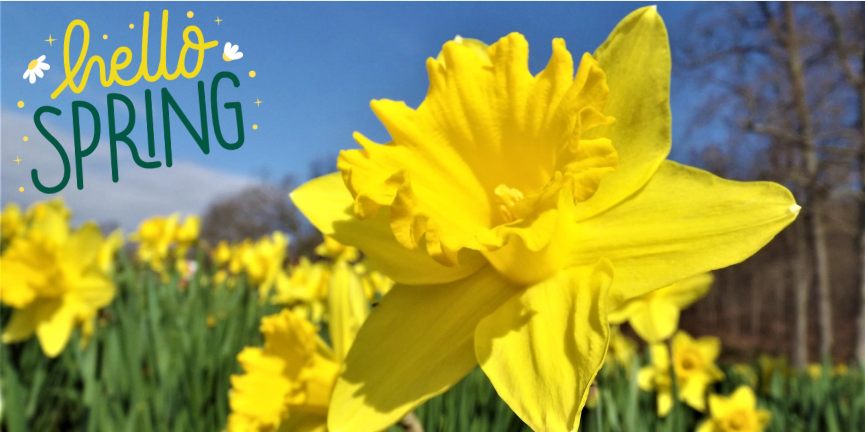
Spring will officially arrive tomorrow morning at 10:46AM! With it comes a sense of energy and possibility that wakes everything up—landscapes, wildlife, and even us. Each day brings a new sign that the season is shifting - brighter mornings filled with birdsong and the earliest shoots pushing up through the warming soil.


After what seemed like an extra-long winter with a total snowfall of 75.4" in New Milford, it feels fantastic to see properties coming alive again.

For landscapers, spring is the season of fresh starts. It’s when we help our clients shape their outdoor spaces for the warm months ahead, preparing gardens, refreshing beds, and setting the stage for vibrant, healthy growth and fun times spent outside.


Whether you’re looking to rejuvenate an established landscape or explore innovative design ideas, this is the perfect moment to begin. The ground is waking up, temperatures are rising, our schedules have availability, nature is ready to get to work — and so are we! -Shayne

With spring arriving this Friday, it's the time homeowners are looking for simple and effective ways to quickly refresh their landscapes. To help you get the season started on the right foot, we’ve put together six easy property upgrades—each designed to enhance curb appeal, support healthy growth, and make your outdoor space more enjoyable for the next three seasons.


1. Refresh Your Mulch Beds

A fresh layer of mulch is one of the simplest ways to revitalize your landscape for spring. Our crew can clean out winter debris, redefine the edges, and install new mulch to instantly boost curb appeal and support healthier plants.


2. Add Early‑Season Color

Want instant spring brightness? We can plant early‑blooming annuals and perennials that thrive in cool spring temperatures. These colorful additions bring life back to your property while the rest of your landscape wakes up.


3. Re‑Edge Garden Beds & Walkways

Crisp and clean edging makes an immediate difference. Whether you prefer a natural spade edge or a more defined border, our team can reshape and clean up bed lines to give your property a sharp, fresh and polished look.


4. Upgrade or Install Landscape Lighting

Our lighting solutions highlight your home’s best features, make your property safer, and extend your outdoor enjoyment well into the evening. From simple path lights to complete lighting designs, we can brighten your landscape beautifully.


5. Add Pollinator‑Friendly Plantings

Looking to support bees, butterflies, and beneficial insects? We can help you choose and plant native, pollinator‑friendly options — like coneflower, lavender, or this month’s featured plant, milkweed — to bring more life and movement into your yard.


6. Enhance Your Hardscape Areas

Winter's freeze/thaw cycles and snow/ice removal can take a toll on hardscapes. Even small updates can make a big difference. We can re-level uneven walkways, install steppingstones, refresh gravel paths, incorporate decorative planters, or tidy up your front entry to create a more welcoming and functional outdoor space.

Step_Lighting.jpg_p1.png

NATIVE PLANT OF THE MONTH

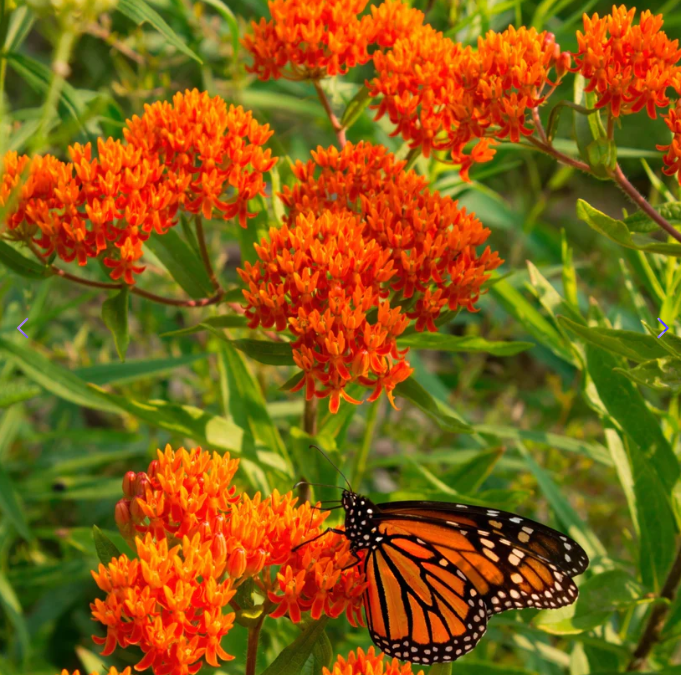
Connecticut is home to several native milkweed species, including common milkweed (Asclepias syriaca), swamp milkweed (A. incarnata) and butterfly milkweed shown above, (A. tuberosa). Native milkweed is one of the most valuable plants you can add to a Connecticut landscape. They support many pollinators, especially monarch butterflies, which rely exclusively on milkweed for the survival of their species. These plants also attract a wide variety of other beneficial insects, making them a powerful addition to any eco‑friendly garden.


These three species are well‑suited to local conditions and research highlighted by the Sierra Club of Connecticut notes that monarch butterflies prefer swamp and common milkweed for egg laying, while butterfly milkweed attracts numerous bee species—making native milkweeds high‑value plants for supporting ecological biodiversity.


Milkweed also offers a surprising bonus in the fight against the invasive spotted lanternfly (SLF). Field observations in Connecticut show that lanternflies feeding on milkweed often become sick or die due to the natural toxins in the plant’s milky sap. Research is showing that some species of milkweed can kill 60–80% of lanternfly nymphs and adults within 24 hours, suggesting that native milkweed is a promising “trap‑crop” in integrated pest‑management (IPM) strategies by acting as a natural, chemical barrier against SLF.


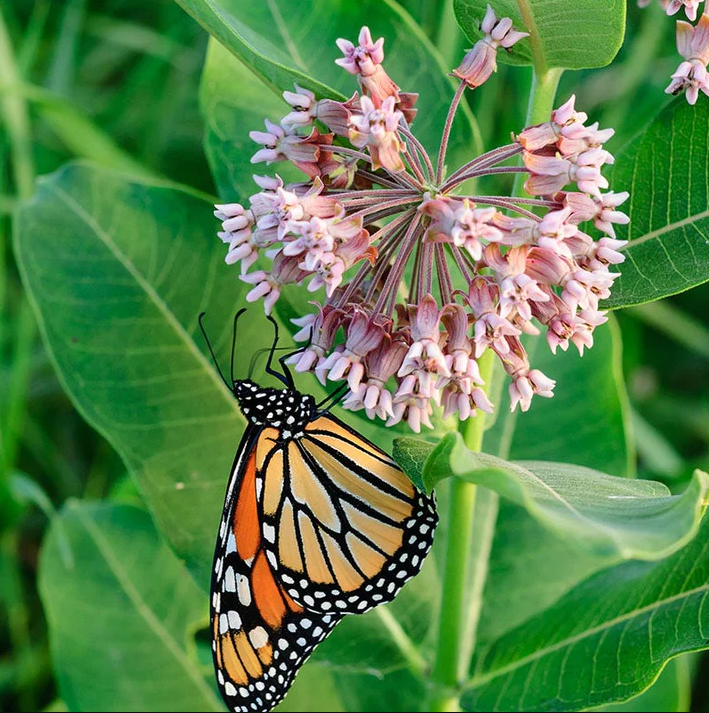
If you want to grow your milkweed from seed, you will need to cold-stratify the seeds in the fridge now! Refrigeration for about 30 days will simulate winter conditions preparing the seeds for germination. (Below: Common milkweed)

Web  Facebook  Instagram  LinkedIn  Pinterest  Email

YardScapes Landscape Professionals(860) 350-2737 18 Aspetuck Ridge Road New Milford, CT 06776 US

Constant Contact