|
Written by Kieran Delamont, Associate Editor, London Inc. | |
ETIQUETTE
Free the knee?
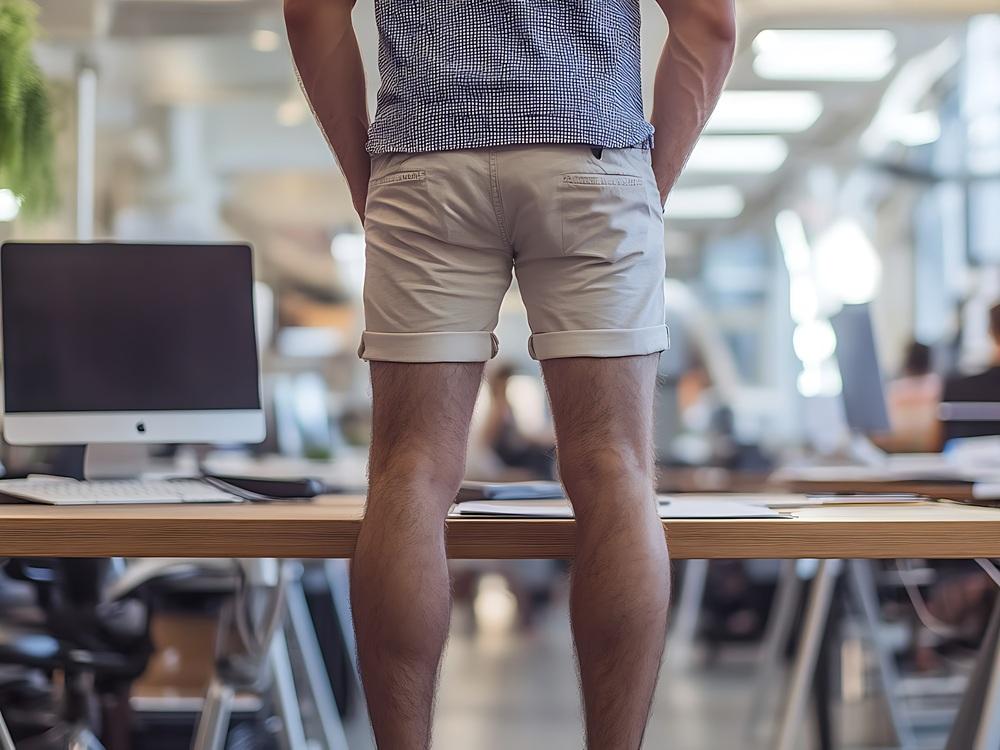
Is it okay to wear shorts to the office? Inside the polarizing debate
| | |
IT’S BEEN A hot summer, and to make matters worse, Big Khaki has you believing yourself to be a prisoner to the long pant — sweltered, constricted and shackled by the received wisdom that the office is no place for a pair of shorts.
And yet, as the temps rise, more do the gams yearn to be freed. With these last few weeks of summer ahead, you might start wondering whether you could sneak in a pair of shorts now and again. Would anyone notice? Would anyone care?
The shorts in the office debate has sparked up again this year, as it often does around this time. Bloomberg, sensing the change in the winds, conducted a poll of traders, portfolio managers and strategists, asking one simple question: Is it ever okay to wear shorts in the office?
“Only 45 per cent said yes, which is, frankly, more than I expected,” wrote Bloomberg’s Chris Rovzar. “Is it not time for a change? If it’s over 90F (32C), shouldn’t we be allowed to wear shorts to the office? Life’s too short to be so uncomfortable.”
But the real rub is that change is happening on the shorts question. In April, Tokyo governor Yuriko Koike announced that male municipal workers would be allowed to wear shorts to work, in an effort to reduce air conditioning use amid an energy price shock. At Instagram, head honcho Adam Mosseri told Business Insider that he was pro-shorts. “When it hits, it hits,” he said of wearing shorts. “But not everyone can pull them off, and not all shorts are created equal.”
This change is not coming from above, though. Employees have felt differently than their overlords about shorts for some time. In 2023, a Korn Ferry survey found that 58 per cent of employees viewed it is acceptable for men to wear shorts in the office, especially among younger workers. “To some degree, the cry to toss the long pants is generational,” they wrote, noting that among millennials, 75 per cent were okay with shorts.
“Shorts are a new threshold,” said Korn Ferry’s Ron Porter. “It’s crossing a boundary of informality and casualness.”
Right now, the heat is the obvious culprit for the sky’s out, thighs out attitude. We will have to wait and see what the fall brings, though — will we see the knee slink back into some pants, tucked away for another year? Maybe. Or maybe not, said co-founder of L’Etiquette magazine Gauthier Borsarello, who thinks the shorts trend is about more than just the heat.
“There’s something happening with men and their legs right now, and I don’t think it’s just the heat,” they told The Cut. “It’s a part of the body you can choose to reveal, deliberately, for a season, and a shorter short in summer does exactly that.”
| |
HEALTH & WELLNESS
Pushed to the brink
Burnout is pushing one in 10 Canadian emergency room doctors to leave the profession
| | |
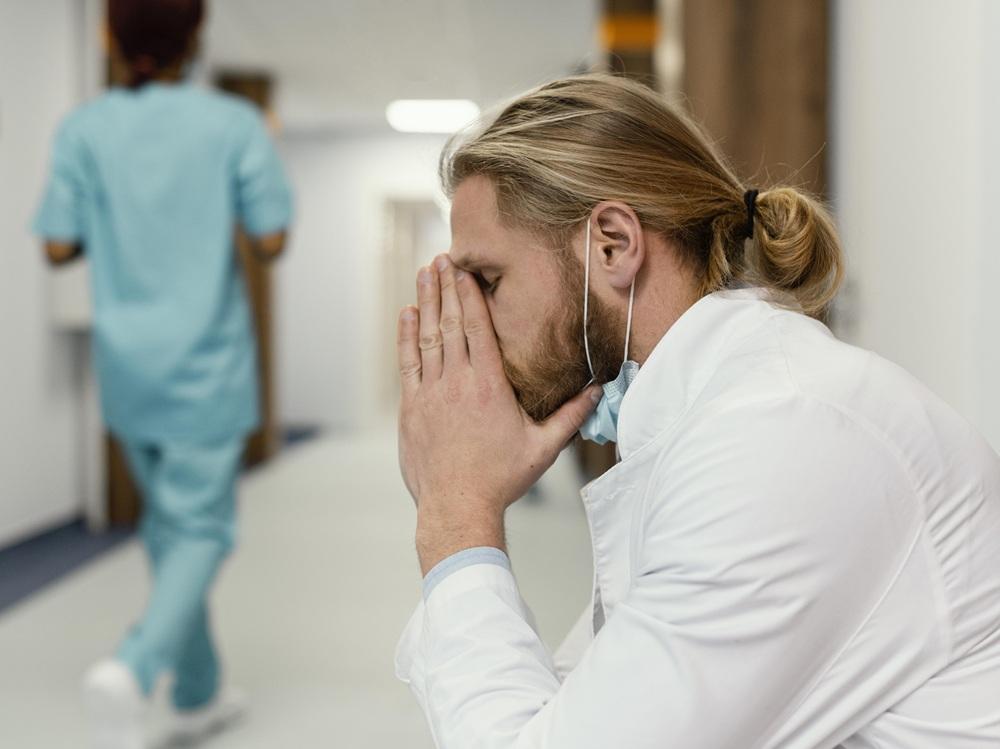
BURNOUT HAS BEEN a common buzzword in corporate spaces over the last couple years, and now it’s coming into the spotlight in the emergency room. A major new study published last month in the Canadian Medical Association Journal looked at how emergency physicians are faring these days, and found that the burnout runs deep — like, deep deep, and is a major factor in why doctors are packing it in and leaving the profession.
“Emergency physician burnout remains high, with almost half of respondents having reduced their work hours, and 10 per cent having left the profession,” the study found. “Burnout levels in 2020, 2022 and 2025 remained unchanged. Respondents pointed to a broken healthcare system, unrealistic societal expectations and insurmountable workplace challenges as reasons for burnout.”
While physicians leaving the profession has, at times, been talked about as a pandemic phenomenon, the authors find that the burnout crisis both predates, and has outlasted, Covid. “Emergency physician loss is a crisis for the Canadian healthcare system,” the researchers wrote, “and our results suggest attrition to the emergency workforce, which in turn exacerbates burnout among those who stay.”
“I don’t think what we’re experiencing now relates to the pandemic, and it would have happened whether we had the pandemic or not,” said Dr. Kerstin de Wit, speaking to Canadian Occupational Safety. “We’re working much harder. The pressures are much, much greater on every shift. We're just exhausted.”
Physicians aren’t necessarily experiencing a unique form of burnout, and many of the causes are the same as we see in corporate and office settings: resources are stretched, with hospitals asking staff to do more with less. The context of the emergency room is certainly unique, and the pressures of the job are heightened, but the underlying structures producing burnout are familiar.
“You can picture what it would feel like if you never get a moment of rest,” said Peter Mergmanis, co-chair of London’s Ontario Health Coalition chapter. “You can’t feel like you’ve accomplished a full day’s work without having to cut corners.”
The Canadian Medical Association hopes the research will prompt some action, both in the form of short-term support and long-term structural fixes. “Attrition will continue until emergency department overcrowding is mitigated,” the CMA wrote in an editorial. “The profession cannot wait for complex systems-level solutions to be realized; immediate actions must be taken to protect emergency department personnel now.”
| |
| |
Terry Talk: Stop counting office days
| In this Terry Talk, Ahria Consulting president & CEO Terry Gillis challenges the return-to-office debate and asks a simple question: Are leaders falling in love with solutions before understanding the problem? Hybrid work often delivers equal or better results, yet many organizations continue pushing five-day office mandates. Maybe it's time to stop counting days and start creating environments where people can succeed. | | | |
LEADERSHIP
Would you get a tattoo for a job interview?
A tattoo-for-an-interview stunt shows how employer brand is built slowly and can be dented instantly
| | |
THERE’S THE EMPLOYERS’ market we’ve heard much about over the last few years, where candidates are adapting and being less choosy, less picky and more flexible with their expectations when looking for a new job. This, by all evidence, is what exists out there in the job market today.
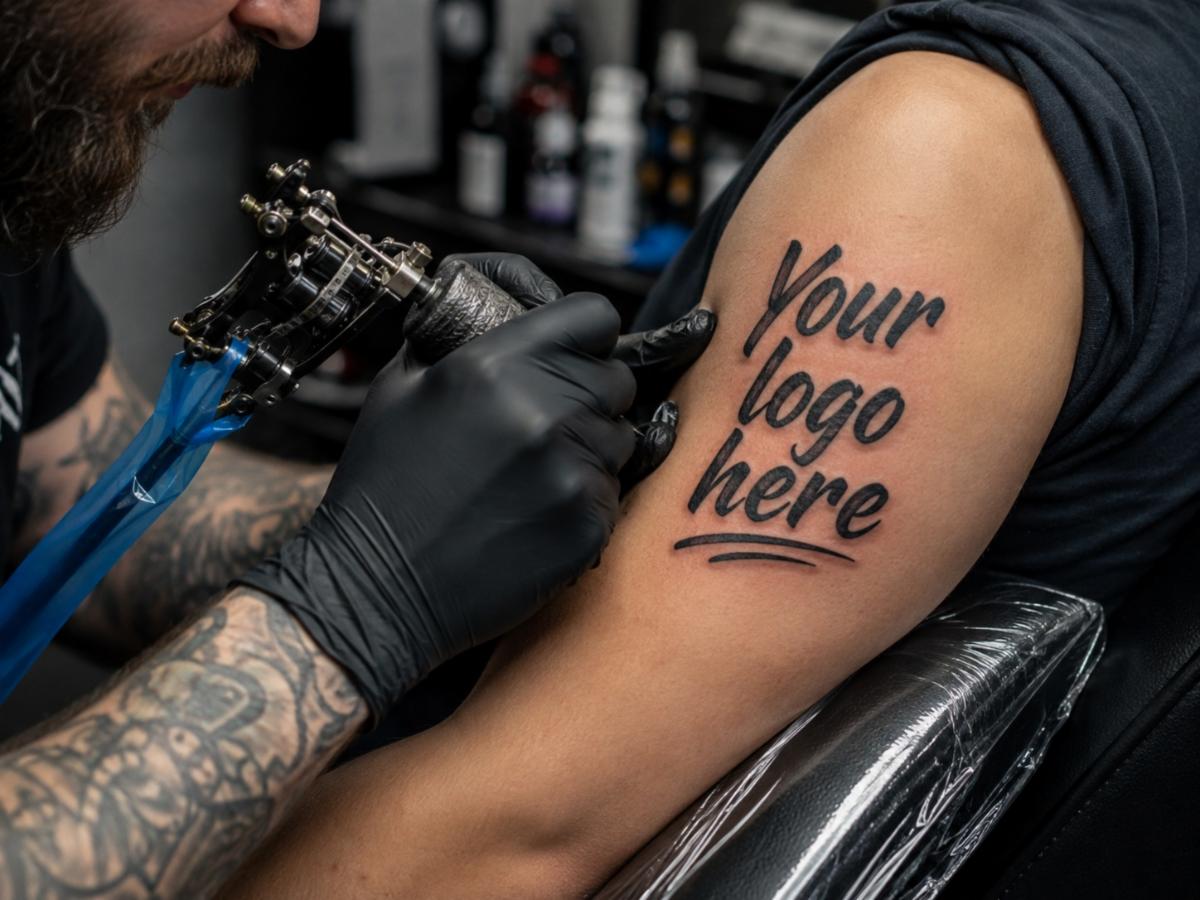
And then there is the employers’ market that mostly lives in one AI founder’s head, where, sure, jobseekers will definitely tattoo themselves with your company’s logo just to get a job interview.
This version of the employers’ market, learned founder of LemonLime Jordan Zietz, does not quite exist.
Zietz learned this in response to an ill-thought-out LinkedIn post, where he praised the seven people who came out to a party at LemonLime’s offices that took up the offer of “an instant interview to anyone who got a LemonLime tattoo.”
Perhaps it could have been played off like a harmless little joke, although Zietz went all LinkedIn-thought leader mode, talking up the recruitment strategy as a way to find staff who are “bold, [who] take risks, and [who] do things that haven’t been done before.”
And he appeared to be serious about it. “If you’re reaching out to us to apply for a job, you might want to take notes,” he posted. Many were not laughing.
“The job market cannot be this cooked that kids have to get permanent tattoos to get interviews,” said one poster on X. Another person on LinkedIn added, “HBO’s Silicon Valley was a documentary,” quipped another. “Since your advisers and investors seem to be asleep at the wheel, here is some Silicon Valley startup advice: Predicating job interviews on getting a tattoo is abhorrent and invites litigation.”
The CEO of a tattoo removal company even chimed in offering free removals for anyone who got caught up in the ordeal.
Zietz eventually appeared to learn that he might have the upper hand right now (as a tech founder in a sector that’s been whacked on the head by job cuts), but that it’s not that much of an employers’ market, and was eventually shamed into apologizing. “What I thought would be a fun, memorable way to meet people was, in reality, reckless, and instead came across as tying a permanent tattoo to job opportunity, which showed poor judgement,” he wrote. “We’re also ready to cover associated removal costs with anyone facing any delayed regret.”
That’s nice and all. But maybe he should just give them jobs?
| |
TECHNOLOGY
This conversation is being
recorded — and so is everything else you do
AI transcription tools are spreading from conference room into personal lives, raising consent and ethics concerns
| | |
|
A COUPLE OF months back, we wrote about how voice mode — operating computers, phones and other electronics with voice commands — was rising quickly. Part of that story was the rise of an array of AI-powered transcription and recording tools offering a step change in capability when it comes to transcribing text, which made for great input material for various LLMs.
So, maybe we shouldn’t be surprised to see people recording much more than just commands to their computer. Now, they’re recording *everything*.
A Wall Street Journal report from last month laid out just how widespread it has become. “Gone are the days of any interaction being private by default,” wrote Katherine Bindley. “Asking for permission is out. […] It isn’t creepy if it’s in the name of productivity, say the people doing the recording.”
Chief among the drivers of this trend is the app Granola, which WSJ said, “can turn the interactions into one-page summaries or a list of action items,” adding that “even at bars and on dates, people are using AI-infused listening apps to analyze conversations later on.”
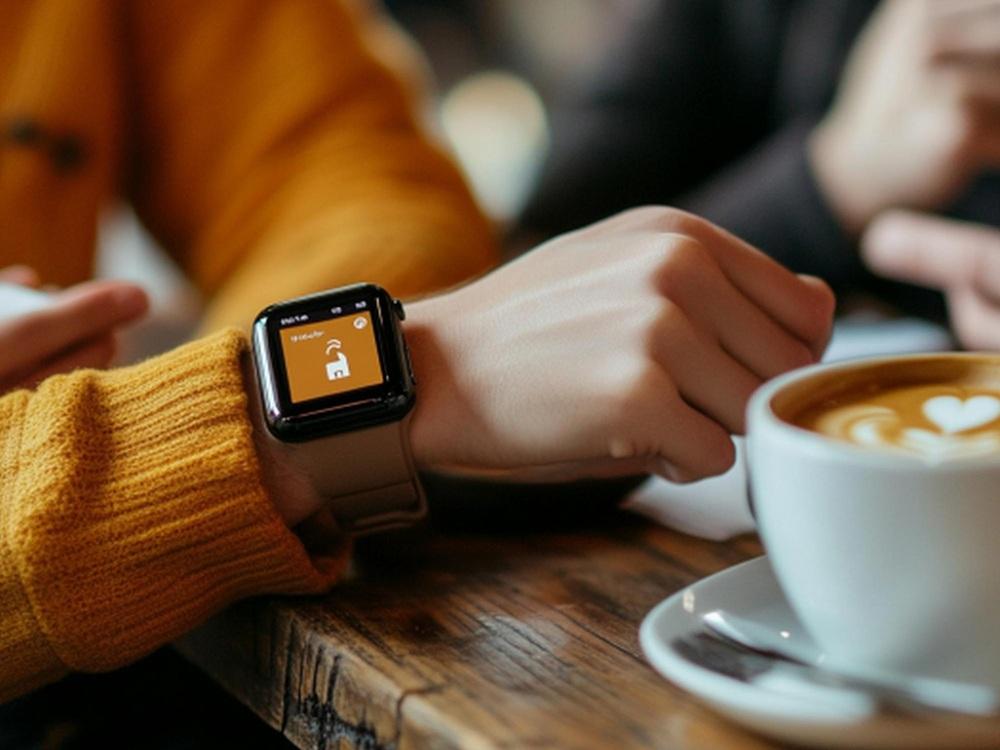
That impulse to record everything in the name of data has rocketed Granola, specifically, to a $1.5-billion valuation, aided in part by its Apple Watch app that can record virtually any conversation. But while Granola users seem to be enjoying the ease of use, experts say it is likely going to accelerate questions around consent, ethics and general etiquette.
“Because the device in and of itself doesn’t signal recording, the onus will be on the recorder to be explicit about their behaviour,” one informatics professor told Inc.
Of course, not all users are acting explicitly. One venture capitalist said he “sees this as normal protocol,” musing that “our society is moving to a state of East Germany.”
It’s one thing to see this kind of tech used in the workspace, where it feels like a natural next step. You might bristle, though, at the ways it’s being used in one’s personal life. Next time you go on a first date, for instance, you might end up recorded — not to roast you in the friend group later, but for the recorder to analyze their performance.
One such user told WSJ their dates are recorded and sent to Claude. “Can I be more engaging and empathetic?” she might ask, or have it analyze “what are the percentages of me talking versus them talking?”
Whatever you feel about this, it does seem to be our new reality. We’ve been paranoid that our phones were listening to us for years — now we’ve just turned that feature on permanently. “I wish there was a Granola in every room,” one tech founder said. Seems like there already might be.
|
| | | | |