|
No. 1: A trick-or-treater takes a tumble. Picture a child walking up a poorly lit path, catching a foot on a garden hose or extension cord, and falling.
Before trick-or-treaters arrive, homeowners can walk the route visitors will take and look for loose steps, uneven pavement, wet leaves, cords, decorations or other obstacles.
Turn on exterior lights and make sure stairs, sidewalks and entryways are easy to see.
If a visitor is injured on the property, the liability and medical payments provisions of a homeowners policy may become relevant.
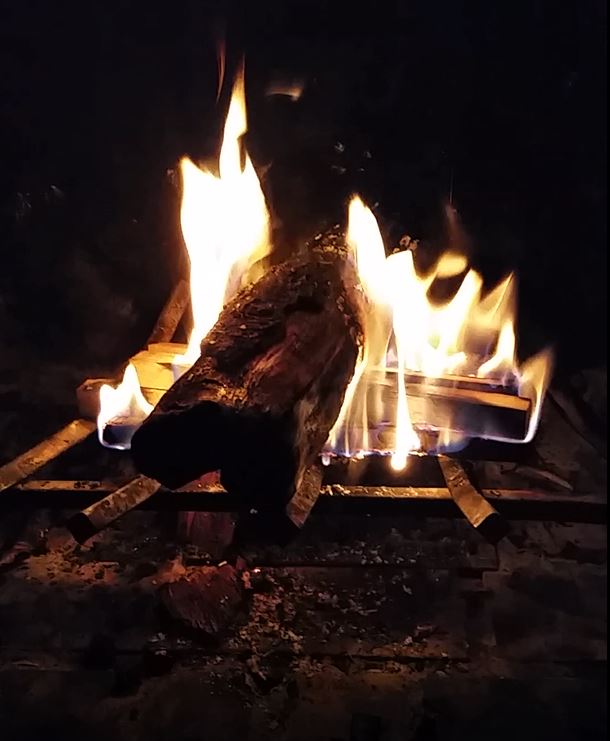
No. 2: The jack-o’-lantern gets a little too realistic. Candles provide the classic flickering glow inside a carved pumpkin, but an open flame near costumes, dried leaves and Halloween decorations can turn dangerous quickly.
According to the National Fire Protection Association, decorations are the first items ignited in more than 800 reported home fires each year, and nearly one-third of those fires are started by candles.
Keep decorations away from open flames and heat sources, and using battery-operated candles or glow sticks in jack-o’-lanterns when possible.
No. 3: Decorations create an electrical hazard. Halloween decorating has become increasingly elaborate. Inflatable ghosts, animated monsters, string lights, projectors and sound systems can compete for outlets and extension cords.
The result can be overloaded circuits, damaged cords or improperly used electrical equipment.
The NFPA recommends following manufacturers’ instructions, keeping electrical decorations and cords in good condition, and taking precautions when using electricity outdoors.
Homeowners also should make sure cords don’t cross walking paths where visitors could trip over them. If so, duct tape is the answer.
No. 4: The family dog isn’t a fan of costumes. Halloween can be confusing for pets. The doorbell keeps ringing, strangers are approaching the house and some of them are wearing masks, capes or inflatable dinosaur costumes.
Even a normally friendly dog may become frightened or overly excited.
From an insurance standpoint, homeowners also should understand that treatment of animal-related liability can vary by insurer and policy. Restrictions or exclusions may apply in some cases. Discuss with your agent.
No. 5: Halloween mischief becomes property damage. Most Halloween pranks are more annoying than destructive. However, sometimes mischief crosses the line into vandalism.
Broken windows, damaged doors, spray paint or other deliberate damage to a house could potentially result in a property claim, depending on the policy and circumstances.
Damage to a vehicle is another matter. Because an auto policy and homeowners policy provide different types of protection, the coverage that applies will depend on what was damaged and how the loss occurred.
Photographs, video and other documentation can be useful following vandalism, and significant damage should be reported to police.
No. 6: A Halloween party ends with an injury. Halloween isn’t only for young trick-or-treaters. Adults celebrate, too.
If homeowners are throwing a party, they should think beyond costumes and refreshments. Crowded rooms, slippery floors, darkened areas and alcohol can increase the potential for accidents.
Hosts also should consider how guests are getting home. If alcohol is being served, arranging designated drivers, taxis or ride-hailing services can help keep an enjoyable evening from becoming something much more serious.
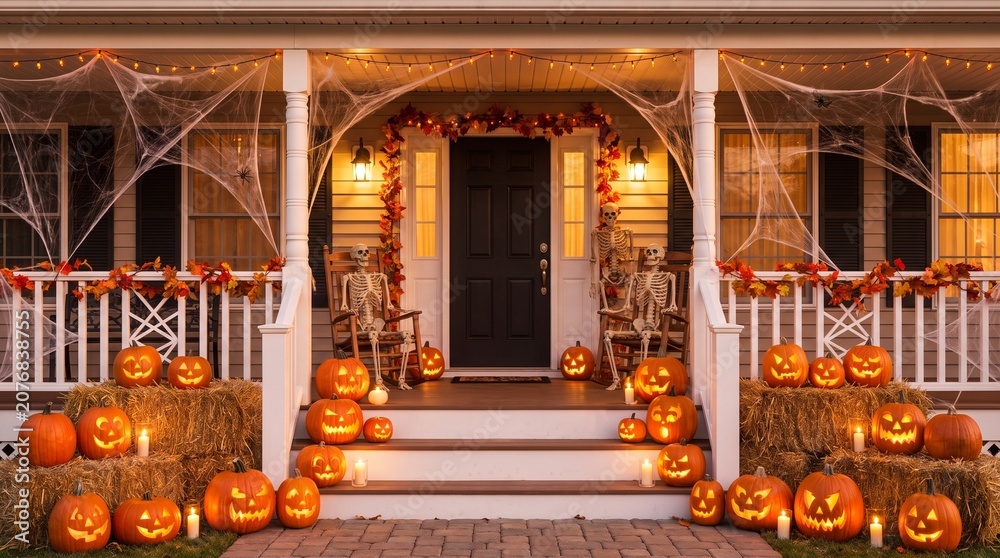
No. 7: An exit becomes part of the decorations. A doorway covered with fake cobwebs may look spooky, but an emergency exit that is difficult to see or to use is no joke.
The NFPA recommends keeping exits clear of Halloween decorations so escape routes remain accessible in an emergency. The organization also recommends making sure smoke alarms are working.
That is good advice at Halloween—and throughout the year.
(Courtesy of Professionl Insurance Agents)
|