|
Balance, equilibrium, and body control are fundamental for the proficient execution of our day-to-day tasks. While we often take these abilities for granted, they play a pivotal role in ensuring that even the simplest actions, such as reaching for an object, are performed seamlessly.
Key to maintaining this balance is a mechanism known as “anticipatory postural adjustments” (APA). These are preparatory contractions that occur in our muscles even before the initiation of voluntary movement. Intriguingly, these contractions are isometric in nature, meaning the muscle length doesn't change, but they play a critical role in ensuring that our bodies are pre-emptively stabilized against any potential disturbances that our movements might cause.
Imagine the simple act of picking up a heavy box. Before we even lift, our body, especially our back and leg muscles, undergo these anticipatory postural adjustments to brace against the weight of the box. Without APAs, our body would be caught off-guard by the sudden load, potentially causing us to lose balance.
However, as we navigate through life, various constraints are placed on our postural system. These constraints can be biomechanical, such as managing multiple motor tasks simultaneously; physiological, like the effects of fatigue; temporal, where we might be pressured for time; or even psychological, like fear of falling. Recent studies have explored how our APAs adapt to these diverse constraints.
Results have been fascinating, showing that the central nervous system (CNS) has an uncanny ability to adjust the characteristics of APA depending on the specific constraint in play. For instance, under the constraint of potential injury, the CNS might prioritize body protection. On the other hand, when performing a precise task, it may prioritize the maintenance of the specific movement’s performance.
Read the Study: Adaptability of anticipatory postural adjustments associated with voluntary movement
Such insights into how our body maintains balance and adapts to various constraints can have profound implications, especially in the clinical setting. A deeper understanding of APA can shed light on why certain populations, such as the elderly or those with Parkinson's disease, are more prone to falls. This knowledge can then be harnessed to create tailored rehabilitation programs, ensuring safer and more effective recovery pathways.
Anticipatory postural adjustments “isometric muscle contractions” are pivotal to our daily movement, stability, and balance. Their adaptability in the face of diverse constraints underscores the remarkable intricacy and versatility of the human body.
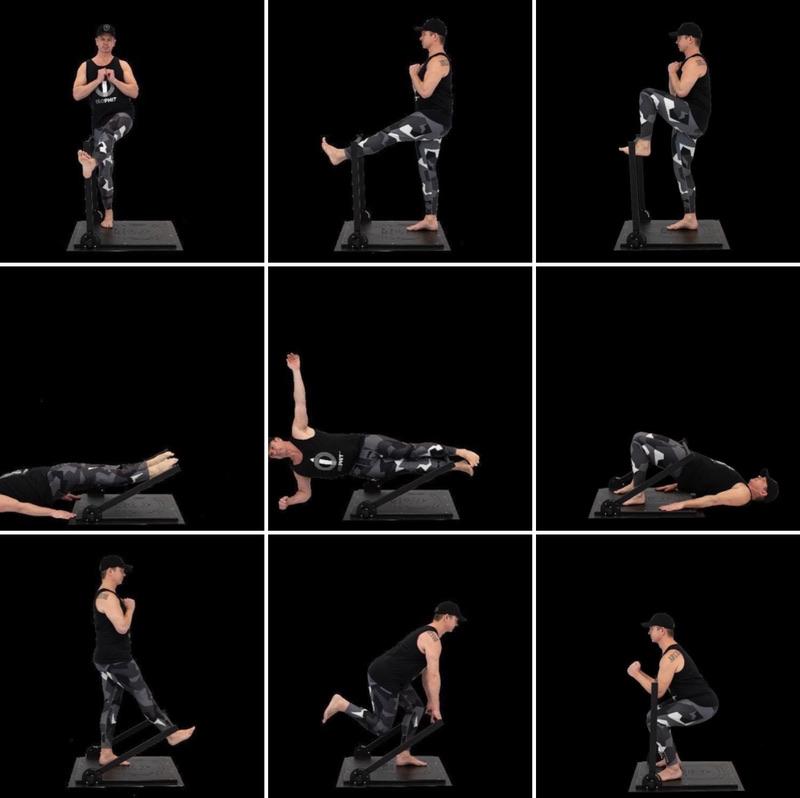
For more information on isometric strength training and its significant impact on functional health and performance, visit our website at www.Isophit.com or reach out to me at brad@isophit.com.
Yours in Isometric Strength,
Brad Thorpe
CEO / Inventor
Isophit
|