|
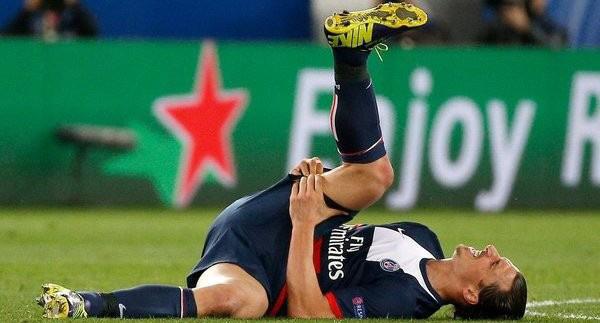
In recent years, the world of professional sports has witnessed a concerning trend – a rising crisis involving hamstring injuries. This alarming increase in hamstring injuries has prompted researchers and sports professionals to reevaluate their approach to training and prevention. Ekstrand et al. shed light on this issue, revealing that hamstring injuries now constitute a staggering 24% of all injuries in men's professional football, marking a significant uptick from previous years.
Read the Study: Hamstring injury rates have increased during recent seasons and now constitute 24% of all injuries in men’s professional football: the UEFA Elite Club Injury Study from 2001/02 to 2021/22
Traditionally, the hamstring muscles have been treated as a collective unit in sports training and injury prevention. However, this approach may no longer suffice, given the current crisis. It's becoming increasingly clear that a more individualized perspective is necessary when addressing hamstring health. Understanding the anatomy of the hamstring muscles is essential to comprehend the intricacies of this issue fully.
The hamstring muscles comprise four components: the semimembranosus, semitendinosus, and biceps femoris muscles. The biceps femoris muscle has both a long and a short head, adding complexity to this muscle group. These muscles originate from the posterior, proximal, and lateral sides of the ischial tuberosity, extending down the leg through tendons and aponeurotic extensions. While the biceps femoris is superficial and lateral attaching to the fibular head, the semitendinosus is superficial and medial and combines with the gracilis and sartorius muscle and attaches to the anterior-medial side of the tibia. Together, they form the bulk of the proximal hamstring muscles, with the semimembranosus having a more distal origin on the posterior aspect of the tibia. The biceps femoris short head originates at the lower portion of the posterior femur and shares a common tendon with the biceps femoris long head.
Understanding the intricate anatomy of these muscles is crucial, as it plays a vital role in muscle force generation and stretchability, which are central factors in hamstring injuries. A study by Dolman et al. found that the biceps femoris muscle tends to be more susceptible to injury during interval sprinting, with a higher force requirement during lengthening muscle contractions compared to the semitendinosus and semimembranosus muscles.
Read the Study: Physical principles demonstrate that the biceps femoris muscle relative to the other hamstring muscles exerts the most force: implications for hamstring muscle strain injuries
This discrepancy in force exertion during lengthening contractions may be a contributing factor to the increased vulnerability of the biceps femoris to injury during activities like repeated sprints. It highlights the importance of not treating all hamstring muscles equally and tailoring training and prevention strategies accordingly. This means generic high risk exercises like nordic curls should be viewed with extreme caution. (Note: there has been a rise in calf and Achilles injuries in recent years since the rise of nordic curl: could it be the calf restraint of the nordic curl machine impacting the lower leg?)
Furthermore, Nakaizumi et al. conducted a study to evaluate the extensibility of the hamstring muscle group. Their findings revealed that the semimembranosus exhibited higher resistance to morphological changes during stretching compared to the other hamstring muscles. This resistance to change may influence the overall flexibility of the hamstring muscle group and impact injury susceptibility.
Read the Study: Measurement of the cross-sectional area of the hamstring muscles during initial and stretch positions with gravity magnetic resonance imaging
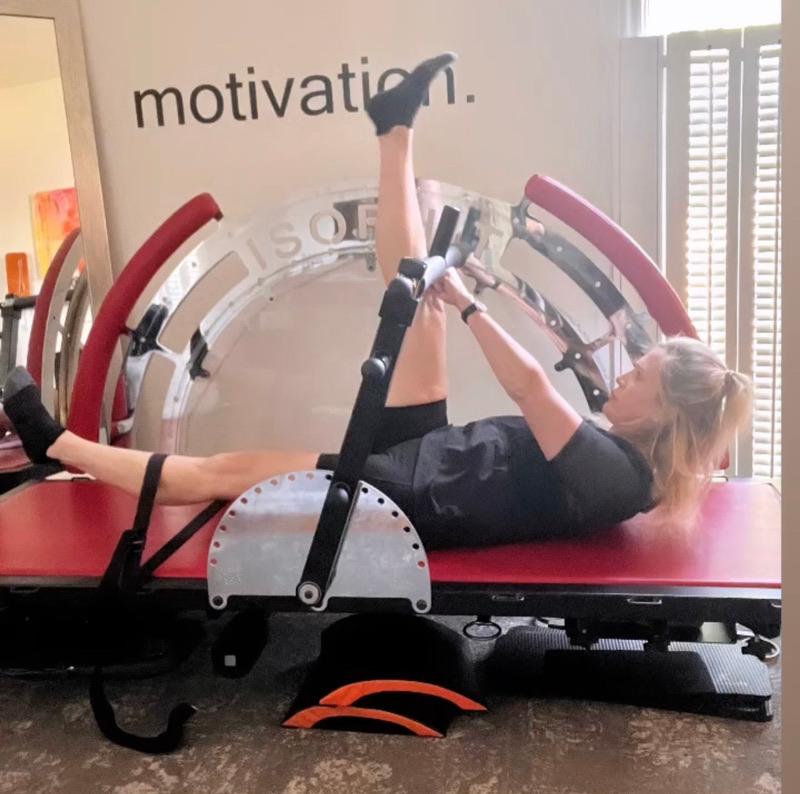
In light of these anatomical nuances and the alarming increase in hamstring injuries, it is imperative to rethink training and prevention strategies. Sports coaches, trainers, and athletes should consider a more individualized approach to hamstring muscle care. Isometric strength training, which can focus on angle-specific, targeted muscle contractions, emerges as a safe and effective way to strengthen the different components of the hamstring muscles.
However, it's equally important not to neglect the other muscles involved in knee flexion, such as the gracilis, sartorius, popliteus, gastrocnemius, and plantaris. Training these muscles in conjunction with the individual components of the hamstrings can help distribute the load more evenly and reduce the risk of hamstring injuries.
Looking forward, the hamstring crisis in professional sports demands a paradigm shift in how we approach training and prevention. Ekstrand's research highlights the urgency of this issue, emphasizing the need for a more nuanced understanding of hamstring anatomy and function. By acknowledging the differences in muscle force generation and stretchability, and by incorporating a whole body isometric strength training protocol to maximze the strength and stability of the athlete, we can take significant steps toward mitigating the hamstring injury crisis in professional sports.
For more information on isometric strength training or to purchase an Isophit 316 or 316XL for your business or personal use, visit our website at www.Isophit.com or reach out to me at brad@isophit.com. Please share this article on your social media channel or with your family, friends, and colleagues.
Yours in Isometric Strength,
Brad Thorpe
CEO / Inventor
Isophit
|