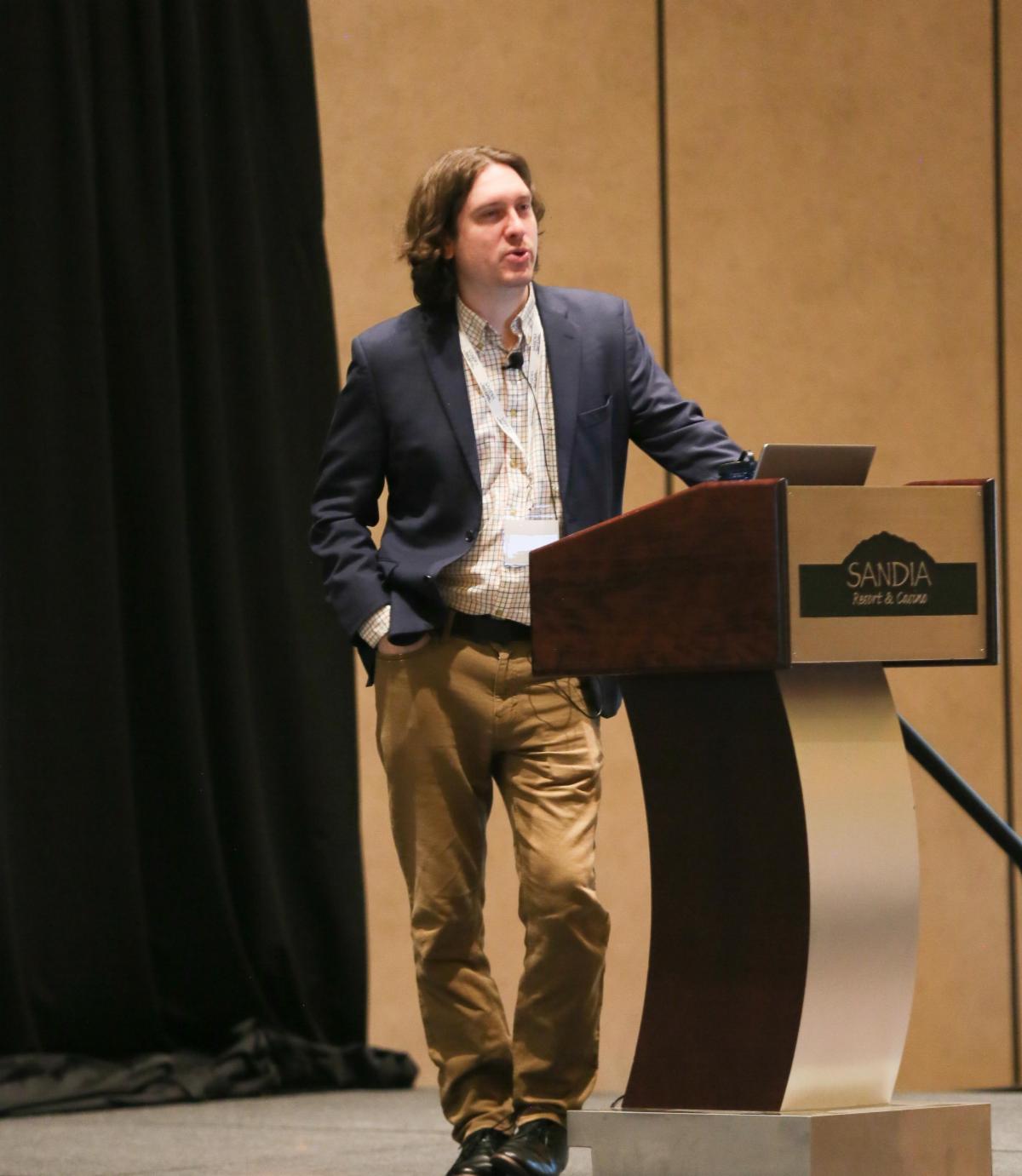
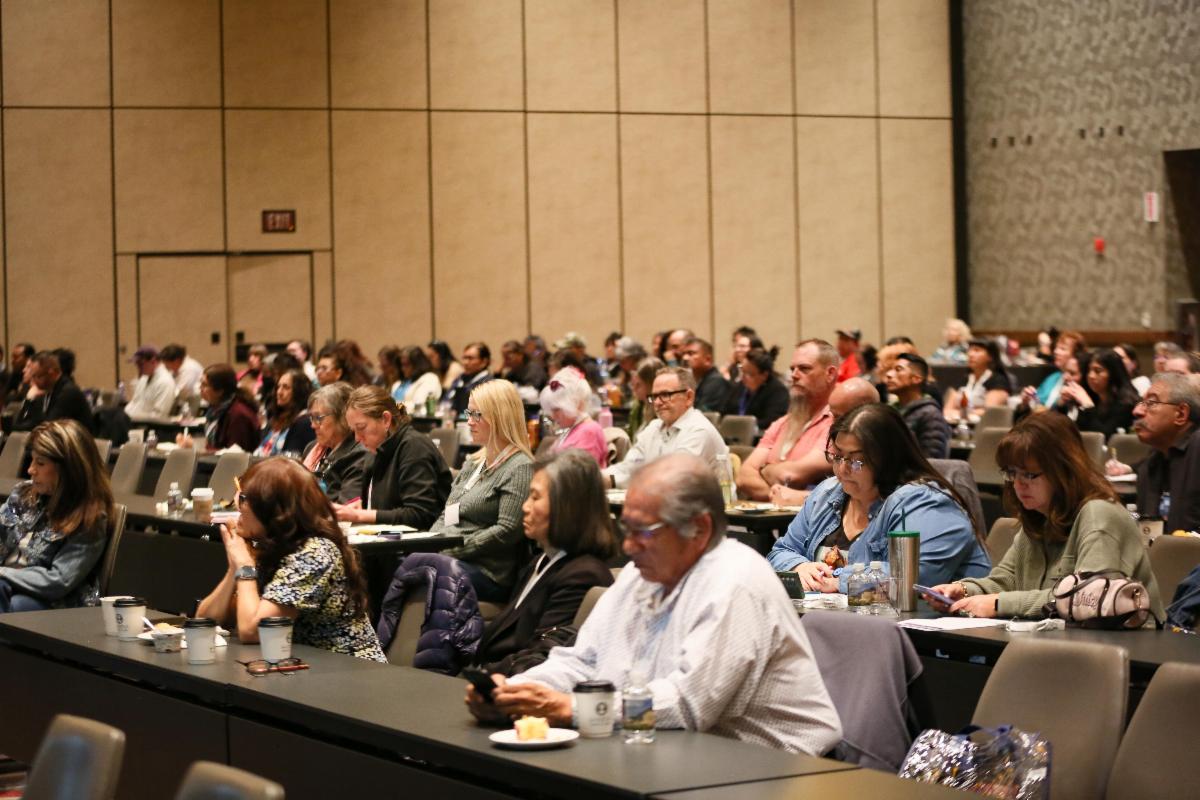
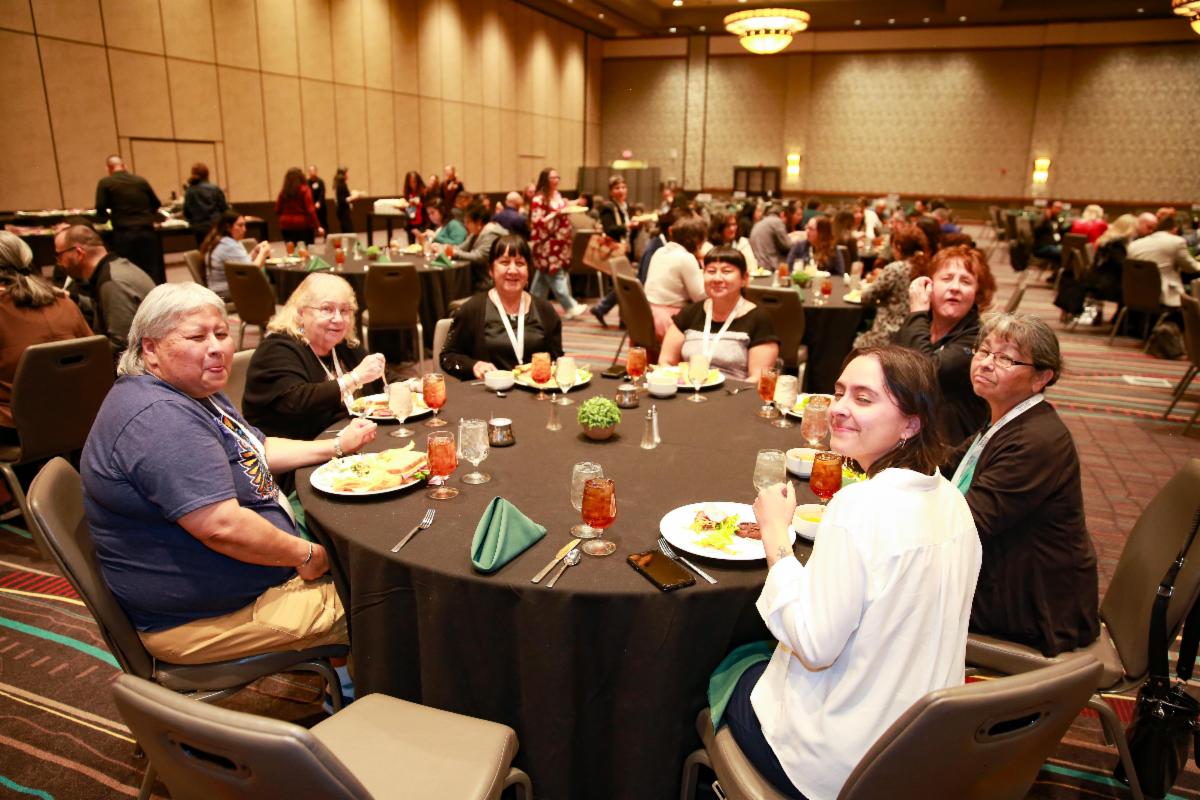
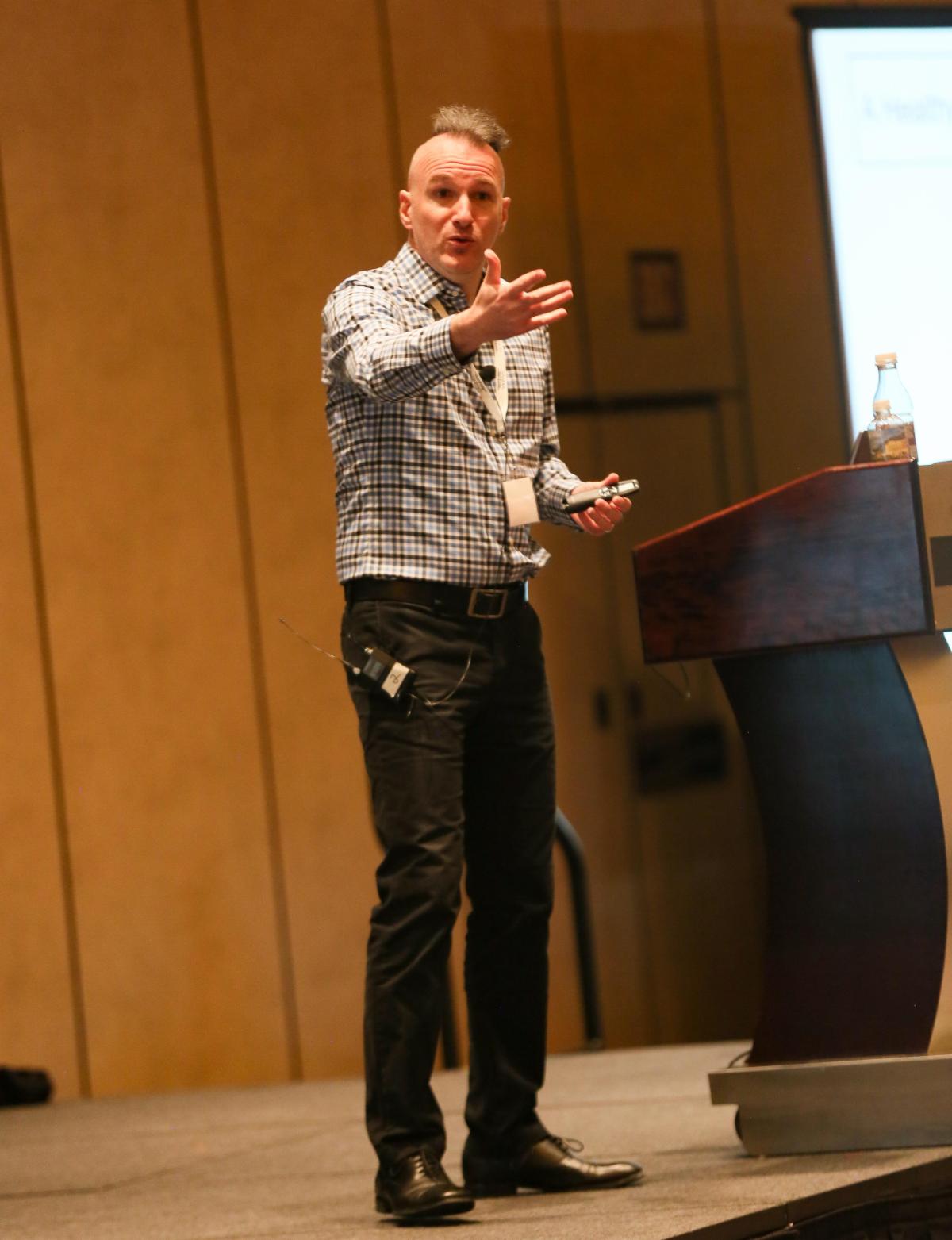
Building Partnerships • Advancing Research • Expanding Education | | Celebrating 30 Years of Leadership | | Ashlee Olujic introduces ICRG’s Tribal and Community Engagement work | |
Next.io and Trends by by ICRG President, Michael Soll
| | Highlights from ICRG’s Sandia Conference in New Mexico | Updates on ICRG-Funded Research and Education Initiatives | A First Look at the Upcoming Lottery Forward Conference | | Celebrating 30 Years of Research, Insight, and Impact | | This year, the International Center for Responsible Gaming proudly celebrates 30 years of leadership in research and education on gambling disorder and responsible gambling. Since its founding in 1996, ICRG has helped advance scientific understanding of gambling-related harm, prevention, and treatment, supporting work that has led to more than 500 peer-reviewed scientific articles and lasting contributions to the field. | As we celebrate this anniversary, we honor not only ICRG’s history, but also the researchers, clinicians, supporters, and partners who have helped build a stronger, more informed response to gambling disorder. We look forward to continuing this important work in the years ahead. | | Tribal Gaming, Community Well-Being, and the Need for Responsible Gaming Research | |
| |
Tribal gaming has become a cornerstone of economic development for many Native communities across the United States. Revenue generated through gaming helps support essential services such as education, healthcare, housing, and infrastructure. For many Tribal nations, gaming is more than an industry. It is a pathway to sovereignty, stability, and long-term community strength.
As gaming continues to expand, including through sports betting and mobile platforms, the landscape is changing quickly. What was once limited to physical locations is now accessible at any time, from almost anywhere. These changes bring opportunity, but they also introduce new challenges. Greater accessibility, faster play, and the normalization of betting can increase risk, often before problems are recognized.
| | | |
For Tribal communities, those risks extend beyond the individual. Because gaming revenues help sustain critical community programs and services, community well-being and the long-term strength of Tribal gaming are deeply connected. Protecting one helps protect the other.
That is why Tribal-specific research matters. Much of the existing research on gambling behavior focuses on the general population and does not always reflect the lived experiences, cultural values, or priorities of Tribal nations. Without research that includes Indigenous perspectives, communities may be left without the full picture needed to shape prevention, education, and support strategies that truly fit their needs.
As the gaming landscape continues to evolve, so does an important question: how can research better support Tribal communities in protecting both public health and the long-term benefits of Tribal gaming?
| |
Next.io and Trends
ICRG President Michael Soll
| | |
I recently had the opportunity to engage with industry leaders, regulators, and innovators at the NEXT.io Summit in New York.
The conversations were both energizing and sobering, reinforcing the pace of our industry's evolution and the urgency with which responsible gaming must keep pace.
Several themes stood out.
First, the emergence of prediction markets signals a fundamental shift in how consumers engage with risk. These products sit at the intersection of financial trading and gambling, and while their ultimate regulatory classification remains uncertain, their behavioral dynamics are not. They introduce new forms of speculative engagement that demand closer study, particularly as they appeal to younger and more digitally native audiences.
Second, the continued fragmentation of the U.S. regulatory landscape is creating uneven consumer protections. As new verticals such as sweepstakes platforms, social casinos, and skill-based gaming expand, many operate outside traditional regulatory frameworks. This reality challenges us to think beyond jurisdictional boundaries and toward more consistent, evidence-based standards of player protection.
Third, technology is rapidly redefining both opportunity and risk. Artificial intelligence and advanced data systems are enabling highly personalized user experiences, but they also offer powerful tools for early identification of problematic play. The question before us is not whether these tools will be used, but how intentionally and effectively they will be deployed in the service of player well-being.
Finally, one overarching trend is clear: the industry is converging toward more immersive, continuous, and speculative forms of entertainment.
For those of us in the responsible gaming community, these developments are a call to action.
We must accelerate research into emerging products and player behaviors. We must strengthen collaboration across sectors, including regulators, operators, and technology providers. We must ensure that innovation in gaming is matched, if not exceeded, by innovation in player protection.
The future of this industry will not be defined solely by growth, but by how responsibly that growth is managed.
| | Spotlight on ICRG-Funded Research | | Rethinking Gambling Harm Through a New Lens: “Gambling Satisfaction” | |
ICRG is proud to highlight new research led by Sally Gainsbury and her team at the University of Sydney, exploring an innovative approach to understanding gambling behavior and harm.
Supported through an ICRG Center of Excellence grant (awarded in 2023, click here for more information on all ICRG-funded grants), this multi-year research program focuses on improving engagement with responsible gambling tools and developing more effective, data-driven interventions.
A recent publication from this work introduces a novel concept: “gambling satisfaction” as a potential indicator of gambling-related harm.
Traditionally, gambling research has focused almost exclusively on harms and deficits. This study takes a different approach by examining how individuals evaluate their own gambling experiences, and what those evaluations reveal about risk.
Using large-scale survey data from both online and land-based gamblers, the research found that:
- Gambling satisfaction is negatively associated with problem gambling severity
- It is positively associated with financial well-being and overall life satisfaction
- A simple, one-item measure of gambling satisfaction can help identify individuals experiencing harm, particularly when combined with other indicators
Importantly, the findings suggest that gambling satisfaction reflects more than just wins or losses. It is shaped by factors such as:
- Sense of control
- Financial outcomes
- Social and environmental context
- Perceptions of gambling as entertainment versus obligation
This work represents a shift toward non-stigmatizing, person-centered approaches to identifying and addressing gambling-related harm. By focusing on how individuals experience gambling, rather than only on symptoms, this approach may support more effective screening, earlier intervention, and more meaningful engagement with responsible gambling tools.
As part of the broader Center of Excellence program, this research is complemented by ongoing studies using real-world behavioral data, co-designed interventions, and targeted messaging strategies to improve uptake of protective tools among at-risk populations.
Together, these efforts reflect ICRG’s commitment to advancing innovative, actionable research that bridges science, policy, and practice.
| | | |
Lottery Forward
Research, Innovation & Responsibility
In partnership with Brightstar Lottery
| |
Join the International Center for Responsible Gaming (ICRG) for our first lottery-focused conference:
June 3-4, 2026
Indianapolis, Indiana
| | |
This two-day, in-person event will bring together leaders from across the lottery ecosystem to explore the latest research, innovations, and approaches to player protection.
Over two days, attendees will engage with:
- Emerging research and insights shaping lottery play
- Practical strategies for responsible play and harm prevention
- Opportunities for collaboration across operators, regulators, and researchers
More details on speakers and agenda coming soon.
For more information or sponsorship opportunities, please reach out to
Joshua Belkin.
| | | | |