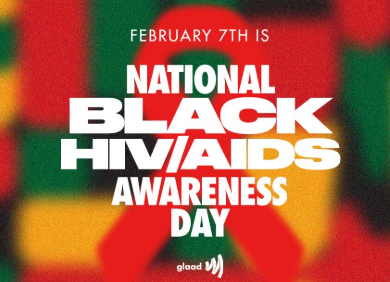
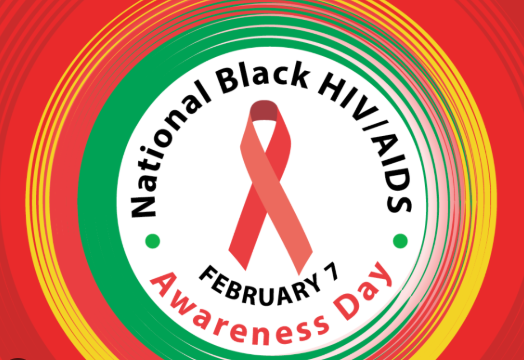
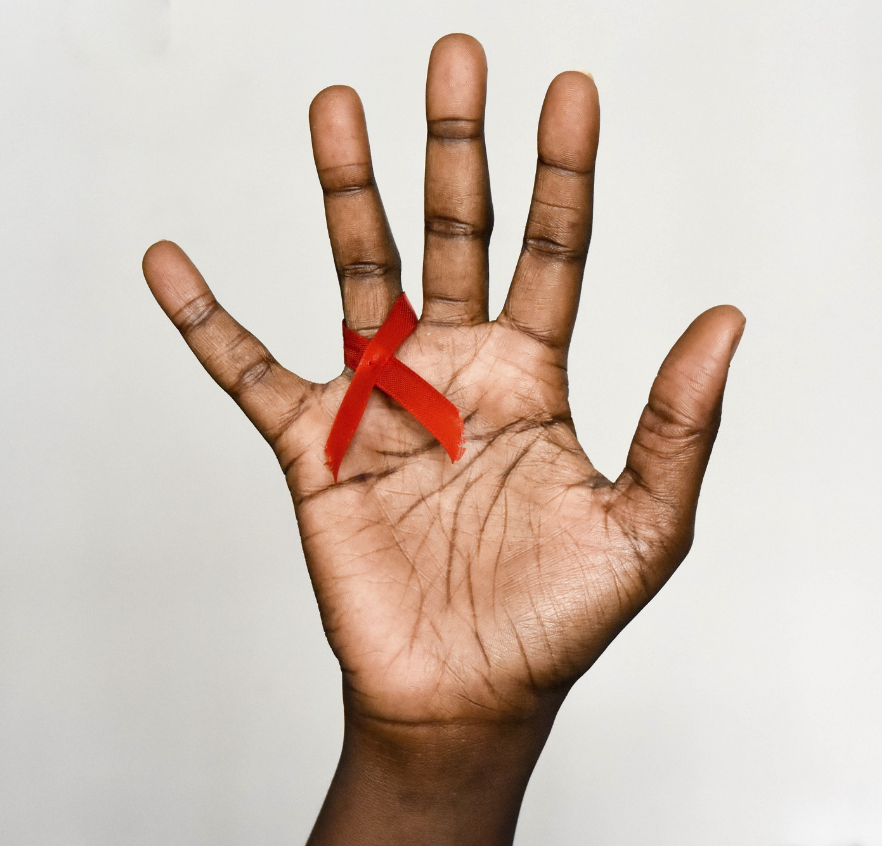
It's National Black HIV/AIDS Awareness Day | |
Rep. Ford Addresses Trump and Musk’s Misrepresentations of South Africa, Calls for Global Understanding and Justice | |
Dear Reader,
I am writing to formally express my opposition to the recent statements made by President Donald Trump and South African-born entrepreneur Elon Musk regarding South Africa and its land expropriation policies. As someone who has had the opportunity to visit South Africa, I feel it is essential to clarify a few points that challenge the narrative being presented by these influential figures.
South Africa is a nation rich in culture, diversity, and potential. Having experienced its vibrant cities, breathtaking landscapes, and resilient people firsthand, I can attest to the country's immense promise and deep national pride. Since the end of apartheid in 1994, South Africa has made remarkable strides in addressing the injustices of its past and fostering national unity.
The land expropriation law, criticized by Trump without fully grasping its context or purpose, aims to tackle historical inequalities rooted in decades of systemic oppression and disenfranchisement of the majority population. The assertion that South Africa is violating the human rights of white individuals misconstrues the spirit and intent behind ongoing efforts for restorative justice. This broad condemnation ignores the complexities of a society still healing from the wounds of apartheid.
President Cyril Ramaphosa's assertion that the South African government has not confiscated any land serves as an essential reminder that the conversation surrounding these legislative changes is rooted in broader societal reforms aimed at equity and justice. Trump's call to cut funding to South Africa reveals a troubling misunderstanding and reflects the harsh, self-serving economic policies that have characterized his administration. This stance primarily benefits the wealthy at the expense of those striving to reclaim their rightful place in a society committed to inclusivity and justice.
Moreover, the president’s proposals to reduce funding for global initiatives to combat HIV/AIDS pose a significant threat to public health. HIV is not limited by national borders—it is a global crisis that requires international cooperation and support. Cutting funding endangers decades of progress made in the battle against this disease and places countless lives at risk, both in the United States and internationally.
It is disheartening to see influential leaders promoting division rather than understanding, especially on sensitive and complex issues like land ownership, historical injustices, and global health. As global citizens, we must foster understanding and help nations in their journeys toward equity and reconciliation. Instead of condemning South Africa’s legislative efforts, we should encourage global dialogue that highlights the importance of addressing historical wrongs. Likewise, we must strongly oppose any reduction of support for global health initiatives, recognizing that the fight against HIV/AIDS benefits everyone.
Let us not allow misrepresentation and fear tactics to reshape the narrative about a nation diligently working to build a more equitable future. Remember that elections have consequences—our votes determine whether policies promote compassion, equity, and justice or perpetuate division and harm.
La Shawn K. Ford
IL State Representative, Eighth District
| |
Lift Every Voice and Sing
The Black National Anthem and Its Enduring Legacy of Hope, Resilience, and Unity
| "Lift Every Voice and Sing," often referred to as the Black National Anthem, is a powerful hymn that has symbolized hope, resilience, and unity for over a century. Written by James Weldon Johnson and set to music by his brother, J. Rosamond Johnson, the song reflects the struggles and triumphs of Black Americans in their pursuit of justice and equality. Its lyrics speak to the enduring fight against oppression while celebrating faith, perseverance, and the promise of a brighter future. Today, it remains an anthem of empowerment, cultural pride, and a call for continued progress in the fight for racial equity. | Howard Gospel Choir - "Lift Every Voice and Sing | Terri Lyne Carrington, Melba Moore's Lift Every Voice | |
National Today Reports
February 7, 2025
| |
|
You may not hear about these terms as much today as in years past, but HIV/AIDS is still wreaking havoc in the African-American community. If you are African-American, National Black HIV/AIDS Awareness Day (NBHAAD) offers the latest updates on the fight against the infection and the disease. NBHAAD occurs every February 7 with inspirational stories of survivors, suggestions on how to make healthier, more positive lifestyle choices, and details on the latest innovations in education and treatment. NBHAAD speaks to the resilient spirit of strength, faith, and hope
in the black community.
| |
National Black HIV/AIDS Awareness Day | |
HIV. gov Reports
February 7, 2025
| Engage, Educate, Empower: Uniting to End HIV/AIDS in Black Communities | |
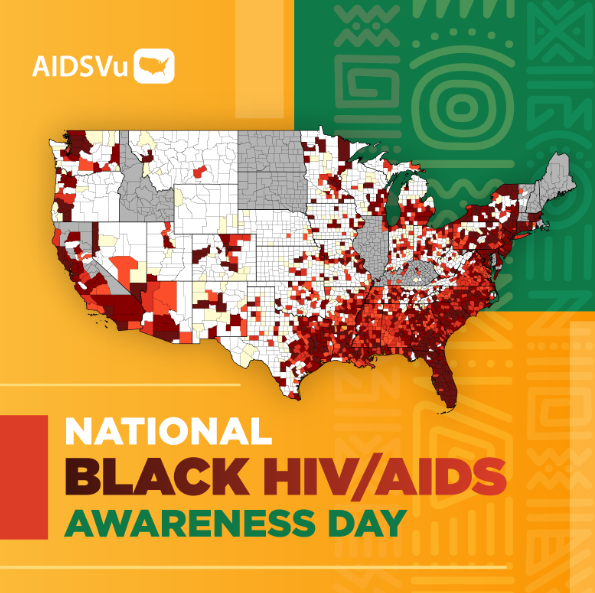
National Black HIV/AIDS Awareness Day (NBHAAD) is dedicated to raising awareness about the disproportionate impact of HIV on Black and African American communities. First observed in 1999, NBHAAD highlights the importance of community involvement and improved access to HIV education, prevention, testing, and treatment services. This year’s theme is “Engage, Educate, Empower: Uniting to End HIV/AIDS
in Black Communities.”
| |
CDC Reports
November 29, 2024
|
National Black HIV/AIDS Awareness
Day (NBHAAD)
| |
February 7 is National Black HIV/AIDS Awareness Day (NBHAAD), a day to highlight the progress of HIV testing, prevention, and treatment efforts and consider our ongoing challenges to preventing HIV transmission among Black or African American people (hereafter referred to as Black people) in the United States. This year's theme, Engage, Educate, Empower: Uniting to End HIV/AIDS in Black Communities, emphasizes the role we each play in ending HIV and inspires us to challenge the racism, homophobia, poverty, stigma, and other socioeconomic factors that continue to drive health disparities and create barriers to HIV testing, prevention, and care services in Black communities.
| Facing AIDS for National Black HIV/AIDS Awareness Day | Tim Harrison & Nelly Gazarian Observe National Black HIV/AIDS Awareness Day & Black History Month | |
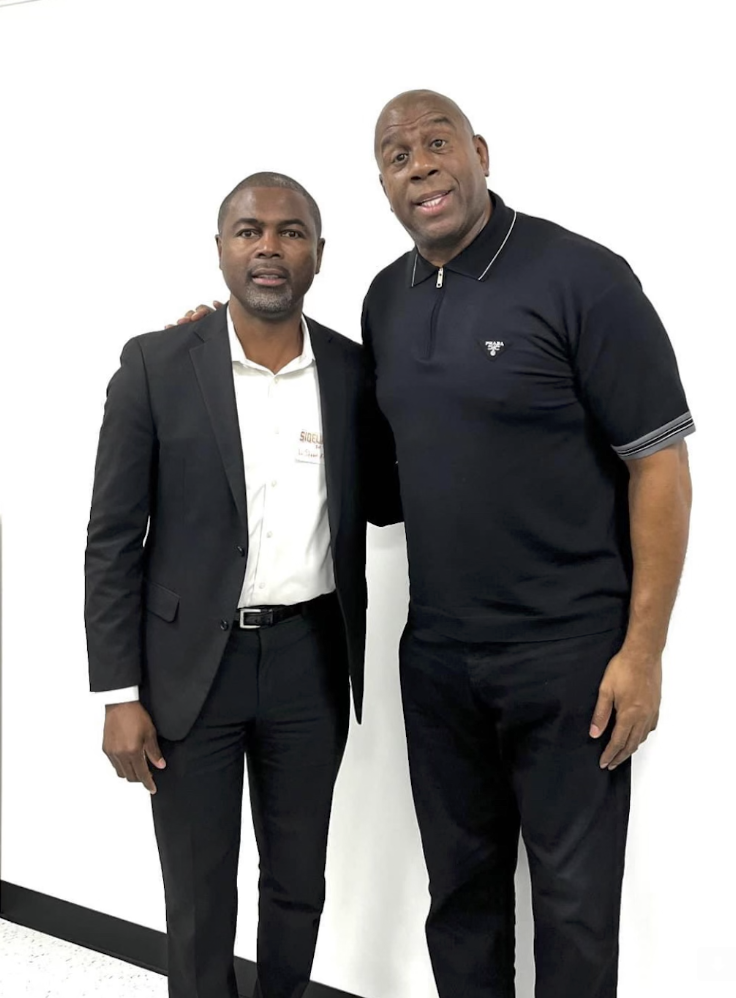
"When I first found out I had HIV, I had to find somebody who was living with it, who could help me understand my journey and what I was going to have to deal with day-to-day. I found out that a person named Elizabeth Frazier was living with AIDS at the time, and so I called her up, and she took a meeting with me."
-Magic Johnson, Former NBA Player and HIV/AIDS Awareness Advocate
| |
What Is HIV/AIDS?
Understanding the Basics of the Virus
and Disease
| HIV (Human Immunodeficiency Virus) is a virus that attacks the immune system, specifically targeting CD4 cells, which help the body fight infections. If untreated, HIV can lead to AIDS (Acquired Immunodeficiency Syndrome), the most severe stage of the infection, where the immune system is too weakened to defend against life-threatening illnesses. While there is no cure, advances in treatment, such as antiretroviral therapy (ART), allow people living with HIV to manage the virus effectively and live healthy lives. Early detection and education remain crucial in preventing and treating HIV/AIDS. | |
HIV.gov Reports
January 13, 2023
| |
HIV (human immunodeficiency virus) is a virus that attacks cells that help the body fight infection, making a person more vulnerable to other infections and diseases. It is spread by contact with certain bodily fluids of a person with HIV, most commonly during unprotected sex (sex without a condom or HIV medicine to prevent or treat HIV), or through sharing injection drug equipment.
If left untreated, HIV can lead to the disease AIDS (acquired immunodeficiency syndrome).
The human body can’t get rid of HIV and no effective HIV cure exists. So, once you have HIV, you have it for life.
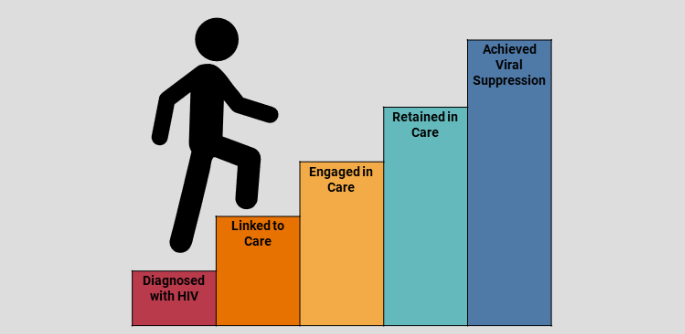
Luckily, however, effective treatment with HIV medicine (called antiretroviral therapy or ART) is available. If taken as prescribed, HIV medicine can reduce the amount of HIV in the blood (also called the viral load) to a very low level. This is called viral suppression. If a person’s viral load is so low that a standard lab can’t detect it, this is called having an undetectable viral load. People with HIV who take HIV medicine as prescribed and get and keep an undetectable viral load can live long and healthy lives and will not transmit HIV to their HIV-negative partners through sex.
| |
Centers for Disease Control and Prevention Reports
January 13, 2023
| |
HIV (human immunodeficiency virus) is a virus that attacks the body's immune system. Without treatment, it can lead to AIDS (acquired immunodeficiency syndrome).
There is currently no effective cure. Once people get HIV, they have it for life. But proper medical care can control the virus.
People with HIV who get on and stay on effective HIV treatment can live long, healthy lives and protect their partners.
| |
HIV Transmission
How the Virus Spreads and What You Need to Know
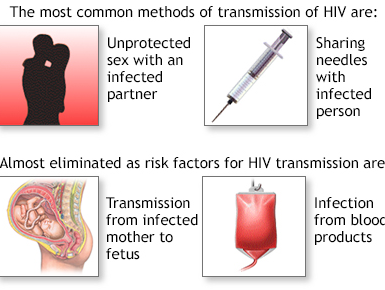
| HIV is primarily transmitted through contact with certain body fluids, including blood, semen, vaginal fluids, rectal fluids, and breast milk. The most common ways the virus spreads are through unprotected sex, sharing needles, and from mother to child during childbirth or breastfeeding. It can also be transmitted through transfusions of contaminated blood or organ transplants, though this is rare due to rigorous screening. HIV is not spread through casual contact such as hugging, shaking hands, or sharing food. Understanding these transmission methods is crucial for prevention and reducing the spread of the virus. | How is HIV Transmitted? - Body & Soul Charity | |
HIV. gov Reports
Februrary 7, 2023
| |
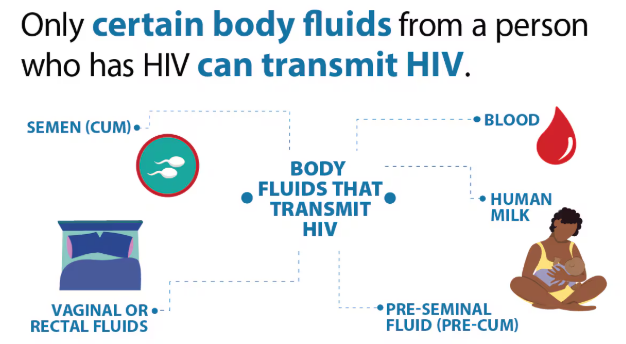
You can only get HIV by coming into direct contact with certain body fluids from a person with HIV who has a detectable viral load. These fluids are:
- Blood
- Semen (cum) and pre-seminal fluid (pre-cum)
- Rectal fluids
- Vaginal fluids
- Breast milk
For transmission to occur, the HIV in these fluids must get into the bloodstream of an HIV-negative person through a mucous membrane (found in the rectum, vagina, mouth, or tip of the penis), through open cuts or sores, or by direct injection (from a needle or syringe).
| |
HIV/AIDS
Signs and Symptoms to Watch For
| HIV symptoms can vary, but early signs often include flu-like symptoms such as fever, fatigue, sore throat, and swollen lymph nodes. As the virus progresses, more severe symptoms can emerge, including rapid weight loss, persistent cough, and recurrent infections. Without treatment, HIV can lead to AIDS, where the immune system becomes severely weakened, making the body vulnerable to opportunistic infections. Early detection and treatment with antiretroviral therapy (ART) can help manage the virus and prevent progression to AIDS. | AIDS Healthcare Foundation Reports | HIV Symptoms Vs. AIDS Symptoms | While some people never experience symptoms of HIV at all (making routine testing vital), about two-thirds of people will have a flu-like illness. HIV symptoms in men and HIV symptoms in women are often the same. However, there are a few symptoms that exclusively affect people with a uterus. Some common signs of HIV can include: | HIV & AIDS - signs, symptoms, transmission, causes & pathology | How I Discovered I was HIV Positive | Deceived into Catching HIV: My Story | |
HIV/AIDS Treatment
Managing the Virus with Effective Care
| |
HIV/AIDS treatment primarily involves antiretroviral therapy (ART), a combination of medications that prevent the virus from replicating, helping to manage the infection and protect the immune system. With early diagnosis and consistent use of ART, people with HIV can live long, healthy lives. ART also reduces the risk of transmitting the virus to others. While there is no cure, ongoing research continues to explore new treatments and potential cures. Regular medical care, monitoring, and lifestyle adjustments are key components in managing HIV effectively.
| CDC’s HIV Treatment Works: Malina's Story | |
There's no cure for HIV/AIDS. Once you have the infection, your body can't get rid of it. But there are medicines that can control HIV and prevent complications.
Everyone diagnosed with HIV should take antiretroviral therapy medicines, also called ART. This is true no matter what stage the disease is in or what the complications are.
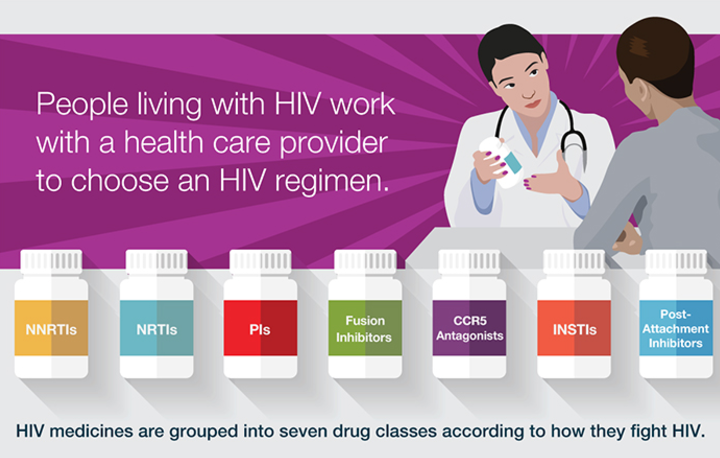
ART is usually a mix of two or more medicines from several classes. This approach has the best chance of lowering the amount of HIV in the blood. There are many ART options that mix more than one HIV medicine into a single pill, taken once daily.
| |
HIV.gov and NIH.gov Reports
January 14, 2025
| HIV Treatment: The Basics |
-
The treatment for HIV is called antiretroviral therapy (ART). ART involves taking a combination of HIV medicines (called an HIV treatment regimen) every day.
-
ART is recommended for everyone who has HIV. People with HIV should start taking HIV medicines as soon as possible. ART cannot cure HIV, but HIV medicines help people with HIV live longer, healthier lives. ART also reduces the risk of HIV transmission.
-
A main goal of HIV treatment is to reduce a person’s viral load to an undetectable level. An undetectable viral load means that the level of HIV in the blood is too low to be detected by a viral load test. People with HIV who maintain an undetectable viral load have effectively no risk of transmitting HIV to their HIV-negative partners through sex.
| 10 Facts You Have to Know About HIV/AIDS |
National Black HIV/AIDS Awareness Day
Highlighting the Numbers and the
Ongoing Fight
| On National Black HIV/AIDS Awareness Day, it's crucial to recognize the impact of HIV/AIDS on Black communities. Despite advancements in treatment and prevention, Black individuals continue to face disproportionately high infection rates. Examining the latest statistics sheds light on systemic barriers, healthcare disparities, and the urgent need for education, testing, and access to care. This day serves as a call to action to address these inequities, promote awareness, and work toward reducing new infections and improving health outcomes in Black communities. | |
KFF Reports
September 9, 2024
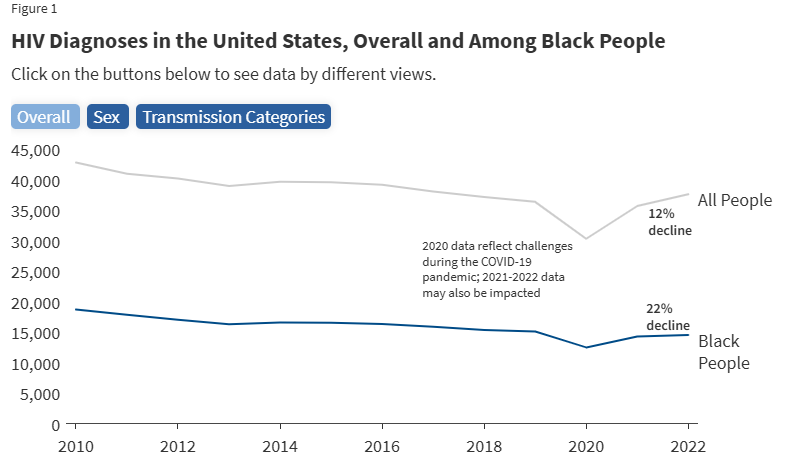
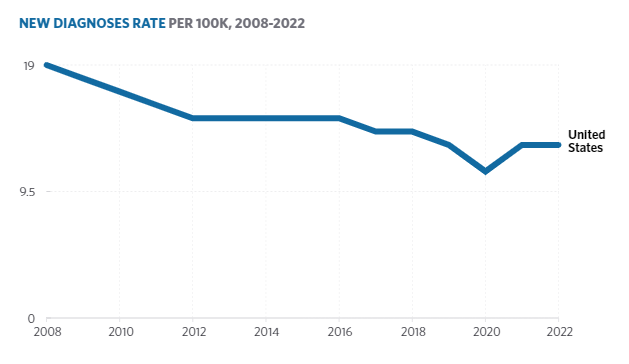
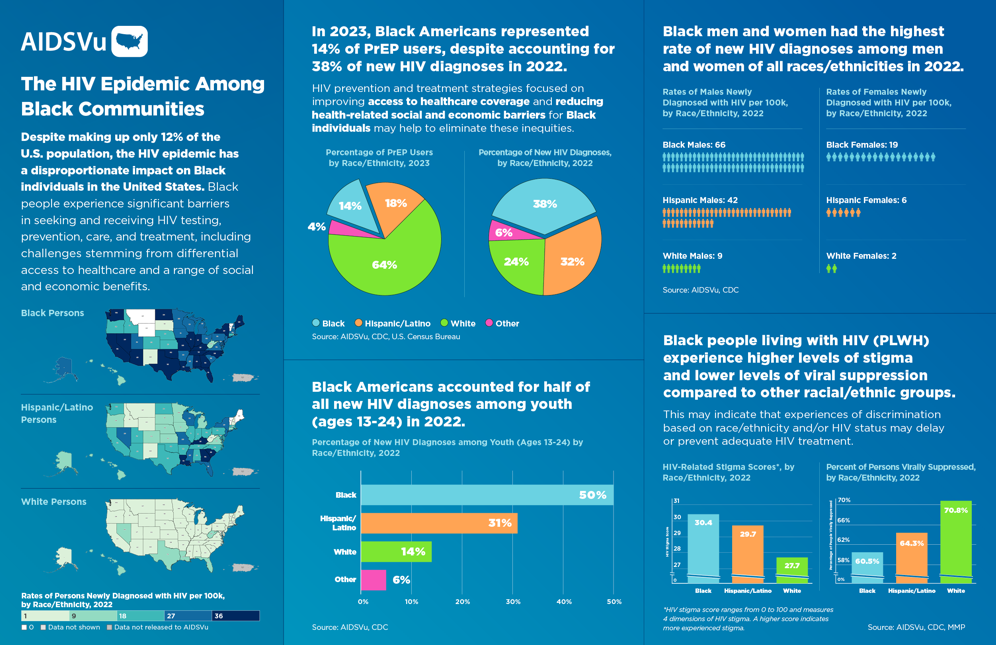
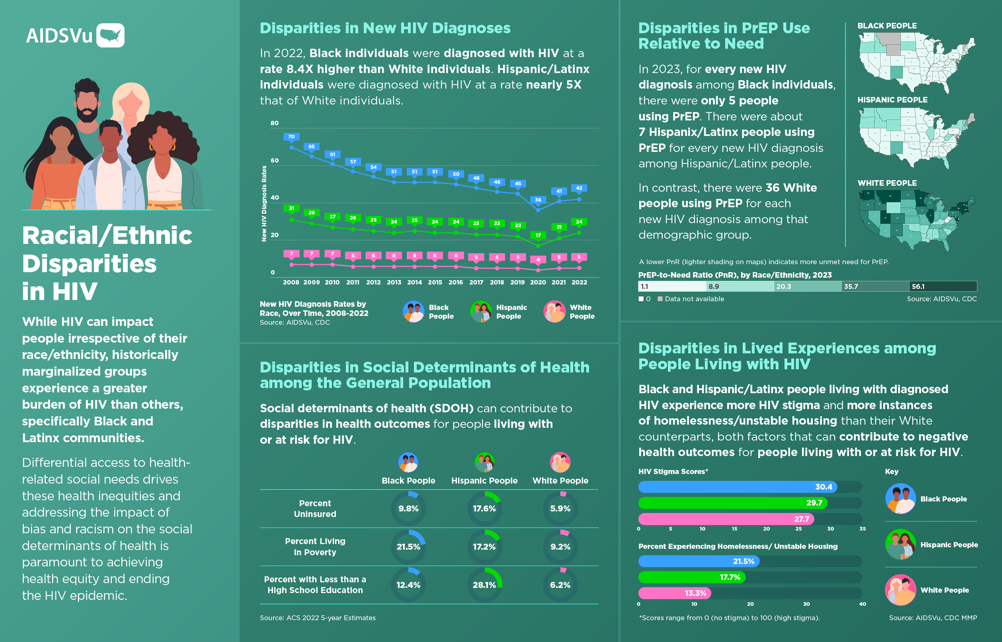
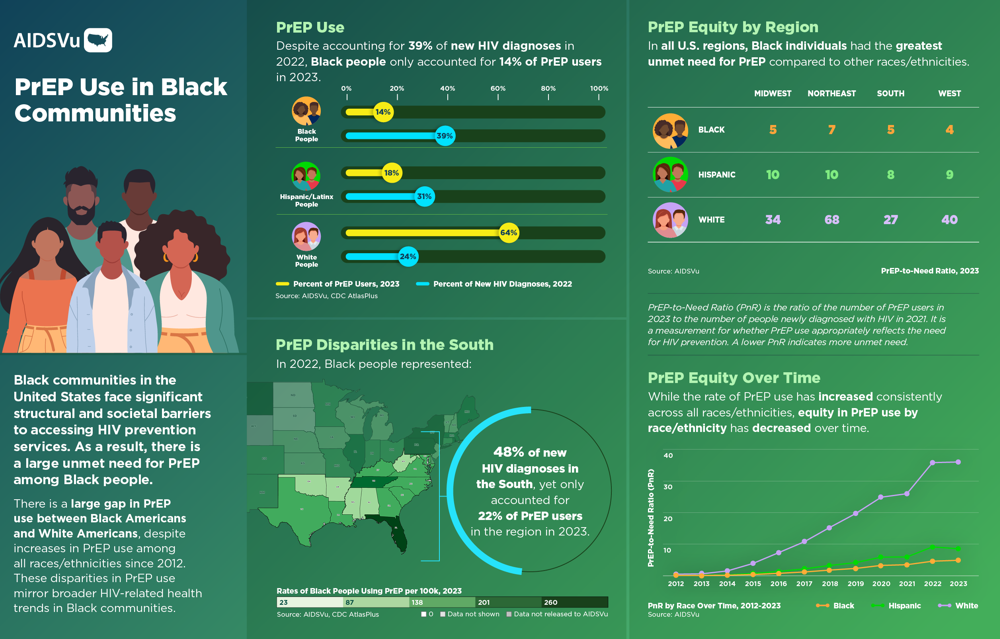
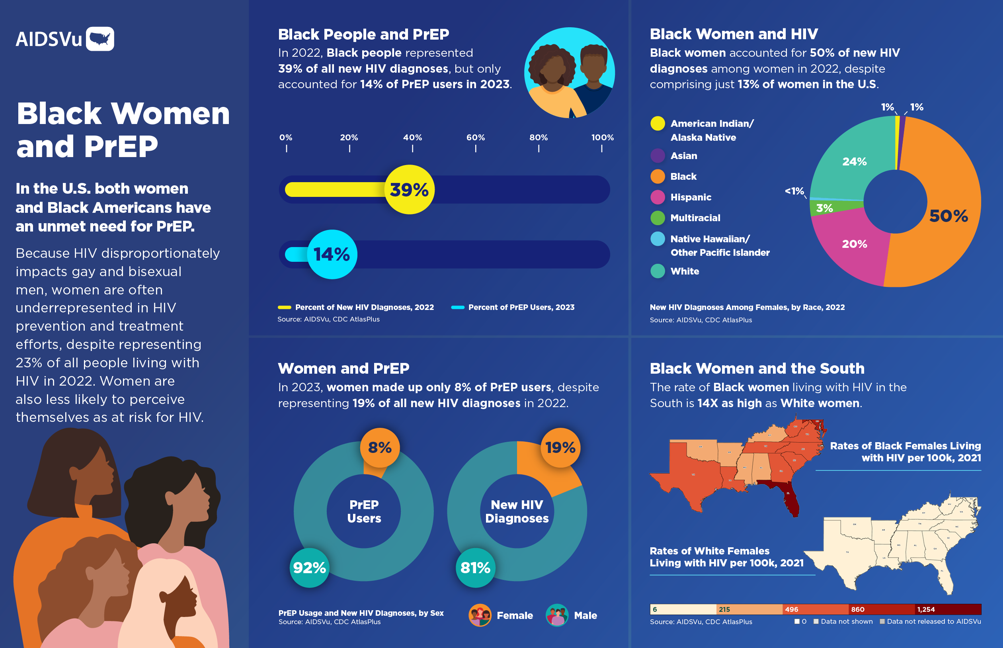
| National Black HIV/AIDS Awareness Day Toolkit 2025 | February 7 is National Black HIV/AIDS Awareness Day, which recognizes the disproportionate impact of the HIV/AIDS epidemic on Black communities and individuals across the U.S. Black people accounted for 39% of people living with HIV (PLWH) and 38% of new HIV diagnoses in the U.S. in 2022, despite only representing 12% of the U.S. population. Black men had the highest rate of new HIV diagnoses among men of all races/ethnicities in 2022. Similarly, Black women had the highest rate of new HIV diagnoses among women of all races/ethnicities in 2022. Additionally, young Black people accounted for half of all new HIV diagnoses among youth in 2022. | Click Images Below to Print | Chicago Department Public Health Reports | |
The Centers for Disease Control and Prevention estimates that at the end of 2006, 1.1 million adults and adolescents were living with HIV infection in the US. HIV
Continues to be a leading cause of death. In 2005, HIV was the fifth leading cause of death among people aged 35-44. The impact is greater on Blacks and Hispanics. For instance, HIV was the third leading cause of death for Blacks aged 35-44, the fourth leading cause for Hispanics 35-44 and the fifth leading cause of death for Whites 25-44.
In the 33 states with confidential name-based HIV infection reporting, more than 35,000 people were newly diagnosed with HIV in 2006 alone. Among the new diagnoses, 74% were male and 26% female. Male-to-male sexual contact continues to be the leading mode of transmission, accounting for 49% of all recent HIV/AIDS diagnoses and 67% of male diagnoses. Blacks, who make up approximately 12% of the US population, accounted for 49% of new HIV diagnoses in 2006. Whites accounted for 30% and Hispanics for 18% of new diagnoses.
| |
|
Fighting HIV/AIDS Through Policy
Rep. Ford’s Role in Promoting Health Equity
| Rep. La Shawn K. Ford has been a steadfast advocate in the fight against HIV/AIDS, using policy to address health disparities and promote equitable care. His initiatives focus on increasing funding for prevention and treatment programs, expanding access to healthcare in underserved communities, and reducing the stigma surrounding HIV. By championing legislation aimed at eliminating systemic barriers, Rep. Ford plays a vital role in ensuring that everyone, regardless of background or income, has access to the resources needed to combat HIV/AIDS. | |
|
Illinois Press Release Reports
June 27, 2007
| |
Gov. Blagojevich signs Rep. Ford's Bill into law making HIV testing a routine part of medical care in Illinois | |
|
SPRINGFIELD - On National HIV Testing Day, Governor Rod R. Blagojevich signed a new law making HIV testing a routine part of general medical care. Senate Bill 929 allows medical providers to proceed with a test once they have secured verbal informed consent, instead of written consent, from a patient clearly acknowledging that a test will be administered as part of their check-up or routine blood work. This change in the law will increase the number of Illinoisans who are tested for HIV/AIDS and increase awareness regarding individual knowledge of HIV status. Rep. LaShawn Ford (D-Chicago) and Sen. Carol Ronen (D-Chicago) sponsored the legislation.
"I would like to thank the Governor for making HIV testing easier for the people of Illinois. This new law will make it easier to identify more people who have HIV and to get them the care they need to live longer and more productive lives," said State Rep. LaShawn Ford (D-Chicago).
| |
|
Austin Weekly News Reports
September 4, 2013
| Ford’s Bill Protecting Privacy of HIV-Positive Students Signed Into Law | |
CHICAGO – Legislation introduced by State Representative La Shawn K. Ford (D-Chicago) which protects the privacy of students who have HIV was signed into law today by Governor Pat Quinn. Previously, if a student was infected with HIV, the Illinois Department of Public Health or a local health department was required to report the student’s HIV status to the school’s principal, who in turn could notify others at the school.
The new law repeals this requirement.
| |
Click Image Below to View Public Act
98-0353, sponsored by State Representative
La Shawn K. Ford.
| |
Illinois HIV Care Connect Reports
June 29, 2023
| |
Efforts for Funding Equity to African American-Led HIV / AIDS-Related Service Providers Result in Historic Levels of Direct State Funding
| |
The Black Leadership Advocacy Coalition for Healthcare Equity (BLACHE) applauds Governor J.B. Pritzker for signing into law a 2024 Illinois fiscal year budget that includes more than $8.5M in new direct funding to African American-led HIV/AIDS Community Based Service Providers.
Black legislators worked persistently throughout the entire 2023 session to elevate awareness of and address the funding inequity of AA-led CBOs that has existed for decades and has been limiting the State from “Getting to Zero” and being responsive to Ending the HIV Epidemic (EHE) in the Black community.
Ultimately, approximately 15 AA-led HIV/AIDS service providers, including CBOs and FQHC’s – most of which have never been directly funded from the state’s General Fund, are now directly funded for operating expenses, giving them the ability to adeptly build towards their organization’s mission relative to negating the spread of HIV-AIDS amongst marginalized African-American residents in Illinois, while facing challenges in back-office capacity, the need for improved technological infrastructure, stabilization of services, and other areas of insufficiency which existed due to cultural inequities before and during the COVID-19 pandemic, and are more evidently impacted today.
Every member of the Illinois House and Senate Black Caucus pushed inclusion of direct funding to African American-led HIV/AIDS service-related organizations as a strategy to address the alarming inequities in the spread and impact of HIV/AIDS among Black people in Illinois. Black legislative leaders (all Democrats) who lead the way include: State Representative Carol Ammons, Joint Chairwoman, ILCBC; State Representative Lakesia Collins, ILCBC Chair; State Representative Lashawn K. Ford;
| |
Capitol News Illinois Reports
February 9, 2023
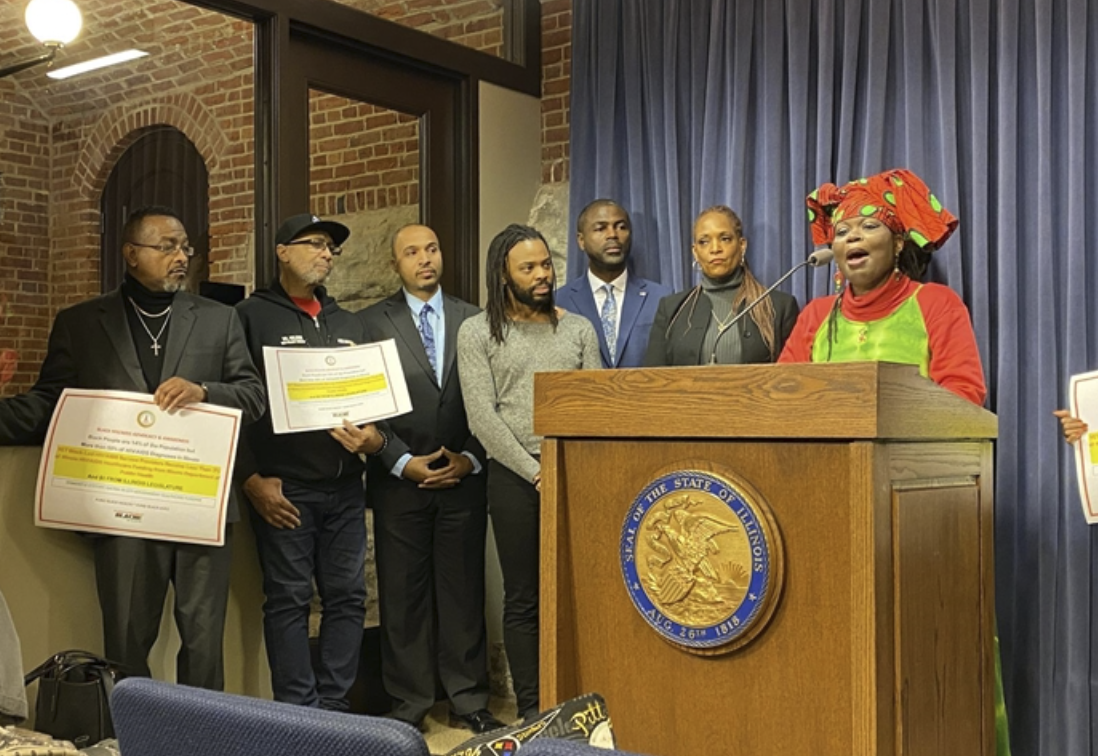
| On Black HIV/AIDS Awareness Day, advocates spotlight ongoing racial disparities | Yaa Simpson, or Sista Yaa, an HIV/AIDS community advocate and community epidemiologist for The Association of Clinical Trial Services, speaks at a news conference at the Capitol about the racial disparities in new HIV/AIDS diagnoses. Data from AIDSVu, an interactive data tool presented by Emory University’s Rollins School of Public Health, showed in 2020 Black people comprised 52.1 percent of HIV diagnoses in Illinois despite making up roughly 15 percent of the population. (Capitol News Illinois photo by Jerry Nowicki) | |
SPRINGFIELD – Illinois lawmakers and advocates commemorated National Black HIV/AIDS Awareness Day Tuesday, calling attention to the disproportionate impact the disease has on Black communities.
“It’s important that we commemorate or we talk about that on February 7, so that we can spark a debate with all of our public health providers across the state to understand that this is a public health crisis,” said state Sen. Mike Simmons, D-Chicago. “We cannot continue to lose Black life to HIV/AIDS.”
Simmons and other members of the Illinois Legislative Black Caucus were joined by members of the Black Leadership Advocacy Coalition for Healthcare Equity, or BLACHE, a coalition of Black-led organizations that work to prevent and treat HIV and AIDS in the Black community. The lawmakers and advocates called for the state to invest more money in organizations treating the disease in communities of color.
| State Rep. La Shawn K. Ford and Illinois Officials Call for More Resources on National Black HIV/AIDS Awareness Day | |
ABC7 News Reports
February 7, 2023
| HIV/AIDS organizations push for more resources on National Black HIV/AIDS Awareness Day | |
CHICAGO (WLS) -- On National Black HIV/AIDS Awareness Day Jeffery Pulliam recalled his own diagnosis 30 years ago.
"So certainly when I got that information I just thought this is it. It is over. I don't know what to do," he said.
For the last 16 years he's been helping fight the HIV/AIDS epidemic as the youth program manager at Test Positive Aware Network or TPAN, located in Chicago's Edgewater neighborhood.
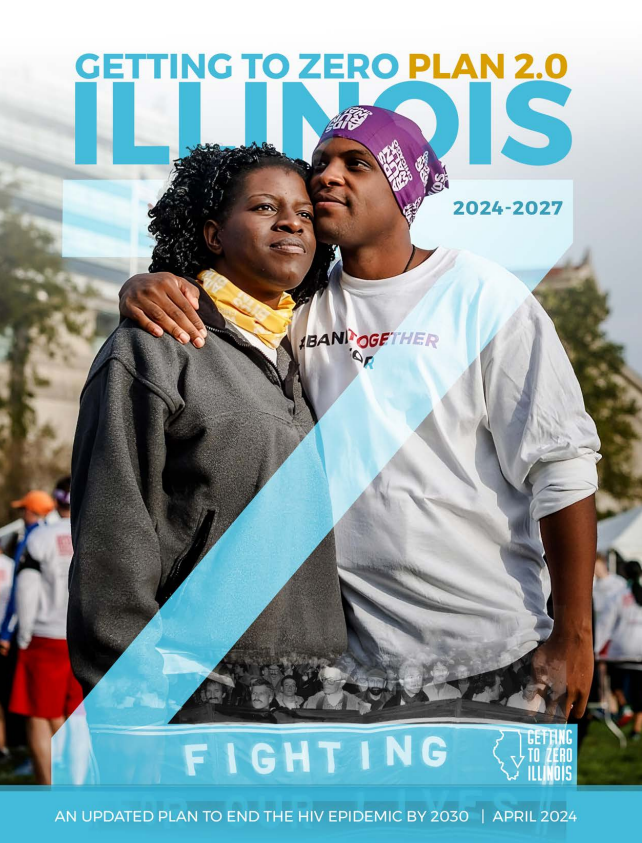
| Getting to Zero in Illinois | The Getting to Zero Illinois (GTZ-IL) initiative is a statewide effort aimed at ending the HIV epidemic by 2030. It focuses on reducing new HIV transmissions to zero and ensuring equitable access to care for all people living with HIV. Through a combination of prevention strategies, such as expanded access to PrEP (pre-exposure prophylaxis) and widespread HIV testing, alongside robust support for treatment and care, GTZ-IL addresses the systemic barriers contributing to health disparities. By prioritizing collaboration among healthcare providers, community organizations, and policymakers, the initiative works to create a future where HIV is no longer a public health threat in Illinois. | Click Image Below to Learn More | Click Image Below to Download GTZ-IL Plan | Click Image Below to View HIV Dashboard | |
HIV Risk and Prevention
How to Protect Yourself and Others
| |
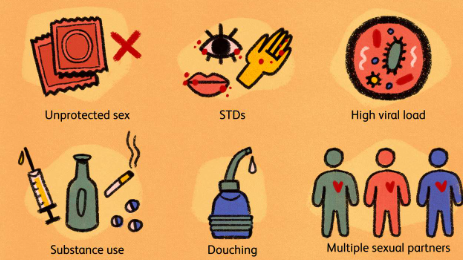
HIV risk factors include unprotected sex, sharing needles, and having multiple sexual partners, among others. Certain groups, such as men who have sex with men, people with untreated sexually transmitted infections (STIs), and individuals with compromised immune systems, are at higher risk. Prevention methods like consistent use of condoms, pre-exposure prophylaxis (PrEP), and regular HIV testing are essential in reducing the risk of transmission. Additionally, harm reduction strategies, such as needle exchange programs, play a crucial role in preventing the spread of HIV. Awareness, education, and access to preventive resources are key to protecting individuals and communities.
| Who's is at Risk for HIV? | |
National Institute of Health Reports
May 17, 2022
| |
Anyone can get HIV, regardless of sexual orientation, race, ethnicity, gender, age, or geographic location.
Certain groups of people are at higher risk for getting HIV because of certain factors, such as engaging in risk behaviors. For example:
- HIV is mainly spread by having anal or vaginal sex without a condom or without medications to prevent or treat HIV. Risk behaviors such as having condomless sex and having multiple sexual partners are common among teens and young adults, who have very high rates of HIV compared to other Americans.
- Babies born to mothers with HIV can get HIV before or during birth or through breastfeeding, although effective prevention strategies can nearly eliminate the risk of this form of transmission.
| Who is most at risk for HIV? | |
Preventing HIV
Education, Protection, and Early Detection Saves Lives
| Preventing HIV/AIDS starts with education, awareness, and proactive health measures. Practicing safe sex, using protection like condoms, and getting regularly tested are essential steps in reducing transmission. Pre-exposure prophylaxis (PrEP) is a powerful tool for those at higher risk, while early detection through testing ensures timely treatment and better health outcomes. Combating stigma and promoting open conversations about HIV/AIDS further strengthen prevention efforts, creating healthier communities for all. | Prevention: Let's Stop HIV Together | |
HIV info and NIH.gov Reports
December 11, 2023
| The Basics of HIV Prevention |
-
Protect yourself during sex: To reduce your risk of getting HIV, use condoms correctly every time you have sex.
-
Protect yourself if you inject drugs: Do not inject drugs. If you do, use only sterile injection equipment and water, and never share your equipment with others.
-
Protect yourself by taking PrEP: If you do not have HIV but are at risk of getting HIV, talk to your health care provider about pre-exposure prophylaxis (PrEP). PrEP involves taking a specific HIV medicine every day or an injectable HIV medicine every two months to reduce the risk of getting HIV through sex or injection drug use.
- Protect others if you have HIV: Take HIV medicine (called antiretroviral therapy or ART) as prescribed by your doctor. ART can reduce the amount of HIV in the blood (called viral load) to the point where a test cannot detect it (called an undetectable viral load). If you have an undetectable viral load, you will not transmit HIV to your partner through sex.
- Prevent perinatal transmission: If you have HIV and take HIV medicine as prescribed by your doctor throughout pregnancy and childbirth, the chances of transmitting HIV to your baby are less than 1%. If you have a partner with HIV and are considering getting pregnant, talk to your doctor about PrEP to help protect you and your baby from getting HIV while you try to get pregnant, during pregnancy, or while breastfeeding.
| |
HIV.gov Reports
June 27, 2024
|
What is PrEP?
PrEP, or pre-exposure prophylaxis, is medicine people at risk for HIV take to prevent getting HIV from sex or injection drug use. PrEP can stop HIV from taking hold and spreading throughout your body.
Currently, there are two FDA-approved daily oral medications for PrEP. A long-acting injectable form of PrEP has also been approved by the FDA.
Why Take PrEP?
PrEP is highly effective at preventing HIV when taken as indicated.
PrEP reduces the risk of getting HIV from sex by about 99% when taken as prescribed. Among people who inject drugs, it reduces the risk by at least 74% when taken as prescribed. PrEP is much less effective when it isn't taken consistently.
| HIV PrEP: Protect Yourself Against HIV | |
Reducing the HIV Stigma
Building Awareness and Fostering Acceptance
| Reducing the stigma around HIV is crucial to ensuring that individuals affected by the virus feel supported and empowered to seek testing, treatment, and care. Stigma often leads to discrimination, isolation, and reluctance to get tested, which can worsen health outcomes. Public education, open conversations, and positive representation of people living with HIV can help break down misconceptions and create a more inclusive environment. By fostering acceptance and understanding, we can encourage individuals to take preventive measures, seek treatment, and ultimately reduce the transmission of HIV. | |
National Institute of Health Reports
April 15, 2015
| Reducing HIV-Related Stigma: Lessons Learned from Horizons Research and Programs |
- Stigma occurs at multiple levels, including the interpersonal, institutional (e.g., health facilities, schools, and workplaces), community, and legislative levels.
- Manifestations of stigma take many forms, including isolation, ridicule, physical and verbal abuse, and denial of services and employment.
- Experiences of stigma can differ by sex, reflecting broader gender inequalities. For example, women may be more likely to be blamed for bringing HIV into the household than men.
- HIV-related stigma reinforces existing stigmas against marginalized groups (e.g., men who have sex with men [MSM], sex workers, and injection drug users)—often called “compounded” stigma.
- Common stigma-reduction interventions have focused mainly on creating changes in individual knowledge, attitudes, and behaviors rather than broader social and environmental change.
- There have been very few rigorous evaluations of stigma-reduction interventions in the developing world.
| |
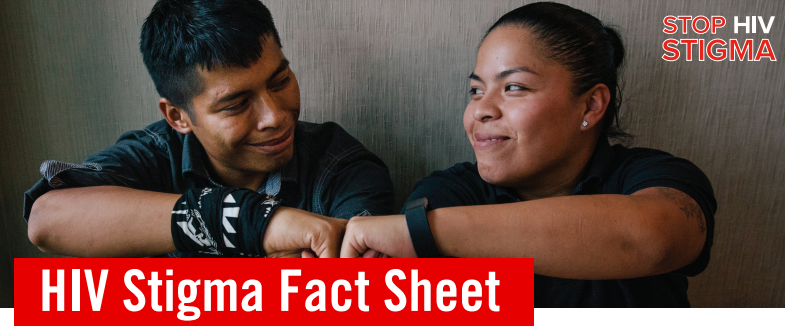
Click Image Below to View HIV Stigma
Fact Sheet
| CDC | Reducing HIV Stigma | How can parents support youth to reduce enacted HIV stigma? | Stigma & Discrimination Against People Living With HIV & AIDS . | Fahmida Iqbal Khan | TEDxNUST | HIV/AIDS Health Disparities | |
Dear Readers,
On this National Black HIV/AIDS Awareness Day, we come together to raise awareness of the HIV/AIDS epidemic's disproportionate impact on African American communities and to emphasize the importance of taking action toward health equity. This day serves as a powerful reminder that the fight against HIV/AIDS is ongoing and that addressing the disparities faced by Black communities must remain at the forefront of our efforts.
African Americans continue to experience the highest rates of HIV diagnosis, care, and mortality compared to other racial groups in the United States. Since the early days of the HIV/AIDS epidemic, African Americans have borne a greater burden, and while advancements in HIV treatment and prevention are significant, the racial disparities persist. These disparities are rooted in various factors, including limited access to healthcare, social and economic inequalities, and systemic racism.
Unfortunately, stigma surrounding HIV/AIDS also plays a major role in exacerbating these disparities. It prevents many individuals from getting tested, accessing care, and seeking the support they need to live healthy, fulfilling lives. The shame and discrimination that stem from this stigma often lead to isolation, further deepening the challenges faced by those affected.
As we reflect on this important day, we must reaffirm our commitment to reducing HIV transmission and ending stigma. Empowering African Americans through education, awareness, and accessible healthcare is essential in this effort. Prevention strategies such as consistent condom use, access to pre-exposure prophylaxis (PrEP), and routine HIV testing can help lower transmission rates and protect health.
Additionally, we must work together to dismantle the social determinants of health that widen the gap in HIV outcomes. These include addressing economic barriers, improving education, and ensuring equitable access to healthcare services for all communities. By doing so, we can reduce the disproportionate impact of HIV/AIDS in Black communities.
On this National Black HIV/AIDS Awareness Day, let us all commit to the collective action needed to eliminate the stigma, improve health outcomes, and promote education and prevention. Our unity and dedication to ending HIV/AIDS in the Black community will help create a future of greater equity and well-being for everyone.
Thank you for joining in the efforts to advance health equity and address HIV/AIDS in the African American community.
Wishing you wellness, strength, and solidarity,
Dr. Chezalyn Grant, ND
Health Equity Coordinator for State Rep. La Shawn K. Ford
| |
CAP 20 Action Reports
July 27, 2012
| HIV/AIDS Inequality: Structural Barriers to Prevention, Treatment, and Care in Communities of Color | |
For the first time in more than two decades the International AIDS Conference returns to the United States and this week more than 20,000 delegates from nearly 200 countries are in Washington D.C. discussing a wide array of HIV/AIDS related issues, including the troubling racial disparities of our domestic HIV epidemic, specifically:
- African Americans, who make up only 14 percent of the U.S. population, make up 44 percent of the HIV-positive population.
- Latinos face three times the HIV infection rates as whites.
- Men who have sex with men represent 2 percent of the U.S. population but account for 61 percent of all new HIV infections.
| |
Office of Minority Health and Human Services Reports
February 19, 2021
| HIV/AIDS and Black/African Americans |
-
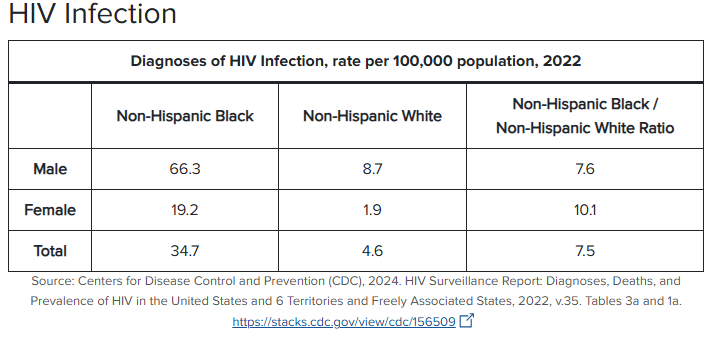
Non-Hispanic Black or African Americans were diagnosed with HIV infection at more than seven times the rate of non-Hispanic whites in 2022.1
- Non-Hispanic Black or African American males were 7.6 times more likely to have a diagnosis of HIV infection than non-Hispanic white males in 2022.
- Non-Hispanic Black or African American females were 10 times more likely than non-Hispanic white females to have a diagnosis of HIV infection.
-
In 2022, the rate of AIDS in non-Hispanic Black or African American females was 18 times the rate of AIDS in non-Hispanic white females.2
-
Non-Hispanic Black or African American males were 6.4 times more likely than non-Hispanic white males to die with HIV infection.3
- In 2022, non-Hispanic Black or African Americans were nearly seven times more likely than non-Hispanic whites to die of AIDS
| |
National Institute of Health Reports
February 19, 2021
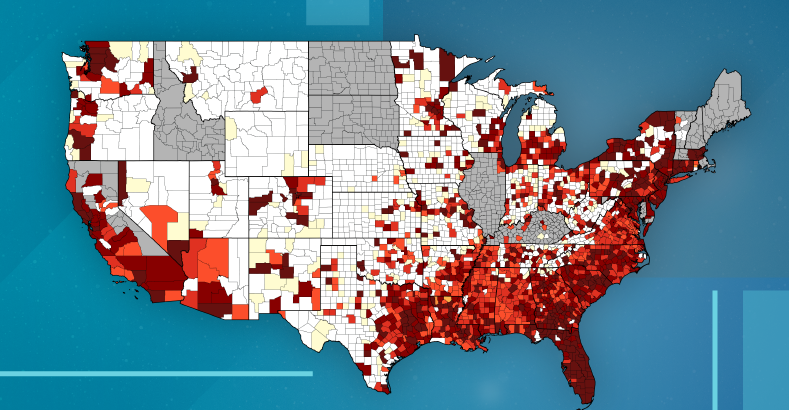
| To end HIV epidemic, we must address health disparities | Scientific strides in HIV treatment and prevention have reduced transmissions and HIV-related deaths significantly in the United States in the past two decades. However, despite coordinated national efforts to implement HIV services, the epidemic persists, especially in the South. It also disproportionately impacts marginalized groups, such as Black/African-American and Latinx communities, women, people who use drugs, men who have sex with men, and other sexual and gender minorities. | |
American Public Health Association Reports
January 2, 2023
| Structural Racism and Racial Trauma Among African Americans at Elevated Risk for HIV Infection | |
Forty years into the HIV epidemic, we have witnessed remarkable achievements. People living with HIV (PLWH) can thrive because of the availability of antiretroviral therapy (ART), with a lifespan like those without HIV. We learned that “U = U”; that is, we now know that PLWH whose HIV cannot be detected by laboratory testing cannot sexually transmit the virus to their partners. The advent of preexposure prophylaxis (PrEP) expanded biomedical HIV prevention tools, enabling people without HIV to protect themselves from infection. While we have the necessary HIV prevention and treatment tools to end the HIV epidemic, such a goal remains elusive. Unfortunately, these great achievements in research and practice have been accompanied by profound failures, including inequitable access to new HIV prevention and treatment options among African Americans.
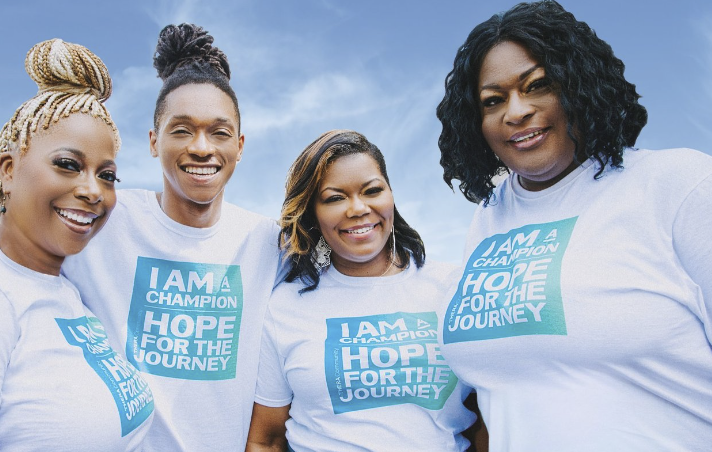
| I Am a Champion Hope for the Journey | |
The mission of the I AM A CHAMPION | HOPE FOR THE JOURNEY campaign is to share the stories of African Americans with HIV who take on the hard tasks of fighting against stigma, advocating for the future and holding space for others who need to be empowered. In keeping with the Griot oral traditions of the West African Mande empire of Mali, the I AM A CHAMPION campaign creates safe spaces for authentic storytelling.*
*CDC estimates that, as of 2019, about 1.2 million people in the U.S. have HIV.
In 2019, Black people accounted for 13% of the U.S. population but 40% (479,300) of people with HIV.
| Click Images to Learn More |
Learn how to Show Your Support for
National Black HIV/AIDs Awareness Month
| In July 2006, on the opening day of the NAACP convention, Chairman Julian Bond tested publicly for HIV. This sent a message to the black community about the importance of getting tested. If you have never been tested, follow that lead and commit to taking this step. Buy a home-testing kit either online or at a drugstore. While you're at it, test for other sexually transmitted diseases. | |
One of the biggest dangers in spreading HIV/AIDS is practicing risky behaviors like unprotected sex — no matter your sexual orientation. | |
Honoring the Lives of Those Living with HIV/AIDS and Remembering Those We've Lost | |
It's a time to remember those currently living with HIV or AIDS, and especially to honor those who have died from the disease. Attend a candlelight vigil at a church or a program at a community center. Put fresh flowers on your loved one's grave. Or sit quietly in front of the small shrine you may have at home and lovingly remember the good times you shared with your friend, partner, spouse, or relative. | |
Rep. Ford's Job Highlights | |
Click Below to View Today's Job Highlights | |
|
Staff Plats and Plans Technician
Date: Feb 4, 2025
Location: Schaumburg, IL, US, 60196
Job Requisition ID: 44498
Agency: Department of Transportation
Position Title: Engineering Technician III
Closing Date/Time: 02/19/2025
Salary: Anticipated Starting Salary: $4,159 Monthly; Full Range: $4,159-$7,187/Monthly
Job Type: Salaried
Category: Full Time
County: Cook
Number of Vacancies: 2
Plan/BU: NR916 Pro-Tech Teamsters
Click Here to Apply
Grants Senior Staff Accountant Date: Jan 16, 2025
Location: Chicago, IL, US, 60603
Job Requisition ID: 44044
Agency: Department of Employment Security
Class Title: ACCOUNTANT ADVANCED - 00133
Skill Option: None
Bilingual Option: None
Closing Date/Time: 02/07/2025
Salary: Anticipated Starting Salary $5,179 monthly;
Full range $5,179 - $7,341 monthly
Job Type: Salaried
Category: Full Time
County: Cook
Number of Vacancies: 2
Plan/BU: RC062
Click Here to Apply
Trust Fund Senior Accountant Date: Jan 16, 2025
Location: Chicago, IL, US, 60603
Job Requisition ID: 44158
Agency: Department of Employment Security
Class Title: ACCOUNTANT ADVANCED - 00133
Skill Option: None
Bilingual Option: None
Closing Date/Time: 02/07/2025
Salary: Anticipated Starting Salary $5,179 monthly;
Full range $5,179 - $7,341 monthly
Job Type: Salaried
Category: Full Time
County: Cook
Number of Vacancies: 2
Click Here to Apply
OET Program Division Manager
Date: Jan 31, 2025Location: Chicago, IL, US, 60661
Job Requisition ID: 42725
Job Requisition ID: 42725
Agency: Department of Commerce and Economic Opportunity
Class Title: SENIOR PUBLIC SERVICE ADMINISTR - 40070
Skill Option: General Administration/Business Marketing/Labor/Personnel
Bilingual Option: None
Closing Date/Time: 02/14/2025
Salary: Anticipated Starting Salary $8,825.00 a month. Full Range $8,825.00 - $10,825 a month.
Job Type: Salaried
Category: Full Time
County: Cook
Number of Vacancies: 1
Click Here to Apply
| |
Click Below to View Job Highlights From Previous Weeks | | | | |