|
To walk into an indie bookstore is to enter a world of discovery. The fruits of the products of humanity can be plucked from its shelves, ripe for the picking. Each store is different; each its own world. The books, diversity of thoughts and ideas, readings, events, and knowledge that indie bookstores bring to their communities are well worth celebrating. That’s why more than 1,400 independent bookstores across the nation will host celebrations of the wild, wooly, and wonderful institution that is the independent bookstore on Saturday April 26th.
Of course WBW will be in on the action. We love to get festive!
| | |
We’ll have another Golden Ticket scavenger hunt. Find the Golden Ticket hidden in our store and win 12 free audiobook credits from our audiobook partners, LibroFM. The scavenger hunt is very popular each year. So show up early April 26th to have the best chance of finding the elusive Golden Ticket.
We’ll also have exclusive Bookstore Day merch like Frog & Toad or Bookstores are My Jam coloring books, signed copies of Alex Aster’s Lightlark and of Jeff Kinney’s Hot Mess, number 19 in the Wimpy Kid series. These items are *very* limited in quantity and cannot be purchased or picked up until bookstore day.
| | | | |
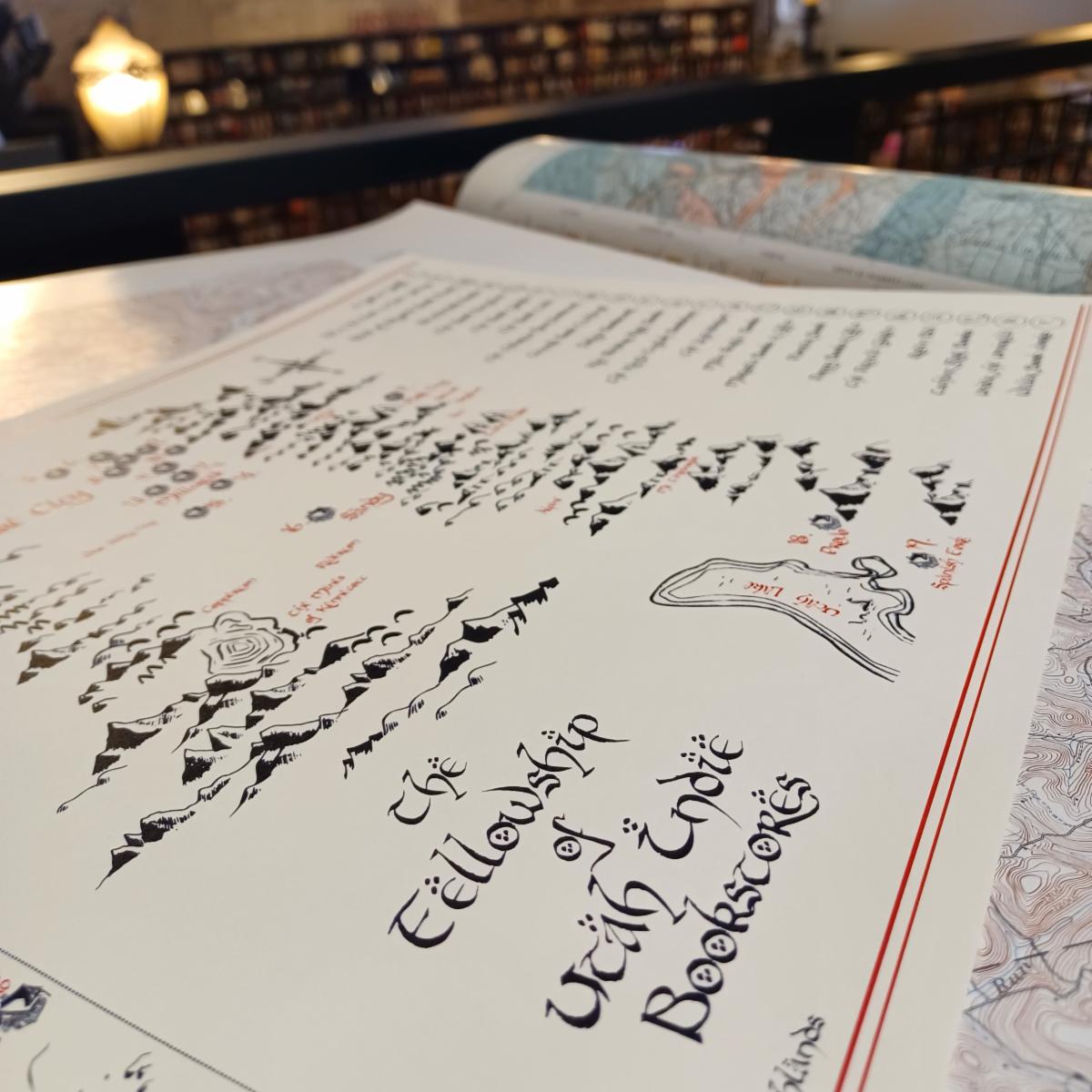
Finally, the ever-popular Indie Bookstore Day state-wide map will be reprinted with more bookstores than ever. It’s your guide to bookselling excellence throughout Utah. Even better, when you visit a store, get them to stamp your map. If you visit all the stores on the map, you’ll get a thank you gift from the last store you visit. The prizes will vary by location so choose your last store wisely.
Join the national one-day party on Saturday, April 26. It starts when we open at 10:00 a.m. and when you join us. After all, we can’t do this without you.
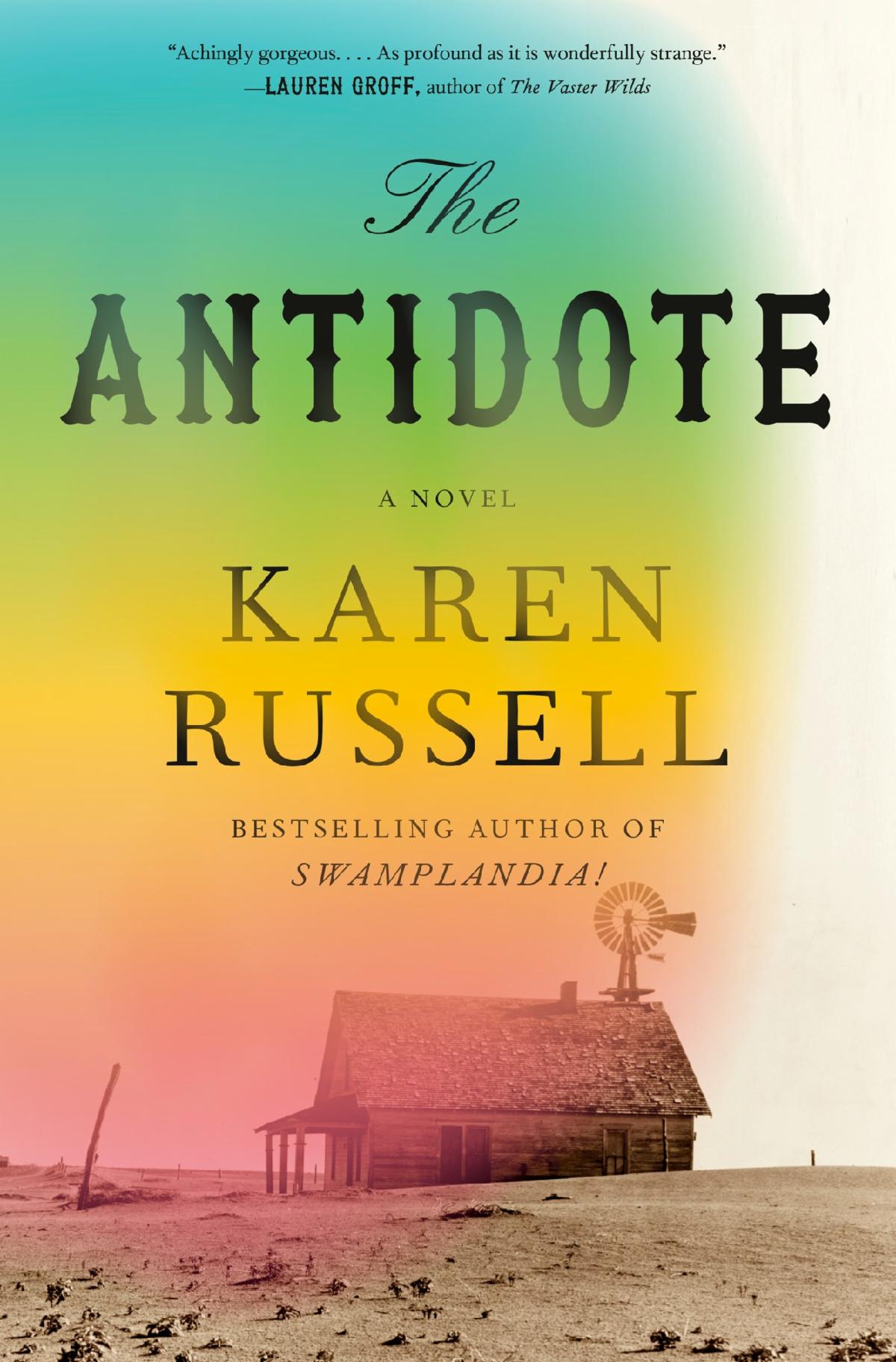
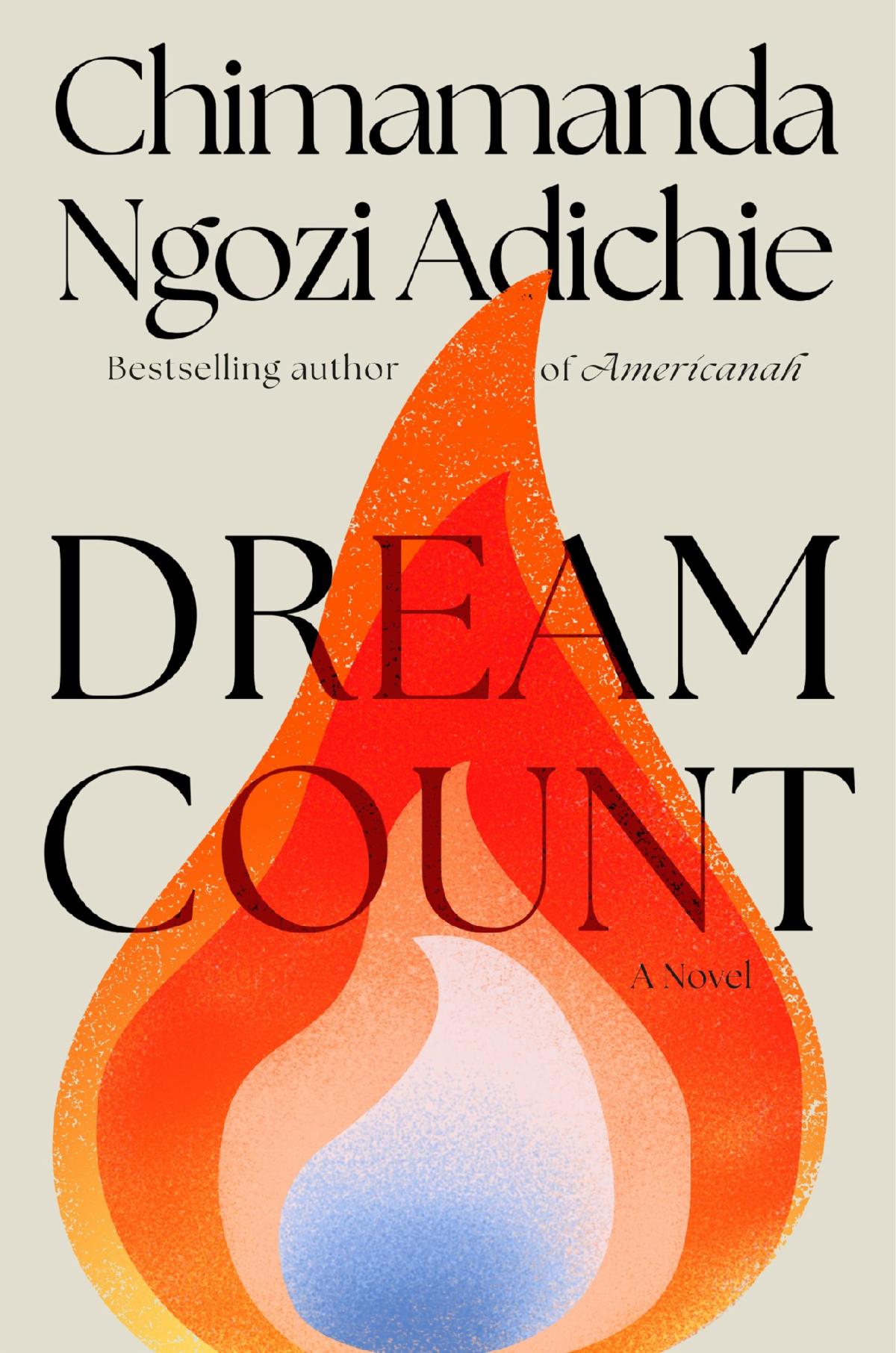
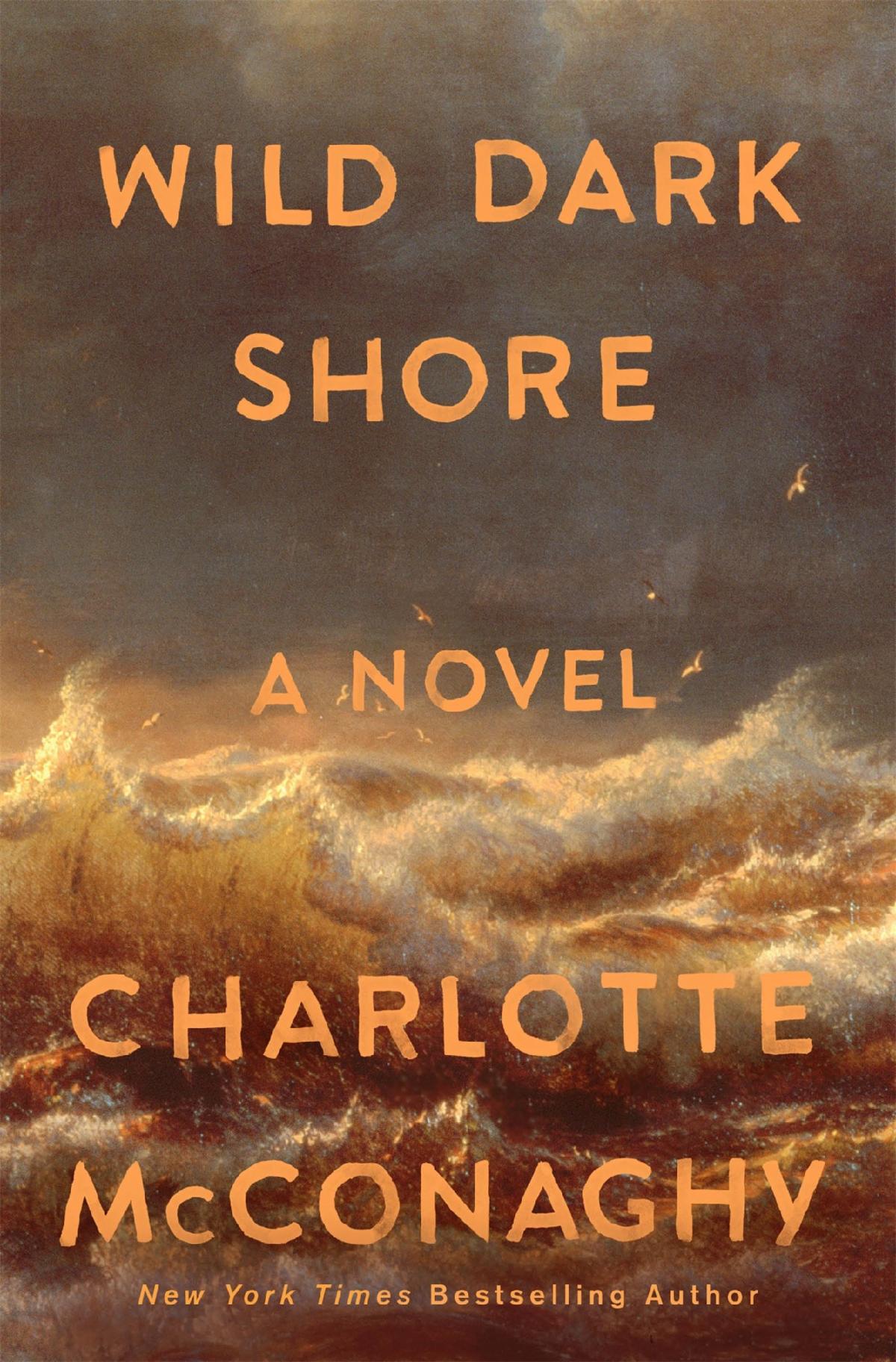
| | While you’re in our store celebrating, take a look at the excellent books published in what is an outstanding Spring season. A few of my favorite novels are (in alphabetical order): | | Antidote by Karen Russell is an enchanting, thoughtful, and thought-provoking piece of speculative fiction. One person, a prairie witch, carries in her body the unbearable memories of a midwestern town until the dustbowl winds blow them out of her. Her story intertwines with that of five other people to bear testimony to the horrors of the dustbowl and of humanity. | | | Dream Count by Chimamanda Ngozi Adiche is the first novel written in more than 10 years by the author of the remarkable Americanah. Another weaving of the stories of multiple characters, this book is a rich tapestry of friendship, the emigrant experience, and the joys and devastations of living in this modern world. | | | Wild Dark Shore by Charlotte McConaghy is a remarkable, passionate tale of a family living on a remote Antarctic island, home to one of the planet's last seed banks. This book has a bit of something for readers of many genres: ghosts, a mystery, an adventure, climate dystopia, and hope. Also, the love and sacrifice that families, both found and biological make for one another. | | | |
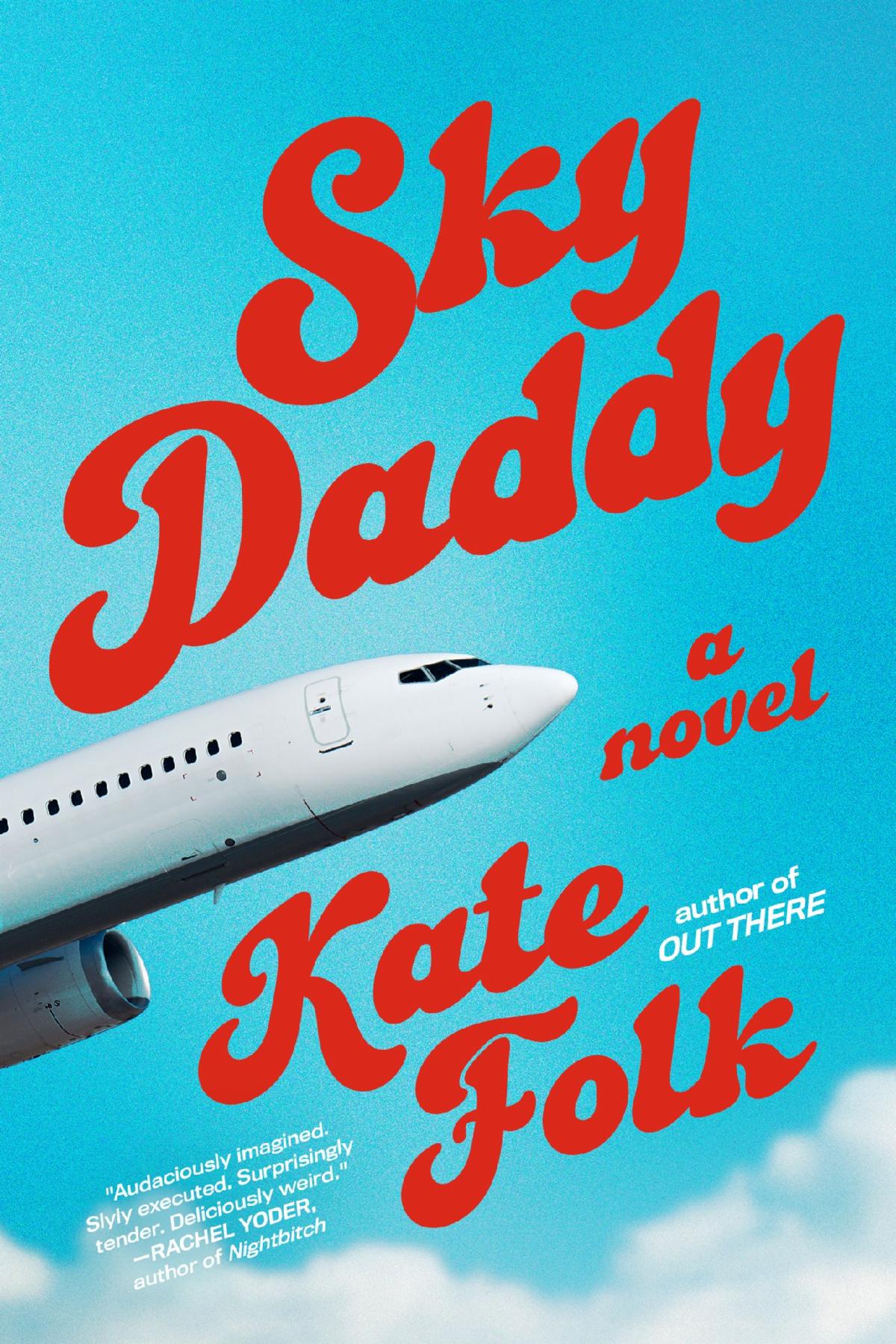
By Kate Folk
Random House
Hardcover $29.00
Release date: 4/8/2025
Reviewed by Claire Margetts
Stow your carry-on items, fasten your seatbelt, and make sure your seat is in the upright position, this is going to be one hell of a read. Kate Folk explores fetish, sexuality, destiny, and belonging in her darkly funny novel, Sky Daddy.
Linda has a secret. An obsession. A desire. It's a fixation she is certain will horrify anybody who finds out: she is deeply, desperately, madly in love with airplanes. Not simply appreciating them as impressive machines, she desires their spirit, their essence. Each flight she takes becomes an orgasmic thrill-ride as she imagines herself finally consummating her and her mechanical soulmate's love by plummeting from the sky together– forever entwined in the twisted wreckage of their passion. She structures her days around takeoffs and landings, muddling through work simply to earn enough to take another flight. So, when her acquaintance invites her to a Vision Board Brunch to manifest life goals, Linda begins to think that maybe she can take a more active role in achieving her lusty dreams.
Sure, you may think the whole premise sounds preposterous, and you'd be right. But it harnesses the absurdity of Linda's obsession to gracefully explore the nature of taboo and how it's dealt with in society– or even within our own minds. Often when fetish is discussed, we bring in preconceived notions and assumptions, but an over-the-top infatuation with airplanes is a disarming enough subject that we can talk about unusual sexuality with curiosity. Although Linda herself is spiraling in shame, the book never laughs at or judges her proclivities, instead finding its humor in the situations she gets herself into while trying to hide her true self. She knows exactly what she wants and understands her needs, but in her fear that people might reject it all, she cuts herself off from just about everything. You can't help but root for her to make a real connection.
A weird girl read for sure, Sky Daddy dives into strange obsessive thoughts and uncomfortably funny scenarios. Get to know Linda and embrace her bizarre thoughts, her manic ruminations, and her desire to belong. This is a strange love story for a strange time we all find ourselves living in. All I can tell you is that after reading this, flying is never going to be the same.
| | |
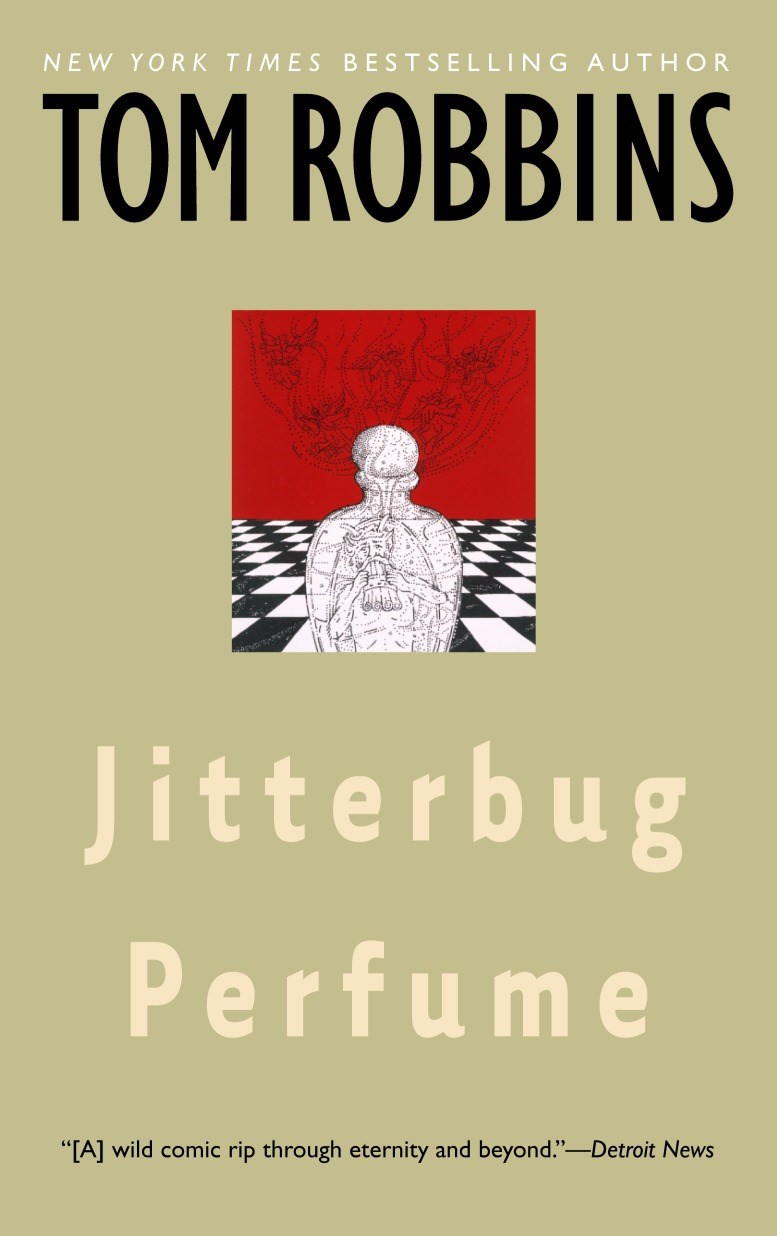
By Tom Robbins
Bantam
Paperback $18.00
Reviewed by Dylan Parry
Tom Robbins is dead. But his many works live on. And one of those works tackles just that very fact of life we call, Death. Originally written in 1984, Robbins’ novel Jitterbug Perfume is a timeless classic that, like many of his other works, will have you rolling on the floor laughing with tears in your eyes. It has always been a book on my “List of Must Reads”, along with his Still Life with Woodpecker. But after someone close to me strongly suggested it, I picked up an old beater copy and could hardly put it down. And for good reason. Robbins’ prose is snappy and full of verve, so it’s no surprise that the characters he writes are imbued with the same.
We are first introduced to Alobar, a king in a long forgotten kingdom somewhere in Northern Europe. He’s worried he’s about to meet the same fate as all the kings before him: put to death as soon as a single white hair is discovered on his head. Aging in Alobar’s kingdom is a sign for change and a new, more lively king. But Alobar is deathly afraid of Death, and will do anything to keep from meeting an early — or for that matter, late — end. So after concocting a plan to stage his death, Alobar’s journey snowballs into something even he couldn’t have imagined. But Alobar is far from alone in his wish to keep on living.
Kudra, a young girl who witnesses a window’s attempt to escape the ancient practice of suttee, decides after the horrors of witnessing the woman burn to death, that she too wants to live. She is determined to do just that for as long as she can, running off from her village into the wild unknown.
Alobar, Kudra, and the many other characters that inhabit Robbins’ Jitterbug Perfume, are all obsessed in their own ways with the securing of Life and the warding off of Death. And as we follow these characters, crossing paths here and there, we are shown a truly human desire that Life is what we make of it, and those we decide to make it with.
Spanning several centuries, incorporating a rascal of a pagan god, Eastern Mysticism, psychedelic experimentation, and a whole hell of a lot else, Robbins reminds us that for all we may try to do in keeping Death at bay, we should all remember to just “lighten up.”
| | |
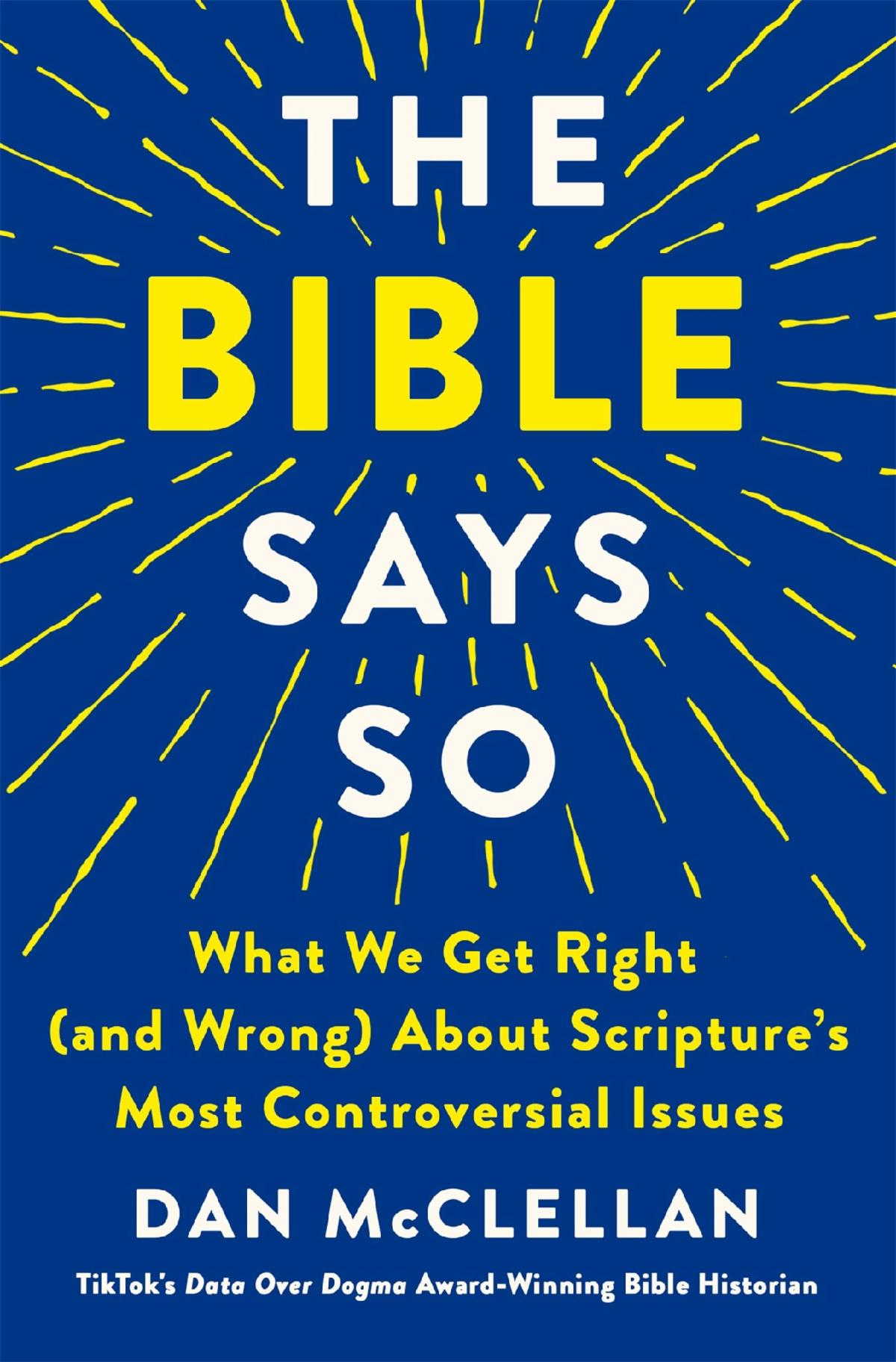
By Dan McClellan
St. Martin's Essentials
Hardcover $30
Publish date: 4/29/2025
Reviewed by Apollo Frenzel
Being raised in an LDS household, the bible was a huge part of my life until I decided to leave on my own path. Since then, I’ve developed a fascination for mythology, religion, and general anthropology. While I don’t take the Bible as seriously as my family or ancestors, I still find it curious. The Bible Says So really satisfies that curiosity.
While in my seminary studies, I learned a lot about what's in the Bible and the different stories and parables. What they didn’t discuss is how the Bible came about– a topic that is address in the first chapter of this book. The Bible has many contradictions because it is an accumulation of many different books and manuscripts from the time. Different authors, editors, kings, and influences have morphed this collection into something that is somewhat hard to understand literally. I mean, the earliest depiction of a complete bible we know about is the Codex Sinaiticus from the 4th century CE. That’s nearly 400 years of edits, removals, and additions to the Bible with many more to come.
Dan McClellan tries to address the many many controversial topics surrounding the Bible and its use in politics and identity. What I appreciated about his understanding is the fact that he put forth the data over dogma (in his words). Not only does he explain the translations made from Hebrew, Greek, and Armaic into the modern languages, he also sheds light onto what the cultural interpretation was at the time these things were written. One example being the interpretation of hell being derived from the Greek words Tartarus and Hades.
McClellan will also go into the burning questions like, “Does the Bible condemn queer people?” and “Does the Bible outlaw abortion?” This really helped me understand where extremist Christian ideas come from and how to navigate and ultimately debunk them. This also puts forth the idea that the Bible had many bad things that we shouldn’t and aren’t doing today (stoning people and slavery being examples). Please read this if you want to understand how translations and intentional interpretations manifest.
| | |
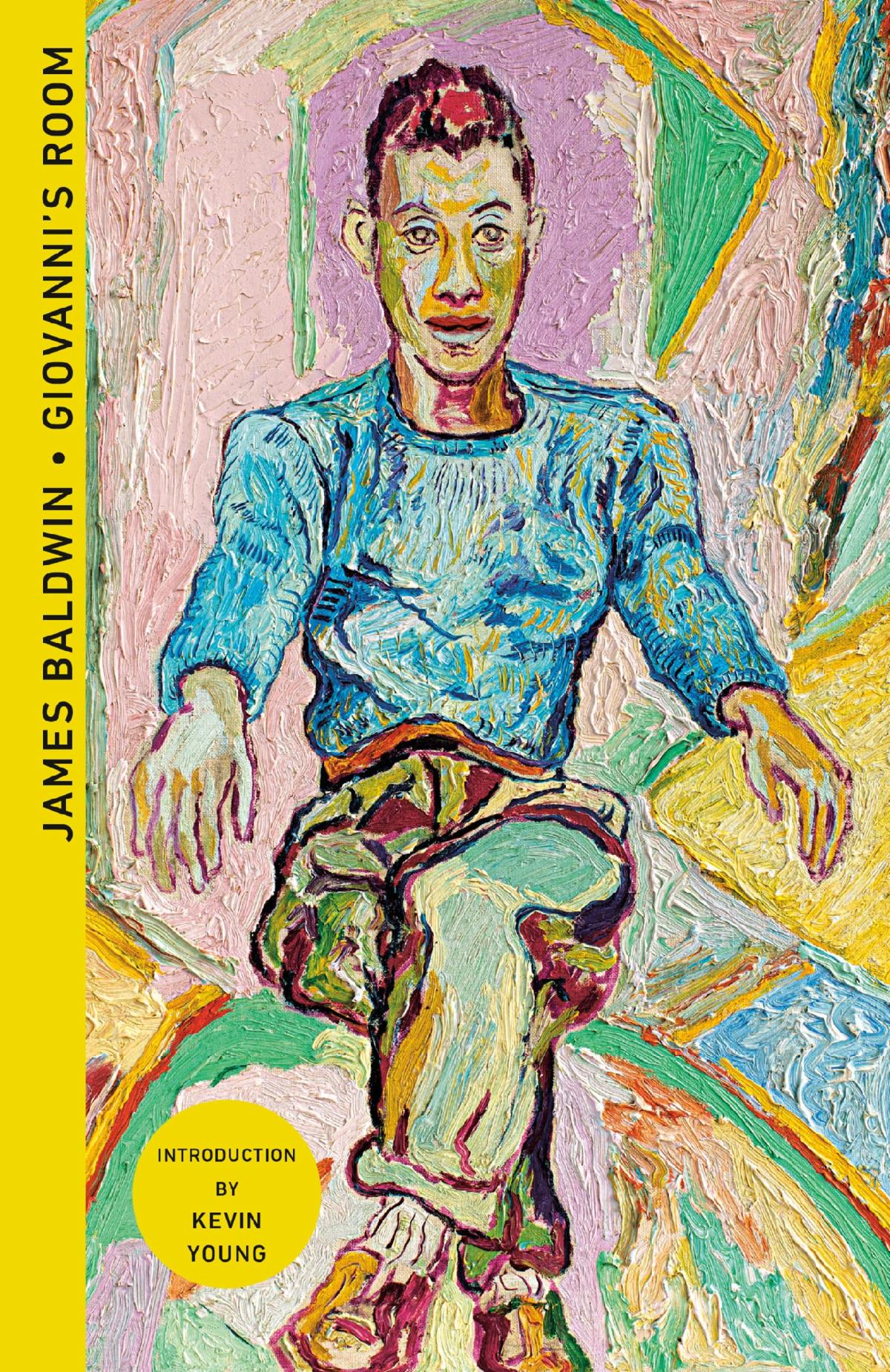
By James Baldwin
Vintage
Paperback $17
Reviewed by Aura Martinez
“I scarcely know how to describe that room. It became, in a way, every room I had ever been in and every room I find myself in hereafter will remind me of Giovanni's room.”
How do you deal with shame? Do you turn away from it until it’s nothing but a fuzzy memory? Do you share with a stranger at a bar like a boozy confessional? Or do you bury it so deep into your core it rots you from the inside out? Shame is the center of James Baldwin's painfully beautiful novel, Giovanni’s Room, which recounts a tragic love story between David, and the titular Giovanni. Baldwin’s masterful prose reveals the beauty and ugliness of being human, and speaks on the inseparable nature of love and hatred.
Baldwin’s protagonist David, an American expat, leads us through the streets and bars of Paris, where he soon meets Giovanni, a young Italian immigrant. The story flips between present and past as their romance unfolds and suffocates all within the confines of Giovanni’s small dilapidated room. Through these vignettes Baldwin explores David’s shame of himself and his struggle of self acceptance. The result is not a story of queer love, but instead the story of a man that can’t accept love in any form. David views his desire with disgust, ultimately leading to his and Giovanni’s tragic end. “You want to be clean. You think you came here covered with soap and you think you will go out covered with soap—and you do not want to stink, not even for five minutes, in the meantime.”
Giovanni’s Room is just under 200 pages, but its impact felt like a bitter punch to the gut. Baldwin confronts the awfulness of being human, the ugly and shameful parts in all of us.
| | |
March - April
Best Wellers’ Pick
| | RECEIVE 20% OFF WHEN YOU PURCHASE DURING MARCH AND APRIL | | |
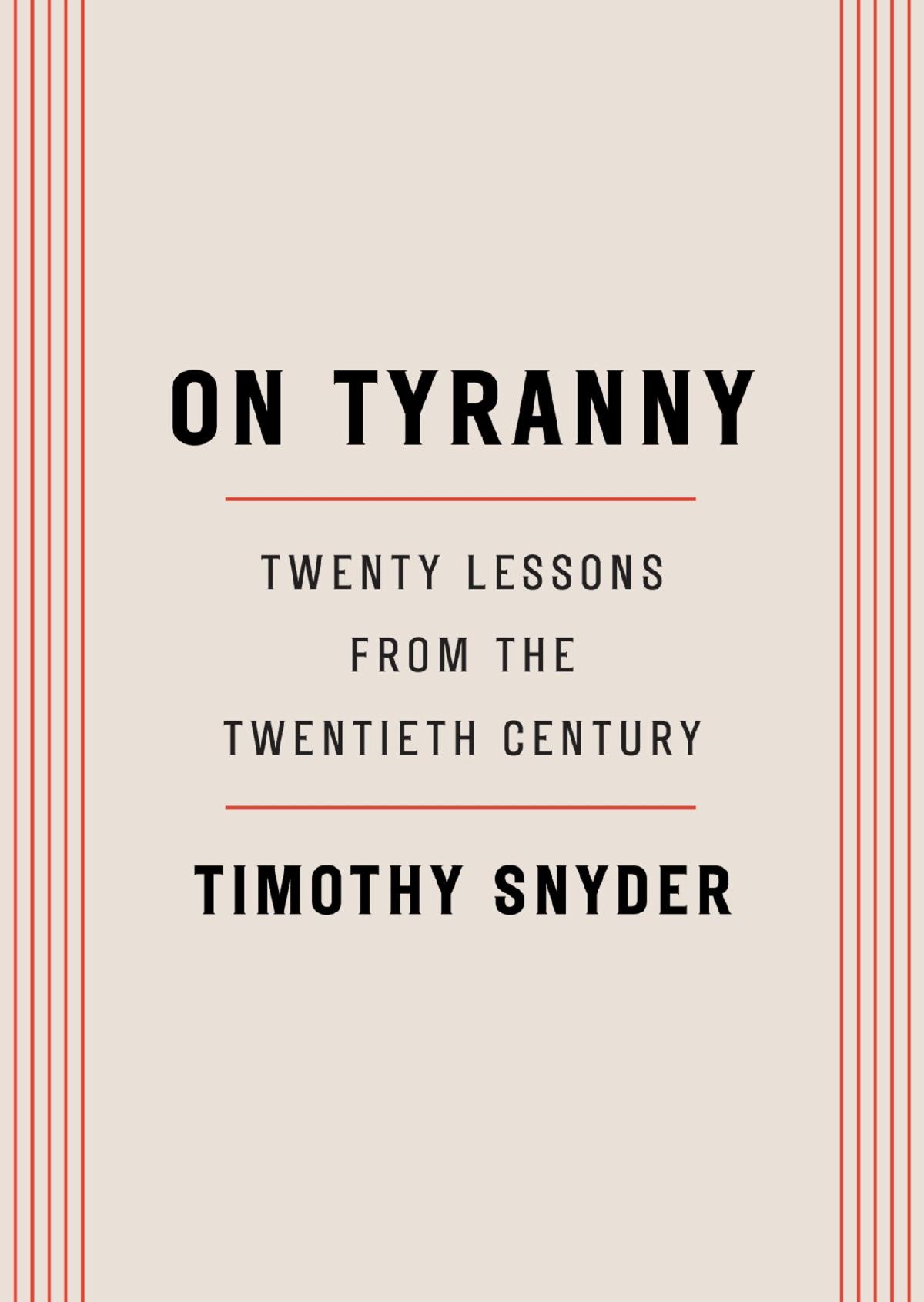
By Timothy Snider
Crown Publishing Group
Paperback $12.00
Best Weller’s Price: $9.60
Reviewed by Liam Harrison-Stewart
On November 6th, 2024, I woke up in my pitch dark room in the basement and looked around in the blackness, the blackness that illustrated the terror coming over me. At first, I tried to convince myself that maybe the election results had been a dream. It took me until Inauguration Day to understand that this was really happening, that the United States could be succumbing to fascism. How could we have done this? We have seen in history what tyranny does to the world as a whole, how it destroys lives, and oppresses the people who are considered “the enemy.” What we don’t seem to do as a nation, is learn from the past, be it our own history or other countries. Timothy Snyder makes this clear in his pocket size book On Tyranny, desperately trying to warn America that it would soon be our turn for the failure of democracy. We did not take that warning seriously enough.
In twenty short lessons, Snyder outlines a guide to fighting Tyranny, beginning with the importance of not submitting to a tyrant in advance. In the 1932 German elections, it became clear that the Nazis were going to rise to power, and because they were met with very little resistance from the public, they realized how quickly they could build the Third Reich government, which was completed in only fifty-three days. Austria immediately submitted to the Nazi’s desire to take over and most Austrian citizens were willing to go along with the forced labor of their Jewish neighbors. In 1941, when Germany invaded the Soviet Union, the military devised how they would carry out mass killings by guessing what their superiors would like them to do– even without direct orders to conduct any.
As Snyder moves deeper into the philosophical nature that defines authoritarianism, fascism, and communism, the encouragement that the reader “do something” becomes much stronger. We must act, so the process of usurpation is slowed and tyrants know that everything they do will be resisted. For example, we must defend institutions– even if they are institutions that put the dictator in a position of power. If we allow institutions to fall or simply believe that they won’t disappear because it doesn’t seem practical, we are on the road to becoming a totalitarian state. We are seeing this now with the current President’s attempts to dismantle the Department of Education and the USAID among others. Trump is only steps away from dismantling more institutions that protect the American citizen’s way of life. What is terrifying is that no one is stopping him, not Congress, not the Supreme Court, and not the American people who put him where he is.
Snyder’s most valuable lesson in this book is only one page long, that is lesson twelve: “Make eye contact and small talk.” The oppressed memoir writers of Nazi Germany, Fascist Italy, the Soviet Union, and other regimes warmly recall the kindness of their neighbors and friends in times of fear. It gave them hope and stopped widespread terror. This is a trend that must continue in order to show a tyrannical government that their enemies have support and will not simply disappear without a fight. By acknowledging and giving kindness to oppressed groups, we remind them that they aren’t alone, but if we start avoiding eye contact, crossing the street to avoid them or don’t acknowledge them, fear grows. The tyrant always feeds off that fear.
“Be Kind to Our Language” is another lesson that stuck out to me because Snyder conveys the importance of avoiding the internet as much as we can and reading books. Books give us a way to judge the intentions of the other person with complex but valid reasoning and can provide insight and warning into real world issues. Great novels like George Orwell’s 1984 or Ray Bradbury’s Fahrenheit 451 highlight the dangers of moving too far towards digital media and discarding books. As a bookseller, I couldn’t agree more with Snyder’s analogy. If we continue to move away from literature, then we lose our sense of self, our ability to decide whether or not something is ethical, like political belief and the actions of our government.
When I finished reading On Tyranny, it gave me genuine hope in a time when most are despairing over politics and the future of our country. The most valuable idea I took away was that I should not be silent, especially as a young person who is the future of this country. Democracy is dying, but it is not completely dead until all political power is usurped into one branch. I will never stop fighting: for my friends in the LGBTQ community, for people of color, for those who are being deemed as not worthy of being American citizens. There is still time to stop the fall of democracy, and my first step in doing so was nominating On Tyranny as our next “Best Wellers.” My fellow booksellers have taken steps too, by voting to make my nomination win. If we as a book community continue to promote the literature of rebellion and empower each other to read great books– be they the classics, modern, nonfiction, fantasy, or anything that holds an idea– we can win the fight against fascism.
Snyder’s final lesson tells us we must be courageous. We cannot take baby steps to stop this, and we absolutely cannot sit idly by and hope that everything will change without our voice. To quote the final line in lesson twenty, “If none of us is prepared to die for freedom, then all of us will die under tyranny.”
| | |
Click here for our April events newsletter.
And, as always, view our events calendar to see all of our upcoming events.
We host both virtual and in-person events, and we look forward to seeing you soon.
| | |
Come visit us!
SUNDAY 12-5
MONDAY-THURSDAY 10-8
FRIDAY & SATURDAY 10-9
| | |
Can’t make it to the store?
Support your local indie from home!
Order by phone or online, then pick up at the store or the curb! We also ship!
| | |
Give us a call at 801-328-2586.
Shop new books on our website.
Browse our entire inventory of new, used and rare books on Biblio.com.
Listen to audiobooks from Libro.fm.
Read ebooks from Kobo.
| | | | |