Led by the Schlegel-UW Research Institute for Aging (RIA), CDLRN and the community-based projects are funded by the Public Health Agency of Canada's Dementia Community Investment (DCI). The projects develop and implement tools, resources, programs and other interventions to enhance the well-being of people living with dementia and care partners.
These innovations are shared broadly to support dementia practice and policy across Canada.
|
|
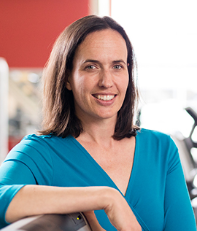
CDLRN co-lead appointed to Schlegel Research Chair in Dementia and Active Living
|
|
Participate in research: Forward with Dementia Survey! Open until September 1, 2023
Forward with Dementia is inviting ALL Canadians to take part in a new research study, and share your thoughts about dementia! We are particularly interested in hearing from people who are members of diverse cultural and linguistic communities. Help the Forward with Dementia team address stigma related to dementia and raise awareness about how to live well with dementia!
This survey has been reviewed and received ethics clearance through a University of Waterloo Research Ethics Board. Forward with Dementia is funded by the Public Health Agency of Canada.
|
|
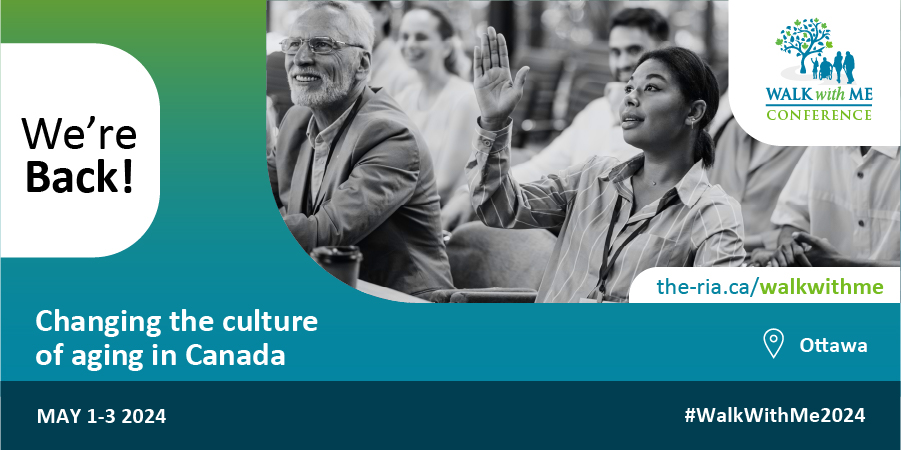
Walk with Me conference: May 1-3, 2024 | Ottawa, ON
Co-hosted by the Schlegel-University of Waterloo Research Institute for Aging (RIA) and CapitalCare, this national conference is aimed at changing the culture of aging in Canada. Walk with Me is returning to an in-person experience! Join us as we bring together people from the senior living sector, community organizations, older adults, researchers and more to reshape the culture of aging in Canada. |
|
Dementia awareness, understanding risk factors, and promoting well-being for people living with dementia are of increasing importance in Indigenous communities. However, these communities face unique challenges when implementing programs for dementia education, awareness, and risk mitigation.
The project took a proactive approach to dementia education and risk mitigation and collaborated directly with health center directors in each community to hire community workers. The community workers were embedded in the community to provide support, education, and develop effective risk mitigation approaches tailored to the specific needs of each community.
Among the project's achievements, Lake Manitoba and Pinaymootang First Nations stood out with remarkable success. The community workers in these regions established meaningful relationships with Elders, individuals living with or at risk of developing dementia, and other community members, including care partners. These relationships fostered the creation of regular recreation and social activities for Elders, such as gardening, cognitive stimulation activities, scrapbooking, and special events like Grandparents Day celebrations.
|
In a heartwarming example of the project's impact, Lake Manitoba's community worker, Erynn Moar, organized an art contest for community members to express their perceptions and experiences of dementia creatively. Fourteen-year-old Katie McIvor from Lake Manitoba First Nation emerged as the contest winner, beautifully portraying her perception of dementia and the changes associated with this condition through her artwork (at left).
|
|
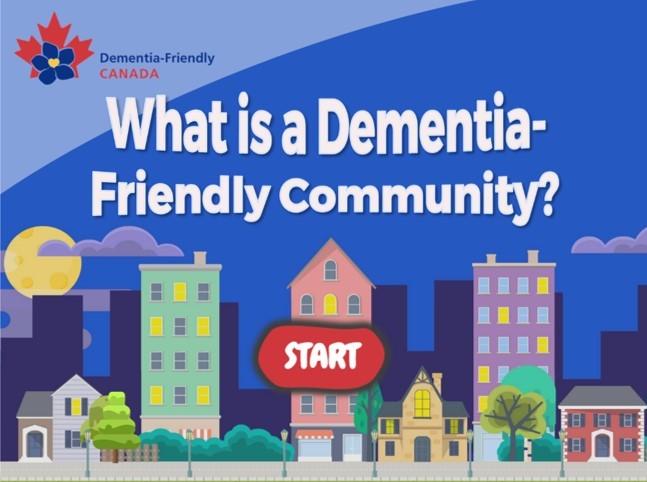
Have you ever wondered how you and your organization can create welcoming and supportive communities for people living with dementia and care partners?
The Dementia-Friendly Canada project, led by the Alzheimer Society of Canada, developed Building Dementia-Friendly Communities, an online course designed for employees in the retail, hospitality, library, recreation and public transit sectors.
This course is available in English and French, consists of four modules and can be completed at your own pace after creating a free ALZeducate account.
|
|
Myrna Norman lives with dementia and is a member of CDLRN’s Community Advisory Committee. Myrna is active in many dementia-related initiatives, including the Purple Angels dementia support group near her home in Maple Ridge, British Columbia. Earlier this summer, the Purple Angels organized and hosted a celebration and fundraiser in a local park that included games, a silent auction, art, a photo booth and more.
Read below where Myrna shares more about the event and her tips for organizing a similar event:
Who was involved in this event? People living with dementia and their care partners organized the event, with support and assistance from local artists, politicians, an amazing pipe band, businesses and our city committees all came together to put the lens on inclusiveness. We also had invaluable help from local community organizations like the Dementia Friendly Group, our Seniors Recreation Centre and more.
What was your vision for the event and how did it come to life? We wanted to invite all folks. We wanted to offer games, a Photo Booth, a Silent Auction, a Painting station and more. We contacted local businesses for donations to our Silent Auction and were buoyed by the support we received. Our membership knit, painted, designed, wrote poetry, sold books on dementia, offered education and so much more.
What should event planners consider when planning an event like this one?
Event planners should include all of the group - people living with dementia are great assets and want to be included. The success of the event should be that everyone takes part in some way and that all community members feel welcome to attend. Planning for this event included choosing a date, checking with city hall, securing the location and then doing the hard work of advertising. We called on businesses, service companies such as long term care homes, nursing services, hearing and vision testing units to attend and speak at the event, which is always helpful to folks there. For any event, you should offer refreshments (often donated by businesses) and arrange for canopies for shade, tables, chairs. Access to restrooms should be clearly marked. Then, just HAVE FUN!
|
|
We'd Like Your Input!
We appreciate you taking the time to read our newsletter. To better understand what type of content our readers would like to see, we’d like to ask you a few quick questions.
|
|
CDLRN is hosted by the Schlegel-UW Research Institute for Aging (RIA). Production of this project has been made possible through a financial contribution from the Public Health Agency of Canada. The views expressed herein do not necessarily represent the views of the Public Health Agency of Canada. |
|
|
|
|
|
|