Led by the Schlegel-UW Research Institute for Aging (RIA), CDLRN and the community-based projects are funded by the Public Health Agency of Canada. These projects focus on the development of innovative tools, resources and approaches that enhance the wellbeing of people living with dementia and care partners by increasing awareness, support, knowledge and understanding of dementia.
These innovations are shared broadly to support dementia policy and practice across Canada.
|
|
TOTAL e-Learning launch and call for recruitment!
TOTAL e-Learning is a bilingual online dementia education program designed to meet the complex learning and support needs of care partners of people living with dementia. The curriculum includes real-life examples, and multimedia components, all designed with equity, diversity, and inclusion in mind. The online program considers accessibility, taking into account the use of legible text, font size, and color for an optimal user experience.
This project is being designed and developed by the Office of Ed-TECH (Education Technology and E-learning Collaboration for Health) team at McGill’s Faculty of Medicine and Health Sciences.
Participants can expect to learn about dementia, their role as a care partner, and how to ensure a high quality of life for themselves and the person living with dementia. The online program includes interactive tasks, known as Care Partners in Action, that allow participants to apply what they have learned to real-life situations. All module topics can be found here.
It is important to tailor education for learners in Quebec because it addresses the specific legal, medical, and community support needs of the province. Having the program available online helps to reduce the isolation experienced by some care partners and people living with dementia in the remote and rural regions of Quebec. With TOTAL e-Learning, education and community support are enhanced, providing a valuable resource for those in need.
Get Involved!
The TOTAL e-Learning project is seeking care partners in Quebec to answer a short survey about their experiences and needs as a care partner for a person living with dementia. The survey will take about 20 - 30 minutes to complete.
|
|
My Tools 4 Care In Care Webinar: February 27, 3-4 PM (EST)
Join us on February 27th from 3-4 PM (EST) for a My Tools 4 Care - In Care webinar, an online toolkit designed to support care partners as they navigate changes in caring for a family member or friend living with dementia in a long-term care home. This webinar will cover the story behind the creation of the toolkit, its features, and the research findings from the project.
The event is co-hosted by the Canadian Dementia Learning and Resource Network (CDLRN) and the Alzheimer Society of Alberta & Northwest Territories and will have simultaneous interpretation available in both English and French.
Don't miss the opportunity to learn more about this valuable resource for care partners and people living with dementia. Register now to secure your spot!
|
|
Webinar: The role of research in supporting culturally safe Indigenous specific dementia care needs and resources: March 14, 2-3 PM (EDT)
Join us on March 14th from 2-3 PM (EDT) for a webinar featuring the Native Women’s Association of Canada (NWAC) and the Indigenous Cognition & Aging Awareness Research Exchange (I-CAARE) as they share about the development of culturally appropriate health promotion materials and practice tools in Indigenous communities. The webinar will feature two leaders in this space who will share their research and experiences on the topic. The NWAC project team will also introduce their upcoming Circle of Care Toolkit, designed to support and empower caregivers of those living with dementia.
Simultaneous interpretation into French will be provided. Don't miss this opportunity to learn about culturally appropriate care for Indigenous people living with dementia.
|
|
CIRCA-CA is a web-based conversation support tool that offers a unique solution for people living with dementia and their care partners to connect and engage, share memories, build relationships, and reminisce.
The tool provides multimedia content, including photographs, short videos, and audio to stimulate conversation, social engagement, and relationship building.
First created in the United Kingdom in 2001, this version of the project is specifically tailored for a Canadian audience. With 20 community organizations involved in the project across Ontario, Saskatchewan and British Columbia, a total of 100 individuals will be trained to support people living with dementia and their care partners in using CIRCA-CA as a group or one-on-one activity.
|
|
Strategies to Communicate in a Friendly Manner with a Person Living with Dementia
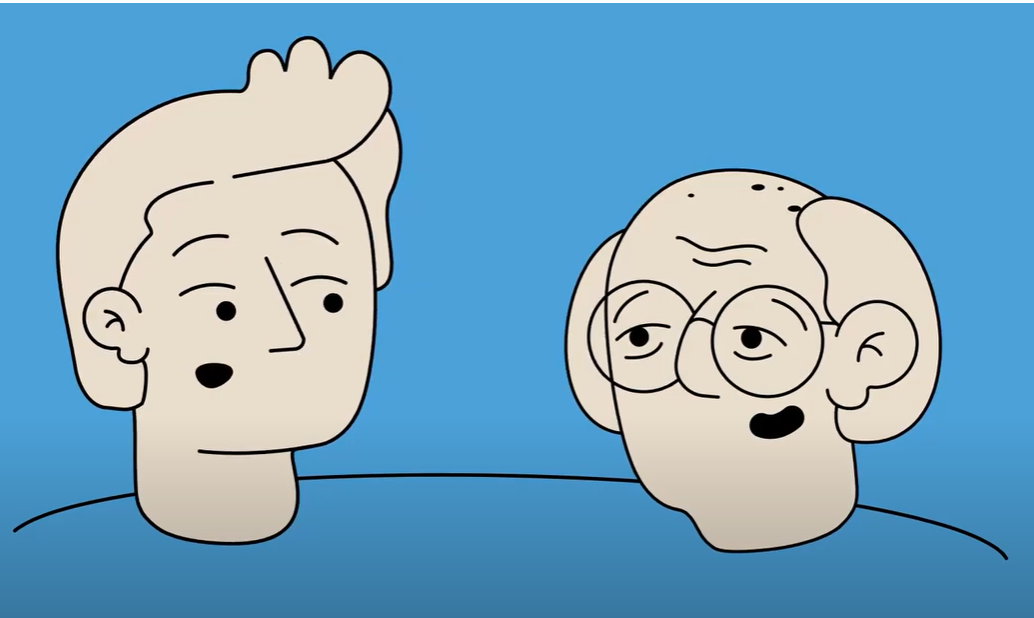
project team has created a resource video that provides practical strategies for communicating with people living with dementia who also have visual or hearing impairments. This video highlights the importance of using non-verbal cues, considering lighting and background noise, and speaking clearly and at a moderate pace. The aim is to improve the quality of life of people living with dementia by promoting effective communication and fostering positive relationships.
The video is available in French and English and serves as a valuable resource for people living with dementia, care partners, families, and communities looking to enhance their understanding of dementia and communication.
|
|
We encourage you to visit the CDLRN website to explore many other resources on various topics from all the DCI projects.
|
|
In this section, we highlight stories and contributions from people living with dementia.
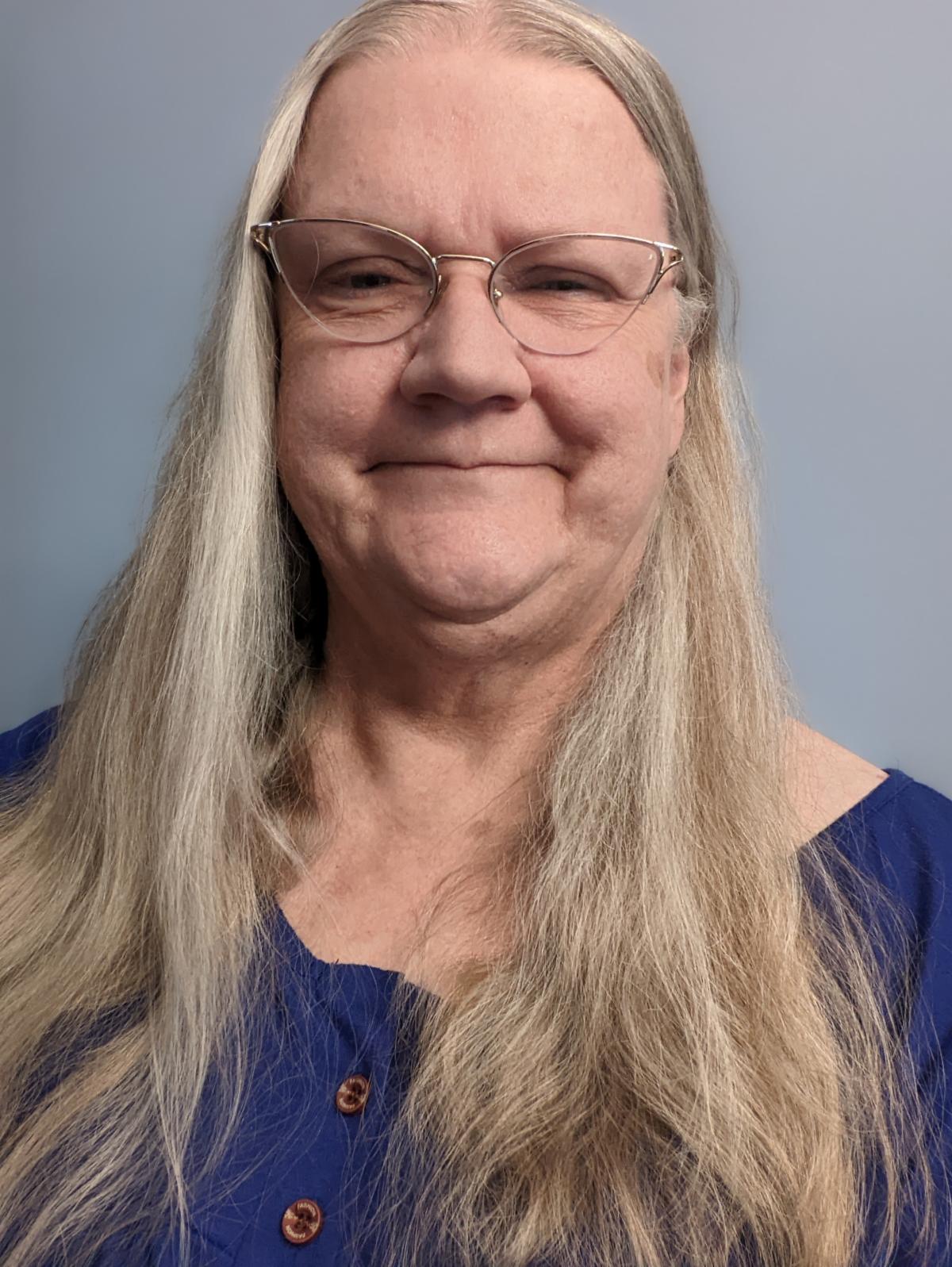
Rose Ong is living with dementia and is an active member of several committees and initiatives, including the CDLRN Community Advisory Committee. Rose recently started a peer-to-peer support group for people living with dementia, called Canadians Care About Dementia. This support group aims to provide a safe and inclusive space for people living with dementia to openly voice their experiences and emotions with peers who are experiencing similar circumstances.
Peer-to-Peer support groups are an impactful opportunity for people living with dementia to share their experiences, humor, opinions, and beliefs in a safe and supportive environment.
For people living with dementia who have not yet tried peer-to-peer support, it is a great opportunity to connect with others who understand what you are going through. Rose commented that the COVID-19 pandemic highlighted the importance of community and human connection, and this applies to people living with dementia too. Peer-to-Peer support groups offer comfort and a sense of belonging, especially to those who may be feeling lonely or isolated. To learn more, email Rose at ccad10.2project@gmail.com
|
|
We'd Like Your Input!
We appreciate you taking the time to read our newsletter. To better understand what type of content our readers would like to see, we’d like to ask you a few quick questions. Please take a moment to fill out a short survey - it is anonymous and will only take a few minutes!
|
|
CDLRN is hosted by the Schlegel-UW Research Institute for Aging (RIA). Production of this project has been made possible through a financial contribution from the Public Health Agency of Canada. The views expressed herein do not necessarily represent the views of the Public Health Agency of Canada. |
|
|
|
|
|
|