VOL. 03

3 August 2026


Introduction & Welcome

Welcome to our Professional Collaborative Newsletter! We’re so glad you’re here. This space is designed to keep us connected, share meaningful insights, and support one another in our work with our neurodiverse community.


Each issue includes curated research, practical resources for educators and families, and opportunities to engage through upcoming events. Whether you’re seeking inspiration, information, or connection, we hope this newsletter becomes a valued part of your professional journey. This edition of Ivy Insights focuses on transition from school to adulthood. Special thanks to the Ivymount Transition Services team for their collaboration and support in curating this newsletter!  


Research Round Up

Highlighting High Quality Journal Articles and Practical Takeaways

Transition Strategies and Recommendations: Perspectives of Parents of Young Adults with Disabilities

Link to article abstract: Francis, Stride, & Reed, 2018


This article examines parents’ perspectives on the most effective strategies for supporting young adults with intellectual and developmental disabilities as they transition from school to post-school life.


Key takeaways:

  • Transition to adulthood is a long‑term, relational process shaped by expectations, experiences, and supports that begin well before high school and extend beyond postsecondary education.
  • High expectations, opportunities for decision‑making and risk, and inclusive experiences are closely linked to young adults’ development of independence and self‑confidence.
  • Family involvement remains central during and after formal education, with effective transitions reflecting interdependence rather than a simple shift from dependence to independence.


Try It: Maintaining High Expectations

Maintaining high expectations involves parents and professionals consistently communicating and acting on the belief that young adults with disabilities are capable of employment, meaningful relationships, and community participation, while still receiving appropriate supports.


Consider creating regular opportunities for young adults to make real decisions about daily life (e.g., schedules, transportation, spending money, social activities) while gradually scaling back support.


Neurodivergent individuals can take supported risks, such as trying a new job role, using public transportation, managing personal finances with tools or apps, while advocating for accommodations and resources they need to be successful. 


Factors Related to Successful Transition Planning for Adolescents on the Autism Spectrum

Link to article abstract: Hatfield et al., 2018


This article identifies factors that influence successful transition planning for adolescents on the autism spectrum by examining perspectives from adolescents, parents, and professionals.


Key Takeaways

  • Successful transition planning for adolescents on the autism spectrum depends not only on services and supports, but also on factors such as motivation, anxiety, self-awareness, and a strengths‑based approach.
  • Real‑life experiences (e.g., work experience, skill development) and consistent guidance from a coordinated team reinforce adolescents’ engagement and understanding of post‑school pathways.
  • Many adolescents experience transition planning as confusing, starting too late, or poorly documented, highlighting gaps between what stakeholders identify as best practices and actual practices.


Try It: Create a Clear, Flexible Transition Plan

Transition plans should outline concrete goals and steps while allowing choice, adaptability, and room for adolescents to revise decisions as their understanding and confidence grow.


Parents, caregivers, and professionals can collaboratively develop a written transition plan that identifies strengths, interests, goals, timelines, and responsibilities, while intentionally revisiting and revising the plan as the adolescent’s needs or preferences change. Autistic adolescents benefit when they are actively involved in shaping the plan, given choices among pathways, and are supported and encouraged to express concerns, ask questions, and adjust goals without fear that early decisions are final.


Resources for Everyday Practice

Upcoming Events for Professionals

Transition Timeline Checklist


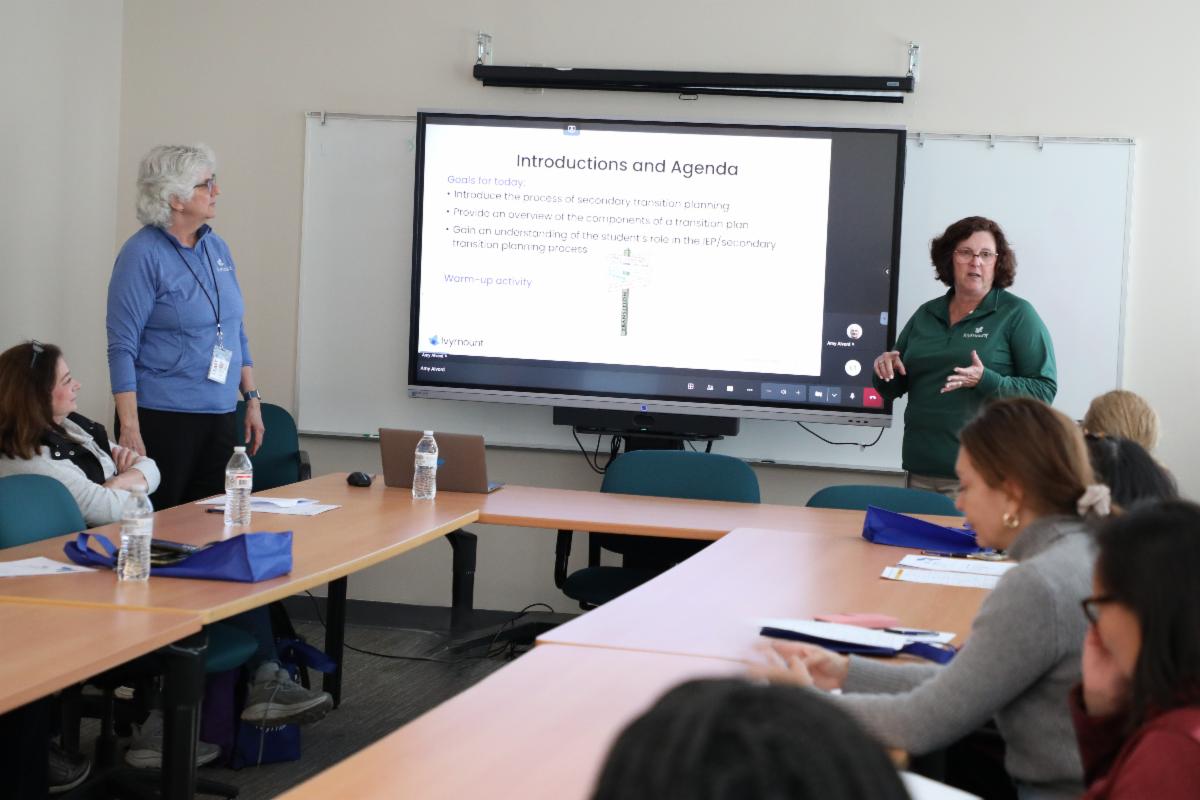
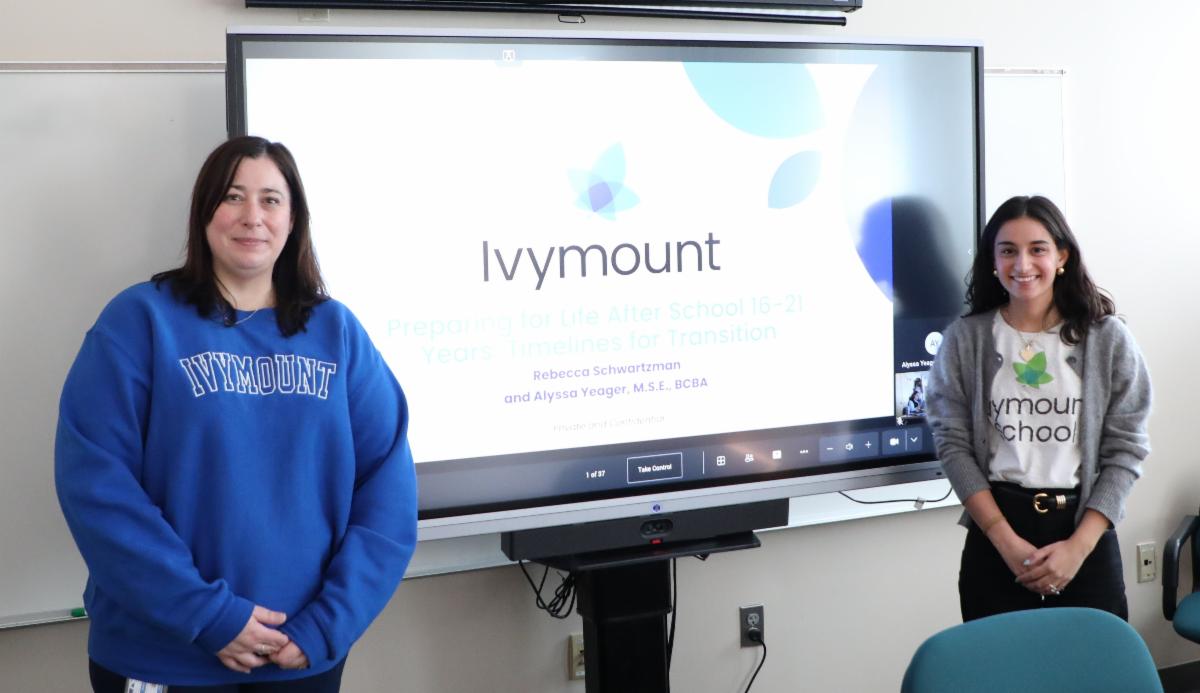
This checklist compiles key milestones and resources from our Ivymount Resource Fair Workshop titled “Preparing for Life After School: 16-21 Years” by Rebecca Schwartzman and Alyssa Yeager, Ivymount Transition Specialists. 


Transition Timeline Checklist (Instant Download)

August 19

Professional Collaborative
Summer Institute


9am-12pm EST

Online Webinar: Strengthening Teacher Leadership in Supervision

3 BCBA CEUs


1pm-2pm EST

Online Webinar: Assessing and Managing Anxiety in Youth and Adolescents with Intellectual and Developmental Disabilities

1 MD Social Work CEU or 1 MD PDP


Register now

www.ivymount.org/summerlearning2026

Evidence-Based Resources

LetMeDoIt App – Helps users navigate choices and build independent decision-making


O*NET Interest Profiler – Helps individuals identify strengths, interests, and career pathways


AASPIRE Healthcare Toolkit – Helps individuals communicate needs, prepare for appointments, and manage health information


OAR Mental Health & Sex Ed Guides for Self Advocates – Accessible safety, well-being, and emotional regulation information for autistic teens and young adults


Ivymount’s “This is Me” How To Guide: Learn how to create an electronic tool to self-advocate across contexts


Stay Connected

 
Facebook  Instagram  LinkedIn  YouTube