|
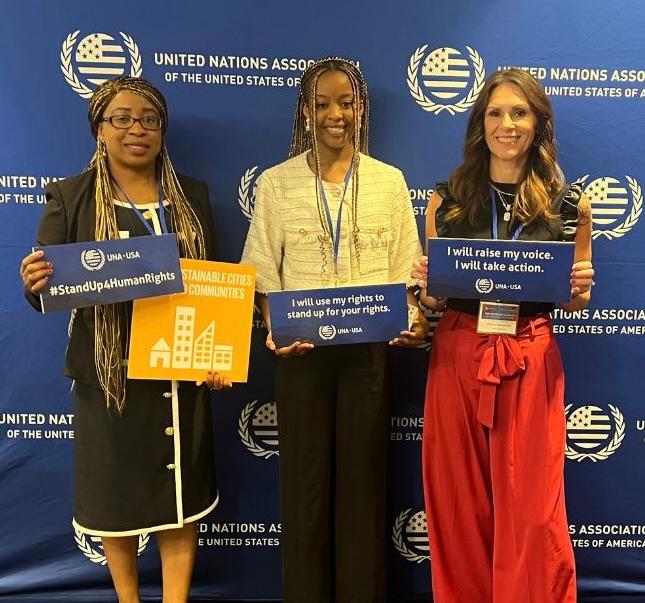
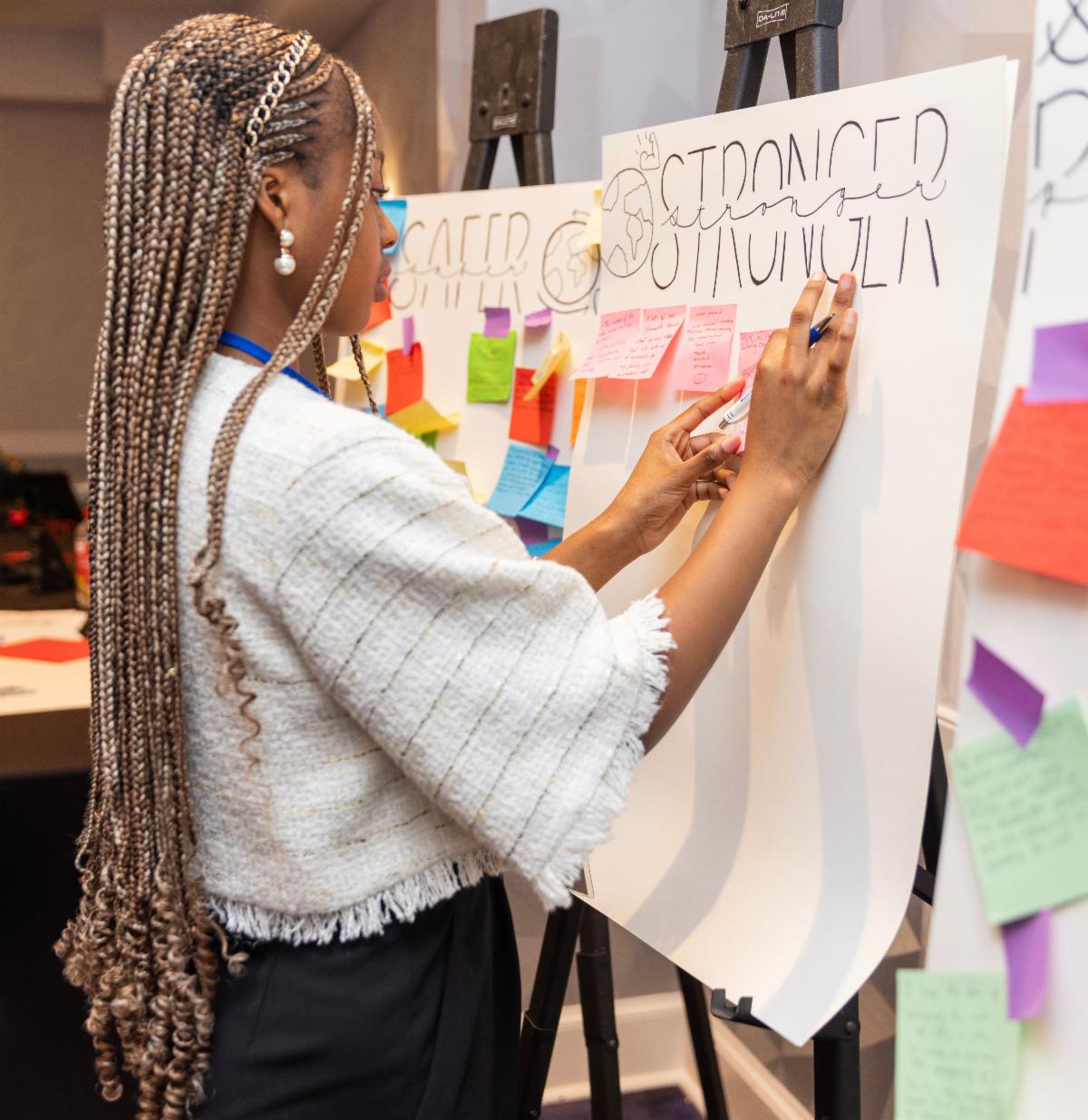
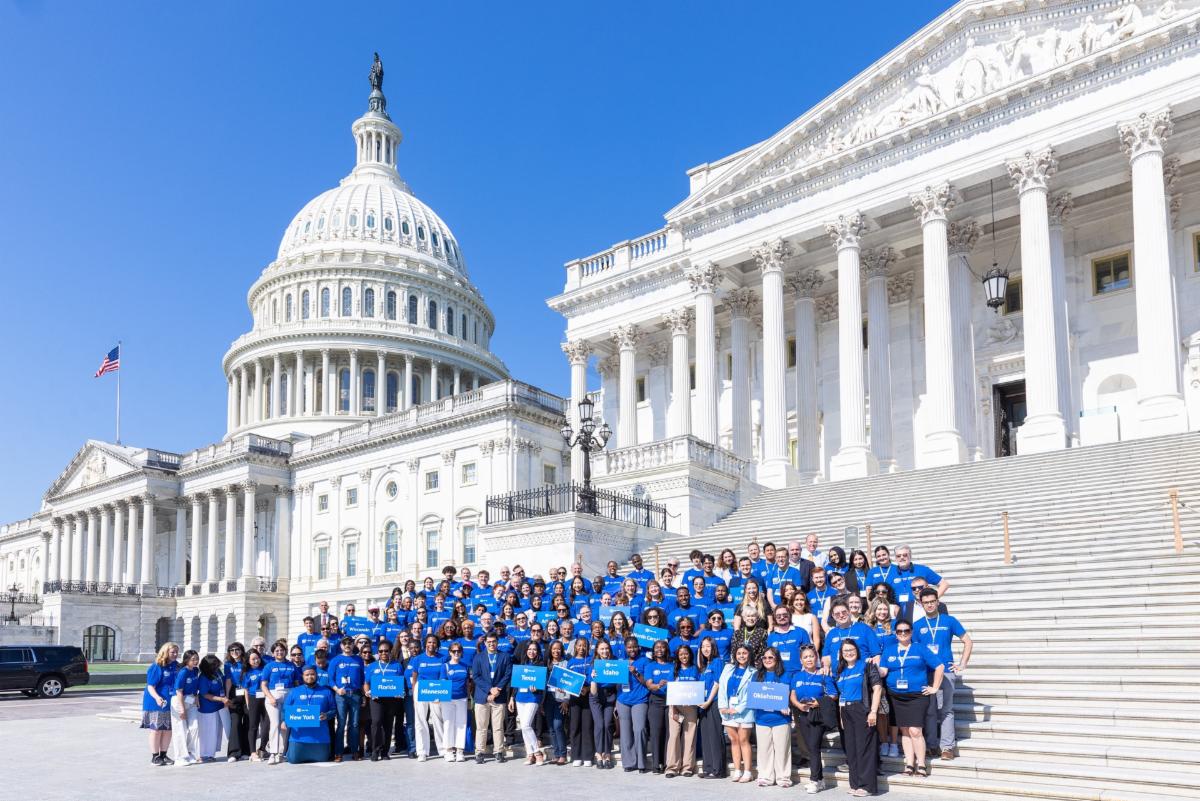
Bijou Maliabo, Neema Ash, and Stefanie Munsterman, pictured above, ably represented JCUNA at the UNA-USA U.S.-UN Advocacy Summit in Washington DC, June 23-24. During the Summit, they visited the offices of Senators Grassley and Ernst and Representative Miller-Meeks to make the case for the U.S.-UN partnership. More photos below.
Stefanie writes,
Attending the Summit was a powerful and uplifting experience, and I am incredibly grateful for the opportunity. I left feeling more connected, informed, and inspired by the energy of so many people who care deeply about peace, dignity, human rights, and the role of the United Nations in making the world - and the United States - safer, stronger, and more prosperous.
Throughout the summit, we explored how U.S. partnership with the UN supports everything from peacekeeping and food security to climate resilience, maternal health, security and safety, and preventing and responding to health emergencies. The message was clear: our global cooperation saves lives, prevents war, and strengthens America.
We had thoughtful, respectful conversations with the offices of Senator Chuck Grassley, Senator Joni Ernst, and Representative Mariannette Miller-Meeks. I shared how Iowa farmers and families are directly affected by UN partnerships - from international food exports and environmental protections to refugee resettlement and stopping global disease outbreaks.
Failing to meet our financial obligations to the UN not only harms critical programs that advance American interests and values, but also sends a signal to our global competitors, that the door is open for them to influence the organization in a way that more closely aligns with their own national interests.
We urged Senator Grassley and Senator Ernst to reject the Administration’s proposed rescissions package, which seeks to rescind $9.4 billion in already-appropriated funding - more than $8 billion of which targets vital international assistance and U.S. contributions to the United Nations. Additionally, we urged them to fully fund the UN in FY26.
-
Kendall Dehnel (Foreign Policy Legislative Assistant, Senator Ernst) was professional, informed, and open to meaningful dialogue. While she did not share detailed insights into Senator Ernst’s specific positions on the United Nations, she conveyed sincere appreciation for constituent engagement. Kendall emphasized the importance of framing international issues, such as peacekeeping, humanitarian response, and global development, in ways that resonate with local communities. She noted that Senator Ernst has a strong interest in global food security, highlighting the importance of sustainable solutions. At the same time, she raised concerns about financial accountability within the UN, asking pointedly, “Does the money go where it’s supposed to go?” She welcomed continued communication and expressed interest in hearing more about how global issues directly affect Iowans.
-
James Rice (Legislative Director, Senator Grassley) was respectful, attentive, and professional throughout the meeting. While he did not share Senator Grassley’s views on the United Nations, he was receptive to the topics raised, including food security, impacts on agriculture, and affirmed the importance of the United States maintaining a strong global leadership role. He acknowledged the U.S. should not cede power to countries that do not align with our values. His openness signaled a willingness to stay informed and to hear from constituents on these matters.
-
Rep. Mariannette Miller-Meeks and Sam Dunford (Legislative Assistant) were engaged and responsive. The Congresswoman shared she is generally supportive of the United Nations but believes that “there are things that need to change.” She emphasized the importance of transparency and accountability in financial matters, and stated that she would “try to sway the naysayers”. At the same time, she expressed her belief that the UN has an “antisemitic and anti-Western culture”. While her stance appeared cautious and critical, she and her aide were open to continued conversation and seemed genuinely interested in hearing from advocates.
Suggested Follow-Up:
The tone across all three meetings reflected a willingness to hear from constituents, particularly when conversations connected global issues to everyday life in Iowa. Across the board, there was a shared understanding that international engagement has value, but that it must be transparent, fiscally accountable, and firmly aligned with American values and interests. These insights underscore the importance of framing our advocacy in ways that are both locally relevant and nationally grounded
|