Life in the Laboratory
On the second floor of the Park Building on the Johns Hopkins Hospital campus, just off the elevators, is a glistening laboratory which is home to the Johns Hopkins Greenberg Bladder Cancer Institute’s (GBCI) Laboratory. There are neat rows filled with sequencing machines, test tubes, stacks of supplies, computer screens, microscopes, pathology slides and odd looking devices – a Santa’s workshop of science, curiosity and discovery.
In this issue of the Bladder Cancer Report, we hope you’ll join us on a tour of the GBCI’s laboratory and learn about its robust research portfolio, and meet our cracker-jack investigators, who, working alongside the GBCI’s faculty of urologists, surgeons, oncologists, pathologists, basic scientists, data scientists and others, work as a team on the GBCI’s research agenda.
In this issue, you’ll meet our “United Nations” of faculty, lab techs, graduate and PhD students, and learn about the research projects they are working on, and why they love what they do. They all hail from different backgrounds, even countries, but have one united mission – to work to unlock the mysteries of bladder and upper tract cancers, and find answers that translate to better care and outcomes for our patients. This is the lab’s mission, our clinical mission, and it is the GBCI’s overall mission.
Welcome to our lab! We hope, in reading this, you experience your fair share of awe and wonder, as we do, each and every day.
|  | David J. McConkey Director, Johns Hopkins Greenberg Bladder Cancer Institute | |
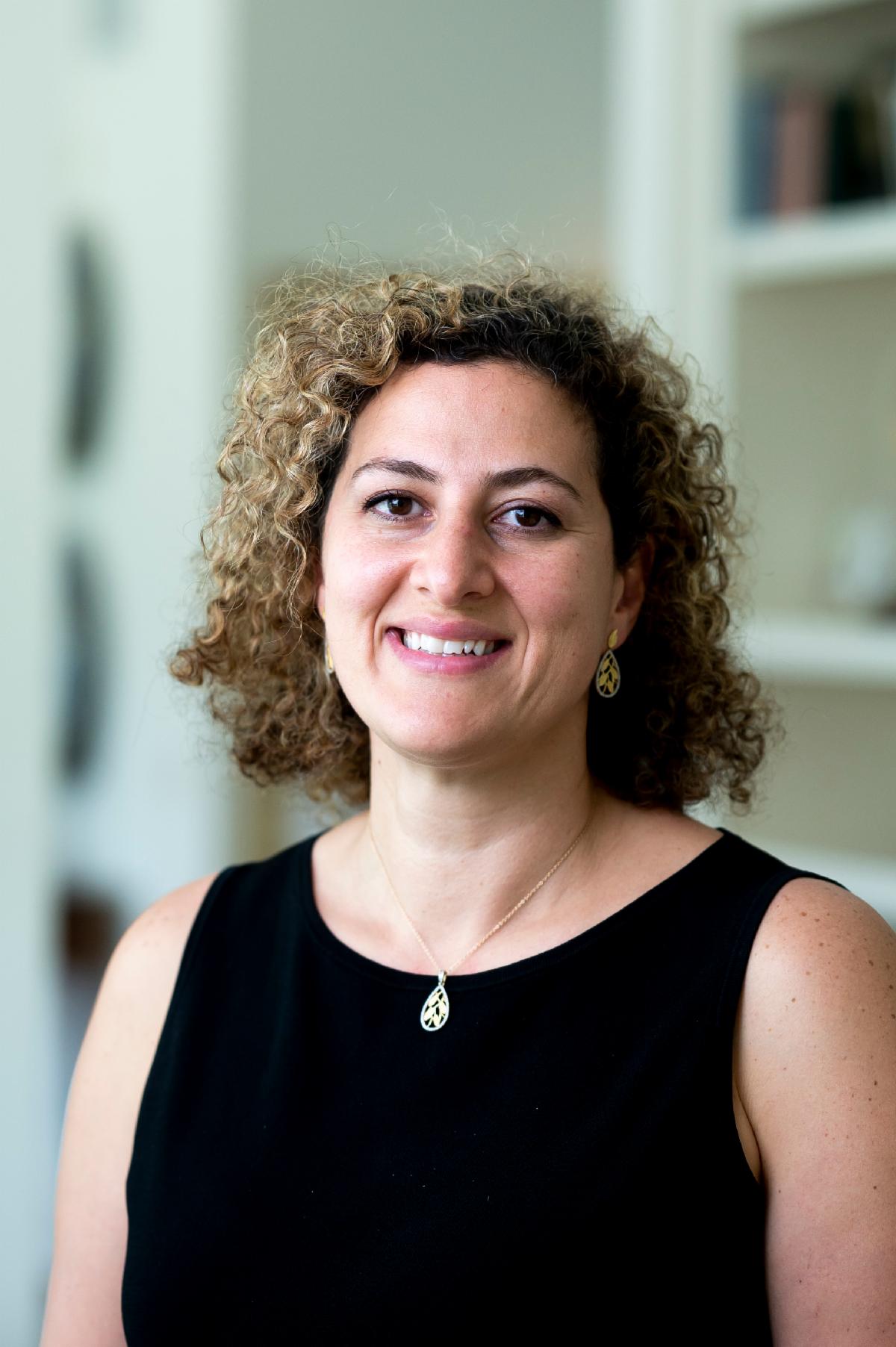
Armine Smith, MD
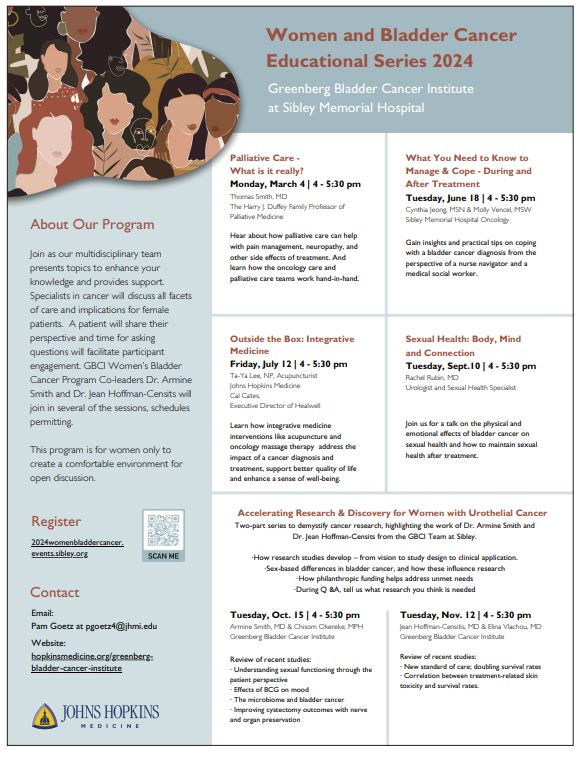
Dr. Armine Smith, a urologic surgeon and leader of the GBCI’s Women’s Bladder Cancer Program, is always thinking of the welfare of her patients while performing surgery, as well as when consulting with patients, be they men or women, before and after a life-altering diagnosis. Bladder cancer has a profound impact on all aspects of a patient’s life including a changed anatomy, changes to a patient’s genitourinary system, sexual function, urinary function, quality of life, and unanticipated side effects, including depression and anxiety. Dr. Smith listens to her patients and the challenges that arise; in her research, she seeks answers.
It’s unique for a surgeon to conduct surveys to fully understand what her patients go through, but Dr. Smith does so with conviction and evident passion. She recently launched two important survey studies to learn about from her patients about their experiences while being treated for bladder cancer.
One study, currently enrolling, queries women with bladder cancer (who agree to participate) about sexual function, body image, and the stigmas they face when undergoing bladder cancer treatments – a topic rarely spoken about. Participants answer survey questions with the goal of listening to and learning from patients about their experiences to fully incorporate their concerns and needs into more inclusive Standards of Care for patients moving forward.
Another of Dr. Smith’s survey projects queries patients undergoing BCG treatments who have also experienced elevated depression or anxiety. Could depression and BCG treatments be biologically connected? BCG is known to unleash “cytokine storms” which are also known to be causal for depression. Dr. Smith devised a survey study, working in partnership with Hopkins psychiatrists and bench scientists, to query patients about mood and adverse psychological changes while undergoing BCG treatments. As it happens, BCG unleashes the immune system to fight cancer cells in the bladder. There may be a culprit here – the IL6 gene- which is known to have a major effect on mood. Dr. Smith offers that the purpose of the study is to look at cytokine changes when BCG is involved and learn if there are any connections between BCG and its potential effect on mood. She hopes to have enough data to analyze by the end of 2024.
Both studies are currently enrolling patients. If interested, please reach out to Riziki Covington, Dr. Smith’s research assistant at rcoving5@jh.edu or bladdercancer@jhmi.edu to participate in either study.
Another notable project Dr. Smith is working on is one to improve the quality of life for patients undergoing bladder removal, known as a radical cystectomy (RC). An RC is a very significant surgery. To date it has often involved not only the removal of the bladder but other organs as well. As a surgeon, taking a step back, Dr. Smith asks the fundamental question: “Do all those organs really need to come out?”. Dr. Smith and her GBCI surgeon colleagues Drs. Kates and Patel, are launching an effort to map organ and nerve preservation for men and women undergoing RC surgery which may include preserving the prostate in men and sparing the gynecologic organs, including the urethra and vagina, in women. The goal is to minimize the disruption of anatomical and pelvic nerve pathways where possible. The next step is to create surgical training models and MRI-guided functional maps to improve surgical techniques and organ preservation. Dr. Smith offers….” these surgical innovations may one day revolutionize the way we surgically care for patients with bladder cancer.”
| |
MEET THE GBCI'S LABORATORY SCIENTISTS | |
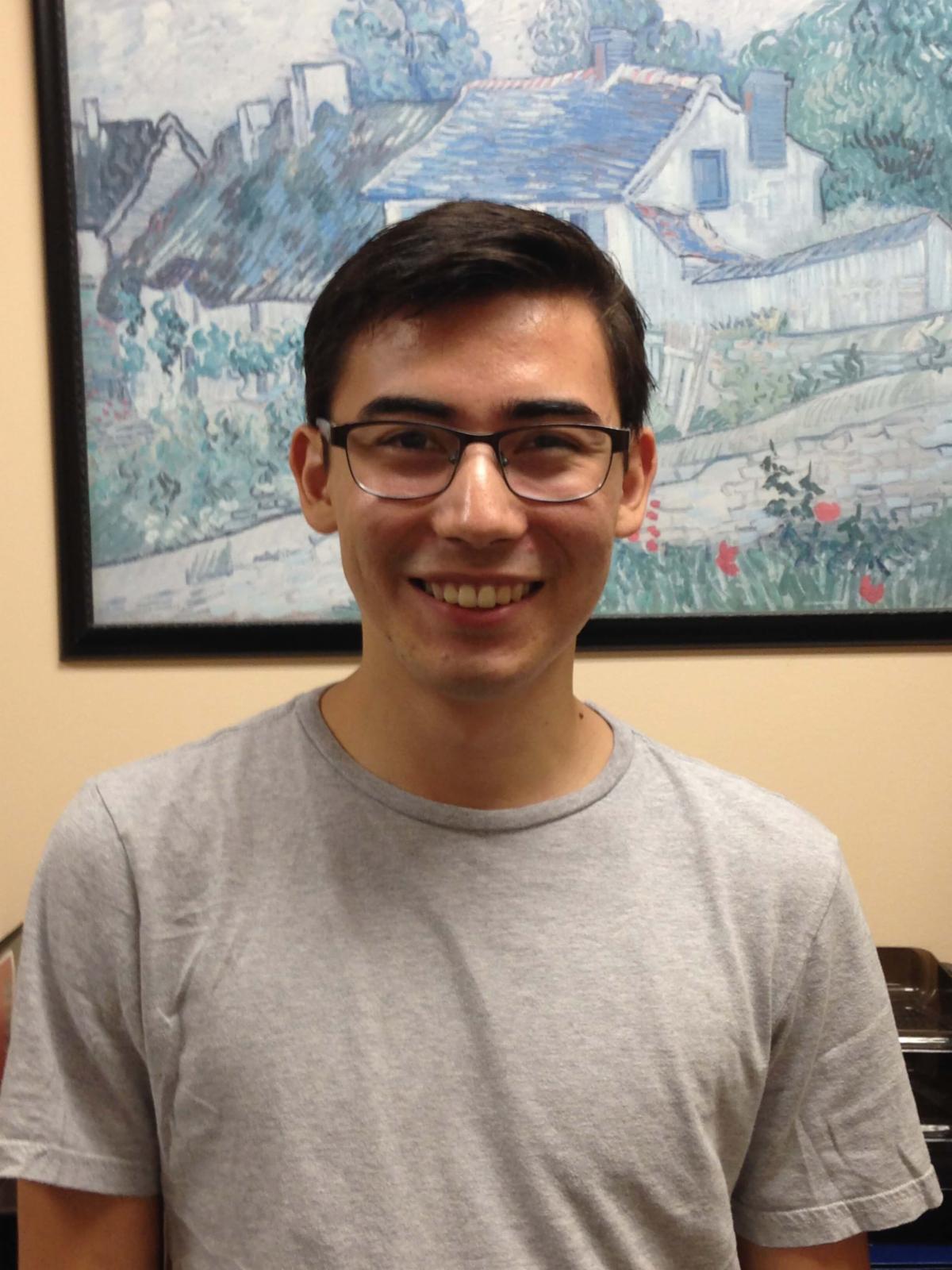
Stan Rapiey, GBCI Laboratory Manager
In college, it was either German or Biology for GBCI Laboratory Manager Stanley “Stan” Rapiey, whose love of both subjects pulled him in two very different career directions. Finally, biology – more specifically histology, won. Histology is the study of microscopic tissues, also known as microscopic anatomy, and is most commonly affiliated with pathology (as in pathology slides and peering into microscopes). After working in the Mohs dermatologic surgery lab in the Johns Hopkins Outpatient Center, Stan found his way a few blocks over to the GBCI. We are so glad he did.
Stan holds the title of GBCI Laboratory Manager. Not unlike being Ringmaster at the Barnum & Bailey Circus, Stan manages, supports and facilitates a lot of different needs all at the same time, all in the same lab, in service to the GBCI’s robust research programs. From laboratory tasks, like staining slides or sequencing RNA and DNA to administrative tasks like ordering supplies such as pipettes or mice (who live in another building at Hopkins) and making sure everyone has what they need to do their research, Stan does it all. “It’s fun!” he says… “I am excited to work with everyone….it’s a very positive work environment.. very active.. and very enjoyable. I guess I am the “MC” of the lab who pulls all the strings…. but I also order the strings” he says with a self-deprecating laugh. “These projects matter” says Stan with evident pride.
"At any given time there are at least 5 large scale research projects running at once, and more than 20 ongoing, shared by 7-8 Faculty members who serve as Principal Investigators."
Stan assists with all projects at the same time in some capacity, including, but not limited to Dr. Nirmish Singla’s comparative study of lymph node and upper track tumor metastases and Dr. Jeannie Hoffmann-Censits and Dr. Elina Vlachou’s study of skin toxicity and the drug Enfortumab Vedotin. With direction from the lead investigators, one task Stan performs is staining slides for protein detection also know as IHC or immunohistochemistry. This can assist PIs to determine what is going on within the tumor tissue and help them to confirm, or dispel, the study’s hypothesis. He offers… “you can tell what’s going in the tissue by looking at the shape of cells...” Routine histology looks at the morphology of the tissue, or what is structurally present while immunohistochemistry goes one step further to help with tumor classification. This is important because it leads to more personalized treatment.
He says with a laugh, “most projects never end…you get the information and sometimes you pivot because the science leads you to a new place….you let the science show you what it is and you follow the science….and you keep going”.
Stan is a firm believer that the GBCI’s research matters for patients. “My dad passed away in August 2022 from liver cancer … it gave me a different view. I was one of his caregivers besides from my mom of course. To say the work I do is personal is an understatement, and it is not lost on me that there is a profound human part to what we do…I am always thinking of the science and how it will help the patient.”
| | |
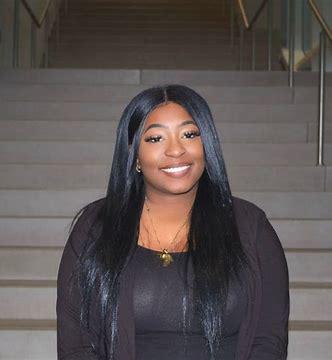
Chisom Okereke, Science Research Specialist | |
|
Chisom Okereke is a natural student and teacher. A former 7th grade math teacher, Chisom loves teaching, loves kids and loves math. But the pandemic – and teaching virtually – caused her to change direction toward health and research, something she knew she was drawn to. In May of 2023, Chisom was awarded a Masters in Public Health from Emory University paving the way for a new career in clinical research.
Chisom’s critical thinking, reasoning, analytical skills and hefty doses of patience come in handy in the GBCI Laboratory. She has several important roles at the GBCI, both inside and outside of the lab. She consents patients for their participation in research as well as collects and catalogs patient samples (Blood, Urine, Tissue, etc.) that are needed for specific research projects – to be analyzed for RNA or DNA or cultured into cell lines. She works on almost all faculty led projects, being the liaison between the patient and the Laboratory, where the discoveries take place.
She tells us she enjoys working with her hands - in research language, this means she uses her “Wet Lab” skills. She offers
"… for certain projects, I take cells that Dr. McConkey has cultured from patient tumors and I work on isolating the DNA from them. I then sequence this DNA so that I can better analyze the genetic data from the sample”. Why is this helpful? “…. we hope to use this information to improve our understanding of cancer genetics in upper tract and muscle invasive cases. "
But Chisom also enjoys the “Dry Lab” aspects of research, also called Retrospective Database Biostatistical Analysis. Currently, the GBCI has an extensive database (called REDCap) of past patients who came in (Chisom is looking back in the records retrospectively) fornephroureterectomies at Hopkins. (A nephroureterectomy is a surgical procedure which involves the removal of the kidney, ureter, and a small piece of bladder in patients presenting with Upper Tract disease). Patients who had this procedure had allowed for tumor specimens to be analyzed. This material is then DNA sequenced by Chisom. She then “matches” the clinical data from the REDCap database (age, sex, pathological stage, chemotherapy regimen, recurrence, etc.) with the genetic sequencing data (which mostly include genetic mutations) to identify potential relationships that can be used to guide future research. Chisom offers that “… there are always interesting results and even, “mysteries” but I get to see where the discoveries are hiding…”
n addition to her formidable analytical and scientific skills, Chisom, being a natural born teacher and leader, is engaging fully with the GBCI’s Bladder Cancer Educational & Support Group Programming, specifically the Women Only Bladder & UTUC Support group programs offered by the GBCI which are based out of Sibley Memorial Hospital in Washington DC. In her new role, Chisom brings her direct connection to patients, her deep knowledge of science and research and her superb people skills to the enrich the conversations. Chisom offers… “I enjoy working in clinical research and being hands on… it’s a factory of ideas… and I also enjoy doing right by our patients”, thus her new role with the GBCI support groups. Her future is so bright, perhaps also with a future PhD in Clinical Research in the wings. Lucky us!
| |
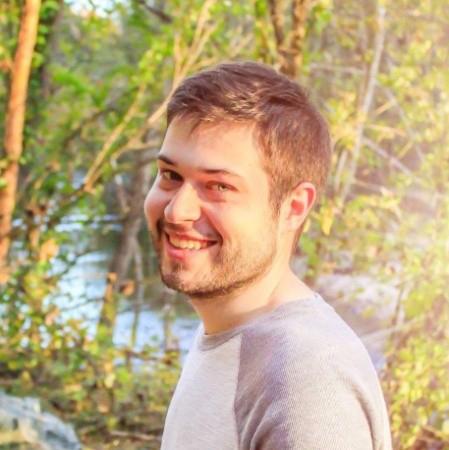
Kai Aragaki, PhD candidate, Pharmacology | |
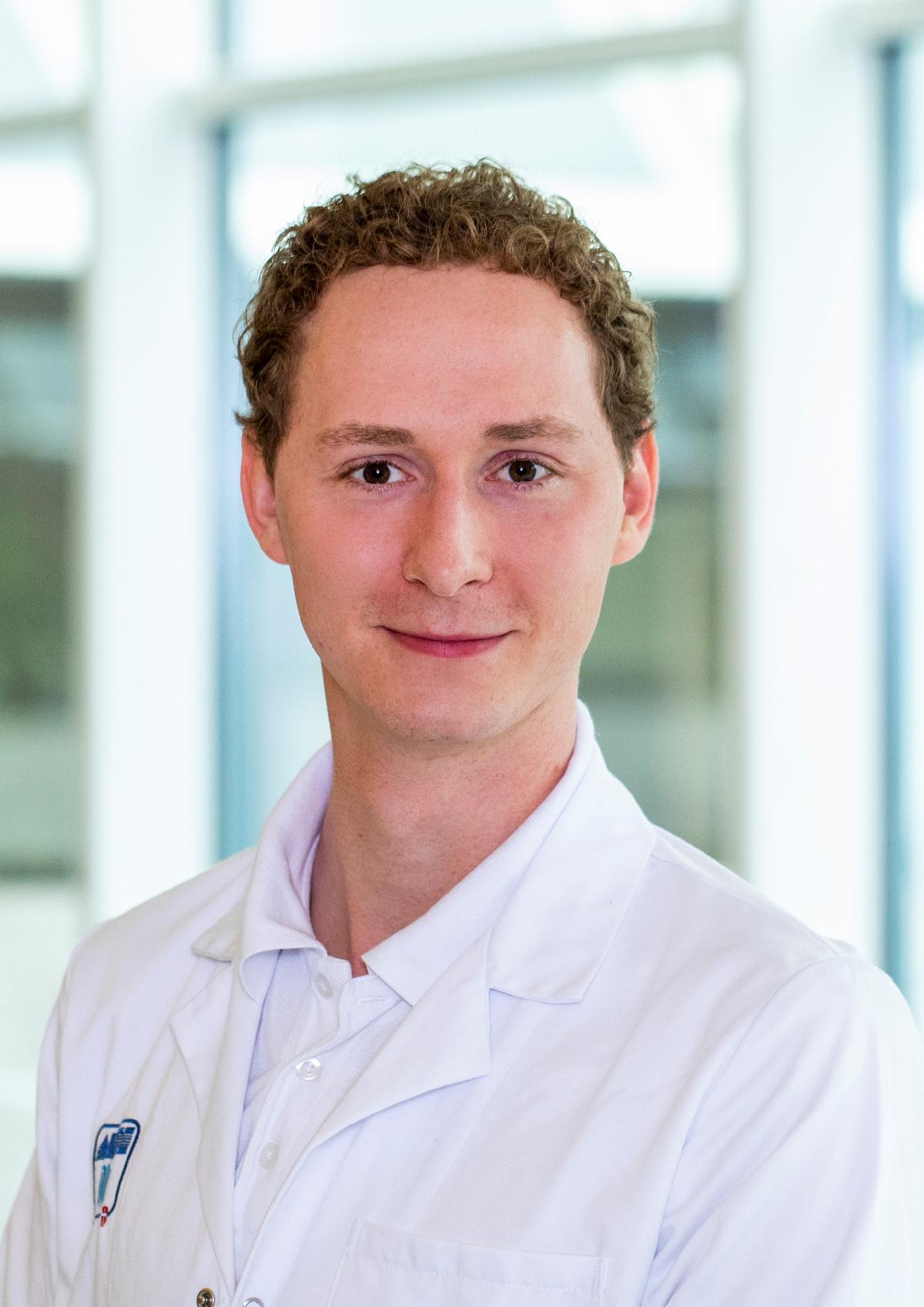
Stephan Bronimann, MD
Stephan Brönimann MD, has all the essential skills needed to be a great clinician-scientist: listening, collaboration, empathy, attention to detail, and aspiration to excellence – but he actually acquired these enviable talents while studying music, more specifically, the viola. Stephan grappled with the decision of whether to pursue music or medicine. Eventually, after fulfilling his compulsory military service with the Austrian Red Cross, he chose medicine. However, his passion for music continues to play a central role in shaping his identity.
Stephan, currently in his sixth year of urological residency at the Medical University of Vienna, is undertaking a research fellowship at Johns Hopkins. Upon completion, Stephan plans to return to Austria and embark on his career as a clinicianscientist specializing in urothelial cancer of the bladder and upper urinary tract (UTUC).
In the GBCI Laboratory, Stephan’s primary focus in on UTUC. He works under the mentorship of Dr. Nirmish Singla and Director David McConkey, along with the lab team. His research focuses on understanding how UTUC spreads and identifying the factors that drive its aggressiveness. Through comprehensive DNA and RNA sequencing of primary tumors and lymph node metastases, Stephan aims to provide valuable insights. This knowledge helps us comprehend the biological processes behind the spread of cancer and aids in identifying individuals at a higher risk of metastasis. Consequently, this information can guide decisions on treatment intensification or de-intensification by refining risk stratification. Ultimately, it empowers us to personalize treatments, ensuring that each patient receives the most suitable treatment for their specific disease.
"I am grateful for the chance to undertake my research fellowship at The Johns Hopkins University, where outstanding researchers and clinicians, coupled with excellent infrastructure, funding, and a unique spirit, foster an environment conducive to groundbreaking research."
| | | |
Jean Hoffman-Censits, MD & Elina Vlachou, MD
Dr. Jean Hoffman-Censits, an oncologist who specializes in Upper Tract Urothelial Cancer (UTUC) started noticing that some of the patients she was treating with the drug Enfortumab Vedotin, (EV), an antibody drug conjugate, alone or in combination with an immunotherapy drug called Pembrolizumab (EV+P) had developed skin rashes. Surprisingly, those who developed the rashes also seem to have had improved outcomes. Skin rashes and better outcomes? What’s going on here? Could that possibly mean that the drug(s) working to eradicate the cancer also went a bit haywire and caused skin rashes? Always searching for clues, Dr. Hoffman-Censits wondered if the rashes could be predictive of a positive result for patients treated with EV?
Dr. “Jeannie”, as we affectionately call her, has devoted her career to improving outcomes for patients with Upper Tract Urothelial and Bladder cancers. The “EV” drug was FDA approved in 2019 for locally advanced and metastatic urothelial cancer having shown unprecedented positive response rates in clinical studies in patients whose cancer progressed despite prior therapies. In early 2023, the drug EV combined with the immunotherapy drug Pembrolizumab (EV+P) were granted accelerated approval by the FDA for patients with advanced urothelial cancer who were not fit to receive conventional platinum chemotherapy. This was because both drugs were shown to work even better when used together and did not have the same impact on kidney function as prior standard chemotherapy. Dr. Hoffman-Censits is part of a landmark clinical trial (NCT04223856), the results of which were released in October of 2023, which showed significant overall survival responses using both drugs in combination compared to conventional chemotherapy. These are the same drugs that seem to be causing the rashes in UTUC patients.
| |
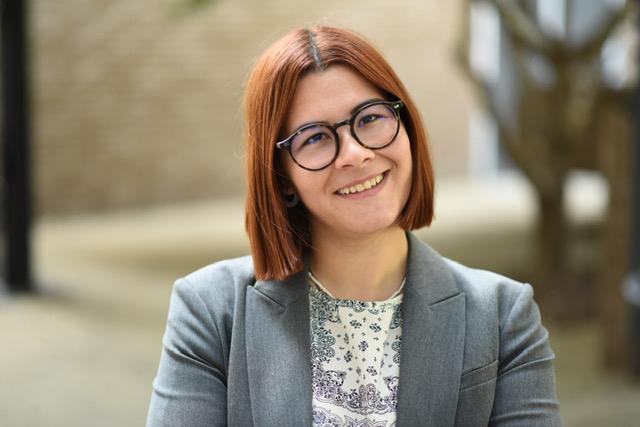
Back to the rashes. Elina Vlachou, MD is from Athens, Greece. Dr. Vlachou first came to Johns Hopkins as a medical student for her oncology research rotation and was connected to Dr. Hoffman-Censits and the “skin toxicity” project. Today, she continues to work on the project as a postdoctoral research fellow.
Elina is involved in every aspect of the study, from consenting patients to working in the “wet lab” collecting serum and plasma (all de-identified). She analyses the information and searches for antibodies and proteins to reveal what is activated and what isn’t. “We see targets and try to identify if they correlate with rashes and outcomes”. The goal is to figure out, by way of deep biological and genetic analyses, who will respond best to the EV and EV+P drugs. Can we predict treatment response early on? What are the rashes telling us – are they a new biomarker signaling what the response to the drugs may be? Another compelling finding is that the rashes tend to be more common in African American patients, who have been greatly under-represented in clinical trials and research.
Although she originally thought she would become an architect, Elina changed her mind as she “loved biology” and pivoted toward science and medicine. She came to Hopkins as an international post doc to do research. She would like to continue her training and plans to go through her residency and medical oncology fellowship in the US, if able. Elina would like to end up as a physician-scientist and devote half of her time to oncology research. She loves Johns Hopkins and being in the lab “mostly because of the people here, especially Dr. Hoffman-Censits, who really looks out for me.” Elina says that when
"working in the GBCI lab …(I) can’t imagine doing anything else more important… nothing else fulfills me like this does..."
Dr. Hoffman-Censits and her team were just awarded a Swim Across America Research Award at Hopkins – a very prestigious honor – which will enhance and amplify this important project for years to come.
| |
National Clinical Trial for NMIBC, The BRIDGE Study | |
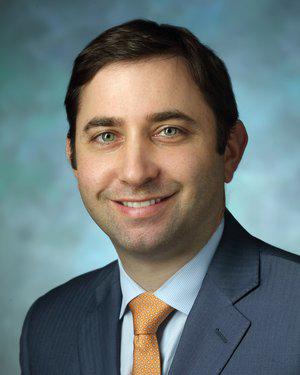
Max Kates, MD
For the last 3 years, Dr. Max Kates, urologic surgeon-scientist at the Brady Urological Institute and the GBCI founded the BRIDGE trial (NCT05538663), now available nationally at many different sites, comparing the instillation of intravesical BCG to Gemcitabine and Docetaxel (GEMDOCE) for newly diagnosed high risk non-muscle invasive bladder cancer (NMIBC) patients. Dr. Kates offers …
| | | |
Noah Hahn, MD
Cancer has its own language, as patients touched by cancer quickly realize. It’s often a struggle to understand this new vocabulary of medical terms, acronyms, science and research – not unlike learning a foreign language. Epigenetics is one of those “new words”. Epigenetics, which literally means “above” or “on top of” genetics, refers to external modifications to DNA that turn genes “on” or “off.” These modifications do not change the DNA sequence, but instead, they affect how cells “read” genes.
Scientists think epigenetics can play a role in the development of some cancers. For instance, an epigenetic change that silences a tumor suppressor gene — such as a gene that keeps the growth of the cell in check — could lead to uncontrolled cellular growth. Another example might be an epigenetic change that “turns off” genes that help repair damaged DNA, leading to an increase in DNA damage, which in turn, increases cancer risk.
Noah Hahn MD, a genitourinary oncologist at the GBCI has been interested in epigenetic changes to cells for almost two decades. Common examples include DNA methylation or acetylation. Dr. Hahn is studying epigenetic changes to the cells of canines who have bladder cancer, and continues to collaborate with Dr. Debbie Knapp, DVM at Purdue University in the field of “comparative oncology” – that is, studying the mechanisms of bladder cancer in dogs and humans, which share many similarities.
Back to the “new words”: Methylation (and acetylation) is a chemical reaction in the body where a small molecule, called a “methyl group” (or aceytal group) gets added to DNA, proteins or other molecules. The addition of these methyl groups can affect how some molecules act in the body. For example, methylation of the DNA sequence of a gene may turn the gene off so it does not make a protein. Changes in the methylation patterns of genes or proteins can affect a person’s risk of developing a disease, such as cancer. These methyl or acetyl groups are added to or removed from the central DNA backbone, and thereby, allow activation or inactivation of the gene’s function. These epigenetic “marks” on DNA are a normal part of regulating gene function. In many cancers, (including bladder cancer), an imbalance to where these epigenetic marks occur has been observed. Genes responsible for tumor suppression or genes responsible for activating the immune system are frequently inactivated by epigenetic mechanisms. Dr. Hahn shares updates on his canine epigenetic research:
"Our group initially demonstrated promising tumor responses utilizing the DNA hypomethylating agent 5-azacitidine in a preclinical study in canine bladder cancer in collaboration with Debbie Knapp’s group at the Purdue University School of Veterinary medicine. More recently, our group has been working in the lab to optimize approaches to inhibit two important novel epigenetic cancer targets (G9a and DNMT1) simultaneously. G9a and DNMT1 work in tandem to attach methyl group “marks” to a cell’s DNA, effectively silencing gene function where these “marks” are made. G9a and DNMT1 have been implicated as targets with important roles in response to chemotherapy and immunotherapy – both important therapies for bladder cancer patients. We plan to study several approaches to inhibit G9a and DNMT1 in mouse bladder cancer models in conjunction with current standard therapy options. Our goal is to generate proof of concept data that will justify testing this approach in a human clinical trial."
Dr. Hahn’s research doesn’t even begin to stop there. Here are two more highlights of his research portfolio: biomarker research and clinical trials for Non Muscle Invasive Bladder Cancer (NIMBC):
Laboratory Investigation of Carcinoma in Situ Tumor Biology: Dr. Hahn offers this research update: “Carcinoma in situ (CIS) is characterized by a layer of cells at the bladder-urine interface that appear similar to and possess many of the same genetic changes as invasive bladder cancer cells. CIS is only a few cell layers thick under the microscope and spreads in flat sheets along the bladder surface rather than as a discrete mass. Even though it does not invade deep into the bladder wall, CIS is regarded as high-grade, aggressive disease. Initially, CIS is treated with instillation of the weakened bacterial treatment BCG. However, up to half of patients with CIS treated with BCG will develop recurrence despite their treatment. In BCG-unresponsive CIS patients, surgical removal of the entire bladder by cystectomy is considered a standard treatment approach. Understandably, many of our patients struggle with the idea of removing their entire bladder for disease that has not even invaded into the muscle layer of the bladder. Furthermore, in patients with BCG-unresponsive CIS that are not physically fit to undergo cystectomy, we have observed that a fraction of these patients can go years without developing metastatic spread of their cancer. This combination of a life-altering surgery option with an unpredictable early-stage disease course could greatly benefit from biomarkers that can identify patients most in need of aggressive surgery and spare those who do not.
Due to the small number of cells present in the cell layer that defines the CIS diagnosis, biomarker development for CIS patients has been challenging. In recent years, advances in molecular diagnostic technologies have made it possible to analyze genetic changes in minute samples, sometimes even at the single cell level. Recognizing the critical need to develop biomarkers that can guide treatment decisions in our CIS patients, our group has been investigating the feasibility of novel technology platforms in human CIS specimens.
| |
|
One platform that has generated some promising early results is the HTG Precision Immuno-Oncology Panel (PIP). This platform profiles the expression of 1,410 genes with the unique ability to analyze very small tumor specimens as is typical for CIS specimens. In a pilot experiment in 135 bladder transurethral resection of bladder tumor (TURBT) specimens, we demonstrated the ability to generate high-quality gene expression data in 87% of the specimens including 96% within the CIS specimens. These feasibility results are very encouraging since the PIP assay has the potential to be validated as a diagnostic that could be performed within any standard pathology lab.
| |
|
Before we can make this step though, we need to confirm that the gene expression results from the PIP assay in CIS patients actually measured gene expression in the tumor cells and was not simply a representation of the more numerous surrounding supporting cells. To examine this, our group is currently performing laser capture microdissection (LCMD) experiments in which we cut out by laser only the CIS tumor cells, measure their gene expression, compare their gene expression to the PIP results, and determine if they are the same. The results of these LCMD experiments will greatly inform the bladder cancer community on the optimal path forward for CIS biomarker development efforts."
Long interested in NMIBC, and an acclaimed expert in this particular field of bladder cancer, Dr. Noah Hahn, in 2015, conceived of and is the primary investigator responsible for the ADAPT bladder cancer trial, (NCT03317158) for which he was awarded a prestigious R01 grant by the NIH. Dr. Hahn shares updates on the trial’s journey: “I am tasked with the enrollment and care of study patients, oversight of multi-site investigators, data analysis, presentation of data, and authoring the initial manuscript publication.This trial represents the first NMIBC trial to bring all three specialties (urology, medical oncology, and radiation oncology) together in the treatment of NMIBC patients with combination therapy approaches targeting the PD-1 / PD-L1 immune checkpoint.
| |  |
|
This study utilized a novel multi-arm, multi-stage design to analyze multiple novel immunotherapy combination regimens in parallel. Several noteworthy observations have been made since the trial started including:
1. Demonstration of safety with the anti-PD-L1 agent durvalumab combined with either intravesical BCG or a short course of external beam radiation therapy delivered with immunogenic intent;
2. Observation of an encouraging complete response rate of 64% among all cohorts; and
3. Demonstration of a durable 12-month CR rate of 73% within the durvalumab plus BCG cohort. The last observation is significant within the field as it provides the proof of concept that patients deemed BCG-unresponsive to BCG monotherapy may still be responsive to BCG containing combination regimens. True to the trial’s name, it has “adapted” with the addition of a new durvalumab plus intravesical gemcitabine plus intravesical docetaxel arm. Trial enrollment to this new arm is ongoing with several further arms are under consideration. Here is a link to the trial: https://clinicaltrials.gov/study/NCT03317158.
As always, if you have questions for Dr. Hahn about this, or other aspects of his research, please reach out to the GBCI @ bladdercancer@jhmi.edu
| |
|
HELP SUPPORT THE JHGBCI!
Your support of the JHGBCI is invaluable and helps serve those with bladder cancer. We hope that you will consider, among many needs, helping the JHGBCI underwrite the cost of our tumor sequencing program (not otherwise reimbursed). The cost of sequencing is approximately $400 per sample, and contributes greatly to our understanding of bladder cancer and to the discovery of new treatment protocols. We appreciate your partnership and belief in our mission.
To make an online gift to the Johns Hopkins Greenberg Bladder Cancer Institute, please Google: JHGBCI CHARITABLE GIVING
For gifts of CASH, please make your check payable to Johns Hopkins and send it to the following address:
The Brady Urological Institute, Development Office 600 North Wolfe Street, CMSC 130 Baltimore, MD 21287
Please reference the Johns Hopkins Greenberg Bladder Cancer Institute or the faculty member to be supported by your gift on the memo line of the check
| | |
|
|
Johns Hopkins Greenberg
Bladder Cancer Institute
600 N Wolfe St
Park 2
Baltimore, MD 21287-0005
| |
If you would like to opt out from all Johns Hopkins Medicine fundraising communications, contact bladdercancer@jhmi.edu and also click on the Unsubscribe link located below. | | | | |