{Having trouble? VIEW as a webpage.} | |
|
A Special Message from the North Africa Initiative Team
We hope you had a wonderful start to 2023!
We wish you all the very best for the new year, and we look forward to your continued support as we work together to elevate North Africa in 2023 and beyond!
| |
|
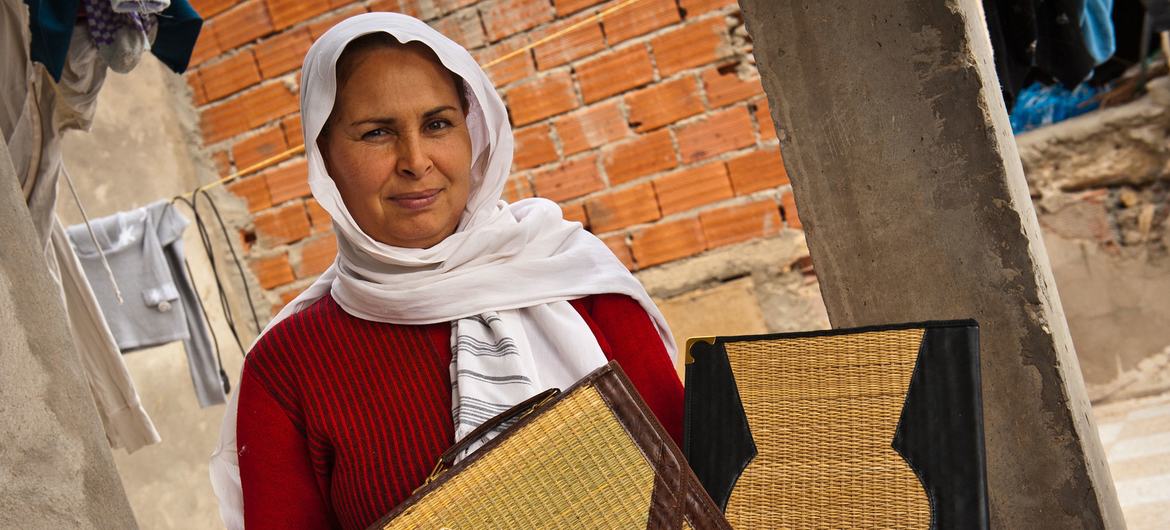
Tunisians have not suddenly developed a nostalgia for gridlocked legislatures compromised by corruption and a penchant for petty ideological squabbles than tending to the public’s welfare. If the opposition seeks to challenge Kais Saied any proposed alternative must prioritize delivering overdue economic relief instead of simply changing the guard and returning to business as usual.
| |
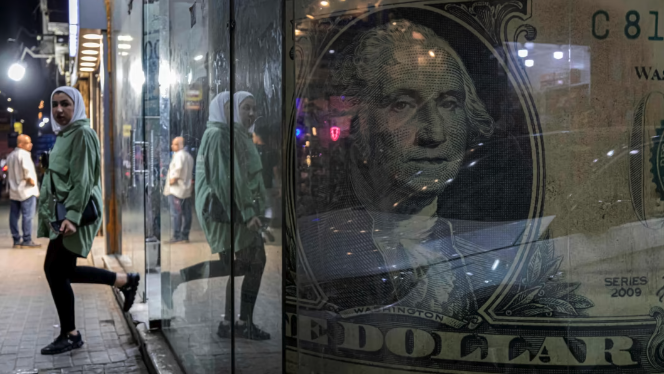
A shortage of foreign currency in Egypt has hit importers, one of many cascading effects of the roughly $20 billion in outflows from the Arab world’s most populous country as foreign portfolio investors rushed to safe havens, following Russia's full-scale invasion of Ukraine in February last year. Despite $13 billion in deposits from the UAE, Saudi Arabia and Qatar and another $3.3 billion in asset sales to the UAE in 2022, foreign currency has remained desperately scarce in Egypt's struggling economy, where inflation reached 18.7%, the highest in five years.
|  | |
Libyan authorities say they have discovered 18 bodies buried in a mass grave in the coastal city of Sirte, a former stronghold of the ISIL (ISIS) armed group in central Libya. ISIL had seized control of the strategic city of Sirte in 2015, taking advantage of the conflict between various factions of former rebels who emerged as powerbrokers following a NATO-backed uprising and the killing of Libya’s former leader Muammar Gaddafi in 2011.
| |
Top Algeria Journalist in Pretrial Detention Over Funding Charges
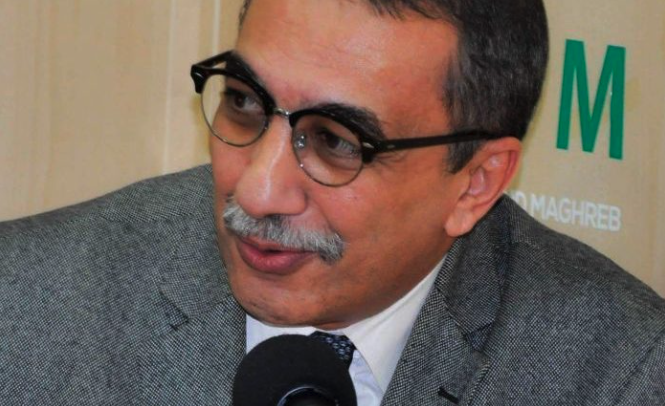
A prominent Algerian journalist has been remanded into custody under a state security law. Journalist Ihsane El Kadi was being detained under a law relating to receiving “funds, donations or advantages […] for carrying out or inciting acts” that threaten state security or “national unity”. El Kadi, a vocal critic of the government, is accused of receiving foreign funding, his lawyers said after he was arrested on December 24. He could face up to seven years in prison.
| |
Morocco to Ban Arrivals From China Over COVID Surge
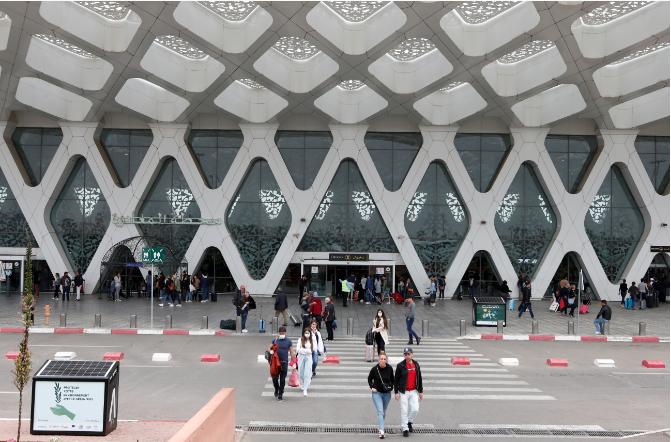
Morocco will impose a ban on people arriving from China, whatever their nationality, from Jan. 3 to avert any new wave of coronavirus infections, according to the foreign ministry. Several countries have imposed restrictions on travellers from China due to a surge in COVID-19 cases. Thousands of tourists visit Morocco from China every year, usually travelling on flights that come via the Gulf.
| |
Egypt's Leader Urges Caution for Netanyahu's New Government
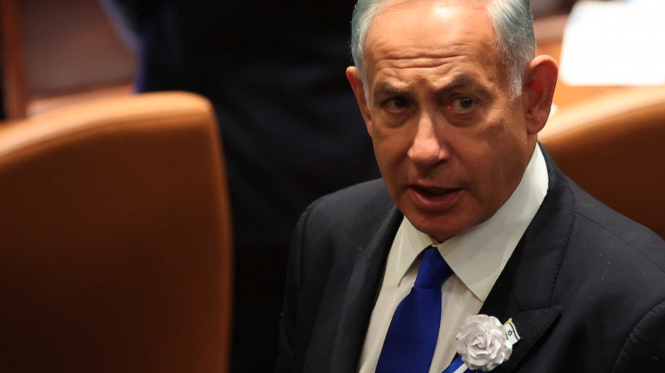
Egyptian President Abdel Fattah el-Sissi on Sunday urged Israel's new hard-line government to refrain from “any measures” that could inflame regional tensions, in a phone call congratulating Prime Minister Benjamin Netanyahu on his return to office. The leaders spoke days after Netanyahu’s new Cabinet was sworn in, promising in its coalition guidelines to make settlement construction in the occupied West Bank a top priority.
| |
|
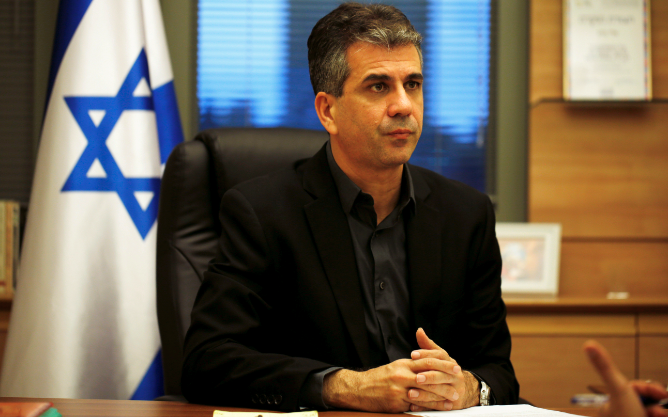
Israeli Foreign Minister Sees 'Abraham Accords' Summit in Morocco in March
Israeli Foreign Minister Eli Cohen said on Monday he planned to attend a summit in March with counterparts from Arab countries that have drawn closer to Israel following a U.S.-sponsored diplomatic drive in 2020. Cohen, who took office last week as part of Prime Minister Benjamin Netanyahu's new hard-right coalition government, said the summit would be hosted by Morocco.
| |
Report: Arab Region Has World’s Highest Unemployment Rate
According to the 'Survey of Economic and Social Developments in the Arab Region', the Arab world registered an average 12% unemployment rate. Economic recovery effort could prompt a slight decrease next year to 11.7%. However, poverty is rising as a whole across the region, impacting some 130 million people. Poverty levels are also expected to continue rising over the next year, and could reach a third of the Arab world's population by 2024.
| |
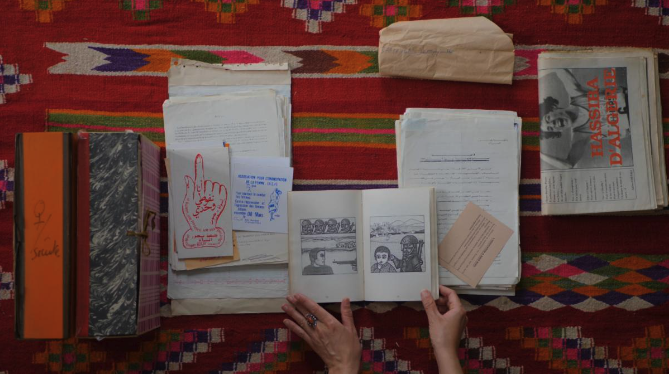
Between the Cracks of History: Archiving Women's Struggles in Algeria
The 2019 Hirak protests in Algeria gave hope to the younger generations who took to the streets for the reconstruction of a more democratic society and the dismantling of the military regime. Yet, the revisions of the Algerian Constitution have effectively repressed all forms of political expression and protest. Not only that, but repression has also become widespread on social media.
| |
One Third of Arab Population Living Below Lines Despite Positive Growth
According to the latest version of the Survey of Economic and Social Developments in the Arab Region, released today by the United Nations Economic and Social Commission for Western Asia (ESCWA), the region’s economy is expected to grow by 4.5% in 2023 and 3.4% in 2024, despite the disruption of the global economy’s recovery from the repercussions of the COVID-19 pandemic by the war in Ukraine.
Read the full summary in PDF here.
| |
 | |
Le Régime Algérien n’a Jamais eu l’Intention de se Démocratiser
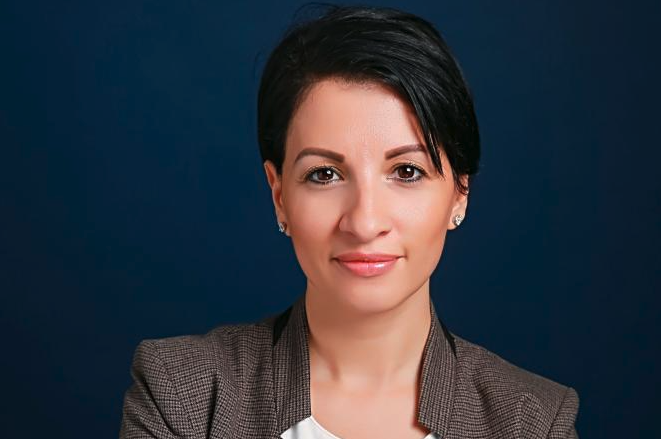
Three years after the election of Abdelmadjid Tebboune as President and sixty years after the country's independence, the Algerian government seems once again tempted by a repressive turn. Dalia Ghanem, analyst at the European Union Institute for Security Studies and author of Understanding the Persistence of Competitive Authoritarianism in Algeria, details this authoritarian tropism.
Three years after the popular Hirak uprising, Algeria is now facing what Ghanem terms“competitive authoritarianism"—a mix between elements of hard-line authoritarianism and elements of democracy. There are elections, but they will never be transparent. There is a press, but it will never be free enough. There are political parties, but they can never threaten the Algerian regime.
Algeria never intended to democratize, including in 1988, when the multiparty system was introduced after deadly riots. Any perceptions of openness were constrained, while the regime adapted to survive. Regimes like those in Algiers have leaders smart enough to tacitly admit that sometimes their survival depends on their ability to feign opening up, while persisting with co-option of the opposition, fragmentation of civil society, unequal distributions of fossil fuel revenue and repression.
This article is in French.
|  |  | |
Staff Country Reports
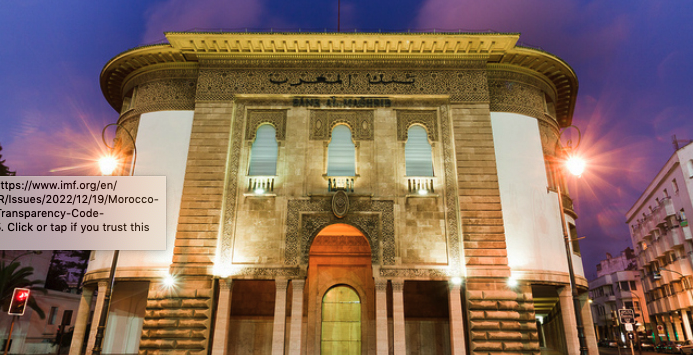
Morocco: Central Bank Transparency Code Review
Morocco’s central bank, Bank Al-Maghrib (BAM) enjoys a high level of transparency and autonomy that is enabling it to maintain the trust of stakeholders, according to the report from the International Monetary Fund (IMF). In a review of the bank’s transparency code, the IMF found that BAM has comprehensive transparency practices in a number of areas especially in relation to reporting on price and financial stability.
While commending the central bank’s efforts to enhance transparency standards, the IMF review pointed out areas that could be further improved. Most notably, the bank could better communicate its distinct functions and objectives to the public. Also, regarding management and accountability practices, IMF maintains that while they are already available, additional disclosure is needed for external audit arrangements, and risk management actions.
The full report (109 pages) is available as a downloadable PDF here.
| 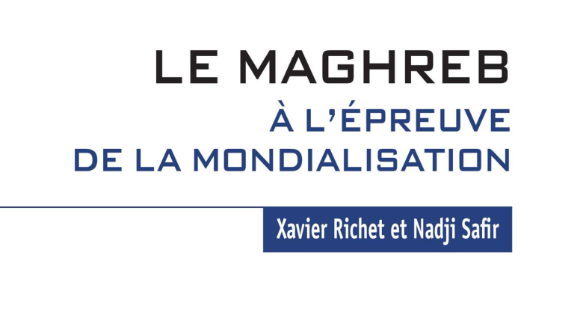 | |
Le Maghreb à l'Épreuve de la Mondialisation
This book was inspired by the launch of the multidisciplinary seminar "Geopolitics and Economies of the Maghreb" organized within the iReMMO (Institute for Research and Mediterranean Middle East Studies) in Pans by Xavier Richet and Nadji Safir. Throughout the course of this seminar and the many rich debates to which it gave rise, a broad consensus emerged on the absolutely crucial character of the historical phase that the Maghreb is currently going through.
This work has one ambition: the revival, within audiences on both shores of the Mediterranean and well beyond, two crucial debates that must be had now more than ever. First, the status of regional integration in the Maghreb, which has been sluggish for too long—and, second, the timely and necessary triangular cooperation between the European Union, the Maghreb and the Sahel to meet the challenges come.
Available in French in either Paperback, PDF or EBook format. Charges may apply.
| |
Stay informed. Stay ahead. | |
|
See the latest analyses and posts by FPI Senior Fellow & Executive Director of The North Africa Initiative (NAI),
Hafed Al-Ghwell
Also, catch Hafed's latest and other columns in Arab News.
| |
|
You can contact the North Africa Initiative (NAI) by emailing
Lana Bleik
Senior Research Program Coordinator
lbleik1@jhu.edu
| |
The Maghreb Weekly is produced by the North Africa Initiative of the Johns Hopkins University's School of Advanced International Studies (SAIS) Foreign Policy Institute with a focus on developments that impact the region's dynamics. This weekly digest includes an overview of the latest published research, studies and reports from think tanks and policy centers, covering long-term perspectives and analyses of the North African region's challenges and opportunities. | | | | |