Tuesday, 15 November, 2022 | |
{Having trouble? VIEWas a webpage.} | |
|
Haftar's Power Gambit: A Return to War in Libya?
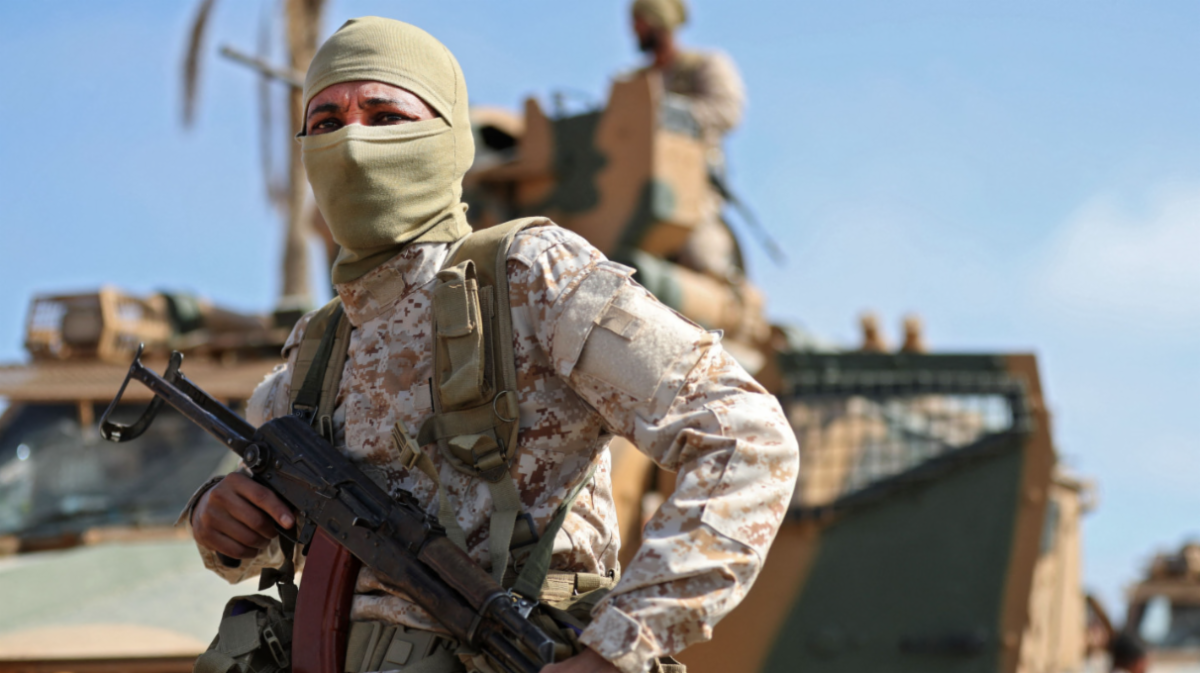
Libya's political uncertainty has become a knot that can't be untied, particularly after the long-awaited 24 December 2021 elections failed. Since then, the North African country has witnessed the formation of a parallel government, several bloody clashes that claimed dozens of lives, a legitimacy race between political rivals, and is now on the brink of having a third government.
Read more...
| |
|
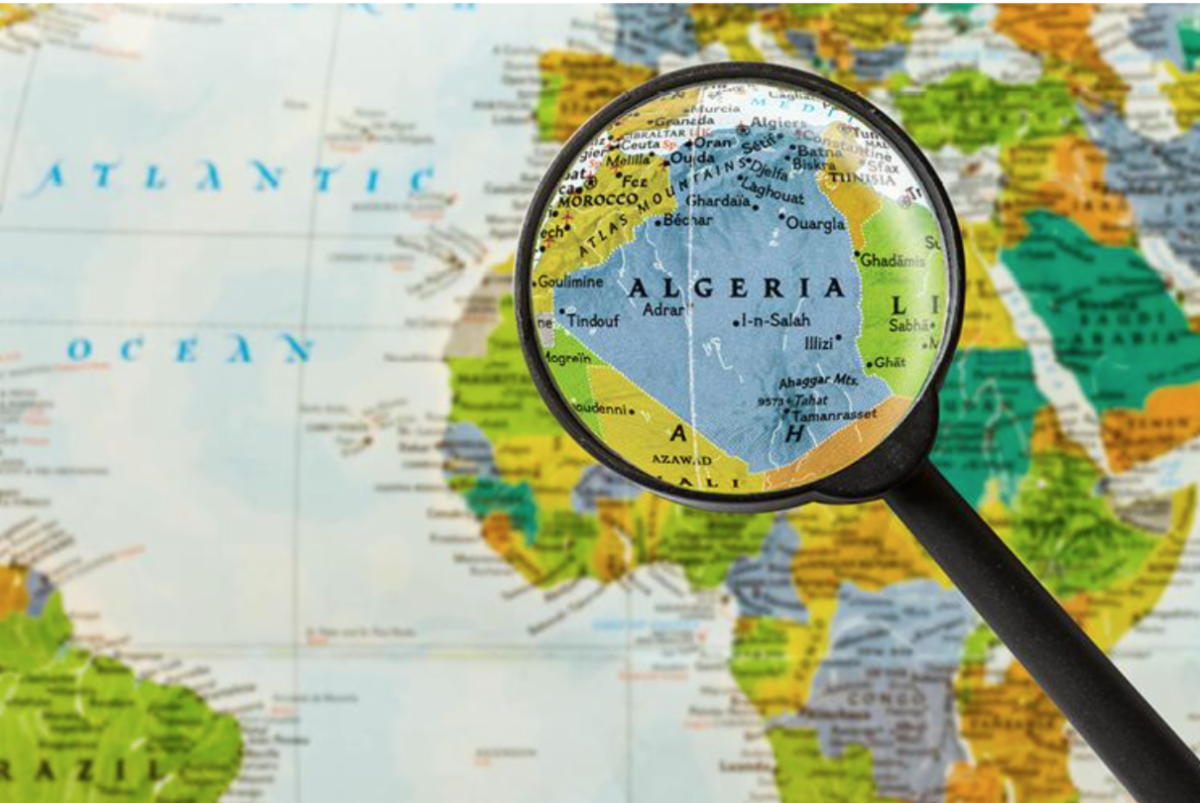
Algeria Officially Applies to Join BRICS Bloc
Algeria has officially applied to join the BRICS economic group—a bloc of emerging economies that includes Russia, Brazil, India, China and South Africa.. The economies of the current five BRICS countries account for more than 40% of the world's population, and roughly a quarter of the world's gross domestic product.
Read more...
| |
|
Turkey & Algeria to Start Joint Oil & Gas Exploration Company
Turkey and Algeria will establish a joint oil and natural gas exploration company to operate in countries around the region, especially in Algeria. Both countries reached a consensus on the establishment of a joint company between Sonatrach, the national oil and gas company of Algeria, and Turkish Petroleum.
Read more...
| |
|
Tunisia Tramples Gender Parity Ahead of Parliamentary Elections
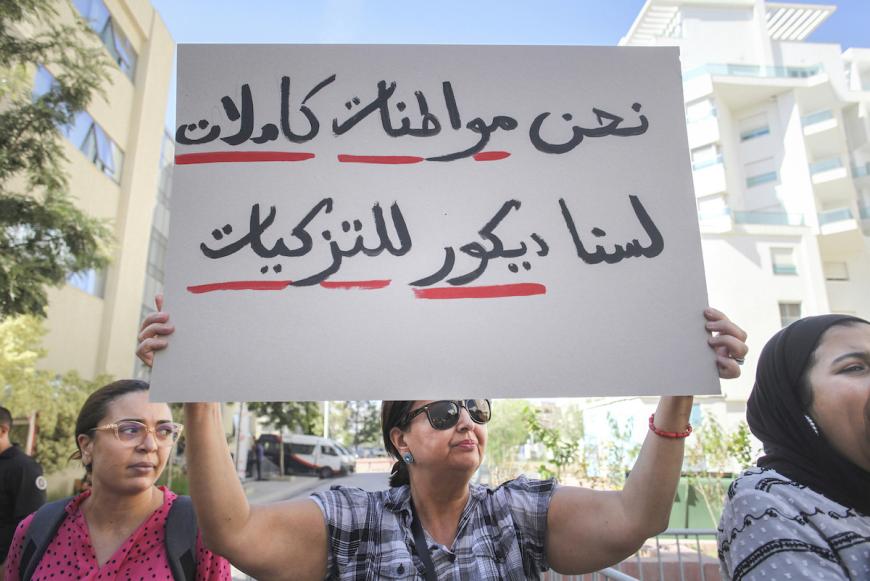
A new electoral law introduced by Tunisian President Kais Saied eliminated the principle of gender parity in elected assemblies, and could, in turn, result in Tunisia’s parliament being led almost exclusively by men. The new law strips gender parity provisions from a previous electoral law that strove to ensure equal representation in Tunisia’s elected assemblies, although Tunisia’s new constitution explicitly upholds this principle.
Read more...
| |
|
How Egypt Doubled Down on Fossil Fuels by Stifling Dissent
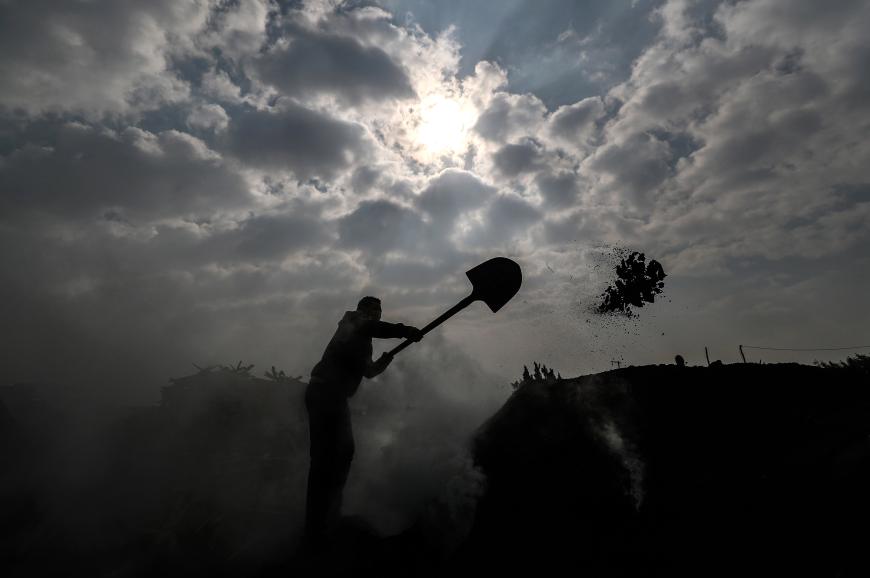
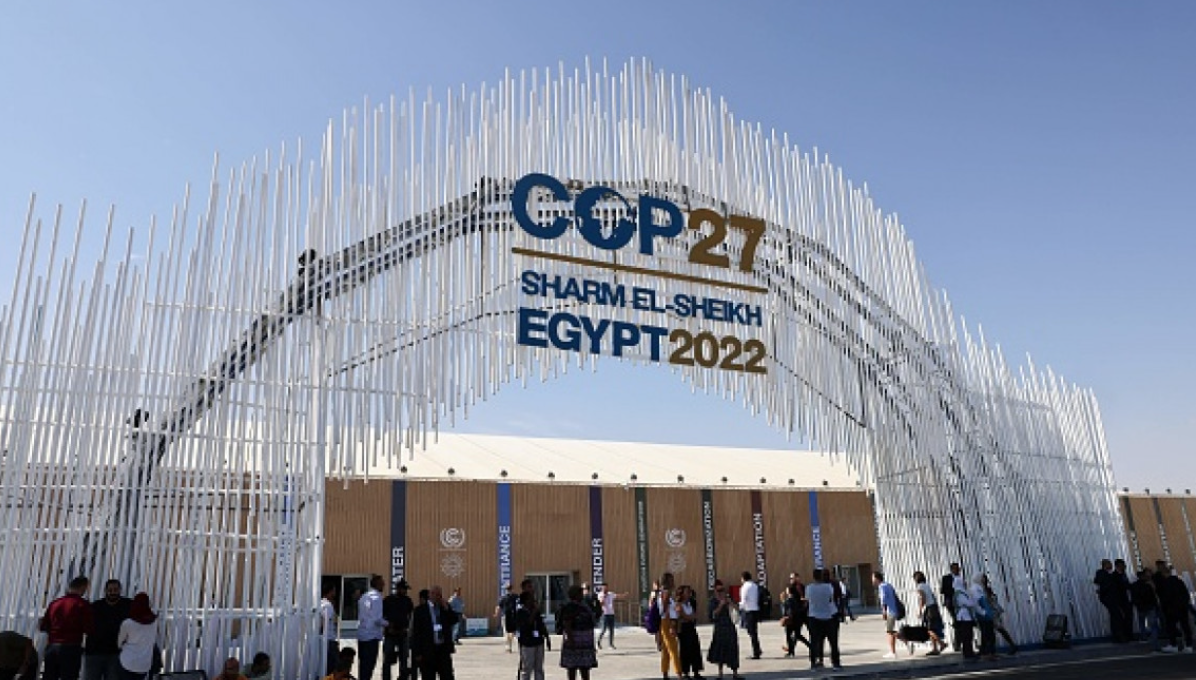
Egypt, this year's host for the United Nations climate change summit, criticized the hypocrisy of high-emission countries that are failing to adequately support developing countries in facing climate impacts. But, the undeniable failures of high-emission countries do not alleviate the need to scrutinize Egypt’s own environmental record—and, not because there hasn’t been independent environmental activism in Egypt. The repressive Egyptian government has severely curtailed that movement as part of its efforts to silence nearly all civic and political activism, independent media, and freedom of speech.
Read more...
| |
|
As Tunisia Slips Further Into Crisis, Normality is Hard to Come By
Shortages have afflicted the country for the better part of a year. The crisis predates the Russian invasion of Ukraine but the conflict between Tunisia’s first and second-largest grain suppliers had predictably negative consequences. The skyrocketing price of commodities drained foreign reserves and wreaked havoc on the state budget. Public finances are unsustainable: the 2022 budget deficit is estimated at 9.7% and public debt is above 87% of GDP.
Read more...
| |
|
Egypt MP Thrown Out of COP27 Press Conference After Defending Alaa Abdel Fattah Detention
An Egyptian MP, Amr Darwish, was was escorted out by UN security from a COP27 press conference after telling the activist's sister Sanaa Seif, who was on a panel at the event, that Abdel Fattah is "not a political prisoner". Abdel Fattah was detained in Egypt in 2019 after a critical tweet and sentenced to five years in prison for spreading "fake news". Egypt has detained 60,000 political prisoners since 2013, including Abdel Fattah who has been on a hunger strike for over 200 days in protest of his detention.
Read more...
| |
|
Tunisia's PM Condemned For 'Friendly Chit-Chat' With Israeli President at COP27
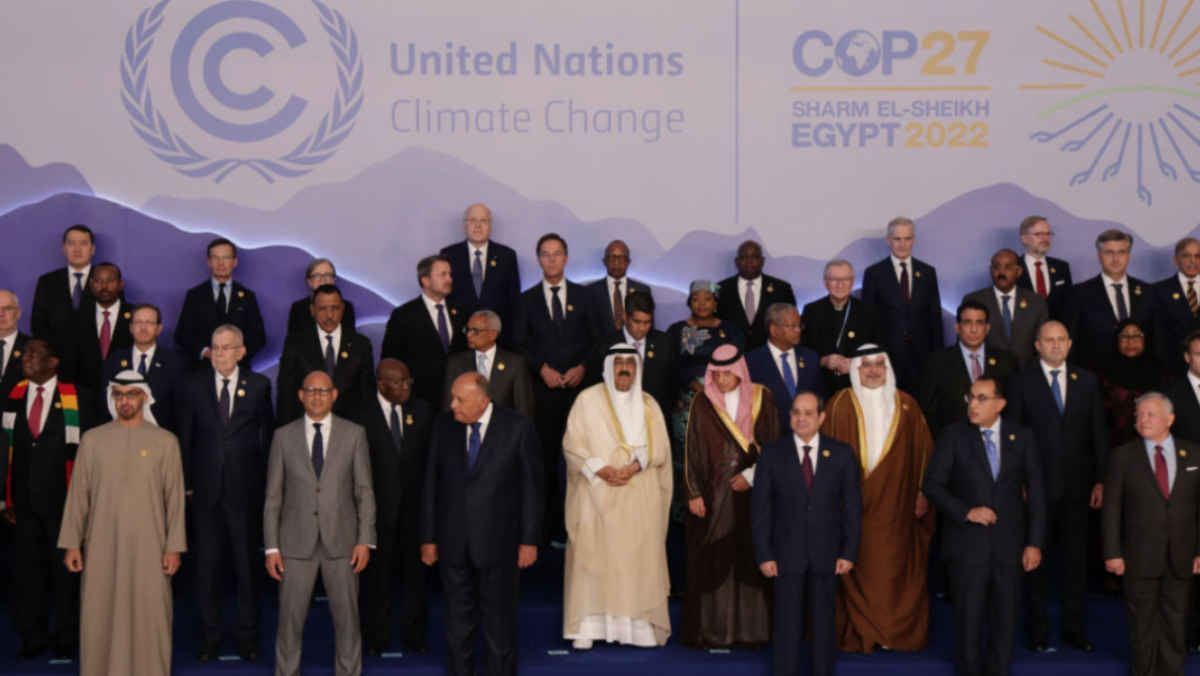
Tunisia's prime minister Najla Bouden was caught on camera smiling and nodding to Israel's President Isaac Herzog as the two officials engaged in a short conversation while posing for the group photo of world leaders at COP27 in Egypt. Bouden's friendliness to Herzog, who is widely seen in Tunisia as a leader of an illegitimate apartheid state that Tunis does not recognise nor support publicly, have angered several activists and organizations since anti-normalization feelings still reign supreme.
Read more...
| |
|
What’s in The Pledge? Inside Saudi Arabia’s Claims For Climate Championship at COP27
Saudi Arabia pledged to spend $2.5 billion over the coming 10 years to support green projects across the Middle East and to reach net zero carbon emissions by 2050 in an announcement during the second summit of the Middle East Green Initiative (MEGI), a regional climate initiative launched by Saudi Arabia in October 2021. With MEGI, oil-rich Saudi Arabia is trying to portray itself as a regional climate champion. But how “green” is the initiative, and how credible are Riyadh’s net-zero pledges?
Read more...
| |
|
The Arab League's Role in the Nile Dam Dispute
Preliminary meetings at the Arab League summit in Algeria saw an Egyptian-Sudanese attempt to gain the regional body’s support for their vision of how to solve the controversial Renaissance Dam dilemma. The final Algiers Declaration was devoid of explicit support for Cairo and Khartoum but the endeavour is part of an attempt to rally the Arab position behind Egypt, by turning the Renaissance Dam's crisis into an Arab national security issue.
Read more...
| |
|
Morocco Wants to Start Manufacturing Military Drones
The Moroccan government wants to develop certain sectors of the military industry, particularly the manufacture of drones capable of carrying out intelligence, surveillance and armed attack operations, in addition to military aircraft maintenance. A law paving the way for the granting of licenses for the development of said industries to strengthen the independence of the Kingdom has already been passed, in addition to the conclusion of cooperation agreements with Israel for the launch of two industrial units for the manufacture of unmanned aircraft.
Read more...
| |
|
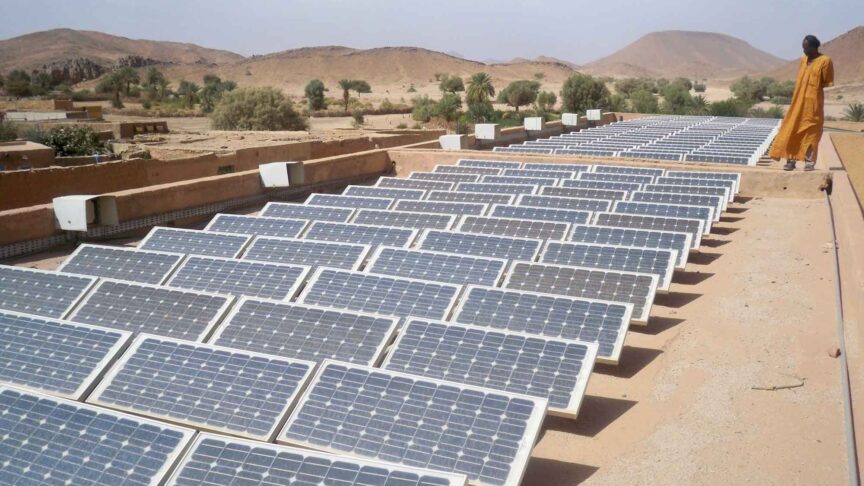
Against the Flow: Europe's Role in Kickstarting Algeria's Green Transition
Until recently, energy security had slipped down Europe’s list of policy priorities. Europeans’ memories of the 1970s oil crisis had faded, the effects of human-induced climate change were becoming ever more visible, and energy imports were flowing steadily. These trends culminated in the approval in 2020 of the European Green Deal, which committed the European Union to reducing greenhouse gas emissions by 55 per cent by 2030 (compared to 1990 levels) and achieving carbon neutrality by 2050.
Read more...
| |
|
Egypt Country Climate and Development Report
The Country Climate and Development Report (CCDR) explores the challenges and opportunities for improving the alignment of Egypt’s development goals with its climate ambition. Climate change will exacerbate Egypt’s current vulnerabilities, with the potential to deepen persistent human development and spatial disparities. It will also increase the uncertainty in availability of water resources in the country, increase heatwaves and desertification affecting biodiversity, and threaten food security and availability. A growing urban population (estimated to be 41.4 million by 2050) will put additional strain on urban-area service provision and deepen the exposure of assets and people to climate risks, with those risks disproportionately borne by most vulnerable population. Taking action now can bring important savings for Egypt, by limiting the future costs of climate change impacts. Estimates for Egypt suggested that by 2060 the combined impact of climate change will represent between 2% and 6% of Egypt’s GDP.
Click here to read the full PDF.
2022 Egypt Country Climate and Development Report
A WORLD BANK GROUP PUBLICATION
| |
|
Challenges of Energy Security in Europe Can Algeria Be An Alternative to Russia?
After the failure of the attempts to replace Russian gas using alternative producers such as Qatar, US and Azerbaijan, EU turned to Algeria as one of the largest exporters of natural gas in the world, as well as, because of its geographical proximity to Europe. Algeria could be one of the long-term solutions as it will actually not be able to replace the supply of Russian gas to Europe due to the enormous difference in production of the two countries and the capacity of the Algerian gas pipelines towards Europe, which amount to around 32bcm, in comparison to Russia's 300bcm. Algeria can use the newly emerged circumstances to supply gas to Europe and acquire enormous additional revenues to the state budget, which had a deficit in the previous period. In Algeria, the energy sector is the focus of a broad spectrum of official and academic interests aimed at establishment of a strong energy industry, which would facilitate investments in the sector.
International Institute for Middle East and Balkan Studies (IFIMES)
| |
|
See the latest analyses and posts by FPI Senior Fellow & Executive Director of The North Africa Initiative (NAI), Hafed Al-Ghwell.
Also, catch Hafed's latest and other columns in Arab News.
| |
|
You can contact the North Africa Initiative (NAI) by emailing
Lana Bleik
Senior Research Program Coordinator
lbleik1@jhu.edu
| | | | |