Tuesday, 14 February, 2023 | |
|
Divisions in Libya are as varied as they are plentiful, from the political and societal to sectarian and even geographical, fueled by grievances—both real and imagined. As tensions ebb and flow in a land awash with small arms and the aggrieved, the risk of open warfare remains high, a situation that is easily exploitable by malign interference from beyond Libya’s borders.
| |
|
Algeria recalled its ambassador to Paris after Amira Bouraoui, a rights activist detained during the 2019 mass protests in Algeria and freed from prison in 2020, had allegedly crossed into Tunisia illegally after evading Algerian judicial surveillance. France will continue efforts to strengthen ties with Algeria despite Algiers accusing Paris of orchestrating Bouraoui's escape.
| |
|
Algerian authorities reportedly withheld information about the training exercises in the name of national security. Many speculate that the reason behind the secrecy was to avoid rattling Algeria’s Western partners as the North African country continues its rapprochement with Russia.
| |
|
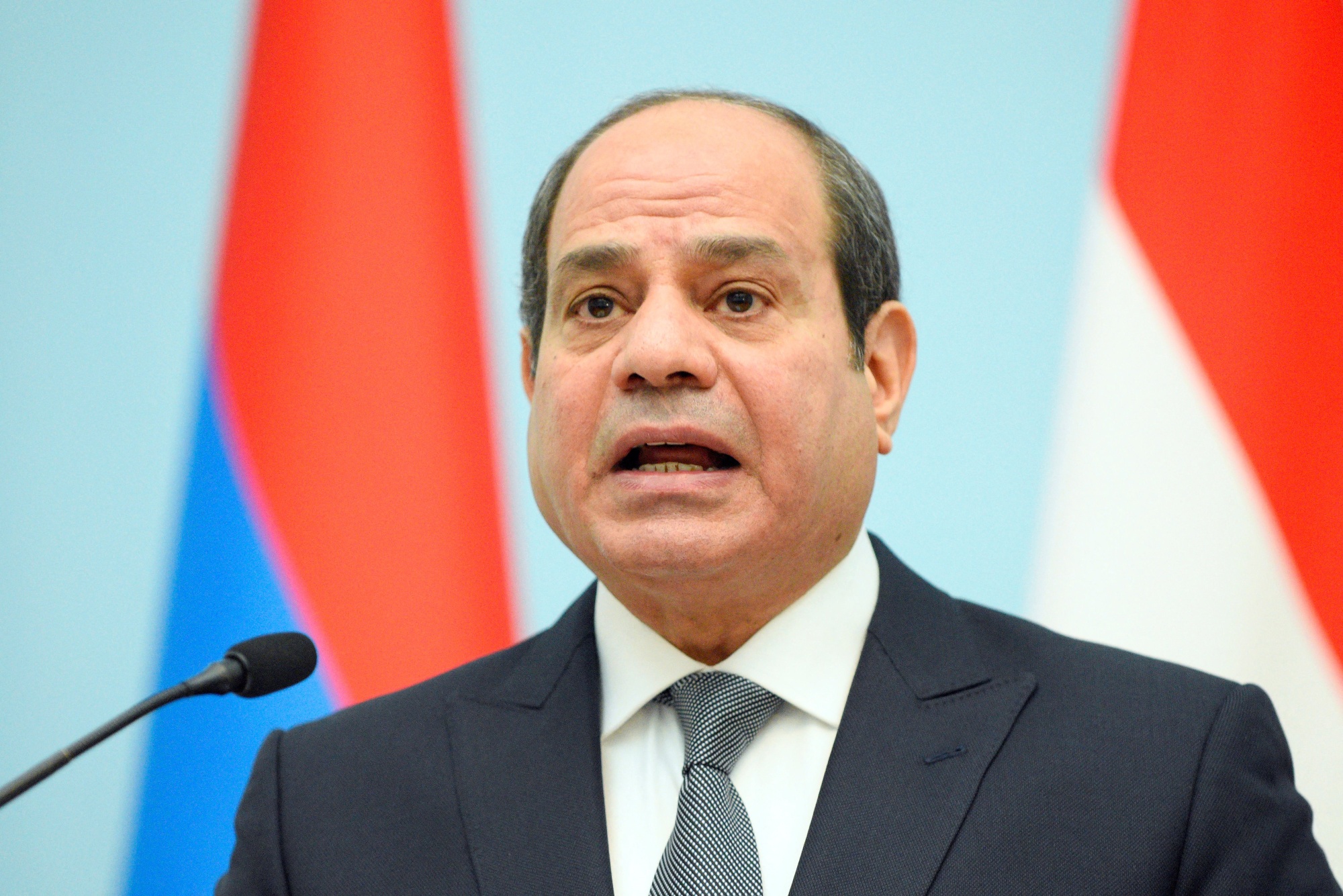
Egypt is prepared to offer all the companies run by the military-affiliated National Service Projects Organization, according to President Abdel Fattah El-Sisi. The government had already put up, for offer, two of the companies to investors, oil products distributor 'Wataniya', and mineral water bottler 'Safi'. These were included in a list of 32 state-run firms that would be presented as share offerings to the public, block sales to strategic investors or a combination of the two.
| |
|
Citizens’ Views On Egypt’s Economic Woes
A significant majority of Egyptians (68%) report they often or sometimes run out of food before having money to buy more, making them food insecure per the Food and Agriculture Organization's definition. Of all countries surveyed, Egypt is home to the fewest number who have savings or can afford to cover expenses. Citizens perceive that inequality is on the rise, and while pluralities of Egyptians want the government to tame inflation and increase subsidies, neither requests are likely to be fully met in the immediate future.
| |
|
What Will China Do As Egypt Battles A Financial Crisis?
Beijing has backed big investments in Egyptian infrastructure and pledged to expand cooperation on financing. But, Egypt, which is indebted to China to the tune of about $8 billion (5% of Egypt's total external debt)—is in the grip of an economic crunch and confronting tough geopolitical questions. China is unlikely to position itself as Egypt’s main rescuer but Beijing is fortunate that nobody wants to see Egypt collapse.
| |
|
The current storm should not upset the fundamentals of the presidential approach to the Maghreb, this crest line assumed between a tormented Algerian bet and the preservation of a relationship with Morocco that was once privileged, but today demoted. This balancing act between the two enemy brothers of the Maghreb, whose antagonism has been exacerbated for two years by the return of the dispute over Western Sahara, will however become increasingly undermined for France, placing its diplomacy under tension.
THIS ARTICLE IS IN FRENCH
| |
|
Tunisian police arrested two former judges who were dismissed by President Kais Saied last year, in the second day of a wave of detentions of prominent people, including politicians and a businessman. Rights groups have voiced increasing concern over political freedoms in Tunisia since Saied's seizure of most powers in 2021 and his moves to assume ultimate authority over the judiciary. Over recent months, authorities have arrested or opened investigations into several of Saied's political opponents.
| |
|
Mohamed Eljarh
Contributor, Fikra Forum
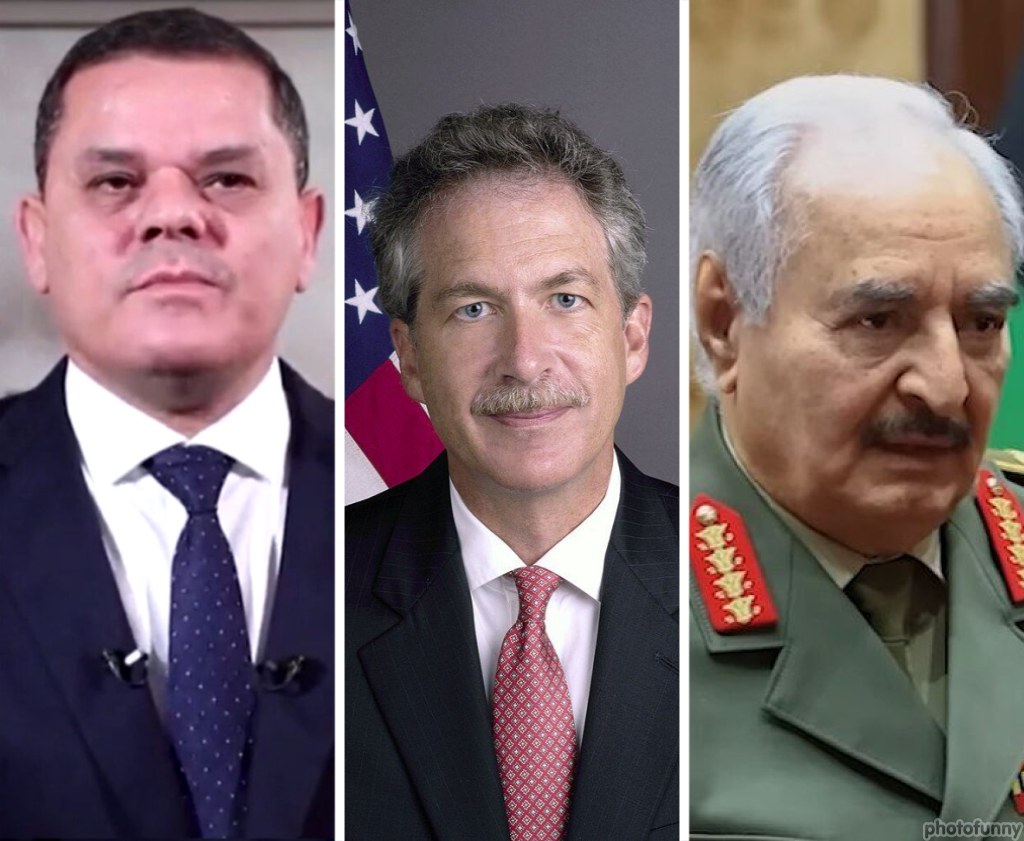
On January 12, CIA Director William Burns made a surprise one-day visit to Libya, where he met with the Libyan National Army’s (LNA) Khalifa Haftar in Benghazi and the Government of National Unity’s (GNU) Abdulhamid Dbeibeh in Tripoli. Burns’ visit has brought about much speculation as to the purpose of the visit and the issues raised between him and his Libyan interlocutors.
|
|
|
Abdellatif El Hamamouchi
Investigative Journalist & Political Science Researcher
Moroccan authoritarianism is now intimidating Moroccans through the use of new repressive tools that allow for spying on the private lives of journalists and politicians. Media defamation does not only affect elites who oppose the regime or are independent of it, but also disturbs the psychology of people close to the authorities, where fear reigns over everyone. New methods of repression are based on a range of tactics that include unfairly trying and sentencing journalists, smear campaigns, digital surveillance, clandestine photography, physical intimidation, and close monitoring, as well as targeting of relatives.
|
|
|
Ismail Ait Bassou
PhD Student in Sociology and Anthropology
Mohammed V University (Rabat), Morocco
Although the Moroccan government has launched great employment programs designed to provide job opportunities for young people, youth unemployment rates are still very high in the North African country. Several State programs were set up to promote the employment of youth and degree holders, but failed to reduce general unemployment rates among youth specifically. Moreover, the disparities in employment benefits and conditions between the public and the private sectors have caused an imbalance in young people’s inclusion into the labor market.
|
|
|
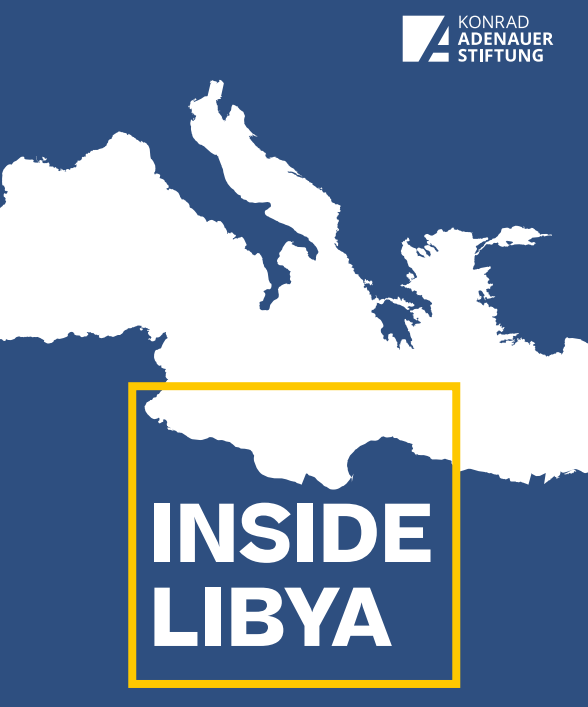
While much attention has been paid to the external and geopolitical dimensions of the situation in Libya, voices from within Libya are central to understanding local developments and the evolution of the Libyan conflict as well as its impact on the wider Mediterranean region. As an inclusive Libyan-led and Libyan-owned mediation with regards to the political, economic and military tracks are without alternative, these monthly reports emphasise the most important events within Libya and aim to give a better picture of what happens “Inside Libya”.
Read the report here.
| |
|
Human Rights Watch | World Report 2023: Libya
Hundreds of people, including civilians, remain missing since the 2019-2020 conflict in Tripoli and its environs. Authorities continued to find mass graves and unmarked individual graves with dozens of bodies in the western town of Tarhouna and the coastal town of Sirte.
Migrants, asylum seekers, and refugees faced arbitrary detention, ill-treatment, sexual assault, forced labor, and extortion by groups linked with the GNU’s Interior Ministry, members of armed groups, smugglers, and traffickers.
Read the full report here.
| |
|
Activists, human rights defenders, journalists, and lawyers have been prosecuted for their peaceful activism, opinions, or in connection to their professions. Authorities have increasingly used charges related to terrorism, after expanding an already overly broad definition of the crime in June 2021, to prosecute human rights defenders, activists, and other critics. They have also taken legal action to dissolve or else restrict the activities of civil society organizations and opposition political parties.
Read the full report here.
| |
|
Egypt was well on the path to achieving its demographic dividend at the turn of this century but has gone off track due to a reversal in its earlier fertility decline. But what is the demographic dividend? It reflects the economic benefits when a country undergoes a rapid decline in mortality, then fertility, and the consequent demographic transition. Due to lower fertility and fewer children per household, a growing working-age population increases productivity and per capita income, leading to accumulated savings, investments, and economic growth, underscoring the strong link between demographics and economic growth.
Download the full book here.
| |
Stay informed.
Stay ahead.
| |
|
See the latest analyses and posts by FPI Senior Fellow & Executive Director of The North Africa Initiative (NAI)
Also, catch Hafed's latest and other columns in Arab News.
| |
|
You can contact the North Africa Initiative (NAI) by emailing:
Senior Research Program Coordinator
| | The Maghreb Weekly is produced by the North Africa Initiative of the Johns Hopkins University's School of Advanced International Studies (SAIS) Foreign Policy Institute with a focus on developments that impact the region's dynamics. This weekly digest includes an overview of the latest published research, studies and reports from think tanks and policy centers, covering long-term perspectives and analyses of the North African region's challenges and opportunities. | | | | |