Tuesday, 08 November, 2022 | |
{Having trouble? VIEW as a webpage.} | |
|
Egypt's COP27: Sustainable Development and the Energy Transition in the Middle East and North Africa.
In case you missed it, you can still recap last week's NAI/SAIS Student MENA Club roundtable discussion with three experts to preview the ongoing climate conference, focusing on the region's priorities and challenges, as well as the shared expectations for this timely gathering.
If you are interested in joining us for future NAI events, please see our Upcoming Events, and also keep an eye out in the weekly newsletter for important information, links, dates and invitations.
| |
|
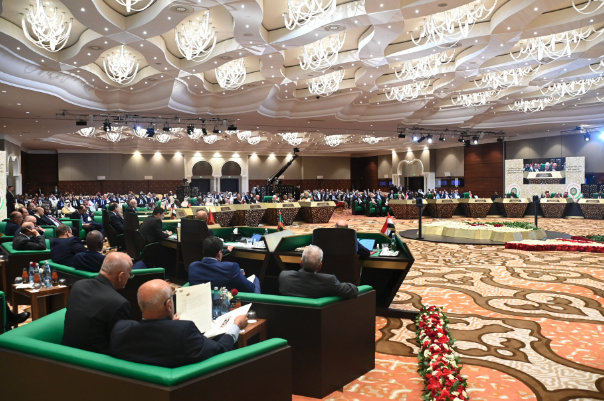
Algiers Summit Fails To Paper Over The Cracks In Arab Unity
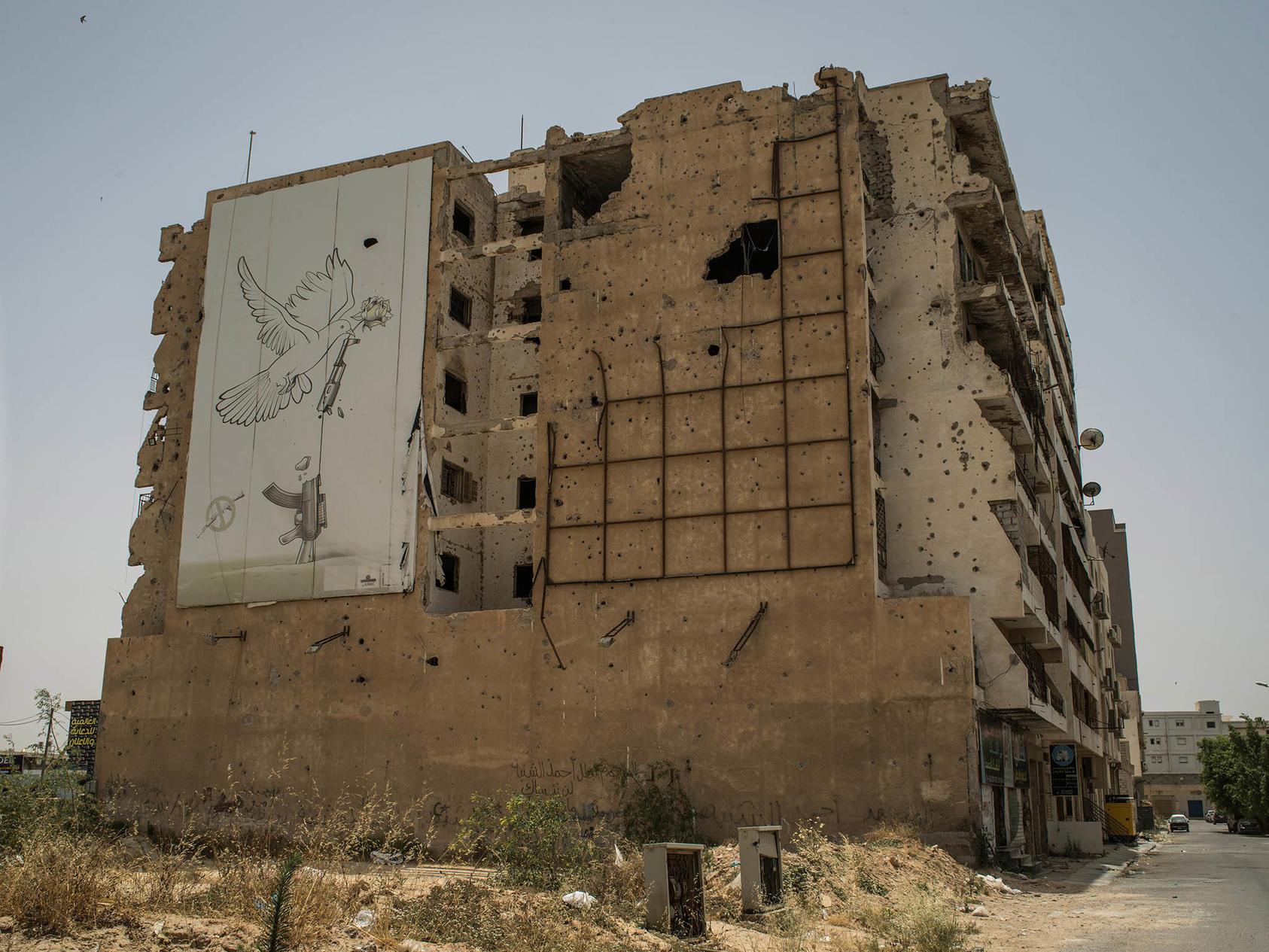
The 31st Arab League summit concluded in Algiers this week in a manner expected of a hopeless gathering strangely touted as a great reunion of the Arab world after a two-year hiatus. There was little expectation that this year’s convention would defy the odds and become an avenue for decisive or transformative shifts, let alone much-needed bridge-building in an increasingly uncertain, discordant world.
Read more...
| |
|
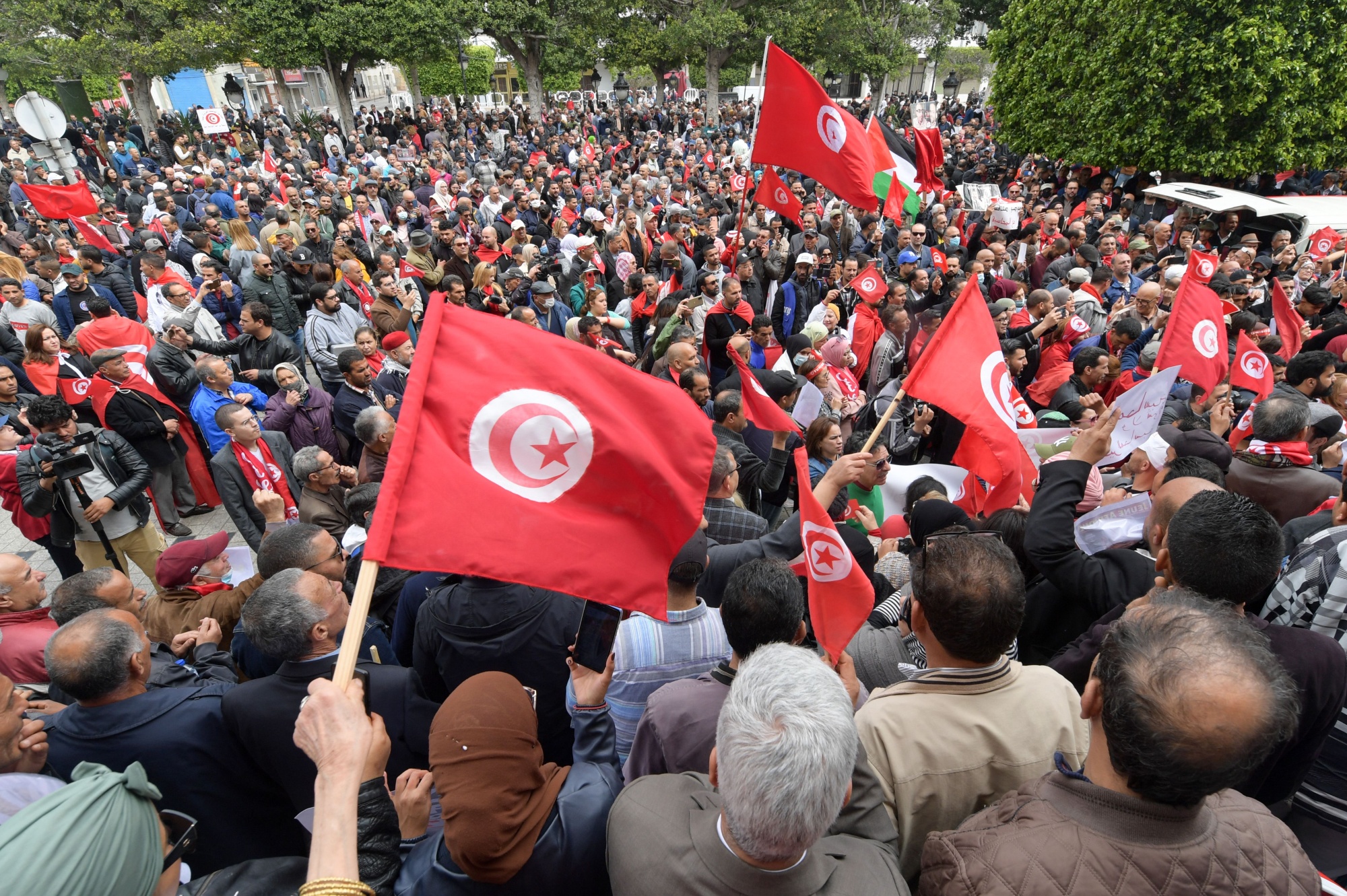
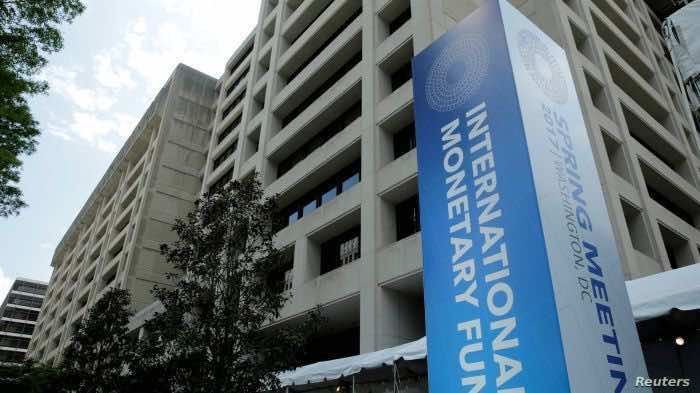
Tunisia Vows Subsidy Reform As Union Digs In Against IMF Deal
Tunisia’s government vowed to rework its pivotal subsidy system next year, deepening a rift with the country’s most powerful labor union over reforms that may be critical to finalizing an International Monetary Fund deal. Authorities have “no choice” but to adhere to pledges made in reaching a pact on the 48-month, $1.9 billion IMF arrangement, Economy and Planning Minister Samir Saied was cited as saying Tuesday by the state-run TAP news agency.
Read more...
| |
|
Egypt: IMF Reaches Staff-Level Agreement on an Extended Fund Facility Arrangement
The International Monetary Fund (IMF) and Egyptian authorities reached a staff-level agreement on comprehensive economic policies and reforms to be supported by a 46-month Extended Fund Facility (EFF) Arrangement of US$3 billion. The new EFF aims to safeguard macroeconomic stability and debt sustainability, improve Egypt’s resilience to external shocks, strengthen the social safety net, and step-up reforms that underpin higher private-sector-led growth and job creation.
Read more...
| |
|
Surge in Migrant Crossings Brings Tunisia’s Crisis to Europe
Tunisia’s simmering political and economic crisis has fueled an exodus of youth fleeing to Europe, with attempted migration from the North African country rising to the highest since the Arab Spring more than a decade ago. At least 45,421 Tunisians tried to or succeeded in crossing the Mediterranean by boat in the year to Oct. 26, according to Bloomberg calculations based on figures from local advocacy group FTDES. That compares with a total of 36,424 in 2011 in the aftermath.
Read more...
| |
|
IMF Staff Completes 2022 Article IV Mission to Morocco
Global shocks and the drought have slowed the Moroccan economy this year, but growth is expected to recover in 2023 albeit in a very uncertain international environment. Given the high uncertainty and tighter macro-economic policies, it is essential to accelerate structural reforms, notably those that extend social protection, stimulate private sector investment, and address the challenges posed by climate change.
Read more...
| |
|
Tunisia, AfDB sign $80 Million Financing Agreement Under Emergency Food Security Support Project
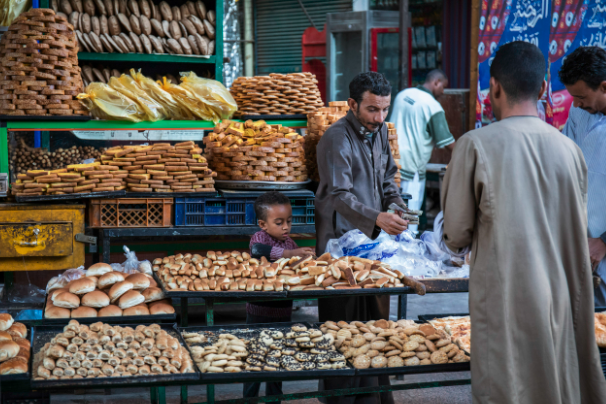
Tunisia and the African Development Bank (AfDB) signed an $80 million financing agreement under the Emergency Food Security Support Project in Tunisia (PAUSAT). This project aims to improve self-sufficiency and food security, through securing the supply of soft wheat, barley and fertilisers, supporting the resilience of the grain system to external shocks and climate fluctuations, as well as improving the productivity of fodder needed for milk production and the development and digitization of the grain sector.
Read more...
| |
|
IMF: MENA, Central Asia Economies Show Resilience But Global Headwinds Loom
Economic activity in the Middle East and Central Asia was resilient with recovery continuing in 2022 but the region must guard against growing global headwinds and push ahead with reforms. While crude exporters benefit from an oil windfall, emerging market and middle-income states face deep terms-of-trade shock and curtailed access to financing. Countries should be on alert as vulnerabilities are growing with a global economic slowdown, volatile food and energy prices and tightening financial conditions.
Read more...
| |
|
Congress Versus Biden on Foreign Assistance to Egypt
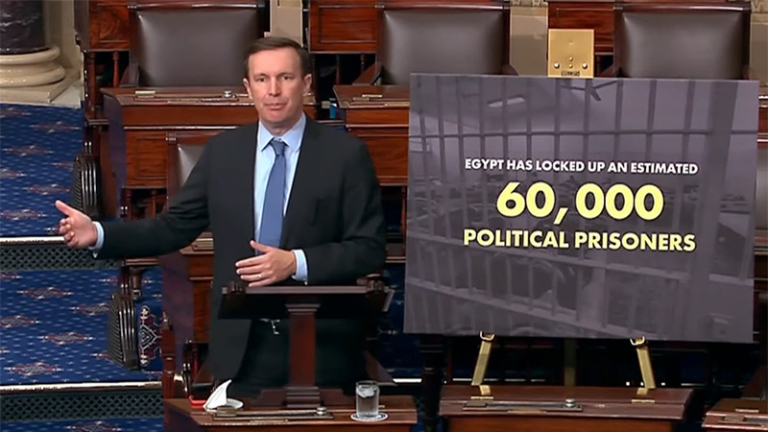
The Egypt Human Rights Caucus declared in September of this year its approval of the Biden administration’s decision to withhold $130 million in foreign military financing to Egypt for the second year in a row due to the country’s grim human rights record. However, the caucus also adopted a more critical tone. This confrontation, which has pitted the intent of Congress against successive administrations that are insolubly wedded to maintaining the US-Egypt relationship, has been building for many years.
Read more...
| |
|
Mounting Challenges, Decisive Times
In a worsening global environment, economies in the Middle East and Central Asia are being buffeted by a confluence of shocks: a global slowdown, high and volatile food and energy prices, faster and stronger-than-expected tightening of financial conditions, and the risk of fragmentation. The most urgent policy challenge for all countries is to tackle the cost-of-living crisis by restoring price stability, protecting vulnerable groups through targeted support, and ensuring food security. Policy trade-offs in emerging, middle income and low income countries have become more pronounced than ever, as they also need to preserve debt sustainability and financial stability... >>
Middle East & Central Asia | Regional Outlook | October 2022
INTERNATIONAL MONETARY FUND
| |
|
From Torch to Tunis to El Alamein: Events 80 Years Ago Made the Modern Middle East
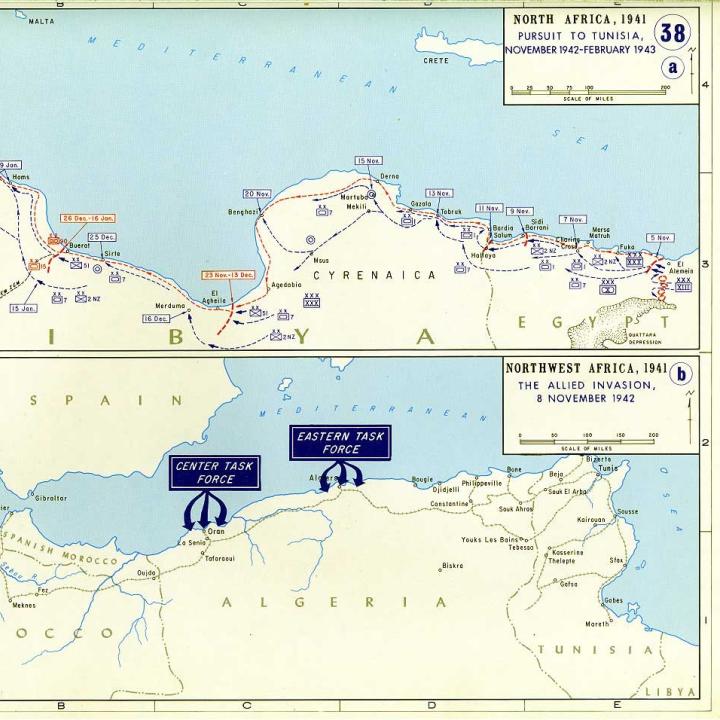
With nationwide protests in Iran, the schism in U.S.-Saudi relations and Israel’s fateful political election, it appears the region is again convulsed in tumultuous change. That makes it an appropriate moment to pause and reflect on how the Middle East we know today owes itself to events exactly eighty years ago, when the region passed through one of the most consequential, if largely forgotten, weeks of the last century. The second week of November 1942 has much to tell us about the region’s geopolitical centrality, its enduring political currents, and its role in the future of the Jewish people—not to mention the evolution of American foreign policy...>>
Robert Satloff
The Washington Institute for Near East Policy (WINEP)
| |
|
See the latest analyses and posts by FPI Senior Fellow & Executive Director of The North Africa Initiative (NAI), Hafed Al-Ghwell.
Also, catch Hafed's latest and other columns in Arab News.
| |
|
You can contact the North Africa Initiative (NAI) by emailing
Lana Bleik
Senior Research Program Coordinator
lbleik1@jhu.edu
| | | | |