|
Turkey, Egypt Fully Restore Diplomatic Ties After Decade-Long Freeze
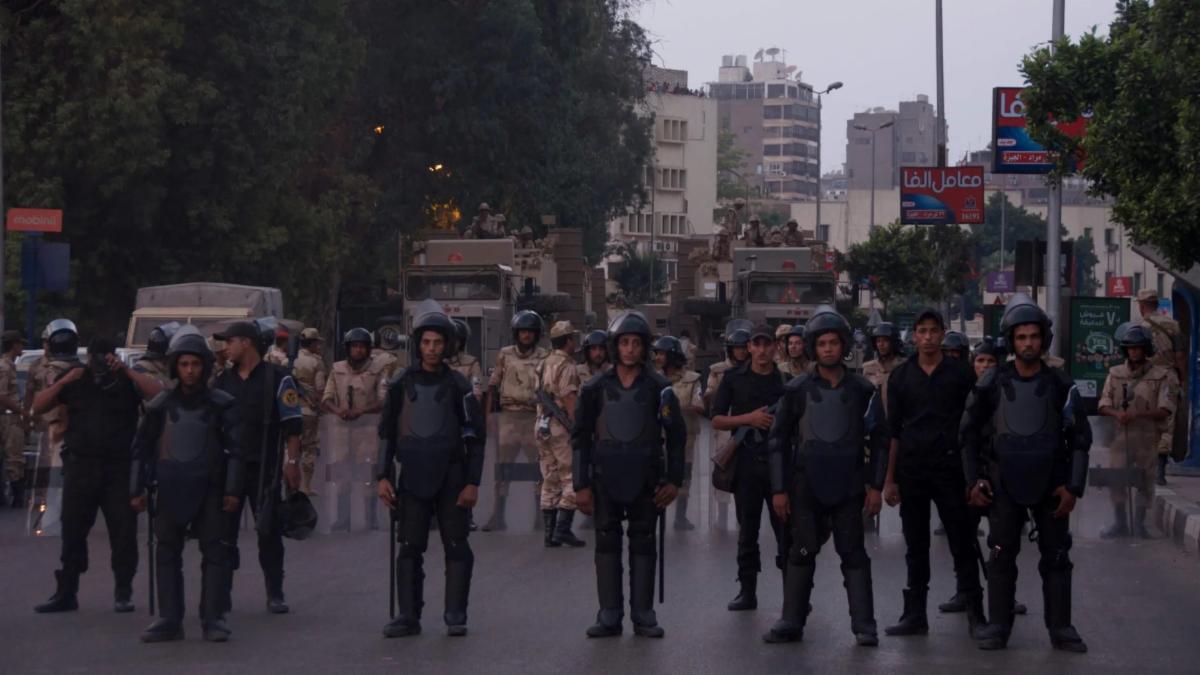
After nearly a decade of diplomatic hostility, Turkey and Egypt have announced the full normalization of their relations, including reinstating their ambassadors in each other's capitals. This move marks an important stage in the normalization efforts with progression expected in political, economic and other fields. Their diplomatic ties were severed following the 2013 coup that ousted Egypt’s Muslim Brotherhood-led government, with Turkey emerging as a major international backer of the anti-coup demonstration.
|
|
|
Fears For Libyan Oil Production Amid Military Threats
Fears have risen over a potential oil shutdown in Libya, with global energy market implications, as General Khalifa Haftar, eastern Libya's strongman, demands fair distribution of oil revenues within two months and threatened military action. Eastern politicians accuse the Central Bank of distributing a majority of oil revenues to the UN-recognized government in Tripoli, although oil fields are mostly located in the east. Haftar has called for a new financial committee to distribute oil resources and warned that he might shut down the oil fields if his demand is not met.
|
|
|
The EU Is Fuelling Migration From Tunisia, Not Stopping It
The EU's efforts to curb migration from Tunisia have unintentionally contributed to factors pushing more people to migrate. The EU has given Tunisia more than one billion euros to stabilize its economy and manage migration but has overlooked the country's corruption and human rights issues. Instead of stopping migration, the EU's increasing border enforcement has forced asylum seekers and migrants to take longer, more dangerous routes, ultimately exacerbating the problem.
|
|
|
Egypt’s Inflation Soars Past 35% in Record Fueled by Food
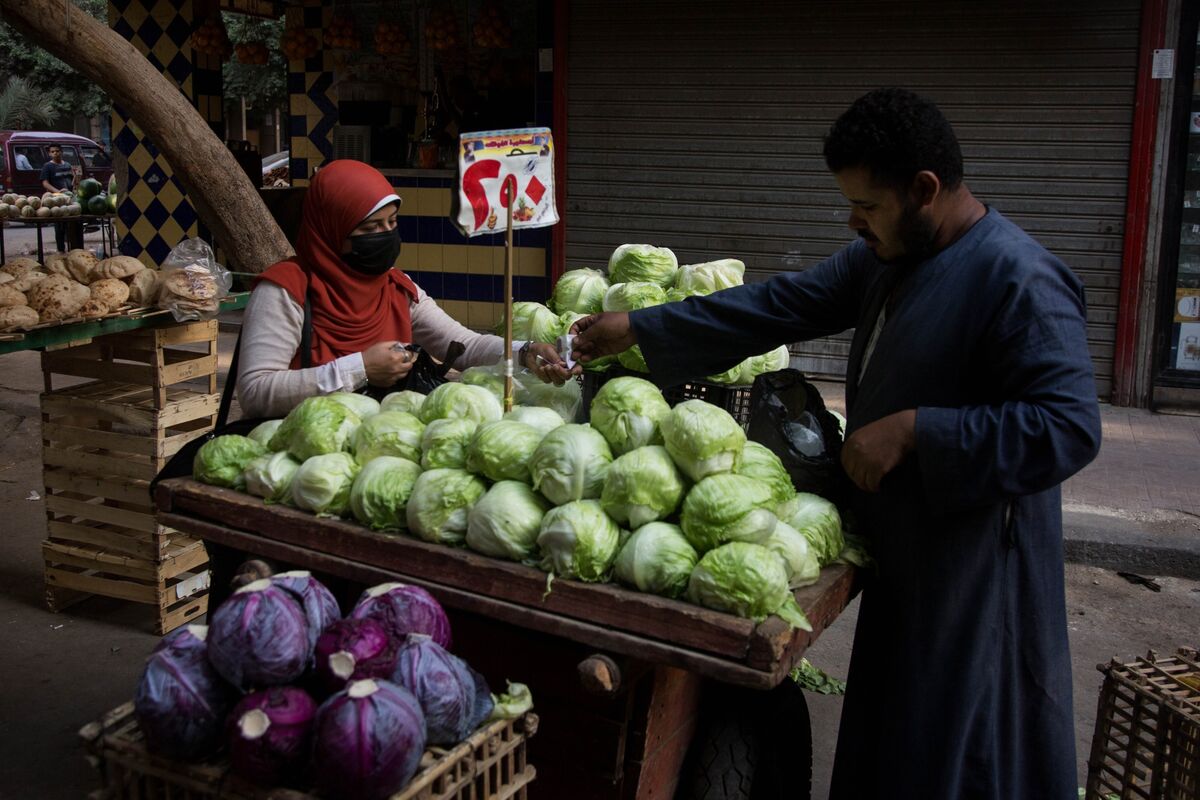
Consumer prices in Egypt reached a record high in June, with inflation hitting 35.7% annually due to increased food costs after the Muslim feast holiday and a surge in summer spending. The rise was heavily attributed to a 65.9% increase in food and beverage prices. This inflation spike poses significant challenges for the government working to recover from the aftershocks of Russia’s invasion of Ukraine and ongoing foreign exchange pressures.
|
|
|
‘Tunisia is Not Outside Democracy,’ Country’s Top Diplomat Says
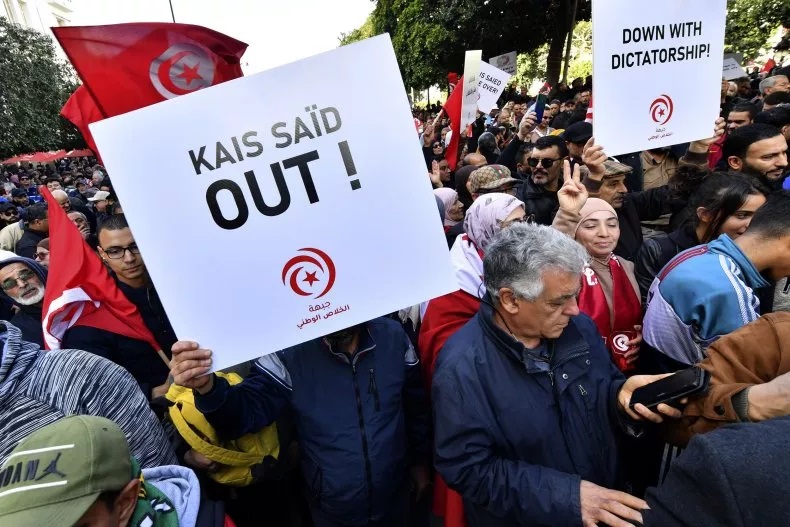
Tunisia's top diplomat, Nabil Ammar, asserts that the country, despite current crises, is not outside democracy. Amidst financial struggles, Tunisia is negotiating a $1.9 billion bailout from the International Monetary Fund, while simultaneously grappling with an increase in migration to Europe. Politically, the country's president, Kais Saied, is maintaining resistance to government subsidy reductions and has been accused of consolidating power. However, Ammar underlines that Tunisians desire an authentic democracy.
|
|
|
India Has Become a Middle Eastern Power
Over the past decade, India has emerged as a significant player in the Middle East, a shift from its earlier reluctance to engage in the region. India is quietly forging stronger ties across the region, including with Egypt. The North African is grappling with an economic crisis and is looking to India for help, possibly through a line of credit repaid with fertilizer and natural gas, and trade based on rupees due to a dollar shortage. India, similar to China, views Egypt as a critical gateway for exporting goods to Africa and Europe.
|
|
|
How Morocco Stays The Course on a Just Energy Transition Towards Sustainable Development
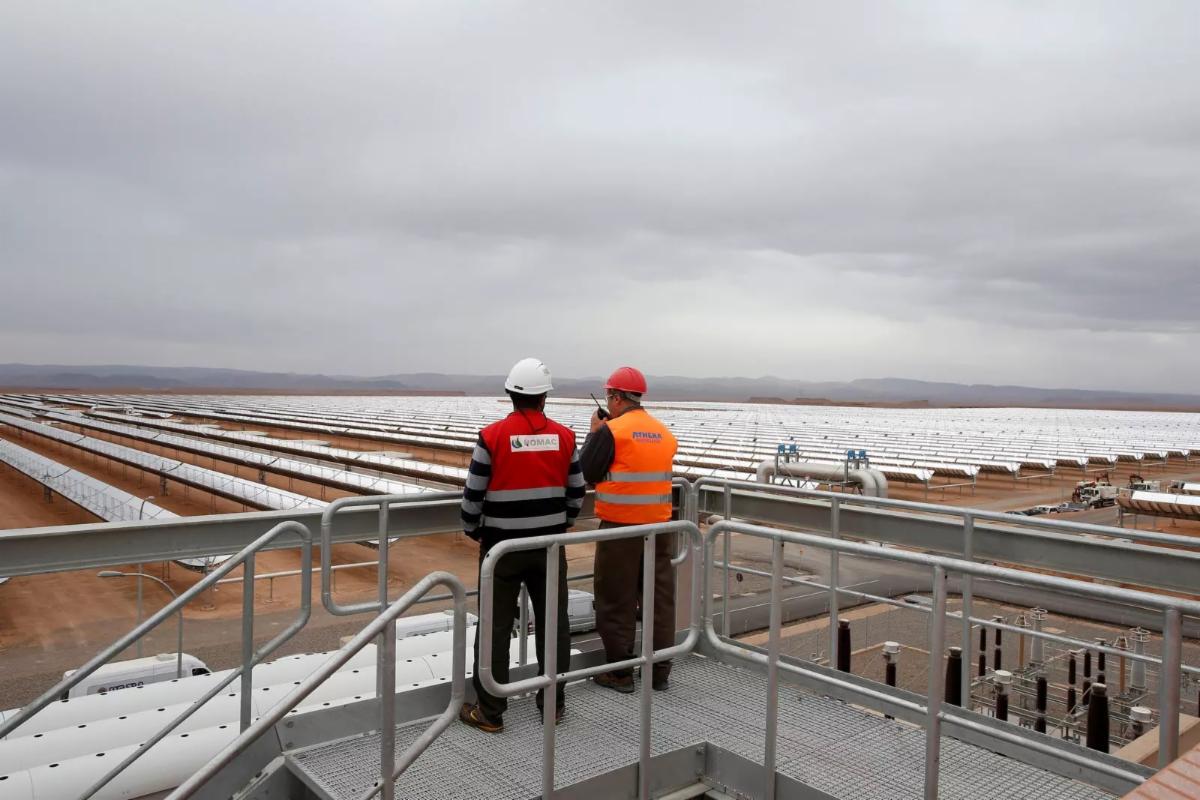
Morocco has successfully maintained its sustainability agenda while increasing energy security in 2022. The nation implemented a roadmap for energy security including fast-tracking access to the international Liquefied Natural Gas (LNG) market, decarbonizing industry, and addressing intermittency of renewables. This approach demonstrates a commitment to a just and informed energy transition while balancing economic and social needs.
|
|
|
Support Civil Society in Tunisia
An op-ed authored by the former U.S. ambassador to Tunisia, Gordon Gray, stresses the importance of supporting civil society in Tunisia amidst the country's political crisis. It notes that Tunisia's current economic instability, along with the democratic backslide initiated by President Kais Saied, is threatening democracy in the region. The author urges that the U.S and international community to shift their current strategies from supporting the government to aiding civil society groups, fostering economic stability, and advocating for democratic governance.
|
|
|
Algeria, TotalEnergies Sign New Contracts To Boost Gas Output
Algeria's state oil company, Sonatrach, has signed contracts with French energy corporation, TotalEnergies, to increase gas production from two fields in southeastern Algeria. This existing agreement worth around $740 million is aimed to boost gas export to France and other parts of Europe. Alongside this, the companies also signed a memorandum of understanding to work together on energy transition and renewable energies.
|
|
|
Morocco's Agricultural Independence to Get Boost From Green Ammonia Plant
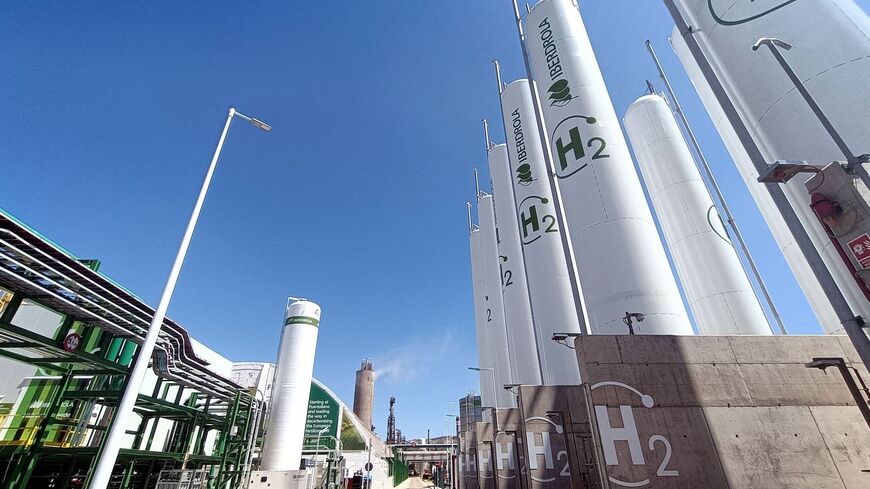
Morocco's state-owned phosphates and fertilizer company, OCP, is investing $7 billion in a green ammonia plant. The project will enhance Morocco's agricultural self-sufficiency and support its renewable energy sector. The plant is set to produce up to 3 million tonnes of ammonia annually by 2032, strengthening the country's independence while also addressing carbon regulation and taxes.
| |
|
Ten Years Later: Quo Vadis, Egypt?
Ten years after the Muslim Brotherhood was ousted, Egypt's economy faces massive challenges and an unclear path forward. Although the World Bank predicts 4.7% GDP growth in 2024/25 and the country shows potential in renewable energy and infrastructure, Egypt struggles with public debt, political issues, and a devalued currency. Military control over the economy hinders structural reforms, as well as private sector growth. President Sisi's options to address these challenges are limited and potentially risky, leaving the country's economic outlook uncertain.
Victor J. Willi
—
Co-Founder & Vice President Research
MEIS
| | |
|
After the Mutiny: Russia’s Wagner Group in North Africa and Why It (Still) Matters
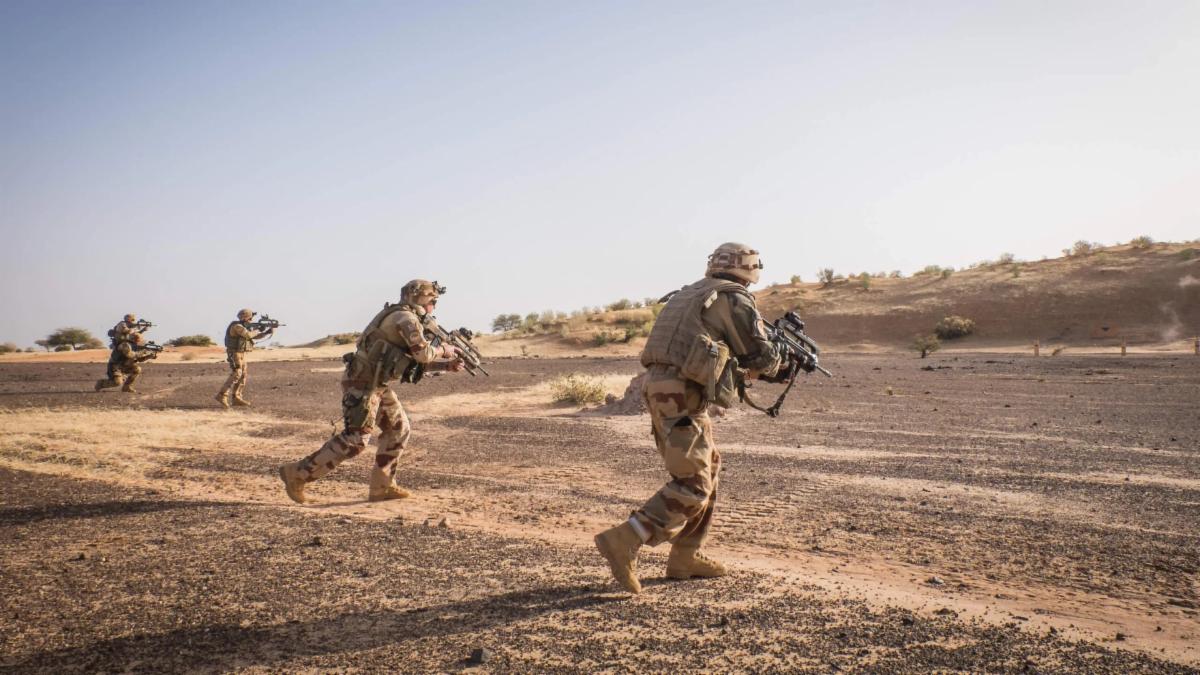
MEIS' Andrea Cellino examines the continuing influence of the Russia-backed Wagner Group in North Africa and its implications for international security. Active in several African countries, including Libya, Mali, Central African Republic, and Sudan, the private military company has been linked to Russia's political goals and business interests, primarily in the mining, arms smuggling, and security sectors. The Wagner Group's activities pose a threat mainly to European countries, as they risk creating failed states, fostering conflicts, and enabling criminal activities. The analysis emphasizes the importance of a strategy to address the Wagner Group's influence and Russia's actions in the region in order to maintain stability and manage security challenges.
Andrea Cellino
—
Senior Non-Resident Fellow
MEIS
| | |
|
Charting Risky Waters: Italy and Khalifa Haftar’s Role in Libya
Federica Saini Fasanotti and Anas El Gomati discuss the implications of Italy's relationship with Libyan National Army leader, Khalifa Haftar. It highlights concerns over Italy's strategic goals, particularly relating to energy security, migration, and Italy's role within NATO. The meeting between Italian Prime Minister Giorgia Meloni and Haftar potentially undermines Italy's aims due to Haftar's ties with Russia and his reputation as a disruptive force in Libya, including in its energy sector. Furthermore, the escalating migration crisis from Libya to Italy, significantly influenced by Haftar, adds to the complicated dynamic between Italy, Haftar, and Libya's path forward.
Federica Saini Fasanotti
—
Senior Associate Research Fellow
ISPI
Anas El Gomati
—
Director General,
Sadeq Institute
| | |
|
EU-Tunisian Policy of Managing Migration Across the Mediterranean: Addressing Regular and Irregular Flows
This analysis discusses the EU-Tunisian policy for managing migration across the Mediterranean. It explains how European countries and Tunisia have formed cooperative ties to control migration, in exchange for silence on Tunisia's administering methods. However, this approach has violated individual and collective rights and international human rights agreements, and escalated push factors in the southern Mediterranean and sub-Saharan regions. It calls for political, economic, and social solutions, rather than relying solely on security measures, to address the migration issue effectively.
Sofien Jaballah
—
Assistant Professor
Faculty of Letters & Human Sciences
University of Sfax (Tunisia)
| | |
|
Solar and Wind Energy Driving the Middle East’s Energy Transition
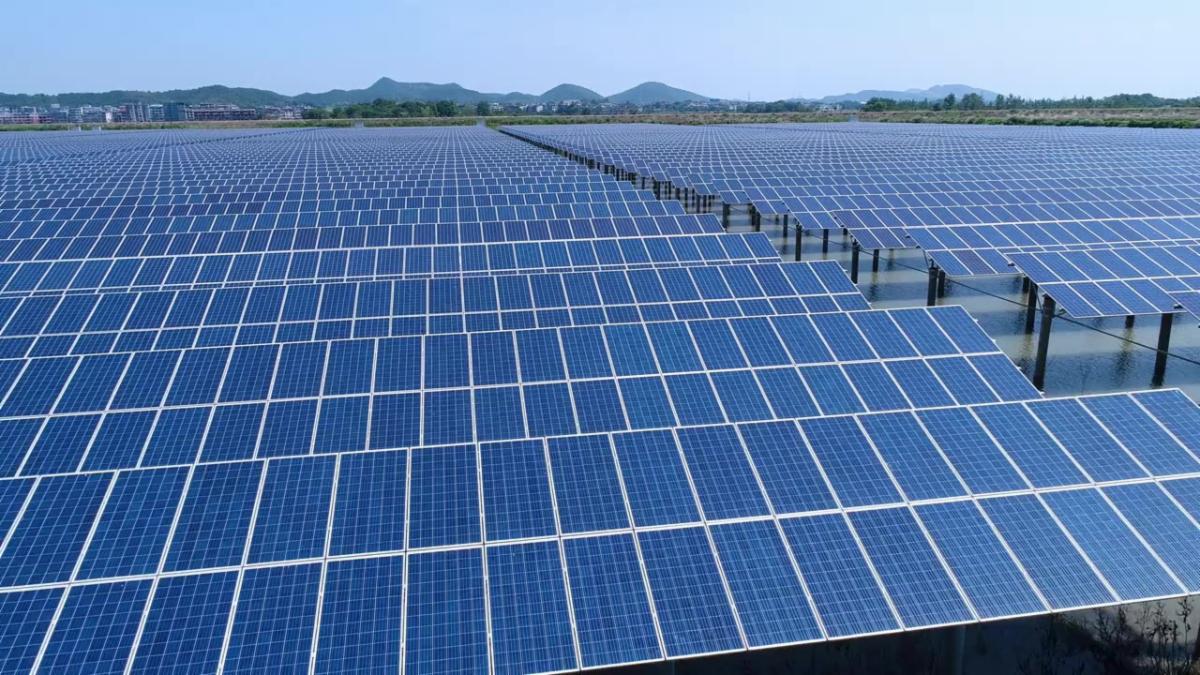
The Middle East is witnessing a swift transition to renewable energy sources, primarily solar and wind power, in a bid to attain net-zero carbon emissions. Despite being dominant in oil reserves, countries such as Egypt, Jordan, and the United Arab Emirates are investing significantly in solar and wind projects due to their abundant potential. These efforts are also reinforced by lower wind auction prices, shrinking project costs, and more efficient technologies. However, the region's intermittent energy challenge requires robust storage solutions to leverage the full potential of renewable sources.
Kate Dourian
—
Non-Resident Fellow,
AGSIW
| |
|
World Bank • Sustainable Development ATLAS
Rebuilding Economies After COVID-19: Will Countries Recover?
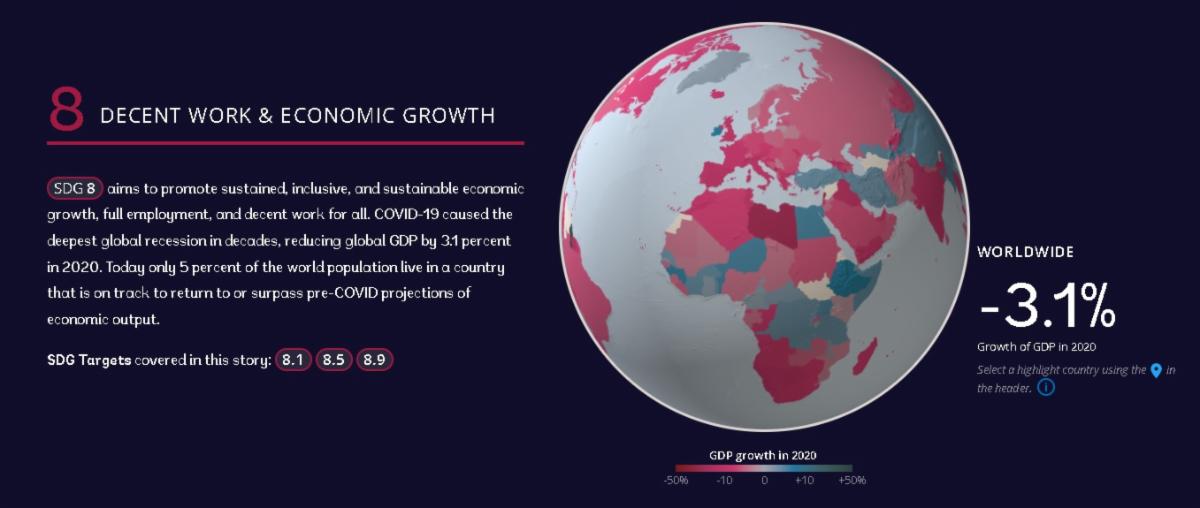
SDG 8 aims to promote sustained, inclusive, and sustainable economic growth, full employment, and decent work for all. COVID-19 caused the deepest global recession in decades, reducing global GDP by 3.1 percent in 2020. Today only 5 percent of the world population live in a country that is on track to return to or surpass pre-COVID projections of economic output. The global emergence of COVID-19 in 2020, along with the accompanying government measures taken to contain the disease, caused the greatest reduction in global economic activity since World War II. Following this shock and others such as inflation and Russia’s invasion of Ukraine, the world is not on track to make up the lost economic output in the foreseeable future.
| |
|
UNCTAD • World Investment Report 2023
Investing in Sustainable Energy For All
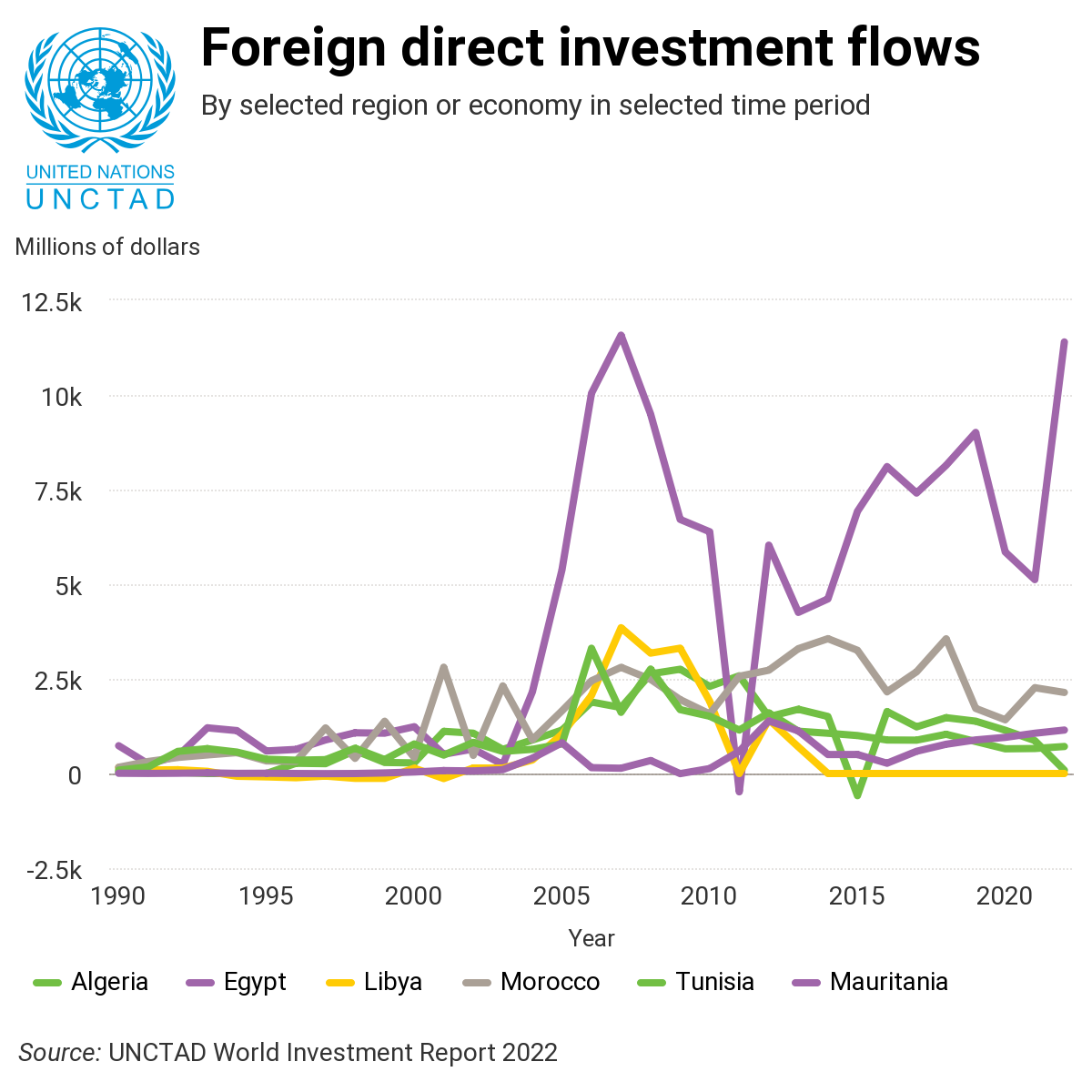
The UNCTAD's recent World Investment Report 2023 raises an alarming concern about the escalating annual investment chasm that developing nations are grappling with, hindering their progress towards achieving the Sustainable Development Goals (SDGs) by 2030. The deficit has surged from $2.5 trillion in 2015, at the onset of the SDGs, to the current estimate of $4 trillion per year. The publication embodies extensive analysis of how global FDI trends, which saw a dip of 12% in 2022, along with investment policy and capital market modulations, influence SDG-related investments, chiefly in the realm of green energy. The report underscores that for developing countries to meet their renewable energy targets, an annual investment of roughly $1.7 trillion is required. However, in 2022, the actual inbound FDI in clean energy merely touched $544 billion.
| | |
|
World Bank • Food Security Update (July 2023)
Rising Food Insecurity 2023
The World Bank's Food Security Update for July 5, 2023, reports that food price inflation is critically high globally, most severely impacting Africa, North America, Latin America, South Asia, Europe, and Central Asia. Food insecurity is rising with a projected increase in global hunger, caused mainly by conflict, climate change, and economic disruptions from the COVID-19 pandemic. Child malnutrition rates are rising, posing more significant challenges to achieving zero hunger by 2030. This development has led to strategies focusing on high-impact interventions, fiscal policies, marketing regulations, and labeling of unhealthy foods. Moreover, the World Bank, addressing this crisis, has committed around $30 billion for boosting food and nutrition security, reducing risks, and strengthening food systems.
| |
Stay informed.
Stay ahead.
| |
|
See the latest analyses and posts by FPI Senior Fellow & Executive Director of The North Africa Initiative (NAI)
Also, catch Hafed's latest and other columns in Arab News.
| |
|
You can contact the North Africa Initiative (NAI) by emailing:
Senior Research Program Coordinator
| | The Maghreb Weekly is produced by the North Africa Initiative of the Johns Hopkins University's School of Advanced International Studies (SAIS) Foreign Policy Institute with a focus on developments that impact the region's dynamics. This weekly digest includes an overview of the latest published research, studies and reports from think tanks and policy centers, covering long-term perspectives and analyses of the North African region's challenges and opportunities. | |
Any views expressed in the articles above, as well as any errors, are solely those of the authors. | | | | |