The JITI Journal

Volume 5 Issue 6
November 2018
JITI Events
Upcoming:
JITI Disaster Prevention Workshop 2018
Strengthening Railway Countermeasures against Hurricanes and other Disasters
Thursday, December 6th, 2018
1:00- 3:30 PM (lunch served at 12:30)
Hay Adams Hotel

Large-scale water disasters caused by hurricanes, typhoons and other storms are occurring more frequently around the world with serious ramifications. These natural disasters have caused great rail infrastructure damage and other losses, such as those caused by Hurricane Sandy in the United States in 2012, and the torrential rain that devastated West Japan in 2018. Future natural disasters are expected to cause even more damage, and planning countermeasures is crucial.
​
For this workshop, JITI USA has invited experts on the countermeasures against hurricanes and other disasters from the U.S. and Japan to discuss the progress so far, especially milestones accomplished, as well as the future path for strengthening countermeasures against hurricanes and other disasters in the railway sector.

Please click the button below for complete information and to register. 
Opening Remarks
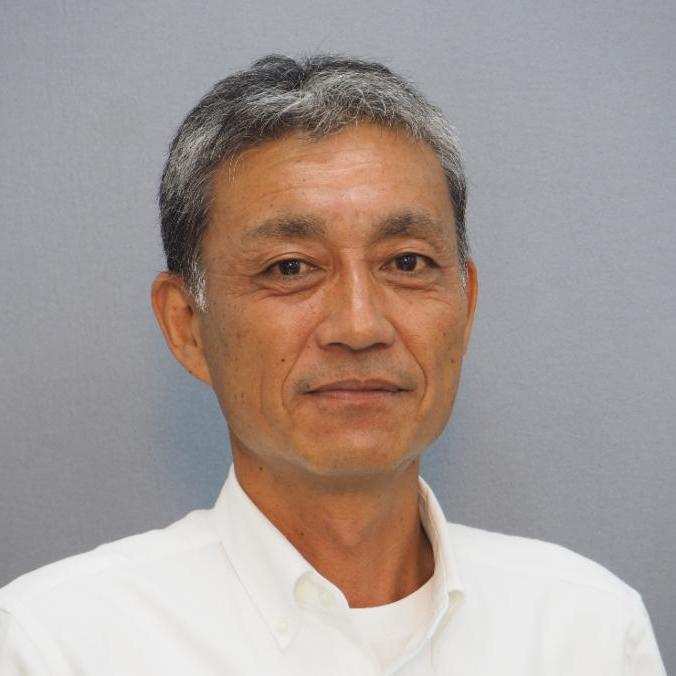
Tomomi Tsuchiya ​
President, JITI USA​
Keynote Speeches and Panelists
Hampton H. Hart, Jr.
Deputy Director, Technological Hazards Division, FEMA
Bill Douglas
Senior Risk Analyst, Risk Management, LA Metro
Takeshi Kawagoe
Senior Chief Researcher, Head of Geology Laboratory, Disaster Prevention Technology Division, RTRI Japan
Past:
JITI 2018 High Speed Rail Seminar
The Future of High Speed Rail ~ U.S. and Japan~
​

High Speed Rail (HSR) has attracted worldwide attention as an energy efficient and environmentally friendly mass transport system, and has been planned in implemented in various countries. In the United States, these projects include the Texas High Speed Rail Project connecting Dallas to Houston and the Northeast Corridor SCMAGLEV Project connecting Washington D.C. to New York.

Japanese high-speed rail systems feature various advantages, especially from the standpoints of safety, reliability, energy efficiency, and environmental sustainability. Furthermore, Japan’s HSR has supported the economic development of Japan by smoothly dealing with the growth of the intercity transport demand. As Japan’s HSR, or Shinkansen, system has 50 years’ worth of history, Japan is well experienced in HSR projects based on their already learned knowledge and know-how of HSR technologies.
 
For this seminar, JITI USA invited experts on the development of HSR from the U.S. and Japan to discuss the progress so far, especially milestones accomplished, as well as the future path for deploying high speed rail in the United States and Japan.

Please click the button below for complete information. 

Keynote Speeches and Panelists
FOLLOW US