Jack and the Literary Giants


Literary greatness is one of Ireland’s claims to fame. It’s a land that takes writing as seriously as its whiskey. I’ve had impromptu conversations about James Joyce and W.B Yeats with bus drivers, waiters, and museum curators alike. The Irish are proud of their authors, but more importantly, they are knowledgeable about their work.


Enter Jack, our literary guide in Dublin. Jack is an actor first and a tour guide second. Last year, he gathered enough material (but not from my well-behaved groups) to create a show that was so popular it toured the entire country. Welcome to Ireland—Meltdown of an Irish Tour Guide mixes his real-life woes with his job of entertaining tourists. With Jack, we walk through downtown Dublin, stopping at monuments and homes, pubs and parks where noted authors have lived and worked. Arriving at a designated spot, Jack will pull out a book from his over-stuffed leather satchel and start to read. He annunciates with perfection, slowly morphing into the character on the page. When he reads outside Oscar Wilde’s childhood home, he chooses a passage from The Importance of Being Ernest where Algernon is talking with his aunt. When she speaks, Jack pulls down his glasses and hunches his back. He fiddles with his imaginary cane and becomes an old woman right before our very eyes. When the nephew speaks, he stands up straight, and his voice deepens; he discards the cane. But then again, it was imaginary.


Many people already know the story of Wilde’s non-literary life, where in 1895 he was tried and convicted of gross indecency for having a relationship with a man. This wasn’t just any man, but the son of the Marquess of Queensberry who was determined to make Wilde pay for tarnishing his family’s name. (There are more twists and turns to the plot, but I’ll let you look that up on your own.) Wilde was sentenced to two years hard labor. During that time, his health deteriorated, and his reputation was destroyed. Just a few weeks before the trial, The Importance of Being Ernest had debuted to critical acclaim. He was deemed a genius, the wittiest man in the world, and the Irish were proud of their native son. Then, it all disappeared. Wilde spent the last few years of his life in exile in France, where he died alone and bankrupt in 1900. It took over 60 years for Wilde’s work to successfully resurface. Eventually, in 2017, he was pardoned, along with 50,000 others, under what is informally called the Alan Turing Law. Wilde is now a symbol of Gay Pride in Ireland; some say he was one of the first martyrs for gay rights.


But let’s get back to Jack, or at least the place where we say our goodbye and venture into Marsh’s Library. As Ireland’s oldest public library (it opened in 1717), it is filled with rare books and old manuscripts. There, in a back room, is where Bram Stoker sat and read the history of Transylvania; he studied maps of the land and learned its geography. We know this because there are detailed records showing every book he read there. The library became his second home. It had heating; his flat did not. They also served hot cups of tea, which was a welcome treat to a struggling author. These books inspired Stoker’s most famous work—Dracula.


We come to Ireland to learn about its exciting foray into the sustainable food and farm-to-table movement. We come to drink whiskey and beer, discover amazing cider, and frequent lively pubs filled with music that tells the story of a land full of hardships and loss. We also come to remember these literary giants who are often distant figures from our school days. Luckily, in Ireland, they are alive and well, constantly touring the country, like Jack—the man awaiting new tourists to provide him with new material and another show.


_____________________________________

.

Join us in Ireland: September 4-14

Ireland and its Wild Atlantic Way info here.


Facebook  Instagram

Experience Delicious Adventure


Ireland & its Wild Atlantic Way

September 4-14, 2026

4 places left!


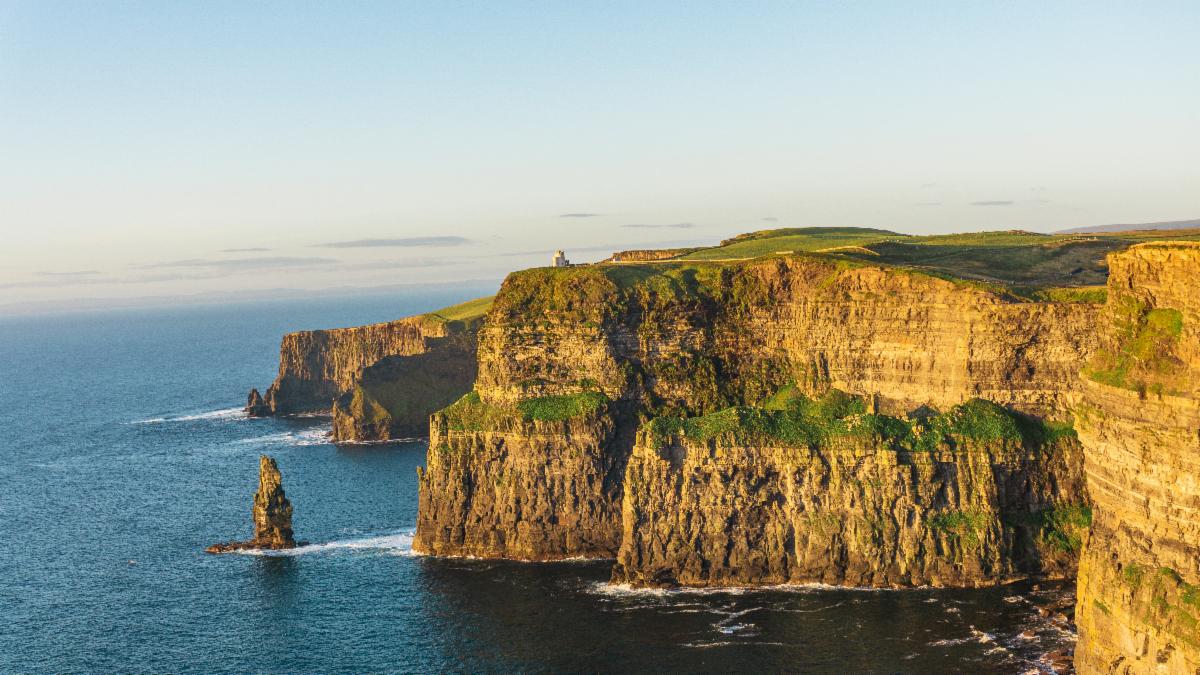
Experience Connemara and the Burren while traveling from Dublin to Cork, stopping at off-the-beaten-track places along the way. Stay in an 18th-century castle and walk along the cliffs of the wild Atlantic Coast; dine at the top restaurants and sip whiskey in local pubs.


Slovenia: Forest to Table

October 1-8, 2026


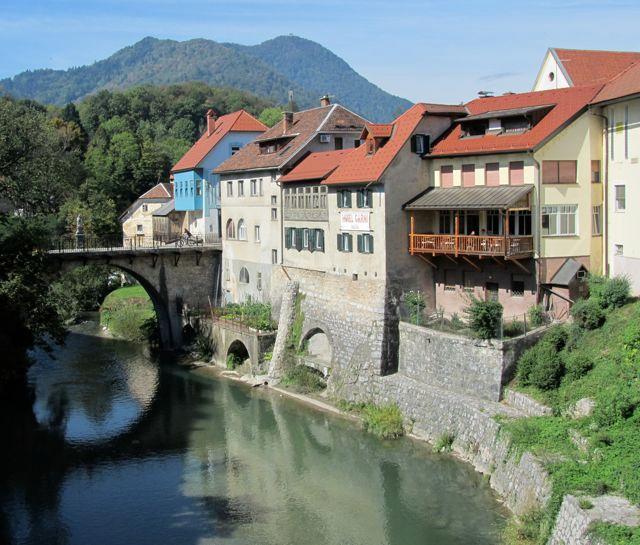
A tiny country nestled between Italy, Austria, Hungary, and Croatia, Slovenia is a treasure trove of amazing sites and flavors from the Alps to the Adriatic. Learn to transform a successful jaunt in the forest into an exquisite meal accompanied by the region's spectacular wine.

Autumn in New York

October 17-21, 2026


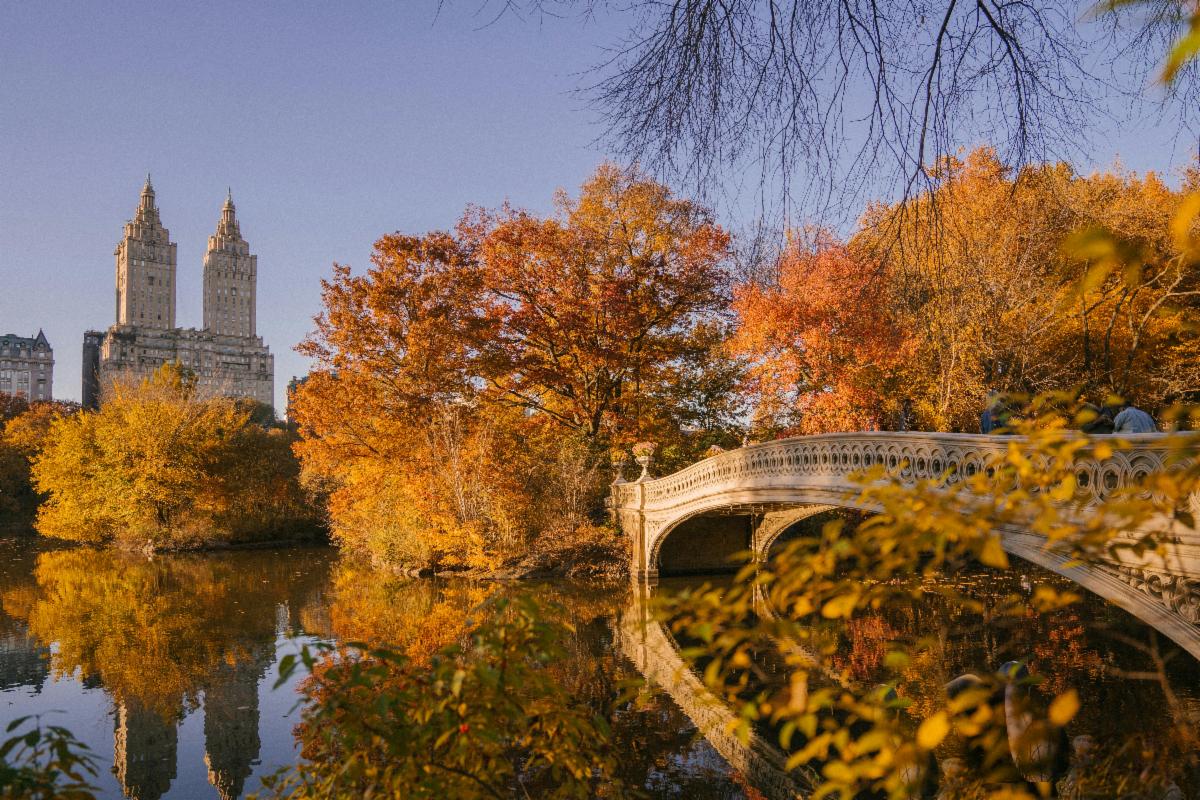
We’ll stroll cobbled streets and soak in the ambiance of bygone days, discovering architectural delights and hidden treasures by day, jazz clubs and Broadway shows by night.

San Miguel de Allende & Day of the Dead

October 28-November 4, 2026


Discover colonial Mexico with its charm and elegance, colorful culture, and delicious and varied cuisine. Delve into the country's rich heritage with hands-on Mexican cooking classes, day trips to fascinating areas, and a feast of local activities to celebrate Day of the Dead.

The Highlands of Guatemala

November 5-13, 2026


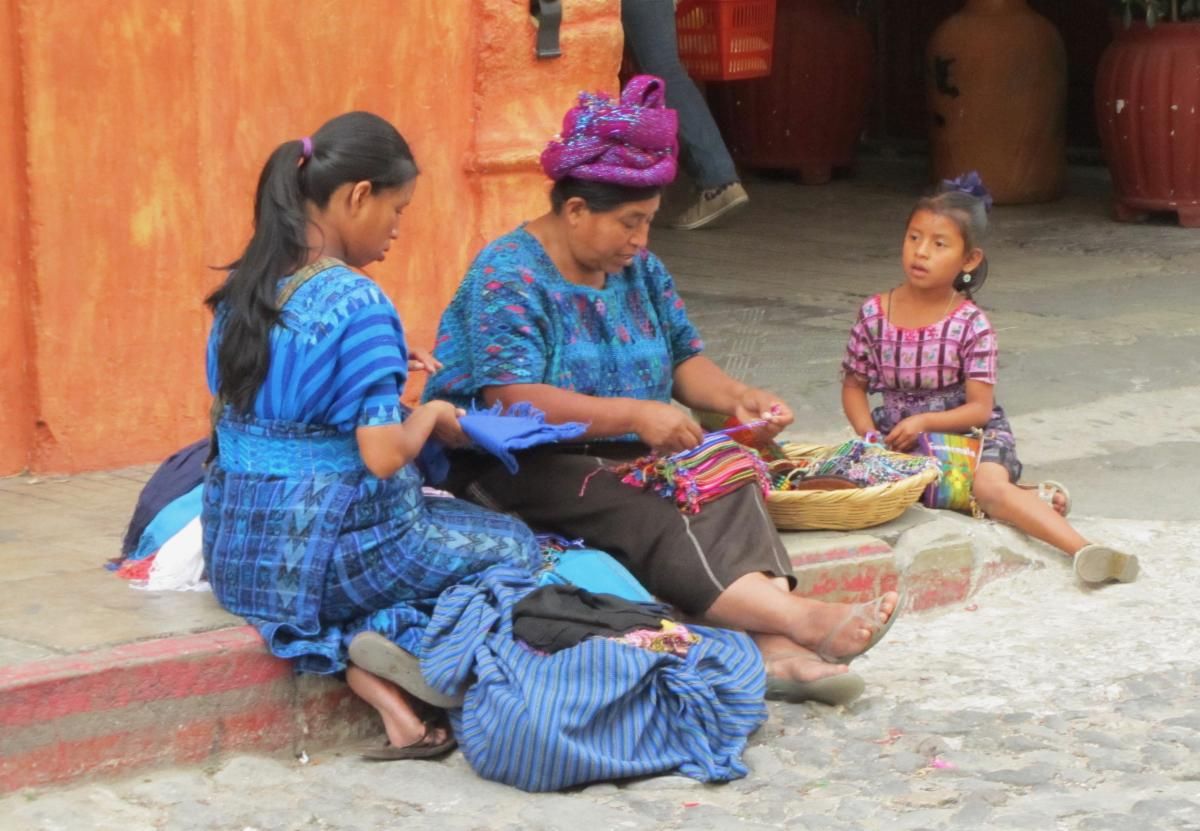
Journey from the colonial-era town of Antigua, a UNESCO World Heritage Center, to the majestic waters of Lake Atitlán and the famed artisan market in Chichicastenango.


Savannah for the Holidays

December 9-13, 2026


Experience the bygone days of gracious southern living during the holiday season. Savannah, one of America’s oldest and most unique cities, provides a charming escape where iconic 19th-century mansions adorn the streets and live oaks, dripping with Spanish moss, fill the squares.

Vienna Ball & Budapest

February 6-13, 2027

4 places left!


Once upon a time, there was a place where people lounged in fin de siècle coffeehouses. They nibbled on cream-filled cakes and apples encased in paper-thin layers of dough. During Ball Season, they were invited to majestic palaces to waltz—the Viennese waltz. They traveled to Budapest to take the waters, to soak in grand baths resembling small palaces. They nestled into cozy wine taverns and ate refined cuisine in opulent settings. And we will, too.

Michoacán, Mexico

March 6-13, 2027

Mexico City and Monarch Butterfly add-on


Be dazzled by the beauty and indigenous heritage of Michoacán. Ancient traditions run deep in this central Mexican state, home to the descendants of the Purépecha Empire as well as generations of noted artisans.

Ragú alla Bolognese


Bolognese Sauce was created in Bologna, Italy, hundreds of years ago, way before the tomato arrived in the Old World from Mexico. Italians call it ragú, and traditionally, it was comprised of slow-cooked ground meat, both pork and beef, with onion, carrot, celery, and surprisingly no herbs. There’s a splash of wine as well as a secret ingredient—mortadella, which also comes from Bologna. (Unfortunately, the concept of this meat morphed into baloney in America, but its roots are pure.) This recipe is a modern twist on the original but with tomato puree.


8 servings


2 tablespoons olive oil

2 tablespoons butter

1 small onion, minced

2 peeled small carrots, minced

2 stalks celery, minced

1 pound ground pork

1 pound ground beef

4 slices thinly cut mortadella, chopped

1 cup whole milk

1 cup white wine

28 ounces (800 grams) tomato sauce (Mutti is a good brand to buy.)

Pinch of nutmeg

Salt and black pepper to taste


1. Place the oil and butter in a large stockpot over medium heat. Add vegetables and cook until soft, about 10 minutes.


2. Add the meats and cook until browned. Salt.


3. Pour in the milk and let cook until evaporated. Add the wine and let evaporate as well.


4. Pour in the tomato sauce. Mix well. Reduce to low heat and cover halfway for 2-3 hours, stirring occasionally. Adjust liquid, if needed. Add nutmeg. Season to taste. The ragu is always better the second day.


Bologna-style Stuffed Zucchini with Meatballs


4 servings


8 small zucchini

½ pound minced pork

½ pound minced beef

2 slices mortadella, chopped

1 egg

½ cup grated Parmesan cheese

¼ cup breadcrumbs

Salt to taste

Pinch nutmeg

1 tablespoon olive oil

½ small onion, chopped

28 ounces (800 grams) tomato sauce (Mutti is a good brand to buy.)


Garnishes:

Parmesan cheese

Chopped parsley


1. Wash zucchini, cut off the ends and hollow through with a round knife. (Save insides for another dish.)


2. To prepare the filling, mix meat, egg, cheese, breadcrumbs, salt and nutmeg. Stuff zucchini with mixture. Make mini-meatballs with any leftovers. Store in refrigerator.


3. Place olive oil in a large frying pan over medium heat. Add onion and sauté for 2-3 minutes. Add zucchini. Salt. Brown on all sides. Cover with tomato puree and lower heat. Cook until soft, about 30 minutes. Add meatballs and cook until done.


4. To serve, transfer zucchini to a plate. Cover with sauce. Garnish with Parmesan cheese and chopped parsley.


Follow us on Instagram!

Instagram