The Wyoming Health Council works to ensure that all people can access equitable, inclusive, high-quality, and affordable reproductive and sexual health care. | |
|
The New Year's Eve Kiss Tradition, Explained
Out of all the holiday traditions, the New Year’s kiss might be the most fun—or fraught, depending who you ask. If you’re coupled, you probably haven’t given it much thought. But if you’re single, the prospect of finding someone to kiss at midnight might bring up panic, excitement, or dread. Most likely, a combination of all three.
But your New Year’s kiss need not be so dramatic—especially, once you consider its true meaning and origins. Whether you’re looking to spark some romance under buckets of confetti, or are simply spending the night in with your other half, here is a look at how everyone’s favorite—or not-so-favorite—New Year’s Eve tradition came to be, along with tips for making the most of it.
| |
|
Why You Should Tell Your Partner If You Have HSV-1
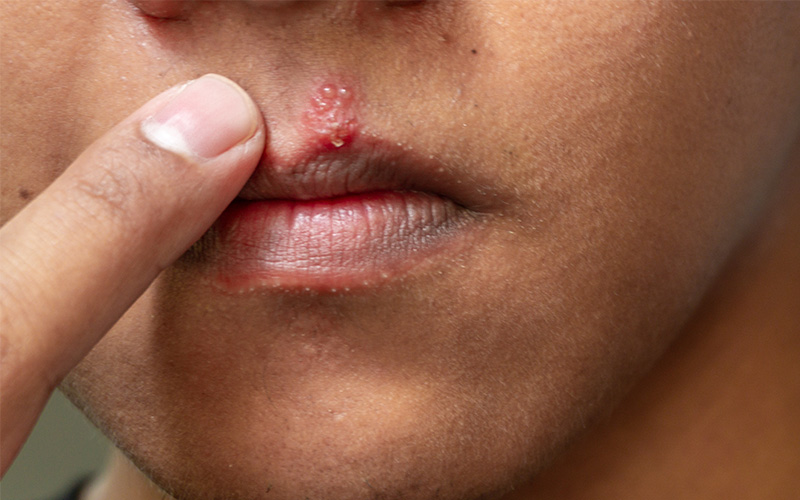
Herpes simplex virus type 1 (HSV-1)—the virus mainly responsible for cold sores (oral herpes)—is easily passed through kissing and oral sex.1 If you have or are recovering from a cold sore and have such contact with a partner, they can also get a cold sore.
Less commonly, HSV-1 can also cause genital herpes. Having genital herpes increases the risk of getting other sexually transmitted infections (STIs), such as HIV.
Telling a partner you have HSV-1 is important for their health and your own, especially if you or they have other partners.
| |  |
|
How To Date With Herpes, According to Doctors and Someone Who Has It
Everyone knows that dating is hard, and finding the One feels daunting. So imagine my horror when I tested positive for HSV-1 and had to try dating with herpes.
If you find yourself in a similar boat, know that I’m writing from the other side. It’s been over a decade since I was diagnosed with herpes, and it’s not just something I’ve learned to live with but a condition I've grown comfortable talking about.
Dating with herpes might be hard, but that's only because dating is hard period, not because of HSV.
Still, it can be helpful to educate yourself on what it means to live with and potentially transmit HSV. This way, you can go on to educate your future partner(s) accordingly—or, at the very least, calm yourself down about what it really means to live with your newly acquired virus.
| | |
|
Oral Herpes: A Complete Guide
Oral herpes is an infection of the mouth, lips, and gums caused by herpes simplex virus, specifically, type 1 (HSV-1). Oral herpes presents as fever blisters and cold sores. Some people with oral herpes have no symptoms at all.
Oral herpes is incredibly prevalent, with most people in the United States having HSV-1 by the age of 20.
This article explains what causes oral herpes, its symptoms, when you should seek medical treatment, and more.
| | |
|
Cold Sores Traced Back To Kissing in Bronze Age By Cambridge Research
The spread of cold sores could be traced back to kissing in the Bronze Age, a study found.
Scientists at the University of Cambridge said the HSV-1 strain of the herpes virus arose during vast migrations of people from Eurasia to Europe about 5,000 years ago.
The virus currently infects about 3.7 billion people worldwide.
Researchers have been studying DNA samples from thousands of years ago to understand how viruses adapt.
The migration led to denser populations, which increased transmission, and new cultural practices including kissing, the study found.
| | |
|
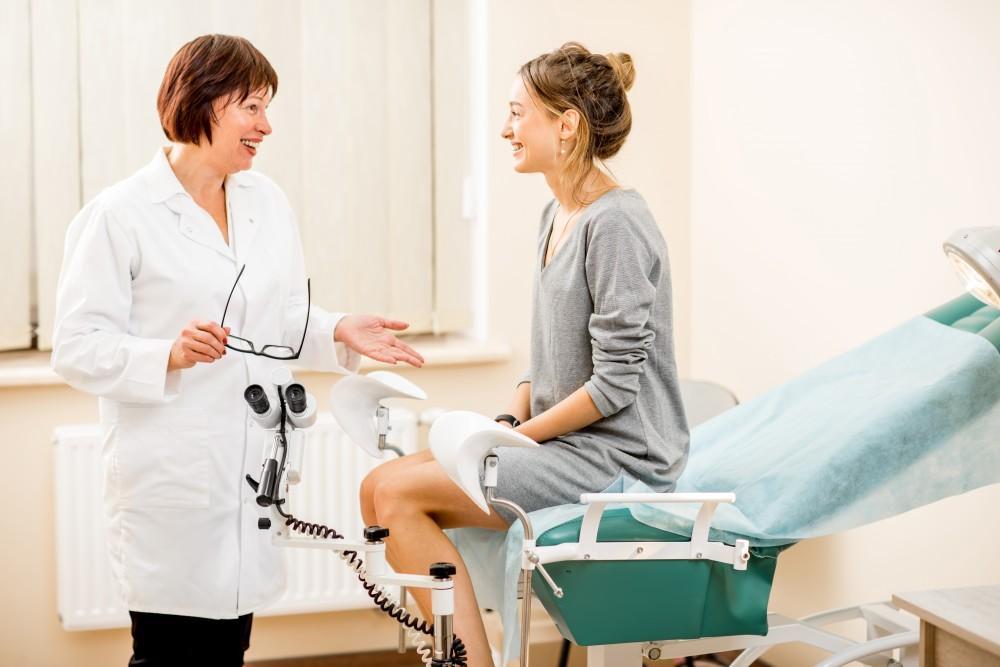
Pap Smear
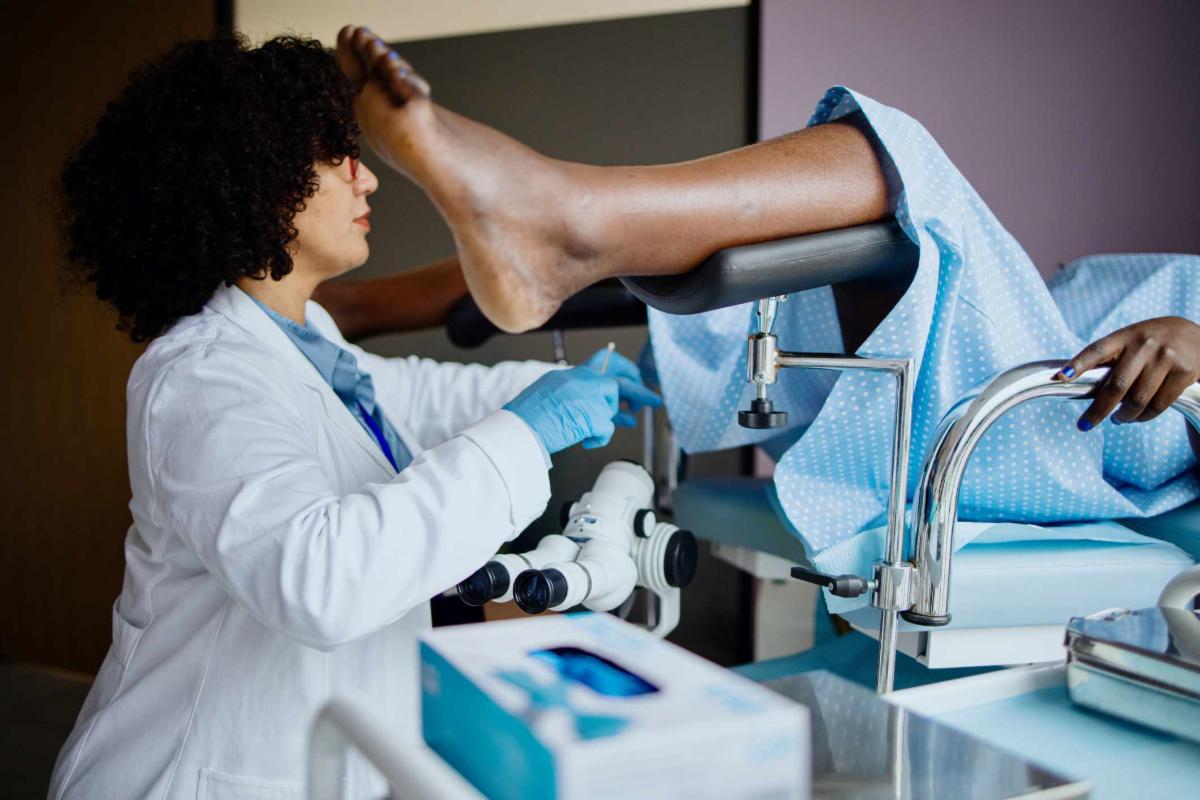
A Pap smear is a procedure that involves collecting cells from the cervix for testing. It also is called a Pap test. Healthcare professionals sometimes call it cervical cytology.
A Pap test is often used to look for cervical cancer. Cervical cancer is cancer that starts as a growth of cells in the cervix. The cervix is the lower, narrow end of the uterus that opens into the vagina. Cervical cancer screening with a Pap test can find cervical cancer early, when it's more likely to be cured.
In addition to looking for cancer cells, a Pap test also looks for cells that could become cancer in the future. If the test finds precancerous cells, treatments could help prevent cancer.
Why it's done
A Pap smear looks for cervical cancer. It's one option for cervical cancer screening in anyone who has a cervix. A Pap smear also is called a Pap test.
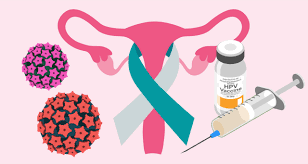
The Pap test usually is done at the same time as a pelvic exam. During a pelvic exam, a healthcare professional checks the reproductive organs. Sometimes the Pap test may be combined with a test for human papillomavirus, also called HPV. HPV is a common virus that's passed through sexual contact. Most cervical cancers are caused by HPV. Sometimes the HPV test is used instead of a Pap test for cervical cancer screening.
You and your healthcare professional can decide when it's time for you to begin cervical cancer screening and how often it should be repeated.
| | |
|
OB/Gyns Share 11 Ways to Make a Pap Smear Easier on You and Your Vagina
Because we know no one looks forward to this.
It’s normal to be a jumble of nerves before getting a Pap smear. A Pap can feel awkward, intimidating, or even emotionally triggering for some. Good doctors know their patients might have these feelings, and they want to make a Pap as easy on your mind and body as possible. Here are 11 ways to do exactly that.
1. Make sure you understand what a Pap smear is and entails.
“A Pap smear is actually a cervical cancer screening test,” Mindy S. Christianson, M.D., assistant professor of gynecology and obstetrics at Johns Hopkins Medicine in Baltimore, tells SELF. During a Pap smear, a medical provider uses a long device called a speculum to hold the walls of your vagina apart, then uses one or two brushes to collect cells from your cervix. A lab will test these cells for abnormalities that could indicate cervical cancer.
A Pap smear shouldn’t be painful, but it might feel pretty uncomfortable due to the pressure from the speculum, Taraneh Shirazian, M.D., assistant professor, department of obstetrics and gynecology at NYU Langone Health in New York City, tells SELF. You may dread the thought of having one inside of you for several interminable minutes, but you don’t have to! According to the experts, a Pap smear typically takes less than 30 seconds, with the actual brushing part lasting about five to 15 seconds.
| | |
|
Cervical Cancer Kills thousands of women each year. Stigma and silence are impeding effort to prevent it
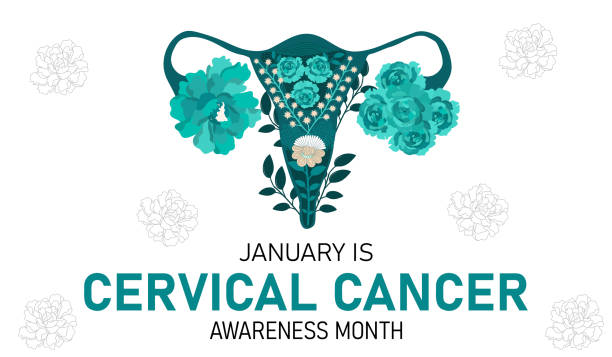
Cervical cancer is one of the most common cancers among women worldwide, killing hundreds of thousands of people every year. But the disease is shrouded in stigma and silence that could be impacting the search for a cure — and endangering patients’ lives.
In the U.S. alone, about 11,500 people are diagnosed with cervical cancer and 4,000 people die from the disease each year, according to the Centers for Disease Control and Prevention (CDC).
And Jennifer Young Pierce, a gynecologic oncologist at the University of South Alabama, told The Hill that more women run the risk of developing cervical cancer than those numbers let on.
Cancers that primarily affect women receive less research funding than those that affect men in general. In a 2019 study, researchers found that gynecological cancers like ovarian, cervical and uterine cancers received some of the smallest amounts of research funding proportional to their lethality, while prostate cancer received the largest amount.
Cancer experts told The Hill that research toward cervical cancer prevention and treatment receives less funding compared to other diseases for three main reasons: low late-stage survival rates, ignorance of how prevalent the disease is and stigma surrounding it.
| | |
Cervical cancer deaths are plummeting among young U.S. women
The findings could be a preview of what’s to come if HPV vaccination rates improve
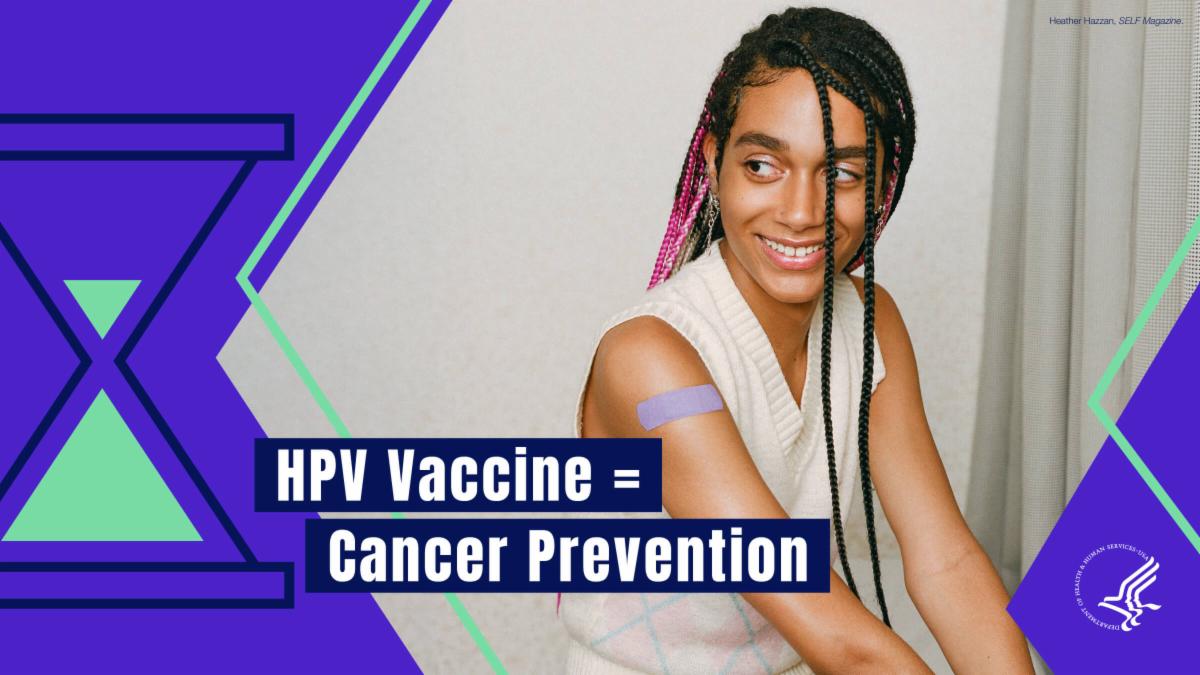
Rates of cervical cancer have decreased since a vaccine for human papillomavirus, or HPV, was introduced in 2006 (SN: 10/6/08). Now, a new study is the first to show a steep decline in cervical cancer deaths among the first women who were eligible for that vaccine in the United States.
“We had a hypothesis that since it’s been almost 16 years, that maybe we might be starting to see [the] initial impact of HPV vaccination on cervical cancer deaths,” says Ashish Deshmukh, an epidemiologist at the Medical University of South Carolina in Charleston. “And that’s exactly what we observed.”
Deshmukh emphasizes that he and colleagues can’t say for certain that the vaccine is responsible for the decline in deaths, which the team reports November 27 in JAMA. That’s because it’s unclear whether the women in the study cohort were, in fact, vaccinated.
The HPV vaccine can prevent up to six HPV-related cancers: cervical, vaginal, vulvar, penile, oropharyngeal and anal (SN: 4/28/17). Deshmukh’s team analyzed specifically cervical cancer mortality data from 1992 to 2021 for women younger than 25.
| | |
|
HPV Prevention Week
January 27-31
| |
|
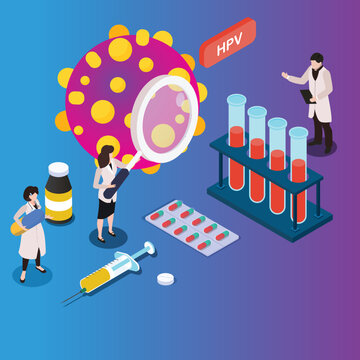
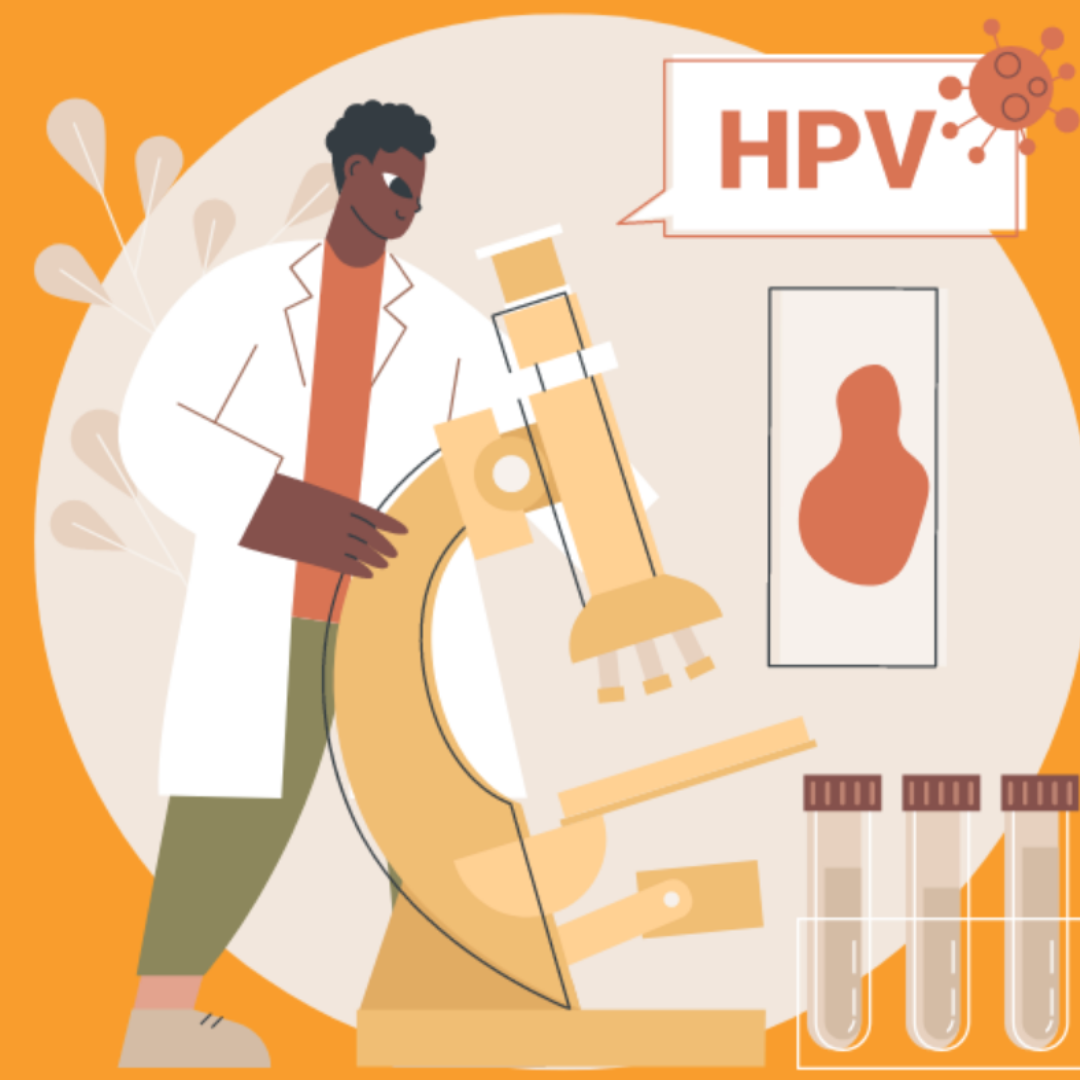
What an HPV Diagnosis Really Means
Being diagnosed with human papillomavirus (HPV) can be upsetting, to say the least. Many people already know about the link between HPV and various forms of cancer. But there’s no reason to freak out, because the diagnosis may not mean what you think it does.
For starters, it does not mean you have cancer—or that you’re destined to develop it.
“The most important thing to know is: HPV is really common—approximately 80% of people are infected with it at some point in their lives,” says Dr. Kathleen Schmeler, a professor of gynecologic oncology and associate vice president of global oncology at the University of Texas MD Anderson Cancer Center. “The majority of people clear it and probably never even know they had it.” Even among those for whom the virus doesn’t go away on its own, “the majority of people don’t go on to get cancer,” Schmeler says.
More often than not, women discover they have HPV after having an HPV test and a Pap test to screen for cervical cancer during a pelvic exam. Men can get HPV too, but they often don’t know if they have it unless they develop genital warts and see a doctor about them. “There are no clinical guidelines right now for men to have HPV testing,” says Dr. Rachel Katzenellenbogen, a professor of pediatrics and microbiology and immunology who leads a research lab that studies HPV at the Indiana University School of Medicine.
| | |
|
The HPV Vaccine Prevents Head and Neck Cancers in Men, Study Suggests
The new research underscores the importance of vaccination for both sexes, experts say
The HPV vaccine is linked to a drastic reduction in head and neck cancers in adolescent boys and men, new research finds.
HPV, or human papillomavirus, is a sexually transmitted infection responsible for virtually all cases of cervical cancer. But the virus is also linked to a number of other cancers, including penile, anal and vaginal cancers.
It also accounts for the majority — up to 70% — of head and neck cancers, which affect the throat and mouth. Men are about twice as likely to develop these cancers than women, according to the National Cancer Institute.
The HPV vaccine, initially approved for adolescent girls, protects against strains of the virus linked to cervical cancer and has been found to significantly reduce rates of the cancer. But there’s growing evidence that the vaccine also protects against other HPV-related cancers.
“We want males to be thinking about HPV vaccination not just as something that protects female patients, but also male patients,” said Jefferson DeKloe, a research fellow in the department of otolaryngology at Thomas Jefferson University, who specializes in head and neck surgery and who co-authored the research.
| | |
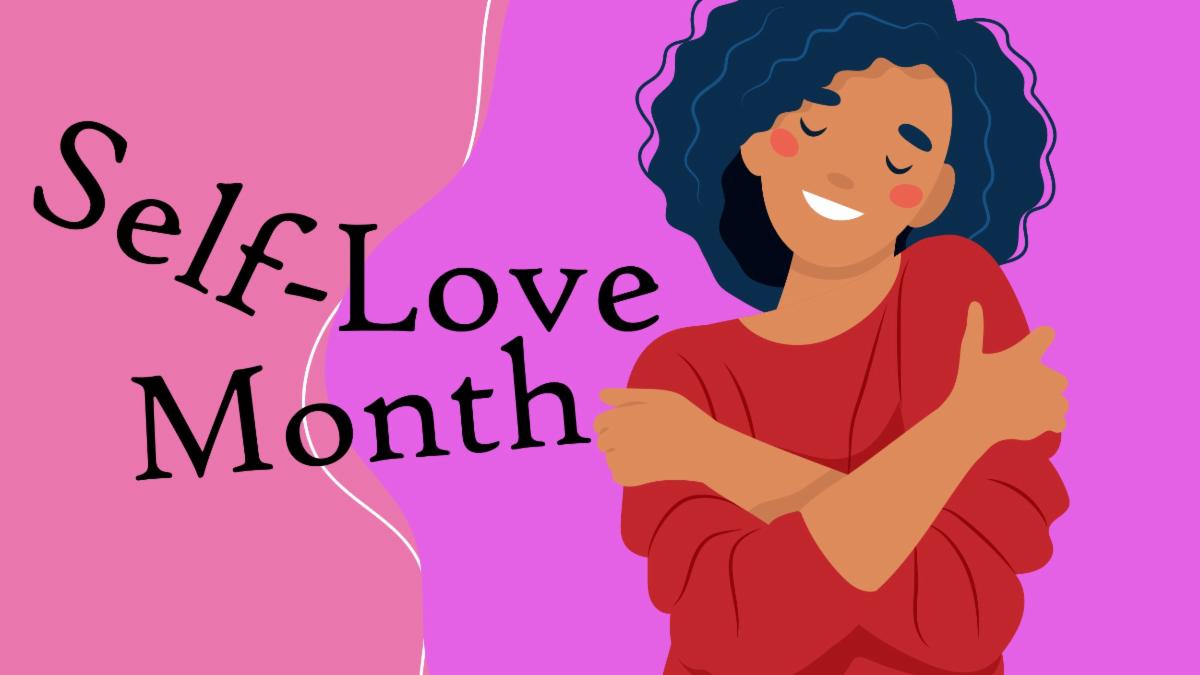
Self-Love Month is in January. It’s much too easy to get carried away by life’s troubles and forget to appreciate yourself. Self-Love Month is a time to appreciate yourself and invest time in conscious physical, spiritual, and psychological growth. It involves prioritizing your happiness and well-being. Your needs won’t take care of themselves, pay attention to yourself on this amazing holiday. Self-Love Month is all about building self-worth and getting what you deserve. | |
How to Love Yourself For Real, According to Therapists
Which might just mean acceptance.
How-to-love-yourself advice is ubiquitous these days. Step into your favorite local gift shop and you’ll likely find self-love manifesting candles topped with rose quartz, positive-affirmation card decks, and pillows embossed with Brene Brown self-compassion quotes. Scroll through Instagram or TikTok and you’ll probably encounter influencer types spouting self-love advice that often ignores the many complex reasons why someone might struggle with self-worth—a barrage of “you just have to love yourself” toxic positivity that was brilliantly (and hilariously) portrayed in the second episode of Euphoria season 2.
Self-love sells. Are we really buying it, though? Kat from Euphoria certainly isn’t, but while it may seem cheesy or oversimplified, most mental health professionals will tell you, in one way or another, that being kinder to and more accepting of yourself is important for both mental well-being and healthy relationships. However, a variety of factors (trauma, years of self-criticism, and systemic discrimination to name a few) can make this simple-sounding practice way more complicated—and much easier said than done.
Chances are, if you’ve clicked on this article, you could use some support in the self-compassion area. That’s why we consulted a few therapists who specialize in the topic. Read on for their practical tips on how to (actually) love yourself—no inspirational quotes required (but no shame if those help you, either).
| | |
|
Self Love Is Manly
Self-love is manly. It is a manly thing to be able to feel love, warmth, and positivity towards yourself.
Men’s mental health: the starting point
Over the last few years, more and more men are sharing and agreeing with the idea that it’s important to talk about our mental health and our feelings. Over lockdown, my mates have said this a lot: “If you ever need to talk to me, I’m here”. We say it with a little uncertainty, sometimes with a defensive tinge of irony; but we say it, and we mean it.
This is a good step. It’s helping men to share a wide variety of burdens: grief, gambling problems, regret, alcoholism, depression, family issues, relationship issues. More men are choosing to open up about their problems rather than lash out over them, which means less harm done to themselves and to the people in their lives. There is an enormous way still to go. But it’s a good start.
But we can widen the conversation out further, and talk about other feelings — positive ones. I want to talk about self-love.
The mistaken idea that self-love is inherently feminine
Self-love is not normally thought of as something a man would, or even should, feel about himself. Yet it’s crucial to good mental health, good relationships, and a good life. As my dad used to say to me as a boy, “Always start with a good firm base”. He was talking about building Lego houses, but the principle is just as true with building your life as a mature and balanced man: you need a good firm base of self-love.
| | |
Sexual Self-Care Deserves To Be A Regular Part of Your Wellness Routine
Self-care is both a big industry and a term that's become part of the conversation surrounding self-preservation — The concept of self-care still remains a bit narrow. Facials, massages, mental health days off from work, yoga, and practicing kindness are the types of things that are usually regarded as self-care. But they're certainly not the only ways to care for your body and mind, and feel healthier and more grounded. Sexual self-care offers the same benefits too ... in a different way.
"Practicing sexual self-care is inquiring and creating a relationship with sexuality that is useful for you," sex educator and intimacy coach Georgia Grace told Refinery 29. "It's understanding whatever it means for you and that it is vital to your overall health and happiness ... Sexual self-care doesn't mean you have to be having lots of sex, or you have to be highly orgasmic, or masturbating every day. It's about mindfully experiencing sensations that can expand your relationship with pleasure."
As Grace points out, you don't have to be having sex to practice sexual self-care, because it's more than that. When we understand all aspects of ourselves, including the sexual parts, we create a deeper connection between mind and body — like we do when we meditate, exercise, stretch, or get a massage. Self-care shouldn't be a niche ritual, but something that includes all facets of being human. That's why sexual self-care deserves to be part of your wellness routine. Here are five ways to start doing that.
| |
|
Cuddle Up Day
January 6
Physical Touch As A Love Language: What It Means
There are many ways to show love to your partner. You can show up to support them at an important fundraiser. You can buy them a gift just because you thought of them. You can squeeze their hand when they are having a stressful day.
Physical touch is just one of the five love languages, according to Dr. Gary Chapman’s "The 5 Love Languages." The others are words of affirmation, acts of service, quality time, and gift giving/receiving. All five are important, but since we all give and receive love differently, it’s important to know how you and your partner prefer to express your appreciation.
Understand Physical Touch as a Love Language
If your love language is physical touch, then that means you prefer physical expressions of love over all other expressions (such as verbal compliments or gifts).
Note that physical touch as a love language is not all about sex, although sex can be an important aspect of a romantic relationship. A hug, a shoulder squeeze, a handhold, even a pat on the back can be an expression of love that is just as meaningful to your partner.
If you’re in a non-sexual relationship or if you’re unable to have sex with your partner for some reason (long-distance, postpartum, PTSD), don’t worry. We explore easy ways to give and receive physical touch, no matter where you are (physically or mentally) with your partner. This may seem self-explanatory, but there are both intimate and non-intimate touches that can and should be used to show your partner love.
| | |
|
Shower Together Day
January 13
Everything You Need To Know About Having Sex In Water
Sex in the water can be fun and intimate. However, it may also present challenges and safety concerns. While there is no correct way to have sex in water, there are potential issues.
While in water, people should be aware of potential injury or damage from slipping, falling, or drowning. Those who have sex in water are also at risk of sexually transmitted infections (STIs), while there is a higher risk of vaginal irritation and urinary tract infections (UTIs).
People should practice safer sex and use waterproof contraception, such as birth control pills or IUDs. Condoms may still be effective in water, but they are more likely to break, loosen, or slip off. People should also be conscious of any legal problems from having sex in public.
Some people may choose to have sex in water, as it can help ease mobility issues or joint pain. It may also offer more pleasurable sex that may not be possible out of the water.
This article explores the safety concerns of sex in water. It also provides suggestions for making it safer and more enjoyable.
| | |
|
Martin Luther Kind Junior Day
January 20
During the less than 13 years of Dr. Martin Luther King, Jr.’s leadership of the modern American Civil Rights Movement, from December 1955 until April 4, 1968, African Americans achieved more genuine progress toward racial equality in America than the previous 350 years had produced. Dr. King is widely regarded as America’s pre-eminent advocate of nonviolence and one of the greatest nonviolent leaders in world history.
Dr. King’s “I Have a Dream” speech, Nobel Peace Prize lecture and “Letter from a Birmingham Jail” are among the most revered orations and writings in the English language. His accomplishments are now taught to American children of all races, and his teachings are studied by scholars and students worldwide. He is the only non-president to have a national holiday dedicated in his honor and is the only non-president memorialized on the Great Mall in the nation’s capital. He is memorialized in hundreds of statues, parks, streets, squares, churches and other public facilities around the world as a leader whose teachings are increasingly-relevant to the progress of humankind.
| | |
|
Jane Elliott, Anti-Racism Teacher, Slams Efforts To Limit How Race Is Taught In Classrooms
Jane Elliott will never forget her sister’s April 4, 1968, phone call telling her the Rev. Dr. Martin Luther King, Jr. had been assassinated.
The then 34-year-old third grade teacher in Riceville, Iowa, knew her students would have questions after Dr. King’s assassination. Elliott decided to use the tragedy as a teaching opportunity: She would show them what discrimination felt like by separating them by their eye color.
“I wanted them to realize that the reason that man (Dr. King) was killed was ignorance and he wasn’t doing something against this country. He was doing something for this country,” she said.
Elliott spent decades performing the “Blue Eyes/Brown Eyes” exercise, even on The Oprah Winfrey Show, making her one of the country’s most respected anti-racism educators.
Now 90, Elliott said the recent push by some conservative lawmakers to ban or limit what can be taught about race and racism in US classrooms is not progress.
“This whole thing is an effort now to guarantee that White people do not lose their numerical majority,” Elliott said.
| | |
|
24/7 Confidential
CALL: 1-888-373-7888
Text* 233733
Chat: https://humantraffickinghotline.org/en/chat
TTY: 711
(711 is the number to dial to connect to the Telecommunications Relay Service (TRS) in the United States. TRS allows people with hearing or speech disabilities to use the phone system by connecting them with a hearing person using a text telephone (TTY) or other device).
| |
WYOMING HEALTH COUNCIL
111 S. Durbin, Suite 200
Casper, WY 82601
Call Us: (307) 439-2033
| | | | | |