Celebrating our 30th Anniversary!
|
|
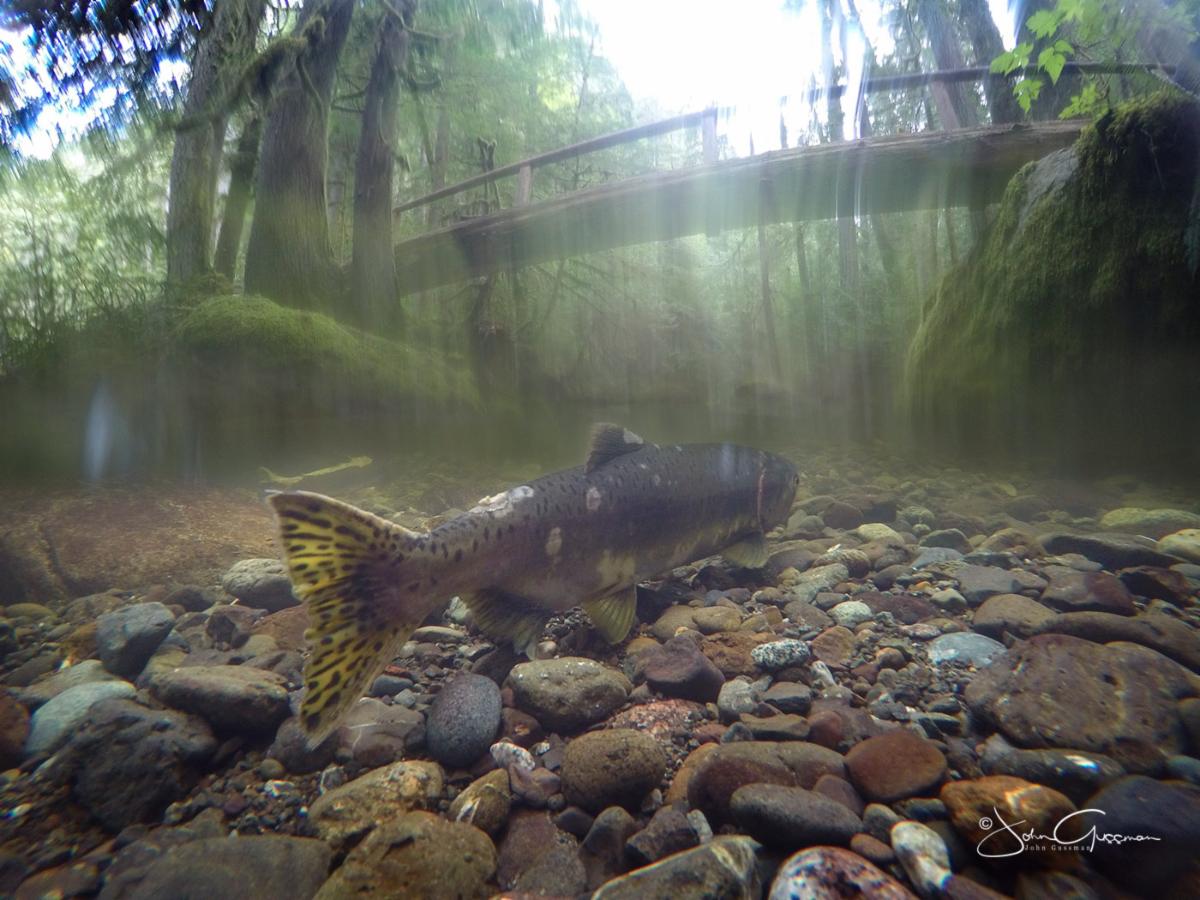
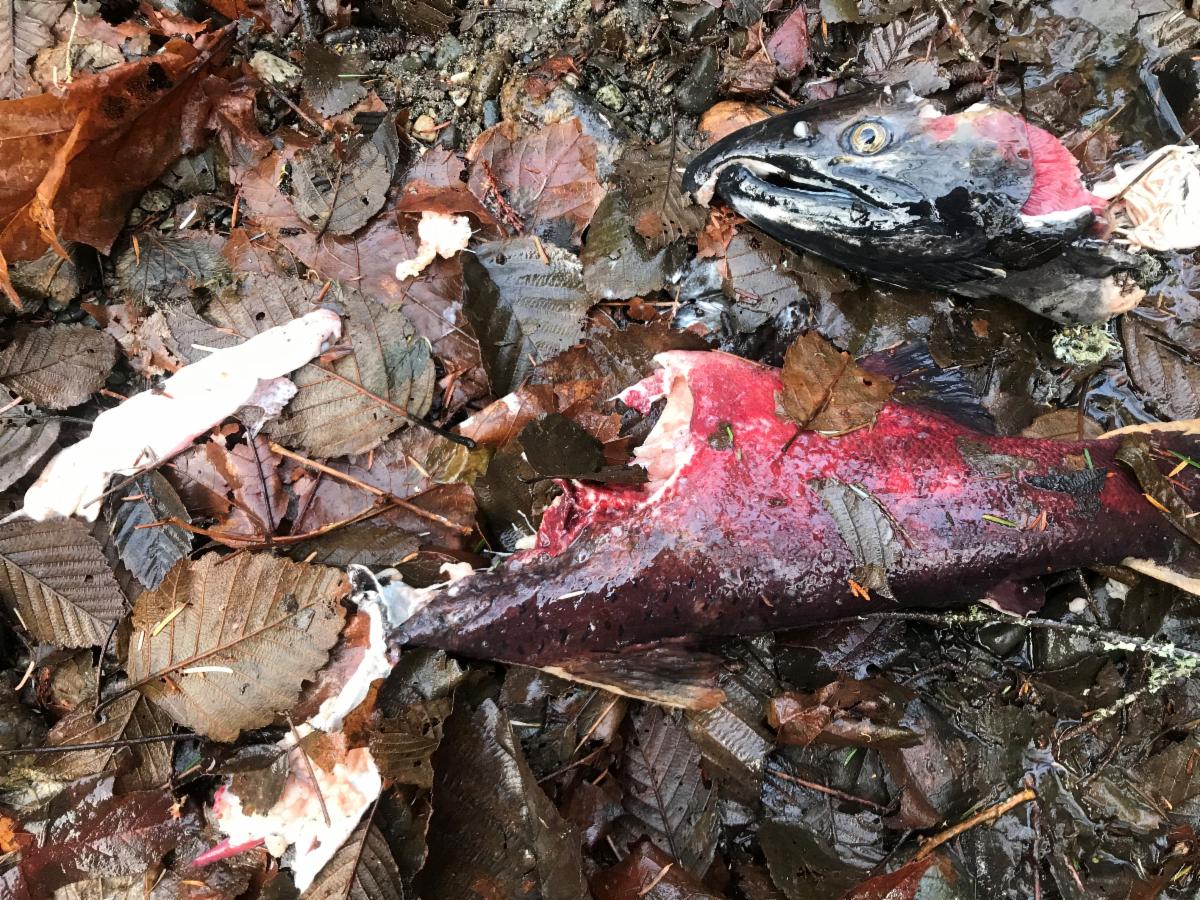
Pink in Gold Creek. Photo Credit: John Gussman
|
|
2020 marks thirty years of the
Regional Fisheries Enhancement Groups
(14 of us in the state). At NOSC, we're celebrating 30 years of community stewardship and collaborative restoration.
NOSC was founded through community volunteerism and a dedication to deepen our relationship to place and restore wild salmon.
Stay tuned for fun events, special interviews with NOSC heroes, and an uncovering of archived photos!
If you have a story, photo, or memory you would like to highlight, email us at
outreach@nosc.org
.
|
|
February 8th
Planting at Discovery Bay
Join us and be a part of a 10+ year restoration project!
____________________________________
February 15th & 19th
Dungeness River Planting
We will be working with the Jamestown S’Klallam Tribe Natural Resources staff to reforest land right along the river
_____________________________________
February 29th
Siebert Creek Planting
with North Olympic Land Trust
Siebert Creek watershed has been a focal point for community-based restoration and habitat protection over the last decade
_____________________________________
Events are rain or shine
and family-friendly.
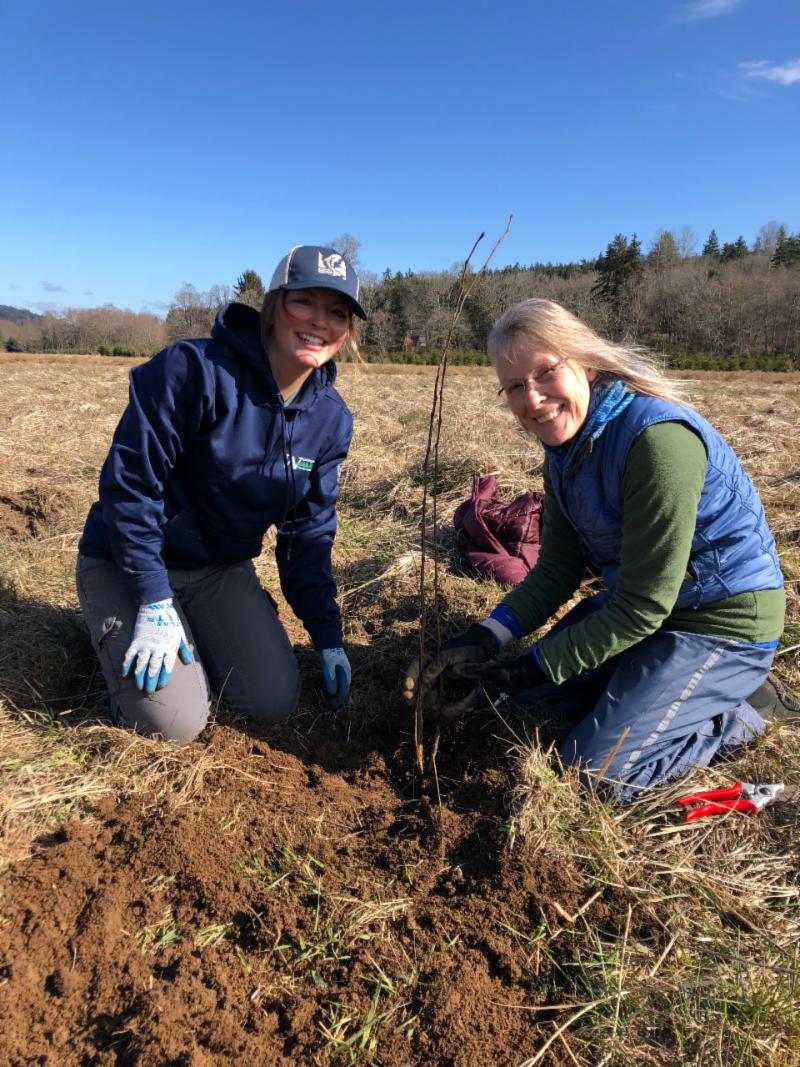
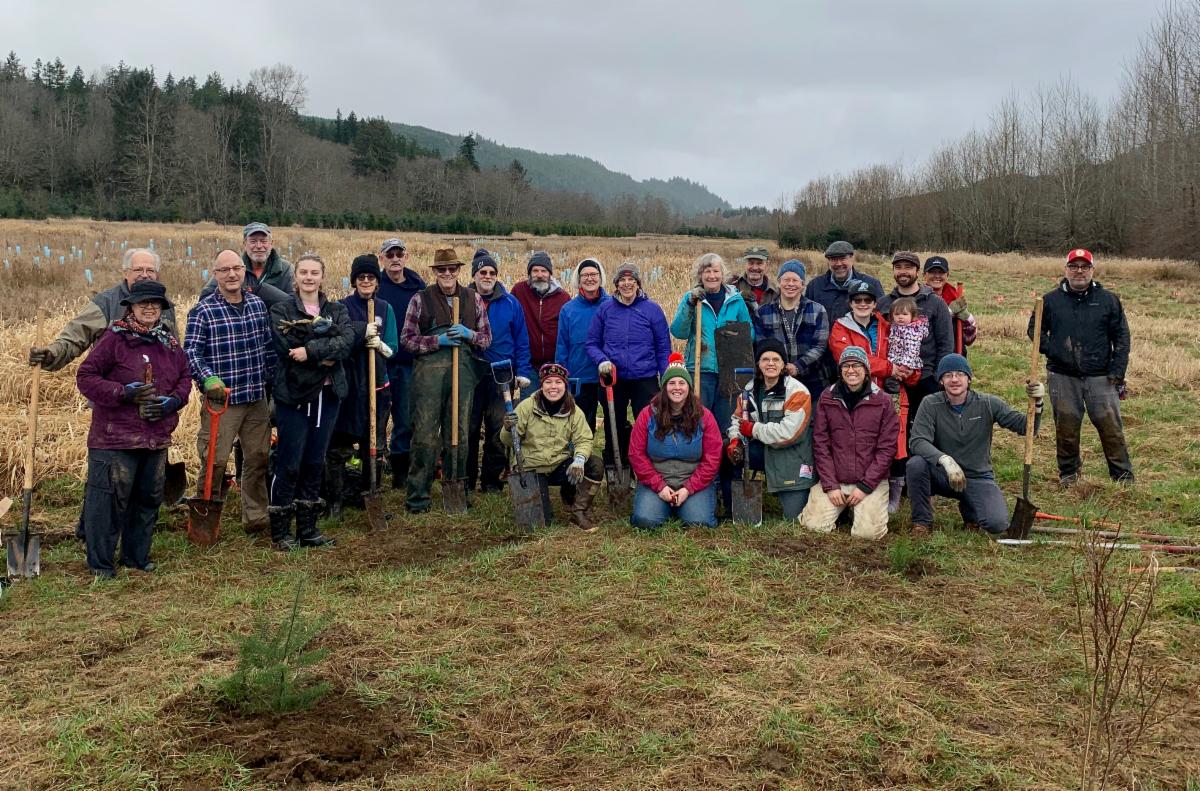
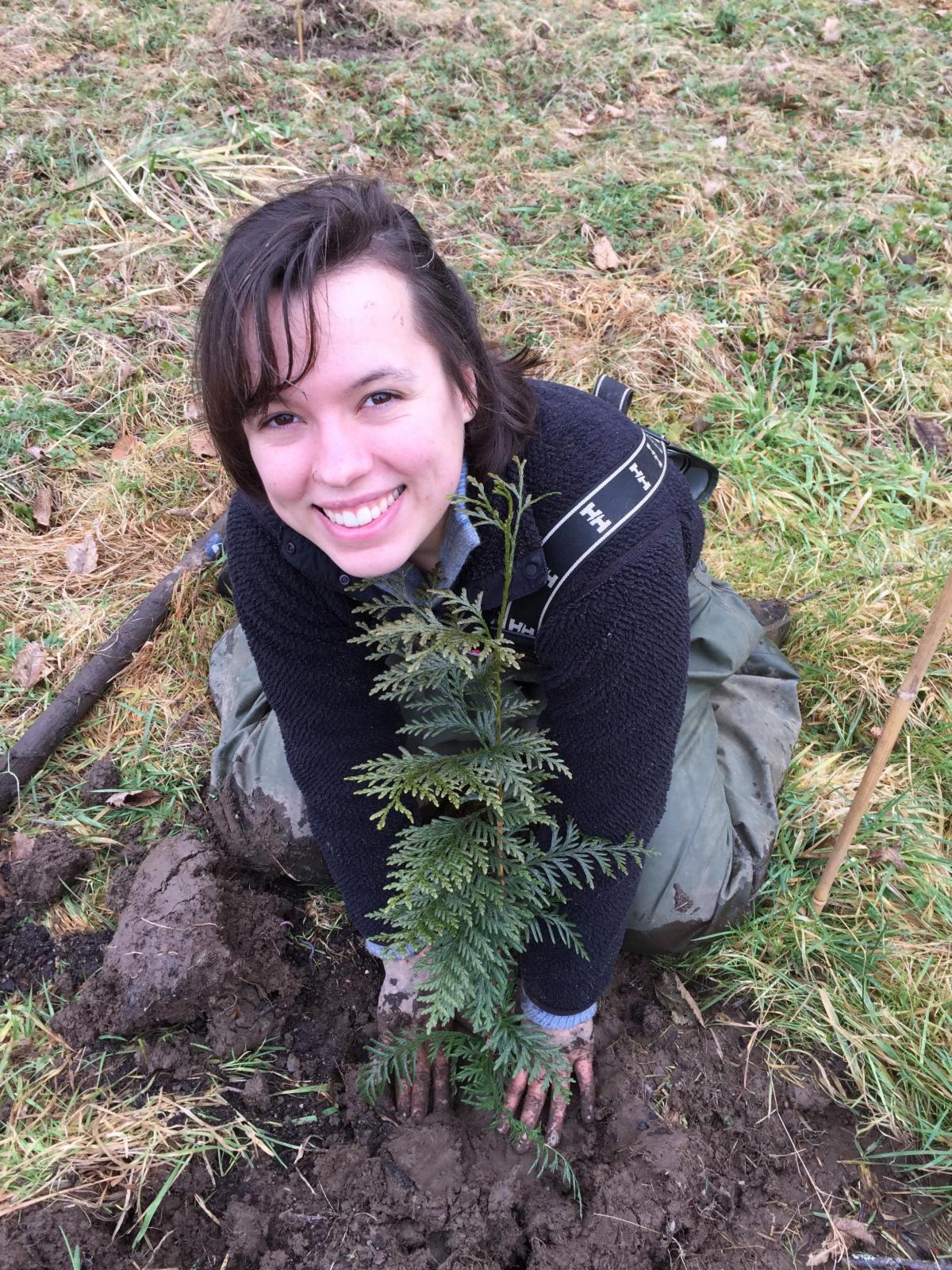
Be part of the story. Plant trees.
|
|
|
|
|
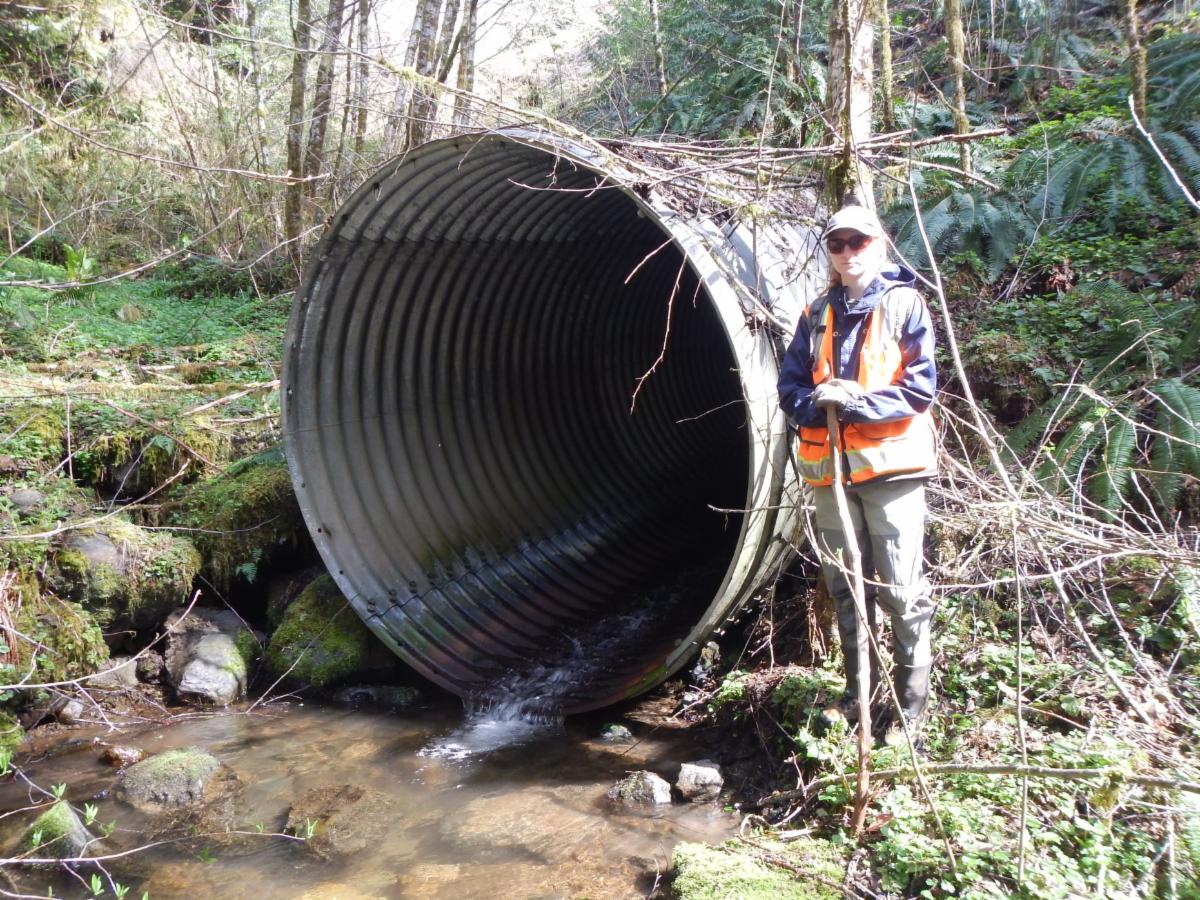
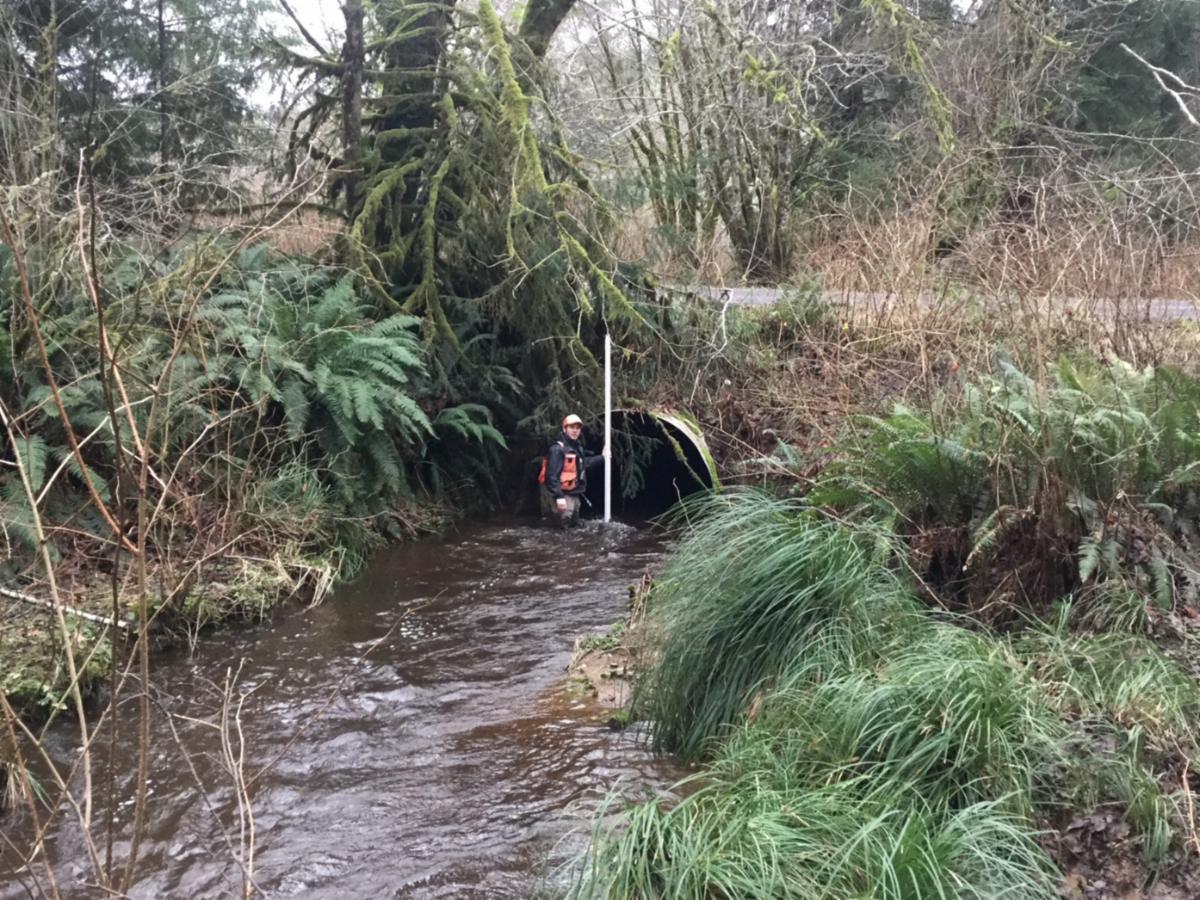
January marks the continuation of much restoration work in the Hoko River, the largest watershed draining into the Strait of Juan de Fuca west of the Elwha. Habitat inventories for prioritizing which road barriers should be replaced for fish passage have concluded, and NOSC has been working with the North Olympic Peninsula Lead Entity for Salmon, Makah Tribe, Lower Elwha Klallam Tribe, Clallam County Roads department, and other interested parties to generate a prioritized list of future projects.
The Brian Abott Fish Barrier Removal Board (BAFBRB) has just begun its next cycle of funding rounds and is currently reviewing proposals for several Hoko River projects that would open access to over 45 acres of overwintering habitat and off-channel refuge for fish. Meanwhile, two other Hoko culvert projects that have already received funding for construction by the BAFBRB are planned to break ground this summer!
|
|
That’s not all of the exciting news for the Hoko. NOSC has also been working with Makah and Elwha Tribes, WA State Parks, and Natural Systems Design to design in-stream restoration work that could include installing engineered log jams and raising the channel bed elevation toward its historic level.
All of these efforts help re-connect the river with its historic floodplain, providing opportunity for waters to slow during high flow events, replenish ground aquifers, and reduce the rapid release of water, sediments, and woody debris out of its system. In turn, this helps build fish habitat by providing cover from predators, food for juveniles, and retention of spawning gravels. These projects work together, with interwoven goals, to open fish access and improve vital spawning and rearing habitat.
|
|
Successful Annual Appeal -
THANK YOU
|
|
Thanks to your
generous contributions
to the annual appeal, the Salmon Coalition enters the year right on track for our financial goals!
Thanks to you,
we can turn our attention to the year ahead and our resolutions to restore critical habitat for salmon and wildlife, to plant 10,000 trees, to educate students and volunteers in Jefferson and Clallam County, and to celebrate the 30
th
anniversary of North Olympic Salmon Coalition with you!
Special shout-out to the United Good Neighbors (UGN) Give Jefferson Campaign! Each year, UGN raises funds to support organizations in Jefferson County that provide basic needs of those who need it most in our community. With this contribution, we are able to continue training the rising generation of leaders by engaging them in
salmon recovery
.
Thank you for making this possible. We look forward to growing together.
|
|
|
|
After 10 weeks of monitoring, the coho spawner season has come to a close. From November – January,
thirty volunteers
contributed more than
225 hours of monitoring
. On Chimacum Creek, we were thrilled to see fish this year! Volunteers counted more than
two dozen fish
. We also observed significant spawning activity and counted more than a dozen redds, which are gravel nests where salmon spawn.
On Snow Creek, volunteers worked with WDFW to manage the trap. This season, there were
466 coho counted and 27 redds
. Huge thanks to everyone for gearing up and heading into the creek on these winter mornings. Welcome home, coho!
|
|
|
|
Please join us in welcoming
Rian Plastow
to the Salmon Coalition! Rian joins us as the new Education & Outreach Associate and will be based in our Port Hadlock office.
Rian has hit the ground running in her first few weeks. She has been at Bingo, tree planting parties, wading through Chimacum Creek, and making salmon hats at Fishes and Wishes.
Get to know more about Rian below!
|
|
Tell us about yourself
I grew up in East Jefferson County with an ever-expanding admiration for the mountains, streams, and forests around me. I became so inspired by local conservation and restoration, that I attended The Evergreen State College where I recently earned my B.A. and B.S. with an emphasis in ecology and environmental chemistry. Prior to working with NOSC, I have interned with Jefferson Land Trust and the Water Quality Division at Jefferson County Environmental Health. I am thrilled to restore salmon habitat with the community and provide local youth with hands-on learning experiences. I am looking forward to learning everything I can from the fantastic NOSC staff. In addition to my environmental interests, I am also passionate about hiking in the Olympics, going to concerts, and ballet dancing.
|
|
How did you first hear about NOSC?
|
I was initially introduced to NOSC my sophomore year of high school when my field-based environmental science class (taught by Kit Pennell!) participated in one of NOSC's education programs. During the school years with NOSC, we planted trees, removed invasives, learned about the history of the land we lived on, observed salmon, and tromped in the woods. It was always a memorable time.
|
|
What motivated you to get involved in NOSC?
I was so captivated by the passionate NOSC staff and community and how they valued the many perspectives of salmon and the greater ecosystems. I saw that NOSC was accomplishing great things and I wanted to be involved in that. I spent 7 months on the steering committee for the 2014 Salmon Festival for my senior project, attended tree planting parties, and was a youth crew leader a few times with NOSC. As a high school student, NOSC continually gave me opportunities that empowered me to become a better steward of the places I cared about.
|
|
Tell me your most powerful memory of working with NOSC?
Is this a time to be funny? Because I tried kale for my first time from Jac Entringer's garden and that was pretty powerful. Jokes aside, every experience that I had (and will continue to have) with NOSC were powerful and sometimes life changing. It mostly comes down being around the caring, creative, and inspiring people that make up the NOSC team and community, past and present. NOSC encourages sense of place, stewardship, and real action - and that's pretty powerful!
|
|
What was the Salmon Coalition working on specifically at that time you were involved?
When I was initially involved with NOSC, they were working on projects like tree plantings and a lot of invasive species removal, as well as the larger project of Discovery Bay Estuary restoration. At the time, the Maynard nearshore phase had just completed, and the Snow Creek estuary restoration was beginning. The 2013 Salmon "Microfestival" had happened and turned into a larger Salmon Festival at Chimacum Schools the following year.
|
|
What are you looking forward to about your job?
|
During my time with NOSC, I am looking forward to engaging with people in the community, deepening my knowledge of my home landscape, and learning new skills. I am especially looking forward to being a part of the Real Learning, Real Work program. Being involved with NOSC and other environmental education programs when I was younger had such a profound effect on my life and so I hope that the programs we bring to students this year will have a positive impact on other young people as well and inspire them to think about all of the connections and interactions that need to occur to have a functioning and thriving natural world.
|
|
Is there anything else you would like to share?
|
Here is a piece from my first
Newsletter Spotlight over 5 years ago! I was interviewed about my time being a part of the Salmon Festival steering committee and what I had gained from that experience.
"I learned that salmon aren't all about gills and science. There is a deep respect for the spirit of salmon in the community and I'm glad I have gotten a glimpse of that. It's inspiring."
|
|
Base funding for the RFEG program comes from a grant from the U.S. Fish & Wildlife Service's Partners for Fish and Wildlife Program, a portion of state commercial and recreational fishing license fees, and excess egg and carcass sales administered by the Washington Department of Fish & Wildlife
.
|
|
Give Us Your Feedback
Questions or Comments? Let us know what you think!
outreach@nosc.org
360.379.8051
www.nosc.org
|
|
|
|
|
|
|