The Wyoming Health Council works to ensure that all people can access equitable, inclusive, high-quality, and affordable reproductive and sexual health care. | |
|
The year is already over? Let's take a look back....
| | |
|
2023's Wins and Losses in The Reproductive Health Space, Per 2 Advocates
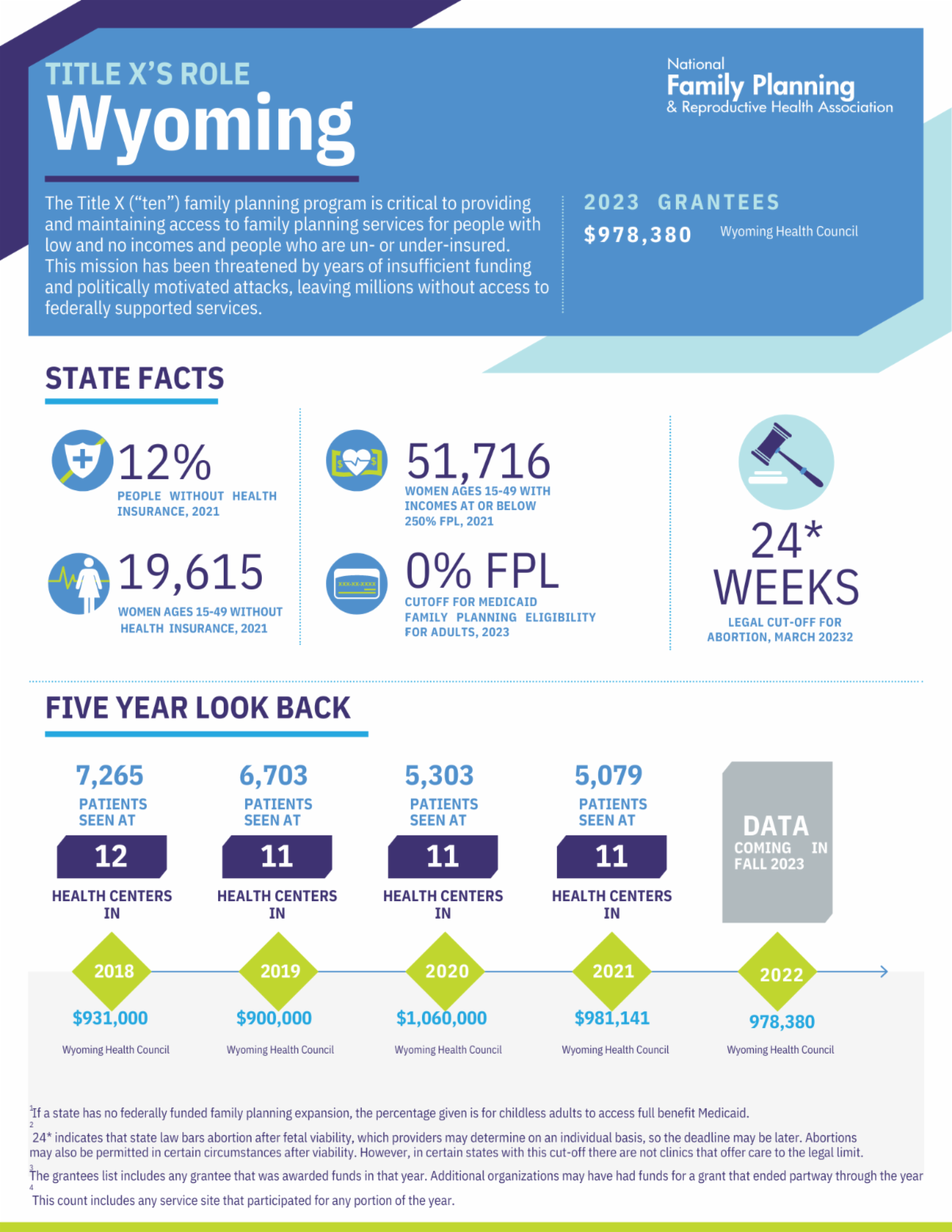
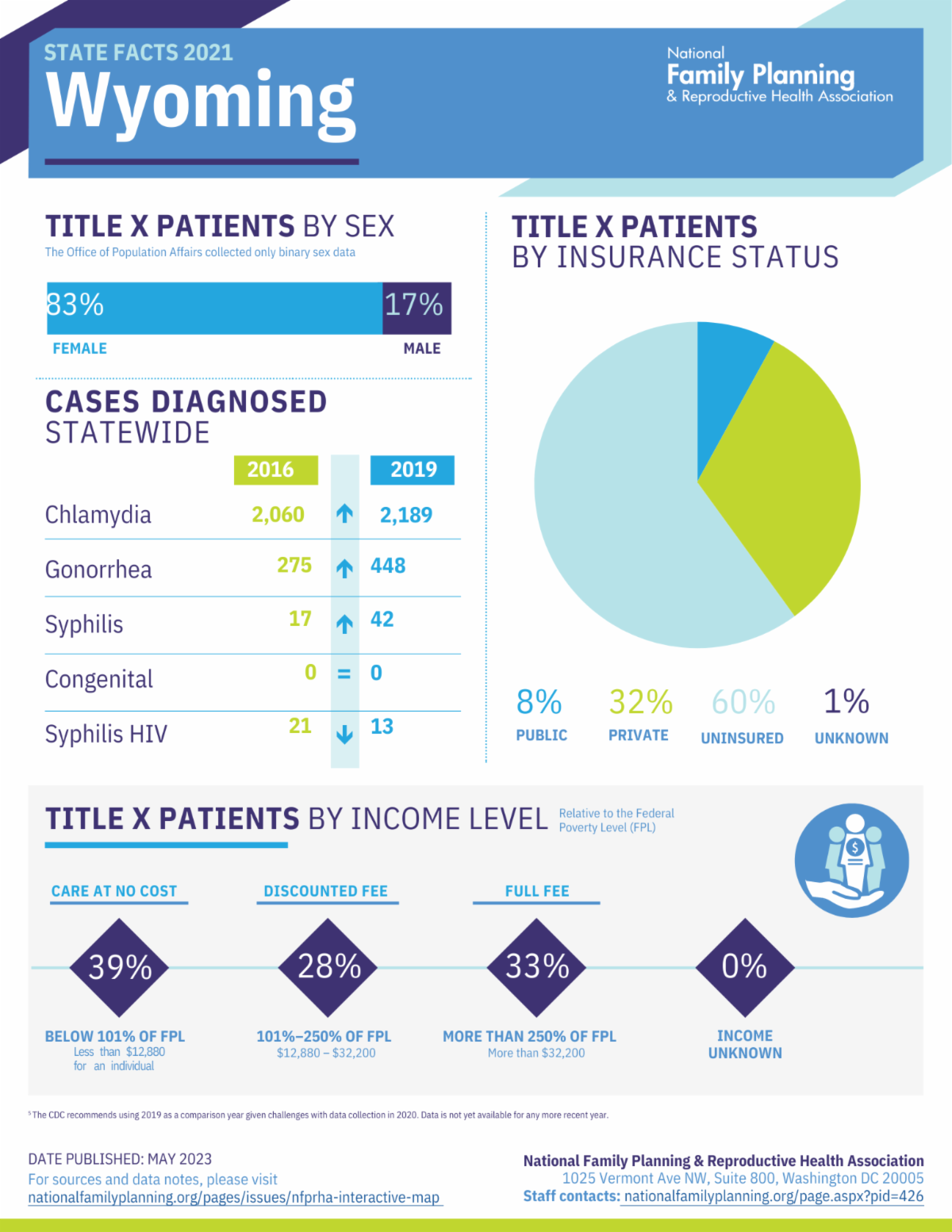
Representatives from the Guttmacher Institute and NFPRHA shared their wins and losses for reproductive health in 2023. Their wins include states moving to protect contraception and the approval of Opill, while their losses include state enactments of abortion bans and the lack of funding for Title X.
| | |
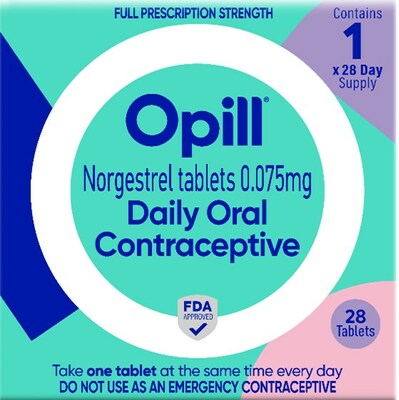 | |
FDA Approves First Over-The-Counter Birth Control in The U.S.
The Food and Drug Administration on Thursday approved the oral contraceptive Opill for over-the-counter sales, making it the first hormonal contraceptive pill available in the U.S. without a prescription.
The approval is a major win for medical groups, including the American Medical Association and the American College of Obstetricians and Gynecologists, which have been pushing for years for an over-the-counter (OTC) birth control pill. It also comes amid legal battles over women’s reproductive rights.
"This is a monumental decision," said Dr. Melissa Simon, a professor of clinical gynecology at Northwestern University. "OTC birth control is available in over 100 countries, so we've been behind in availing safe, effective methods such as this oral contraceptive pill to individuals who are trying to avoid pregnancy."
Opill, also known as the "mini-pill," contains one hormone, progestin, and is taken daily. It was first approved by the FDA as a prescription in 1973.
The FDA said it is approving the over-the-counter version for all users of reproductive age, including teenagers, a move that is expected to remove barriers to access and reduce the risk of unintended pregnancies.
| |
 | |
In A First, CDC To Recommend Antibiotic Pill After Sex For Some To Prevent Sexually Transmitted Infections
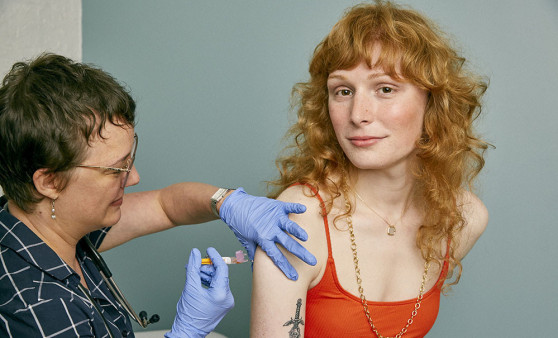
Doctors should weigh prescribing some of their patients a pill of a powerful antibiotic, doxycycline, to prevent the spread of sexually transmitted infections, according to new draft recommendations released Monday by the Centers for Disease Control and Prevention.
Officials say the approach, dubbed doxycycline post-exposure prophylaxis, or Doxy-PEP for short, could mark a turning point in the nation's fight against the ongoing epidemic of sexually transmitted infections, or STIs.
It comes after growing early research has found that doxycycline could prevent bacterial infections from taking root when taken in the days soon after potential exposure during sex, instead of reserving pills of the antibiotic only for doctors treating diseases after they are diagnosed.
"It's going to take game-changing innovations for us to turn the STI epidemic around. And Doxy-PEP is the first major new prevention intervention we have for STIs in decades," Dr. Jonathan Mermin, head of the CDC's National Center for HIV, Viral Hepatitis, STD, and TB Prevention, said in an interview.
| |
|
Despite Two Attempts to Outlaw it, Gender-Affirming Care Will Remain Legal in Wyoming
Lawmakers brought two bills this session aimed at outlawing gender-affirming care for trans youth. Both of those bills died in the House.
Sen. Charles Scott (R-Casper) filed a bill that would have made it a felony to provide trans youth with gender-affirming care like surgery or hormone blockers.
The bill garnered fierce debate in the Senate Labor Committee, but ultimately sailed through the Senate, passing out of that chamber with a 22-9 vote.
But that's as far as it got. Like a lot of bills this session, Scott's bill died when it failed to get introduced in the House of Representatives.
| |
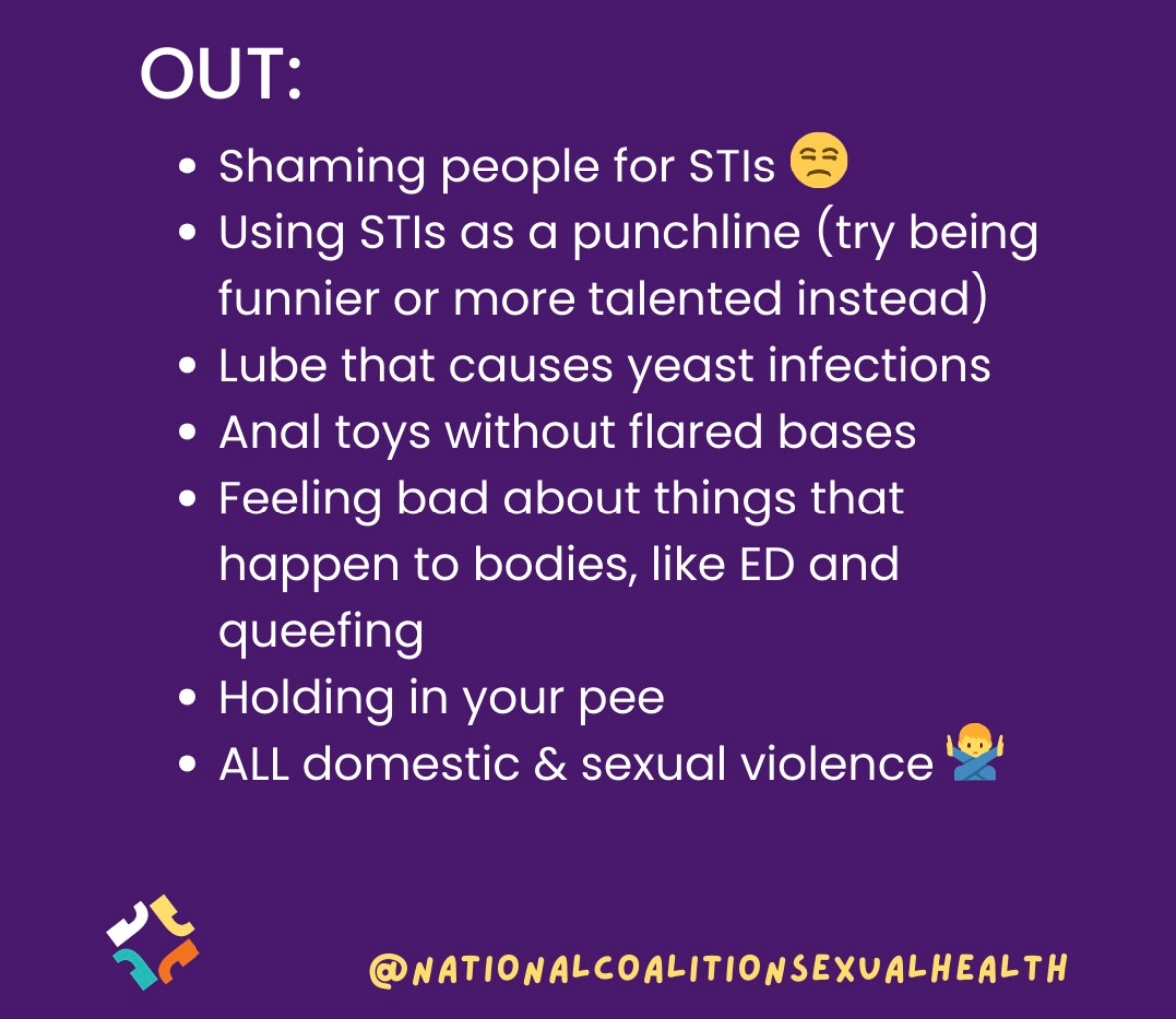
What's IN and what's OUT for 2024.... | |
|
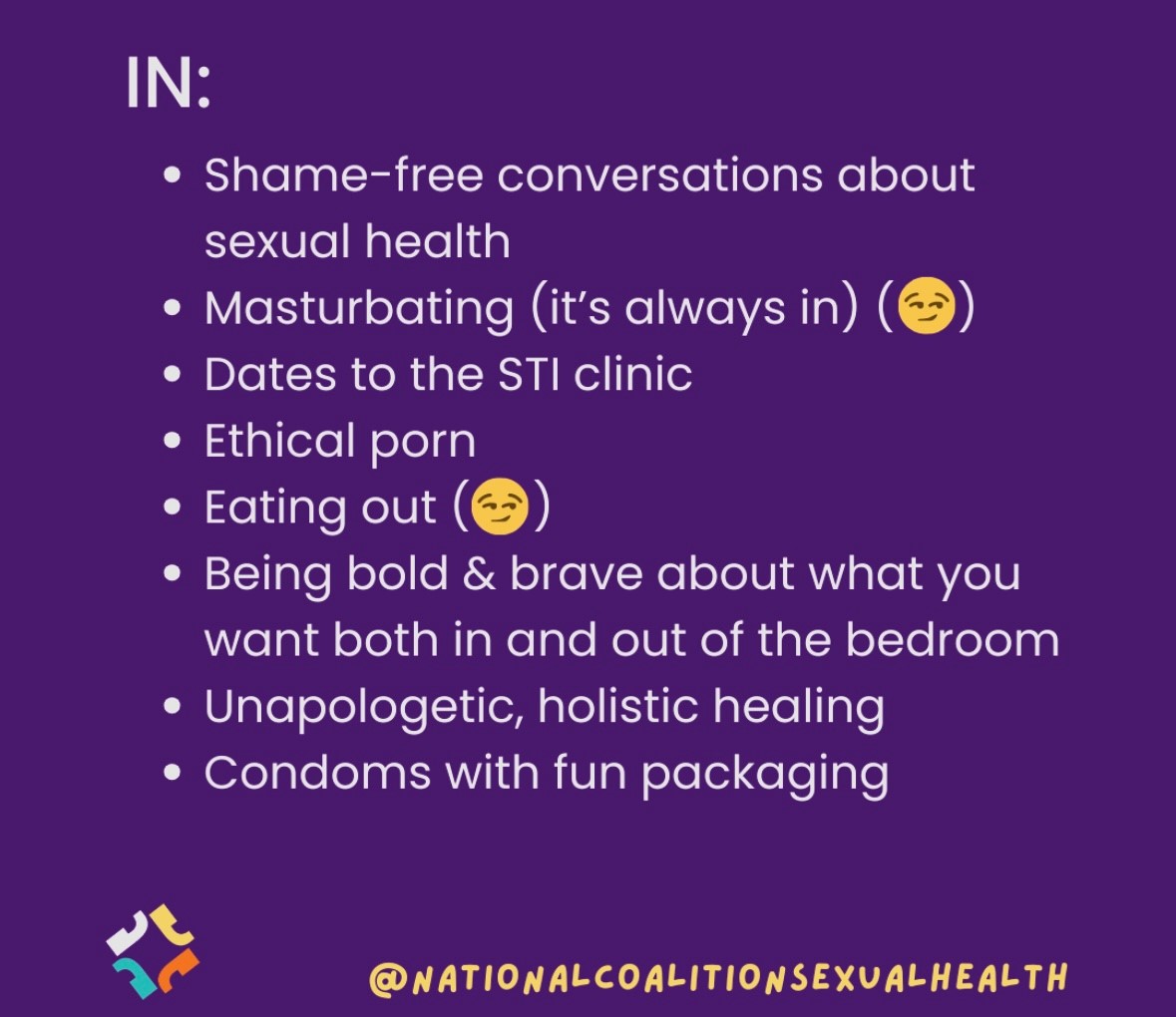
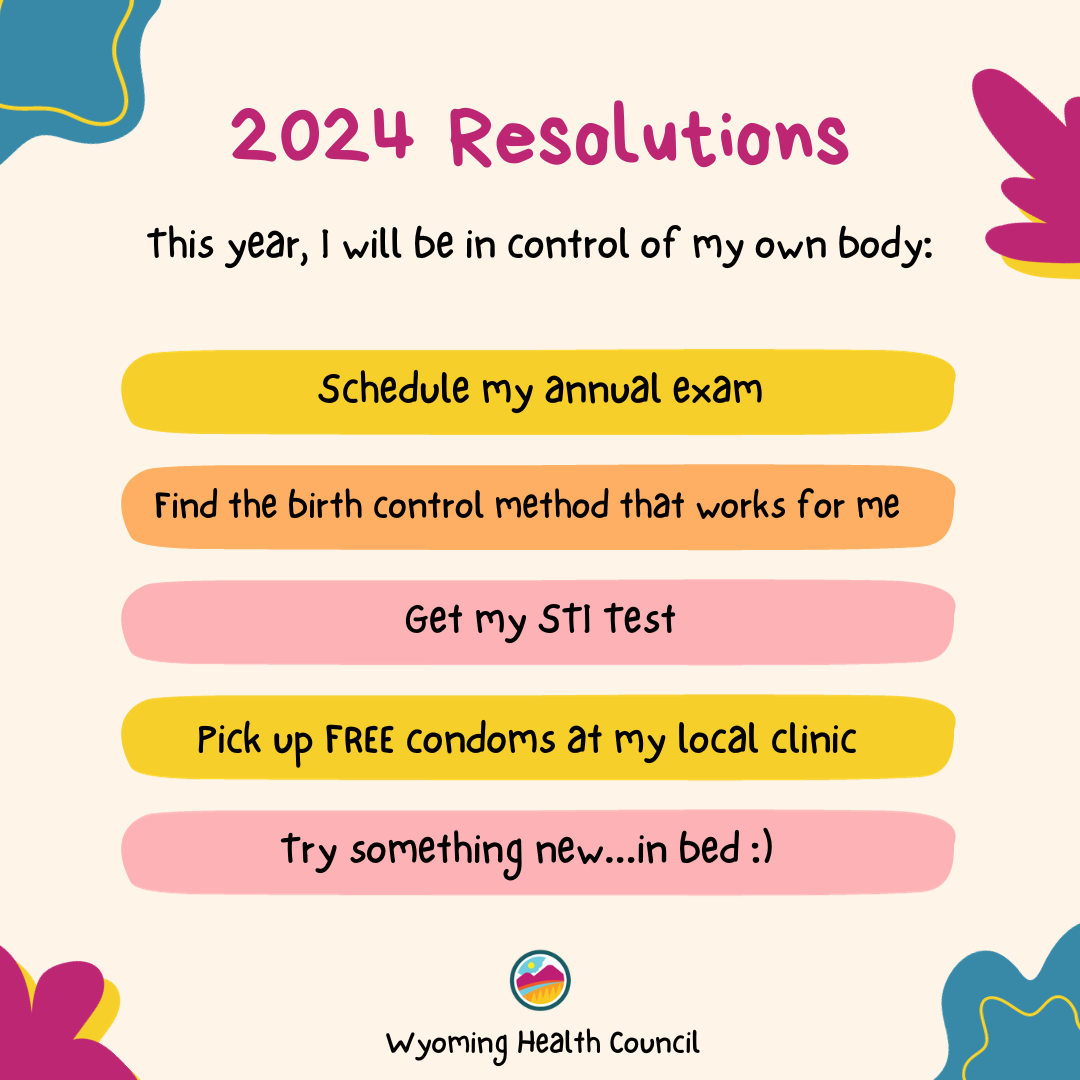
F--it, Let's Have All Our New Year's Resolutions Be About Sex This Year
The new year is right around the corner, so you know what that means…vision board parties, long-term goal setting, and resolutions tailored specifically to 2024.
You might already be thinking about reading a certain number of books each month, going to the gym consistently, or aiming for a promotion at your job—all of which are probably very reasonable and great ideas. But there are also plenty of resolutions you can put on your list that will help you spice up your sex life, regardless of whether you’re single or you’ve been with your partner for years.
So set a goal to learn some new tricks, act out your wildest fantasy, or express yourself sexually in a whole new way. Start your year off right with these 6 sexy New Year’s resolution ideas for 2024...
| | |
|
Self-Love Month is in January!
It’s much too easy to get carried away by life’s troubles and forget to appreciate yourself. Self-Love Month is a time to appreciate yourself and invest time in conscious physical, spiritual, and psychological growth. It involves prioritizing your happiness and well-being. Your needs won’t take care of themselves, pay attention to yourself on this amazing holiday.
Self-Love Month is all about building self-worth and getting what you deserve.
| |
 | |
5 Crucial Steps in Becoming Your Most Sexually Confident Self
Sexual confidence requires a lot of inner work and dedication to becoming your most authentic self.
It’s not nearly as much about technical skills in the bedroom as you may think. In fact, it hardly is at all.
#1 GET CONNECTED TO YOUR BODY AND HEAL YOUR RELATIONSHIP WITH IT
Our physical body is the vehicle through which we express ourselves and receive pleasure, and having a poor relationship with it does us a huge disservice. It makes us afraid of being seen—physically and emotionally—which prevents us from forming deep relationships with others. It makes us anxious and unable to relax during sex, which inhibits us from receiving pleasure. It disconnects us from our intuition and our truth, and being in tune with these is crucial for us to be able to live authentic, fulfilling lives. Good news: You can heal your relationship with your body and feel extremely connected to it without having to change a damn thing about it! Here's how...
| |  |
|
The 5 Best Online Sex Therapy Platforms for 2024
If you’re experiencing sexual health challenges, sex therapy may help.
Sometimes, sexual dysfunction, mental health concerns, interpersonal and psychological factors, or relationship issues can get in the way of having the healthy and fulfilling sex life you desire.
However, to find therapy and the support you need for your sexual health is sometimes more difficult than to find mental health therapy.
Anonymity may be a factor. Or, finding a therapist specializing in sex therapy might be challenging in some locations, especially rural areas.
Online sex therapy services can bridge the gap. An online therapy program is a convenient way to get the support you need via online sessions in the comfort of your home, car, or anywhere you can access a phone or the internet. Online therapy options are available via therapy apps and websites.
| | |
|
For the New Year
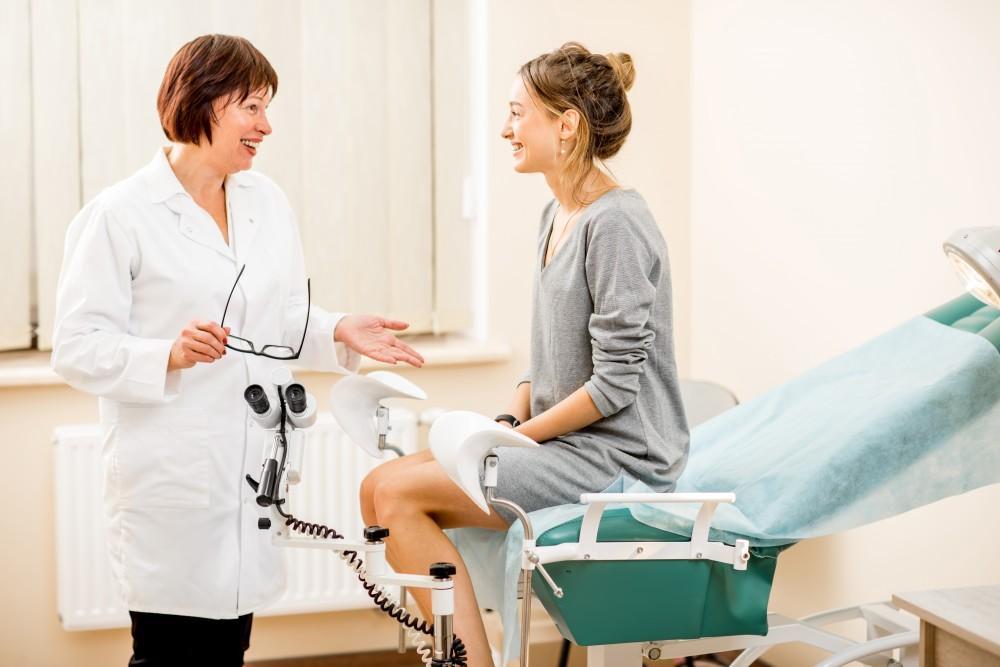
Start Your Self Care With Your Wellness Exam
Your wellness visit is all about you, your body, and your reproductive health!
Wellness visits are also called gynecological exams, pelvic exams, annual exams, or well woman exams. If you have a vulva, breasts, or a uterus, these visits are an important part of taking care of your health (no matter what your gender identity is)!
At your wellness exam you may have a Pap test, sometimes called Pap smears, which are very important tests for finding abnormal cells on your cervix that could lead to cervical cancer. Pap tests find cell changes caused by HPV, but they don't detect HPV itself.
Do I need a Pap test?
How often you get tested depends on your age, medical history, and the results of your last Pap or HPV tests.
In general:
- If you’re 21–24 years old: you can choose to get a Pap test every 3 years, or you can wait until you’re 25 years old to start getting tested.
- If you’re 25–65 years old: get an HPV test every 5 years, or a Pap test and HPV test together (co-testing) every 5 years.
- In some places where HPV tests are not as available, you may get only a Pap test every 3 years.
- If you’re older than 65: you may not need HPV/Pap tests anymore.
You may need to get tested more often if you’ve had problems with your cervix before, have a weak immune system, or if your mother took a medicine called DES while she was pregnant with you.
Your doctor or nurse will tell you which tests you need and how often you should get them.
| |
Cervical Cancer Awareness Month | |
 | |
Why is Cervical Cancer Still Killing Thousands of Women A Year?
It's preventable and treatable, but there are too many women falling through the cracks.
4,300 women. That’s how many deaths the U.S. will see this year from a form of cancer that is entirely avoidable. And in total, this single year, around 14,000 women will be diagnosed with it.
The disease is cervical cancer, and unlike with most types of cancer, there are effective screening tests to prevent it: Pap tests, to detect abnormal cervical cells, and tests for the high-risk types of human papillomavirus (HPV), the virus that causes most cases. There’s also the ability to remove precancerous tissue, as well as a vaccine that offers nearly 100% protection against the HPV infections that cause cervical cancer, which has been available for the past 17 years.
In 2012, overall rates started to plateau, says research published in the Journal of the American Medical Association, except for women ages 30 to 34, for whom rates started to shift upward that year and have ticked up by 3% every year since. And no one really knows why.
One thing is clear in many cases of the disease: “Women are getting cervical cancer because they are falling through the cracks in our health care system,” Dr. Howard says.
| |
 | |
Women With Disabilities Have Lower Cervical Cancer Screening Rates, Study Finds
Around 11,500 new cases of cervical cancer are diagnosed each year in the United States, according to the Centers for Disease Control (CDC). The CDC tracks cervical cancer rates by age, race, and ethnicity, but not by disability type. A 2022 study found that women with disabilities may encounter multiple social and economic barriers to accessing reproductive health care, and a lack of timely access to cervical cancer screening may lead to delayed diagnosis and treatment for cervical cancer.
According to research by Mason PhD in Public Health student Amarachukwu Orji, from 2018-2022, a lower proportion of women with disabilities, particularly those with physical and multiple disabilities, received cervical cancer screening via Human papillomavirus (HPV) testing, compared to women without disabilities.
The proportion of HPV testing was lower among women with any disability (50.2%) than among women without disabilities (54.8%). However, when broken out by type of disability, women with a cognitive disability had a higher screening rate (55.9%) and women with sensory (49.7%), physical (48.2%), and more than two disabilities (47.8%) disabilities had a lower screening rate than women without a disability.
| |
 | |
Transgender People Need Cancer Screening and Timely Care
Screening should be done based on which organs a person has, not gender identity.
Many transgender, gender-nonconforming and nonbinary people may be missing out on appropriate care to prevent and treat cancer, according to a small but growing body of research. Gender-affirming therapy does not necessarily eliminate—and in some cases may increase—cancer risk. Some trans men remain at risk for breast, cervical, endometrial, uterine and ovarian cancers, while most trans women are still susceptible to prostate cancer. There is a still a dearth of research on the effects of gender-affirming hormone therapy on cancer risk and disease progression.
Trans people often face barriers to care, including lack of awareness, discrimination and less access to medical care. Lack of health insurance or inadequate coverage are also concerns. For example, a trans woman who is identified as female by her insurance company but still has a prostate might not be covered for prostate cancer screening, notes the National LGBT Cancer Network.
| |
|
Did you know that HPV Week
is January 22-26?
| |
 | |
What Does an HPV Diagnosis Mean For My Relationship?
If you or a partner receive an HPV diagnosis, it may be time to revisit your safer sex practices. Being honest about your status can help reduce the risk of transmission between partners. Here’s how to navigate this chapter of your relationship.
HPV refers to a group of more than 100 viruses. About 40 strains are considered to be a sexually transmitted infection (STI). These types of HPV are passed through skin-to-skin genital contact. This typically happens through vaginal, anal, or oral sex.
HPV is the most common STI in the United States. Almost 80 million Americans currently have a strain of the virus. Each year, 14 million more Americans contract an infection.
Almost all sexually active Americans will have HPV at some point in their lives. And anyone who is sexually active is at risk for contracting the virus or spreading it to a partner.
It’s possible to have HPV without showing symptoms for several years, if ever. When symptoms do appear, they usually come in the form of warts, such as genital warts or warts of the throat.
Very rarely, HPV can also cause cervical cancer and other cancers of the genitals, head, neck, and throat.
| | |
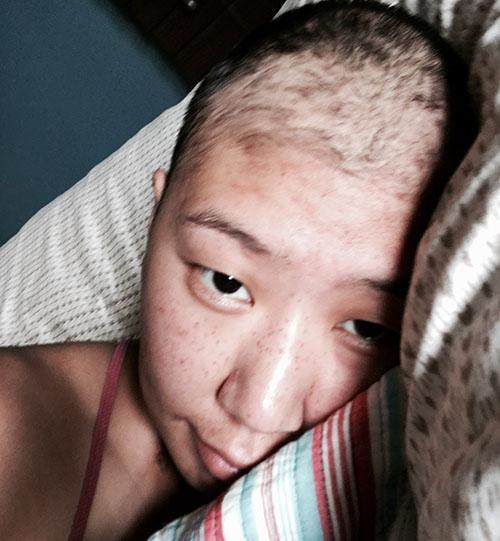 | |
Lily's Story-Cervical Cancer Caused by HPV
At 27 years old, Lily learned she had cervical cancer. HPV causes almost all cervical cancers. She is sharing her story to encourage parents to protect their children from HPV-related cancers by getting them vaccinated.
When I say that I was the most normal 27-year-old, I truly mean that I was the most normal 27-year-old. I had met the love of my life, recently moved in with a friend, and started working with my father helping out with the family business full time. I had this beautiful dog, Rocco, who I adored. He went with me everywhere. I loved going to all sorts of different music concerts, walking around the dog park, and just hanging out with friends.
About a year into my relationship with my boyfriend, I noticed that I was having quite a bit of pain in my pelvis. I would wake up almost every day in pain, not so much that I couldn't get out of bed, just enough to make me realize that the pain was there. I would get up and take an aspirin and usually forget about it by the end of the day. I also started to bleed after sex. I waited almost an entire year before going to the doctor. I was that person that would go to the doctor when it was really bad. I kept putting off my regularly scheduled pap smear because as a young woman in her 20s, I didn't think I NEEDED to go to that one appointment. I could likely skip one and be just fine. Okay, maybe skip two and still be just fine.
I finally went into the doctor just thinking they'll do a quick check and I'll be out in no time. I even called my boyfriend to let him know I'd likely be home in about an hour. During the exam I remember thinking, this is taking longer than usual. Then she said, "Well, I'm sorry this is taking so long, but I'm seeing something here that isn't right."
| | |
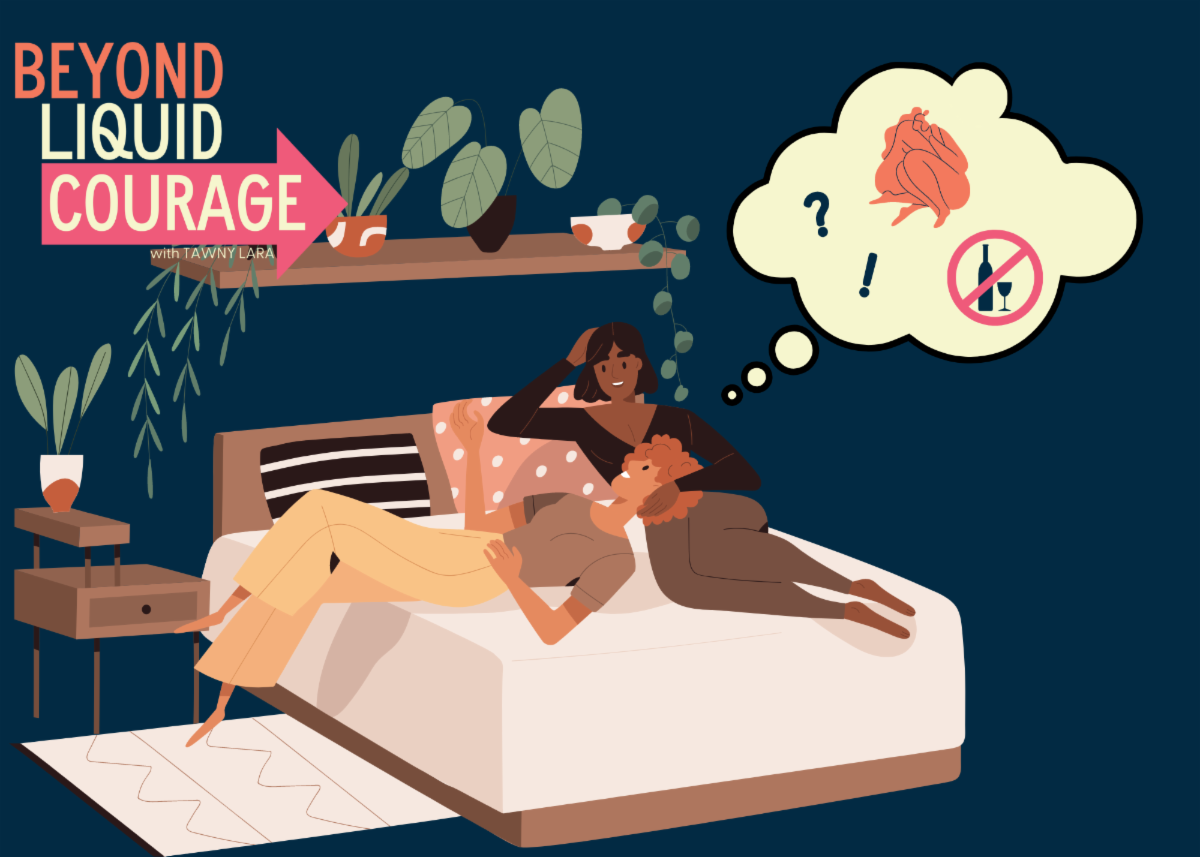 | |
How To Have Sober Sex
If you're used to having tipsy sex, sobering up can be terrifying.
Dry January is in full swing, and with it comes a newfound soberness to usually tipsy activities. You may find yourself dating while sober, which is one thing — but what about sober sex?
Alcohol loosens inhibitions and mutes our emotions, including anxiety. If you're used to having sex under the influence, doing it while sober can feel…terrifying. But why is that, and how can we have sober sex?
"[People] might find that when tipsy, they tap into a more daring or relaxed sexual version of themselves that is difficult to access sober," they explained. There's a reason alcohol is called "liquid courage."
In the long run, however, using alcohol before sex habitually can leave you feeling out of touch with yourself and your partners once you sober up, Tanner said.
Physically, you may not be tuned-in to what your body needs, like lube. Mentally, you may remember having hot, consensual sex, but not the details. You may even internalize the belief that you're only "good at sex" after drinking, which could lead to less intimacy and initiation in the long run.
Benefits of sober sex
Alcohol acts as "social lubricant" by quieting down nerves one may feel in a public setting. The problem is, "when we numb the bad, we also numb the good..."
| | |
 | |
Alcohol Might Be Ruining Your Orgasm
How much and how often you drink can affect your abilty to climax during sexual activity.
“Society has long depicted alcohol as a crucial ingredient for romantic encounters,” said Catalina Lawsin, a clinical psychologist who specializes in sexuality. She added that people often mix sex and alcohol because it relaxes them and offers a sense of escapism — and because of a widely held belief that alcohol “elevates sexual prowess and pleasure.”
But the reality, she said, is much more complex.
What happens when you mix alcohol and sex?
“Essentially, there’s no research,” said Dr. Lauren Streicher, a clinical professor of obstetrics and gynecology at Northwestern University Feinberg School of Medicine whose work focuses on sexual dysfunction in women.
The data that does exist — much of it from rat studies or small, qualitative investigations — suggests a pattern: Small amounts of alcohol seem to enhance arousal and decrease sexual inhibitions, Dr. Streicher said, but large amounts can suppress arousal and delay or prevent orgasm.
To understand why, it helps to look at the specific processes happening in your brain when you drink.
| | |
|
Stalking is a pattern of repeated and unwanted attention, harassment, contact, or any other course of conduct directed at a specific person that would cause a reasonable person to feel fear. Similar to crimes of sexual violence, stalking is about power and control.
RAINN
| |
|
When you learn more about stalking behaviors, you're more likely to notice them before they escalate, and you can take steps to protect yourself.
Here are just a few examples of stalking:
- Making threats against someone, or that person's family or friends
- Non-consensual communication, such as repeated phone calls, emails, text messages, and unwanted gifts
- Repeated physical or visual closeness, like waiting for someone to arrive at certain locations, following someone, or watching someone from a distance
- Any other behavior used to contact, harass, track, or threaten someone
One of the ways perpetrators stalk victims is through the use of technology. You may have heard the term cyberstalking to refer to these types of interactions. “Use of technology to stalk” is a broad term that is used to cover all forms of stalking that rely on technology.
Some uses of technology to stalk include:
- Persistently sending unwanted communication through the internet, such as spamming someone’s email inbox or social media platform
- Posting threatening or personal information about someone on public internet forums
- Video-voyeurism, or installing video cameras that give the stalker access to someone’s personal life
- Using GPS or other software tracking systems to monitor someone without their knowledge or consent
- Using someone’s computer and/or spyware to track their computer activity
| |
|
Cyberstalking: Definition, Signs, Examples, and Prevention
Cyberstalking refers to the use of the internet and other technologies to harass or stalk another person online, and is potentially a crime in the United States. This online harassment, which is an extension of cyberbullying and in-person stalking, can take the form of e-mails, text messages, social media posts, and more and is often methodical, deliberate, and persistent.
Most of the time, the interactions do not end even if the recipient expresses their displeasure or asks the person to stop. The content directed at the target is often inappropriate and sometimes even disturbing, which can leave the person feeling fearful, distressed, anxious, and worried.
While some of the online harassment that people in the survey experienced was just nuisance behaviors, nearly 1 in 5 Americans said they had experienced severe forms of online harassment. These actions included physical threats, sexual harassment, and stalking.
| | |
 | |
'At first I tried to be polite, not to hurt his feelings': how a regular 'liker' on social media became my stalker
It is hard to remember when it began. Years ago now. At first he was an inveterate "liker" on Twitter, and soon gathered into comments. After a while came a request to follow him back; there was a work-related matter he needed to discuss...
An estimated one in five women and one in 10 men will be the victim of stalking, and during Covid, those figures shifted dramatically: some 80,000 cases were recorded by police in England and Wales in 2020 – up from 27,156 the previous year.
Like many people I know, particularly women, I have had previous experiences of obsessive male behavior – colleagues, exes, strangers. When I was younger, I had thought the best way to navigate this was, in effect, to remain constant and kind while their ardour burned itself out. But the older I got, the more weary I became of accommodating men’s feelings and entitlement.
I have thought often of the old Margaret Atwood adage that men are afraid women will laugh at them, whereas women are afraid men will kill them. That to explain the fear I experienced is to touch on the way that many women move through the world; how we learn to adapt our behavior to not upset men. We make ourselves, our needs, our wishes smaller to not incur their wrath.
I can feel now, still, how it affected my life in ways that felt both incremental and visceral. How aware I was to be walking alone down a country lane; how increasingly I scanned people’s faces on the street and in the grocery store. How when this man became angry, I stopped answering my front door, and cancelled public events. How I was scared as I took the short walk from the tube to my home. How I wound myself up in my duvet and cried.
| | |
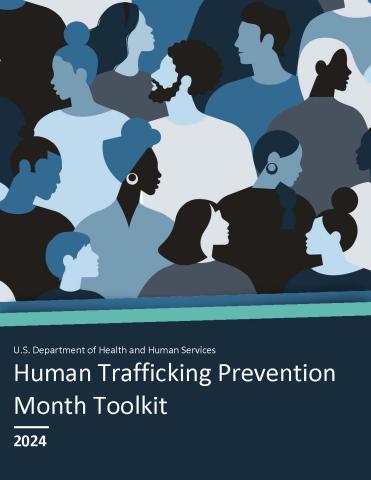
National Human Trafficking Prevention Month
Human trafficking, also known as trafficking in persons, is a crime that involves compelling or coercing a person to provide labor or services, or to engage in commercial sex acts. The coercion can be subtle or overt, physical or psychological.
Exploitation of a minor for commercial sex is human trafficking, regardless of whether any form of force, fraud, or coercion was used.
Traffickers increasingly use online technology, including the internet and social media platforms, to recruit, control, and exploit people and grow their operations.
This trend has increased with the onset of COVID-19; in 2020, the National Human Trafficking Hotline identified a 22% increase in online recruitment into trafficking schemes and reported the internet as the top recruitment location for all forms of trafficking.
***Articles to Read***
14 years after being groomed and sex trafficked by a man from another state, a 31-year-old Wyoming woman told Cowboy State Daily that living in a small town doesn't insulate potential victims from the dangers of the Internet.
Polaris Project: Survivors Stories
Survivors of sex and labor trafficking are resilient and the true experts in the anti-human trafficking field. They teach us about some of the risk factors that contributed to their situations of trafficking so we can improve our prevention efforts. We are grateful to all the brave survivors who have shared, hoping that other potential victims can learn from their stories. There is support available if these stories make you concerned about yourself or others.
As the use and reliance on technologies in our personal and professional lives continues to grow, it is important to recognize how they can be used as innovative tools to prevent and respond to human trafficking while simultaneously creating more opportunities for trafficking and other forms of abuse to flourish.
| |
|
RHNTC
Identifying and Responding to Human Trafficking in title X Settings eLearning Course
This eLearning course can help Title X family planning staff to identify signs of human trafficking and respond appropriately to potential cases. This course provides practical strategies, as well as survivor stories, activities, case studies with reflection prompts, and a video.
| | |
|
GRIT Conference
May 6-8 2024
The Greater Rockies Immersive Training on Exploitation and Trafficking (GRIT) is brought to you by Uprising, a Wyoming-based anti-trafficking nonprofit. By fusing together the latest research, trends, and field expertise coupled with innovative immersion training, GRIT aims to cultivate sustainable change in how criminal justice systems throughout the Rocky Mountain region react to, investigate, and prosecute exploitation-based crimes. GRIT accomplishes this by using a multidisciplinary approach that targets offenders while providing holistic support for the victims of these crimes.
| | |
|
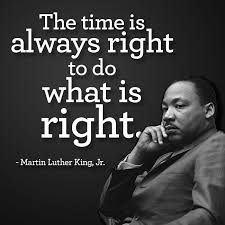
Martin Luther King Jr. Day
Jan 15
| |
 |
The Forgotten Reproductive Justice Legacy of Dr. Martin Luther King
In rereading Dr. King’s pivotal speeches, sermons and commentary, one is easily struck by his profound wisdom on matters related to race, class, reproductive autonomy, health and women’s equality. What is old is new again.
In 1966, King wrote a landmark speech on reproductive health and rights for his acceptance of Planned Parenthood’s inaugural Margaret Sanger award.
Of Margaret Sanger, Dr. King noted that there is a “striking kinship” between the fight for reproductive rights and civil rights, particularly because Margaret Sanger, “like we, saw the horrifying conditions of ghetto life.” He explained, “[l]ike we, she knew that all of society is poisoned by cancerous slums.” Dr. King noted that Sanger sought, like he, to expose truth “to the millions.”
To him unwanted, unplanned pregnancies were “a cruel evil” that “urgently need[ed]…control.”
Recent scholarship provides a nuanced and complicated view of Margaret Sanger, who founded what is now the Planned Parenthood Federation of America as does my book, Policing The Womb.
In accepting the award—Mrs. Coretta Scott King appeared on his behalf—Dr. King wrote that Black Americans “have no mere academic nor ordinary interest in family planning.”
He saw the cruelty and evils of poverty exacerbated by racial discrimination up close. He explained “[t]here is scarcely anything more tragic in human life than a child who is not wanted,” and poverty is often at the root of this condition.
Despite the many “mountainous obstacles” facing the Black community, King insisted that a key element of stabilizing Black life, “would be an understanding of and easy access to the means to develop a family related in size to his community environment and to the income potential he can command.”
Perhaps for this reason, Dr. King recognized the civil rights movement and advocacy for family planning as “natural allies” seeking to “guarantee … the right to exist in freedom and dignity.”
| | |
 |
5 things to know about the maternal health crisis
The Black maternal mortality crisis has gotten renewed attention in recent weeks amid growing concerns over the disparity in deaths between Black and white people.
The U.S. is among the wealthiest nations on Earth, yet it has the highest rate of death during pregnancy for up to a year afterward, according to the United Nations.
Black people are three to four times more likely to die from pregnancy-related causes than their white counterparts.
For years, Black leaders have worked to address these disparities, but with the newfound focus on the issues, advocates say the lives of Black mothers could be saved.
Here are five things to know about the maternal health crisis.
Implicit bias
There are a number of underlying causes for maternal mortality, and they range from mental health conditions such as postpartum depression to physical disorders such as hypertension.
While Black patients are more likely to exhibit comorbidities such as high blood pressure, research also points to implicit and structural bias in the medical system.....
| | |
 |
Pregnancy care deserts are growing. Indigenous babies are at risk.
As medical director of one of only three NICUs in South Dakota, Balay knew this had to represent a much bigger problem. She talked about it to anyone who would listen — namely, other health care providers, city officials, tribal decision-makers. “People were always just like, yeah, I can’t believe that — syphilis? No, we got rid of that. And I’m like, no, no, it’s here. It’s in South Dakota. It’s affecting my babies,” she said.
Until the early 2010s, women only rarely got infected with syphilis. But in 2012, women’s infection rates began to tick upward, and rose more than 700 percent across the US according to estimates from the Centers for Disease Control and Prevention (CDC).
At the same time, congenital syphilis cases — in-utero infections that have high rates of disability and death — also began to lurch out of control throughout the US. Transmission has been particularly intense in South Dakota. Last year, the state had the highest rate of sexually transmitted syphilis infections, and the seventh highest congenital syphilis rate.
Nationally, infections in both adults and infants have increased faster in Native Americans than in any other racial or ethnic group, especially over the course of the pandemic — a trend also mirrored in South Dakota. But the concentration of cases in this group “has nothing to do with the color of their skin or their race,” said Balay. “It’s a disease of access.”
Many providers like Balay see an obvious link between rising congenital syphilis rates and sparse access to obstetric care (i.e., care for pregnant people, also called maternity or prenatal care). That’s largely because, historically, prenatal care is where syphilis transmission to a fetus has been interrupted. Testing is standard in prenatal care, and all but eight states require syphilis testing during pregnancy.
The problem is simple, as Balay explains. “There just is not enough obstetric care,” she said. And as prenatal care becomes increasingly scarce, so do opportunities to catch and treat syphilis.
| | |
 | |
Child Trends- Strategies to Advance Racial Equity in Adolescent Sexual and Reproductive Health
Health care providers are more likely to discriminate against Black, Brown, and Indigenous youth and to stigmatize them for their choices, including both abortion and
pregnancy. Additionally, adequate and reliable public transportation and access to affordable comprehensive and unbiased contraceptive and pre– and post-natal care are less available in communities in which Black, Brown, and Indigenous youth live. These systemic disadvantages inhibit both quality of care provided and adolescents’ ability to receive services and use methods that align with their preferences. As a result, Black, Brown, and Indigenous youth experience disparate sexual and reproductive health outcomes, such as increased rates of HIV/STIs, pregnancy complications, and adverse birth outcomes. The root and driving cause of these inequities is racism—particularly structural racism.
When most people think of racism, they tend to think of the harms caused by interpersonal racism, wherein—for example—individual providers act on racial biases and provide a lower standard of care based on a patient’s race. However, structural racism can
negatively affect access to care
for entire populations by way of policies and systemic inequities—in health care, social services, education, housing, justice, etc. For example, Black, Brown, and Indigenous youth are disproportionately
represented in the child welfare system, often for reasons such as over-policing of their families, poverty, and mass incarceration, all of which are undergirded by racist policies (e.g., redlining, lower approval for loans to Black people, and limited education access). Youth in the foster care system face additional barriers around parental consent and availability of contraceptive methods, ultimately increasing their likelihood of experiencing health outcomes such as unintended pregnancies or unsafe abortions.
These examples show how structural racism shapes and places direct obstacles in the path to health for Black, Brown, and Indigenous people, but there are many mechanisms and examples by which structural racism affects the sexual and reproductive health of youth from these populations
| | |
WYOMING HEALTH COUNCIL
111 S. Durbin, Suite 200
Casper, WY 82601
Call Us: (307) 439-2033
| | | | | |