|
There is a lot that early childhood educators can do to make sure their curricula and classroom settings reflect the latest research on trauma. According to an article in Young Children by Shanna Kohn, Kim Foulds, Katie Maeve Murphy, and Charlotte F. Cole, children who have experienced trauma should have many opportunities to learn about feelings and the many ways to cope with them. Through extensive research, the authors developed a list of recommendations to help children. Here are some of their suggestions:
1. Build a lexicon – Help children understand a variety of terms to describe emotions, thus enhancing their emotional vocabulary. Research showed that frustration, jealousy, and guilt are most difficult for children to grasp. The authors suggest having discussions about feelings before big feelings take place. Educators might use story time to introduce this terminology.
2. Model healthy expression – Being able to recognize different emotions’ physiological signs is a healthy part of life. An educator feeling frustrated might model her emotions by shaking out her body, demonstrating a way that children can do the same thing.
3. Offer coping strategies – Talking, singing, drawing, or dancing are all helpful. Additionally, children might practice counting to five or performing belly breathing.
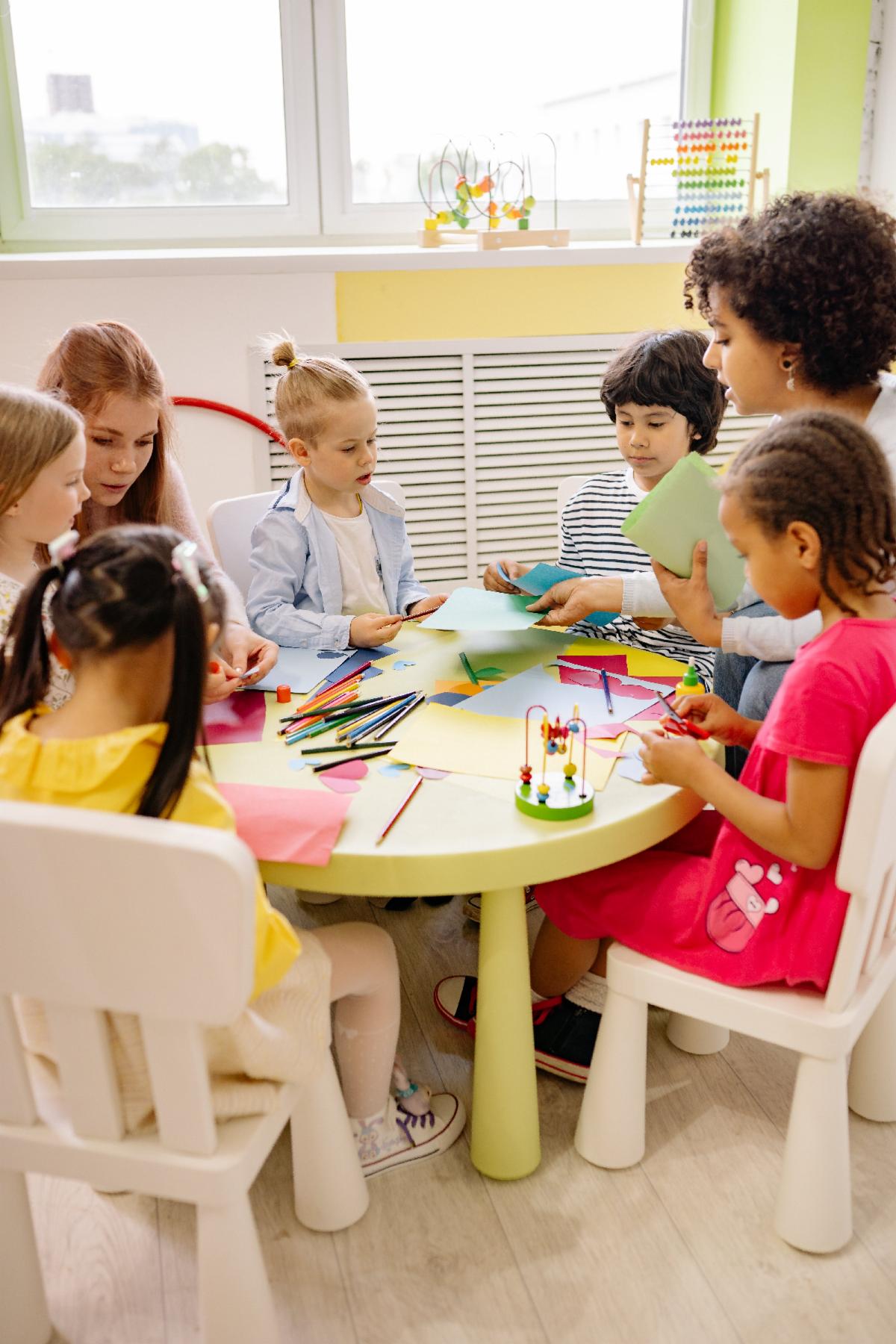
4. Model nonverbal communication – Activities such as drawing and making music can “provide valuable alternative forms of expression for some children,” say the authors. “Modeling various modes of communication (such as nonverbal and sensory-based modes of expression like using music, colors, and shapes) also increases inclusion of children who have disabilities.”
5. Promote positive social relationships – Work with children to understand empathetic behavior, inclusivity, and social skills. Use story time as an opportunity to speak about how characters in the stories take part in these behaviors and why they do it.
6. Help children gain a sense of control – According to the article, having a set routine and understanding expectations helps children feel stable and secure. Each morning, review the plan for the day and display a daily schedule with pictures for each activity.
The authors also recommend being sensitive and mindful of differences in developmental trajectories, recognizing the power of play, creating a sense of belonging, and encouraging a sense of pride.
|